When you buy food products in stores, you
don’t exactly know how they were processed and what they’d been through
before reaching supermarket shelves, and although most of us already
know that not all the products from the supermarket are healthy, not
many know that some of them may be "fake". This means that the product
that boasts a certain name may not actually be what you expect it to be,
which misleads us to believe that we know what’s going into our body.
Learn about the 8 "fake" foods you regularly consume without even
knowing it.
1. Coffee
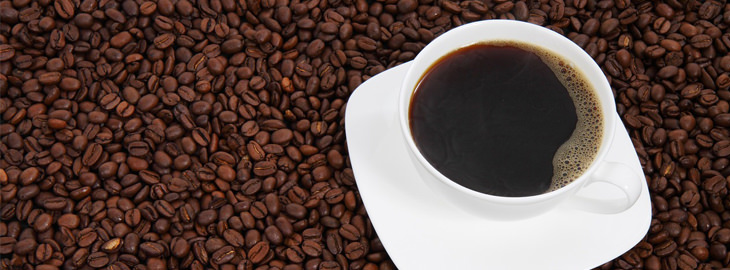
If you grind your coffee beans at home, you
have no reason to worry, since it is difficult to forge whole coffee
beans, but you can find additives like wheat or barley in instant coffee
that act as cheap and easy fillers. In fact, some of the symptoms
people attribute to coffee, such as migraines or a feeling of fatigue
after drinking, may be caused by these other ingredients, and 2013
research suggests that people who suffer from allergies to gluten
shouldn’t consume instant coffee at all.
2. Cheese
There are products that might not have the
word ‘cheese” written on them but that look exactly like cheese and are
even thought to be cheese. They are usually lower priced than the real
cheeses, and aren’t usually separated from real cheeses in the
supermarket fridge, meaning you can easily grab these products by
mistake. If the packaging says only “fetta” or "white slices" without
the word "cheese", it is probably a synthetic substitute. Although these
products are recommended for those who are lactose intolerant, if you
want to consume real cheese, which contains calcium and good
cholesterol, you should pay attention to its name.
3. Olive oil
In two studies examining the ingredients found in 168 virgin olive oils of various brands, it was found that a large number of companies were mixing peanut and soy oils in their olive oils. When the oils were compared to those of the International Olive Council, those of Italian and American brands failed the tests, with the olive oil content being between 56-94%. In addition to the use of other oils, the same oils were found to be of lower quality and much more oxidized than other oils. If you want to be sure that you are buying premium quality virgin olive oil, avoid brands from Italy or the US and check their ingredient list.
4. Tea
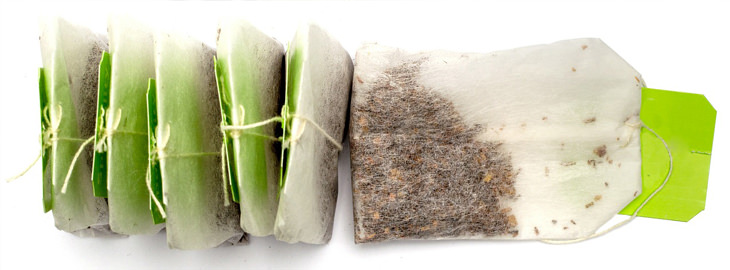
If you look carefully at the different tea
bags in your home, you may notice that some of them have a mixture of
uniform color and texture, while others have parts that look less like
dried leaves and more like sawdust. This phenomenon is found mainly in
tea bags and not loose tea-leaves because stems and twigs are often
added to tea bags by manufacturers. Usually, in these cases, an
artificial tea taste is added to hide its low quality. To know for
certain whether your tea is high quality, add lemon and check if it
changes to red-brown (good sign) or to dark brown (bad sign). In
addition, if there the water foams after adding the lemon, this is also a
sign of low-quality tea
5. Honey
It is recommended that you pay attention to
the ingredient label on the honey jar before you decide to buy it since
in many cases you’ll find that it contains corn syrup with a high
percentage of fructose (55%). Sometimes products labeled "honey" don’t
actually contain any honey, as in the case in 2009 in which a whole
plant was caught producing fake honey. When you buy honey, make sure
that the manufacturer's name, address and phone number are on the
package. It is also recommended to examine the type of nectar from which
the honey was produced and make sure that it isn’t labeled a “honey
mixture.”
6. Champagne
Everyone likes to open a bottle of
champagne when celebrating but you should know that as long as the
bottle didn’t come from Champagne, France, what you’re drinking is
nothing more than sparkling wine. The main difference between champagne
and sparkling wine is that champagne gets better over time and doesn’t
lose its quality, unlike sparkling wine which is recommended to drink
close to purchase. In addition, it is recommended that you don’t shake
sparkling wine like you can with champagne, as you’ll just end up with
less bubbly sparkling wine. One thing you want to know is that sparkling
wine usually contains a lower alcohol content than champagne, and can
be identified by comparing it to different types. Most sparkling wines
contain about 12% alcohol.
7. Fruit juice
If you want to enjoy quality fruit juice,
you should check the list of ingredients on the bottle before purchasing
it. In many cases, juices labeled as single fruit are usually diluted
with other cheaper fruit juices. For example, pomegranate juice can also
contain apple juice. While this is not a harmful phenomenon, if you’re
looking to drink a juice that is 100% the fruit you want, make sure the
check the ingredients.
8. Hot dogs
https://gscrochetdesigns.blogspot.com. one can see my crochet creations
When you eat hot dogs or make them for your
children, you may think that all you’re eating is ground meat, but many
studies have proven that this is not the case. It was found that in a
package of 100% natural hotdogs, chicken parts, such as bones, nails,
feathers, and crests, were added. Today, meat companies are obligated to
include the complete list of ingredients on the packaging, and that
includes the chicken parts. So be sure to always read the labels!

No comments:
Post a Comment