Showing posts with label pomagranate. Show all posts

Tuesday, October 31, 2023

8 Fruits You Can Grow Indoors

While it may come as a surprise, you actually don't need to have outdoor space to grow your own fruit. With that being said, it does require patience, because it usually takes a year before you can enjoy lemons, avocados or other delicious fruits when they're grown in this way. Growing your own fruit trees has a lot of health benefits too - doing so will help you relax and de-stress:


1.Citrus fruits
growing fruit indoors

Lemons, oranges, grapefruits, and limes can all be grown indoors. They will also give your home a wonderfully rich citrus aroma all year round.

The process: Planting such fruit is actually pretty simple. The seeds for planting do need to be fresh though. Rinse the seeds with water and either plant them in damp soil, peat, river sand or in a special soil suitable for citrus fruits. Each seed should be placed in a separate pot or cup. The seedlings should also get enough natural light, but they should be protected from midday sun and dry air. The winter weather is also suitable for your citrus trees. 
 
 
2. Dates
growing fruit indoors
Were you aware that the pit within each date can be used to pot and grow your own date tree? 
 
The process: Place the pits in a small dish and let them soak for a few days before planting. Bury them in a peat and sand soil mix. Be sure to keep the soil damp, spraying with some water every two days. The dates also require a lot of light, as well as a cool, winter temperature.


3. Feijoa (Pineapple Guava)
growing fruit indoors

It is even possible to grow your very own exotic plant. 
 
The process: The seeds of this exotic plant should be taken from a very ripe fruit. If the feijoa isn't ripe yet, place it in a warm spot for a couple of days. Once it has ripened, rinse the seeds from the surrounding pulp with water and leave them to dry on a paper towel. Then bury the seeds in sandy soil. The plant may grow a lot faster than expected. Ensuring this, when planting the sprouts, pinch the main root and transplant it together with old soil into a bigger pot.


4. Figs

growing fruit indoors
This fruit may be found in abundance outdoors, but you may grow it inside your home too. 
 
The process: Rinse and dry the seeds, then plant them into damp soil. Sprinkle the soil with a little sand and cover it with plastic wrap. Find a warm spot - fig trees need plenty of sunlight. Expect the first sprouts to appear in three weeks if you regularly moisten the soil and keep the room well-ventilated. Ideally, in summer, the temperature should be less than 68°F in the summer and should not exceed 57°F in the winter. 
 
 
5. Passion fruit
 growing fruit indoors
 
The next time you eat passion fruit, be sure to keep those seeds. 
 
The process: When planting passion fruit seeds, you'll most likely get a vigorous, fast-climbing vine as opposed to a fruitful tree. Like any other tropical plant, passion fruit needs a tremendous amount of sunlight, fresh air, warmth and high humidity. 
 
 
6. Avocado
growing fruit indoors

Avocado can easily be grown from its pit. You'll likely start to see its effects in one or two days. 
 
The process: Remove the pit carefully and wash it gently, removing the flesh around it. Then plant it in the soil. Alternatively, you can stick three toothpicks, 120 degrees apart into the middle of the seed to balance the pit on the inside of a cup without inserting it into the water completely. Once the plant has developed a good root system in the water, carefully take it out and bury it in the soil. Keep the temperature at 64°F before the leaves come into bloom. Avocados love sunlight and heat, so place your tree next to a sunny windowsill. The more light it gets, the better.  


7. Pineapple
growing fruit indoors

Growing a pineapple is a lot easier than you would expect

The process: You don't need seeds to grow a pineapple. Just twist the leaves off the top, strip off some of the lower leaves to expose the stem and plant it in a pot filled with river sand. Pineapple trees like a lot of sun and need to be kept fairly moist. The plant will only stop growing during the winter months - but keeping it indoors may help the fruit blossom then too. 


 8. Pomegranate

growing fruit indoors
This tree doesn't need much water and can grow well almost everywhere. 
 
The process: Growing pomegranate indoors will yield you dwarf pomegranates that will delight you with their pretty scarlet flowers and mouth-watering fruit. The average yield of pomegranates tends to vary between 7 to 10 edible fruits that are about 2 inches in diameter. Just scoop out some seeds and rinse them in cool water, rubbing them with a paper towel to remove the pulp. Allow the seeds to dry for a few days and to keep them from rotting. Plant the seeds no more than 1/4 inch deep in lightweight, seed-starting potting soil. Put the pot on a sunny, warm windowsill and keep the soil moist as your seeds germinate and grow. During the winter, it may help to cover the pot loosely with a clear plastic bag until the seeds have sprouted.


https://gscrochetdesigns.blogspot.com. one can see my crochet creations  

https://cancersupportindia.blogspot.com. feel free to view for easy, simple and health tips  

https://kneereplacement-stickclub.blogspot.com. for info on knee replacement

https://GSiyers home remedies.blogspot.com     is the latest addition to my blogs.

Saturday, June 17, 2023

9 Seeds That Will Make a Real Difference to Your Diet

We all try to stay healthy and eat the freshest fruit and vegetables, but sometimes we forget where these nutritious natural treats come from – seeds. Many edible seeds are packed full of nutrients, so if you care about good nutrition, you should certainly be aware of how seeds can benefit your health.
seeds, health
1. Chia Seeds
seeds, healthy
Chia seeds have been getting a lot of good attention in recent years, which makes sense seeing as they're considered one of the healthiest superfoods out there. 
 
What’s in them? 
Chia seeds are loaded with vitamins and minerals, contain ten times more nutritional fibers than rice, eight times more Omega-3 fatty acids than salmon, six times more calcium than milk and three times more iron than spinach. On top of that, they contain an inordinate amount of antioxidants that fight cell damage. 
 
Why you should eat them 
Eating chia seeds can help you lose weight, relieve joint pains, and protect the body from heart disease and diabetes. The seeds also help keep your liver in good shape, and since they contain no gluten, they're perfect for people with celiac disease. 
 
What can you do with them?  
These seeds go well with a number of dishes, thanks to their ability to take on the food’s flavors. Here are some recommendations: 
 
• Cooked, as a side dish 
 
• Added protein for salads 
 
• A crispy coating for chicken or fish 
 
• Added to fruit shakes 
 
• Added while baking bread

2. Hemp Seeds
seeds, healthy
These are the seeds of the cannabis plant. Hemp may have great industrial benefits, but its seeds have even greater health benefits. 
 
What’s in them? 
Hemp seeds are the perfect source for all 20 amino acids, including the nine essential acids our bodies cannot produce on their own. They’re rich in protein and are a great source of phytochemicals - chemical compounds that occur naturally in plants and are beneficial to our health. 
 
Why you should eat them
 If you care about your health, you should be eating hemp seeds. They’ll boost your immune system, bolster your cardiovascular system, and help with cell regeneration. The seeds do not contain THC (the active substance in marijuana), and are perfectly safe and legal to consume. 
 
What can you do with them? 
The seed’s nutty flavor makes them great as an addition to a variety of foods: 
 
• Grind into hemp flour to bake with 
 
• Prepare hemp milk 
 
• Add to various pastries 
 
• Raw – as a healthy snack 
 
3. Pomegranate Seeds
seeds, healthy

This biblical fruit is also an abundant source of health benefits
 
What’s in them? 
Rich in antioxidants, pomegranate seeds help fight off the effects of free radicals, promoting the integrity and health of your cells. Among those antioxidants, you can find polyphenols, which help prevent cancer and heart disease. Like most other red fruits, pomegranates are rich in vitamin C, which is a natural booster for the immune system. 
 
Why you should eat them 
 The antioxidants keep our body’s building blocks in good shape, as well as prevent blood clots from forming. Another benefit is maintaining the elasticity of our blood vessels, which helps blood flow. Finally, pomegranates also help maintain the integrity of the cartilage in our joints, preventing the onset of arthritis. 
 
What can you do with them?  
These delicious seeds have so much potential: 
 
• Added to green salad 
 
• Pomegranate chicken 
 
• As a delicious juice 
 
• As a topping for a cheesecake


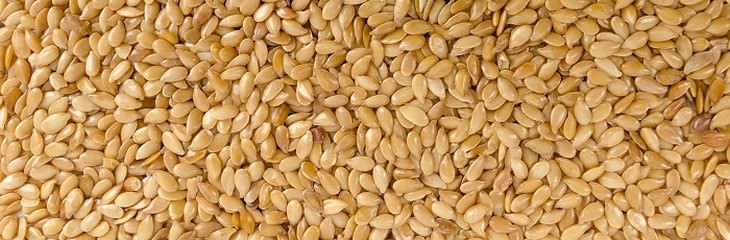
4. Flax Seeds
seeds, healthy
Flax has been known around the world as a health booster for years. 
 
What’s in them?  
Flax seeds are an excellent source of nutritional fiber, which keeps your digestive system healthy and functioning properly. They are also packed with polyphenols and linoleic acid, both of which have many health benefits for the human body. 
 
Why you should eat them  
The fibers in the seeds will help regulate your bowels and provide an extended sense of satiety. The linoleic acids have powerful anti-inflammatory properties, and have been shown to stop the development of tumors. The polyphenols regulate hormone production in the body, and are particularly recommended for women who are struggling with PMS and menopause. For more info on the benefits of flax seeds, click here.
 
What can you do with them?  
Known worldwide, flax seeds are also a popular addition to a variety of dishes, such as: 
 
• A crunchy addition to salad 
 
• Added when baking bread 
 
• Added inside muffins 
 
• Added inside yogurt 
 
 
5. Pumpkin Seeds
seeds, healthy
Next time you’re carving out a pumpkin, keep the seeds – they’re filled with nutrients and proteins. 
 
What’s in them? 
Pumpkin seeds are considered to be a perfect source of plant protein. 100 grams of these seeds contain about 54% of the required daily intake of protein. On top of that, pumpkin seeds contain a lot of vitamin B and folic acid, as well as a unique chemical called tryptophan-L, which our brain converts into serotonin, an important neurotransmitter that elevates our mood. 
 
Why you should eat them 
The protein and folic acid in the seeds help build and repair our muscles. 
 
The seeds themselves serve as a powerful antacid. 
 
Finally, the tryptophan-L is a known mood enhancer. 
 
What can you do with them? 
These seeds can be eaten after being roasted and salted, or in a variety of other ways: 
 
• A crunchy, protein-rich addition to salad 
 
• A great topping for soups 
 
• As part of pesto sauce 
 
• In yogurt 
 
 
6. Sesame Seeds
seeds, healthy
Sesame seeds are thought to be some of the first seeds ever to be used, as well as being a source of healthy and delicious oil. 
 
What’s in them? 
 The seeds are rich in minerals such as magnesium, iron, potassium, calcium, zinc, and manganese, and also contain vitamin B and lots of fiber. They also provide the eater with two special chemicals – sesamin and sesamolin. 
 
Why you should eat them 
The many minerals in the seeds make them a veritable nutritional bomb, which helps strengthen our bones and regulate cell division, sugar levels, and salt levels. The sesamin and sesamolin lower bad cholesterol (LDL) and are only found in sesame seeds. 
 
 What can you do with them? 
The many uses of sesame include: 
 
• Making tahini 
 
• Making halva (raw tahini with honey) 
 
• Added flavor to string beans 
 
• Delicious topping for bread and savory pastries  


7. Sunflower Seeds
seeds, healthy
Delicious in their own right, they’re also incredibly healthy. 
 
What’s in them? 
Sunflower seeds are a great source of vitamin E, which helps maintain the health of our cardiovascular system, as well as phytosterols and magnesium. 
 
Why you should eat them 
The vitamin E in the seeds helps prevent and repair damage to blood vessels. The phytosterols lower LDL levels and boost the immune system. They also act as an anti-carcinogen. 
 
What can you do with them? 
These seeds are available in many food stores, but you should avoid the roasted and salted versions. Instead, try using fresh seeds when making: 
 
• Salads 
 
• Soups 
 
• Bread 
 
• Chicken and fish  
 
8. Cumin Seeds
seeds, healthy
Cumin is mostly known as a delicious Middle Eastern spice, but cumin seeds also pack a hefty amount of benefits. 
 
What’s in them? 
Cumin seeds are rich in iron, which is beneficial to the liver, and contain chemicals that stimulate the production of digestive enzymes. Another powerful ingredient is the large quantity of antioxidants, which help fight cell damage and the onset of cancer. 
 
Why you should eat them 
Iron is highly beneficial for liver and circulatory system health, and the enzymes in cumin cause your digestive function to speed up and improve. Cumin is also recommended for a case of a sore throat or a cold. It also acts as a booster for kidney and immune system function. 
 
What can you do with them? 
The seeds can be consumed as is, or in their more popular guise, ground into a spice. They can be added into a variety of dishes, giving them a flavor upgrade. 
 
• Base for Indian-style dishes 
 
• Fish filet wrapped in cumin seeds 
 
• Added to stews 
 
• Roasted seeds in salad 
 
• Vegetarian lentil and cumin balls 
 
 
9. Grape Seeds
grape seeds, health
Most people prefer seedless grapes, but the seeds are actually surprisingly healthy.
 
What’s in them?
Grape seeds are rich in vitamin E, linoleic acid, and flavonoids, which are antibacterial and antifungal. 
 
Why you should eat them 
Grape seed oil has been used as medicine for thousands of years. Grape seeds keep your circulatory system healthy, have anti-inflammatory properties, and can reduce diabetes symptoms. Furthermore, they’re rich in antioxidants, which keep your cells and soft tissues safe from free radicals. 
 
What can you do with them?
The main use is as an oil, so try the following: 
 
• Stir-fried vegetables in grape oil 
 
• Quinoa in balsamic vinegar and grape oil 
 
• Beef marinated in grape oil 
 
• Natural grape ice cream


https://gscrochetdesigns.blogspot.com. one can see my crochet creations  

https://cancersupportindia.blogspot.com. feel free to view for easy, simple and health tips  

https://kneereplacement-stickclub.blogspot.com. for info on knee replacement

https://GSiyers home remedies.blogspot.com     is the latest addition to my blogs.