Showing posts with label migraines. Show all posts

Saturday, September 12, 2020

The Health Benefits and Dangers of Drinking Cow's Milk

Humans have been drinking cow's milk for millennia, but is it really good for everyone? While it used to be an evolutionary advantage back in the day when food shortage was common for most people, at present, milk consumption is optional due to a wide range of milk alternatives.

Could this food staple be dangerous to some people? In this article, we present to you the health benefits and dangers of drinking cow's milk, and it's up to you to decide if drinking cow's milk is right for you.

Before we start, however, let us mention that milk contains several essential nutrients. For a more concrete picture, let us sum up the nutrients in 1 glass of whole milk (250 ml):

  • 28% (276 mcg) of your daily dose of calcium
  • 24% (205 mcg) of phosphorus
  • 15% (112 mcg) of vitamin A
  • 10% (322 mcg) of potassium
  • 18% (1,10 mcg) of vitamin B-12
  • 11% (0,9 mcg) of zinc
  • 14% (6-7 g) protein
  • 3% (2,4 g) of fats
  • 26% (13 g) of sugar

Milk has several other micronutrients and vitamins but in much lesser amounts. Without further ado, let’s see who can benefit from milk, and who’d better replace it with a plant alternative.

Who Needs Milk in Their Diet? The Health Benefits of Drinking Milk

1. People Who Are Trying to Lose Weight

Milk can help with weight management and appetite control.
  • A 2013 study showed that drinking dairy helped participants feel fuller and reduced the amount of foods rich in fat they consumed overall.

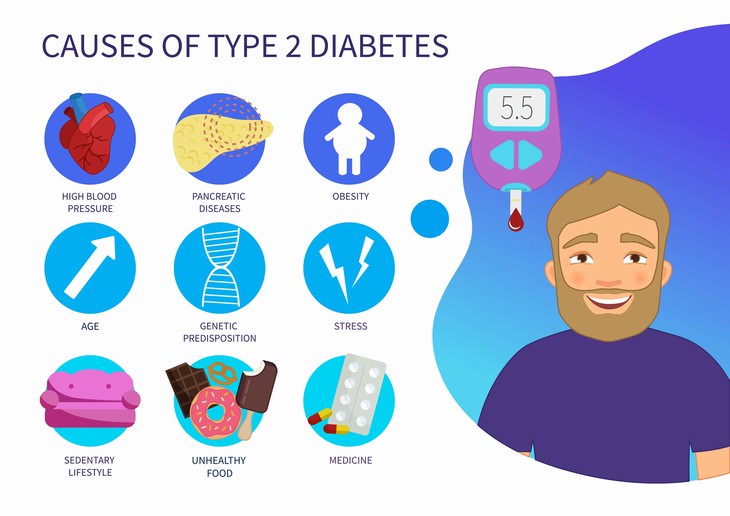
2. People at Risk of Type 2 Diabetes

Drinking milk may be a good preventative measure against type 2 diabetes.

  • In numerous studies, the whey protein contained in milk was shown to be an effective preventative method of type 2 diabetes in adults. Scientists believe that this may be because these proteins help balance out blood sugar levels.
cow's milk health facts type 2 diabetes

3. Infants and Children

Children need milk for healthy bone development.

  • Drinking milk increases children's bone density and weight. This lowers their risk of getting fractures.
     
  • In a 2009 study, pregnant women who ate a lot of dairy and foods rich in calcium in their 1st and 2nd trimester gave birth to babies with more bone mass and faster bone growth.
     
  • More dairy in preteen girls’ diet was more effective than calcium supplements in a large study measuring bone health.
cow's milk health facts growth

4. Those at Risk of Heart Disease

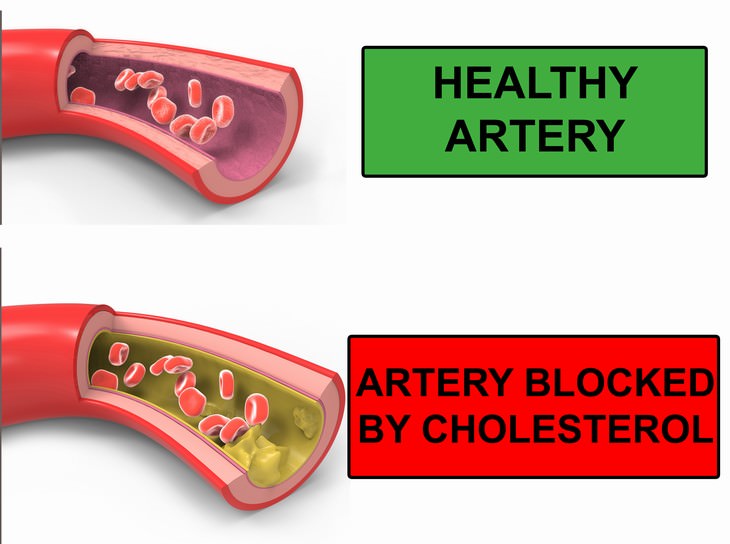
Milk consumption may protect your heart and blood vessels. This is how:

  • It helps prevent heart disease and stroke. The fats contained in milk may increase the levels of high-density lipoprotein (HDL), often referred to as the “good” cholesterol.
     
  • It can balance blood pressure because milk is an abundant source of potassium.
cow's milk health facts heart disease
  • Grass-fed pastured cow's milk promotes blood vessel health. This type of milk is rich in omega-3 fatty acids and conjugated linoleic acid, both of which prevent blood clots and lower the risk of stroke.

5. Depression Sufferers

The cocktail of calcium and vitamin D contained in milk may prevent and help manage depression.
Vitamin D deficiency is associated with depression in adults. A balanced amount of vitamin D in your body promotes the production of serotonin. This hormone is associated with a positive mood, good appetite, and healthy sleep.

6. Adults Prone to Tooth Decay

Drinking milk may prevent cavities in adults.

Dental plaque, in turn, often causes inflammation in the gums and can cause cavities if not treated.

cow's milk health facts teeth

Who Should Avoid Milk? The Dangers of Drinking Cow's Milk

1. The Elderly and Adult Women

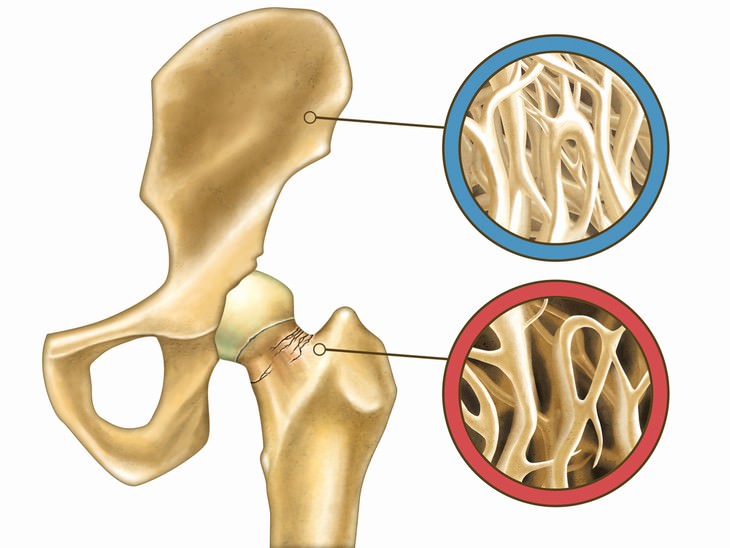
In specific cases, drinking a lot of milk may actually decrease bone density and cause osteoporosis.
  • Research has found that adult women who drank a lot of milk were more prone to bone fractures, maybe due to lactose and galactose contained in milk.
     
  • A different study concluded that osteoporosis and a higher incidence of bone fractures in elderly adults may be because they consumed a lot of dairy, animal protein, and calcium.

The picture below illustrates a healthy bone (in the blue circle) and a porous one, affected by osteoporosis (in the red circle).
cow's milk health facts osteoporosis

2. Teens and Adults with Acne

Milk may trigger or worsen acne symptoms.
  • A study found that teenagers with acne drank a lot of low-fat or skim milk. Dairy may cause adult acne as well. Although the reason is unknown, scientists believe it may be due to the carbohydrates and whey proteins contained in milk.

3. Kids and Adults Suffering from Allergies

Milk may be the most common food allergen in the world. Over 5% of children are allergic to cow’s milk, though some children may grow out of the allergy.

Sadly, it is possible for adults to develop a milk allergy as well.

cow's milk health facts allergy

The symptoms of a milk allergy are the following: 

  • skin reactions
  • wheezing
  • difficulty breathing
  • constipation
  • diarrhea
  • blood in stool

4. Eczema and Rosacea Sufferers

Eczema can be worsened or triggered by milk and dairy.
Dairy products and milk, in particular, may also cause rosacea in adults. If you find that you experience a flare-up of your skin condition when you drink milk, better exclude it from your diet.
cow's milk health facts

5. Lactose Intolerance and Sensitivity

It is estimated that about 75% of the world’s population is lactose intolerant to some degree, as estimated in a 2015 review article. Although most people with lactose intolerance can eat dairy in small amounts with no ill effect, bigger amounts of milk and dairy may cause digestive issues, such as:

  • bloating
  • vomiting
  • diarrhea
  • constipation.
A sensitivity to casein, one of the proteins found in milk, is another story. It is different from an allergy or lactose intolerance. It triggers inflammation in any part of the body, which exhibits itself in the form of the following symptoms: 
  • migraines
  • sinus congestion
  • acne flares or any other rash on the skin.

6. People Suffering from Cold Symptoms

Australian researchers suggested that consuming milk may worsen cold symptoms. In particular, it can make you phlegm thicker, which can cause further discomfort and irritation to an already-sensitive throat and nose.
It is a myth, however, that milk makes you produce more phlegm when you’re sick, it just feels that way because it is thicker.

7. People at Risk of Specific Cancers

Research suggests that milk consumption can be linked to prostate, breast and ovarian cancers. 

  • The risk of prostate cancer may increase with excess calcium consumption.
     
  • The sugars contained in milk may heighten the risk of ovarian cancer.
     
  • Cows given growth hormones that produced milk may increase the incidence of cancers of the reproductive organs and breast cancer among the consumers.


https://gscrochetdesigns.blogspot.com. one can see my crochet creations  

https://cancersupportindia.blogspot.com. feel free to view for easy, simple and health tips  
https://kneereplacement-stickclub.blogspot.com. for info on knee replacement

Friday, May 10, 2013

SOME FACTS ABOUT CHOCOLATES


1) It's not up there with spinach, but dark chocolate is usually your healthiest bet. The darker chocolate is, often the less fat and sugar it has.

Plus, dark chocolate usually is least processed -- that means it has the most antioxidant-like flavonoids, which may help lower blood pressure and cholesterol. The higher the percentage of cocoa, typically the more flavonoids the chocolate has.

But don't eat lots of chocolate in hopes of better health. A serving size is about the same as a package of dental floss.

2) Chocolate does have caffeine. But if you're looking to get a caffeine boost, chocolate isn't your best bet.

You’d need to eat 14 regular-sized (1.5 oz) bars of  milk chocolate to get the same caffeine as you’d find in a 8-ounce cup of coffee! That would have about  3,000 calories and more than 300 grams of sugar -- compared to only about two calories in black coffee.

Dark chocolate does have more caffeine than milk chocolate. Even then, it would take four bars to give you the same buzz as one cup of regular Joe.

Chocolate has hundreds of chemicals, and some work on the brain. According to some research, eating chocolate stimulates your brain to make opioids -- kind of giving  you a natural high that makes you feel happy like when you are in love.


3) Want to give your brownies or other chocolate baked goods a little extra chocolate-y goodness? Try adding a bit of instant espresso powder -- a teaspoon or less -- in your next recipe. Espresso powder can ramp up the chocolate taste in cakes, brownies, and cookies without adding coffee flavour or many calories.

4) Don't blame chocolate for your acne. Although diet -- especially greasy foods and chocolate -- are often blamed for breakouts, there's little proof that there's any connection.

However, people with migraines aren't so lucky. Their headaches may be triggered by certain foods. And chocolate is a common trigger.

5) All sweets are not created equal when it comes to your teeth. A piece of chocolate actually does less damage to your teeth than dried fruit because you eat it and it dissolves. Dried fruit -- and hard candy -- leave sugars that stick to your teeth.


It's always a good idea to brush after eating sweets to get rid of that sugar. If you can't brush, at least rinse your mouth with water and swish some sugar away.

6) Plain low-fat milk and low-fat chocolate milk have the same amount of protein -- about 8 grams in an 8-ounce glass. But chocolate milk has about 50 calories more per cup and nearly twice the sugar. One 8-ounce glass of chocolate milk mixes out your recommended sugar limit for the whole day!

Next time you want a chocolate fix, raiding the baking supplies in your pantry probably won't cut it. Baking chocolate is made from the finely ground centres of cocoa beans and no sugar is added. That's why it's bitter and called unsweetened chocolate.

Ready-to-eat chocolate can have lots of sugar. A plain chocolate bar, for example, can have 24 grams. That's about as much added sugar as you should have all day -- just in one candy bar!

7) Dutch-processed or Dutch chocolate is when cocoa powder or chocolate liquor has been treated to end up with a milder taste and a darker colour.

Dutch or alkalized cocoa is used in delicate, European-type baking. Natural, unsweetened cocoa powder is more intense and often used in brownies, cookies, and cakes.