Showing posts with label fruit juice. Show all posts

Sunday, September 14, 2025

8 "Fake" Foods That You Regularly Consume

When you buy food products in stores, you don’t exactly know how they were processed and what they’d been through before reaching supermarket shelves, and although most of us already know that not all the products from the supermarket are healthy, not many know that some of them may be "fake". This means that the product that boasts a certain name may not actually be what you expect it to be, which misleads us to believe that we know what’s going into our body. Learn about the 8 "fake" foods you regularly consume without even knowing it.

1. Coffee
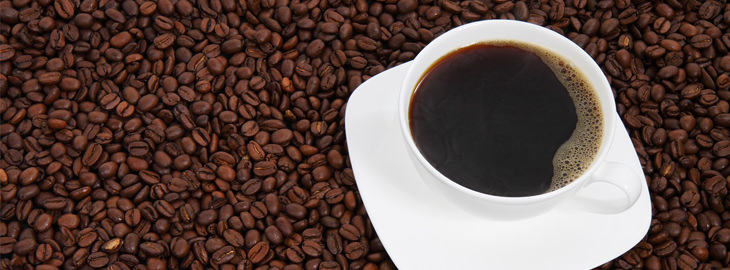
 Fake foods: coffee

If you grind your coffee beans at home, you have no reason to worry, since it is difficult to forge whole coffee beans, but you can find additives like wheat or barley in instant coffee that act as cheap and easy fillers. In fact, some of the symptoms people attribute to coffee, such as migraines or a feeling of fatigue after drinking, may be caused by these other ingredients, and 2013 research suggests that people who suffer from allergies to gluten shouldn’t consume instant coffee at all. 
 
2. Cheese
There are products that might not have the word ‘cheese” written on them but that look exactly like cheese and are even thought to be cheese. They are usually lower priced than the real cheeses, and aren’t usually separated from real cheeses in the supermarket fridge, meaning you can easily grab these products by mistake. If the packaging says only “fetta” or "white slices" without the word "cheese", it is probably a synthetic substitute. Although these products are recommended for those who are lactose intolerant, if you want to consume real cheese, which contains calcium and good cholesterol, you should pay attention to its name.

3. Olive oil

 In two studies examining the ingredients found in 168 virgin olive oils of various brands, it was found that a large number of companies were mixing peanut and soy oils in their olive oils. When the oils were compared to those of the International Olive Council, those of Italian and American brands failed the tests, with the olive oil content being between 56-94%. In addition to the use of other oils, the same oils were found to be of lower quality and much more oxidized than other oils. If you want to be sure that you are buying premium quality virgin olive oil, avoid brands from Italy or the US and check their ingredient list. 

4. Tea
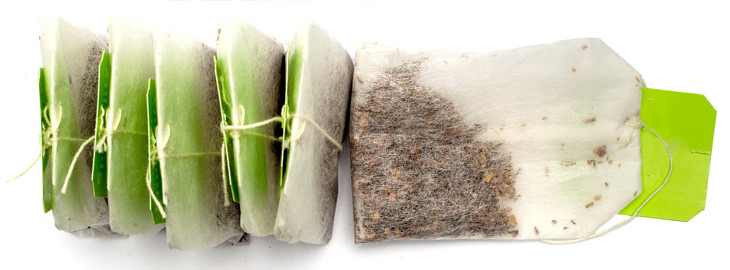
Fake foods: tea bags
If you look carefully at the different tea bags in your home, you may notice that some of them have a mixture of uniform color and texture, while others have parts that look less like dried leaves and more like sawdust. This phenomenon is found mainly in tea bags and not loose tea-leaves because stems and twigs are often added to tea bags by manufacturers. Usually, in these cases, an artificial tea taste is added to hide its low quality. To know for certain whether your tea is high quality, add lemon and check if it changes to red-brown (good sign) or to dark brown (bad sign). In addition, if there the water foams after adding the lemon, this is also a sign of low-quality tea

5. Honey
It is recommended that you pay attention to the ingredient label on the honey jar before you decide to buy it since in many cases you’ll find that it contains corn syrup with a high percentage of fructose (55%). Sometimes products labeled "honey" don’t actually contain any honey, as in the case in 2009 in which a whole plant was caught producing fake honey. When you buy honey, make sure that the manufacturer's name, address and phone number are on the package. It is also recommended to examine the type of nectar from which the honey was produced and make sure that it isn’t labeled a “honey mixture.”
 
6. Champagne
Everyone likes to open a bottle of champagne when celebrating but you should know that as long as the bottle didn’t come from Champagne, France, what you’re drinking is nothing more than sparkling wine. The main difference between champagne and sparkling wine is that champagne gets better over time and doesn’t lose its quality, unlike sparkling wine which is recommended to drink close to purchase. In addition, it is recommended that you don’t shake sparkling wine like you can with champagne, as you’ll just end up with less bubbly sparkling wine. One thing you want to know is that sparkling wine usually contains a lower alcohol content than champagne, and can be identified by comparing it to different types. Most sparkling wines contain about 12% alcohol. 
 
7. Fruit juice
If you want to enjoy quality fruit juice, you should check the list of ingredients on the bottle before purchasing it. In many cases, juices labeled as single fruit are usually diluted with other cheaper fruit juices. For example, pomegranate juice can also contain apple juice. While this is not a harmful phenomenon, if you’re looking to drink a juice that is 100% the fruit you want, make sure the check the ingredients. 
 
8. Hot dogs
When you eat hot dogs or make them for your children, you may think that all you’re eating is ground meat, but many studies have proven that this is not the case. It was found that in a package of 100% natural hotdogs, chicken parts, such as bones, nails, feathers, and crests, were added. Today, meat companies are obligated to include the complete list of ingredients on the packaging, and that includes the chicken parts. So be sure to always read the labels!
 

https://gscrochetdesigns.blogspot.com. one can see my crochet creations  

https://kneereplacement-stickclub.blogspot.com. for info on knee replacement

https://cancersupportindia.blogspot.com  for info on cancer and health related topics

https://GSiyers home remedies.blogspot.com   is the latest addition to my blogs


Thursday, December 19, 2019

Healthy swaps of ingredients


                links for my other 3 blogs-

https://gscrochetdesigns.blogspot.com. one can see my crochet creations  
https://cancersupportindia.blogspot.com. feel free to view for easy, simple and health tips  
https://kneereplacement-stickclub.blogspot.com. for info on knee replacement


Monday, October 29, 2018

Guide to Correcting Mistakes in Cooking and Baking

All those who cook, know that there are days or times when small mistakes do happen while cooking, if we're not in perfect mood. It can be excess salt, or more sugar, too sour and so on. With the tips below, one need not fret when such small mistakes happen, as there are means to rectify them easily !

1. The dish is too salty

Since everyone’s salt preference and needs are different, most recipes call for "salt to taste". But there are times when food is too salty even for those who like salty food, so what can be done?
  • If the food is made up of a lot of liquids like soup, we’d usually just add water, which is one way of doing it, but you can also add a few raw potatoes to the dish, and they will absorb the excess salt. Another way is to add a little lemon juice or vinegar.
  • If you made a sauce, add flour and cream if possible or soy milk.
  • Salted steak or a piece of meat with a lot of salt - soak the pieces of meat in a bowl of cold water for about two hours, and if that isn’t enough, add a little lemon juice.

2. The dish is too sweet

If your sauce or stew came out too sweet, some will tell you to add lemon juice or vinegar, which makes sense in most cases. But there are times when lemon isn’t suitable for a dish, and in such cases, you can fix the flub using high-fat foods such as olive oil or avocado oil. In any case, don’t be tempted to add salt because a high amount of salt will destroy your dish, whereas a pinch of salt may accentuate the sweetness or won’t make any difference at all.

3. The dish is too sour

If you ever wondered how you can fix sour food besides for using sugar or baking soda, know that adding a little honey or date syrup can be a great solution that will add great flavor to your sauce. For a sour stew, you can add chopped carrots instead of sugar or honey.

4. The dish is too soggy and pale

Food that is pan-fried should in most cases be brown and crispy, but sometimes the first and second pieces come out right, while the rest simply go soggy and don’t crisp up on the pan. The reason for this is the amount of food you put in the pan – overcrowding the pan lowers the temperature of the oil, therefore causing the dish to stew instead of fry. To avoid this situation, just avoid overcrowding the pan, and before adding more to the pan, give the oil about half a minute to reach the desired temperature.

5. Your fried food is very greasy

Super greasy food is often hard to stomach. The main reason for this is the oil temperature and the size of the food you are frying. To avoid excess oil, make sure that the oil temperature is between 350-380 degrees and certainly not less than 280 degrees, and also fry smaller pieces of food - this shortens the time the food spends in oil does not cause the oil's temperature to drop.

6. What do you do if the cake comes out dry?

How annoying is it when after all the time and effort put into baking a cake, it comes out of the oven super dry? But don’t worry, instead of throwing it in the trash or turning it into cake-pops, just do the following:
  • Wet the cake with hot chocolate syrup or with warmed up fruit juice, while the cake is still warm. 
  • Cover the cake with a towel or aluminum foil and allow it to sit for about 10-15 minutes outside or overnight in the refrigerator. 

7. Your hard-boiled eggs always come out rubbery 

Hard-boiled eggs are among the most eaten foods in almost every household, and they even allow us to make other dishes. However, most don’t know that these types of eggs shouldn’t be rubbery in texture. The next time you prepare hard-boiled eggs you can prevent this by letting the eggs sit in a bowl of ice water immediately after removing them from the pot. After you peel them you’ll feel the difference.

8. Your pastries and cookies don’t bake evenly

Beyond aesthetics, cookies and pastries that aren’t evenly baked indicate that part of the dish is under-cooked. In order to prevent such a situation, you need to make sure of some things:
  • Your dough should be rolled out and laid evenly on your baking pan
  • Check with a thermometer to determine if the temperature of the oven is the same as what’s shown on the oven itself. 
  • Find the hot points of your oven and make sure to place your pastries there. You can do this by placing a few slices of bread in different places on the second shelf of the oven.
  • Bake for a few minutes and do not flip the bread during the test, the slices will reveal your oven’s hot spots.

9. Your cookies spread out on the baking pan

If you’ve made cookies more than once then I’m sure you’ve experienced them spreading out all over the baking sheet at least once or twice. If you follow these tips, we're sure you’ll always have perfect cookies:
  • Remove the butter from the refrigerator about an hour before preparation and place it in a warm place until it softens slightly (room temperature) - Do not melt the butter in the microwave. 
  • Cool your dough for about 30 minutes before you plan on baking it
  • Make sure your baking soda and baking powder aren’t expired
  • Place your eggs in a warm place 10 minutes before using them or until they reach room temperature.

10. Your pastry is hard or sticky

Pastries satisfy our cravings for something crispy and delicious, but what can you do to make them not sticky or too hard?
  • First, avoid over-kneading the dough by hand or increasing the speed on your mixer so that it doesn’t come out too hard.
  • Second, mix "wet" ingredients first, then add the dried ingredients and mix all together quickly and for a short time, to prevent the gluten in the flour from forming.

11. Your chocolate becomes lumpy when you try to melt it

You wanted to make a frosting or ganache for your cake so you pull some chocolate in a bowl and in the microwave, only to be left with lumpy chocolate? All you have to do to fix the mistake is to add a little vegetable oil to the chocolate bowl, wait about half a minute so that it warms up a bit and mix well.

12. Stored cookies become moist or dry

Have the cookies you baked dried out or gone soggy? Do one or more of the following:
  • Cool cookies before putting them in your storage container.
  • Do not store soft cookies in the same box as crispy cookies.
  • Store the cookies in a sealed box only.
  • Place an apple slice in a box with soft cookies to keep the inside of the box moist.
  • Bring life back to crispy cookies by re-baking them in a preheated oven at 300 degrees for several minutes and let them cool down on a cooling rack.
  • Do not freeze cookies, unless they have cream on them or are coated with fondant.

For my other blogs, I'm giving the links below, feel free to view and comment too.
https://cancersupportindia.blogspot.com. for all cancer and health related topics
https://gseasyrecipes.blogspot.com. feel free to view for easy, simple and healthy recipes
https://kneereplacement-stickclub.blogspot.com. for info on knee replacemen
t 


Wednesday, July 22, 2015

How Long Foods Last?

This Week in Health Tips!
those interested in cancer and health related topics are free to see my blog-
http://cancersupportindia.blogspot.com/
 for crochet designs, my blog, those who like a particular design are free to mail me

http://My Crochet  Creations.blogspot.com

For info. about knee replacement, be free to view my blog-

http://knee replacement-stickclub.blogspot.com