Showing posts with label affordable. Show all posts

Friday, May 15, 2026

4 Vegetables You Should Always Buy Canned, Not Fresh

Key points

  • Canned vegetables are nutritious, affordable and convenient.
  • Dietitians recommend canned pumpkin, beans, artichokes and hearts of palm over their fresh counterparts.
  • Use canned veggies in soups, salads, pasta or snacks.
  • We all know we should be eating more vegetables. In fact, you might dutifully stock your fridge with plenty of fresh vegetables every week from the grocery store. But sometimes life happens and your once-fresh veggies are wilting in the crisper drawer a week or two later. (We’ve done it too!) That’s where canned vegetables can come in handy. Their long shelf life means you can worry less about them going bad before you’ve had a chance to cook them up. 

    Canned vegetables carry the stigma that they’re less nutritious than their fresh or frozen counterparts, but they are actually highly nutritious as well as convenient and affordable. In fact, they count just the same as fresh or frozen vegetables toward the recommended three servings of vegetables per day. And did you know that the canned version of some vegetables may be the better option over fresh? We asked dietitians, and these were the four vegetables they recommend buying canned versus fresh. 

    1. Pumpkin

    Cooking pumpkin from the raw squash can be quite time consuming—that’s why reaching for the canned option is so convenient. “When you need pureed pumpkin for a baked good or sauce, or simply want pumpkin when it’s out of season, the canned variety is the way to go. You always know what you’re getting consistency-wise, plus you still get all the beta-carotene and fiber benefits,” says Jackie Newgent, RDN. 

    Speaking of fiber, pumpkin provides an impressive 3.5 grams per ½-cup serving of canned pumpkin. Most of that fiber is soluble fiber, which forms a gel in the digestive tract, making stools easier to pass and helping to lower cholesterol. Adding canned pumpkin to your diet is also a good way to score more potassium. Most of us aren’t getting enough of this mineral that plays a critical role in hydration and blood pressure control. Just be sure to pick up 100% canned pumpkin without added sugars or salt. Beyond fall baking, use your canned pumpkin throughout the year in oats, smoothies and soups.

    2. Beans

    “Canned beans are affordable, accessible, nutrient-dense and incredibly convenient,” says Lauren Harris-Pincus, M.S., RDN. Unlike dried beans, which often need to be soaked and then cooked, you can just pop open a can of beans and add it straight into your recipe alongside a host of nutrients. “Canned beans offer a double bonus of 7 to 9 grams of plant-based protein plus 5 to 8 grams of fiber per ½ cup drained. They also contain folate, potassium, iron and zinc, as well as antioxidants,” adds Harris-Pincus.

    Canned beans do have more sodium than the dried variety, but that doesn’t have to be a deal-breaker. “For anyone concerned about sodium, look for low-sodium varieties or simply rinse the beans well to remove up to 41% of the sodium,” she suggests.3 Keeping your pantry stocked with beans opens up a variety of culinary opportunities. “Add beans to salads, soups, salsas, veggie dishes, tacos, whole-grain bowls or dips like hummus. Roast some canned chickpeas with your favorite spices for a crunchy, protein- and fiber-packed plant-based snack,” she suggests.

    3. Artichokes

    Artichokes are an intimidating vegetable to cook from fresh—so skip the prep work and opt for canned ones instead. “It doesn’t get much easier than zipping open a can of artichoke hearts and then plopping the tender veggies into pastas or salads … or onto pizza!” says Newgent. “They’re naturally packed with gut-friendly fiber, including inulin, which is a prebiotic fiber,” she adds.4 Those prebiotics can have a positive impact on your gut health since they feed the good bacteria in your gut microbiome. Just ½ cup of canned artichoke hearts provides a whopping 4 grams of fiber.5

    Artichokes are also surprisingly rich in antioxidants, plant-based compounds that can tackle both oxidation and inflammation by neutralizing free radicals—unstable molecules that can damage your body’s cells and contribute to disease.6

    4. Hearts of Palm

    Canned vegetables can help you add variety to your vegetable routine. Since canned varieties are prepped and precooked, buying canned can make adding a new veggie less intimidating. Pincus suggests giving hearts of palm a try if you haven’t already. “Hearts of palm feel fancy when added to salads, dips, eaten solo as a snack, or even as a faux substitute for seafood. They are a rare find if looking for a fresh variety due to their very short shelf life. Canned hearts of palm are easy to access and shelf-stable to enjoy whenever you need them,” says Pincus. Hearts of palm can help you double down on gut health. For one, they are a good source of fiber, providing 3.5 grams per 1-cup serving.7 Second, they also provide prebiotics to help your beneficial gut bacteria thrive.8

    Easy Ways to Enjoy Canned Veggies

    Now that you’ve stocked your pantry, here are some easy ways to put those canned vegetables to good use. 

    • Stir them into eggs. Think of eggs as a blank slate that only gets better as you add veggies, cheese and seasonings. Try stirring some canned beans or tomatoes into your next scramble, or fill your omelet with canned veggies like artichoke hearts.
    • Add them as salad toppers. Many canned vegetables work well on a salad. Canned beans are a no-brainer for added fiber and protein, while artichoke hearts and hearts of palm can give your salad a fiber and flavor boost. 
    • Make a quick soup. To cut down on prep time, use canned vegetables to make a quick soup—no chopping required. Just combine a few cans of veggies, some beans and broth, then season to taste. Don’t overlook canned pumpkin as a tasty addition to soups and chili as well. 
    • Pair with pasta. Canned vegetables are an easy and convenient way to add more nutrients and fiber to pasta dishes. Just stir them straight into the sauce or add to baked pasta dishes. 


    https://gscrochetdesigns.blogspot.com. one can see my crochet creations  

    https://kneereplacement-stickclub.blogspot.com. for info on knee replacement

    https://cancersupportindia.blogspot.com  for info on cancer and health related topics

    https://GSiyers home remedies.blogspot.com   is the latest addition to my blogs


    Wednesday, February 26, 2025

    Soy- This Is One Of the Most Controversial Foods On the Market

    Soy has a bad reputation, as soybeans contain a substance that can supposedly mimic human female hormones. Simultaneously, soy products are the most widespread and affordable replacements for meat and dairy produce, and people following a vegan and other dairy-free diets can really benefit from this nutrient-rich source of protein. Furthermore, soybeans might be even beneficial to people suffering from high cholesterol, infertility and even menopause. 
    soy guide soy milk and soybeans

    This disparity created quite a lot of controversy surrounding soy, a significant part of which is ungrounded. This article provides a full review of both the nutritional value and the health effects of soy and soy products, which will help you make up your mind on whether or not consuming soy is right for you.

    What is soy exactly?
    Soybeans are a type of legumes native to East Asia, being a crucial domestic crop throughout Asia for millennia. The first mentions of the soya bean, an alternative name of the crop, are between 7000 and 6600 BC in China, but it is very likely that they have been in widespread use even before that. 
     
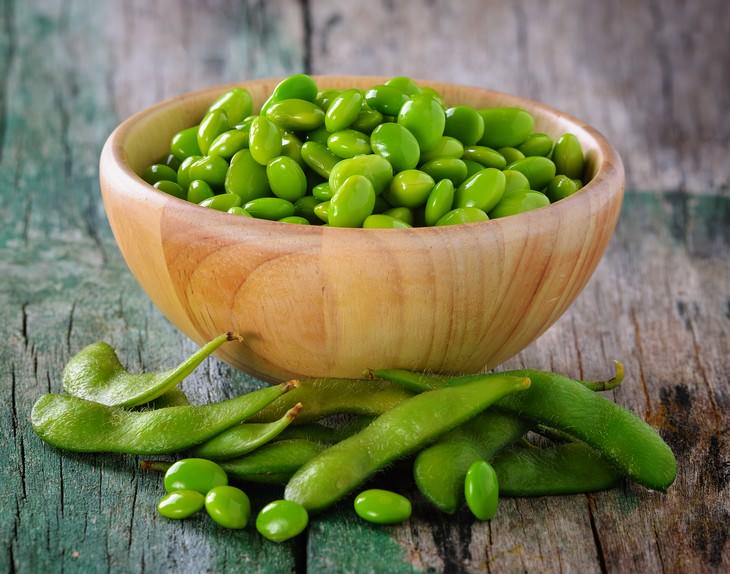
    Today, soybeans are a staple food throughout Asia, where they are used to prepare a wide variety of products, starting from soy milk and soy sauce, to tofu and tempeh, which are meat alternatives, and even consumed raw in the form of edamame beans, which are immature soybeans commonly used as healthy snacks (pictured below).
    soy guide edamama
    Soy is also a key ingredient in many protein supplements, vitamins and processed foods. And finally, soybean meal is widely used to feed livestock. This means that soy products are more than simply widespread, they are quite challenging to avoid.

    Nutritional value
    It is important to start from mentioning that soy products are some of the most cost-effective alternatives for both meat and dairy products. Soy products come in a variety of textures and flavors, such as milks, yogurts, cheeses, and meat substitutes, and they are usually widely available on the market.

    But this is not the only reason why soy products are a great replacement for animal-derived produce, as they are also extremely nutrient-dense and provide a lot of protein, which is often lacking in meat- and dairy-free diets. Soy is a complete protein source, meaning that it contains all the essential amino acids the human body doesn’t produce.

    soy guide nutritional value

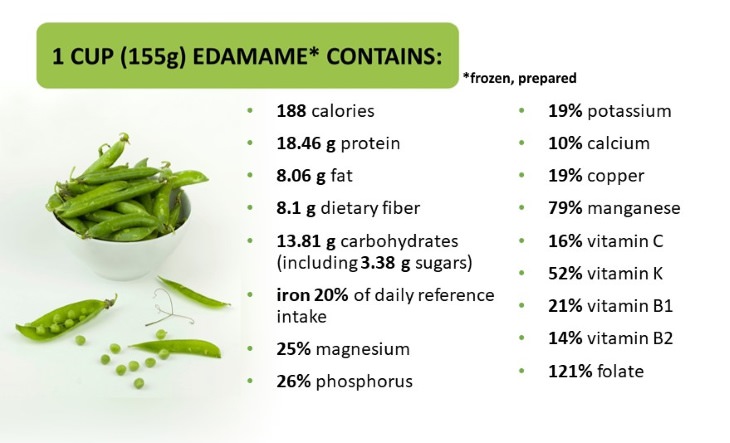
    Apart from that, soy is a good source for healthy fats, especially omega-3 fats. Finally, it contains a type of phytoestrogens called isoflavones that can also be beneficial to health. For your reference, the table above illustrates the nutritional content of one type of soy, edamame beans, but the overall nutritional value of other soy products will be similar.

    Apart from being a great source of nutrients, however, soy can also be beneficial for those suffering from certain conditions, but it can also be possibly worse for others. A detailed review of the health effects of soy follows below.

    1. Decreasing cholesterol levels
     soy guide cholesterol
    There is an extensive body of research suggesting that soy foods (but not soy supplements) may help lower the levels of bad cholesterol (LDL) and increase the levels of the good (HDL) cholesterol, especially among individuals who have higher than normal cholesterol levels.

    A review study suggested that consuming only 47 grams of soy daily was associated with a 13% decrease in LDL cholesterol. This means that eating soy products can help stop the progression of atherosclerosis, as bad cholesterol is responsible for creating plaques in blood vessels, whereas HDL cholesterol helps clear those up.

    2. Helps relieve menopausal symptoms
     soy guide menopause
    During menopause, women experience a range of uncomfortable symptoms (hot flashes, sleep problems, urinary symptoms, etc.) brought about by the shortage of female hormones called estrogens in the blood. Soy contains a type of phytoestrogens called isoflavones that can mimic the effect of human estrogens. 
     
    However, soy foods contain quite low levels of isoflavones, so in order to see a difference in symptoms, studies gave soy supplements to women and found that they, in fact, can be converted into estradiol (a type of estrogen) and partly compensate for the lack of estrogens observed in menopausal women.

    A review article found that taking 54 mg of soy isoflavone supplements during a period of 3 months decreased hot flashes by over 20% and weakened all the symptoms by over 25%. 
     
    3. Improves Fertility in Women
    Women who have difficulty conceiving or are currently undergoing a fertility treatment may benefit from soy. In a study, women who took 6g of soybean powder daily for a period of 6 months experienced more ovulations and an overall normalization of their menstrual cycles. On top of that, other studies suggest that soy supplements help women undergoing in vitro fertilization (IVF) get pregnant. 
     
    4. The Influence on Male Sex Hormones
    Since soy contains phytoestrogens, men are sometimes afraid to include soy in their diet, claiming it may lower their testosterone levels. This is a crucial issue, as many protein powders and supplements advertised to promote muscle growth are soy-based, and if soy can affect the hormone balance in men, it may render these supplements worthless or harmful. 
     
    However, a review of 15 studies showed that it is completely safe for men to consume soy foods, protein powders up to 70g per day, and even isoflavone supplements up to 240 mg daily. In addition, there is even scientific evidence suggesting that soy can potentially lower the risk of developing prostate cancer, so not only is soy safe to eat in moderation, but it may even be beneficial for men. 
     
    5. Decreases the Likelihood of Developing Breast Cancer
    The evidence about soy and breast cancer is very conflicting, as there is a large and growing body of evidence from Asian studies suggesting that a higher soy intake may decrease the likelihood of developing breast cancer, whereas the Western studies did not find any link between breast cancer and foods containing soy. 
     
    Scientists believe that this might be due to the fact than in Asian countries, people usually consume more fermented soy products compared to Western countries, and it may be the case that fermented soy foods has more cancer-fighting properties than regular ones.

    6. Effects on Thyroid Function
     soy guide thyroid
     
    One of the most controversial findings regarding soy is that a test-tube study reported that goitrogens, compounds found in soy, may have a negative effect on the thyroid. Human studies did not confirm this finding and suggested that individuals with an enlarged thyroid do not have to avoid soy products as long as they’re meeting their daily nutritional needs in iodine. 
     
    In summary, consuming soy products in moderation is not only safe, but also very beneficial to everyone, and especially for those who follow a meat- and dairy-free diet. What’s more, consuming soy products may even be beneficial at decreasing cholesterol levels, improving fertility, relieving menopausal symptoms and lowering the risk of developing certain cancers.

    https://gscrochetdesigns.blogspot.com. one can see my crochet creations  

    https://kneereplacement-stickclub.blogspot.com. for info on knee replacement

    https://cancersupportindia.blogspot.com  for info on cancer and health related topics

    https://GSiyers home remedies.blogspot.com   is the latest addition to my blogs

    Tuesday, February 25, 2025

    The Best Plant Milks to Pair With Coffee and Foods

     Plant milks, such as almond milk, oat milk, the now-classic soy milk, and others have experienced a rapid rise in popularity worldwide. People switch to plant milk for health reasons, moral reasons and just for the heck of it, and who are we not to encourage experimentation? So, if you’re trying out plant-based milks, either as an experiment, or because you decided to give up dairy altogether, one thing you’ll notice pretty soon is that one plant-based milk cannot replace cow's milk completely. Not to say that plant milks are a one-trick pony, but different plant milk varieties do work best for different tasks, and in this article, we’d like to explain which plant milks are best cut out for which task.


    What are plant milks?
    Plant Milks Suitable for Every Task different plant based milks in bottles
     Plant milks are essentially plant-based drinks and not milk per se, but they’re referred to as milk because they are marketed as alternatives to dairy. These can be made of a variety of plants:  
     
    Grains (e.g. rice, oats, quinoa) 
     
    Nuts (e.g. almonds, hazelnuts, coconuts, cashews, macadamia)  
     
    Seeds (e.g. chia seeds, hemp seeds)  
     
    Beans (e.g. soybeans, peas).  
     
    Mixes of two or more kinds of milk are also popular. Different plant milks will have different nutritional content and can be sold sweetened or unsweetened, all of which will be specified on the packaging of a given product. Because of this variability in nutrients, it’s difficult to assess how healthy plant milks are overall compared to cow’s milk, but we did compare and contrast popular milk varieties in this article: Pros and Cons – Which Milk is Best for You?  
     
    Also, keep in mind that not all plant milks will be suitable for everyone, and if you’re allergic to nuts or gluten, some kinds of milk will not be the best for you, so make sure you check the ingredients of each product before consuming or even purchasing it. Finally, in this article, we focused on more affordable and widely available plant milk options because they’re more accessible to consumers. 
     
    The Best Plant Milks to Pair With Coffee (and Other Warm Drinks)
    Replacing milk or creamer with an equally creamy and frothy plant-based alternative is one of the biggest challenges. In the end, it all boils down to your personal taste, but we do want to give you tips and options, and here are our top picks: 
     
    1. Oat Milk is an excellent one to use with coffee because it has a neutral taste and can be whipped up in a nice latte or cappuccino. Also, it’s one of the most sustainable and widespread milk varieties, so it’s double, no - even a triple win. 
     
    2. Coconut Milk makes some of the best dairy-free cappuccinos, as it is creamy and can be easily whipped up with no extra effort. It also obviously tastes like coconut, which can be both a good and a bad thing, as those of you who enjoy specialty coffee varieties may find coconut milk a bit overpowering, but those who love coconut will love the taste. 
     
    When choosing coconut milk, it’s best to go for the bottled variety, and not the ones that come in cans, as the last one can be a bit too fatty and tends to separate when combined with steaming hot coffee.

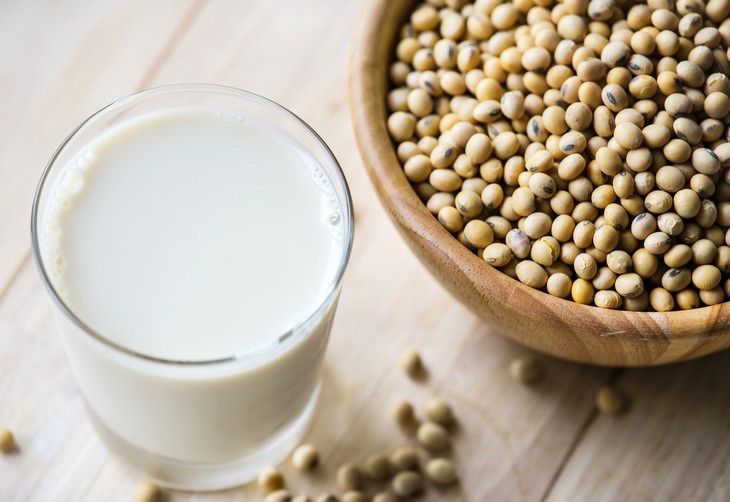
    3. Soy Milk is also an excellent choice for coffee drinkers, as it has a relatively neutral taste and can be whipped up. It’s also widely available and inexpensive compared to other plant milks. Soy milk is the most nutritionally similar to all plant milks to cow’s milk and is a good source of protein. 
     
    4. Almond Milk Plant Milks Suitable for Every Task
    is another suggestion for coffee lovers. You won’t be able to fluff it up as you would the other plant milks listed here, but it’s benefit is that it has a neutral taste and silky texture, so it will complement many coffee varieties. 
     
    Highly acidic coffee varieties can emphasize the natural bitter aftertaste of almonds, but this is easily salvageable with a dash of sweetener and it doesn’t happen with all almond milk varieties available on the market or homemade almond milk. 
     
    5. Cashew Milk is our final suggestion. It's very similar to almond milk, but is a bit more full-bodied and has a less nutty taste, which makes it perfect for lattes.

    Plant milk that goes with cereals and oatmeal
     Plant Milks Suitable for Every Task granola with soy milk
    If you’re concerned that you won’t be able to have your usual morning cereal, granola or oatmeal when you go dairy-free, don’t be, as all three pair perfectly well with a wide range of plant-based milks. In fact, we’d venture out to say that plant milks are superior to cow’s milk, as they can add a twist to your ordinary breakfast and make it more variable and interesting. 
     
    In our opinion, these are the best plant milk options to pair with cereal and oatmeal: 
     
    1. Coconut Almond Milk is my personal favorite to add to granola or cereal simply because it spices up an otherwise bland breakfast without being too overpowering. It also pairs ridiculously well with fruit, especially bananas or mangoes. 
     
    2. Almond Milk, (or Oat Almond Milk) is the best to prepare cereal, as it’s fatty enough to make your cereal creamy, but simple enough not to overpower the taste of oats.

    3. Hazelnut Milk is an interesting one as well, as it tastes just like Nutella if combined with a bit of dark chocolate, but healthier, and who doesn’t want to have Nutella for breakfast? Hazelnut milk pairs so well with cereal, granola, and oatmeal because it imparts a nutty, simply delicious flavor to any breakfast. It’s also used in baking, but it’s a bit pricey. 
     
    We wouldn't recommend milks that are too rich or too watery to pair with cereal, granola or oatmeal, so it's best to reserve rice milk, coconut milk, cashew milk and soy milk for other tasks.

    The Best Plant Milks for Cooking and Baking 
    The options of using plant-based milks in cooking and baking are limitless. You can add them into smoothies, soups, and curries, or use them to make the fluffiest pancakes and bake the most delicious desserts. For a few delicious examples, check out this dairy-free recipe of Healthy Carrot and Nut Muffins or this finger-lickin' good Thai Coconut Soup. 
     
    When choosing plant milk for cooking or baking, look for the more inexpensive and neutral milk varieties that will be the closest to cow’s milk so that you can simply substitute it in any recipe, with the obvious example of coconut milk that’s traditionally used in many Asian recipes

    Here are our plant milk recommendations: 
     
    1. Soy Milk is suitable for cooking and baking because it’s so thin and similar to cow’s milk. Apart from that, it’s the only plant milk we know of that can be turned into buttermilk, just like cow’s milk, which makes it invaluable for baking. Finally, soy milk is relatively affordable, which is an important consideration, since you typically use a lot of it when baking or cooking. 
     
    2. Rice Milk is thin and has a very neutral taste, which makes it a suitable option for baking and cooking as well. Another reason to choose rice milk is that it’s the least likely of all milks to cause food allergies, since both it’s nut-free and gluten-free. 
     
    3. Oat Milk is affordable and has a thin consistency that’s very similar to skim milk. Compared to cow’s milk and most plant milks, it has more protein and fiber, slightly more calories and less fat. Since oat milk has a slightly sweet, yet very bland taste that’s similar to cow’s milk, it works very well for both cooking and baking. 
     
    4. Hemp Milk is an interesting, yet somewhat more difficult to get and pricey choice. Still, some people swear by it in pastries and baking in general, plus it’s among the healthiest options out there, since it’s rich in essential omega-3 fatty acids that support good brain and heart health.

    https://gscrochetdesigns.blogspot.com. one can see my crochet creations  

    https://kneereplacement-stickclub.blogspot.com. for info on knee replacement

    https://cancersupportindia.blogspot.com  for info on cancer and health related topics

    https://GSiyers home remedies.blogspot.com   is the latest addition to my blogs