Oregano is a vital kitchen and medicinal
herb that offers many crucial health benefits, thanks to its powerful
antioxidants, anti-inflammatory, anticancer, and antibacterial
properties. Although oregano is commonly used in kitchens to add flavor
to hot meals and salads, one of the very best ways you can reap the
benefits of oregano is by drinking it as a delicious tea. Here we’ll
show you how to make this health-giving brew.
The Nutritional Properties of Oregano
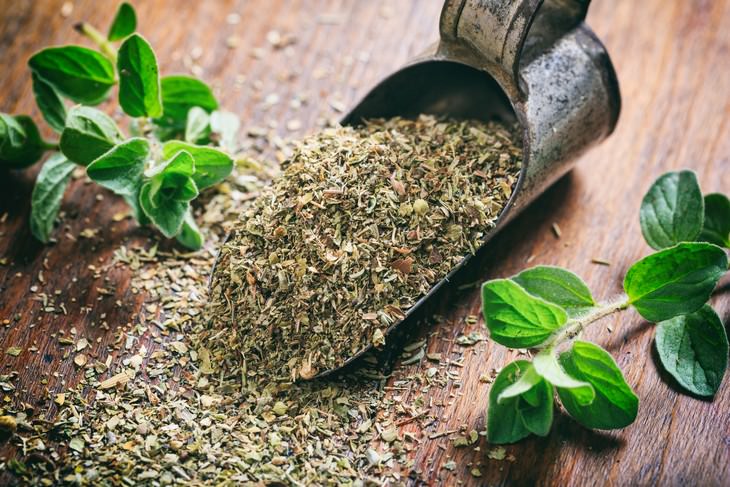
The fragrant Mediterranean herb, oregano, boasts the following nutritional properties: Vitamins A, C, E, and K, calcium, fiber, folate, manganese, niacin, iron, the carotenoids lutein, cryptoxanthin, and zeaxanthin. It has an incredible capacity to prevent diseases, detoxify the body, and balance the hormones. It's also considered a strong parasite fighter.

Oregano has one of the highest antioxidant
activity ratings, standing at 175,925 for oxygen radical absorbance
(ORAC) value, which makes it very good at neutralizing free radicals.
Amazingly, oregano is 42 times more effective as an antioxidant than
apples are.
Furthermore, oregano contains the phytochemical quercetin, which slows
cancer growth and helps bring about apoptosis, otherwise known as cell
suicide, in cancer cells. A 2011 study by the Federation of American
Societies for Experimental Biology has analyzed the potential effects of
the oregano compound carvacrol on prostate cancer, on the back of an
abundant literature that links the compound with treating other cancers.
The study shows that oregano could prove to be useful in treating or
preventing cancers.
The Health Benefits of Oregano

oregano is a beneficial remedy for many
health conditions and ailments. Here’s a brief list of some of the
conditions that oregano tea can help you out with:
• Cough and cold
• Asthma
• Arthritis
• Digestive disorder
• Muscle pain
• Acne
• Dandruff
• Bronchitis
• Toothache
• Bloating
• Headaches
• Heart conditions
• Heartburn (acid reflux)
• Allergies
• Intestinal parasites
• Earache
• Fatigue
• Repelling insects
• Urinary tract infections
• Menstrual cramps
You can administer oregano in several ways
to get these health benefits. Whether you use dried or fresh leaves,
oregano oil, or oregano tablets, you are sure to do your health a world
of good, provided you make it a part of your regular diet.
You will need:
• 4-6 tsps. dried oregano leaves (4-6 tbsps. fresh oregano)
• 2-3 cups of water
• A slice of organic lemon (optional)
• Organic raw honey to taste
The easiest way to brew is to use a tea infuser. However, if you don’t
have one, follow these directions:
Directions:
1. Put the water in a small pot and bring it to the boil. Turn off heat
when it’s boiled.
2. Add the oregano leaves to the water and let them steep for 5 minutes.
3. Strain away the leaves. Add honey, if desired.
4. Let it cool a little, and drink warm up to three times per day.
Other Ways of Consuming Oregano
Oregano Leaves in Cooking
Oregano is a popular herbal addition to many tomato-based Italian
dishes, but not exclusively. You can use fresh or dried herbs for
cooking, though dried herbs have a more potent flavor. When adding
oregano to your food, take note of the following:
• Always add the oregano towards the end of the cooking process to avoid
losing too much of its flavor.
• Add a little at a time to avoid the meal being spoiled with its
bitterness.
• 1 tablespoon oregano leaves is equal to 1 teaspoon.
• Add a spice blend including oregano, cloves, cinnamon, rosemary,
ginger, black pepper, paprika, and garlic powder to meat before cooking.
This will reduce oxidation in the meat by 71%.
Oregano Oil
Oregano oil is known to be useful for fighting off infections, such as
candida. It also stops the growth of E. Coli, eradicates yeast
infections, and foodborne pathogens. To make use of oregano oil for
specific purposes, try the following:
For athlete’s foot/nail fungus: Soak your feet in a basin of water
containing a few teaspoons of oregano oil. Otherwise, rub the diluted
oil (1 drop oil in tsp. olive/coconut oil) onto your skin or nails.
Inhale for sinus infections/cold: Put a few drops of oregano oil into a
steaming pot of water. Inhale the steam without burning yourself.
Under the tongue to prevent parasites and treat infections: Dilute a
drop of oregano oil with a teaspoon of a carrier oil and place a couple
of drops under your tongue. Keep it there for just a few minutes before
rinsing your mouth clean with water. Do this around four times per day.
https://gscrochetdesigns.blogspot.com. one can see my crochet creations

 Aloysia leaves