Showing posts with label aids weight loss. Show all posts

Saturday, October 10, 2026

Try These 15-Minute Salad Recipes Looking For Weight-Loss-Friendly Meals

Let’s be honest, the word salad has suffered some serious PR damage. Somewhere along the way, it became shorthand for a sad bowl of lettuce, a few cucumber slices and the kind of dressing that makes you wonder why you didn’t just order fries. But a good salad can be an actual meal, crunchy, filling, colourful and, most importantly, something you will want to eat again.

If you’re trying to lose weight, the trick isn’t surviving on leaves. Building meals around vegetables, protein, fibre and sensible portions can help make your food more satisfying without turning every meal into a calorie-counting exercise. And when you’re short on time, these salads come together in about 15 minutes, making them ideal for a quick lunch or light dinner.


1. Chickpea, Cucumber And Tomato Salad

This one is for the days when the fridge looks uninspiring but the pantry comes through. Toss boiled chickpeas with chopped cucumber, tomatoes, onions and coriander, then add lemon juice, roasted cumin powder, salt and a little black pepper. The chickpeas give the salad enough substance to keep it from feeling like a side dish.

 2. Paneer Tikka Salad

Leftover paneer can have a much more exciting second act than simply being reheated. Toss cubes of paneer with cucumber, tomatoes, onions and capsicum, then add a spoonful of hung curd mixed with chaat masala, cumin and lemon juice. Add a little chilli if you like your lunch with some attitude.

3. Sprouts Chaat Salad

Think of this as chaat that decided to get its act together. Combine steamed moong sprouts with chopped tomatoes, cucumber, onions and coriander. Finish with lemon juice, roasted cumin, black salt and a sprinkle of chilli powder. You get crunch, tang and plenty of texture without needing an elaborate dressing.

4. Egg And Avocado Salad

Boiled eggs make salads considerably more serious. Chop two eggs and combine them with cucumber, tomatoes, lettuce and a little avocado. Dress with lemon juice, black pepper and a pinch of salt. The eggs add protein, while the avocado brings creaminess without requiring a heavy dressing.

5. Apple, Walnut And Cucumber Salad

Not every salad needs to taste aggressively “healthy". Slice an apple and cucumber, add a handful of walnuts and toss with hung curd, lemon juice and a little black pepper. The crisp apple and cucumber bring freshness, while walnuts add crunch and make the bowl feel more substantial.


6. Grilled Chicken And Corn Salad

Got cooked chicken sitting in the fridge? Excellent. Slice it up and throw it into a bowl with sweet corn, cucumber, tomatoes and lettuce. Add lemon juice, black pepper and a spoonful of Greek yoghurt or hung curd for a creamy dressing. It’s quick, filling and considerably more exciting than another plain chicken-and-vegetable plate.

7. Rajma Salad

Rajma doesn’t always need rice to make a good meal. Mix cooked rajma with chopped onions, tomatoes, cucumber and coriander. Add lemon juice, roasted cumin powder, black salt and chilli. If you have some leftover boiled corn, throw that in too. It turns a familiar Indian staple into a fresh, no-fuss bowl.


8. Tuna And Cucumber Salad

For a protein-packed option that takes almost no cooking, combine canned tuna with cucumber, tomatoes, onions and lettuce. Mix with lemon juice, black pepper and a little Greek yoghurt. Add chilli flakes if you want more punch. It’s the kind of lunch you can assemble while your coffee is brewing.


9. Moong Dal And Vegetable Salad

Cooked moong dal can do more than sit next to your roti. Let it cool slightly, then toss it with cucumber, tomatoes, onions, coriander and lemon juice. Add cumin powder and black pepper for extra flavour. The result is light but far more satisfying than a bowl of raw vegetables.

10. Corn And Black Bean Salad

Combine boiled sweet corn with cooked black beans, tomatoes, cucumber and onions. Add lemon juice, coriander, black pepper and chilli flakes. If you have a little avocado, add it on top. The mix of sweet corn, creamy beans and crunchy vegetables makes this one particularly good for lunch.

The best weight-loss-friendly salad isn’t necessarily the one with the fewest calories. It’s the one that keeps you satisfied enough that you’re not raiding the biscuit jar an hour later. And perhaps most importantly, stop treating salad like punishment. Fifteen minutes and a handful of good ingredients can turn it into a proper meal.


https://gscrochetdesigns.blogspot.com. one can see my crochet creations  

https://kneereplacement-stickclub.blogspot.com. for info on knee replacement

https://cancersupportindia.blogspot.com  for info on cancer and health related topics

https://GSiyers home remedies.blogspot.com   is the latest addition to my blogs

Tuesday, August 4, 2026

9 Health Benefits of Cumin everyone should enjoy.


Cumin is one of the best-known and most widely used spices in Israeli cooking and in many cuisines around the world. It's used to season soups, legumes, vegetables, meat and baked goods, giving dishes a warm, deep and slightly nutty flavor. The spice comes from the dried seeds of the cumin plant, whose scientific name is Cuminum cyminum, and it belongs to the Apiaceae (umbellifer) family, which also includes parsley, coriander and fennel. In addition to its rich flavor, cumin also has a long history of use in traditional medicine, mainly for easing digestive problems. In recent years, studies have examined cumin powder, extracts and essential oil, but it's important to distinguish between traditional use and a medical effect proven in clinical studies. These studies revealed that there is a justified basis for using cumin as a natural remedy to ease various problems, and after you read about its 9 health benefits, it's likely you too will want to eat more foods with this wonderful spice.
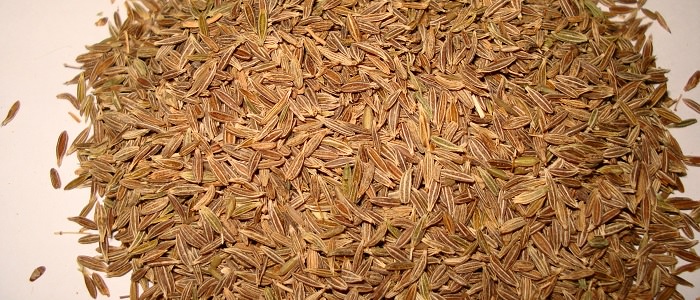

Cumin
1. It provides a surprising amount of iron relative to the serving size  

Cumin is considered one of the spices richer in iron. A single teaspoon of cumin seeds contains about 1.4 mg of iron. That's a decent amount for a serving weighing only about two grams. The recommended daily intake for adult men and for women over the age of 50 is usually 8 mg of iron. So a teaspoon of cumin can supply them with about 17% of the recommended daily amount. Women of childbearing age usually need a higher amount, so that same teaspoon will supply them with a lower percentage of the daily requirement. That said, cumin should not be seen as a treatment for iron deficiency or anemia. The iron it contains is non-heme iron, whose absorption in the body is more limited. You can improve its absorption when you eat it as part of a meal that contains vitamin C, for example in a tomato stew, in a salad with peppers or alongside lemon juice. 

2. It contains essential minerals and healthy plant compounds 

Besides iron, a teaspoon of cumin provides small amounts of calcium, magnesium, phosphorus, potassium and manganese. The amounts aren't large enough to make cumin a primary source of these minerals, but they add to its nutritional value as part of a varied diet. Cumin seeds also contain various aromatic and plant compounds, including cuminaldehyde, flavonoids and terpenes. Cuminaldehyde is one of the substances responsible for cumin's characteristic aroma and flavor. In laboratory studies, some of these compounds were found to have antioxidant activity, but results observed in a test tube don't necessarily prove that eating the spice will prevent disease in the human body. In a clinical study conducted among people with metabolic syndrome, participants who received capsules of cumin essential oil for eight weeks showed improvement in several measures related to the body's antioxidant system. Among other things, an increase was found in the activity of the enzyme superoxide dismutase and in total antioxidant capacity.

3. It may help reduce salt use 

Cumin contains very little sodium. A teaspoon of cumin seeds contains only about 3.5 mg of sodium, compared with hundreds of milligrams in a small amount of table salt, in soup powders and in industrial seasoning blends. There's no need to give up salt entirely to enjoy a balanced diet, but many people consume more sodium than recommended, mainly through processed food, sauces, snacks, cheeses and ready-made dishes. Using cumin alongside other spices, such as paprika, garlic, coriander, black pepper or turmeric, can give a dish a more complex flavor and reduce the sense that it's missing salt. It's important to check the ingredient list when buying a ready-made blend that contains cumin, because while the cumin itself is low in sodium, blends for seasoning meat, shawarma, meatballs and the like may contain a large amount of salt.

4. It may ease bloating and digestive discomfort 

The use of cumin to ease digestive problems is well known in the traditional medicine of the Middle East, India and other regions. It was used, among other things, after heavy meals and to relieve gas, a feeling of fullness and mild stomachaches. In a preliminary study conducted among people with irritable bowel syndrome, participants received cumin extract for four weeks. During the period of use they reported a decrease in abdominal pain, bloating, a feeling of incomplete evacuation and urgency in bowel movements. Some participants also showed an improvement in the frequency and texture of their stools. That said, it should be noted that the study had a significant limitation: it had no control group, which means it's impossible to know for certain whether the improvement stemmed from the cumin, from other changes in the participants' behavior, from the expectation that the treatment would help, or from natural fluctuations in irritable bowel symptoms.

5. It may support the weight-loss process 

Eating cumin on its own doesn't burn fat and can't make up for overeating, but several studies have examined whether this spice can help as part of a structured weight-loss program. In a controlled trial conducted among women who were overweight or obese, all the participants received nutritional counseling intended to help them lose weight. Half of them were asked to consume three grams of cumin powder a day in yogurt, while the second group received yogurt without cumin. After three months, the group that consumed cumin showed greater reductions in weight, body mass index, waist circumference, fat mass and body fat percentage. That said, it's important to emphasize that all the participants received a weight-loss nutrition plan.

6. It may help balance blood sugar levels 

Cumin's effect on blood sugar levels has been studied mainly among people with type 2 diabetes, prediabetes, overweight or other metabolic disorders. Some studies pointed to an improvement in fasting blood sugar levels or in measures related to insulin activity, while other studies found no significant effect. But a recent and especially encouraging finding emerged lately from a meta-analysis published in 2026, which found a decrease in fasting blood sugar levels among people who received cumin supplements. The researchers noted that the effect appeared more pronounced in some of the studies conducted among adults over the age of 50 and among people with type 2 diabetes. That said, they emphasized that these are preliminary data analyses, which don't make it possible to determine exactly whom the supplement suits or what dose is worth taking.

7. It may have a positive effect on blood lipid levels 

Several studies have found a possible effect of eating cumin on cholesterol and triglyceride levels. In a trial conducted among overweight women, the group that consumed cumin powder showed a greater reduction in total cholesterol, LDL cholesterol and triglyceride levels, along with an increase in HDL cholesterol levels. The 2026 meta-analysis mentioned in the previous section also found that cumin supplements were associated with a decrease in triglyceride levels and a certain increase in HDL levels. That said, the results varied considerably between studies, especially where HDL was concerned. Such high variability suggests that the effect is not uniform, and it may depend on the participants' age, their health condition, the dose, the length of treatment and the form of the supplement. People with high cholesterol or triglycerides can certainly use cumin in cooking, but they should not stop medications or delay medical treatment on the basis of small studies on cumin supplements.

8. It may contribute to concentration and cognitive function 

Iron plays a central role in producing hemoglobin, the protein in red blood cells that carries oxygen from the lungs to the body's tissues, including the brain. When a significant iron deficiency develops, and especially iron-deficiency anemia, fatigue, weakness, reduced energy, difficulty concentrating and memory problems may appear. Since a teaspoon of cumin provides a nice amount of iron, regularly including the spice in various dishes can contribute to daily iron intake and thus help prevent such effects, especially as part of a diet that also contains legumes, green vegetables, whole grains and additional iron sources.

9. It contains compounds with antioxidant activity 

Cumin seeds contain a variety of plant compounds, including flavonoids, polyphenols, terpenes and cuminaldehyde - one of the main substances responsible for the spice's characteristic smell and flavor. In laboratory studies, some of these compounds were found to be capable of neutralizing free radicals and reducing oxidation processes. Free radicals are formed in the body as part of natural processes, but their excessive accumulation may contribute to oxidative stress and to damage to the fats, proteins and genetic material in cells. That said, it's important to distinguish between antioxidant activity measured in a concentrated extract under laboratory conditions and the effect of an ordinary amount of cumin within a meal. The existing studies show that cumin has an interesting chemical composition and antioxidant potential, but there still isn't enough clinical evidence to determine that consuming it alone prevents diseases or slows the aging process.

How to use cumin in cooking? 

You can buy cumin as whole seeds or as ground powder. Whole seeds usually keep their aroma longer, especially when you toast them briefly in a dry pan and grind them close to cooking time. Avoid prolonged toasting, because the seeds may burn and take on a bitter taste. Ground cumin is more convenient to use and suits soups, legume stews, rice, meatballs, fish and roasted vegetables. You can start with a quarter to half a teaspoon for a small pot and add to taste. Its flavor is dominant, so a large amount isn't needed to notice it.

In summary  

Cumin is not a miracle cure, but it definitely deserves a place in the menu of anyone trying to maintain a healthy diet. It adds plenty of flavor with almost no calories or sodium, provides a decent amount of iron relative to the serving size, and contains additional minerals and plant compounds. It also combines well with vegetables and legumes and can make it easier to prepare nutritious, satisfying home-cooked meals. Human studies point to the possibility that cumin and supplements based on it may help to some extent with weight loss and waist circumference, with improving some blood lipid measures, with balancing blood sugar and with reducing certain digestive symptoms. That said, the evidence is still not strong or consistent enough to present cumin as a perfect treatment. The safest and simplest way to enjoy it is to use it as a spice as part of a varied diet. In that case, even without far-reaching promises, its rich flavor and nutritional contribution give enough reasons to keep it within reach - your body will definitely thank you for it!
 

https://gscrochetdesigns.blogspot.com. one can see my crochet creations  

https://kneereplacement-stickclub.blogspot.com. for info on knee replacement

https://cancersupportindia.blogspot.com  for info on cancer and health related topics

https://GSiyers home remedies.blogspot.com   is the latest addition to my blogs


Monday, August 3, 2026

I began my day by consuming fat first for a month—here are all the benefits - By Namrata Kedar

 Have you heard of the fat first dietary approach to begin your day? I hadn't either, until recently. We live in a world where each day brings a new wellness hack, and I offer myself up as a guinea pig (voluntarily) each time. From collagen to spirulina, I’ll try anything in the pursuit of good health. So when I noticed that the fat first approach was gaining traction, the lure of a healthier lifestyle reeled me in.

First of all, what is the fat first approach?

“Fat first is a simple concept of making sure you start your day right and prime your body for stable blood sugar levels first thing in the morning,” explains nutritionist Rashi Chowdhary, who specialises in gut health and hormonal balance. “Instead of waking up to a fruit or a breakfast loaded with carbs, you wake up to a good source of fat with negligible amounts of carbs that won’t raise your blood sugar levels quickly. When you consume fat first, the fat content behaves like a pseudo-carb to give you instant energy minus the rise in blood sugar levels. Nothing works efficiently in our body with disregulated blood sugar levels. Eating too many carbs raises our blood sugar levels, contributing to inflammation. Starting your day with fat is one way to initiate stable blood sugars so you don’t crave too many carbs throughout the day.”

What foods are good sources of fat?

“You can start the day with a spoonful of organic ghee, coconut oil, or butter,” shares Chowdhary. “If this feels too nauseating, try macadamia nuts (highest fat content) or three Brazil nuts if you have thyroid (selenium supports the TSH and T3 levels), or a handful of mixed nuts or coconut meat. Avocado slices and olives are good options, but most people aren’t keen on these first thing in the morning.”

Or do as Chowdhary does – have butter coffee. “My butter coffee is a tweaked version of Bulletproof Coffee by Dave Asprey,” she says. “Mix organic coffee powder with 5-7 grams of organic grass-fed butter, and add a small quantity of hot water before you blend it with a frother (research shows that blending it is better for the gut). You can do the same with matcha or coconut milk masala chai. Don’t forget to follow it up with a high-fat high-protein breakfast to sustain stable blood sugar levels.”

What are its benefits?

“Fat first is ineffective if that’s the only thing you do in the day,” explains Chowdhary. “It has to be accompanied by some of my other principles that also help in making your blood sugar levels stable, like consuming protein and fat for breakfast and maintaining an active carb-to-veggie ratio of 1:3. With these two food principles along with fat first, you can achieve a more steady glucose response throughout the day which will have the following benefits:

1. Slow ageing

Indian diets lead to too many blood sugar spikes that cause the formation of advanced glucose layer end products (AGEs). This basically means we secrete too many free radicals and increase oxidative stress that ages us faster.

2. Weight loss

People who don’t enjoy counting calories to drop weight can benefit by keeping their appetite in check by balancing blood sugar levels. Eating enough fat boosts the GLP-1 enzyme secreted by our gut that keeps us satiated. It is the mechanism that medications like Ozempic function on. This is not to say that fat first will have the same effect, but if you want to do things naturally, small changes that trigger GLP1 are a good idea and fat first is one of them.

3. Balanced estrogen and progesterone

Without stable insulin levels, we disrupt our sex hormones. Too much insulin tells your ovaries to secrete more testosterone, resulting in PCOS-like symptoms of acne and hirsutism. It also triggers the release of cortisol from your adrenal glands. This causes miscommunication in our OAT axis, where our Ovaries-Adrenals-Thyroid glands communicate with each other and work like the holy trinity for women.

4. Less anxiety

When our blood sugar drops quickly after a high-carb meal, we tend to get jittery and edgy, often wanting more carbs. Our body secretes adrenaline – a fight-flight hormone – making us anxious. The adrenaline will then ask the liver to convert some glycogen to release glucose into the bloodstream. This is why you feel hungry after a big plate of fruits for breakfast versus an omelet with avocado or nuts.

5. Thyroid medication works better

So many Indians have undiagnosed thyroid or are on thyroid medication for years but see no improvement in their symptoms. One way to ensure your thyroid pills work is to balance your blood sugars.”

 How soon before you can see a difference?

“In about two straight weeks of being on fat-first, protein and fat for breakfast, and an active carbs-to-veggies ratio of 1:3, you will see a difference,” states Chowdhary. “Add enough protein (up to 2 grams per kg ideal body weight), and you can expect to drop fat (almost 1.5 to 2 kgs of fat, not muscle). I know this because of the body fat analysis machine we use on our clients, not just the weighing scale.”

Why I liked the fat first approach

Chowdhary’s Instagram is where I got introduced to the fat first approach. As a health nut, I decided to give it a go. Like most people, I kickstart my day with caffeine. It gives me the energy boost needed to power through a morning workout. It takes getting used to, but the promise of a healthy start to the day makes it palatable.

One month in, and there was an uptick in my energy levels. The afternoon slump I was prone to was all but gone. Most importantly, I was snacking less and not craving those sugary treats as much as my sweet tooth usually demands – a vice that has been a challenge to overcome. I realised it was working, more so, because I combined it with protein and fat for breakfast and a carbs-to-veggies ratio of 1:3 on most days, if not every day. The shift was palpable. Will I continue doing it? The answer is yes.


https://gscrochetdesigns.blogspot.com. one can see my crochet creations  

https://kneereplacement-stickclub.blogspot.com. for info on knee replacement

https://cancersupportindia.blogspot.com  for info on cancer and health related topics

https://GSiyers home remedies.blogspot.com   is the latest addition to my blogs

Friday, June 26, 2026

12 High-Protein Shake Recipes, Benefits

 What Is A Protein Shake And Why Should You Drink It?

A protein shake is a drink made with protein-rich ingredients. It may include protein powder, whey protein, Greek yoghurt, milk, curd, paneer, tofu, soy milk, nuts, seeds, or pulses in blended form.

You may drink protein shakes if you find it difficult to meet your protein needs through meals alone. They are especially useful when you have a busy routine, exercise regularly, want a quick post-workout option, or need a convenient high-protein snack.

However, whole foods should still remain the base of your diet. Protein shakes should support your meals, not replace all healthy eating habits.

Benefits Of Protein Shakes For Muscle Building, Weight Loss, And Recovery

  • Help you meet daily protein needs
  • Support muscle repair after exercise
  • May help improve satiety and reduce frequent snacking
  • Can be adjusted for muscle gain, weight loss, or recovery
  • Are easy to prepare at home
  • Can include fruits, nuts, seeds, and fiber-rich ingredients
  • May be useful for people with higher protein needs
  • Can be made with or without protein powder

Protein Shakes For Muscle Building

Protein shakes for muscle building should include enough protein and calories. Whey protein, milk, curd, Greek yoghurt, paneer, soy milk, tofu, peanut butter, oats, and bananas are useful ingredients. For best results, combine protein shakes with progressive strength training, enough total calories, good sleep, and consistent meals.

Protein Shakes For Weight Loss

Protein shakes for weight loss should be filling but not overloaded with sugar or calories. Use ingredients like unsweetened milk, curd, soy milk, chia seeds, berries, spinach, apple, cucumber, and a measured scoop of protein powder. Avoid adding too much honey, dates, chocolate syrup, peanut butter, or sweetened powders.

Protein Shakes For Recovery After Workouts

Recovery shakes should include protein for muscle repair and carbohydrates to help replenish energy stores. Banana, mango, oats, dates, berries, coconut water, milk, and yoghurt can work well. After intense sweating, fluids and electrolytes also matter.

12 High-Protein Shake Recipes

Here are 12 protein shake recipes you can make at home. Adjust thickness with water, milk, or ice as needed.

1. Classic Banana Whey Protein Shake

Best For: Muscle building and post-workout recovery

Ingredients: 1 scoop whey protein, 1 banana, 1 cup milk, 1 tablespoon peanut butter, 2 to 3 ice cubes

How To Make: Blend all ingredients until smooth.

Tip: Use toned milk if you want fewer calories, or whole milk if you want more calories.

2. Chocolate Peanut Butter Protein Shake

Best For: Muscle gain and higher calorie needs

Ingredients: 1 scoop chocolate protein powder, 1 cup milk, 1 tablespoon peanut butter, 1 teaspoon cocoa powder, 1 small banana

How To Make: Blend until creamy.

Tip: Avoid adding sugar. Banana gives natural sweetness.

3. Oats And Almond Protein Shake

Best For: Breakfast and sustained energy

Ingredients: 1 scoop vanilla protein powder, 2 tablespoons oats, 5 soaked almonds, 1 cup milk, cinnamon

How To Make: Blend until smooth.

Tip: Soak oats for 10 minutes before blending for a smoother texture.

4. Paneer Berry Protein Shake

Best For: Muscle building and vegetarian protein intake

Ingredients: 100 grams low-fat paneer, 1/2 cup mixed berries, 1 cup water or milk, 1 teaspoon honey if needed

How To Make: Blend until creamy.

Tip: Use fresh paneer and blend well to avoid lumps.

5. Green Apple Spinach Protein Shake

Best For: Weight management

Ingredients: 1 scoop unflavoured or vanilla protein powder, 1/2 green apple, 1 cup spinach, lemon juice, 1 cup water

How To Make: Blend all ingredients until smooth.

Tip: This homemade protein shake is light, refreshing, and fiber-rich.

6. Triple Berry Chia Protein Shake

Best For: Weight loss and antioxidant support

Ingredients: 1 scoop protein powder, 1/2 cup mixed berries, 1 tablespoon chia seeds, 1 cup unsweetened almond milk or toned milk

How To Make: Blend well and let it sit for 5 minutes before drinking.

Tip: Chia seeds add fibre and help you feel full.

7. Coffee Whey Protein Shake

Best For: Pre-workout or busy mornings

Ingredients: 1 scoop whey protein, 1 cup cold coffee without sugar, 1/2 banana, 1 teaspoon cocoa powder, ice

How To Make: Blend until frothy.

Tip: Avoid this late in the evening if caffeine affects your sleep.

8. Mango Turmeric Recovery Shake

Best For: Post-workout recovery

Ingredients: 1 scoop vanilla protein powder, 1/2 cup mango, 1 cup milk or almond milk, 1/4 teaspoon turmeric, a pinch of black pepper

How To Make: Blend until smooth.

Tip: Keep mango portions moderate if you are managing blood sugar.

9. Strawberry Banana Recovery Shake

Best For: Recovery after training

Ingredients: 1 scoop protein powder, 4 to 5 strawberries, 1/2 banana, 1 cup coconut water or milk

How To Make: Blend and drink after exercise.

Tip: Coconut water adds fluid and potassium.

10. Tofu Blueberry Protein Shake

Best For: Vegan or dairy-free diets

Ingredients: 100 grams silken tofu, 1/2 cup blueberries, 1 cup soy milk, 1 teaspoon peanut butter

How To Make: Blend until smooth and creamy.

Tip: Soy milk and tofu together increase plant-based protein.

11. Dates And Almond Bulking Shake

Best For: Healthy weight gain and muscle gain

Ingredients: 1 scoop chocolate protein powder, 2 dates, 5 almonds, 1 banana, 1 cup milk, 1 tablespoon oats

How To Make: Blend well.

Tip: This is calorie-dense, so use it when your goal is weight gain or higher energy intake.

12. Curd, Banana, And Peanut Protein Shake

Best For: Homemade protein shake without protein powder

Ingredients: 1 cup thick curd, 1 banana, 1 tablespoon roasted peanut powder, 1 tablespoon oats, cinnamon

How To Make: Blend until smooth.

Tip: This is a practical option if you do not use protein powder.


https://gscrochetdesigns.blogspot.com. one can see my crochet creations  

https://kneereplacement-stickclub.blogspot.com. for info on knee replacement

https://cancersupportindia.blogspot.com  for info on cancer and health related topics

https://GSiyers home remedies.blogspot.com   is the latest addition to my blogs


Monday, May 18, 2026

Chia Pudding

Ingredients

1 tbsp chia seeds 

⅓ cup milk 

Honey or another sweetener to taste (optional) 

Instructions 

Combine all the ingredients together in a cup, stirring in the seeds last to avoid any clumps. Cover, refrigerate overnight, or for at least 1-2 hours. The chia seeds should have expanded and the pudding should be thick and jelly-like when ready. Add toppings of your choice and enjoy cold.

https://gscrochetdesigns.blogspot.com. one can see my crochet creations  

https://kneereplacement-stickclub.blogspot.com. for info on knee replacement

https://cancersupportindia.blogspot.com  for info on cancer and health related topics

https://GSiyers home remedies.blogspot.com   is the latest addition to my blogs


Saturday, April 11, 2026

Sabja vs chia seeds: Dietician shares 5 ways they differ and which one your body actually needs

 Know the difference between chia seeds and sabja (basil) seeds (Picture credit: Freepik)chia and sabja seeds( darker one s sabja)

 Seeds are dense nutritional powerhouses that contain a robust nutrient profile. While some may appear similar, that does not mean they are interchangeable. Each serves a different purpose and supports the body in many ways. Sabja and chia seeds are among those that are usually confused at first glance. However, they are completely different basics of each can help you make better choices, as per your health goals, as not all seeds are equal.

Dietician Shweta J Panchal identified the differences between these two seeds in her Instagram post on April 10. She helped dissect the variations. Let's take a quick look at each of the seeds for better clarity.

1. Appearance

Sabja and chia seeds may look similar, but upon closer look, you will realise they are different. The dietician revealed the visual difference, “Sabja seeds are jet black in colour and chia seeds are greyish in colour with a few black and white speckles.”

2. Seasonal nature

Certain seeds are seasonal, while others can be eaten year-round. The dietician segregated them based on their functionality and properties. Since saja seeds aid in calming you because of their cooling properties, they can be consumed in summer to beat the heat-related issues like acidity and bloating. Chia seeds have neutral benefits, making them suitable for year-round consumption without any prominent seasonal limitations.

3. Soaking time

Preparation is another area where these two seeds differ. Since, sabja seeds swell quickly, Shweta said, “When you add sabja seeds in water, it hardly takes them 5-10 minutes to swell up.” But chia seeds take longer, requiring at least 30 minutes or even overnight to fully expand and get to their gel-like texture.


4. Nutritional focus

Next, let's look at the most important, their nutritional profiles, and each is great for your health. But their strengths lie in different areas.

“If you are looking for better gut health, bloating, acidity, and constipation, sabja seeds would be your go-to option. If you are looking for overall higher fibre intake, weight loss, better omega-3 content, which will also help your skin health, then chia seeds would be your go-to option,” Shweta elaborated.

5. Usage

How you add to your diet also differs, as the dietician noted that sabja seeds are commonly added to drinks like nimbu pani (lemon water), coconut water and traditional sharbat. Whereas, chia seeds are a bit more versatile and more flexible, finding a place in smoothies, breakfast bowls and puddings. So it means, for light, refreshing drinks, sabja seeds fit the bill, but for more meal-based options, chia seeds work better.

 Depending on your fitness requirements and dietary preferences, choose your best seed.


https://gscrochetdesigns.blogspot.com. one can see my crochet creations  

https://kneereplacement-stickclub.blogspot.com. for info on knee replacement

https://cancersupportindia.blogspot.com  for info on cancer and health related topics

https://GSiyers home remedies.blogspot.com   is the latest addition to my blogs

Saturday, November 1, 2025

Gluten-free High fiber roti

 Ingredients and Prep

Carrots 1 big peel, chop roughly add to a blender jar with 1''ginger chopped

Blend to a fine paste adding roughly 1/3 cup water

Pour it in a bowl

Powder 250 gm oats to a fine powder

Add salt, pepper/ chili pdr , jeera pdr to the carrot mixture

Add oats flour little at a time for you to mix well, add the entire flour  and mix well

Add about a tbsp of oil, mix well, knead to a soft dough.

Cut into small balls, roll out into thin rotis, cook on hot tawa, without putting oil/ ghee. Spread some ghee later on.

You can make with spinach and others in the same way with oats.


https://gscrochetdesigns.blogspot.com. one can see my crochet creations  

https://kneereplacement-stickclub.blogspot.com. for info on knee replacement

https://cancersupportindia.blogspot.com  for info on cancer and health related topics

https://GSiyers home remedies.blogspot.com   is the latest addition to my blogs


Friday, October 31, 2025

Masoor dal dosai

Ingredients and method

masoor dal 1 cup wash and put in the mixer jar with

dry red chili 1

ginger 1" roughly chopped

jeera 1/2 tsp

salt to taste

hing little 

grind to a smooth batter adding water as needed to get the semi-thick batter  for dosa

heat a tawa, grease it , once hot, pour a ladle of batter, spread it as thin as possible, put some oil and cook on medium flame, once the bottom is cooked, flip over to cook on the other side, adding some oil if needed.

Serve hot with coconut chutney and sambar/ milagai podi. 


https://gscrochetdesigns.blogspot.com. one can see my crochet creations  

https://kneereplacement-stickclub.blogspot.com. for info on knee replacement

https://cancersupportindia.blogspot.com  for info on cancer and health related topics

https://GSiyers home remedies.blogspot.com   is the latest addition to my blogs

Saturday, October 25, 2025

Health Benefits of Coconut Water

 12 Health Benefits of Tender Coconut Water | Kauvery Hospital

Coconut water is a delicious and unique exotic ingredient that can be purchased in health food stores, natural food shops, and stores specializing in products from the East. Beyond its wonderful taste, the vitamin C, magnesium, and potassium content in coconut water helps reduce blood pressure, lowering the risk of heart attacks and other blood vessel-related diseases. In a study conducted at the Department of Preclinical Sciences at the Institute of Medical Sciences in Trinidad and Tobago, researchers demonstrated the link between drinking coconut water and reducing blood pressure, making it highly recommended to include this ingredient in your diet. Additionally, the high amount of antioxidants in coconut water helps heal your body from the inside out by repairing cellular damage. This effect is particularly noticeable because the unique antioxidants in coconut water improve the appearance of the skin, making it look healthier. These sweet waters also aid in weight loss due to the fact that they contain no cholesterol and have very few calories. This means that drinking coconut water quenches thirst and prevents weight gain, and when combined with the fiber content in this tasty liquid that cleanses the body, you get a powerful "weapon" in the fight against excess weight.


https://gscrochetdesigns.blogspot.com. one can see my crochet creations  

https://kneereplacement-stickclub.blogspot.com. for info on knee replacement

https://cancersupportindia.blogspot.com  for info on cancer and health related topics

https://GSiyers home remedies.blogspot.com   is the latest addition to my blogs


Sunday, July 20, 2025

Amaranth (Rajgira/ Ramdana/ Chaulai) is an often overlooked superfood

 7 Lesser-Known Health Benefits Of Amaranth (Rajgira) You Should Know 

Looking to add a unique and healthy ingredient to your daily diet? Then you must consider Amaranth. Also known as rajgira or ramdana, amaranth is actually a pseudo-cereal and thus, is gluten-free. Although some may call it a grain, it would be more accurate to call it a seed. Amaranth has been consumed in many regions of the world since ancient times. In India, those observing a Navratri vrat (fast) often eat rajgira in some form. But there are many reasons why it should be part of your meals throughout the year. Celebrity nutritionist Lovneet Batra also recently posted about the many advantages of doing so. 

Here Are 7 Important Health Benefits Of Amaranth (Rajgira):

1. Rich in protein

Lovneet states, "100 grams of Amaranth contains 13.27 gm of protein. Due to an outstanding balance of essential amino acids, it is a high-quality protein with 87-89% bioavailability." It is considered to be one of the best sources of plant based protein.

2. Promotes gut health

According to the nutritionist, "Amaranth is also known to have prebiotic effects on the gut and increase the synthesis of helpful "short chain fatty acids" which promote gut health." She also explains that it does not require any soaking as its saponin content is very low. Being high in fibre, rajgira can help relieve constipation too.

3. May aid in weight loss

Being rich in protein as well as fibre, amaranth can greatly help those wanting to shed a few extra kilos. These gluten-free seeds are said to curb appetite and keep you feeling full for longer.

4. Good for your heart:

"Due to the presence of phytosterols, Amaranth has been found to have cholesterol-lowering properties," says the nutritionist.

5. Promotes bone health:

Amaranth can improve bone density as it is rich in iron, calcium, phosphorus and fibre.

6. Boosts immunity:

The vitamin C and antioxidants present in Amaranth seeds can improve your immunity and protect your body from free radical damage as well as inflammation.

7. Has anticancer properties

According to Lovneet, "Studies show that peptides released during digestion of amaranth have anti-inflammatory effects on the body. The presence of bioactive peptide Lunasin imparts to the grain its anti-carcinogenic properties.


https://gscrochetdesigns.blogspot.com. one can see my crochet creations  

https://kneereplacement-stickclub.blogspot.com. for info on knee replacement

https://cancersupportindia.blogspot.com  for info on cancer and health related topics

https://GSiyers home remedies.blogspot.com   is the latest addition to my blogs