Showing posts with label lowers BP. Show all posts

Sunday, December 14, 2025

To lower Blood Pressure- Hibiscus flower tea

 This Easy Tea Recipe Will Help Lower Your Blood Pressure  

Ingredients:   
4 cups water  
3 tablespoons dried or 4-5 tablespoons fresh hibiscus flowers   
1 cinnamon stick 
1 tablespoon raw sugar  
Juice of 1 orange
Method:  
Bring the water to a boil, then pour it over the hibiscus and the cinnamon stick. Steep the ingredients for 20 minutes, then strain the hibiscus and cinnamon stick out. If desired, add sugar and orange juice. This tea may be served hot or cold.


https://gscrochetdesigns.blogspot.com. one can see my crochet creations  

https://kneereplacement-stickclub.blogspot.com. for info on knee replacement

https://cancersupportindia.blogspot.com  for info on cancer and health related topics

https://GSiyers home remedies.blogspot.com   is the latest addition to my blogs


Wednesday, July 16, 2025

Why Potassium Salt Is the Future of Healthy Eating

Most people don’t think twice about the salt they use every day. Whether it’s sprinkled on meals or mixed into recipes, it’s a staple in kitchens worldwide. However, too much sodium in the diet has been linked to high blood pressure, increasing the risk of heart disease and stroke. The World Health Organization (WHO) is now recommending a simple switch: replacing regular table salt with potassium-enriched salt. 
 
For decades, health experts have advised cutting back on sodium but making that change has been challenging. Many processed foods are high in salt, and reducing sodium often means altering the taste of familiar dishes. Potassium-enriched salt offers a practical alternative, maintaining the same seasoning effect while providing added health benefits. 
 
The problem with too much sodium

salt

Sodium is essential for body functions, but excessive intake has long been linked to health risks. According to WHO estimates, nearly 1.9 million deaths worldwide each year are associated with high sodium consumption. The organization recommends limiting daily sodium intake to 2 grams—about a teaspoon of salt. However, many people consume more than double that amount.

High sodium intake contributes to hypertension, a condition affecting one in three adults in some countries. Over time, this increases the likelihood of serious health issues, including strokes, heart attacks, and kidney disease. Despite global efforts to reduce sodium consumption, most countries are still falling short of targets set to lower sodium intake by 2030. 
 
What is potassium-enriched salt?
Potassium -enriched salt is an alternative where part of the sodium chloride is replaced with potassium chloride. Potassium is a key mineral that supports nerve function, muscle contractions, and heart health. Fresh fruits and vegetables are naturally rich in potassium, but many people do not consume enough of these foods. 
 
Replacing regular salt with potassium-enriched versions provides two benefits: reducing sodium intake while increasing potassium consumption. Studies suggest that this combination can help lower blood pressure, and reduce the risk of cardiovascular disease and premature death. Research also indicates that large-scale adoption of potassium-enriched salt could prevent hundreds of thousands of deaths each year, particularly in regions with high sodium intake. 
 
Why the shift matters
One of the main reasons this switch is promising is its practicality. Unlike strict sodium reduction, which can require major changes in food preparation, potassium-enriched salt can be used just like regular salt. It looks, tastes, and functions similarly, making it an easier adjustment for individuals and food manufacturers. 
 
A major study tracking long-term use of potassium-enriched salt found that over 90% of participants continued using it after five years. The gradual shift meant people were able to maintain the flavor they were used to while improving their health.

Challenges in making the switch
While potassium-enriched salt has potential benefits, there are obstacles to widespread adoption. One concern is cost—potassium chloride is more expensive to produce than sodium chloride, making the product pricier in many regions. Currently, these salts are marketed as specialty health products, and in some countries, they can cost up to 15 times more than regular salt. 
 
Another issue is availability. A review found that low-sodium salts are primarily sold in wealthier countries, leaving many populations without access. Expanding production and placing potassium-enriched salt alongside regular salt in grocery stores would make it easier for consumers to make the switch.

Also, for individuals with advanced kidney disease, increased potassium intake can be harmful. Those with advanced kidney conditions may struggle to regulate potassium levels, so products need clear labeling to ensure they are used appropriately. 
 
The role of the food industry
While individual choices matter, processed foods account for a large portion of sodium intake. In countries like Australia, about 80% of the salt people consume comes from packaged foods rather than home cooking. The WHO’s guidelines focus on individual use, but for real impact, food manufacturers must also adapt. 
 
Encouraging companies to replace regular salt with potassium-enriched alternatives in processed foods could have a broader impact. Governments and health organizations may need to work with the food industry to promote this shift, making lower-sodium options more accessible on a larger scale. 
 
Looking ahead
Switching to potassium-enriched salt is a small change with the potential for widespread health benefits. While there are challenges in affordability and availability, continued efforts to make this option more mainstream could lead to fewer cases of high blood pressure, heart disease, and stroke.
 
For those looking to reduce sodium intake without compromising taste, potassium-enriched salt offers a promising alternative. With greater awareness and access, this simple switch could make a meaningful difference in global health.


https://gscrochetdesigns.blogspot.com. one can see my crochet creations  

https://kneereplacement-stickclub.blogspot.com. for info on knee replacement

https://cancersupportindia.blogspot.com  for info on cancer and health related topics

https://GSiyers home remedies.blogspot.com   is the latest addition to my blogs


Monday, May 19, 2025

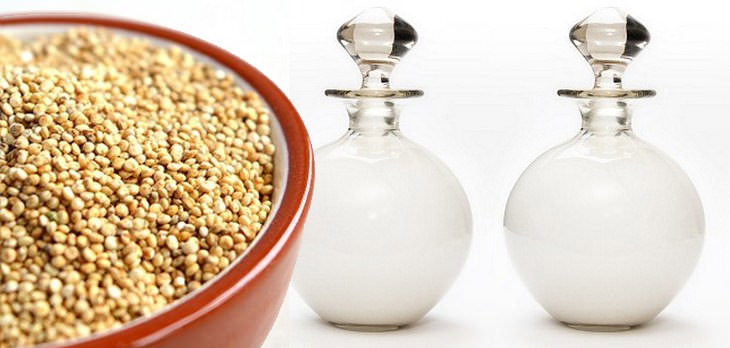
How to Make Quinoa Milk and Why It's Good For You

Quinoa has entered our lives more and more in recent years, and it seems that today there is no home that has not heard about this special food and its many health benefits. In addition, thanks to its delicate and unique taste, quinoa can be added to a variety of dishes, salads and even various healthy energy drinks. 

While we’re used to seeing it as a part of various dishes, not many know that it is possible to make healthy, nutritious milk from quinoa that will provide your body with a variety of nutrients, and will help you in ways that regular or plant-based milk can't. In order to learn more about quinoa, its advantages and how to turn it into delicious and nutritious milk, continue reading the article below.

quinoa
 
The Benefits of Quinoa:  
Quinoa is considered a super-food thanks to the essential nutrients it contains which nourish the body and contribute to its overall health. The unique grain has a number of characteristics that make it a real health bomb, and the milk produced from it will provide your body with a concentrated dose in one gulp! 
 
1. Gluten free 
After years of gastrointestinal problems, many are discovering that they are sensitive to gluten, which requires them to maintain a unique diet without the component that harms them. Quinoa is naturally gluten-free, as opposed to other foods that do not contain it because of the chemical processes they undergo to make them so. This means that people who are sensitive to gluten can enjoy quinoa without fear of introducing harmful ingredient supplements, in addition to reaping the many other benefits of the unique grain. 
 
2. Improves metabolism at the cellular level  
We are used to thinking about metabolic rate at the general level, that is, in the context of processing the food we eat, producing energy from it and its effect on the body. But along with these processes, there are also internal processes at the cellular level in the digestive system, which allow it to work properly in terms of maintaining normal levels of sugar and fats in the blood. Quinoa helps to improve digestive activity at the cellular and physical levels, which contributes to overall health, prevents sedimentation of fats in the blood vessels, and helps maintain normal energy levels.


3. Strengthens muscles 
Protein is an essential commodity for the body in all its forms, especially for people who exercise regularly. Besides building the muscle itself, proteins are also needed for other processes such as absorption of various minerals and other components essential for the health of the body, especially iron. In a study published in 2001, researchers found that insufficient absorption of iron leads to a poor physical condition even after consuming the required amount, so it is recommended to incorporate iron-rich foods such as quinoa in your daily diet if you wish to develop and maintain muscle mass over time.

4. Helps lower blood pressure 
Quinoa is rich in dietary fibers that contribute to digestion and removal of wastes from the body, as well as lowering blood pressure. Many people who have high blood pressure do not consume enough fiber in their diet, which perpetuates the situation. Fortunately though, quinoa can help. The natural and healthy fibers of quinoa grains help lower blood pressure and thus reduce the risk of various illnesses caused by this condition, especially if it is chronic.


https://gscrochetdesigns.blogspot.com. one can see my crochet creations  

https://kneereplacement-stickclub.blogspot.com. for info on knee replacement

https://cancersupportindia.blogspot.com  for info on cancer and health related topics

https://GSiyers home remedies.blogspot.com   is the latest addition to my blogs

5. A good source of B vitamins 
There are several types of vitamin B, eight to be specific, each with its own main role, such as preventing blood shortages, maintaining proper neural activity, strengthening memory, and more. Quinoa is an excellent source of vitamins from this group, and eating it or drinking milk made of it will help you maintain good overall health and improve your body's functioning in ways you won’t even be aware of. 
 
6. Prevents osteoporosis (bone depletion) 
 quinoa
 As time goes by, the bones in our body lose their density due to osteoporosis and other factors that sometimes lead to the development of osteoporosis. In this condition, the bones become very delicate and fragile, which can turn any fall or bump into a risk of fracture in the body. In order to prevent this condition, it is important to consume foods that are rich not only in calcium but also in magnesium, such as quinoa. This essential mineral affects the metabolism of calcium and is therefore essential for its absorption, and happily, one cup of quinoa contains about a third of its recommended daily intake. In order to optimize the absorption of magnesium in your body, it is recommended to soak the quinoa in water before cooking and then eating it normally.


7. Rich in zinc 
Zinc is a mineral that is needed in the body in quite small amounts, but without it, life cannot exist. Lack of zinc interferes with insulin function, lowers sperm count in men and increases the risk of contracting infectious diseases such as colds and the flu. One cup of quinoa contains 13% of the recommended daily amount of zinc, therefore, it is considered one of the best sources of this essential mineral. In a study published in 2013, researchers found that zinc plays a vital role in maintaining the health of the skin and liver, so it is recommended to consume enough of it on a daily basis to reduce the chance of diseases that attack these and other areas.

A recipe for quinoa milk:  
Now that you know a little more about quinoa and its many virtues, you can go to the pantry, take out a package of quinoa and prepare a nutritious milk with this simple recipe: 
 
Ingredients: 
1 cup quinoa 
10 cups of water 
1 teaspoon vanilla extract 
1 teaspoon cinnamon powder 
1 teaspoon honey (optional)


Preparation: 
1. Place the quinoa in a large plastic container, pour 6 cups of water over it, cover it with a lid and put it in the refrigerator overnight for about 8 hours (this step should not be skipped because quinoa has a phytic acid that inhibits mineral absorption, and the soaking neutralizes its activity).
 
2. Drain the quinoa from the liquid, place it in a pot with 2 cups of water and simmer over medium heat until it softens.

3. Place the cooked quinoa in a food processor along with the remaining 2 cups of water and blend until you get a smooth drink. 
 
4. Add vanilla extract and cinnamon to the resulting drink, mix and set aside for a few minutes. 
 
5. Strain the quinoa milk with a cheesecloth or a fine sieve and, if necessary, add more water. Keep the milk in a storage container in the refrigerator and drink hot/cold. You can sweeten the quinoa with honey and drink it whenever you like.

Friday, February 28, 2025

Beetroot Juice

 Ingredients

beetroot 1 small

apple 1-2

celery stalks 2

carrots 1-2

lemon 1/2

ginger peeled 1/2 " 

Method

1.Wash all vegetables and fruits in running water and pat dry them.

2. Peel and cut beetroot into long slices. Cut apple into long pieces and remove the core. Peel and cut carrot into long pieces. Cut celery into long pieces.

3. Put glass or container under the nozzle of a juicer and turn it on.

4.  Process all ingredients (beetroot, apple, carrot, celery, ginger) except lemon alternatively through juicer.

5.  Squeeze the half lemon into prepared juice and stir well. Pour it into chilled serving glass and serve. Drink it immediately.


Tips and Variations:
  • Choose a small and firm beetroot. Also, we used sweet apple but you can use any type of apple of your choice.
  • Pure beetroot juice is very strong; always mix it with some other fruit or vegetable juice to potentially avoid any side effects.
  • If you are using organic veggies and fruits, don’t peel them.


https://gscrochetdesigns.blogspot.com. one can see my crochet creations  

https://kneereplacement-stickclub.blogspot.com. for info on knee replacement

https://cancersupportindia.blogspot.com  for info on cancer and health related topics

https://GSiyers home remedies.blogspot.com   is the latest addition to my blogs
Saturday, March 16, 2024

Turmeric is one of the nature's best gift to man

Some of us are only finding out now what the Asians, Indians, the American Indians and the Chinese knew a long time ago - that one of the most amazing medicinal herbs is no rare plant or an artificially created compound. One of the most effective natural ingredients is actually a common herb - the turmeric.
turmeric
Or, more precisely, its active ingredient - Curcumin. The percentage of Curcumin is very low in the Turmeric plant, and so it needs to be either digested for a very long time, or one can take curcumin pills, which hold a high percentage of Curcumin, to treat a variety of problems. 
 
The turmeric is a shrub with large and wide leaves that envelope it and hide the flowers in its center. It mainly grows in south-east Asia, where it has been used as a cooking and medicinal herb for thousands of years. It is the herb that gives the traditional Indian dish, the Curry, its typical yellow color and strong taste.

The Curcumin hides many medicinal properties behind its familiar exterior - 
It strengthens the immune system, delays (and may even prevent) Alzheimer's Disease, prevents neuron death, strengthens the cells, it is an antioxidant and an anti-inflammatory, it helps keep sugar levels, helps the digestive system, reduces the risk of stroke and heart disease and most importantly - Is a great ally in the war against cancer, delaying its spread and stabilizing patient condition. 
 
Only recently, after a sequence of successful experiments, has modern science discovered the full potential of Curcumin.

It started in 2005 with a research into Alzheimer's disease, where it was found that taking Curcumin prevented the outbreak of Multiple sclerosis and cystic fibrosis in mice. This interested the scientific community, and other research was conducted, with astonishing results: For many patients, the curcumin delayed the onset of cancer cells and even stabilized the condition of patients with aggressive cancer cells. 
 
In the last 7 years, over 20 different experiments were made, researching the influence of Curcumin, and the scientific world was flabbergasted:
health benefits of Curcumin: Cucumin powder

Delays and stabilizes the spread of cancer 
 Curcumin slows the spread of cancer cells by denying their replication process and strengthening the protection of cell membranes. 
 
Strong antioxidant effects 
Curcumin, because of the shape of its molecule, is very effective in preventing the oxidation processes and activity of free radicals in the body (Antioxidant), and thus slows the damage to our body cells and as a consequence - slows the aging of skin cells. 
 
Increases the effectiveness of chemotherapy 
Curcumin is especially effective in combination with chemotherapy, encouraging the process and increasing its efficiency.

Delays and reduces the chance of deterioration of the brain in adults  
Curcumin helps the brain activity of older people, and may slow the cognitive decline by up to 49%. Even the occasional consumption of curry, the popular Indian dish that contains curcumin, reduces the risk of mental decline by up to 38% (American Journal of Epidemiology). 
 
 
Anti-inflammatory and fights arthritis  
Curcumin, when given as an essence by injection, fights inflammatory diseases and in fact is an anti-inflammatory in general, particularly effective in aiding the body in the fight against arthritis. Studies have shown that cartilage destruction in mice that were given the extract was reduced by 66%, and bone destruction in patients who received the extract was reduced by 57%. 
 
Helps maintain a healthy heart and helps a sick heart return to action 
Researchers in Canada found out that curcumin also reduces the risk of heart failure, as it helps the heart to return to normal and reduces the spread of scar tissue. 
 
Anti-diabetic activity and reduces the risk of disease 
In 2008 it was discovered that Curcumin also encourages the activity of liver enzymes that convert glucose carbohydrates, and creates anti-inflammatory activity that is required by people with a high fat content. The researchers suggest that consumption of small doses of curcumin daily is a great natural booster to traditional treatment, and significantly lowers the risk of diabetes in people who are overweight. 
 
Fights cell death and the death of brain cells killed by Alzheimer's disease 
Curcumin may protect against Alzheimer's disease, and inhibits and prevents cell death caused by the disease. In India, where curry with curcumin is eaten regularly, Alzheimer's disease is much rarer than in other countries. 
 
Increases and strengthens the immune system 
In 2009 researchers at the University of Michigan found that curcumin strengthens our cell membranes and thus increases the resistance against foreign infections entering the body. Perhaps this is one reason why curcumin fights cancer so well. 
 
Reduces the risk of stroke, strengthens the body's blood vessels and lowers blood pressure 
Researchers realized that curcumin slows the body's blood clotting activity, which causes a decreased risk of blood clots and strokes. Also, since curcumin enhances the blood cells, contributes to the strength of a body's blood vessels, lowers blood cholesterol concentration and fight infections, it actually lowers blood pressure. 
 
Helps in digestion and absorption of nutrients 
Curcumin fights harmful bacteria and thus facilitates digestion and reduces the risk of bacterial infection. Curcumin also reduces the accumulation of gas in the intestines, thereby preventing abdominal pain and swelling.


How to take it: 
The best way to consume curcumin is by taking curcumin capsules containing a high concentration of the active ingredient in turmeric, the curcumin. You can find those in most health shops. When eaten, most of the curcumin gets destroyed by the stomach acid. Taking concentrated pills negates that effect and allows the body to absorb a significant amount of curcumin by letting the compound go through the digestive tract and reach the bloodstream and from there to all parts of the body, where the curcumin does its work to improve our health.


https://gscrochetdesigns.blogspot.com. one can see my crochet creations  

https://cancersupportindia.blogspot.com. feel free to view for easy, simple and health tips  

https://kneereplacement-stickclub.blogspot.com. for info on knee replacement

https://GSiyers home remedies.blogspot.com     is the latest addition to my blogs.

Sunday, October 15, 2023

Health benefits of beet juice.

Beetroot has become a very popular nutritional ingredient lately, which can completely be explained by the scientific findings pointing at its capability to lower blood pressure and inflammation levels in the body. And these are only 2 of the numerous health benefits of this colorful root vegetable, which we will discuss in this article. 
 
The health claims are only half of the story, however, as beetroot is a plentiful source of many essential vitamins and nutrients, such as vitamin C, calcium, folate, magnesium, and zinc, just to name a few. One can reap the benefits of beetroots by either adding it to foods, or by simply drinking a glass of beetroot juice.
 beetroot juice beetroot juice
 
This bright-colored juice can be easily mixed into smoothies and other fruit and vegetable juices, which make it a very easy way to incorporate beets into your diet. Now let’s finally move on to the health benefits of beetroot juice:

1. Beetroot juice can lower blood pressure (BP) 

One of the most outstanding findings about beetroots is their proven capability to lower blood pressure. In several studies, participants with hypertension who drank beetroot juice had a lower blood pressure than the controls.

This is most likely due to the fact that the root vegetable naturally contains large quantities or nitrates, which, when converted into nitric oxide in our body, can improve the blood flow through the blood vessels by dilating them. In addition, beets have a lot of copper and magnesium, both of which promote cardiovascular health.


2. Drink Beet Juice to Get More out of Your Exercise

Beetroot juice can not only help you deal with a health condition that is bothering you, it can also boost your athletic performance. Such compounds, as nitrates and betalains may increase blood circulation and make sure more oxygen is getting to your muscles, which can be very beneficial for making exercises less burdensome and increasing their efficiency.

In a 2018 research paper, cyclists who drank beetroot concentrate for only 1 week significantly improved their performance during exercise. The antioxidants and phytochemicals in beetroot, too, may improve your energy levels.


3. Prevent Anemia by Drinking Beetroot Juice
beetroot juice Prevent Anemia

Beetroots are one of the best sources of iron, which is essential for producing red blood cells. When a person is consistently consuming less iron than they should, their red blood cells can no longer bring oxygen to the different parts of your body. This can lead to the development of a condition that’s called iron deficiency anemia. 
 
If you want to learn about the symptoms of this condition, follow this link. Usually, you can prevent and reverse the development of this type of anemia by consuming plenty of iron-rich foods, and beetroot juice is a great example of such food. 
 
On top of that, beets also contain vitamin B6, which enables the creation of hemoglobin, the protein in the red blood cells that carries oxygen. Usually, the more iron-rich foods you consume, the more vitamin B6 you need to make hemoglobin, and beetroot juice can provide you with both.


 4. Protect Your Liver from Damage with a Daily Dose of Beetroot Juice

The liver is one of the first organs to suffer from an unhealthy diet, so protecting it from damage and promoting its health is super important. Beetroot juice is very rich in antioxidants, vitamin B-6, vitamin A, as well as iron.

A cocktail of all of the these compounds is known to help shield the liver from oxidative stress, as well as inflammation. Apart from that, beetroot juice may boost the liver’s ability to remove toxins from your body, too. 


5. No More Inflammation Thanks to Beetroot Juice

beetroot juice inflammation

Yet another remarkable feature of this root vegetable lies in its ability to lower the level of inflammation in the body. Studies suggest that anti-inflammatory compounds in beetroot juice called betalains may significantly decrease the activity of inflammatory enzymes. 
 
 
Apart from that, beetroots contain a lot of phytochemicals, which are known to stimulate the immune system, reduce the effects of oxidative stress and minimize the levels of inflammation in the body.


https://gscrochetdesigns.blogspot.com. one can see my crochet creations  

https://cancersupportindia.blogspot.com. feel free to view for easy, simple and health tips  

https://kneereplacement-stickclub.blogspot.com. for info on knee replacement

https://GSiyers home remedies.blogspot.com     is the latest addition to my blogs.

Wednesday, September 13, 2023

Learn How to Make Quinoa Milk and Why It's Good For You!

Quinoa has entered our lives more and more in recent years, and it seems that today there is no home that has not heard about this special food and its many health benefits. In addition, thanks to its delicate and unique taste, quinoa can be added to a variety of dishes, salads and even various healthy energy drinks. 
 
While we’re used to seeing it as a part of various dishes, not many know that it is possible to make healthy, nutritious milk from quinoa that will provide your body with a variety of nutrients, and will help you in ways that regular or plant-based milk can't. In order to learn more about quinoa, its advantages and how to turn it into delicious and nutritious milk, continue reading the article below.

quinoa
The Benefits of Quinoa: Quinoa is considered a superfood thanks to the essential nutrients it contains which nourish the body and contribute to its overall health. The unique grain has a number of characteristics that make it a real health bomb, and the milk produced from it will provide your body with a concentrated dose in one gulp! 
 
 
1. Gluten free  
After years of gastrointestinal problems, many are discovering that they are sensitive to gluten, which requires them to maintain a unique diet without the component that harms them. Quinoa is naturally gluten-free, as opposed to other foods that do not contain it because of the chemical processes they undergo to make them so. This means that people who are sensitive to gluten can enjoy quinoa without fear of introducing harmful ingredient supplements, in addition to reaping the many other benefits of the unique grain. 
 
 
2. Improves metabolism at the cellular level 
We are used to thinking about metabolic rate at the general level, that is, in the context of processing the food we eat, producing energy from it and its effect on the body. But along with these processes, there are also internal processes at the cellular level in the digestive system, which allow it to work properly in terms of maintaining normal levels of sugar and fats in the blood. Quinoa helps to improve digestive activity at the cellular and physical levels, which contributes to overall health, prevents sedimentation of fats in the blood vessels, and helps maintain normal energy levels.


3. Strengthens muscles 
 Protein is an essential commodity for the body in all its forms, especially for people who exercise regularly. Besides building the muscle itself, proteins are also needed for other processes such as absorption of various minerals and other components essential for the health of the body, especially iron. In a study published in 2001, researchers found that insufficient absorption of iron leads to a poor physical condition even after consuming the required amount, so it is recommended to incorporate iron-rich foods such as quinoa in your daily diet if you wish to develop and maintain muscle mass over time.


4. Helps lower blood pressure 
Quinoa is rich in dietary fibers that contribute to digestion and removal of wastes from the body, as well as lowering blood pressure. Many people who have high blood pressure do not consume enough fiber in their diet, which perpetuates the situation. Fortunately though, quinoa can help. The natural and healthy fibers of quinoa grains help lower blood pressure and thus reduce the risk of various illnesses caused by this condition, especially if it is chronic.

 
5. A good source of B vitamins 
There are several types of vitamin B, eight to be specific, each with its own main role, such as preventing blood shortages, maintaining proper neural activity, strengthening memory, and more. Quinoa is an excellent source of vitamins from this group, and eating it or drinking milk made of it will help you maintain good overall health and improve your body's functioning in ways you won’t even be aware of. 
 
 
6. Prevents osteoporosis (bone depletion) 
quinoa
As time goes by, the bones in our body lose their density due to osteoporosis and other factors that sometimes lead to the development of osteoporosis. In this condition, the bones become very delicate and fragile, which can turn any fall or bump into a risk of fracture in the body. In order to prevent this condition, it is important to consume foods that are rich not only in calcium but also in magnesium, such as quinoa. This essential mineral affects the metabolism of calcium and is therefore essential for its absorption, and happily, one cup of quinoa contains about a third of its recommended daily intake. In order to optimize the absorption of magnesium in your body, it is recommended to soak the quinoa in water before cooking and then eating it normally.


7. Rich in zinc  
Zinc is a mineral that is needed in the body in quite small amounts, but without it, life cannot exist. Lack of zinc interferes with insulin function, lowers sperm count in men and increases the risk of contracting infectious diseases such as colds and the flu. One cup of quinoa contains 13% of the recommended daily amount of zinc, therefore, it is considered one of the best sources of this essential mineral. In a study published in 2013, researchers found that zinc plays a vital role in maintaining the health of the skin and liver, so it is recommended to consume enough of it on a daily basis to reduce the chance of diseases that attack these and other areas.


A recipe for quinoa milk:  
Now that you know a little more about quinoa and its many virtues, you can go to the pantry, take out a package of quinoa and prepare a nutritious milk with this simple recipe: 
 
 
Ingredients:  
 
1 cup quinoa 
 
10 cups of water 
 
1 teaspoon vanilla extract 
 
1 teaspoon cinnamon powder 
 
1 teaspoon honey (optional)

 quinoa


https://gscrochetdesigns.blogspot.com. one can see my crochet creations  

https://cancersupportindia.blogspot.com. feel free to view for easy, simple and health tips  

https://kneereplacement-stickclub.blogspot.com. for info on knee replacement

https://GSiyers home remedies.blogspot.com     is the latest addition to my blogs.
  

Wednesday, March 23, 2022

Cream of tartar- uses, remedies

Cream of tartar is an ingredient that often crops up on menus when we’re dining out, but we never tend to think about what it actually is. When grape juice is fermented into wine inside barrels, sediment is left behind. This acidic by-product of wine production is then refined and turned into a white powder, which is known as cream of tartar. It gets its name from its chemical makeup, which is called potassium hydrogen tartrate . In addition to its applications in cooking, you can also reap various health benefits from consuming cream of tartar. Keep reading to find out all about it.

Professional bakers use cream of tartar to stabilize egg whites, creams and ice cream, and to maintain the white color of whipped cream. Even the baking powder we all know is made up of cream of tartar and baking soda. Cream of tartar is usually labeled with the code E336i on the list of ingredients. Cream of tartar (which comes as a powder) can be found in spice shops, nature stores, and specialty bakery stores, and is sometimes also available in large retail chains.

The Health Benefits of Cream of Tartar 
 
1. Treats Urinary Tract Infections
Out of the many cream of tartar uses that exist, a primary one is its ability to change the pH level in your urine, turning it from an environment in which bacteria thrive, to one that is totally hostile to them (which is what you want). All you need to do to treat a urinary tract infection is to mix 1½ teaspoons of cream of tartar in 1 cup of warm water. Squeeze in some lemon or lime juice and drink the solution once or twice daily until you are cured. 
 
2. Soothes Arthritis how to use cream of tarter to cure arthritis
Use this recipe to soothe your painful arthritis: 
Ingredients  
• 3 oranges 
• 3 lemons 
• 3 grapefruits 
• 50g Epsom salts (magnesium sulfate) 
• 50g cream of tartar 
• 1.5 liters of water  
 
Method 
1. Scrub the fruits very well to ensure that all sprays or other contaminants are removed. 
2. Blend the fruits well, including skins and seeds. 
3. Leave the blended fruit mixture to stand overnight. 
4. On the following morning, boil some water. 
5. Add the Epsom salts and cream of tartar to the boiled water. 
6. Add this mixture to the blend of citrus fruits. 
7. Place in a suitable container and freeze. 
 
How to take it 
Consume two dessert spoons of the frozen mixture each morning, then follow up by drinking a glass of tepid water with ½ a teaspoon of a good vitamin C powder added to it. The batch you created and froze should last you for about two months.

3. Helps You Quit Smoking
If you’ve tried to quit smoking numerous times, but with little success, you’ll be pleased to know that the cream of tartar can provide a solution. It is extremely effective at removing nicotine from the bloodstream, so all you need to do is mix some cream of tartar with a glass of orange juice and drink it before you go to bed each night. Doing so will strengthen your immune system and cleanse your body of toxins. 
 
4. Fights Heartburn
Forget relying on heartburn pills – cream of tartar uses include the ability to naturally treat heartburn. Mix ½ a teaspoon of it with ½ a teaspoon of baking soda in a glass of water. As soon as you feel the onset of heartburn, simply drink 1 teaspoon of the solution.

5. Treats Acne
Cream of Tartar face scrub for acne
Due to its ability to detoxify and remove impurities from the body, cream of tartar can be used to treat acne. Mix 1 tablespoon of it with 8 ounces of water and drink the solution each morning. Do this for a month and you’ll notice fewer acne outbreaks and much clearer skin. 
 
6. Prevents Gallstones
This tip is more of a preventative health benefit than a cure. Prevent gallstones from forming by mixing the juice of six lemons in a quart-sized jar with 1 tablespoon of Epsom salt and 3 tablespoons of cream of tartar. Top the rest of the jar up with water and place it in the refrigerator. Get into the habit of drinking a small glass of the solution each night and you should be able to eat whatever you want without gallstones forming.
 
7. Treats Bacterial Infections
Bacterial infections can cause a whole range of problems, from inflammation to swelling and fever. Cream of tartar can return much-needed alkalinity to your body. Simply mix ½ a teaspoon of it with ½ a cup of warm water and drink the solution to create a hostile environment for the offending bacteria that gave you the infection in the first place. 
 
8. Lowers High Blood Pressure  
In many instances, high blood pressure arises as a result of a potassium deficiency. If this applies to you (obviously you need to consult your doctor to establish this, who will likely administer a blood test), then you can return potassium to your body by drinking 1 teaspoon of cream of tartar mixed in a glass of water. 
 
Using Cream of Tartar in Cooking 
Cream of tartar has a number of uses when cooking or baking, and here are some of the most common uses: 
• Sprinkle a small amount on vegetables before cooking them to help preserve their natural color. 
 
• Add volume to meringue by adding 1/8 of a teaspoon of cream of tartar for each 2 egg whites you use. 
 
• Adding a pinch to whipped cream will stabilize it and prevent it from deflating. 
 
• Add a small amount to frosting in order to give it a more creamy texture. 
 
Making Baking Powder 
Cream of Tartar health benefits warnings and uses - how to make baking powder Cream of tartar (potassium bitartrate) and baking soda (sodium bicarbonate) are two products that are closely related at the molecular level. They also serve very similar functions for many different purposes. However, this does not mean that they are the same thing. 
 
When it comes to baking, they serve different purposes too, since baking soda has a far weaker stabilizing effect than cream of tartar does. However, when mixed together, they can create baking powder, which has a whole wealth of uses. 
 
 To make baking powder, simply add 2 teaspoons of cream of tartar and 1 teaspoon of baking soda to a bowl. Then, you only need to mix it vigorously until thoroughly combined, before using it immediately.

Is Cream of Tartar Gluten-Free? 
If you are sensitive to gluten or have celiac disease, then you'll need to do your best to avoid ingesting any form of gluten, a certain type of protein. It primarily comes from rye, barley, and wheat, yet it can also be found in products that may have come into contact with these grains at some point. 
 
In isolation, the cream of tartar is actually gluten-free. However, it's important to be aware that the food it is frequently found in may not be. That's why it is important to check the label of anything you plan on eating since the law requires manufacturers to list all gluten-containing ingredients.  
 
Using Cream of Tartar as a Cleaning Product  
 
1. Gets Stains Out of Clothes 
You can clean stains from a variety of clothes by using a wonderful cream of tartar. To do this, add a little 3% hydrogen peroxide to a small dish with cream of tartar until you get a paste and apply it to the stain that you want to remove. Leave the paste on the stain for 5-10 minutes then wash in the washing machine. The paste is good for all stains, even those that you’re not too sure where they came from. Note that it’s best to check that the paste won’t damage the garment fabric first by doing a patch test. 
 
2. Cleans the Bathroom 
In order to restore your bathroom’s gleam, mix an equal amount of cream of tartar with baking soda, add a few drops of lemon juice, and you’ll have an awesome homemade bathroom cleaner. The solution is effective against traces of limescale that stick to baths, sinks, and toilets. Apply the solution to the dirty areas of your bathroom, wait about 30 minutes, rinse with water and wipe with a dry cloth. 
 
3. Cleans Stainless Steel and Aluminum 
Stainless steel and aluminum appliances sometimes accumulate water stains and dirt that distort their appearance. To remove these stains, mix cream of tartar with a little water to create a thick mixture and use it to clean the stainless steel in your home. The paste can be used to clean jewelry, cutlery and large kitchen appliances such as sinks and ovens. Additionally, you can mix cream of tartar with a few drops of hydrogen peroxide to make a cutlery polish and a rust remover. 
 
4. Fixes Scratched Kitchenware 
To remove scratches from plates and cups, mix cream of tartar with a little water to form a paste, and apply it to the damaged areas with a cloth. After a slight wipe and a short wait, you’ll see a significant improvement in the condition of your kitchenware.
 
5. Keeps Ants Away  
In addition to all its other qualities, cream of tartar’s make up repels insects in general, and ants in particular. To keep ants out of your house, all you have to do is sprinkle a little tartar powder near where they come in from. 
 
Warnings  
While the cream of tartar has plenty of fabulous uses, it can also pose a few risks to human health if used incorrectly or irresponsibly. As a result, it should be kept well out of reach of children. 
 
Here are 3 ways that cream of tartar can harm your health: 
 
It is an eye irritant. 
Cream of tartar carries an NFPA rating of 2, which means that it is technically classified as a hazardous chemical. As a result, it could actually cause mild to moderate eye irritation, including swelling and redness if it were ever to get into your eyes. If this happens to you, you should immediately flush your eyes with water for at least 15 minutes. Make sure to remove any contact lenses first though! 
 
It can cause skin damage. 
Due to its acidic nature, cream of tartar is able to cause mild to moderate skin irritation too. If you find that your skin is showing signs of being irritated, then you should immediately wash that area with water and soap, covering it with some skin moisturizer afterward. If your skin is sensitive to cream of tartar, then it may be a good idea to use gloves when handling large amounts of it. 
 
It can harm through ingestion or inhalation. 
Ingesting or inhaling small amounts of raw cream of tartar could make you feel nauseous . However, if large amounts are inhaled or ingested, then toxicity could occur, meaning that you may experience dizziness, stomach cramps, or even difficulty breathing . If this happens to you, get some fresh air and seek immediate medical attention. Avoid inducing vomiting unless a medical professional instructs you to do so. 
 
Side Effects of Cream of Tartar
While cream of tartar is relatively safe to use, there are a few side effects associated with it that you should be aware of: 
 
It Has a Laxative Effect  
Due to the way that cream of tartar interacts with the digestive system, it can be considered to be a rather mild laxative . This is perfect for anyone who suffers from constipation but could be unpleasant for anyone else. If you opt to use cream of tartar as a laxative, you should avoid using it for extended periods of time, because its overuse may be detrimental to your bowel health. 
 
It Increases Water Loss 
Cream of tartar has been found to have a diuretic effect, which means that your body will begin to lose water at an increased rate. In fact, that is why cream of tartar is often taken as a natural remedy for edema , which is a condition where fluid becomes retained within your tissues. Make sure to stay hydrated while using cream of tartar, since losing too much fluid may cause an electrolyte imbalance or dehydration. 
 
It May Increase Your Potassium Levels Since it is made up of potassium bitartrate, taking large amounts cream of tartar could result in your body's potassium levels becoming too high. Your body naturally tries to balance out your electrolyte levels, which is why such disruptions typically have a negative impact. Cream of tartar should be particularly avoided if you suffer from any kidney problems. If you found this information useful, don't forget to share it with your friends and family too!


https://gscrochetdesigns.blogspot.com. one can see my crochet creations  

https://cancersupportindia.blogspot.com. feel free to view for easy, simple and health tips  
https://kneereplacement-stickclub.blogspot.com. for info on knee replacement