Showing posts with label barley. Show all posts

Saturday, April 18, 2026

Slow-Cooker Bean, Kale & Barley Soup

 Tips 

These are the key tips we learned while developing and testing this recipe in our Test Kitchen to make sure it works, tastes great and is good for you too! 

  • If you don't have fresh oregano, substitute it with 1 teaspoon of dried oregano.
  • We decided to use curly kale in this recipe because its slightly bitter flavor complements the beans. Additionally, when cooked, curly kale holds its shape better than some other varieties.
  • The rich umami flavor of shiitake mushrooms works wonderfully in bean soups. If you buy them dried, they can be stored in an airtight container in a cool, dark place, like a cupboard, for 9 to 12 months.
  • This recipe calls for ¼ cup of white wine. You can use any white wine you have on hand; however, if you're purchasing wine specifically for cooking, a crisp, dry white is a safe choice as it won't overpower the dish.

  • Dried bean soup mix is a mix of up to 15 types of beans, peas and lentils that is known for its high fiber content and impressive amount of plant-based protein per serving. You most likely won't find a blend without red kidney beans and cannellini beans, but these two types of beans need to be cooked at a higher temperature to reduce the amount of a specific lectin—most slow cookers do not heat food to more than 212°F. The high levels of this lectin cause temporary gastrointestinal distress. If your dried bean soup mix contains red kidney beans and cannellini beans, pick them out before starting this recipe.
  • This recipe calls for pearl barley, which isn't technically a whole grain because the bran and hull are removed. However, pearl barley still has a type of fiber called beta-glucans—yes, the same type found in oats. This type of fiber helps remove bad cholesterol from the body, which is important for improving heart health.
  • Kale is an extremely nutritious leafy green. It has calcium, magnesium and potassium—all nutrients for optimal heart health. Kale also has high levels of vitamin K, which is essential for healthy blood clotting, but also important to note if you are on blood thinning medication.
  • This soup recipe is not low-carb, but the carbs that are in it are super healthy and offer a wealth of nutrients. You'll get more than your daily need for vitamins K and A and a nice boost of vitamin C, iron, folate, calcium, potassium, magnesium and zinc. This soup is also high in protein and fiber, two nutrients that will help keep you full longer.
  •  

    Ingredients

    1¼ cups dried bean soup mix (see Note)

    ½ cup dried shiitake mushrooms

    3 cups water

    8 cups vegetable broth

    1 cup finely chopped yellow onion

    1 cup finely chopped carrot

    ¾ cup finely chopped scrubbed Yukon Gold potato

    ½ cup pearl barley, rinsed

    ¼ cup white wine

    2 tbsp chopped fresh garlic

    1 tbsp Italian seasoning

    1 tbsp chopped fresh oregano

    1 tsp pepper pdr

    ¾ tsp crushed red pepper

    ½ tsp salt plus ⅛ tsp

    1 (4 inch) Parmesan rind

    4 cups finely chopped curly kale

    ½ cup chopped fresh herbs, such as flat-leaf parsley or chives, plus whole parsley leaves for garnish

    2 tbsp lemon juice


    Preparations

    If your 1¼ cups dried bean soup mix contains any red kidney beans and cannellini beans, remove them for another use (see Note). Combine the bean soup mix, ½ cup mushrooms and 3 cups water in a large bowl; soak for 4 hours or up to 8 hours. Pour through a fine-mesh strainer into a bowl; reserve 2 cups of the soaking water. Set aside the soaked beans. Remove and discard the mushroom stems; finely chop the mushrooms and set aside.

    Combine 8 cups broth, 1 cup onion, 1 cup carrot, ¾ cup potato, ½ cup barley, ¼ cup wine, 2 tablespoons garlic, 1 tablespoon Italian seasoning, 1 tablespoon oregano, 1 teaspoon pepper, ¾ teaspoon crushed red pepper, ½ teaspoon plus ⅛ teaspoon salt, 4-inch Parmesan rind and the reserved 2 cups soaking water, beans and chopped mushrooms in an 8-quart slow cooker. Cover and cook until the beans and potatoes are tender, 4 hours on High or 8 hours on Low.

    Stir in 4 cups kale; cover and cook until the kale is tender, 10 to 15 minutes on High or 20 to 30 minutes on Low. Remove and discard the Parmesan rind. Stir in ½ cup herbs and 2 tablespoons lemon juice. Divide the soup among 6 bowls; garnish with parsley leaves, if desired.  

    Note

    Look for packages of dried bean soup mix, a combination of different varieties of dried beans, lentils and peas, with other dried beans at your grocery store. Pick out any red kidney beans and cannellini beans before starting this recipe. Dried red kidney beans and cannellini beans contain a toxic level of lectins and need to be boiled for at least 30 minutes to make them safe to consume—most slow cookers don't get that hot. Read more about how to cook red kidney beans and cannellini beans safely in a slow cooker.


    https://gscrochetdesigns.blogspot.com. one can see my crochet creations  

    https://kneereplacement-stickclub.blogspot.com. for info on knee replacement

    https://cancersupportindia.blogspot.com  for info on cancer and health related topics

    https://GSiyers home remedies.blogspot.com   is the latest addition to my blogs


    Sunday, April 12, 2026

    Barley-Squash Gratin

     5655461.jpg 

    Ingredients

    2 pounds butternut squash, peeled, halved, seeded and cubed (about 5 cups)

    1 (10 ounce) package frozen chopped spinach, thawed and well drained

    1 medium onion, cut into wedges

    1 cup regular barley (not quick-cooking)

    1 (14 ounce) can vegetable broth

    ½ cup water

    3 cloves garlic, minced

    ¼ tsp black pepper pdr

    ½ cup shredded Parmesan cheese (2 ounces) 


    Preparations

    In a 3 1/2- or 4-quart slow cooker, stir together squash, spinach, onion, barley, broth, water, garlic and pepper.

    Cover and cook on low-heat setting for 6 to 7 hours or on high-heat setting for 3 to 3 1/2 hours.

    If possible, remove ceramic liner from cooker or turn off cooker. Sprinkle squash mixture with Parmesan cheese. Let stand, covered, for 10 minutes before serving.


    https://gscrochetdesigns.blogspot.com. one can see my crochet creations  

    https://kneereplacement-stickclub.blogspot.com. for info on knee replacement

    https://cancersupportindia.blogspot.com  for info on cancer and health related topics

    https://GSiyers home remedies.blogspot.com   is the latest addition to my blogs


    Tuesday, April 7, 2026

    From Seeds To Popcorn: Surprising Fiber Sources You’ll Love

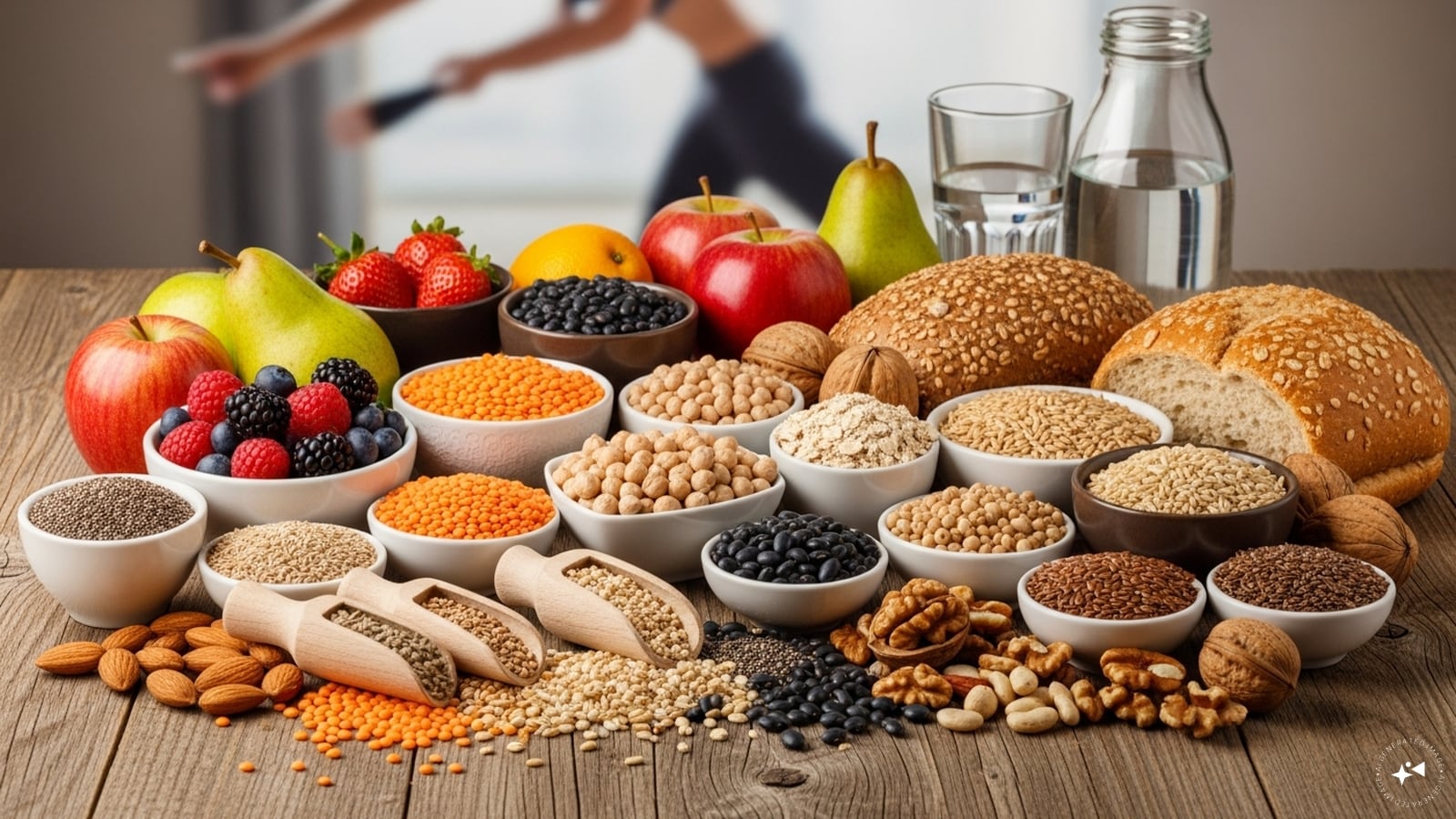
     Fiber is an essential nutrient that plays a critical role in digestion, cholesterol management, and blood sugar regulation. While vegetables are often the go-to source, many other foods are equally rich in fibre and can easily be incorporated into your daily diet.

     From Seeds To Popcorn: Surprising Fibre Sources You’ll Love 

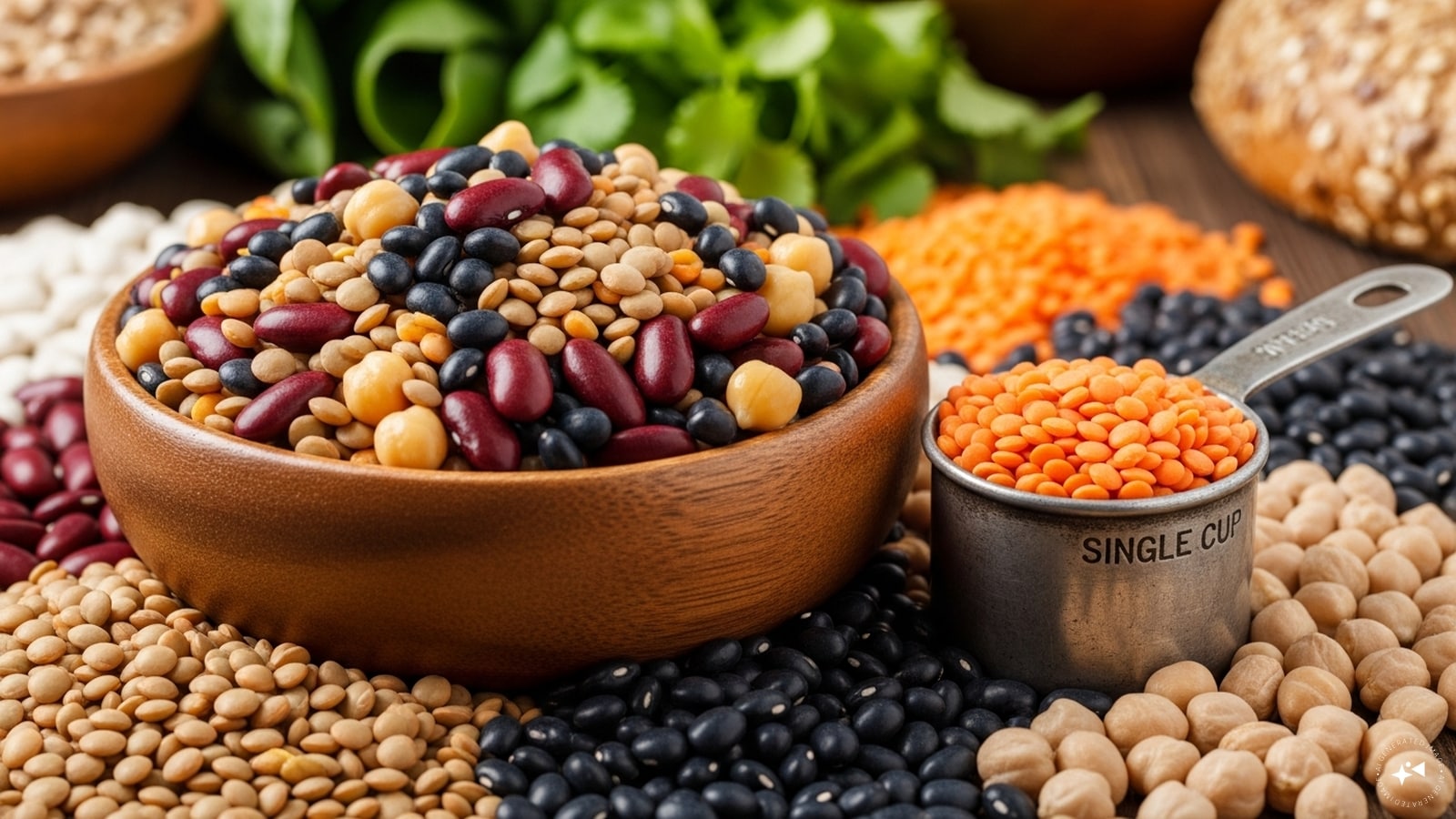
    Lentils and Beans: Lentils, black beans, kidney beans, and chickpeas are among the richest sources of dietary fibre. A single cup of cooked lentils provides around 15 grams of fibre, making them a powerhouse for digestive health. They also deliver protein, iron, and folate, making them ideal for vegetarians and vegans.

     From Seeds To Popcorn: Surprising Fibre Sources You’ll Love 

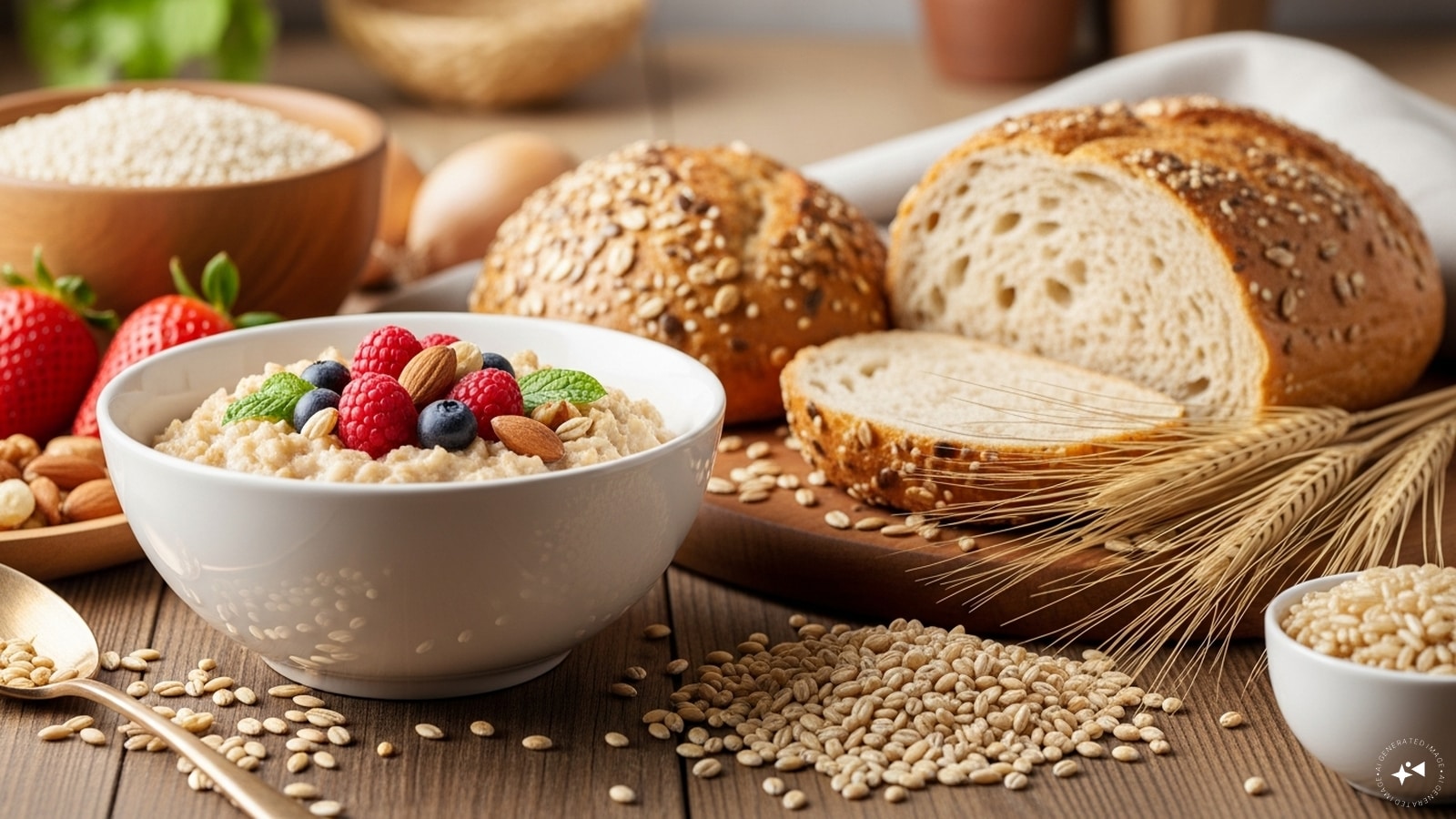
     Oats and Barley: Whole grains are excellent non-vegetable sources of fibre. Oats contain soluble fibre called beta-glucan, which helps lower cholesterol. Barley, on the other hand, supports blood sugar regulation and gut health. Choosing whole-grain bread, brown rice, or quinoa can significantly increase daily fibre intake.

    From Seeds To Popcorn: Surprising Fibre Sources You’ll Love  

    Chia and Flax Seeds: Tiny but mighty, chia seeds and flaxseeds are loaded with fibre. Just two tablespoons of chia seeds provide about 10 grams of fibre. They also contain omega-3 fatty acids, which support heart health. Flaxseeds, when ground, are easy to add to smoothies, cereals, or baked goods.

    From Seeds To Popcorn: Surprising Fibre Sources You’ll Love  

     Almonds and Pistachios: Nuts are not only a great snack but also a fibre-rich food group. Almonds provide about 3.5 grams of fibre per ounce, along with vitamin E and healthy fats. Pistachios are another excellent choice, offering fibre plus antioxidants that support overall wellness.

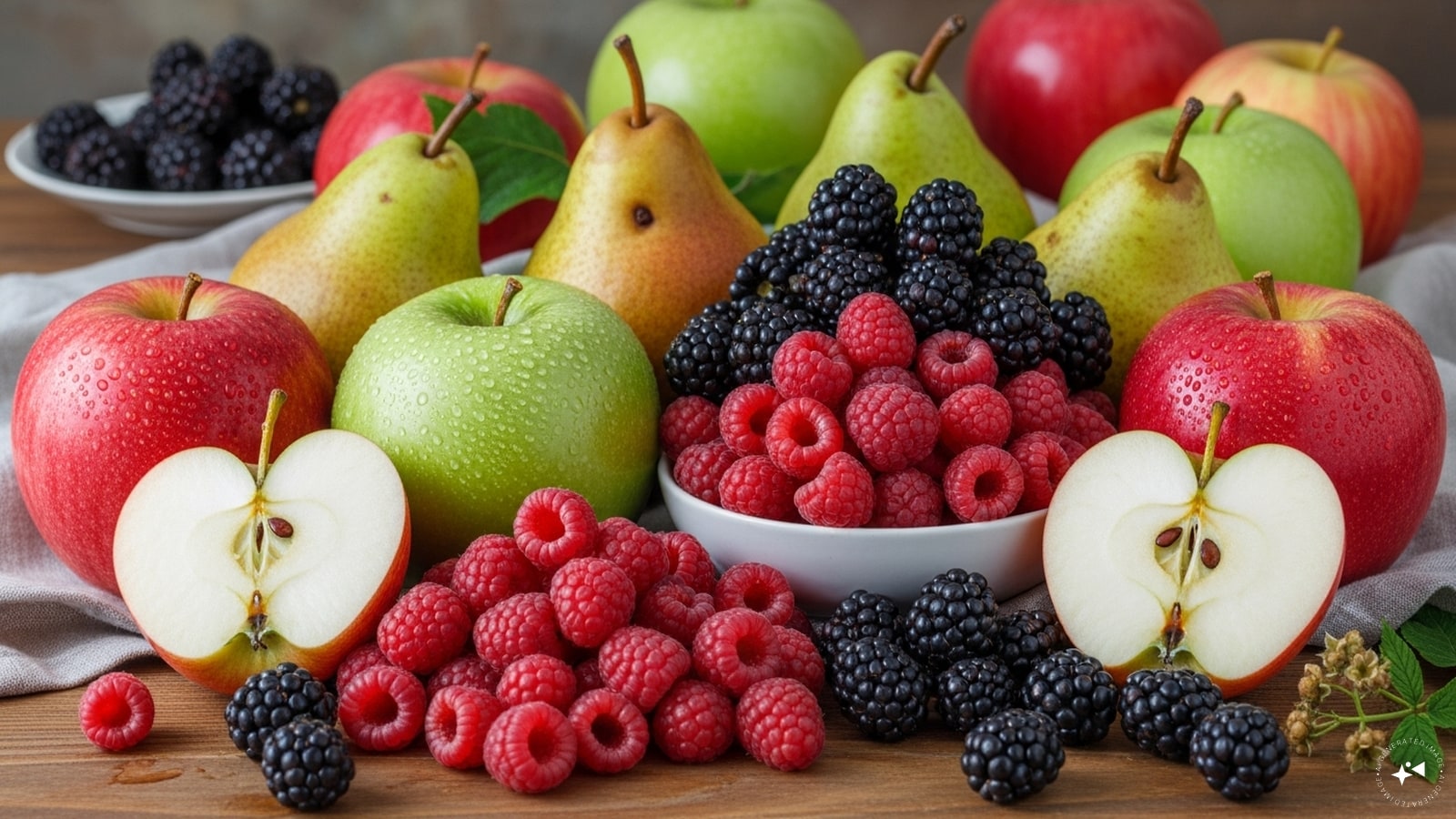
    Apples, Pears, and Berries: Fruits are technically plant-based but not classified as vegetables, making them a perfect addition here. Apples and pears are rich in soluble fibre, especially when eaten with the skin. Berries like raspberries and blackberries are fibre-dense, with a cup of raspberries offering about 8 grams of fibre.

    From Seeds To Popcorn: Surprising Fibre Sources You’ll Love  

    Popcorn: Surprisingly, air-popped popcorn is a whole grain and a fun way to add fibre to your diet. A three-cup serving contains about 3.5 grams of fibre, making it a guilt-free snack when prepared without excess butter or oil. 


    https://gscrochetdesigns.blogspot.com. one can see my crochet creations  

    https://kneereplacement-stickclub.blogspot.com. for info on knee replacement

    https://cancersupportindia.blogspot.com  for info on cancer and health related topics

    https://GSiyers home remedies.blogspot.com   is the latest addition to my blogs


    Wednesday, December 24, 2025

    9 Low-Calorie Cereal Options

    Whole grains are very important for our health for many reasons, and there is also conclusive scientific evidence to support this, so why do many people prefer not to consume them? The reason is that they are a type of carbohydrate, and many people on a diet prefer to consume as few carbohydrates as possible, so they avoid grains. 

    However, their high fiber content actually allows you to enjoy them in moderation, as they cause fewer carbohydrates to be absorbed by the body, and you can even calculate yourself how many carbohydrates your body will absorb by subtracting the grams of fiber from the total grams of carbohydrates in the grain. You don't actually have to do this, because we've calculated everything for you, and here are the results - these are the 9 most recommended grains for a low-carb diet and for maintaining weight and general health. 

    1. Oatmeal
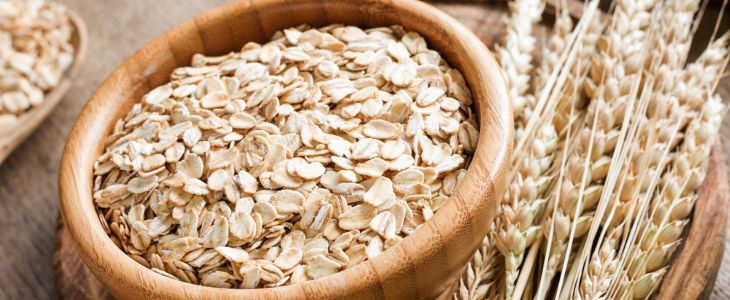
     Low-carb grains: Oatmeal
     
    One cup of cooked oatmeal contains about 4 grams of fiber, and your body will absorb about 23 grams of net carbohydrates from it. It is rich in beta-glucan, a type of fiber that studies have shown can reduce levels of bad cholesterol (LDL), which itself has been found in studies to be a leading cause of heart disease. Oatmeal is also an excellent source of magnesium, phosphorus, manganese, and vitamin B1, and can be enjoyed as porridge every morning. 
     
    2. Quinoa
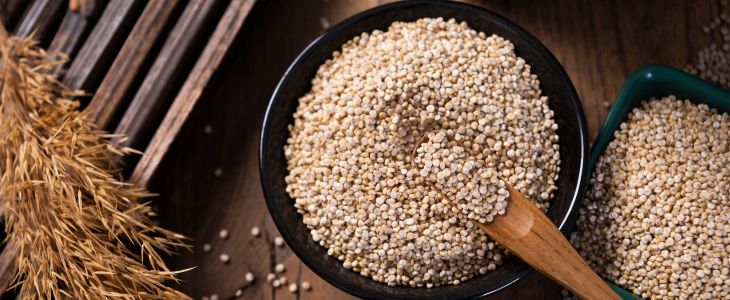
    Low-carb grains: Quinoa
    Although technically not a grain, we use it like other grains, including in salads, and it is just as healthy as they are; it is rich in antioxidants and polyphenols, and studies have shown that it can reduce inflammation and protect the body from chronic diseases. It is also relatively low in carbohydrates, with about 34 grams of net carbohydrates per cup of cooked quinoa. Another advantage, discovered in a 2021 study, is that it is considered one of the few plant-based sources that provide all 9 essential amino acids that the body needs, and in general, it is also an excellent source of manganese, magnesium, phosphorus, copper, and folic acid. 
     
    3. Bulgur
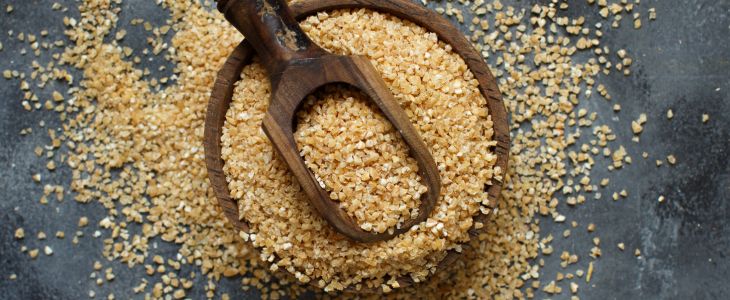
    Low-carb grains: Bulgur


    Bulgur is actually cooked wheat that has been dried and ground, and it can be incorporated into various recipes, including tabbouleh salad, porridges, or even pilaf dishes. Besides being so versatile, it is also very healthy: bulgur is especially recommended for its manganese, iron, magnesium, and B vitamins content, and one cup of cooked bulgur contains 8 grams of fiber and 26 grams of net carbohydrates.
     
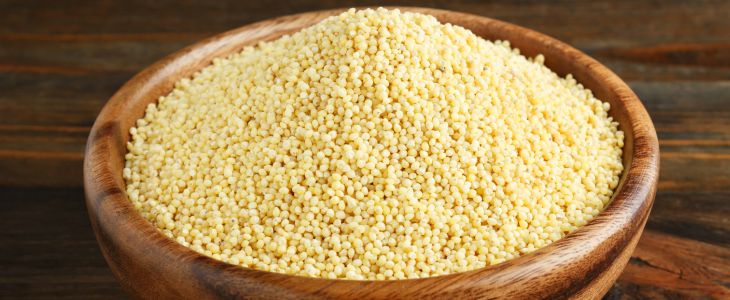
    4. Millet
     Low-carb grains: Millet
     
     
    Millet contains phosphorus, iron, calcium, folic acid, magnesium, and vitamins B2 and B3, and like other whole grains, it also has quite a few antioxidants and polyphenols. According to studies, millet helps prevent diabetes, so it is highly recommended to add it to your diet if you want to fend off the disease, and one cup of cooked millet contains 2 grams of fiber and 39 grams of net carbohydrates. You can start with a millet kibe recipe, although bulgur is also not a grain that must be avoided, as you will discover later. 
     
     
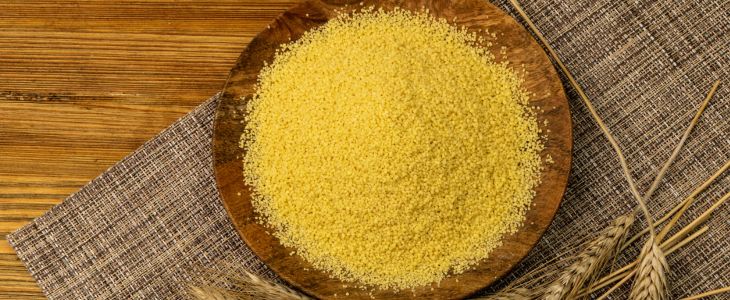
    5. Couscous
    Low-carb grains: Couscous

    Couscous is a processed grain made from semolina, and although it is a processed grain, it is still generally healthy and recommended. One cup of cooked couscous contains 2 grams of fiber and 35 grams of net carbohydrates, and it is rich in selenium, which has been found in studies to play a key role in maintaining the proper functioning of the heart, thyroid gland, immune system, and more. In addition, it also contains manganese, copper, vitamins B1 and B5, and it is very easy to prepare and incorporate into a variety of tasty dishes. 
     
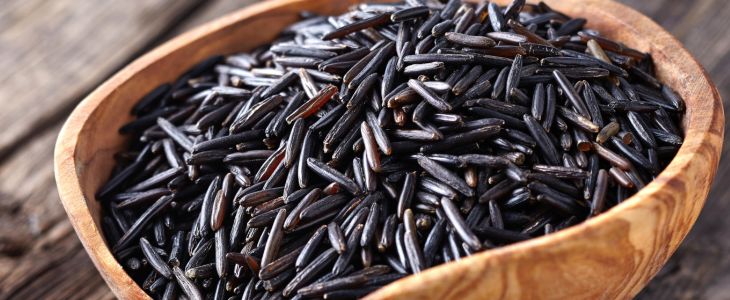
    6. Wild Rice
     Low-carb grains: Wild Rice
     
      The name "wild rice" refers to four species of grains from the genus Zizania, native to North America and China. These grains are not related to the Asian rice we all know, and compared to it, they have much fewer carbohydrates - only 32 grams of net carbohydrates and 3 grams of fiber per cup of cooked wild rice. In addition, it contains important antioxidants for the body, and studies even show that the phenols in it have more antioxidant activity compared to those in regular rice. Moreover, it is also an excellent source of zinc, vitamin B6, and folic acid, and if you want to incorporate it into your diet.
     
     
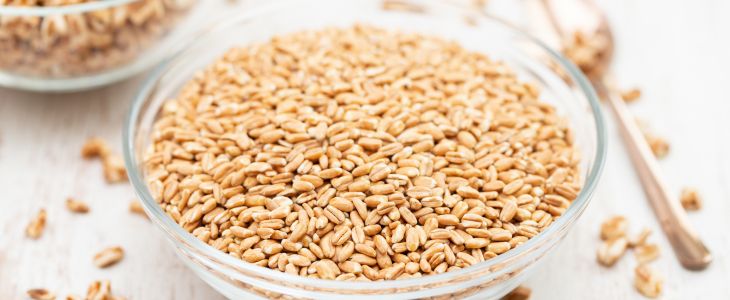
    7. Spelt
     Low-carb grains: Spelt
     
     
    Spelt is a type of wheat that was a staple food until the Middle Ages when it was replaced by bread wheat as we know it today. Therefore, you can make almost anything with it that you can make with regular wheat, including even pizza, and studies show that it has a long list of health benefits, including the ability to reduce the risk of cancer and diabetes. Although spelt contains mainly carbohydrates, it also has a lot of fiber, so the amount of carbohydrates that the body absorbs from it is relatively low. One cup of cooked spelt contains about 7.5 grams of fiber and 43.5 grams of net carbohydrates, and it is an excellent source of niacin, magnesium, zinc, and manganese. 
     
    8. Popcorn
    Low-carb grains: Popcorn

    Most people think that popcorn is a snack and not really a healthy food, but technically it is based on an ingredient considered a whole grain, and it can definitely be a healthy snack. One cup of natural prepared popcorn contains about 6 grams of net carbohydrates, and in general, it is low in calories and has a high content of B vitamins, iron, magnesium, and phosphorus. However, it must be noted that all of this is true only if you prepare your popcorn yourself, not buy microwave popcorn bags. 
     
     
    9. Barley
    Low-carb grains: Barley


    The nutty flavor and meaty texture of barley make it a perfect ingredient in salads, and it is very high in fiber, with one cup of cooked barley containing 6.5 grams of fiber and 41.5 grams of net carbohydrates. It is also an excellent source of selenium, magnesium, manganese, zinc, and copper, but it is better to prefer it in its original form (pre-sprouted) rather than as pearled barley, as pearled barley contains much fewer nutritional values.


    https://gscrochetdesigns.blogspot.com. one can see my crochet creations  

    https://kneereplacement-stickclub.blogspot.com. for info on knee replacement

    https://cancersupportindia.blogspot.com  for info on cancer and health related topics

    https://GSiyers home remedies.blogspot.com   is the latest addition to my blogs

    Friday, October 31, 2025

    Barley dosa

     Ingredients and prep

    barley 1 cup

    urad dal 1/4 cup 

    avil 1/4 cup 

    methi seeds

    wash and soak for 6-7 hours

    drain and grind to a smooth batter adding salt

    ferment for 4-5 hours

    make dosa the usual way, serve hot n crisp dosa with chutney of your choice 


    https://gscrochetdesigns.blogspot.com. one can see my crochet creations  

    https://kneereplacement-stickclub.blogspot.com. for info on knee replacement

    https://cancersupportindia.blogspot.com  for info on cancer and health related topics

    https://GSiyers home remedies.blogspot.com   is the latest addition to my blogs
     

    Thursday, September 25, 2025

    9 Low-Calorie Cereal Options

    Whole grains are very important for our health for many reasons, and there is also conclusive scientific evidence to support this, so why do many people prefer not to consume them? The reason is that they are a type of carbohydrate, and many people on a diet prefer to consume as few carbohydrates as possible, so they avoid grains. 

    However, their high fiber content actually allows you to enjoy them in moderation, as they cause fewer carbohydrates to be absorbed by the body, and you can even calculate yourself how many carbohydrates your body will absorb by subtracting the grams of fiber from the total grams of carbohydrates in the grain. You don't actually have to do this, because we've calculated everything for you, and here are the results - these are the 9 most recommended grains for a low-carb diet and for maintaining weight and general health. 
     
    1. Oatmeal
    Low-carb grains: Oatmeal

    One cup of cooked oatmeal contains about 4 grams of fiber, and your body will absorb about 23 grams of net carbohydrates from it. It is rich in beta-glucan, a type of fiber that studies have shown can reduce levels of bad cholesterol (LDL), which itself has been found in studies to be a leading cause of heart disease. Oatmeal is also an excellent source of magnesium, phosphorus, manganese, and vitamin B1, and can be enjoyed as porridge every morning. 
     
     
    2. Quinoa
     Low-carb grains: Quinoa
     
    Although technically not a grain, we use it like other grains, including in salads, and it is just as healthy as they are; it is rich in antioxidants and polyphenols, and studies have shown that it can reduce inflammation and protect the body from chronic diseases. It is also relatively low in carbohydrates, with about 34 grams of net carbohydrates per cup of cooked quinoa. Another advantage, discovered in a 2021 study, is that it is considered one of the few plant-based sources that provide all 9 essential amino acids that the body needs, and in general, it is also an excellent source of manganese, magnesium, phosphorus, copper, and folic acid. 
     
     
    3. Bulgur
    Low-carb grains: Bulgur 
    Bulgur is actually cooked wheat that has been dried and ground, and it can be incorporated into various recipes, including tabbouleh salad, porridges, or even pilaf dishes. Besides being so versatile, it is also very healthy: bulgur is especially recommended for its manganese, iron, magnesium, and B vitamins content, and one cup of cooked bulgur contains 8 grams of fiber and 26 grams of net carbohydrates. 
     
     
    4. Millet
    Low-carb grains: Millet
    Millet contains phosphorus, iron, calcium, folic acid, magnesium, and vitamins B2 and B3, and like other whole grains, it also has quite a few antioxidants and polyphenols. According to studies, millet helps prevent diabetes, so it is highly recommended to add it to your diet if you want to fend off the disease, and one cup of cooked millet contains 2 grams of fiber and 39 grams of net carbohydrates. You can start with a millet kibe recipe, although bulgur is also not a grain that must be avoided, as you will discover later. 


    5. Couscous
    Low-carb grains: Couscous
    Couscous is a processed grain made from semolina, and although it is a processed grain, it is still generally healthy and recommended. One cup of cooked couscous contains 2 grams of fiber and 35 grams of net carbohydrates, and it is rich in selenium, which has been found in studies to play a key role in maintaining the proper functioning of the heart, thyroid gland, immune system, and more. In addition, it also contains manganese, copper, vitamins B1 and B5, and it is very easy to prepare and incorporate into a variety of tasty dishes. 


    6. Wild Rice
     Low-carb grains: Wild Rice
     
     The name "wild rice" refers to four species of grains from the genus Zizania, native to North America and China. These grains are not related to the Asian rice we all know, and compared to it, they have much fewer carbohydrates - only 32 grams of net carbohydrates and 3 grams of fiber per cup of cooked wild rice. In addition, it contains important antioxidants for the body, and studies even show that the phenols in it have more antioxidant activity compared to those in regular rice. Moreover, it is also an excellent source of zinc, vitamin B6, and folic acid, and if you want to incorporate it into your diet.


    7. Spelt
     Low-carb grains: Spelt
     
    Spelt is a type of wheat that was a staple food until the Middle Ages when it was replaced by bread wheat as we know it today. Therefore, you can make almost anything with it that you can make with regular wheat, including even pizza, and studies show that it has a long list of health benefits, including the ability to reduce the risk of cancer and diabetes. Although spelt contains mainly carbohydrates, it also has a lot of fiber, so the amount of carbohydrates that the body absorbs from it is relatively low. One cup of cooked spelt contains about 7.5 grams of fiber and 43.5 grams of net carbohydrates, and it is an excellent source of niacin, magnesium, zinc, and manganese. 
     
     
    8. Popcorn
    Low-carb grains: Popcorn

    Most people think that popcorn is a snack and not really a healthy food, but technically it is based on an ingredient considered a whole grain, and it can definitely be a healthy snack. One cup of natural prepared popcorn contains about 6 grams of net carbohydrates, and in general, it is low in calories and has a high content of B vitamins, iron, magnesium, and phosphorus. However, it must be noted that all of this is true only if you prepare your popcorn yourself, not buy microwave popcorn bags. 
     
     
    9. Barley
    Low-carb grains: Barley
    The nutty flavor and meaty texture of barley make it a perfect ingredient in salads, and it is very high in fiber, with one cup of cooked barley containing 6.5 grams of fiber and 41.5 grams of net carbohydrates. It is also an excellent source of selenium, magnesium, manganese, zinc, and copper, but it is better to prefer it in its original form (pre-sprouted) rather than as pearled barley, as pearled barley contains much fewer nutritional values.

    https://gscrochetdesigns.blogspot.com. one can see my crochet creations  

    https://kneereplacement-stickclub.blogspot.com. for info on knee replacement

    https://cancersupportindia.blogspot.com  for info on cancer and health related topics

    https://GSiyers home remedies.blogspot.com   is the latest addition to my blogs


    Sunday, May 11, 2025

    Barley- healthy diabetic for breakfast

     Best Breakfast Foods For Diabetics

    Barley is another great breakfast ingredient that can help keep your blood sugar level under control. Plus, it has twice the protein and almost half the calories that oats have, making it one of the best breakfast foods. 
     
    A 2016 study carried out at Lund University in Sweden shows that barley can rapidly improve people's health by reducing blood sugar levels and the risk of diabetes. This is down to a mixture of dietary fibers found in barley, which can also help reduce your appetite as well as cardiovascular disease risk. 
     
    To make barley for breakfast:  
     
    1. Soak a cup of pearl barley in water overnight. 
     
    2. The next morning, strain the barley and add it to a saucepan with 2-3 cups of water. 
     
    3. Bring it to the boil, then cover and reduce the heat. Let it simmer for 20 minutes until the grains are tender and most of the liquid has been absorbed. 
     
    4. Add a bit of raw honey and nuts to the cooked barley.

    OR once cooled, you may add some buttermilk, salt and pepper.


    This is only for your information, kindly take the advice of your doctor for medicines, exercises and so on.   

    Friday, March 7, 2025

    Mushroom and Barley Soup

    Ingredients

    1 tbsp olive oil

    1 small onion, chopped

    3 garlic cloves, minced

    2 cups mushrooms, sliced

    ½ cup pearl barley (rinsed and drained)

    4 cups vegetable broth (low-sodium)

    ½ tsp dried thyme

    1 bay leaf

    ½ tsp black pepper

    Salt to taste

    1 tsp lemon juice (optional, for added freshness)

    Instructions:

    Heat olive oil in a large pot over medium heat.

    Add chopped onions and sauté for 3–4 minutes until translucent.

    Stir in minced garlic and sliced mushrooms, cooking for another 5 minutes until mushrooms release their moisture and soften.

    Pour in the vegetable broth and add rinsed pearl barley.

    Mix in dried thyme and the bay leaf.

    Bring the soup to a boil, then reduce the heat and let it simmer for 35–40 minutes until the barley is tender.

    Remove the bay leaf. Season with black pepper and salt to taste. Stir in lemon juice for a refreshing touch.


    https://gscrochetdesigns.blogspot.com. one can see my crochet creations  

    https://kneereplacement-stickclub.blogspot.com. for info on knee replacement

    https://cancersupportindia.blogspot.com  for info on cancer and health related topics

    https://GSiyers home remedies.blogspot.com   is the latest addition to my blogs