Whole grains are very important for our
health for many reasons, and there is also conclusive scientific
evidence to support this, so why do many people prefer not to consume
them? The reason is that they are a type of carbohydrate, and many
people on a diet prefer to consume as few carbohydrates as possible, so
they avoid grains.

https://gscrochetdesigns.blogspot.com. one can see my crochet creations
However, their high fiber content actually
allows you to enjoy them in moderation, as they cause fewer
carbohydrates to be absorbed by the body, and you can even calculate
yourself how many carbohydrates your body will absorb by subtracting the
grams of fiber from the total grams of carbohydrates in the grain. You
don't actually have to do this, because we've calculated everything for
you, and here are the results - these are the 9 most recommended grains
for a low-carb diet and for maintaining weight and general health.
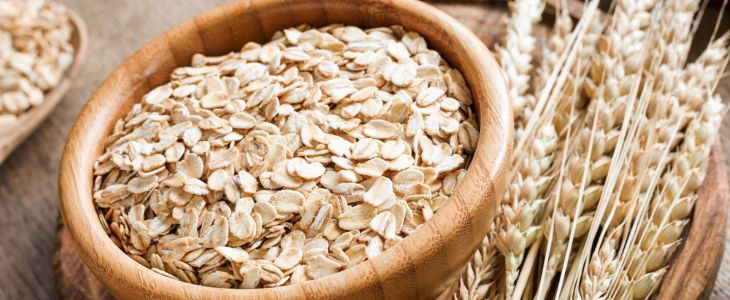
1. Oatmeal
One cup of cooked oatmeal contains about 4
grams of fiber, and your body will absorb about 23 grams of net
carbohydrates from it. It is rich in beta-glucan, a type of fiber that
studies have shown can reduce levels of bad cholesterol (LDL), which
itself has been found in studies to be a leading cause of heart disease.
Oatmeal is also an excellent source of magnesium, phosphorus,
manganese, and vitamin B1, and can be enjoyed as porridge every morning.
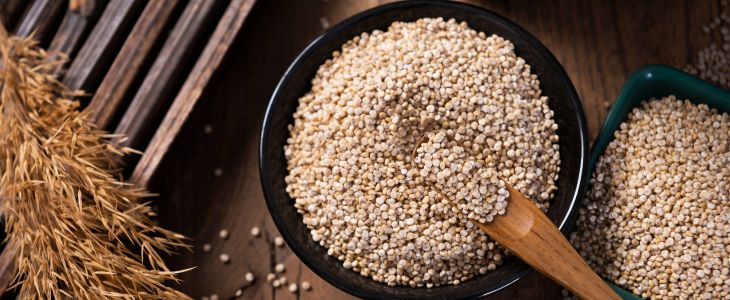
2. Quinoa
Although technically not a grain, we use it
like other grains, including in salads, and it is just as healthy as
they are; it is rich in antioxidants and polyphenols, and studies have
shown that it can reduce inflammation and protect the body from chronic
diseases. It is also relatively low in carbohydrates, with about 34
grams of net carbohydrates per cup of cooked quinoa. Another advantage,
discovered in a 2021 study, is that it is considered one of the few
plant-based sources that provide all 9 essential amino acids that the
body needs, and in general, it is also an excellent source of manganese,
magnesium, phosphorus, copper, and folic acid.
3. Bulgur
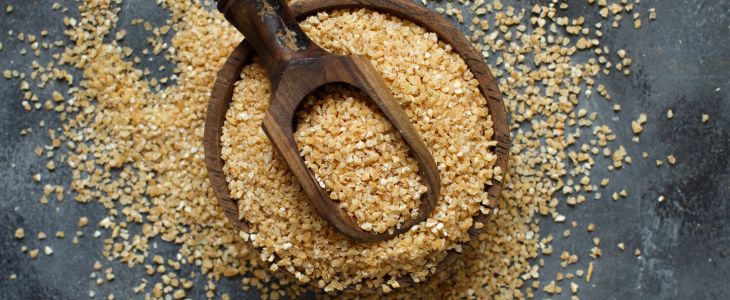
Bulgur is actually cooked wheat that has
been dried and ground, and it can be incorporated into various recipes,
including tabbouleh salad, porridges, or even pilaf dishes. Besides
being so versatile, it is also very healthy: bulgur is especially
recommended for its manganese, iron, magnesium, and B vitamins content,
and one cup of cooked bulgur contains 8 grams of fiber and 26 grams of
net carbohydrates.
4. Millet
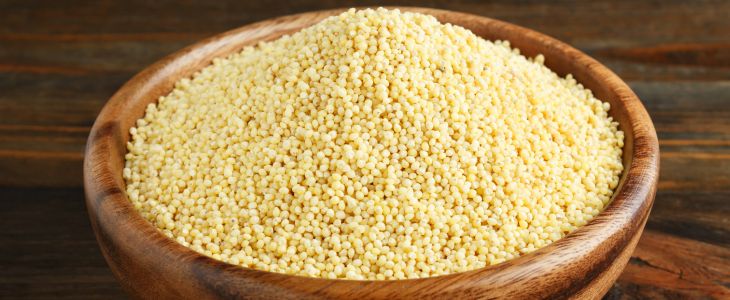
Millet contains phosphorus, iron, calcium,
folic acid, magnesium, and vitamins B2 and B3, and like other whole
grains, it also has quite a few antioxidants and polyphenols. According
to studies, millet helps prevent diabetes, so it is highly recommended
to add it to your diet if you want to fend off the disease, and one cup
of cooked millet contains 2 grams of fiber and 39 grams of net
carbohydrates. You can start with a millet kibe recipe, although bulgur
is also not a grain that must be avoided, as you will discover later.
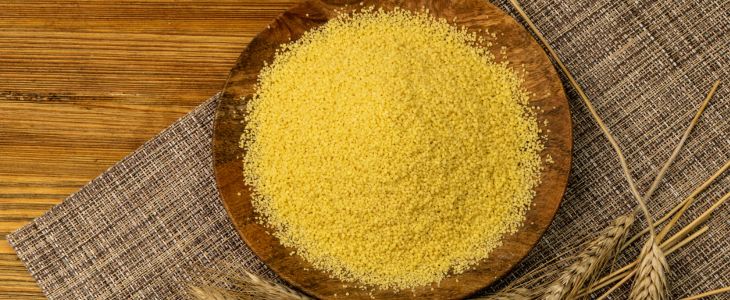
5. Couscous
Couscous is a processed grain made from
semolina, and although it is a processed grain, it is still generally
healthy and recommended. One cup of cooked couscous contains 2 grams of
fiber and 35 grams of net carbohydrates, and it is rich in selenium,
which has been found in studies to play a key role in maintaining the
proper functioning of the heart, thyroid gland, immune system, and more.
In addition, it also contains manganese, copper, vitamins B1 and B5,
and it is very easy to prepare and incorporate into a variety of tasty
dishes.
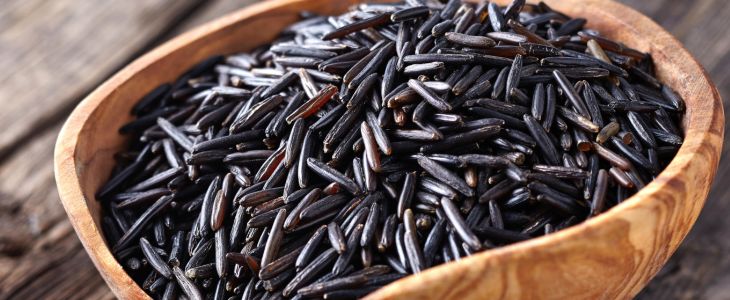
6. Wild Rice
The name "wild rice" refers to four species
of grains from the genus Zizania, native to North America and China.
These grains are not related to the Asian rice we all know, and compared
to it, they have much fewer carbohydrates - only 32 grams of net
carbohydrates and 3 grams of fiber per cup of cooked wild rice. In
addition, it contains important antioxidants for the body, and studies
even show that the phenols in it have more antioxidant activity compared
to those in regular rice. Moreover, it is also an excellent source of
zinc, vitamin B6, and folic acid, and if you want to incorporate it into
your diet.
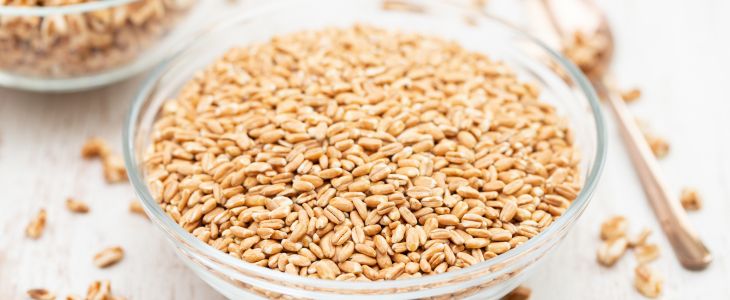
7. Spelt
Spelt is a type of wheat that was a staple
food until the Middle Ages when it was replaced by bread wheat as we
know it today. Therefore, you can make almost anything with it that you
can make with regular wheat, including even pizza, and studies show that
it has a long list of health benefits, including the ability to reduce
the risk of cancer and diabetes. Although spelt contains mainly
carbohydrates, it also has a lot of fiber, so the amount of
carbohydrates that the body absorbs from it is relatively low. One cup
of cooked spelt contains about 7.5 grams of fiber and 43.5 grams of net
carbohydrates, and it is an excellent source of niacin, magnesium, zinc,
and manganese.
8. Popcorn
Most people think that popcorn is a snack
and not really a healthy food, but technically it is based on an
ingredient considered a whole grain, and it can definitely be a healthy
snack. One cup of natural prepared popcorn contains about 6 grams of net
carbohydrates, and in general, it is low in calories and has a high
content of B vitamins, iron, magnesium, and phosphorus. However, it must
be noted that all of this is true only if you prepare your popcorn
yourself, not buy microwave popcorn bags.
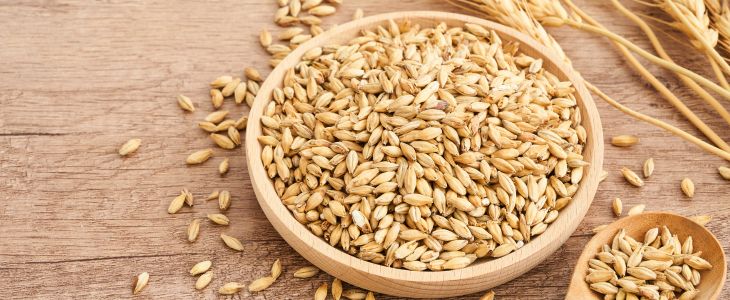
9. Barley
The nutty flavor and meaty texture of
barley make it a perfect ingredient in salads, and it is very high in
fiber, with one cup of cooked barley containing 6.5 grams of fiber and
41.5 grams of net carbohydrates. It is also an excellent source of
selenium, magnesium, manganese, zinc, and copper, but it is better to
prefer it in its original form (pre-sprouted) rather than as pearled
barley, as pearled barley contains much fewer nutritional values.

No comments:
Post a Comment