Showing posts with label acne. Show all posts

Tuesday, June 10, 2025

16 Further Uses for Tea

There's nothing like a hot cup of tea, especially on a cold day. Not only does tea warm the body and give us inner peace, it also fights cancer, lowers the risk of stroke and helps our cells fight aging. However, if you thought that is where the usefulness of this drink ends, you are sorely mistaken... 
 
Here are 16 other things that you can do with tea: 
 
1. Tired Eyes 
Tired and red eyes can be caused by irritation, too much crying or simple tiredness. While ice bags or cucumber slices are a workable solution, tea bags get you the same results but are also warm and pleasant. Put them in hot water, allow them to cool a bit and then place them on the eyelids like a compress. 
 
2. Improving the taste of meat 
Meat tastes great when properly cooked, but when not, it can become stale, hard and dry. Here is an effective solution to the problem: Use used tea bags to make a marinade that will restore its flavor. Soaking hard meat in black tea can also soften it again. 
 
3. Cleaning wood surfaces 
Tea can be a great and gentle cleaning material for wood floors and surfaces. Wipe the wood surfaces or furniture with a clean cloth soaked in cool tea water, then use a clean and dry towel to prevent stains. 
 
4. Removing fat and dirt 
The astringency of the tea will reduce the fatty buildup in pots and pans. Just soak the used tea bag in the container you wish to clean. 
 
5. Cleaning Rugs 
Clean moldy and dirty rugs by spreading some used (dry) tea leaves on it. Leave them be for 10 minutes and then vacuum the rug. If these are delicate carpets, you can brush the tea leaves gently away.

6. Cleaning fatty fingerprints from glass 
Tea can remove those pesky fingerprints from glass, and make it shine. Just rub a moist tea bag on the glass surface, then use a spray bottle filled with tea water and wipe. 
 
 7. Cleaning the toilet 
Use tea to remove stubborn stains in the bottom of the toilet. Soak several bags of tea for several hours in the toilet water and then remove them gently and brush the sides. 
 
8. Getting rid of fish smell 
To get rid of that overpowering smell of fish, wash your hands in tea water. 
 
9. Air freshener 
Bags of tea can absorb those bad odors in the pantry, in your shoes or in your car. Put a few tea bags on a tray and put them in the closet, shoe or car. Let them absorb the odors.Super Useful: 16 Further Uses for Tea! 
 
10. Getting rid of bad foot odor 
If you suffer from stinky feet, soak them for 20 minutes in a tea bath. Use black tea for extreme cases. The stringency in the tea will close the sweat glands that give off the smell and that tannin will kill the bacteria. 
 
11. Removing warts and blisters 
Soak a tea bag in water and put it on the blister for 20-30 minutes. Make sure to throw away the bag afterward. 
 
12. Diminishing mouth ulcers 
Get your mouth wounds to heal faster by gently biting a used tea bag. The healing powers of the tea will reduce the pain, shrink the blood vessels and stop the bleeding. 
 
13. Treating burns 
If you suffer from a really bad case of acne or irritated skin from a burn or sun tanning, use used tea bags to bring relief. Wash the areas burnt with a cold tea bag, but if most of the skin needs it, make a bath of tea water 
 
14. Treat acne 
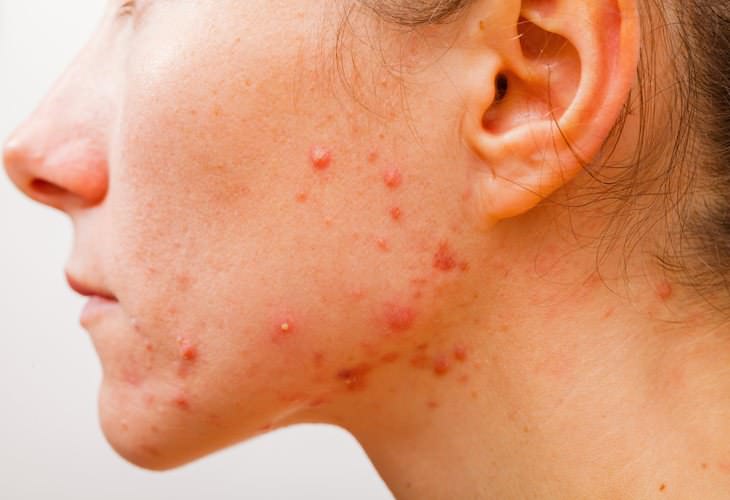
Many find that washing your face with a cool brew of green tea is an effective solution for acne.


https://gscrochetdesigns.blogspot.com. one can see my crochet creations  

https://kneereplacement-stickclub.blogspot.com. for info on knee replacement

https://cancersupportindia.blogspot.com  for info on cancer and health related topics

https://GSiyers home remedies.blogspot.com   is the latest addition to my blogs 


Tuesday, September 10, 2024

30 Helpful Uses for Olive Oil

Olive oil is one of the popular ingredients in the kitchen, but it can also be found in the medicine cabinet and on the beauty shelf. The fact that it is rich in vitamin E and essential antioxidants has made it one of the most effective means of balancing blood pressure and cholesterol levels, preventing heart attacks and cancer and delaying aging. So if you thought that the best thing is to consume olive oil with seasoning, you're about to be surprised! Our grandmothers found effective and useful ways to use this oil. For some uses, olive oil can be replaced with another and more available oil, but olive oil remains the most effective oil for the job!
olive oil

1. To prevent snoring - swallow a teaspoon of olive oil before going to bed. 
 
2. To reduce stretch marks - massage olive oil on the skin. 
 
3. To treat acne - prepare a solution consisting of 3 tablespoons of olive oil with 4 tablespoons of sea salt and apply it on the face for 1–2 minutes. The solution will clean the pores and keep the skin moist. Wash with warm soapy water. 
 
4. To alleviate ear discomfort, place a drop of warm olive oil in the ear, being cautious not to use too much. 
 
5. To lessen stomach ulcers and gallbladder pain, mix a tablespoon of olive oil with 3/4 cup of citrus juice or vinegar and consume. 
 
6. Olive oil can serve as an alternative to shaving foam. 
 
7. To strengthen your nails, soak them in a bowl with a small amount of olive oil for five minutes. 
 
8. To restore dry skin on your palms, elbows, and knees, warm a few tablespoons of olive oil until lukewarm and apply it to the affected areas for softening. You can also make a mixture of olive oil and sea salt in a 3:2 ratio and use it while bathing. 
 
9. To treat a cold, warm a combination of 1/3 cup of olive oil, 1/3 cup of sesame oil, 4 drops of thyme oil, and 2 drops of rosemary oil, and massage the mixture onto the chest. 
 
10. To treat dandruff, massage olive oil into the scalp and leave it on overnight. Wash your hair in the morning and rinse it with regular shampoo. Repeat this treatment for a week. 
 
11. To treat dry or split hair, heat up some olive oil and apply it to your scalp for 45 minutes. 
 
12. After hair dyeing, grab a soft cotton cloth and apply olive oil to wipe away any color stains on your skin. It might take some time, but it'll help remove the stains. 
 
13. If you want to prevent hair loss, mix 2 eggs with 2 tablespoons of olive oil, apply it to your scalp and hair for 40 minutes, and then rinse with lukewarm or cold water. It's recommended to repeat this process three times a week. 
 
14. To treat lice, mix a tablespoon of olive oil with 5 drops of tea tree oil, apply it to your scalp for several minutes, comb your hair with a dense comb, and wash with warm water. 
 
15. For toothache relief, mix drops of clove oil with drops of olive oil, in a ratio of 3:1 and use a cotton ball to apply it to the painful area. Please note that it's not recommended for children, pregnant, or lactating women. 
 
16. To remove mascara, drop a bit of olive oil on a cotton ball and wipe away the makeup from your eyes. 
 
17. If you have a cough, you can try a natural remedy by mixing a teaspoon of honey with a teaspoon of olive oil. Alternatively, heating up some olive oil and using it to massage your chest and upper back may also help. 
 
18. Swollen or red gums can be treated by rinsing your mouth with a solution made of water and olive oil. This will prevent plaque formation and neutralize gum disease. 
 
19. To prevent diaper rash, gently apply a mixture of olive oil and water onto your baby's buttocks. 
 
20. If you're looking for a natural way to polish your furniture, mix olive oil and lemon juice in a ratio of 2:1. Use a cloth to absorb the mixture and wipe down your furniture and stainless steel utensils.

21. To keep your garden tools in good condition, apply a small amount of olive oil to prevent dirt and corrosion buildup. 
 
22. Say goodbye to squeaky doors by dripping some olive oil onto the hinges. 
 
23. To prevent ingredients from sticking to your measuring utensils, pour a small amount of olive oil into the spoons and cups. 
 
24. For digestive problems - swallow a teaspoon of olive oil every morning on an empty stomach. Another option is to drink a glass of water with a teaspoon of olive oil and a teaspoon of lemon juice. 
 
25. To clean leaves - mix olive oil and water in a spritzer and spray on the leaves. This will prevent dust accumulation and give the leaves a shine.

26. To clean floors and parquet - mix equal amounts of olive oil and lemon juice in a bucket of water, soak a dry rag in the mixture and polish the floor (be sure to clean dirt and dust beforehand). You don't need more than a few drops of olive oil and lemon to do the job. 
 
27. To prevent the accumulation of wax inside candlesticks - drip a little olive oil into the inside of the candlestick. 
 
28. To maintain wooden utensils and cutting boards - after washing them with soap and water, dry them well and then gently wipe them with a cloth and a little olive oil. 
 
29. To maintain knives - after washing thoroughly with soap and water, wipe the blades well, then drip a small amount of olive oil on a towel and wipe the blades. 
 
30. Get rid of grease, dirt, and paint from your hands by blending a teaspoon of olive oil with a teaspoon of salt or sugar and massaging your hands with it until the dirt becomes unstuck, then use water and a clean cloth to remove. Repeat as needed.


https://gscrochetdesigns.blogspot.com. one can see my crochet creations  

 https://kneereplacement-stickclub.blogspot.com. for info on knee replacement

 https://cancersupportindia.blogspot.com  for info on cancer and health related topics

https://GSiyers home remedies.blogspot.com   is the latest addition to my blogs.

Wednesday, March 23, 2022

Cream of tartar- uses, remedies

Cream of tartar is an ingredient that often crops up on menus when we’re dining out, but we never tend to think about what it actually is. When grape juice is fermented into wine inside barrels, sediment is left behind. This acidic by-product of wine production is then refined and turned into a white powder, which is known as cream of tartar. It gets its name from its chemical makeup, which is called potassium hydrogen tartrate . In addition to its applications in cooking, you can also reap various health benefits from consuming cream of tartar. Keep reading to find out all about it.

Professional bakers use cream of tartar to stabilize egg whites, creams and ice cream, and to maintain the white color of whipped cream. Even the baking powder we all know is made up of cream of tartar and baking soda. Cream of tartar is usually labeled with the code E336i on the list of ingredients. Cream of tartar (which comes as a powder) can be found in spice shops, nature stores, and specialty bakery stores, and is sometimes also available in large retail chains.

The Health Benefits of Cream of Tartar 
 
1. Treats Urinary Tract Infections
Out of the many cream of tartar uses that exist, a primary one is its ability to change the pH level in your urine, turning it from an environment in which bacteria thrive, to one that is totally hostile to them (which is what you want). All you need to do to treat a urinary tract infection is to mix 1½ teaspoons of cream of tartar in 1 cup of warm water. Squeeze in some lemon or lime juice and drink the solution once or twice daily until you are cured. 
 
2. Soothes Arthritis how to use cream of tarter to cure arthritis
Use this recipe to soothe your painful arthritis: 
Ingredients  
• 3 oranges 
• 3 lemons 
• 3 grapefruits 
• 50g Epsom salts (magnesium sulfate) 
• 50g cream of tartar 
• 1.5 liters of water  
 
Method 
1. Scrub the fruits very well to ensure that all sprays or other contaminants are removed. 
2. Blend the fruits well, including skins and seeds. 
3. Leave the blended fruit mixture to stand overnight. 
4. On the following morning, boil some water. 
5. Add the Epsom salts and cream of tartar to the boiled water. 
6. Add this mixture to the blend of citrus fruits. 
7. Place in a suitable container and freeze. 
 
How to take it 
Consume two dessert spoons of the frozen mixture each morning, then follow up by drinking a glass of tepid water with ½ a teaspoon of a good vitamin C powder added to it. The batch you created and froze should last you for about two months.

3. Helps You Quit Smoking
If you’ve tried to quit smoking numerous times, but with little success, you’ll be pleased to know that the cream of tartar can provide a solution. It is extremely effective at removing nicotine from the bloodstream, so all you need to do is mix some cream of tartar with a glass of orange juice and drink it before you go to bed each night. Doing so will strengthen your immune system and cleanse your body of toxins. 
 
4. Fights Heartburn
Forget relying on heartburn pills – cream of tartar uses include the ability to naturally treat heartburn. Mix ½ a teaspoon of it with ½ a teaspoon of baking soda in a glass of water. As soon as you feel the onset of heartburn, simply drink 1 teaspoon of the solution.

5. Treats Acne
Cream of Tartar face scrub for acne
Due to its ability to detoxify and remove impurities from the body, cream of tartar can be used to treat acne. Mix 1 tablespoon of it with 8 ounces of water and drink the solution each morning. Do this for a month and you’ll notice fewer acne outbreaks and much clearer skin. 
 
6. Prevents Gallstones
This tip is more of a preventative health benefit than a cure. Prevent gallstones from forming by mixing the juice of six lemons in a quart-sized jar with 1 tablespoon of Epsom salt and 3 tablespoons of cream of tartar. Top the rest of the jar up with water and place it in the refrigerator. Get into the habit of drinking a small glass of the solution each night and you should be able to eat whatever you want without gallstones forming.
 
7. Treats Bacterial Infections
Bacterial infections can cause a whole range of problems, from inflammation to swelling and fever. Cream of tartar can return much-needed alkalinity to your body. Simply mix ½ a teaspoon of it with ½ a cup of warm water and drink the solution to create a hostile environment for the offending bacteria that gave you the infection in the first place. 
 
8. Lowers High Blood Pressure  
In many instances, high blood pressure arises as a result of a potassium deficiency. If this applies to you (obviously you need to consult your doctor to establish this, who will likely administer a blood test), then you can return potassium to your body by drinking 1 teaspoon of cream of tartar mixed in a glass of water. 
 
Using Cream of Tartar in Cooking 
Cream of tartar has a number of uses when cooking or baking, and here are some of the most common uses: 
• Sprinkle a small amount on vegetables before cooking them to help preserve their natural color. 
 
• Add volume to meringue by adding 1/8 of a teaspoon of cream of tartar for each 2 egg whites you use. 
 
• Adding a pinch to whipped cream will stabilize it and prevent it from deflating. 
 
• Add a small amount to frosting in order to give it a more creamy texture. 
 
Making Baking Powder 
Cream of Tartar health benefits warnings and uses - how to make baking powder Cream of tartar (potassium bitartrate) and baking soda (sodium bicarbonate) are two products that are closely related at the molecular level. They also serve very similar functions for many different purposes. However, this does not mean that they are the same thing. 
 
When it comes to baking, they serve different purposes too, since baking soda has a far weaker stabilizing effect than cream of tartar does. However, when mixed together, they can create baking powder, which has a whole wealth of uses. 
 
 To make baking powder, simply add 2 teaspoons of cream of tartar and 1 teaspoon of baking soda to a bowl. Then, you only need to mix it vigorously until thoroughly combined, before using it immediately.

Is Cream of Tartar Gluten-Free? 
If you are sensitive to gluten or have celiac disease, then you'll need to do your best to avoid ingesting any form of gluten, a certain type of protein. It primarily comes from rye, barley, and wheat, yet it can also be found in products that may have come into contact with these grains at some point. 
 
In isolation, the cream of tartar is actually gluten-free. However, it's important to be aware that the food it is frequently found in may not be. That's why it is important to check the label of anything you plan on eating since the law requires manufacturers to list all gluten-containing ingredients.  
 
Using Cream of Tartar as a Cleaning Product  
 
1. Gets Stains Out of Clothes 
You can clean stains from a variety of clothes by using a wonderful cream of tartar. To do this, add a little 3% hydrogen peroxide to a small dish with cream of tartar until you get a paste and apply it to the stain that you want to remove. Leave the paste on the stain for 5-10 minutes then wash in the washing machine. The paste is good for all stains, even those that you’re not too sure where they came from. Note that it’s best to check that the paste won’t damage the garment fabric first by doing a patch test. 
 
2. Cleans the Bathroom 
In order to restore your bathroom’s gleam, mix an equal amount of cream of tartar with baking soda, add a few drops of lemon juice, and you’ll have an awesome homemade bathroom cleaner. The solution is effective against traces of limescale that stick to baths, sinks, and toilets. Apply the solution to the dirty areas of your bathroom, wait about 30 minutes, rinse with water and wipe with a dry cloth. 
 
3. Cleans Stainless Steel and Aluminum 
Stainless steel and aluminum appliances sometimes accumulate water stains and dirt that distort their appearance. To remove these stains, mix cream of tartar with a little water to create a thick mixture and use it to clean the stainless steel in your home. The paste can be used to clean jewelry, cutlery and large kitchen appliances such as sinks and ovens. Additionally, you can mix cream of tartar with a few drops of hydrogen peroxide to make a cutlery polish and a rust remover. 
 
4. Fixes Scratched Kitchenware 
To remove scratches from plates and cups, mix cream of tartar with a little water to form a paste, and apply it to the damaged areas with a cloth. After a slight wipe and a short wait, you’ll see a significant improvement in the condition of your kitchenware.
 
5. Keeps Ants Away  
In addition to all its other qualities, cream of tartar’s make up repels insects in general, and ants in particular. To keep ants out of your house, all you have to do is sprinkle a little tartar powder near where they come in from. 
 
Warnings  
While the cream of tartar has plenty of fabulous uses, it can also pose a few risks to human health if used incorrectly or irresponsibly. As a result, it should be kept well out of reach of children. 
 
Here are 3 ways that cream of tartar can harm your health: 
 
It is an eye irritant. 
Cream of tartar carries an NFPA rating of 2, which means that it is technically classified as a hazardous chemical. As a result, it could actually cause mild to moderate eye irritation, including swelling and redness if it were ever to get into your eyes. If this happens to you, you should immediately flush your eyes with water for at least 15 minutes. Make sure to remove any contact lenses first though! 
 
It can cause skin damage. 
Due to its acidic nature, cream of tartar is able to cause mild to moderate skin irritation too. If you find that your skin is showing signs of being irritated, then you should immediately wash that area with water and soap, covering it with some skin moisturizer afterward. If your skin is sensitive to cream of tartar, then it may be a good idea to use gloves when handling large amounts of it. 
 
It can harm through ingestion or inhalation. 
Ingesting or inhaling small amounts of raw cream of tartar could make you feel nauseous . However, if large amounts are inhaled or ingested, then toxicity could occur, meaning that you may experience dizziness, stomach cramps, or even difficulty breathing . If this happens to you, get some fresh air and seek immediate medical attention. Avoid inducing vomiting unless a medical professional instructs you to do so. 
 
Side Effects of Cream of Tartar
While cream of tartar is relatively safe to use, there are a few side effects associated with it that you should be aware of: 
 
It Has a Laxative Effect  
Due to the way that cream of tartar interacts with the digestive system, it can be considered to be a rather mild laxative . This is perfect for anyone who suffers from constipation but could be unpleasant for anyone else. If you opt to use cream of tartar as a laxative, you should avoid using it for extended periods of time, because its overuse may be detrimental to your bowel health. 
 
It Increases Water Loss 
Cream of tartar has been found to have a diuretic effect, which means that your body will begin to lose water at an increased rate. In fact, that is why cream of tartar is often taken as a natural remedy for edema , which is a condition where fluid becomes retained within your tissues. Make sure to stay hydrated while using cream of tartar, since losing too much fluid may cause an electrolyte imbalance or dehydration. 
 
It May Increase Your Potassium Levels Since it is made up of potassium bitartrate, taking large amounts cream of tartar could result in your body's potassium levels becoming too high. Your body naturally tries to balance out your electrolyte levels, which is why such disruptions typically have a negative impact. Cream of tartar should be particularly avoided if you suffer from any kidney problems. If you found this information useful, don't forget to share it with your friends and family too!


https://gscrochetdesigns.blogspot.com. one can see my crochet creations  

https://cancersupportindia.blogspot.com. feel free to view for easy, simple and health tips  
https://kneereplacement-stickclub.blogspot.com. for info on knee replacement


Saturday, September 12, 2020

The Health Benefits and Dangers of Drinking Cow's Milk

Humans have been drinking cow's milk for millennia, but is it really good for everyone? While it used to be an evolutionary advantage back in the day when food shortage was common for most people, at present, milk consumption is optional due to a wide range of milk alternatives.

Could this food staple be dangerous to some people? In this article, we present to you the health benefits and dangers of drinking cow's milk, and it's up to you to decide if drinking cow's milk is right for you.

Before we start, however, let us mention that milk contains several essential nutrients. For a more concrete picture, let us sum up the nutrients in 1 glass of whole milk (250 ml):

  • 28% (276 mcg) of your daily dose of calcium
  • 24% (205 mcg) of phosphorus
  • 15% (112 mcg) of vitamin A
  • 10% (322 mcg) of potassium
  • 18% (1,10 mcg) of vitamin B-12
  • 11% (0,9 mcg) of zinc
  • 14% (6-7 g) protein
  • 3% (2,4 g) of fats
  • 26% (13 g) of sugar

Milk has several other micronutrients and vitamins but in much lesser amounts. Without further ado, let’s see who can benefit from milk, and who’d better replace it with a plant alternative.

Who Needs Milk in Their Diet? The Health Benefits of Drinking Milk

1. People Who Are Trying to Lose Weight

Milk can help with weight management and appetite control.
  • A 2013 study showed that drinking dairy helped participants feel fuller and reduced the amount of foods rich in fat they consumed overall.

2. People at Risk of Type 2 Diabetes

Drinking milk may be a good preventative measure against type 2 diabetes.

  • In numerous studies, the whey protein contained in milk was shown to be an effective preventative method of type 2 diabetes in adults. Scientists believe that this may be because these proteins help balance out blood sugar levels.
cow's milk health facts type 2 diabetes

3. Infants and Children

Children need milk for healthy bone development.

  • Drinking milk increases children's bone density and weight. This lowers their risk of getting fractures.
     
  • In a 2009 study, pregnant women who ate a lot of dairy and foods rich in calcium in their 1st and 2nd trimester gave birth to babies with more bone mass and faster bone growth.
     
  • More dairy in preteen girls’ diet was more effective than calcium supplements in a large study measuring bone health.
cow's milk health facts growth

4. Those at Risk of Heart Disease

Milk consumption may protect your heart and blood vessels. This is how:

  • It helps prevent heart disease and stroke. The fats contained in milk may increase the levels of high-density lipoprotein (HDL), often referred to as the “good” cholesterol.
     
  • It can balance blood pressure because milk is an abundant source of potassium.
cow's milk health facts heart disease
  • Grass-fed pastured cow's milk promotes blood vessel health. This type of milk is rich in omega-3 fatty acids and conjugated linoleic acid, both of which prevent blood clots and lower the risk of stroke.

5. Depression Sufferers

The cocktail of calcium and vitamin D contained in milk may prevent and help manage depression.
Vitamin D deficiency is associated with depression in adults. A balanced amount of vitamin D in your body promotes the production of serotonin. This hormone is associated with a positive mood, good appetite, and healthy sleep.

6. Adults Prone to Tooth Decay

Drinking milk may prevent cavities in adults.

Dental plaque, in turn, often causes inflammation in the gums and can cause cavities if not treated.

cow's milk health facts teeth

Who Should Avoid Milk? The Dangers of Drinking Cow's Milk

1. The Elderly and Adult Women

In specific cases, drinking a lot of milk may actually decrease bone density and cause osteoporosis.
  • Research has found that adult women who drank a lot of milk were more prone to bone fractures, maybe due to lactose and galactose contained in milk.
     
  • A different study concluded that osteoporosis and a higher incidence of bone fractures in elderly adults may be because they consumed a lot of dairy, animal protein, and calcium.

The picture below illustrates a healthy bone (in the blue circle) and a porous one, affected by osteoporosis (in the red circle).

cow's milk health facts osteoporosis

2. Teens and Adults with Acne

Milk may trigger or worsen acne symptoms.
  • A study found that teenagers with acne drank a lot of low-fat or skim milk. Dairy may cause adult acne as well. Although the reason is unknown, scientists believe it may be due to the carbohydrates and whey proteins contained in milk.

3. Kids and Adults Suffering from Allergies

Milk may be the most common food allergen in the world. Over 5% of children are allergic to cow’s milk, though some children may grow out of the allergy.

Sadly, it is possible for adults to develop a milk allergy as well.

cow's milk health facts allergy

The symptoms of a milk allergy are the following: 

  • skin reactions
  • wheezing
  • difficulty breathing
  • constipation
  • diarrhea
  • blood in stool

4. Eczema and Rosacea Sufferers

Eczema can be worsened or triggered by milk and dairy.
Dairy products and milk, in particular, may also cause rosacea in adults. If you find that you experience a flare-up of your skin condition when you drink milk, better exclude it from your diet.
cow's milk health facts

5. Lactose Intolerance and Sensitivity

It is estimated that about 75% of the world’s population is lactose intolerant to some degree, as estimated in a 2015 review article. Although most people with lactose intolerance can eat dairy in small amounts with no ill effect, bigger amounts of milk and dairy may cause digestive issues, such as:

  • bloating
  • vomiting
  • diarrhea
  • constipation.
A sensitivity to casein, one of the proteins found in milk, is another story. It is different from an allergy or lactose intolerance. It triggers inflammation in any part of the body, which exhibits itself in the form of the following symptoms: 
  • migraines
  • sinus congestion
  • acne flares or any other rash on the skin.

6. People Suffering from Cold Symptoms

Australian researchers suggested that consuming milk may worsen cold symptoms. In particular, it can make you phlegm thicker, which can cause further discomfort and irritation to an already-sensitive throat and nose.
It is a myth, however, that milk makes you produce more phlegm when you’re sick, it just feels that way because it is thicker.

7. People at Risk of Specific Cancers

Research suggests that milk consumption can be linked to prostate, breast and ovarian cancers. 

  • The risk of prostate cancer may increase with excess calcium consumption.
     
  • The sugars contained in milk may heighten the risk of ovarian cancer.
     
  • Cows given growth hormones that produced milk may increase the incidence of cancers of the reproductive organs and breast cancer among the consumers.


https://gscrochetdesigns.blogspot.com. one can see my crochet creations  

https://cancersupportindia.blogspot.com. feel free to view for easy, simple and health tips  
https://kneereplacement-stickclub.blogspot.com. for info on knee replacement