Showing posts with label . boosts immunity. Show all posts

Thursday, September 11, 2025

Health Benefits of Burdock Root Tea

This popular herbal tea is made by steeping the dried root of the burdock plant. It has been used for thousands of years as a traditional medicine in Europe, North America, and Asia. It’s also cultivated in many areas due to the medicinal and nutritional properties of its leaves, roots, stems, and flowers. Most of the benefits of burdock root tea comes from the significant levels of luteolin, quercetin, and other antioxidants, as well as folate, potassium, vitamin B6, manganese, magnesium, calcium, iron, and phosphorous. 
 
How to Make Burdock Root Tea

 This Root Tea Will Start Your Journey to a Healthier Life
Making this tea is simple, provided you have access to fresh burdock, which is not always the easiest thing to find in the West. In Asia, burdock root is easy to find, but in the West, you might need to find an Asian import store. You could also purchase burdock root tea that has already been shredded and roasted, and therefore ready to brew.

If you buy some fresh Burdock root, begin by cutting it into 1-2-inch chunks. Then, using a potato peeler, shred the root chunks into thin strips. Place these outside so that they can dry in the sun for a few hours. Once they are dry, place them in the frying pan and heat them up (don’t use oil). They should roast quite easily if you heat them for 5-10 minutes and you want the color to be a rich golden brown. Once they have cooled down, they can be brewed into burdock root tea. 

Ingredients 
• 8-10 burdock root strips 
• 2 cups of filtered water 
• 1 teaspoon organic honey 
 
Directions  
1. Place the burdock root strips in a teapot. 
2. Bring the water to the boil in a stainless-steel pot. 
3. Remove from the heat for 2-3 minutes and pour it into the teapot. 
4. Allow the mixture to steep for 5-10 minutes. 
5. Enjoy.

Below are 8 great health benefits of burdock root tea

1. Diuretic Effects 
Burdock root was commonly used for its diuretic and diaphoretic effects, meaning that it caused sweating and urination in those who drank it. This helps to purify the blood and detoxify the body, as sweating and urination are ways for the body to expel excess salts, toxins, and water, thereby relieving stress on the liver, kidneys, and lymphatic system.
 
2. Heart Health 
The high levels of potassium in burdock root tea makes it excellent for heart health, as it reduces strain on the cardiovascular system by lowering blood pressure. Potassium not only regulates the fluid in the body, but it also acts as a vasodilator, helping to prevent atherosclerosis, strokes, and heart attacks.

3. Cancer Prevention  
The phenolic acids quercetin and luteolin make burdock root tea a potent anti-cancer brew, as these antioxidants can seek out and destroy free radicals that are causing oxidative stress in the body. These free radicals are often responsible for cancer. Buy vitamins and supplements 
 
4. Immune System 
The vitamin C found in this root tea helps to stimulate the immune system and the production of white blood cells, while also increasing collagen production and speeding up the healing process following an illness. 
 
5. Liver Function 
Many studies have shown that burdock root tea can help speed the regrowth process of liver cells following diseases such as hepatitis and cirrhosis. The liver is an important organ that can be easily damaged, making this a great brew for those individuals with blood-borne diseases of alcohol-induced damage. 
 
6. Hair Health
The phytosterols present in burdock root tea, as well as the essential oils in the root, can prevent hair loss and improve the health of the scalp and follicles, eliminating dandruff and other common issues. 
 
7. Inflammation 
In ancient times, burdock root tea was often recommended for those suffering from fever, headaches, aches, pains, and joint disorders. This is due to the anti-inflammatory nature of this brew, and people still turn to this tea for similar ailments. For those suffering from gout, research has shown that the compounds in burdock root tea can decrease levels of uric acid in the blood, improving this condition. 
 
8. Respiratory Issues 
This root tea has expectorant and decongestant properties, so if you have a cough, cold or flu-like symptoms, a cup of this delicious tea each day can help get rid of phlegm and mucus, while the antibacterial nature of the tea can attack the underlying infection to speed healing. 
 
Burdock Root Tea Side Effects 
 
Pregnancy 
Studies have shown that burdock root tea can stimulate uterine contractions, which is extremely dangerous for pregnant women, especially those in the first two trimesters of their pregnancy. Similarly, for nursing women, some of the potent compounds of this tea can be passed on to the infant and should be avoided. 
 
Blood Pressure 
The blood pressure-lowering qualities of this root tea are beneficial unless you happen to be suffering from hypotension, or are taking medicine for hypertension, in which case, you might experience lightheadedness, cognitive confusion, or dizziness.

Allergic Reactions 
Some people may be allergic to burdock root and may experience rapid contact dermatitis while preparing this brew. If any inflammation or rashes develop, stop using this tea right away.


https://gscrochetdesigns.blogspot.com. one can see my crochet creations  

https://kneereplacement-stickclub.blogspot.com. for info on knee replacement

https://cancersupportindia.blogspot.com  for info on cancer and health related topics

https://GSiyers home remedies.blogspot.com   is the latest addition to my blogs


Tuesday, August 12, 2025

Ayurvedic Drink to boost Immunity

The importance of working on and improving our immunity has perhaps never been as important as it is today. This is because focusing on improving our immune system is one of the best ways to safeguard our body against the attack of the novel coronavirus. While we are trying different medicines and foods to build our immune system, there are many homemade food items from around the world that, while overlooked, can work wonders for your immune health.

One such item is 'Kadha' – a traditional homemade medicinal drink used for fighting the cough and the cold and building your immunity. The drink originated in India and is an Ayurvedic concoction made with a number of herbs and spices that are boiled in water to extract their benefits.
 
Interestingly, the practice of preparing kadha is almost five hundred years old. The spice and herbs mixture is considered one of the oldest forms of medicine invented in Ayurveda. When all of these herbs are mixed together they don’t just help you fight the cough and the cold, they will also help strengthen your immune system. 

What are the ingredients required for preparing kadha?
 
So, how do we make a kadha drink and what are the ingredients required for it? 
 
The most essential herbs and spices that you would need to prepare a kadha drink are - raw turmeric, basil leaves, cinnamon, black peppercorns, cloves, cardamom, and ginger. All these herbs and spices are natural immunity boosters and are packed with various beneficial nutrients.

Kadha ayurvedic drink

Cinnamon has antioxidant and anti-inflammatory properties. 
 
Cardamom has several impressive medicinal properties and is known to relieve a sore throat while also having a cooling effect for the body. 
 
Turmeric has curcumin and is helpful at fighting off a variety of viruses, including herpes and the flu. It is also packed with anti-inflammatory properties. It is particularly useful in boosting your digestion. 
 
Cloves are loaded with strong antioxidants and are also a good source of a compound called eugenol. Consuming them regularly helps boost your immunity.

Ginger is one of the healthiest roots on the planet. It has certain chemical compounds that help your body ward off germs and also in halting the growth of certain bacteria. 
 
Black peppercorns are also high in antioxidants and can combat some respiratory conditions and rejuvenating the lungs. They also contain piperine, which is an alkaloid like capsaicin and can help relieve nausea, headaches, and poor digestion. 
 
Basil leaf is a healing herb that helps in treating the cold, nasal congestion, cough, and the flu. These leaves are also great for improving digestion and contain a range of natural antioxidants that can strengthen the immune system. 
 
You can even add gooseberry to this drink if it is available in your area. Gooseberry is rich in Vitamin C, which boosts your immunity.

What are the steps involved in preparing kadha?  
 
Now, to prepare the kadha drink you will first need to fill a pot with 2 cups of filtered water. 
 
Then, follow the instructions below. Allow the water in the pot (or pan) to boil for a few minutes. 
 
Take 2 tablespoons of cardamom, 1 tablespoon of cloves, 2 tablespoons of black peppercorn, 1 tablespoon of raw turmeric powder, 3-5 cinnamon sticks, 5-6 fresh basil leaves, and 3/4 cup of dry ginger powder (or 1 inch of peeled ginger) on a large plate. 
 
Crush all ingredients (except honey and basil leaves) properly. 
 
Alternatively, you can also take half a tablespoon of each of these ingredients and mix it in boiling water. 
 
All the ingredients, including the basil leaves, should then be cooked on medium heat for about 10-15 minutes or until the decoction is reduced to half. Let the drink simmer down well and once done, cool it. 
 
Lastly, strain the mixture into a glass or a cup and drink it while it is warm. That’s it! Your kadha drink is ready. 

To improve or sweeten the taste of the drink, you can even add lemon, jaggery, and honey to the kadha. The best thing about this traditional drink is that you can warm it again and have it multiple times a day. Ideally, twice a day – once in the morning and once at night – should be good for you. Having kadha throughout the season is known to aid digestion, boost your immunity, and fight symptoms of the flu. 
 
Do note, however, that avoid adding too much black pepper and ginger in the kadha. It can cause heartburn and a burning sensation in the throat. 
 
Note: While there are various known benefits of kadha as mentioned above, it shouldn’t be a substitute for a qualified medical opinion. Always consult a specialist if you have any recurring health issues.


https://gscrochetdesigns.blogspot.com. one can see my crochet creations  

https://kneereplacement-stickclub.blogspot.com. for info on knee replacement

https://cancersupportindia.blogspot.com  for info on cancer and health related topics

https://GSiyers home remedies.blogspot.com   is the latest addition to my blogs


Sunday, July 20, 2025

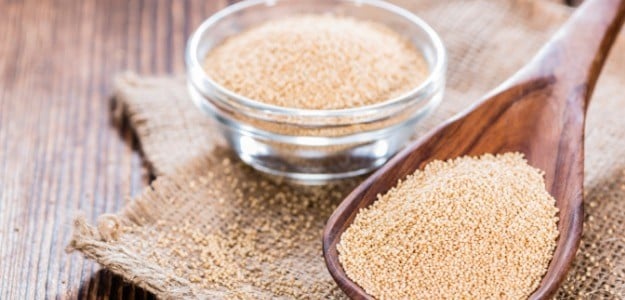
Amaranth (Rajgira/ Ramdana/ Chaulai) is an often overlooked superfood

 7 Lesser-Known Health Benefits Of Amaranth (Rajgira) You Should Know 

Looking to add a unique and healthy ingredient to your daily diet? Then you must consider Amaranth. Also known as rajgira or ramdana, amaranth is actually a pseudo-cereal and thus, is gluten-free. Although some may call it a grain, it would be more accurate to call it a seed. Amaranth has been consumed in many regions of the world since ancient times. In India, those observing a Navratri vrat (fast) often eat rajgira in some form. But there are many reasons why it should be part of your meals throughout the year. Celebrity nutritionist Lovneet Batra also recently posted about the many advantages of doing so. 

Here Are 7 Important Health Benefits Of Amaranth (Rajgira):

1. Rich in protein

Lovneet states, "100 grams of Amaranth contains 13.27 gm of protein. Due to an outstanding balance of essential amino acids, it is a high-quality protein with 87-89% bioavailability." It is considered to be one of the best sources of plant based protein.

2. Promotes gut health

According to the nutritionist, "Amaranth is also known to have prebiotic effects on the gut and increase the synthesis of helpful "short chain fatty acids" which promote gut health." She also explains that it does not require any soaking as its saponin content is very low. Being high in fibre, rajgira can help relieve constipation too.

3. May aid in weight loss

Being rich in protein as well as fibre, amaranth can greatly help those wanting to shed a few extra kilos. These gluten-free seeds are said to curb appetite and keep you feeling full for longer.

4. Good for your heart:

"Due to the presence of phytosterols, Amaranth has been found to have cholesterol-lowering properties," says the nutritionist.

5. Promotes bone health:

Amaranth can improve bone density as it is rich in iron, calcium, phosphorus and fibre.

6. Boosts immunity:

The vitamin C and antioxidants present in Amaranth seeds can improve your immunity and protect your body from free radical damage as well as inflammation.

7. Has anticancer properties

According to Lovneet, "Studies show that peptides released during digestion of amaranth have anti-inflammatory effects on the body. The presence of bioactive peptide Lunasin imparts to the grain its anti-carcinogenic properties.


https://gscrochetdesigns.blogspot.com. one can see my crochet creations  

https://kneereplacement-stickclub.blogspot.com. for info on knee replacement

https://cancersupportindia.blogspot.com  for info on cancer and health related topics

https://GSiyers home remedies.blogspot.com   is the latest addition to my blogs


Friday, March 7, 2025

Vegetable barley soup - benefits, who should avoid

Ingredients:

  • ½ cup barley (soaked for 2 hours)
  • 1 onion (chopped)
  • 1 carrot (diced)
  • ½ cup of cabbage (chopped)
  • ½ cup of tomatoes (chopped)
  • ½ cup of bell peppers (diced)
  • 3 cups of vegetable broth or water
  • 1 tbsp of olive oil
  • 2 cloves of garlic (minced)
  • 1 tsp of black pepper
  • ½ tsp of turmeric
  • ½ tsp of salt
  • ½ tsp of oregano
  • Fresh coriander or parsley for garnish

Instructions:

  • Rinse the barley thoroughly and soak it in water for 2 hours or keep it overnight.
  • Chop all the vegetables (onion, carrots, cabbage, tomatoes and bell peppers).
  • Take a large pot, and heat the oil over medium heat in it.
  • Add onion and sauté for about 2 to 3 minutes until it nicely turns translucent.
  • Add minced garlic to it and sauté for another 1 minute.
  • Add carrots, cabbage, bell peppers, and tomatoes to the pot. Stir and cook for at least 3 minutes, allowing the vegetables to soften a little bit.
  • Drain the soaked barley and add it to the pot with the vegetables.
  • Pour in vegetable broth or water and stir the ingredients together.
  • Add black pepper, salt, turmeric and oregano, and stir to combine all the ingredients.
  • Bring the vegetable barley soup to a boil then reduce the heat.
  • Cover the pot and let the soup simmer for 30 minutes, or until the barley becomes tender.
  • Taste the vegetable barley soup and adjust seasoning if needed.
  • Garnish with fresh coriander or parsley before having this healthy soup.

Who should avoid vegetable barley soup?

Like any food, vegetable barley soup may have adverse effects on your body:


  • Barley contains gluten, so it is not suitable for individuals with celiac disease or gluten intolercance. “If people with these conditions consume barley, it can lead to digestive discomfort and bloating,” says the expert.
  • Vegetable barley soup is rich in fibre, which can cause gas, bloating or digestive discomfort if consumed in excess.
  • Although barley has a low glycemic index, excessive consumption of any starchy food can impact blood sugar levels, particularly for people with diabetes.
  • If the vegetable broth used in the soup contains high sodium, it may contribute to high blood pressure or water retention.

Vegetable barley soup is light yet filling, making it perfect for lunch or dinner. It’s packed with fibre, which is great for the gut and managing weight. But stick to just one bowl of the soup in a day to reap the benefits.

What are the health benefits of vegetable barley soup?

Vegetable barley soup is a perfect light meal that comes with health benefits:

1. Promotes digestive health

“Vegetables are known for being high in fibre. Barley is also rich in fibre, which helps promote regular bowel movements and keep constipation at bay,” says a nutritionist. Hundred grams of barley has 3.8 grams of fibre, according to the experts. “Fibre supports gut health by feeding beneficial bacteria and boosting digestion,” says the expert.

2. Boosts immune function

Barley is packed with nutrients such as vitamin C and zinc, which can enhance the immune system. “The vegetables in the soup, like carrots, tomatoes and bell peppers, also provide additional immune-boosting nutrients like vitamins A and C,” says the expert.

3. Supports weight loss

The fibre in barley and vegetables promote satiety, making you feel full for a longer time. When you feel full, you won’t reach out for unhealthy snacks or overeat. “Vegetable barley soup is low in calories, making it a great option for those watching their weight,” says the expert.

4. Beneficial for diabetics

Vegetable barley soup is considered a low glycemic index food. A 2015 study,  showed that the glycemic index of the vegetable barley soup was 36. “Due to its low glycemic index, having this soup won’t cause spikes in blood sugar levels, making it a good choice for people with diabetes,” says a dietitian.

5. Anti-inflammatory properties

Barley and the vegetables in the soup are full of anti-inflammatory compounds, which can help combat inflammation in the body. For instance, carrots have chemical compounds such as falcarinol and falcarindiol that can reduce inflammation, as per research published  in 2023. “Thanks to its anti-inflammatory properties, vegetable barley soup may benefit people with conditions like arthritis,” says the expert.


https://gscrochetdesigns.blogspot.com. one can see my crochet creations  

https://kneereplacement-stickclub.blogspot.com. for info on knee replacement

https://cancersupportindia.blogspot.com  for info on cancer and health related topics

https://GSiyers home remedies.blogspot.com   is the latest addition to my blogs


Saturday, September 7, 2024

8 amazing health benefits of drinking cranberry tea

 Cranberry tea  cranberries

Cranberry tea is a delightful organic beverage that has been used as a home remedy for ages. This tea is made from the fruit of the cranberry plant and has a light flavour that goes well with any time of the year. However, its purported health benefits are what makes it popular, rather than its flavour. Drinking cranberry tea can help you feel better and detoxify your body. If you are a tea lover and enjoy trying different variations, you can incorporate this organic and healthy cranberry tea into your daily routine. So, without further delay, let’s explore the potential benefits of cranberry tea on our overall health.

What are the health benefits of cranberry tea?

Cranberry tea offers various health benefits. Here are all the benefits of drinking cranberry tea for health as explained by a nutritionist.

1. Cranberry extract or dried cranberries are rich in antioxidants, thus it is heart-friendly.
2. Helps lower cholesterol levels.
3. Helps in lowering the blood pressure.
4. Cranberry tea is a detox tea that helps boost metabolism, which helps lose weight.
5. Helps to reduce anxiety and promotes good sleep.
6. Contains anti-inflammatory properties.
7. It’s a healthy detox drink that clears toxins from your body.
8. Cranberries are rich in vitamin C, which makes it a powerful antioxidant that helps boost immunity, promote hair and skin health.

Drinking 2 cups of cranberry tea every day is considered safe, says the expert.

How to make cranberry tea?

Cranberry tea is similar to organic tea or any other herbal tea. Further, cranberry tea is a combination of infused dried cranberry fruit, black tea, and some spices.


Cranberry tea recipes

1. Iced cranberry tea:

1. In this premix, cranberry fruit is added to cold water.
2. Stir it properly then add some ice cubes.
3. It is ready to serve.

2. Hot cranberry tea

1. Add 1 cup of boiling water to 2 spoons of cranberry tea.
2. Allow it to rest for 4-5 minutes to get all the flavours in the boiling water.
3. Strain it and enjoy hot cranberry tea.
4. To enhance its flavour, you can add a few drops of lemon juice and honey in it which makes it more refreshing.

Are there any side effects of drinking cranberry tea?

  • Mild stomach upset and diarrhoea: Cranberries are naturally acidic, and consuming large amounts can irritate the digestive system in some individuals. This is more likely to happen with concentrated cranberry products like extracts or juices.
  • Increased urination: Cranberries are known to have diuretic properties, meaning they can increase the frequency of urination. This can be beneficial for flushing out the urinary tract and potentially preventing UTIs, but it might be inconvenient for some.
  • Headache: Some people experience headaches after consuming cranberries, though this is less common.
  • Allergic reactions: While rare, allergic reactions to cranberries can occur. Symptoms might include skin rash, itching, or anaphylaxis.

Who should avoid cranberry tea?

  • People with kidney stones: Cranberry tea contains oxalates, which can contribute to kidney stone formation in people prone to them. Moderation is key, and consulting a doctor is recommended if you have a history of kidney stones.
  • People taking certain medications: Cranberries can interact with some medications, including blood thinners (like warfarin) and aspirin. If you’re taking any medications, it’s best to talk to your doctor before adding cranberry tea to your diet.
  • Pregnant and breastfeeding women: There isn’t enough research to confirm the safety of cranberry tea in high doses during pregnancy and breastfeeding. Sticking to moderate amounts or even avoiding it altogether is advised until more information is available.

Start with small amounts of cranberry tea and gradually increase if you tolerate it well. Limit your intake to a few cups per day, especially if you have any concerns about any potential side effects. Choose teas with less added sugar or sweeteners to avoid unnecessary sugar intake. If you experience any adverse effects after consuming cranberry tea, discontinue it and consult a doctor, says the expert.


https://gscrochetdesigns.blogspot.com. one can see my crochet creations  

 https://kneereplacement-stickclub.blogspot.com. for info on knee replacement

 https://cancersupportindia.blogspot.com  for info on cancer and health related topics

 https://GSiyers home remedies.blogspot.com   is the latest addition to my blogs.


Saturday, April 27, 2024

12 benefits of eating Ridge Gourd during summer months

 ​12 benefits of eating Ridge Gourd during summer months   

Ridge Gourd is a versatile vegetable that offers a number of benefits, especially during the hot summer months. It is packed with essential nutrients and can be a great addition to your daily diet. Here are 12 important reasons why incorporating ridge gourd into your meals can be a beneficial choice for your overall well-being.


Hydration and cooling effect

Ridge gourd is very high in water content, which helps you stay hydrated during the hot weather, and it has cooling properties as well, which can keep you cool and refreshing.


Weight management

Ridge gourd is low in calories and has a high fiber content, which can help you maintain a healthy weight.


​Rich in nutrients

Ridge gourd is full of various essential vitamins and minerals like vitamin C, vitamin A, and potassium. Including it in your daily meals can help you achieve overall health and wellness.


​Help manage blood sugar

The high amount of fiber is helpful in maintaining and regulating your blood sugar levels. It can help in preventing and managing diseases like diabetes.


Boosts immunity

Ridge gourds contain antioxidants, which can help in strengthening your immune system. Including it in your daily diet can help you achieve strong immunity and an overall healthy body.


​Improves eye health

Ridge gourd is high in vitamin A, which is known to be immensely beneficial for improving eye health. It may also help reduce inflammation in the eyes, ultimately leading to healthy eyes.


Helps improve digestion

Ridge gourds are full of fiber, which can help in the improvement and promotion of a healthy digestive system. It may also prevent and cure stomach issues like constipation and bloating.


Anti-inflammatory properties

Due to its anti-inflammatory properties, ridge gourd can immensely help you reduce inflammation in your body.


Boosts energy

Due to being full of essential nutrients, it can provide your body with a natural and instant boost in energy. It can also keep you active during the hot weather.


Hair health

Consuming ridge gourd daily cold be immensely beneficial in reducing hair fall, preventing damage, and making your hair shiny and strong.


Healthy bones and muscles

Ridge gourd is high in calcium, which helps in maintaining healthy bones and provides strength. It also contains magnesium, which is essential for the proper functioning of muscles.


Skin health

There are many essential vitamins and minerals in ridge gourd, which can promote healthy skin and also prevent issues like acne and sunburn and  slow down the aging process.


https://gscrochetdesigns.blogspot.com. one can see my crochet creations  

https://cancersupportindia.blogspot.com. feel free to view for easy, simple and health tips  

https://kneereplacement-stickclub.blogspot.com. for info on knee replacement

https://GSiyers home remedies.blogspot.com     is the latest addition to my blogs.