It’s safe to assume that everyone has at
least one kitchen cabinet that is entirely dedicated to food containers
of all sorts. Plastic is far from being the only option. The materials
vary from glass to metal and even wood, each one having its own
benefits. Of course, different types of containers require slightly
different care to keep them in the best condition.
In these days of a global pandemic, many of
us cook more at home and have leftovers more often, which is where
containers come in handy. Read on to find out the best care and cleaning
tips for different containers, as well as their different uses and
advantages.
Plastic Containers

Although containers are made from all kinds of materials these days,
plastic is still the most popular option. They may not be the best
choice from an environmental standpoint, but if taken care of properly,
plastic containers can last for years. Their advantage is that they are
light, which makes them great for transporting food, especially if you
need to pack lunch for the kids (also, plastic will not shatter into a
million little pieces when dropped).
Best care tips: According to the Tupperware-brand website, the best way
to wash plastic containers is with a soft sponge and non-abrasive
cleaner. Ideally, you’d like these containers to last as long as
possible, so it makes sense that you shouldn’t expose them to extremes.
Only use the dishwasher if the plastic container is labeled “dishwasher
safe” and always use the top rack. The reason for that last tip is that
the bottom rack of the dishwasher is closer to the heating element and
can melt your plastic containers.
When to throw away: There’s no general rule of thumb about when it’s
time to throw out your plastic containers. You will instinctively know
it’s time to toss them when they become warped or cracked. How long that
may take depends on how well you care for your containers, and the
quality of the plastic. Do keep in mind that scratches can trap
bacteria, so it’s important to keep an eye out for them.
How to get rid of stains and odors: Plastic
containers may look smooth but actually they have a porous surface that
can be permeated by stains and odors. “Like your skin, plastic has
pores and will absorb what is around it,” explained Corinne Brown, a
Tupperware sales director, in a statement to Reader’s Digest. If you
encounter a stain in your plastic container, which usually comes from
acidic foods like tomato sauce, here is how to easily remove it: fill
the stained container with one part water and one part vinegar, then
soak it overnight or until you see that the stain is starting to fade.
To remove odors like garlic from your plastic containers, make a paste
with baking soda and water. Scrub the container using the paste and a
microfiber cloth, then wash with soap and water.
Glass Containers
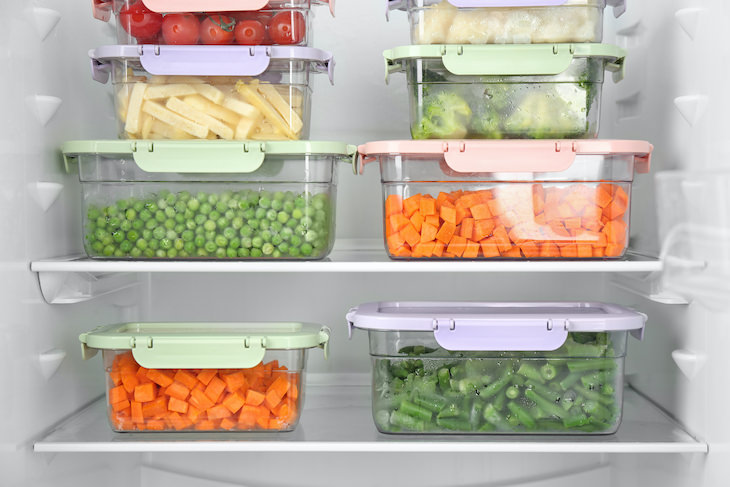
Glass containers are gaining more and more popularity. While they may be
heavier than plastic and take a little bit more space they have some
important benefits. Glass is generally safer than plastic when it comes
to our health. You can heat and reheat glass containers over and over
without worrying about any chemical leaching into your food. The same
applies to the freezer.
Best care tips: When it comes to glass containers, cleaning them is no
different than cleaning other glass-made kitchen items. It is completely
safe to put them in the dishwasher. If they have a plastic lid, use the
previous tips to ensure it stays clean and in good shape.
When to throw away: If durability is what
you’re looking for in your containers, you may want to opt for those
made of glass. With care, glass containers will last almost indefinitely
and if you do decide to dispose of them, they are 100% recyclable.
How to remove stains and odors: The vinegar and baking soda solution we
suggested for plasticware should work with glass containers as well. A
super simple trick to get rid of odors is to expose your containers to
direct sunlight. The sun has a natural ability to fight off odors, and
airing them out on a sunny day is a perfect way to take advantage of it.
One general storage tip that housekeeping and organization experts swear
by is to keep your containers with a box of open baking soda in the
cabinet. Another option is lining them with newspaper to keep them from
absorbing any new smells. These tricks should be effective with
containers of any material.
Metal Containers
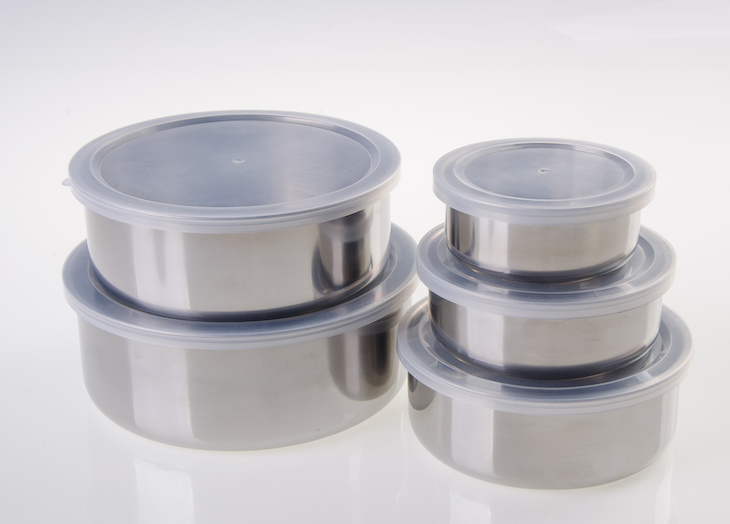
Metal containers may not be the obvious choice for food storage, but
there is no reason to shy away from them. They are affordable and more
durable than their plastic and glass counterparts. Metal can get banged
up and repeatedly relocated without suffering significant external
damage. There are some care tips as those listed below, specific to
metal containers, that are important to know.
Best care tips: The most important advice about the upkeep of metal
containers is to not use a sponge when washing them. The bad smells from
the sponge cling to the metal like a magnet. Instead, when washing
metal containers simply fill them with a mix of hot water and soap, then
seal and shake until the container is sufficiently clean.
How to remove odors: Odor could be an issue when dealing with metal
containers, as they can get damp and musky if you put the lid back on
before they've had a chance to properly dry. To prevent this mildew odor
from forming, be patient and let them air dry as long as needed (it may
take a while - anywhere from a few hours to overnight). Another good
way to ensure the odor never forms in your metal containers is to wash
them once every week, even if it’s a bottle you only use for water. The
more often you clean them, the longer they will last.