Cinnamon
is one of the world's oldest spices, that imparts a magnificent aroma
to a wide variety of foods. But, besides its great taste and smell,
cinnamon is considered to have quite a variety of healing properties
too. Many of its benefits derive from the spice's anti-fungal,
antibacterial and antioxidant prowess. You can smell it, ingest it, or
apply it. Either way, the health benefits of cinnamon are more than
skin-deep. These top 14 tips will get you going, and in the process, you
may also be surprised to discover that this great spice has all kinds
of ingenious uses too!
In the Know: Learn to Identify Real Cinnamon
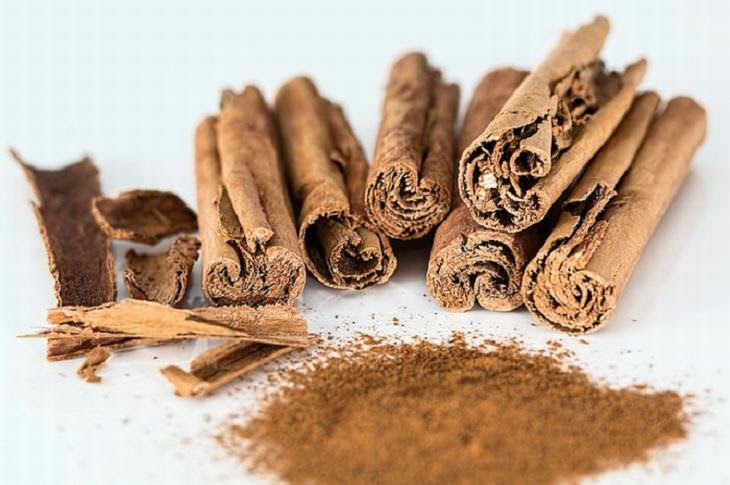
Before getting to its uses, here's a fact you may want to consider. Much of the cinnamon available is not real cinnamon (Cinnamon Verum or Cinnamomum Zeylancium), it is Cassia. Cassia contains substances that have strong anticoagulant properties, which may be harmful to the liver when consumed in large quantities. It is easier to spot the difference between the two when buying cinnamon sticks. Though, it is a lot harder to identify real cinnamon in its powder form.
Before getting to its uses, here's a fact you may want to consider. Much of the cinnamon available is not real cinnamon (Cinnamon Verum or Cinnamomum Zeylancium), it is Cassia. Cassia contains substances that have strong anticoagulant properties, which may be harmful to the liver when consumed in large quantities. It is easier to spot the difference between the two when buying cinnamon sticks. Though, it is a lot harder to identify real cinnamon in its powder form.
Here's how to spot the difference:
- Cinnamon is a paler tan brown, as opposed to the reddish rust brown of cassia.
- Cinnamon has a thin, paper-textured bark that forms multiple thin layers when rolled up. Cassia bark is thicker, forming just a few layers.
- Cinnamon is more fragile and can crumble a lot easier than cassia, which is tough and a lot harder to grind.
- Cinnamon has a delicate, sweeter aroma, whereas cassia is more pungent and full-bodied.
- Cinnamon is very expensive in comparison to cassia and is a lot harder to obtain.
- Nevertheless, it is important to note that there are no dramatic nutritional differences between the two and to actually notice the difference, you would need to consume it in large amounts.
1. Use it Boost your Brain Power
Studies show that smelling
cinnamon boosts cognitive function and memory. It is the perfect spice
to use when you're feeling out of focus. Carry a stick around with you
and take a whiff every now and then. Alternatively, every morning, add a
couple of dashes to your coffee or cereal - this will start your day
off on a good note and it will help you stay more focused and alert. 2. Enhance the Aroma in your Home - Use it in Potpourri Sprinkle a couple of drops of cinnamon essential oil atop dry potpourri and place it in a small bowl, preferably somewhere that gets good ventilation, allowing the aroma to spread in the kitchen, near doorways, or atop the radiator. The room will carry with it a subtle hint of cinnamon, providing you with some year-round comfort.
3. Use it to Reduce Cholesterol
In a study conducted by the Beltsville Human Nutrition Research Center, over a period of 40 days on a group of diabetic patients, each was given one-quarter of a teaspoon of cinnamon daily, researchers observed that their triglycerides, cholesterol, and LDL (bad) cholesterol levels dropped.
4. Use it to Repel Moths
Cinnamon is great at warding off pesky moths. Just break three to four cinnamon sticks and combine them with half a cup of whole cloves and half a cup whole black peppercorns. Fill sachets with one tablespoon of the mixture and toss the sachets in your underwear drawer or hang them in your closets.
5. Use it to Treat Diabetes
The Beltsville Human Nutrition Research Center also conducted a study on diabetic patients. In this study, the diabetic patients were given one-quarter of a teaspoon of cinnamon over 40 days, after which researchers observed that patients' blood sugar levels fell by as much as 30 percent. In another study, published by Fertility and Sterility in 2007, researchers gave half of their participants cinnamon extract, and the other half, a placebo. In eight weeks, the women who took the cinnamon extract showed greatly-reduced insulin levels in comparison to the placebo group.
6. Use it to Promote Weight Loss
Due to cinnamon's effectiveness in reducing insulin resistance, research by the Human Nutrition Center at Tufts reports that cinnamon triples insulin's capacity to metabolize blood sugar. Therefore, the spice can reduce hunger and sugar cravings leading to weight loss. Cinnamon is a particularly useful ingredient to have for anyone living with diabetes and finding it difficult to lose weight.
7. Use it to Boost your Circulation
One of the health benefits of cinnamon is that it can be used to thin the blood, which in turn increases circulation throughout the body. This helps to reduce pain in troubled areas, as well as supply oxygen to the blood cells. It is also a great dietary complement for heart attack survivors.
8. Use it to Reduce Arthritis Pain
In a 2008 study, published in the journal Bio-organic and Medicinal Chemistry, researchers discovered that cinnamon slowed the breaking down of bones, ultimately reducing bone damage.
9. Use it as a Light Bulb Diffuser
As odd as it may seem, cinnamon can be used as a light bulb diffuser to bring its scent to a room. All you need to do is add one drop of cinnamon essential oil on a cool light bulb. When you turn the lights on, the heat from the bulb will emanate the aroma throughout the room.
The Beltsville Human Nutrition Research Center also conducted a study on diabetic patients. In this study, the diabetic patients were given one-quarter of a teaspoon of cinnamon over 40 days, after which researchers observed that patients' blood sugar levels fell by as much as 30 percent. In another study, published by Fertility and Sterility in 2007, researchers gave half of their participants cinnamon extract, and the other half, a placebo. In eight weeks, the women who took the cinnamon extract showed greatly-reduced insulin levels in comparison to the placebo group.
6. Use it to Promote Weight Loss
Due to cinnamon's effectiveness in reducing insulin resistance, research by the Human Nutrition Center at Tufts reports that cinnamon triples insulin's capacity to metabolize blood sugar. Therefore, the spice can reduce hunger and sugar cravings leading to weight loss. Cinnamon is a particularly useful ingredient to have for anyone living with diabetes and finding it difficult to lose weight.
7. Use it to Boost your Circulation
One of the health benefits of cinnamon is that it can be used to thin the blood, which in turn increases circulation throughout the body. This helps to reduce pain in troubled areas, as well as supply oxygen to the blood cells. It is also a great dietary complement for heart attack survivors.
8. Use it to Reduce Arthritis Pain
In a 2008 study, published in the journal Bio-organic and Medicinal Chemistry, researchers discovered that cinnamon slowed the breaking down of bones, ultimately reducing bone damage.
9. Use it as a Light Bulb Diffuser
As odd as it may seem, cinnamon can be used as a light bulb diffuser to bring its scent to a room. All you need to do is add one drop of cinnamon essential oil on a cool light bulb. When you turn the lights on, the heat from the bulb will emanate the aroma throughout the room.
10. Use it to Treat Bladder Infections
Consuming cinnamon will reduce
(or help you avoid) urinary tract infections and bladder infections.
Cinnamon packs an anti-bacterial and antifungal punch, and it is also a
diuretic, contributing to urinary discharge.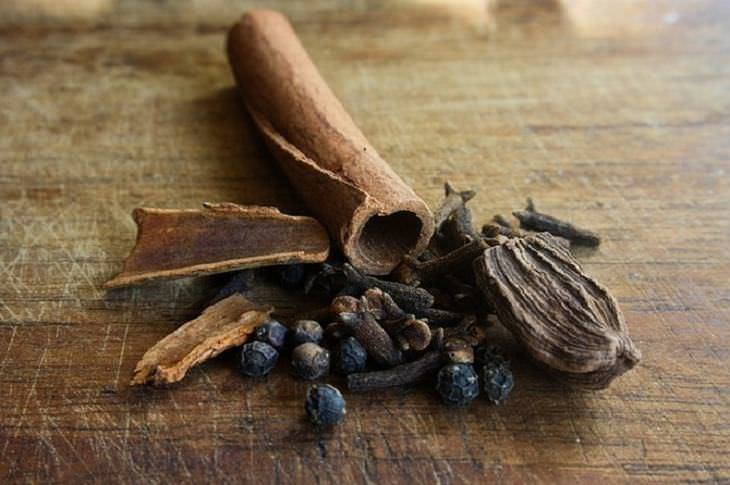
To help alleviate the pain and itching of an insect bite, apply a mixture of cinnamon and honey. The duo will disinfect the infected area, moisturize the skin and heal it.
12. Use it to Relieve Cold and Flu
This use of cinnamon is pretty well-known, especially across East Asia and Europe. To treat a cold or flu, it is usually combined with ginger.
13. Use it to Sooth Stomach Pain
To relieve a stomachache, combine honey and cinnamon. These two ingredients are packed with anti-fungal and antibacterial properties, helping to treat ulcers, as well as reducing gas in the stomach.
14. Use it to Prevent Food from Spoiling
Adding cinnamon helps to prevent the spoiling of food. It does so by delaying bacterial growth.
for crochet designs, my blog, those who like a particular design are free to mail me
