Showing posts with label inflammation. Show all posts

Thursday, November 19, 2026

Can't Escape Air Pollution? Nutritionist Reveals 4 Foods That Can Protect Your Health

A nutritionist highlights four food groups—Vitamin A-rich foods, Vitamin C-rich foods, ginger and turmeric, and Vitamin E-rich foods—to help counter oxidative stress and inflammation linked to air pollution.

s air pollution levels keep rising across Indian cities, much of the public-health advice comes in the form of reducing outdoor exposure, wearing suitable masks, and using indoor air purifiers. But can the food that we consume also help the body cope with the effects of polluted air?

According to senior nutritionist and author Ishi Khosla, nutrition deserves a place in the conversation.

“Tiny particulate matter in polluted air, particularly PM2.5, can penetrate deep into the lungs and trigger oxidative stress and inflammation. Some particles can also pass into the bloodstream, affecting organs beyond the respiratory system.  When foreign toxic material enters the body, the immune system responds. If this exposure continues, it can contribute to persistent, low-grade inflammation,” Khosla says.

“Every cell in the body depends on nutrition. What we eat can influence how well the body maintains its defences and responds to stress,” she adds.

While research is growing on whether certain nutrients can modify the health effects of air pollution, the evidence is still developing.  Khosla observes that although there is no replacement for breathing clean air and reducing exposure to pollutants, good nutrition and a healthy gut can help the body fight the hazardous effects.

Here is how your kitchen can be a tool in the fight.

Load up on antioxidants

Air pollution can increase the production of free-radicals, which are unstable molecules that can damage cells. This process, known as oxidative stress, is one way particulate matter may harm the body.

Antioxidants help the body manage oxidative stress. Vitamins C and E, carotenoids, and other plant compounds are found in many everyday foods. Khosla recommends eating a wide range of colourful fruits and vegetables rather than relying on a single so-called superfood, stating, “Good choices include amla, guava, oranges, lemons, papaya, carrots, pumpkin, sweet potatoes, tomatoes and green leafy vegetables. Nuts and seeds also provide vitamin E and other beneficial compounds."

A 2025 study published in Frontiers in Public Health, which analysed data from more than 200,000 Indian children, found that higher intake of certain antioxidant nutrients was associated with lower risks of acute respiratory infections and anaemia in children living in areas with greater pollution exposure.

Include omega-3 fatty acids

Omega-3 fatty acids have anti-inflammatory properties and may help regulate inflammatory processes in the body. Fatty fish such as sardines, salmon, and mackerel are sources of omega-3. For vegetarians, walnuts, flaxseeds and chia seeds are useful plant sources.

The practical advice is simpler: include omega-3-rich foods as part of a balanced diet.

Don't neglect gut health

Khosla also emphasises the role of the gut microbiome, the community of microorganisms living in the digestive tract, in overall health and immune function. The gut and immune system are closely connected. A fibre-rich diet  and fermented foods support beneficial gut bacteria. “Traditional Indian foods such as idli, dosa, kanji, ambli, fermented rice and fresh fermented pickles can support gut health by providing beneficial microorganisms,” Khoshla notes.

They may help maintain a healthy balance of gut bacteria, support digestion and contribute to immune function. Whole grains, pulses, beans, vegetables, fruits, nuts and seeds provide fibre that gut bacteria use.

Khosla adds that gut health is important because it influences immunity and inflammation, stating, “The gut microbiome helps regulate the immune system and maintain the gut barrier, which prevents harmful substances from entering the bloodstream. An imbalance in gut bacteria (dysbiosis) can weaken this barrier and trigger immune responses, contributing to inflammation. A diverse, fibre-rich diet helps support a healthier microbiome and balanced immune function.”

Choose foods that support an anti-inflammatory diet

A dietary pattern built around vegetables, fruit, whole grains, pulses, nuts and seeds provides a range of nutrients and plant compounds that support general health.

She also advocates what she calls a rainbow diet, incorporating fruits and vegetables of different colours. “Their pigments contain phytonutrients and bioflavonoids, some of which have antioxidant and anti-inflammatory properties."

The emphasis should be on variety. Different fruits and vegetables supply different nutrients and plant compounds, making a diverse diet more useful than depending on one supposed miracle food.

Khosla advises reducing dependence on highly processed foods and foods with excessive sugars, trans fats, and poor-quality fats, and choosing fresh, varied meals wherever possible: "Eat wholesome food, even when eating outside. As far as possible, eat seasonal and local foods."

What should an everyday diet look like?

Khosla says she works on a framework “based on three Ps, five Fs and six Ss.”

The three Ps are planning, prioritising protein, and protective foods.

First, planning: Plan your food intake, meal timings, and grain selection.

Second, prioritise protein: Have protein-rich meals at least twice a day. This can be animal or plant protein, but it should ideally come from wholesome foods rather than processed protein isolates.

Third, protective foods: Dedicate at least one meal to protective foods, ideally including two or more.

She recommends what she calls the six Ss: soups, salads, sprouts, steamed vegetables, sattu and smoothies.

She also emphasises five Fs: fermented foods, fiber, good fats, fasting, and phytonutrients.

Her broader advice is to prioritise protein, vegetables and wholesome foods rather than making grains the dominant component of every meal and she recommends to add "at least one meal should include some of these protective foods."

A practical Indian diet during peak pollution

Khosla advises starting the day with fermented foods or a fermented drink, depending on what suits you. Include nuts and seeds for healthy fats, and leafy vegetables, salads, and fruits for fiber and phytonutrients in breakfast.

“Prioritise protein and vegetables in your meals and include these in at least two meals. Grains also need careful consideration as their selection, quantity, and timing matter. Depending on the individual, you can include grains in the morning or at lunchtime,” she notes.

Adequate water intake is also important for general health. “A bit of jaggery can help, so can traditional foods like Chawanprash,” claims Khoshla.

Taking antioxidant supplements during pollution season may seem appealing- if the food doesn’t provide adequate nutrition, taking supplements like vitamin C and omega-3 can be beneficial.

A food plan can be adapted to individual dietary needs, preferences and medical conditions-older adults and people with diabetes or other chronic conditions may need specific adjustments. “The nutritional argument becomes particularly important for children, whose lungs and immune systems are still developing,” she insists.

 Food is not a substitute for clean air

Khosla's central message is that nutrition can support the body's normal antioxidant and immune functions, but it cannot shield against toxic air.

The most important measures remain reducing exposure: avoid outdoor exercise when pollution levels are high, keep windows closed during severe pollution episodes, use an appropriately sized HEPA air purifier indoors where possible, and wear a well-fitting particulate respirator when outdoor exposure is unavoidable.

A balanced diet, Khosla insists, is one part of protecting health during pollution season. It should complement, not replace, efforts to breathe cleaner air.





https://gscrochetdesigns.blogspot.com. one can see my crochet creations  

https://kneereplacement-stickclub.blogspot.com. for info on knee replacement

https://cancersupportindia.blogspot.com  for info on cancer and health related topics

https://GSiyers home remedies.blogspot.com   is the latest addition to my blogs

Sunday, February 22, 2026

Juices to Aid Common Ailements


https://gscrochetdesigns.blogspot.com. one can see my crochet creations  

https://kneereplacement-stickclub.blogspot.com. for info on knee replacement

https://cancersupportindia.blogspot.com  for info on cancer and health related topics

https://GSiyers home remedies.blogspot.com   is the latest addition to my blogs


Thursday, September 11, 2025

Health Benefits of Burdock Root Tea

This popular herbal tea is made by steeping the dried root of the burdock plant. It has been used for thousands of years as a traditional medicine in Europe, North America, and Asia. It’s also cultivated in many areas due to the medicinal and nutritional properties of its leaves, roots, stems, and flowers. Most of the benefits of burdock root tea comes from the significant levels of luteolin, quercetin, and other antioxidants, as well as folate, potassium, vitamin B6, manganese, magnesium, calcium, iron, and phosphorous. 
 
How to Make Burdock Root Tea
 This Root Tea Will Start Your Journey to a Healthier Life
Making this tea is simple, provided you have access to fresh burdock, which is not always the easiest thing to find in the West. In Asia, burdock root is easy to find, but in the West, you might need to find an Asian import store. You could also purchase burdock root tea that has already been shredded and roasted, and therefore ready to brew.

If you buy some fresh Burdock root, begin by cutting it into 1-2-inch chunks. Then, using a potato peeler, shred the root chunks into thin strips. Place these outside so that they can dry in the sun for a few hours. Once they are dry, place them in the frying pan and heat them up (don’t use oil). They should roast quite easily if you heat them for 5-10 minutes and you want the color to be a rich golden brown. Once they have cooled down, they can be brewed into burdock root tea. 

Ingredients 
• 8-10 burdock root strips 
• 2 cups of filtered water 
• 1 teaspoon organic honey 
 
Directions  
1. Place the burdock root strips in a teapot. 
2. Bring the water to the boil in a stainless-steel pot. 
3. Remove from the heat for 2-3 minutes and pour it into the teapot. 
4. Allow the mixture to steep for 5-10 minutes. 
5. Enjoy.

Below are 8 great health benefits of burdock root tea: 

1. Diuretic Effects 
Burdock root was commonly used for its diuretic and diaphoretic effects, meaning that it caused sweating and urination in those who drank it. This helps to purify the blood and detoxify the body, as sweating and urination are ways for the body to expel excess salts, toxins, and water, thereby relieving stress on the liver, kidneys, and lymphatic system.
 
2. Heart Health 
The high levels of potassium in burdock root tea makes it excellent for heart health, as it reduces strain on the cardiovascular system by lowering blood pressure. Potassium not only regulates the fluid in the body, but it also acts as a vasodilator, helping to prevent atherosclerosis, strokes, and heart attacks.

3. Cancer Prevention  
The phenolic acids quercetin and luteolin make burdock root tea a potent anti-cancer brew, as these antioxidants can seek out and destroy free radicals that are causing oxidative stress in the body. These free radicals are often responsible for cancer. Buy vitamins and supplements 
 
4. Immune System 
The vitamin C found in this root tea helps to stimulate the immune system and the production of white blood cells, while also increasing collagen production and speeding up the healing process following an illness. 
 
5. Liver Function 
Many studies have shown that burdock root tea can help speed the regrowth process of liver cells following diseases such as hepatitis and cirrhosis. The liver is an important organ that can be easily damaged, making this a great brew for those individuals with blood-borne diseases of alcohol-induced damage. 
 
6. Hair Health
The phytosterols present in burdock root tea, as well as the essential oils in the root, can prevent hair loss and improve the health of the scalp and follicles, eliminating dandruff and other common issues. 
 
7. Inflammation 
In ancient times, burdock root tea was often recommended for those suffering from fever, headaches, aches, pains, and joint disorders. This is due to the anti-inflammatory nature of this brew, and people still turn to this tea for similar ailments. For those suffering from gout, research has shown that the compounds in burdock root tea can decrease levels of uric acid in the blood, improving this condition. 
 
8. Respiratory Issues 
This root tea has expectorant and decongestant properties, so if you have a cough, cold or flu-like symptoms, a cup of this delicious tea each day can help get rid of phlegm and mucus, while the antibacterial nature of the tea can attack the underlying infection to speed healing. 
 
Burdock Root Tea Side Effects 
 
Pregnancy 
Studies have shown that burdock root tea can stimulate uterine contractions, which is extremely dangerous for pregnant women, especially those in the first two trimesters of their pregnancy. Similarly, for nursing women, some of the potent compounds of this tea can be passed on to the infant and should be avoided. 
 
Blood Pressure 
The blood pressure-lowering qualities of this root tea are beneficial unless you happen to be suffering from hypotension, or are taking medicine for hypertension, in which case, you might experience lightheadedness, cognitive confusion, or dizziness.

Allergic Reactions 
Some people may be allergic to burdock root and may experience rapid contact dermatitis while preparing this brew. If any inflammation or rashes develop, stop using this tea right away.


https://gscrochetdesigns.blogspot.com. one can see my crochet creations  

https://kneereplacement-stickclub.blogspot.com. for info on knee replacement

https://cancersupportindia.blogspot.com  for info on cancer and health related topics

https://GSiyers home remedies.blogspot.com   is the latest addition to my blogs


Monday, May 19, 2025

These 8 Infusions Are Natural Medicines For Many Problems

There is nothing like a hot drink to start the morning pleasantly or one at night to finish it off calmly, and that’s thanks to the calming effect of heat on our bodies and our mood. In addition to their wonderful taste, the warm and delicious beverages we drink can be used not only to pamper the taste buds but also to help us deal with the various health problems we all experience at times, especially during the winter. 

If you want to enjoy good health and naturally repel diseases, you may want to try the next 8 calming tea infusions which you can easily prepare at home. With the various ingredients available at health or natural food stores, you can make homemade infusions that are not only tasty but also have amazing health benefits.


Before you start... The quantities indicated in the recipes make about 2 cups of tea. To prepare the infusion, mix the ingredients together, let them brew in boiling water for at least 5 minutes, add the desired sweetener, strain and drink the clear liquid. If you want to make a few drinks or a large amount to keep in the refrigerator, double the amount of ingredients to make the desired number of cups. You can use either dry or fresh leaves, whatever’s on hand. 
 
1. Lime infusion 
For all those who suffer from nasal congestion and bronchitis during the winter or any other period of the year - this is the tea for you. The lime plant and Aloysia leaves relieve congestion and their taste make this “pill” a lot easier to swallow. These plants combined with the rest of the ingredients in this tea, including lemon thyme, Melissa, and lemon zest, also treat digestive problems, gas and nausea - common symptoms of winter sickness. 
 
Ingredients: 
1 teaspoon lime and Aloysia leaves​ Aloysia citrodora - Wikipedia Aloysia leaves
 
 
1 teaspoon Melissa leaves / lemon balm Lemon Balm – Identification, Edibility, Distribution, Ecology ...lemon balm leaves
½ teaspoon lemongrass leaves 
⅛ teaspoon lemon zest


2. Mint infusion 
The mint leaves have not only wonderful aromas, but also many medicinal properties that have been used for thousands of years as a treatment to various health problems. They help to relieve headaches, reduce fever, and treat digestive problems. This infusion also includes black tea leaves which help strengthen the immune system, calm the nerves and contribute to the body in a variety of surprising ways. This tea is excellent for anyone who feels weak because of fever or due to other illnesses. 
 Infusions
Ingredients: 
1 teaspoon mint leaves 
1 teaspoon black tea leaves 
⅛ teaspoon orange zest (for taste, optional)


3. Chamomile and raspberry leaf infusion 
It's hard to compete with the flavor of the classic chamomile tea that many choose as their regular winter drink. The next infusion, which contains chamomile among other ingredients, is excellent for all those who suffer from stomach aches resulting from digestive problems or any other cause. The calming effects of chamomile on both the digestive system and the nervous system will greatly soothe the pain in a very tasty way. The raspberry leaves will provide a calming effect on sore throats and reduce the amount of mucus that accumulates in the body during colds, flu, and other diseases. 
 
Ingredients: 
1 teaspoon chamomile 
1 teaspoon red raspberry leaves 
½ teaspoon mint leaves 
A pinch of lavender


4. Mint and Lebanese oregano infusion 
Traditionally, Native Americans have used Lebanese oregano to relieve digestive problems and also to heal wounds, reduce fever, relieve diarrhea, and ease a cough. If you have these symptoms, you may want to try the next infusion that, unlike certain drugs, has positive side effects in the form of strengthening the heart. 
 
Ingredients: 
1 teaspoon Lebanese oregano 
3 teaspoons mint leaves


5. Fennel and ginger infusion  
Fennel seeds are well-known anesthetists of both abdominal pain and bloating, so the next infusion is recommended for anyone suffering from gas or digestive difficulties. In addition, these natural seeds are diuretic, so that those suffering from fluid retention can benefit from the tea made from them. If that's not enough, fennel seeds are also anti-inflammatories, so they may help those who suffer from infections and their symptomatic pain. When you add ginger, you’re not only treating stomach aches and other ill feelings, but also preventing diseases, relieving headaches and coughing, thanks to the root's unique properties. 
 
Ingredients: 
2 teaspoons mint leaves 
½ teaspoon fennel seeds 
⅛ teaspoon dry ginger


6. Elderberry and cardamom infusion  
The following infusion needs to be brewed in a pot with 2 cups of boiling water for half an hour, but the wait will definitely be worth it. Thanks to the elderberry, you can rid yourself of mucus and a runny nose (from allergies or another illness). Treating the mucus will allow your body to better fight respiratory infections, thus preventing future diseases and their symptoms. This tea is especially recommended for consumption when you or someone close to you is suffering from a cold or flu, being that it will help them or you recover from these diseases in a shorter time, naturally and with a wonderful pleasant smell. 
 
Ingredients: 
2 tablespoons elderberry syrup 
1 cinnamon stick 
2 cardamom pods


7. Cranberry and cinnamon infusion  
The next tea's list of ingredients may be a little longer, but it will help all those who have urinary tract infections which can sometimes cause severe pain. Cranberry juice is a wonderful natural remedy for fighting urinary tract infections that get worse on cold days, while cinnamon fights inflammation which prevents them from happening. This tasty infusion can be kept in the refrigerator for a few days, and you can drink it cool to enjoy its many benefits. 
 
Ingredients: 
4 cups of unsweetened cranberry juice 
1 gallon of water 
2 cups sugar (optional) 
½ cup honey 
3 cinnamon sticks 
 ½ teaspoon ground cinnamon 
½ teaspoon nutmeg 
½ teaspoon Allspice 
½ teaspoon cloves 
Juice of 3 oranges
Juice of 3 lemons 
 
 Preparation: 
1. In a medium saucepan, boil together 4 cups of cranberry juice and 4 cups of water. 
2. In a separate pot, boil the remaining water with sugar and honey. Add the cinnamon sticks, cloves, nutmeg, ground cinnamon and Allspice to the pot. 
3. Remove the pot with the cranberry juice from the flame and strain the liquid. Add the fresh cranberry juice to the pot with the spiced water. 
4. Before serving, add orange juice and lemon juice. The leftovers will keep in the refrigerator for several days.


8. Rose and licorice infusion 
 Apart from their intoxicating scent, rose petals help prevent congestion in the female reproductive tract that causes physical discomfort, especially during menstruation. Licorice helps treat asthma, respiratory problems and also heals canker sores naturally. This unique root helps fight arthritis as well as skin and eye infections. For all those who suffer from one of these problems, it is recommended to prepare and drink the following infusion for several days to speed up the recovery process and feel much better.  
 
Ingredients:  
1 teaspoon rose petals  
1 teaspoon fresh rosemary leaves  
1 teaspoon ground licorice


https://gscrochetdesigns.blogspot.com. one can see my crochet creations  

https://kneereplacement-stickclub.blogspot.com. for info on knee replacement

https://cancersupportindia.blogspot.com  for info on cancer and health related topics

https://GSiyers home remedies.blogspot.com   is the latest addition to my blogs


Saturday, September 12, 2020

The Health Benefits and Dangers of Drinking Cow's Milk

Humans have been drinking cow's milk for millennia, but is it really good for everyone? While it used to be an evolutionary advantage back in the day when food shortage was common for most people, at present, milk consumption is optional due to a wide range of milk alternatives.

Could this food staple be dangerous to some people? In this article, we present to you the health benefits and dangers of drinking cow's milk, and it's up to you to decide if drinking cow's milk is right for you.

Before we start, however, let us mention that milk contains several essential nutrients. For a more concrete picture, let us sum up the nutrients in 1 glass of whole milk (250 ml):

  • 28% (276 mcg) of your daily dose of calcium
  • 24% (205 mcg) of phosphorus
  • 15% (112 mcg) of vitamin A
  • 10% (322 mcg) of potassium
  • 18% (1,10 mcg) of vitamin B-12
  • 11% (0,9 mcg) of zinc
  • 14% (6-7 g) protein
  • 3% (2,4 g) of fats
  • 26% (13 g) of sugar

Milk has several other micronutrients and vitamins but in much lesser amounts. Without further ado, let’s see who can benefit from milk, and who’d better replace it with a plant alternative.

Who Needs Milk in Their Diet? The Health Benefits of Drinking Milk

1. People Who Are Trying to Lose Weight

Milk can help with weight management and appetite control.
  • A 2013 study showed that drinking dairy helped participants feel fuller and reduced the amount of foods rich in fat they consumed overall.

2. People at Risk of Type 2 Diabetes

Drinking milk may be a good preventative measure against type 2 diabetes.

  • In numerous studies, the whey protein contained in milk was shown to be an effective preventative method of type 2 diabetes in adults. Scientists believe that this may be because these proteins help balance out blood sugar levels.
cow's milk health facts type 2 diabetes

3. Infants and Children

Children need milk for healthy bone development.

  • Drinking milk increases children's bone density and weight. This lowers their risk of getting fractures.
     
  • In a 2009 study, pregnant women who ate a lot of dairy and foods rich in calcium in their 1st and 2nd trimester gave birth to babies with more bone mass and faster bone growth.
     
  • More dairy in preteen girls’ diet was more effective than calcium supplements in a large study measuring bone health.
cow's milk health facts growth

4. Those at Risk of Heart Disease

Milk consumption may protect your heart and blood vessels. This is how:

  • It helps prevent heart disease and stroke. The fats contained in milk may increase the levels of high-density lipoprotein (HDL), often referred to as the “good” cholesterol.
     
  • It can balance blood pressure because milk is an abundant source of potassium.
cow's milk health facts heart disease
  • Grass-fed pastured cow's milk promotes blood vessel health. This type of milk is rich in omega-3 fatty acids and conjugated linoleic acid, both of which prevent blood clots and lower the risk of stroke.

5. Depression Sufferers

The cocktail of calcium and vitamin D contained in milk may prevent and help manage depression.
Vitamin D deficiency is associated with depression in adults. A balanced amount of vitamin D in your body promotes the production of serotonin. This hormone is associated with a positive mood, good appetite, and healthy sleep.

6. Adults Prone to Tooth Decay

Drinking milk may prevent cavities in adults.

Dental plaque, in turn, often causes inflammation in the gums and can cause cavities if not treated.

cow's milk health facts teeth

Who Should Avoid Milk? The Dangers of Drinking Cow's Milk

1. The Elderly and Adult Women

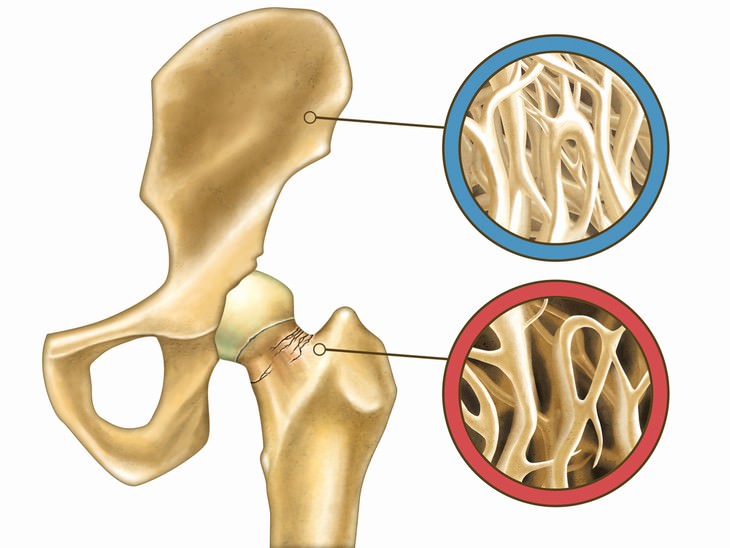
In specific cases, drinking a lot of milk may actually decrease bone density and cause osteoporosis.
  • Research has found that adult women who drank a lot of milk were more prone to bone fractures, maybe due to lactose and galactose contained in milk.
     
  • A different study concluded that osteoporosis and a higher incidence of bone fractures in elderly adults may be because they consumed a lot of dairy, animal protein, and calcium.

The picture below illustrates a healthy bone (in the blue circle) and a porous one, affected by osteoporosis (in the red circle).

cow's milk health facts osteoporosis

2. Teens and Adults with Acne

Milk may trigger or worsen acne symptoms.
  • A study found that teenagers with acne drank a lot of low-fat or skim milk. Dairy may cause adult acne as well. Although the reason is unknown, scientists believe it may be due to the carbohydrates and whey proteins contained in milk.

3. Kids and Adults Suffering from Allergies

Milk may be the most common food allergen in the world. Over 5% of children are allergic to cow’s milk, though some children may grow out of the allergy.

Sadly, it is possible for adults to develop a milk allergy as well.

cow's milk health facts allergy

The symptoms of a milk allergy are the following: 

  • skin reactions
  • wheezing
  • difficulty breathing
  • constipation
  • diarrhea
  • blood in stool

4. Eczema and Rosacea Sufferers

Eczema can be worsened or triggered by milk and dairy.
Dairy products and milk, in particular, may also cause rosacea in adults. If you find that you experience a flare-up of your skin condition when you drink milk, better exclude it from your diet.
cow's milk health facts

5. Lactose Intolerance and Sensitivity

It is estimated that about 75% of the world’s population is lactose intolerant to some degree, as estimated in a 2015 review article. Although most people with lactose intolerance can eat dairy in small amounts with no ill effect, bigger amounts of milk and dairy may cause digestive issues, such as:

  • bloating
  • vomiting
  • diarrhea
  • constipation.
A sensitivity to casein, one of the proteins found in milk, is another story. It is different from an allergy or lactose intolerance. It triggers inflammation in any part of the body, which exhibits itself in the form of the following symptoms: 
  • migraines
  • sinus congestion
  • acne flares or any other rash on the skin.

6. People Suffering from Cold Symptoms

Australian researchers suggested that consuming milk may worsen cold symptoms. In particular, it can make you phlegm thicker, which can cause further discomfort and irritation to an already-sensitive throat and nose.
It is a myth, however, that milk makes you produce more phlegm when you’re sick, it just feels that way because it is thicker.

7. People at Risk of Specific Cancers

Research suggests that milk consumption can be linked to prostate, breast and ovarian cancers. 

  • The risk of prostate cancer may increase with excess calcium consumption.
     
  • The sugars contained in milk may heighten the risk of ovarian cancer.
     
  • Cows given growth hormones that produced milk may increase the incidence of cancers of the reproductive organs and breast cancer among the consumers.


https://gscrochetdesigns.blogspot.com. one can see my crochet creations  

https://cancersupportindia.blogspot.com. feel free to view for easy, simple and health tips  
https://kneereplacement-stickclub.blogspot.com. for info on knee replacement