Showing posts with label highly nutritious. Show all posts

Friday, August 1, 2025

Jackfruit: A nutrient-dense food with immense potential

 Jackfruit: A nutrient-dense food with immense potential 

Jackfruit, a tropical fruit native to south India and belonging to the Moraceae family, is renowned for its unique flavour and exceptional nutritional value. While its fleshy bulbs are widely consumed, the seeds, often overlooked, hold tremendous nutritional and functional promise. As the global demand for plant-based and functional foods rises, jackfruit seed flour emerges as a valuable ingredient with diverse applications in food processing and human nutrition.

Jackfruit seeds are rich in essential nutrients such as carbohydrates, proteins, fibre, and vital micronutrients, making them an excellent candidate for flour production. They also contain significant levels of phytochemicals, particularly phenolic compounds, that contribute to their antioxidant capacity. Phytonutrients such as lignans, isoflavones, and saponins are present in jackfruit seeds and have been associated with numerous health benefits, including anticancer, antihypertensive, anti-inflammatory, and antiulcer properties.

One of the most notable bioactive compounds in jackfruit seeds is jacalin, a protein with immunomodulatory properties. This makes the seed not just a source of basic nutrition, but a potential nutraceutical. Furthermore, jackfruit seeds are abundant in carotenoids like all-trans-carotene, potent antioxidants that support eye health and help prevent chronic degenerative diseases such as cardiovascular disease, cancer, cataracts, and age-related macular degeneration.

Culinary and functional applications

Despite their nutrient richness, jackfruit seeds remain underutilised, often discarded due to high moisture content and limited awareness of their uses. However, they are versatile and can be consumed in various traditional forms, boiled, roasted, or included in curries and cutlets. To enhance shelf life and usability, the seeds can be processed into jackfruit seed flour, which serves as a sustainable, functional food ingredient.

Flour made from dried and roasted jackfruit seeds offers several culinary benefits. It can be used alone or blended with wheat or other grain flours to prepare chapatis, dosas, pancakes, biscuits, bread, cakes, and even noodles. When incorporated into these products, jackfruit seed flour not only maintains but often enhances texture, flavour, and nutritional value. Studies have shown that food items made with jackfruit seed flour score highly in organoleptic tests, including parameters such as taste, appearance, and overall acceptability.

Health benefits and functional uses

Jackfruit seed flour is high in complex carbohydrates and dietary fiber, promoting digestive health and sustained energy release, making it particularly useful for athletes and individuals recovering from fatigue or stress. It is also a source of plant protein, contributing to muscle repair and overall health in vegetarian and vegan diets.

In terms of medicinal properties, jackfruit seed flour exhibits antioxidant, antimicrobial, anti-inflammatory, antidiabetic, and antihypertensive activities. These attributes make it suitable for inclusion in therapeutic diets and health-oriented food products. Importantly, the flour has also shown potential as a gluten-free alternative, offering a safe and nutritious option for individuals with gluten intolerance or celiac disease.

Beyond its nutritional benefits, jackfruit seed flour offers a sustainable solution to agricultural waste. Given that jackfruit is abundantly grown in many tropical regions, processing its seeds into flour reduces post-harvest waste and adds economic value. It promotes full utilisation of the fruit, aligning with global goals for sustainable food systems and circular agriculture.

Jackfruit seed flour is a promising, underexploited functional food ingredient with a compelling nutritional profile and wide-ranging health benefits. Its versatility in food processing, combined with its therapeutic potential, makes it an ideal candidate for inclusion in health-conscious and speciality diets.

With increased awareness, innovation, and research, jackfruit seed flour could transform from a neglected by-product to a staple in modern, sustainable nutrition.

https://gscrochetdesigns.blogspot.com. one can see my crochet creations  

https://kneereplacement-stickclub.blogspot.com. for info on knee replacement

https://cancersupportindia.blogspot.com  for info on cancer and health related topics

https://GSiyers home remedies.blogspot.com   is the latest addition to my blogs


Thursday, November 25, 2021

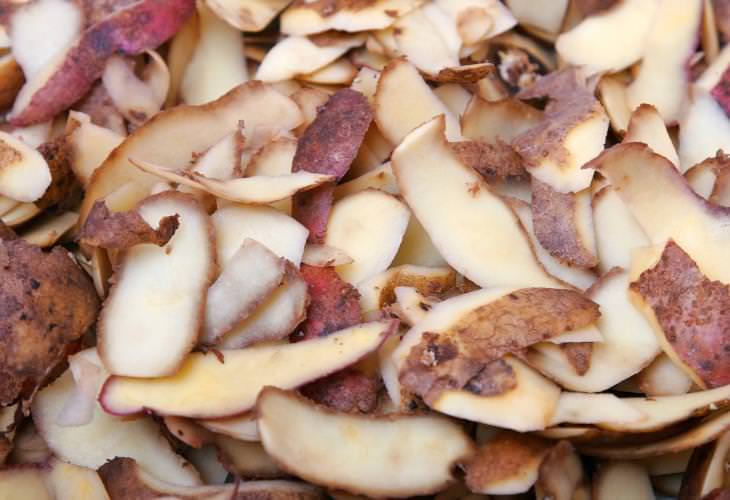
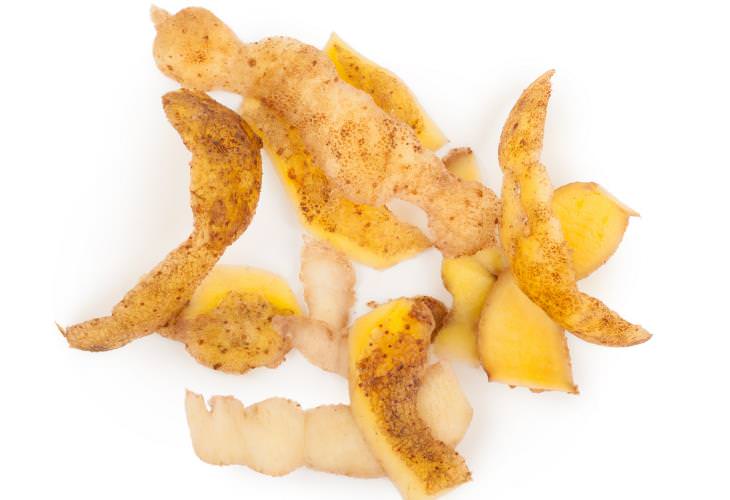
Potato Skins Have More Benefits Than You Can Imagine

One vegetable that’s available in almost every household across the world is the humble potato. This vegetable is adored all over the world for its versatility and taste. The number of dishes that can be prepared with a potato is endless! However, while preparing anything with potatoes, what is the first thing we do? We peel them and toss the peels into the bin. What good are they, after all... Right? But what if we told you that the skin is the most nutritious part of a potato? Not only that. Potato peels can also be beneficial for your skin and hair in a variety of ways!

Today, we will show you some surprising and little-known benefits of potato skins. Considering that potato peels are discarded as waste and not effectively utilized, you are likely to be shocked by the information below.

1. They are quite nutritious!
Health & Beauty Benefits of Potato Peels, dressing
For starters, the potato peel has a very impressive nutritional profile. By adding it to your diet, you will get a variety of vitamins and minerals. According to the USDA, 100 g of raw potato peels contains 83.3 g of water and gives 243 kJ of energy. Apart from that, the skins also include: 
Protein: 2.57 g 
Dietary fiber: 2.5 g 
Calcium: 30 mg 
Iron: 3.24 mg 
Magnesium: 23 mg 
Phosphorus: 38 mg 
Potassium: 413 mg S
odium: 10 mg 
Zinc: 0.35 mg 
Copper: 0.42 mg 
Manganese: 0.6 mg 
Selenium: 0.3 mcg 
Vitamin C: 11.4 mg 
Vitamin B3: 1.03 mg 
Folate: 17 mcg. 
 
2. Good for heart health  
Since potato peels are rich in potassium, an essential mineral for maintaining and regulating blood pressure, they are considered good for heart health. They are also loaded with magnesium and calcium, which, according to Harvard Medical School, also help control blood pressure. 
 
Furthermore, studies indicate that these peels have powerful radical scavenging, or antioxidant, activity because of chlorogenic and gallic acids – two dominant compounds that help maintain the health of your heart by reducing damage caused by free radicals. Recent research has shown that free radical damage may cause many chronic health problems, such as cardiovascular and inflammatory diseases. Antioxidants can prevent that damage, as they eradicate free radicals by neutralizing them.
 
3. They can help heal wounds
Potato peels contain terpenes and flavonoid organic compounds, both of which have been proven to prevent bacterial and fungal infections. Moreover, studies show the skins of this amazing vegetable can also be used for healing wounds and preventing bacterial growth. They do so by encouraging skin growth and supplying tensile strength to the wounded skin. 
 
In addition, potato peels can be used as an alternative for wound dressing because they moisturize the skin, not to mention that they are readily available, inexpensive, and easy to apply. 
 
4. They act as a natural hair coloring agent 
A little-known benefit of potato skins is that they can color grey hair. The peels contain several vital nutrients, such as iron, zinc, copper, calcium, potassium, niacin, and magnesium that help provide a natural look and color to your hair. So, if you're looking for a natural and eco-friendly way to dye your hair, just use potato peels.

5. Help lighten dark spots
Apart from antioxidant and antibacterial compounds, potato skins also contain phenolic compounds. Together, these compounds have a brightening effect on the skin. Meaning, they can help lighten dark spots on the skin or help reduce dark circles that appear under the eyes. 
 
All you need to do is collect some fresh potato skins and rub them over the dark spots for a few minutes. Alternatively, you can make a fine paste of the peels and rub them on the problem area every day. You should start seeing results in about three weeks! 
 
6. Anti-inflammatory and anti-allergy effects
Health & Beauty Benefits of Potato Peels, Anti-inflammatory and anti-allergy effects 
Potato skins are a natural source of a flavonoid called quercetin. Flavonoids are a group of natural substances found in fruits, vegetables, plants, and trees that are believed to protect against disease. The flavonoid quercetin has been shown to have an anti-inflammatory and antioxidant effect that protects the body against disease and infection. 
 
A 2016 study published in the journal Molecules showed that quercetin can be effective for treating bronchial asthma, allergic rhinitis, and peanut-induced anaphylactic reactions. The authors of the study also stated that quercetin is the main ingredient in several potential anti-allergy drugs. 
 
7. Can reduce glucose levels  
A study that analyzed the anti-diabetic effects of potato peels found that the dietary fiber and polyphenols in potato peel powder can help lower glucose levels when added to the diet for at least four weeks. Furthermore, the vegetable’s skin also helps limit free radical damage to the liver and kidneys and enhances their functions in people with diabetes.

Ways to Use Potato Skins
Now that we have established that potato peels are good for your health, how should we add them to our diet? Well, there are numerous recipes out there for making dishes with potato skins. But, you must first make sure that you are eating them in a healthy way. Otherwise, you won’t get their nutritious benefits. 
 
If you are looking for interesting ways to add potato skins to your diet, here are a few unique suggestions you might like: 
 
* Add them to your salads for a low-calorie healthy lunch. 
 
* Bake a potato without peeling off its skin and add salt and pepper, and very light simple toppings for a nutritious and delicious snack. For this, first put the potatoes in a 400 °F (204.4 °C) oven for an hour and let them bake until the flesh is very soft. Next, cut the potatoes down the middle and insert your favorite toppings. 
 
* Bake potato skins with sour cream, chives, and bacon for a yummy snack. 
 
* Rub the cleaned skins with olive oil and kosher salt and bake them until crispy.
 
How to Choose Potato Peels? 
 While potato skins are safe to eat, just make sure to wash them well before cooking to get rid of all the dirt. However, experts say that we shouldn’t eat a potato peel that’s turned green. Since potatoes grow underground, they start turning green when exposed to light. This green color appears because of chlorophyll pigmentation. When this happens, it leads to the formation of an alkaloid called solanine, which can be toxic to humans when consumed in large amounts. Therefore, it’s better to discard a potato that’s acquired a green tinge.


https://gscrochetdesigns.blogspot.com. one can see my crochet creations  

https://cancersupportindia.blogspot.com. feel free to view for easy, simple and health tips  
https://kneereplacement-stickclub.blogspot.com. for info on knee replacement