Showing posts with label butterscotch. Show all posts

Wednesday, October 15, 2025

I Asked 3 Experts Why Caramel, Butterscotch, and Toffee Taste So Different and Got Surprising Answers

Caramel, butterscotch, and toffee may all start with sugar and heat, but subtle changes in temperature and technique turn them into three entirely different confections.

 Side view of pouring caramel on sticky toffee pudding 

 The world of cooked sugar is a magical realm. The temperature to which sugar is heated, along with the ingredients it's combined with, can produce wildly different textures and flavors. Sugar crystals transform into many beloved confections through caramelization, the breakdown of sugars as they heat, changing both their color and flavor.

Caramel, butterscotch, and toffee are all made using the same cooking technique and are often mistaken for one another. These sweets demonstrate how subtle variations—such as the addition of milk, cream, or butter, and the precise temperature at which cooking is stopped—can produce different flavors and textures. 

To better understand the differences among caramel, butterscotch, and toffee, I spoke with Nathan Myhrvold, the author of Modernist Cuisine, and Nik Sharma, a Serious Eats contributor, cookbook author, and editor in residence at America's Test Kitchen. Here's what I learned about the differences, plus the best uses for each of these sticky sweets. 


Caramel

Ingredient: Granulated sugar
Cooking Temperature: Recipes range from about 250 to 350°F (121 to 175°C), depending on the desired result

Caramel is made by heating granulated sugar (white sugar) until it melts and caramelizes. There are two main techniques: dry caramel and wet caramel. Dry caramel is made by heating sugar on its own, without added liquids,  while wet caramel starts with sugar dissolved in water. The temperature you cook it to will determine the final flavor and texture: The longer the cook time the tk the flavor.  Luxurious caramel sauces and soft, chewy candies are created by adding cream and butter at the end of caramelization. 

Cooking caramel requires a watchful eye. Even the most experienced chefs have scorched or crystallized a batch. As sugar cooks, its flavors deepen and become more complex— but there's a fine line between beautifully caramelized and burned. Myhrvold recommends caramelizing sugar in a small pan to reduce the chances of burning, explaining that it can be difficult to heat a large pan evenly, resulting in parts of the sugar cooking too quickly. Making caramel well requires precision: Taking the sugar to just the right amber shade will reward you with rich,  nutty, and malty flavors.   

Carmel bubbling in a pan 

Sharma explains that sugar naturally wants to crystallize and will seize any chance to revert to that state during cooking. Adding acid, such as lemon juice or cream of tartar, can help stabilize the mixture by preventing crystallization. If your sugar does crystallize, the good news is it’s just sugar. If a batch goes wrong, toss it out and simply try again. 

Caramel is an incredibly versatile ingredient. As Myhrvold notes, how you intend to use it will determine the ingredients you add. Whisking cream into caramel at the end of cooking helps maintain a fluid consistency once cooled, which is ideal for sauces and incorporating into buttercreams. Iconic caramel-based desserts include caramel cake, tarte Tatin, crème caramel, and millionaire's shortbread

Closeup of a swirl of smooth caramel 

Butterscotch

Ingredients: Sugar (typically brown) and butter
Cooking Temperature: Approximately 234 to 265°F (112 to 129°C), depending on desired result

Butterscotch stands apart from other caramelized confections because it typically is made with brown sugar instead of granulated sugar, and butter is always included during the cooking process. As Sharma explains, brown sugar— which is either partially refined sugar that retains some molasses or white sugar coated with molasses—has a higher moisture content, which makes it more difficult to burn, and a natural acidity that makes it less prone to crystallization. 

Butterscotch can take many forms, including sauce, candy, or pudding. Butterscotch pudding is a classic preparation made by tempering egg yolks with milk or cream, then incorporating them back into the butterscotch base. Warm butterscotch sauce, with its viscous texture, is a great topping for cakes, ice cream, and other desserts. And of course, there are butterscotch hard candies—instantly recognizable by their canary yellow wrappers— which are made without milk or cream, so they have a less rich flavor than other butterscotch confections. 

To make butterscotch, you whisk butter and brown sugar together on the stove until it reaches your desired temperature: Cooking the mixture to the soft ball stage (234 to 240°F/112 to 115°C) will give you a pourable sauce; taking it to the hard ball stage (240 to 265°F/115 to 129°C) will provide you with chewy candies. 

Despite the inclusion of "scotch" in its name, there's no Scotch in butterscotch. Butterscotch reportedly originated in Yorkshire, England, in the mid-19th century. According to an entry in Britannica, "scotching" may refer to the practice of scoring the candy while still warm, making it easier to break into pieces once hardened. Others suggest it's simply a nod to Scotland. 

 20161208-butterscotch-pudding-vicky-wasik-11.jpg

 Toffee

Ingredients: Sugar (typically brown) and butter
Temperature:
Approximately 300 to 335°F (148 to 168°C)

Toffee distinguishes itself from caramel and butterscotch in one key way: It's typically served as a hard candy. The process begins much like butterscotch—by caramelizing sugar with butter—and then the mixture is taken to the hard crack stage of  300 to 335°F (148 to 168°C). The higher temperature produces a deeper, more complex flavor and gives toffee its signature nuttiness and brittle snap. When toffee is prepared as a sauce, as in sticky toffee pudding, the addition of molasses and/or heavy cream helps prevent it from hardening, resulting in a smooth, pourable consistency.

Toffee candies are often enhanced with chocolate or nuts, which complement its rich flavor. At Dandelion Chocolate in San Francisco, one of the most popular confections is their Cocoa Nib Toffee, coated in delicate, fruity 70% Zorzal Comunitario chocolate from the Dominican Republic. Pastry chef Zach Juliano explains that they make their toffee with a blend of brown and granulated sugars emulsified with local clover butter, which provides the confection with a more complex flavor than one made with just granulated sugar alone. The butter's fat content amplifies the sugar's nutty caramelized flavor, while the chocolate's fruitiness, paired with sea salt and cocoa nibs, helps round out the confection's sweetness. 

 A stack of peanut brittle pieces

Key Takeaways

Caramel, butterscotch, and toffee each showcase the magic of caramelized sugar, and reveal how variations in temperature, timing, and ingredients can lead to dramatically different results. 

Caramel is cooked to the highest temperature of the three, and is typically used as a sauce or flavor base for other desserts. It is usually made solely with granulated (white) sugar and develops a deep, rich complexity as it approaches the caramel stage.

Butterscotch is cooked to the lowest temperature and always includes butter. Brown sugar is typically used, giving butterscotch its signature sweetness and nutty flavor.  Butterscotch is often made into candies or sauces. 

Similar to butterscotch, toffee is made with butter and sugar but cooked to the hard crack stage, which gives it its brittle texture and deeper, more nuanced flavor. 

Cooking sugar requires patience and precision. A good candy thermometer, a watchful eye, and all your ingredients lined up before you start are essential. With a solid recipe and a bit of care, success with caramel, butterscotch, and toffee can be yours.


https://gscrochetdesigns.blogspot.com. one can see my crochet creations  

https://kneereplacement-stickclub.blogspot.com. for info on knee replacement

https://cancersupportindia.blogspot.com  for info on cancer and health related topics

https://GSiyers home remedies.blogspot.com   is the latest addition to my blogs


Saturday, January 28, 2023

These Exotic Fruits Taste Just Like Delicious Desserts

Don’t we all love dessert? A bowl of chilled ice-cream in the summer months can help brighten the mood as very few things can. However, as delicious as they are, desserts cannot be enjoyed regularly as they are unhealthy for the body. But what if we told you that there are completely natural and healthy fruit alternatives out there that taste just like creamy desserts? Sounds unbelievable? Well, you need to check out this list then.

You might have tasted numerous fruits in your life, but the ones mentioned below are some of the most exotic and incredibly delectable fruits produced by nature. What really sets them apart from other fruits is that they are healthy, and have a taste similar to that of flavored ice-creams. Check out some of these fruits that taste naturally like dessert. You might just be drooling by the end. 
 
1. Mangosteen
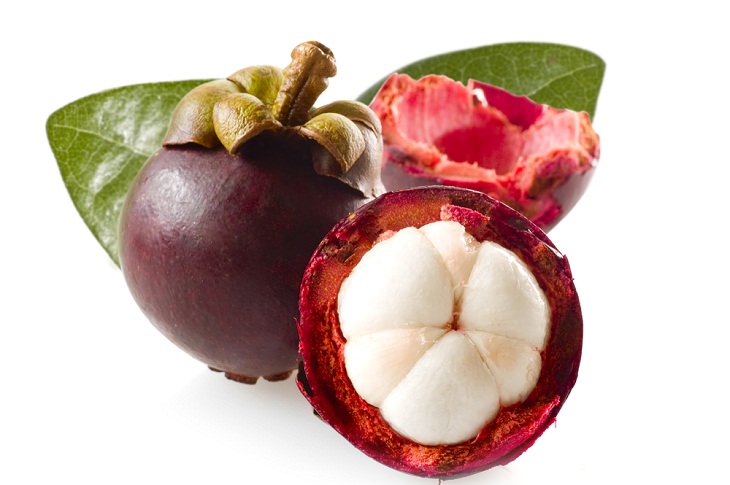
Fruits That Taste Like a Dessert, Mangosteen
Imagine having a dessert that tastes like a mixture of peaches and cream. Mangosteen is exactly that. Found primarily in Sri Lanka, Malaysia, and Indonesia, this fruit is rich in anti-carcinogenic properties and its potassium content is known to help in regulating blood pressure. Furthermore, Mangosteen is also a powerful anti-oxidant and contains properties that can help against allergies, skin disorders, and fatigue. 
 
Often called the 'Queen of Fruits', Mangosteen is the national fruit of Thailand and is widely used in the country for preparing a variety of desserts and smoothies. While the outer part of this fruit is thick, its inside is sweet and will feel like you are having a peach-flavored ice-cream. 
 
2. Blue Java Banana
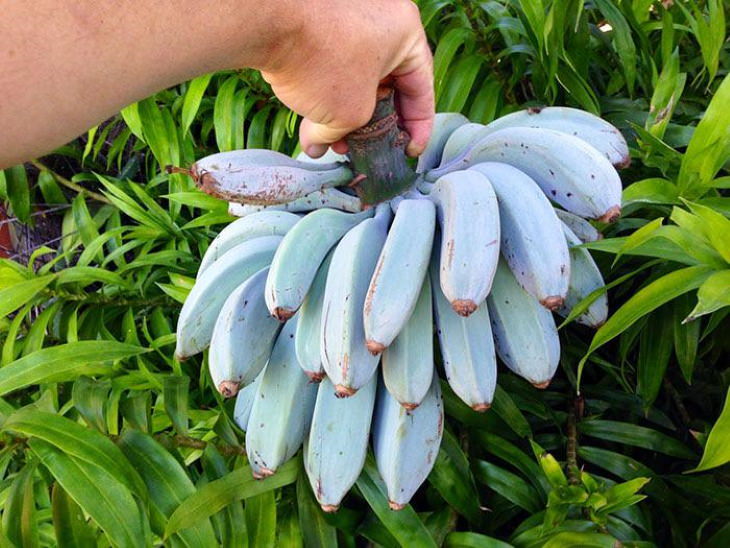
 Fruits That Taste Like a Dessert,  Blue Java Banana
Bananas are among the most common and most popular fruits worldwide. While there are plenty of varieties of this fruit, have you ever tried a banana that literally tastes like vanilla ice-cream? Yes, the Blue Java banana, also known as the Ice Cream banana, Hawaiian banana, Ney Mannan, Krie, or Cenzio, is considered the tastiest banana of the world because of its sweet, aromatic flavor and a consistency that is amazingly similar to vanilla ice-cream. It has a creamy and moist texture that makes it a delight to have. 
 
Found mostly in Fiji, California, and Central America, where the fruit is served as a refreshing dessert, the Blue Java banana also contains several antioxidants, vitamins B6 and C, along with plenty of potassium, magnesium, copper, manganese, and protein. 
 
3. Canistel
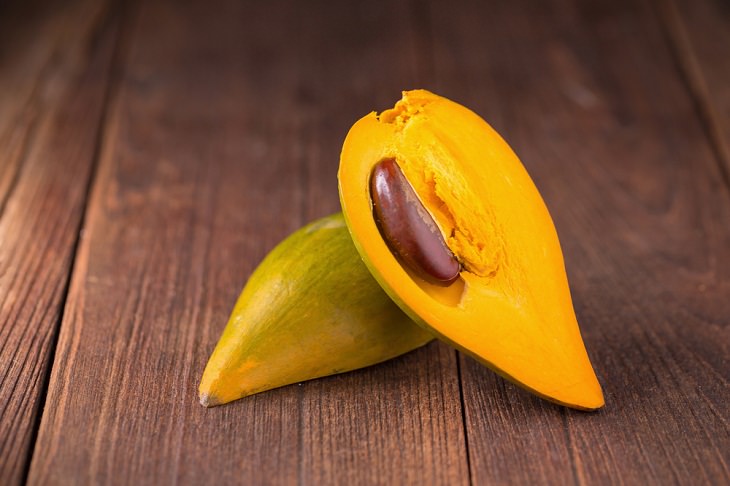
Fruits That Taste Like a Dessert, Canistel
Though it looks a bit like a mango from the outside, Canistel is a completely different fruit. Native to southern Mexico and cultivated in the Americas, Asia, and Africa, this fruit is also known as eggfruit because of its unique flesh that is bright egg yolk-yellow in color. When it becomes ripe, the canistel is smooth and custardy, very much like a hard-boiled yolk. The fruit can be enjoyed raw but a lot of people prefer having it with pepper, salt, and mayonnaise. 
 
Like most other fruits, the canistel is rich in vitamins, nutrients, and antioxidants and is also a great source of fiber. It has a sweet, mousse-like flesh making it a super healthy sugar substitute. Canistel also works wonderfully well in custards, ice cream, pie fillings, and pancakes. However, it tastes best when blended with milk or as a milkshake.  
 
4. Barhi Dates
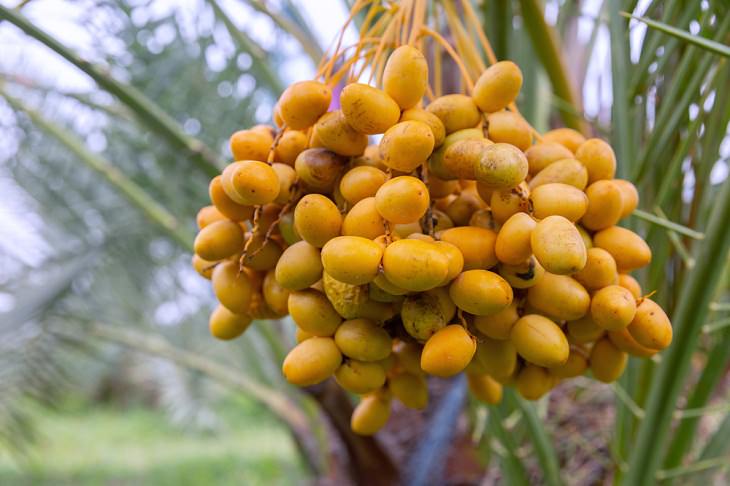
Fruits That Taste Like a Dessert,  Barhi Dates
Do you have a special liking for the butterscotch flavor? Then you must try Barhi dates. This unique fruit resembles butterscotch in taste mostly. However, its degree of sweetness varies according to its ripeness level. When it is semi-ripe, a Barhi date will be yellow and firm with a crunchy apple-like texture and will taste like coconut and cinnamon. As it ripens, the fruit turns brownish and soft and offers a rich butterscotch-like taste along with higher sugar content. These fruits are popular not just because of their special taste but also because of their chewy texture.
 
One of the best things about Barhi dates is that they add an exquisite sweet texture to several dishes. Furthermore, they can be refrigerated for months and can also be savored as tasty little candies. The Barhi date is generally eaten fresh and very rarely when it reaches its final dried, wrinkled stage.

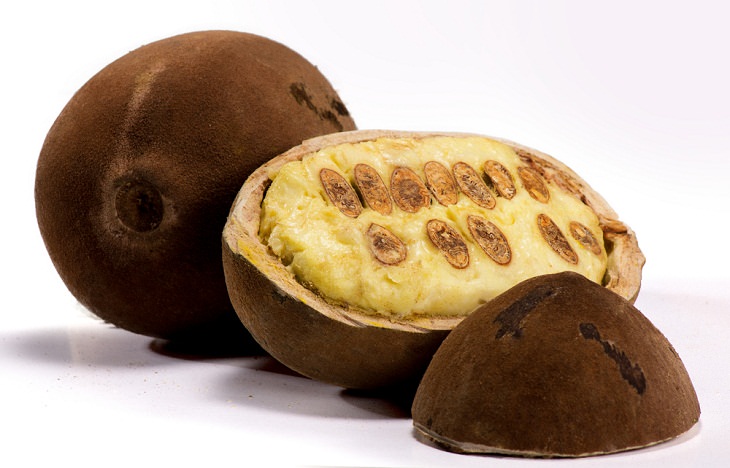
5. Cupuaçu
Fruits That Taste Like a Dessert,Cupuaçu
Cupuaçu is a nutrient-rich fruit that is related to the cacao tree. Also known as cupuassu, this fruit is native to the Amazon and is slowly becoming quite popular throughout Brazil. It has a fleshy, white pulp with a chocolaty, fruity flavor. The white pulp of the cupuassu tastes like a mix of melon or pineapple and chocolate. Because of its rich chocolaty flavor, cupuaçu is commonly used in desserts and even pressed into a juice. As it comes from the cocoa family, cupuaçu can be processed like cocoa to produce a large number of delicious treats. 
 
The seeds of the cupuaçu are beneficial and are known to cure abdominal pain. The unique fruit is now gaining popularity in other countries as well because it is a genuinely great alternative to chocolate and is also very healthy. 
 
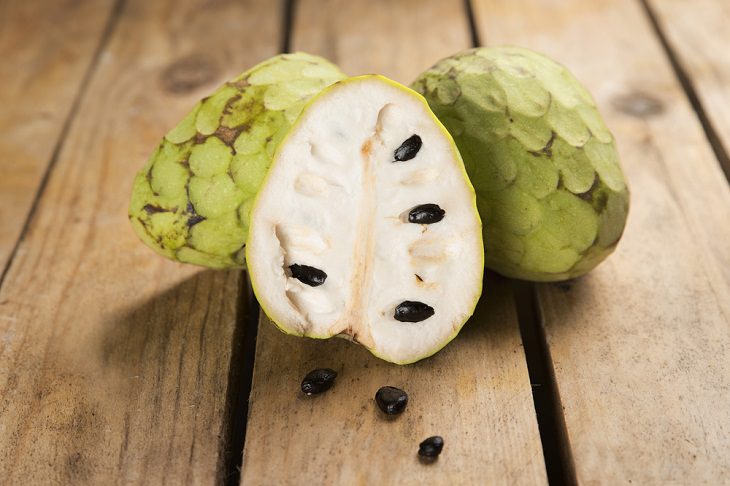
6. Cherimoya
Fruits That Taste Like a Dessert, Cherimoya
This is a green, cone-shaped fruit that has a scaly skin but is creamy and sweet. Cherimoya is believed to have originated in the Andes mountains of South America and is grown in tropical areas with high altitudes. Because of its creamy texture and sweet taste, the fruit is also called custard apple. Since it is creamy from inside, the fruit is generally eaten with a spoon and served as chilled custard. 
 
Cherimoya is also considered a wonderful alternative for pineapple-mango ice cream, as it offers the taste of both these fruits in a creamy form. The best way to enjoy this fruit is to let it ripen at room temperature and then refrigerate it. Apart from its pleasing taste, cherimoya is also rich in fiber, vitamins, and minerals.  
 
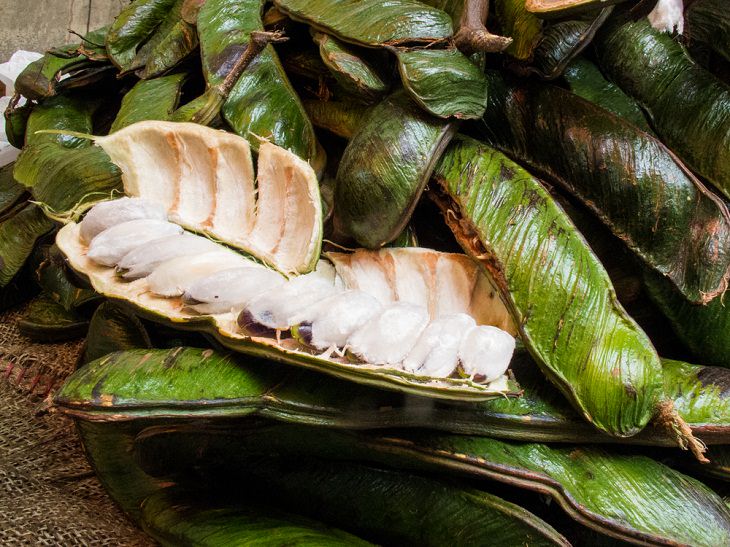
7. Ice Cream Bean
Fruits That Taste Like a Dessert,  Ice Cream Bean
As its name suggests, the ice cream bean is a fruit that has a flavor similar to ice-cream. While it looks like a tamarind pod from the outside, these fruits are more like two-meter long candy bars. The inside of the fruit contains numerous large purple-black seeds, lined up in one row, embedded in a tasty, translucent-white pulp. The spongy pulp has a sweet flavor that resembles the taste of vanilla ice cream. Its texture is that of chewy cotton candy with a juicy finish. 
 
The ice cream bean is native to Mexico in the north and the Amazon rainforest in the south. The fruit tastes best when eaten raw but is also used as a flavoring agent for many desserts. Apart from its scrumptious taste, the fruit is also known to help treat nerve problems, lower bad cholesterol, and boost immunity. 
 
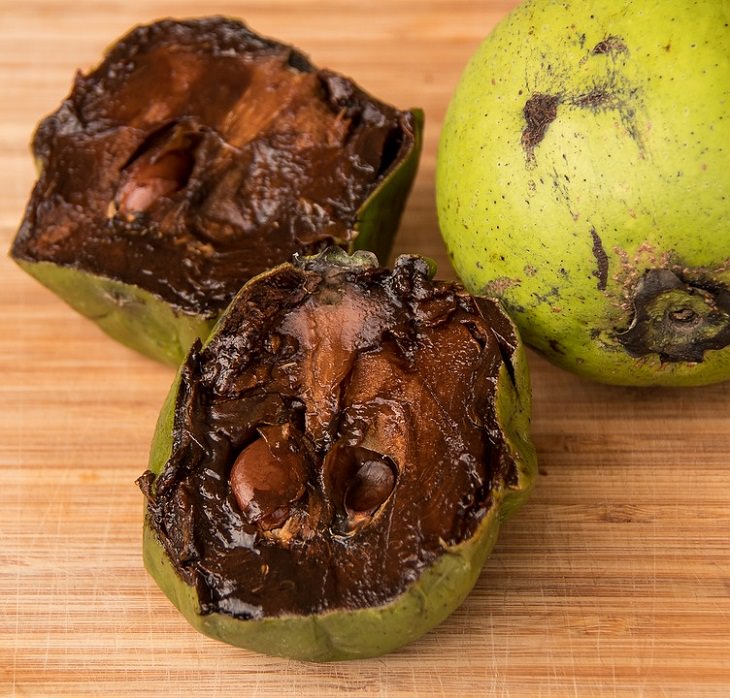
8. Black Sapote
Fruits That Taste Like a Dessert, Black Sapote
Popularly known as Chocolate Pudding Fruit, Black Sapote is a round squat fruit similar to a green persimmon. This delicious fruit has a dark brown, custard-like flesh along with a light flavor and a rich texture. Found in Mexico, the Caribbean, Central America, and Colombia, black sapote is often used with fruits like lemons and oranges to provide a more natural flavor and a nice filling for pies. 
 
In countries like the Philippines, the fruit is first deseeded, and then the pulp is served with citrus juices or mixed with milk for pudding. Mexicans, on the other hand, are known to mash the pulp of the black sapote fruit, mix it with brandy, and serve it with cream, making for an appetizing dessert. Once ripe, the black sapote fruit can be refrigerated for three to four days. Its sweet, custardy, chocolate-like flavor makes it perfect for having the fruit raw. It is indeed a healthy alternative for chocolate lovers.

https://gscrochetdesigns.blogspot.com. one can see my crochet creations  

https://cancersupportindia.blogspot.com. feel free to view for easy, simple and health tips  

https://kneereplacement-stickclub.blogspot.com. for info on knee replacement

https://GSiyers home remedies.blogspot.com     is the latest addition to my blogs.

Saturday, January 9, 2021

2) Bread Pudding

Ingredients

10 Servings

Butterscotch Sauce

1 cup (packed) light brown sugar

½ cup light corn syrup

3 tablespoons unsalted butter

1 1/2 teaspoons kosher salt

½ cup heavy cream

1tablespoon bourbon (optional)

Pudding

1pound day-old rustic white bread, crusts removed, cut into 1/2” cubes (12 cups)

½ cup (1 stick) unsalted butter, melted

2 tablespoons plus 1 1/2 cups sugar

5 large eggs

4 cups heavy cream

11/2 tablespoons poppy seeds

Pinch of kosher salt

3 tablespoons bourbon

½ vanilla bean, split lengthwise

2 cups pecan pieces

Preparation

Butterscotch Sauce

Step 1

Bring brown sugar, corn syrup, butter, and salt to a boil in a medium saucepan over medium-high heat, whisking to dissolve sugar. Boil until mixture is syrupy and measures 1 1/2 cups, about 3 minutes. Remove from heat; add cream and bourbon, if desired, and stir until smooth. Let cool. DO AHEAD: Can be made 3 days ahead. Let cool completely, cover, and chill. Rewarm before serving.

Pudding

Step 2

Toss bread, melted butter, and 2 tablespoons sugar in a large bowl and set aside. Using an electric mixer, beat eggs and remaining 1 1/2 cups sugar in another large bowl until pale yellow and fluffy, about 3 minutes. Add cream, poppy seeds, and salt; beat to blend. Place bourbon in a small bowl; scrape in seeds from vanilla bean (reserve bean for another use). Whisk to distribute seeds, then add to egg mixture, whisking to blend well. Pour egg mixture over bread mixture in bowl. Add pecans and toss to coat well. Transfer mixture to a 13x9x2” glass or ceramic baking dish, spreading out in an even layer. Cover with plastic wrap and chill overnight.

Step 3

Preheat oven to 325°. Remove plastic wrap and bake until top is browned in spots and a tester inserted into center comes out clean, 1 1/4–1 1/2 hours. Serve bread pudding with butterscotch sauce.


https://gscrochetdesigns.blogspot.com. one can see my crochet creations  

https://cancersupportindia.blogspot.com. feel free to view for easy, simple and health tips  
https://kneereplacement-stickclub.blogspot.com. for info on knee replacement