Showing posts with label essential oils. Show all posts

Thursday, August 31, 2023

From Grime to Tarnish, these Natural Cleaning Solutions Actually Work 2

Essential oils
Essential oil
Consisting of the extraction of plants, some essential oils can kill bacteria and mold. As they tend to be very strong, you need not go overboard either. In fact, some oils like peppermint are so potent, that one drop of oil is equivalent to 30 cups of peppermint tea.
 
Combs and brushes: Soak combs and brushes in an essential oil blend for about 20 minutes, by filling a container with 1 1/2 cups water, 1/2 cup distilled white vinegar and 20 drops tea-tree, lavender or eucalyptus oil. 
 
Scuffed floors: Just apply two to four drops of tea-tree oil to the spots, wiping any excess oil with a cloth and rubbing it in distilled white vinegar. 
 
Toothpaste  
Standard toothpaste (paste not gel, free from tartar control and whitening), combined with a mild detergent and an antibacterial agent make a potent stain-fighter.
 
Tarnished silverware: Add a dab of toothpaste on a soft cloth and rub it onto the tarnish, then rinse with water and dry with a clean cloth.


Cooking oils
 
 Olive oil
Vegetable and plant based oils are great cleaning alternatives, particularly olive and sunflower oil which may be used to dislodge dirt, diminish scratches and imperfections as well as hydrate wood that has aged or dried out from exposure to the sun. 
 
Cast iron pans: Use vegetable oils to make a scrubbing paste by combing them with a teaspoon of coarse salt. This easy blend may be used to combat cooked-on debris, which can then be rinsed off with hot water. 
 
Leather shoes: First, wipe away any dirt with a damp cloth, then add a drop of vegetable oil to a soft cloth, rubbing the surface to remove scuff marks. Make your shoes shine by buffing them with a chamois cloth. 
 
Borax  
Borax can be used alongside your detergents, making your load cleaner. As it is rather alkaline, borax may also be used to kill mold and fungus.

Pots and pans: Borax may be rubbed into cookware with a damp sponge, then rinsed well. 
 
Toilet: Just pour borax in the bowl, letting it sit overnight. In the morning, swish the bowl a few times with a toilet brush and flush.  
 

Baking and washing soda
Baking Soda
Also known as sodium bicarbonate and sodium carbonate, absorbs odors. Word of caution: when handling washing soda, wear rubber gloves.
 
Garage floors (and other concrete surfaces): Pour washing soda on top of oily and greasy spots, sprinkling with water until a paste forms. Let it stand overnight, then the next day scrub with a damp brush, hose it down and wipe clean. 
 
Grills and barbecue utensils: Tough grease stains may be removed by dipping a moist stiff-bristled brush in washing soda, and scrubbing away.

https://gscrochetdesigns.blogspot.com. one can see my crochet creations  

https://cancersupportindia.blogspot.com. feel free to view for easy, simple and health tips  

https://kneereplacement-stickclub.blogspot.com. for info on knee replacement

https://GSiyers home remedies.blogspot.com     is the latest addition to my blogs.
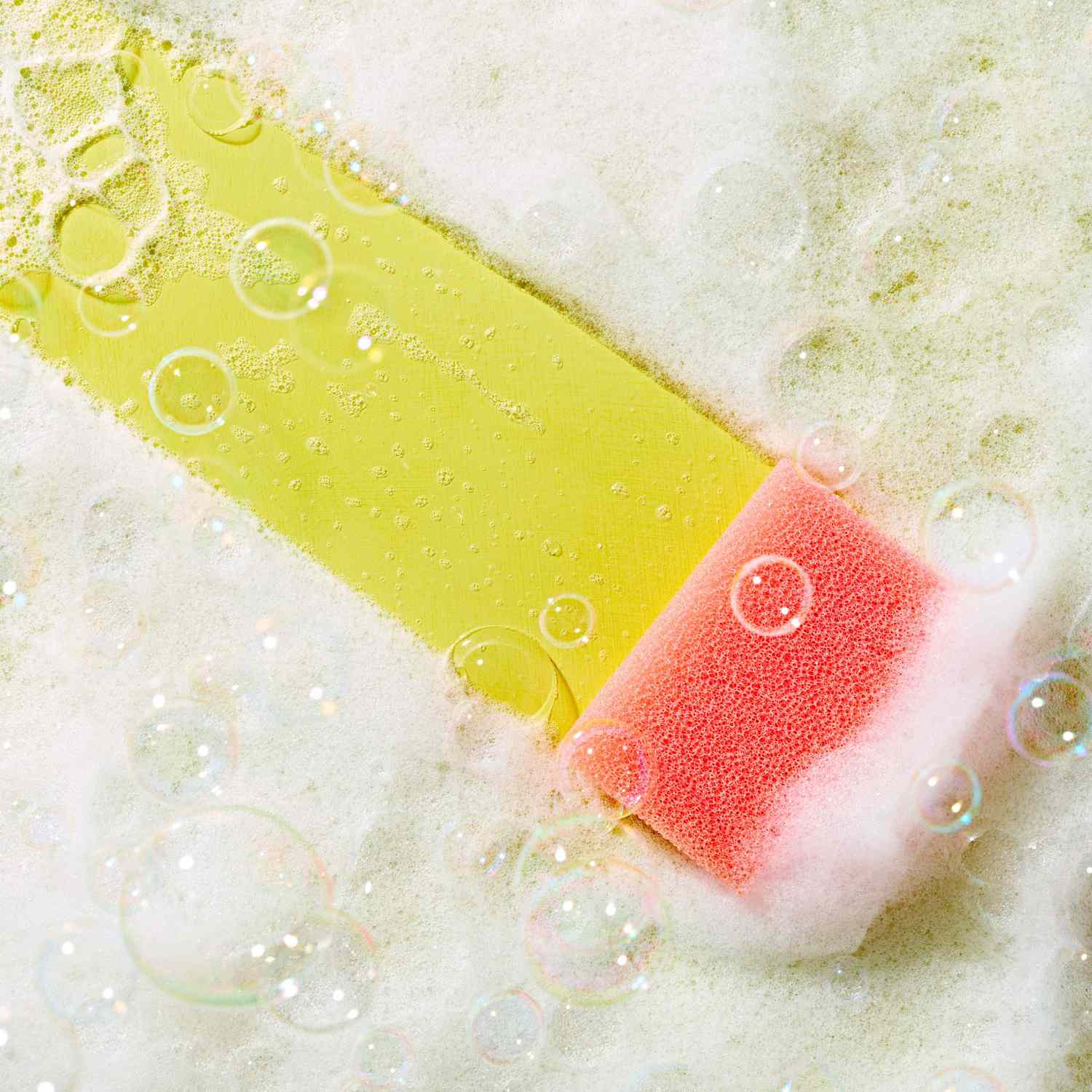
Friday, April 23, 2021

The Down & Dirty on Supplies

Brush up on the powers—and limitations—of your cleaning staples.

Vinegar

Does: Sanitize.

Yeah, the stuff you use for salad dressing is also great at slashing bacteria. “You can go a long way toward reducing organisms by rubbing a surface with distilled white vinegar and water,” says a clinical professor of microbiology and pathology.

Doesn’t: Disinfect.

To disinfect, an ingredient must kill nearly all the microbes on a surface, which vinegar does not do. It’s strongest (and, unfortunately, smelliest) in its undiluted form, says a microbiologist. The more water you add, the less effective it becomes.

Good to know:
You can use a vinegar-and-water solution on some kitchen and bathroom countertops, on glass, and in the washing machine, but avoid using it on marble, granite, stone, and wood, because the acidity can damage the surface. To lift stuck-on grime, add baking soda to your vinegar solution and watch it bubble up.

Essential Oils

Do: Make DIY cleaners smell great.

“Essential oils help vinegar-based cleaning solutions become a bit more pleasant, especially if you’re new to green cleaning,” says a cleaning expert. Choose oils labeled “100 percent pure”, she adds, to make sure they don’t contain unnecessary additives.

Don’t: Always sanitize or disinfect. Studies have shown that clove and cinnamon essential oils may possess antibacterial properties, but they’re not powerful enough to be the only sanitizing agent in DIY cleaning solutions. If you’re looking for an essential-oil-based product that can serve as a natural disinfectant (and not just a sanitizer), go for one with thyme oil as the active ingredient, Tierno suggests.

Good to know:
If you want to keep your cleaning routine completely au naturel, remove the very top layer (avoiding the pith) from an orange or lemon with a vegetable peeler. Add it to your spray bottle of vinegar water for a pleasant aroma.

Credit: Ted + Chelsea Cavanaugh

Chlorine Bleach

Does: Disinfect.

No DIY solution disinfects quite as well as bleach, and even some experts who clean mostly green have it on hand. “Under my sink right now, you’ll find baking soda, vinegar, dish soap, and a bottle of bleach,” says an expert. To properly disinfect surfaces after you or a housemate gets sick, use one-third cup of bleach per gallon of water. To disinfect after handling raw meat, use one tablespoon of bleach per gallon of water.

Doesn’t: Immediately result in environmental catastrophe—at least with careful, every-once-in-a-while household use. Bleach can be harmful in high concentrations, but a bit of bleach diluted with water going down your drain is acceptable.

Good to know:
Nonchlorine bleach is gentler than chlorine bleach (it uses hydrogen peroxide to lift stains from clothing). However, there are no nonchlorine bleach products registered as disinfectants with the environmentalists.

Steam

Does: Sanitize without the use of chemicals.

Superheated vapor is the ultimate green cleaner because it’s just water, says Donna Smallin Kuper, a certified housecleaning technician. It can significantly reduce bacteria (the high temps essentially incinerate them), and the hot moisture loosens embedded dirt and grime, letting you use less elbow grease.

Doesn’t: Work everywhere.

On painted surfaces, like walls and furniture, steam can cause peeling. On certain other surfaces, like brick, marble, and wood, it can lead to buckling or warping.

Good to know:
You can sanitize floor tiles with a steam mop.  Allergy sufferers may benefit from steam cleaning, as the process helps kill dust mites.

Microfiber Cloths

Do: Clean better than paper towels or cotton rags.

As the name implies, microfiber cloths are made up of teeny-tiny synthetic fibers, each of which helps pick up more debris than that wad of paper towels. They can also leave windows streak-free, whereas cotton rags may deposit lint.

Don’t: Biodegrade.

When you wash them, they can shed microscopic strands of plastic that end up in our waterways. Consider installing a Filtrol in your washing machine to catch those fibers and minimize pollution from all your laundry.

Good to know:
Cotton cleaning cloths and cellulose-cotton Swedish dishcloths are sustainable and biodegradable (when they eventually wear out).

Credit: Ted + Chelsea Cavanaugh

Disposable Wipes

Do: Disinfect when you’re in a pinch.

(We agree: Keeping a tub of these in your car is incredibly convenient.)

Don’t: Decompose.

Most cleaning wipes are not bio-degradable and can clog up sewer systems. In 2017, an 820-foot-long “fatberg,” or huge mass of solid waste containing sanitary products (like wipes) and cooking grease, was discovered in a London sewer.

Good to know:
A reusable cloth without disinfectant is a fine option for routine cleaning, according to the environmentalist.

Triclosan

Does: Kill microbes.

For decades, it’s been a popular additive to products like soap and toothpaste.

Doesn’t: Keep you safe from all dangerous strains of bacteria.

A few studies have suggested that when exposed to triclosan, bacteria can become resistant to antibiotics. Triclosan was banned by the FDA, but only from certain soaps.

Good to know:
The FDA requires manufacturers to list ingredients. Companies like Procter & Gamble and SC Johnson post ingredients online. Rapinchuk suggests also researching items on third-party sites (such as ewg.org) or apps (Think Dirty, Shop Clean). Products with the Green Seal, Greenguard, or EPA’s SaferChoice logo have been certified safer for people and the planet.

Waste Less

In addition to cutting back on wipes, focus on the number of packaged cleaners you own and what you can live without or DIY instead. Consider using up what you have, even if it’s not a product you’d purchase again, then thoroughly clean spray bottles and fill them with your homemade solutions, suggests cleaning expert Melissa Maker. If you want to immediately get rid of the packaged goods, ask a friend or neighbor if they would like to finish them. Recycle whatever you can—check with your local recycling program on how to handle different types of plastics or aerosols.

https://gscrochetdesigns.blogspot.com. one can see my crochet creations  

https://cancersupportindia.blogspot.com. feel free to view for easy, simple and health tips  
https://kneereplacement-stickclub.blogspot.com. for info on knee replacement


Friday, October 9, 2020

100% Natural Home Fragrance

We all love good smell. Wish our homes to be smelling good, as that itself spread positive energy. In stead of buying chemical fragrance, you can make you own now. All the best.

How does it work? To make a 100% natural and nontoxic home scent, fill a small canning jar with baking soda and stir in 10 to 20 drops of your favorite essential oil (we used lavender). The jar can be sealed when you need a break from the scent, and more essential oil can be added to renew it. 
 
The Result: This fragrance dispenser made the house smell lovely without being overwhelming. It is completely safe and chemical-free, so you may even place it in the children’s room.
 
https://gscrochetdesigns.blogspot.com. one can see my crochet creations  

https://cancersupportindia.blogspot.com. feel free to view for easy, simple and health tips  
https://kneereplacement-stickclub.blogspot.com. for info on knee replacement

Monday, March 23, 2020

From Grime to Tarnish, these Natural Cleaning Solutions Actually Work

Common household items like salt and baking soda could be used to tackle countless chores around the home, in fact, you wouldn't believe just how much you could get done around the house with these cheap and widely available items.

Lemons

A fantastic cleaning agent that can be used to remove dirt and rust stains (due to its acidic nature). Cleaning with lemons becomes especially effective when mixed with salt, making an excellent paste.

Countertops: Cut a lemon in half and dip it in baking soda, using it to clean over a countertop, then wipe with a wet sponge and dry. Lemons should not be used on delicate stone, like marble or on stainless steel as it may cause discoloring.

Dishes
: This fantastic alternative may be used alongside your dishwashing detergent, increasing its grease-cutting power. Simply add a teaspoon of lemon juice.


Liquid Castile Soap

This plant-based soap is effective at loosening grime and dirt from surfaces. It is gentler too, so it won't leave the surfaces looking dull or damaged.

Sinks, showers, tubs and ceramic tiles: This soap may be used to create a homemade soft scrubber by combining 1 tablespoon with 1/3 cup baking soda.

Stovetop and vent hood: A few squirts of liquid Castile soap mixed with 2 cups hot water can be used to clean the stovetop, burners and vent hood, cutting through accumulated grease.


Table salt

If anything in your house needs a little polish, salt's granular texture makes for a beneficial cleaning agent. Any type of salt may be used, including sea or kosher salt, but table salt will be your cheapest option.


Spills in the oven: Don't you just hate it when that casserole bubbles over when you take it out of the oven? A great way to clean the mess up without having to scrub your oven tray is to pour salt on the spill to soak it up. Once the oven has cooled down, wipe with a damp sponge.


Vinegar

The benefits of cleaning with vinegar are plentiful, as it has the ability to wipe out tarnish, soap scum, mineral deposits and other grimy substances. Its acidic nature also creates an environment that inhibits the growth of mold, mildew and some bacteria such as E. coli and salmonella.

Drains:
Use vinegar to clean drains and the pipes they are attached to by pouring the liquid down the drain. After about 30 minutes, flush with cold water.

Floors: 1/4 cup vinegar, added to a bucket of warm water may be used to clean almost any type of floor, except marble, as it can scratch it, or wood, as it can strip it. 

Essential oils

Consisting of the extraction of plants, some essential oils can kill bacteria and mold. As they tend to be very strong, you need not go overboard either. In fact, some oils like peppermint are so potent, that one drop of oil is equivalent to 30 cups of peppermint tea.

Combs and brushes: Soak combs and brushes in an essential oil blend for about 20 minutes, by filling a container with 1 1/2 cups water, 1/2 cup distilled white vinegar and 20 drops tea-tree, lavender or eucalyptus oil.

Scuffed floors: Just apply two to four drops of tea-tree oil to the spots, wiping any excess oil with a cloth and rubbing it in distilled white vinegar.
 

Toothpaste

Standard toothpaste (paste not gel, free from tartar control and whitening), combined with a mild detergent and an antibacterial agent make a potent stain-fighter.

Tarnished silverware: Add a dab of toothpaste on a soft cloth and rub it onto the tarnish, then rinse with water and dry with a clean cloth.


Cooking oils

Vegetable and plant based oils are great cleaning alternatives, particularly olive and sunflower oil which may be used to dislodge dirt, diminish scratches and imperfections as well as hydrate wood that has aged or dried out from exposure to the sun.

Cast iron pans: Use vegetable oils to make a scrubbing paste by combing them with a teaspoon of coarse salt. This easy blend may be used to combat cooked-on debris, which can then be rinsed off with hot water.

Leather shoes: First, wipe away any dirt with a damp cloth, then add a drop of vegetable oil to a soft cloth, rubbing the surface to remove scuff marks. Make your shoes shine by buffing them with a chamois cloth.


Borax

Borax can be used alongside your detergents, making your load cleaner. As it is rather alkaline, borax may also be used to kill mold and fungus.

Pots and pans: Borax may be rubbed into cookware with a damp sponge, then rinsed well.

Toilet: Just pour borax in the bowl, letting it sit overnight. In the morning, swish the bowl a few times with a toilet brush and flush.


Baking and washing soda

Also known as sodium bicarbonate and sodium carbonate, absorbs odors. Word of caution: when handling washing soda, wear rubber gloves.


Garage floors (and other concrete surfaces): Pour washing soda on top of oily and greasy spots, sprinkling with water until a paste forms. Let it stand overnight, then the next day scrub with a damp brush, hose it down and wipe clean.

Grills and barbecue utensils: Tough grease stains may be removed by dipping a moist stiff-bristled brush in washing soda, and scrubbing away. 


https://gscrochetdesigns.blogspot.com. one can see my crochet creations  

https://cancersupportindia.blogspot.com. feel free to view for easy, simple and health tips  
https://kneereplacement-stickclub.blogspot.com. for info on knee replacement

Sunday, June 11, 2017

Simple Home Freshener

To make this you will need 1/2-1 cup of salt and 20-30 drops of any essential oil or rose petals. Simply arrange all of your ingredients in a bowl or jar, and get ready to enjoy your fresh-smelling home. You can also use the peel of half an orange as a natural bowl.
 
those interested in cancer and health related topics are free to see my blog-
http://cancersupportindia.blogspot.com/
 for crochet designs, my blog, those who like a particular design are free to mail me
http://My Crochet  Creations.blogspot.com

For info. about knee replacement, be free to view my blog-
http://knee replacement-stickclub.blogspot.com