Showing posts with label hemp. Show all posts

Thursday, September 18, 2025

The Best Plant Milks to Pair With Coffee and Foods

Plant milks, such as almond milk, oat milk, the now-classic soy milk, and others have experienced a rapid rise in popularity worldwide. People switch to plant milk for health reasons, moral reasons and just for the heck of it, and who are we not to encourage experimentation? So, if you’re trying out plant-based milks, either as an experiment, or because you decided to give up dairy altogether, one thing you’ll notice pretty soon is that one plant-based milk cannot replace cow's milk completely. Not to say that plant milks are a one-trick pony, but different plant milk varieties do work best for different tasks, and in this article, we’d like to explain which plant milks are best cut out for which task.


What are plant milks? Plant Milks Suitable for Every Task different plant based milks in bottles
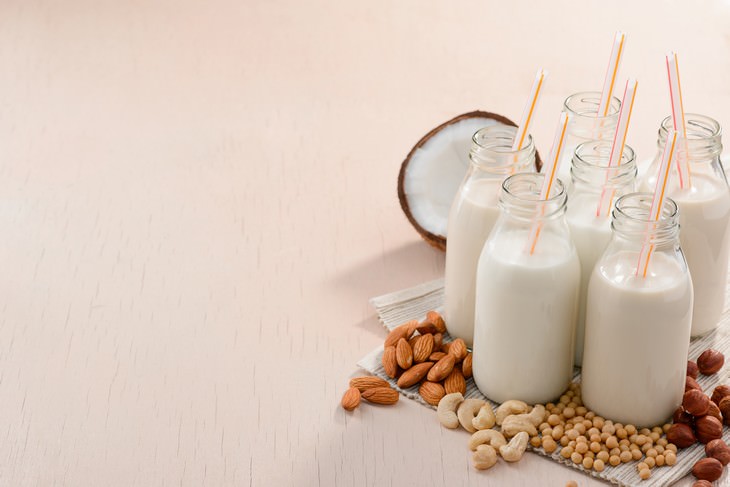
 Plant milks are essentially plant-based drinks and not milk per se, but they’re referred to as milk because they are marketed as alternatives to dairy. These can be made of a variety of plants: 

Grains (e.g. rice, oats, quinoa) 
 
Nuts (e.g. almonds, hazelnuts, coconuts, cashews, macadamia) 
 
Seeds (e.g. chia seeds, hemp seeds) 
 
Beans (e.g. soybeans, peas). 
 
Mixes of two or more kinds of milk are also popular. Different plant milks will have different nutritional content and can be sold sweetened or unsweetened, all of which will be specified on the packaging of a given product. Because of this variability in nutrients, it’s difficult to assess how healthy plant milks are overall compared to cow’s milk, but we did compare and contrast popular milk varieties in this article: Pros and Cons – Which Milk is Best for You? 
 
Also, keep in mind that not all plant milks will be suitable for everyone, and if you’re allergic to nuts or gluten, some kinds of milk will not be the best for you, so make sure you check the ingredients of each product before consuming or even purchasing it. Finally, in this article, we focused on more affordable and widely available plant milk options because they’re more accessible to consumers. 
 
The Best Plant Milks to Pair With Coffee (and Other Warm Drinks)
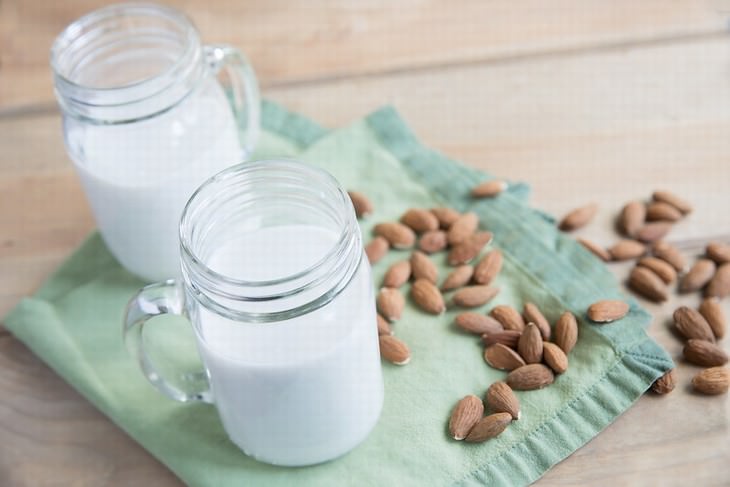
Replacing milk or creamer with an equally creamy and frothy plant-based alternative is one of the biggest challenges. In the end, it all boils down to your personal taste, but we do want to give you tips and options, and here are our top picks: 
 
1. Oat Milk is an excellent one to use with coffee because it has a neutral taste and can be whipped up in a nice latte or cappuccino. Also, it’s one of the most sustainable and widespread milk varieties, so it’s double, no - even a triple win. 
 
2. Coconut Milk makes some of the best dairy-free cappuccinos, as it is creamy and can be easily whipped up with no extra effort. It also obviously tastes like coconut, which can be both a good and a bad thing, as those of you who enjoy specialty coffee varieties may find coconut milk a bit overpowering, but those who love coconut will love the taste. 
 
When choosing coconut milk, it’s best to go for the bottled variety, and not the ones that come in cans, as the last one can be a bit too fatty and tends to separate when combined with steaming hot coffee.

3. Soy Milk is also an excellent choice for coffee drinkers, as it has a relatively neutral taste and can be whipped up. It’s also widely available and inexpensive compared to other plant milks. Soy milk is the most nutritionally similar to all plant milks to cow’s milk and is a good source of protein. 
 Plant Milks Suitable for Every Task
 
4. Almond Milk is another suggestion for coffee lovers. You won’t be able to fluff it up as you would the other plant milks listed here, but it’s benefit is that it has a neutral taste and silky texture, so it will complement many coffee varieties. Highly acidic coffee varieties can emphasize the natural bitter aftertaste of almonds, but this is easily salvageable with a dash of sweetener and it doesn’t happen with all almond milk varieties available on the market or homemade almond milk. 
 
 
5. Cashew Milk is our final suggestion. It's very similar to almond milk, but is a bit more full-bodied and has a less nutty taste, which makes it perfect for lattes.


Plant Milks That Go With Cereals and Oatmeal
Plant Milks That Go With Cereals and Oatmeal Plant Milks Suitable for Every Task granola with soy milk Like If you’re concerned that you won’t be able to have your usual morning cereal, granola or oatmeal when you go dairy-free, don’t be, as all three pair perfectly well with a wide range of plant-based milks. 
In fact, we’d venture out to say that plant milks are superior to cow’s milk, as they can add a twist to your ordinary breakfast and make it more variable and interesting. 
 
In our opinion, these are the best plant milk options to pair with cereal and oatmeal: 
 
1. Coconut Almond Milk is my personal favorite to add to granola or cereal simply because it spices up an otherwise bland breakfast without being too overpowering. It also pairs ridiculously well with fruit, especially bananas or mangoes. 
 
2. Almond Milk, (or Oat Almond Milk) is the best to prepare cereal, as it’s fatty enough to make your cereal creamy, but simple enough not to overpower the taste of oats.

3. Hazelnut Milk is an interesting one as well, as it tastes just like Nutella if combined with a bit of dark chocolate, but healthier, and who doesn’t want to have Nutella for breakfast? Hazelnut milk pairs so well with cereal, granola, and oatmeal because it imparts a nutty, simply delicious flavor to any breakfast. It’s also used in baking, but it’s a bit pricey.
 
We wouldn't recommend milks that are too rich or too watery to pair with cereal, granola or oatmeal, so it's best to reserve rice milk, coconut milk, cashew milk and soy milk for other tasks.

The Best Plant Milks for Cooking and Baking 
 
The options of using plant-based milks in cooking and baking are limitless. You can add them into smoothies, soups, and curries, or use them to make the fluffiest pancakes and bake the most delicious desserts. For a few delicious examples, check out this dairy-free recipe of Healthy Carrot and Nut Muffins or this finger-lickin' good Thai Coconut Soup. 
 
When choosing plant milk for cooking or baking, look for the more inexpensive and neutral milk varieties that will be the closest to cow’s milk so that you can simply substitute it in any recipe, with the obvious example of coconut milk that’s traditionally used in many Asian recipes.

Here are our plant milk recommendations: 
 
1. Soy Milk is suitable for cooking and baking because it’s so thin and similar to cow’s milk. Apart from that, it’s the only plant milk we know of that can be turned into buttermilk, just like cow’s milk, which makes it invaluable for baking. Finally, soy milk is relatively affordable, which is an important consideration, since you typically use a lot of it when baking or cooking. 
 
2. Rice Milk is thin and has a very neutral taste, which makes it a suitable option for baking and cooking as well. Another reason to choose rice milk is that it’s the least likely of all milks to cause food allergies, since both it’s nut-free and gluten-free.
 
3. Oat Milk is affordable and has a thin consistency that’s very similar to skim milk. Compared to cow’s milk and most plant milks, it has more protein and fiber, slightly more calories and less fat. Since oat milk has a slightly sweet, yet very bland taste that’s similar to cow’s milk, it works very well for both cooking and baking. 
 
4. Hemp Milk is an interesting, yet somewhat more difficult to get and pricey choice. Still, some people swear by it in pastries and baking in general, plus it’s among the healthiest options out there, since it’s rich in essential omega-3 fatty acids that support good brain and heart health.


https://gscrochetdesigns.blogspot.com. one can see my crochet creations  

https://kneereplacement-stickclub.blogspot.com. for info on knee replacement

https://cancersupportindia.blogspot.com  for info on cancer and health related topics

https://GSiyers home remedies.blogspot.com   is the latest addition to my blogs


Thursday, June 12, 2025

From flax seeds to pumpkin seeds: Types of conditions that they can cure

Seeds have quietly played a powerful role in traditional remedies and everyday health routines for centuries. From Ayurveda to modern nutrition, these tiny wonders have always packed a punch. Each seed comes with its own set of benefits, some help soothe chronic conditions, others protect the body at a cellular level. While not magic bullets, they do support healing and prevention naturally and gently.

Here are 10 types of seeds and the health conditions they are commonly associated with.

 Flax seeds

 Flax seeds

These seeds are rich in alpha-linolenic acid (ALA), a plant-based omega-3 fatty acid. The ALA has anti-inflammatory properties, especially useful in managing conditions like arthritis and inflammatory bowel disease (IBD). The lignans in flaxseeds also help by modulating the body’s inflammatory response.

Ground flax works better than whole because it’s easier to digest and absorb.

Chia seeds

Chia seeds 

Chia seeds absorb water and swell up, forming a gel-like consistency. This bulk-forming property makes stool softer and easier to pass. They’re also packed with soluble fiber, which promotes gut health and healthy bacterial growth.

Soaked chia overnight works more effectively than dry chia in aiding digestion.


Pumpkin seeds

Pumpkin seeds 

Loaded with zinc, magnesium, and vitamin E, pumpkin seeds play a vital role in immune function. Zinc, especially, is essential for white blood cell activity. Inadequate zinc has been linked to weakened immunity, and pumpkin seeds offer a tasty way to top up this mineral.

A handful of roasted pumpkin seeds during seasonal changes can help maintain overall wellness.


Sunflower seeds

 Sunflower seeds

Sunflower seeds are high in vitamin E—a potent antioxidant. Antioxidants neutralize free radicals, which are unstable molecules that damage healthy cells and may lead to diseases like cancer, Alzheimer’s, or early aging.

Regular but moderate intake may help in long-term cellular protection.


Sesame seeds

 Sesame seeds

Black sesame seeds, in particular, contain decent amounts of iron. While they aren't a complete cure for anemia, they can certainly complement iron-rich diets. They also contain copper, which helps in iron absorption.

In many cultures, sesame laddoos are given to postpartum mothers to help restore iron levels naturally.


Black Nigella seeds (Kalonji)

Early laboratory studies show that thymoquinone, an active compound in black seeds, has anti-cancer properties. It may slow tumor growth or protect healthy cells from damage. But human studies are still in early stages, and it is not a substitute for medical treatment.

Used in traditional medicine for centuries, often praised for overall vitality.


Hemp seeds

Hemp seeds 

Rich in arginine, an amino acid that produces nitric oxide, a compound that relaxes blood vessels and lowers blood pressure. They also provide omega-3s and gamma-linolenic acid (GLA), which have been linked to reduced inflammation in the cardiovascular system.

Hemp seeds are one of the few plant sources to contain complete protein.


Poppy seeds

They offer calcium, phosphorus, and magnesium, essential minerals for bone strength and density. While often used in sweets or baking, poppy seeds can support bone health when included regularly in moderate amounts.

Khus khus (poppy seeds) milk before bed has long been used in traditional households for calming nerves and strengthening bones.


Quinoa seeds

 Quinoa seeds

Technically a seed (though used like a grain), quinoa is a complete protein, containing all nine essential amino acids—rare in plant-based sources. This makes it ideal for supporting muscle repair and growth, especially in vegetarian diets.

Also rich in magnesium and B-vitamins
, supporting post-exercise recovery.


Fenugreek seeds

 Fenugreek seeds

Fenugreek contains soluble fiber and 4-hydroxyisoleucine, a compound that helps improve insulin function. It slows carbohydrate digestion and absorption, leading to steadier blood sugar levels.

Fenugreek water, soaked overnight and consumed in the morning, is a time-tested remedy in Indian households.


Sprinkle on foods

 Sprinkle on foods

You can incorporate seeds by sprinkling them on toast, or making laddoos with desiccated coconut.


Don't over do

While seeds are good for your health, ensure to consume them in moderation.


https://gscrochetdesigns.blogspot.com. one can see my crochet creations  

https://kneereplacement-stickclub.blogspot.com. for info on knee replacement

https://cancersupportindia.blogspot.com  for info on cancer and health related topics

https://GSiyers home remedies.blogspot.com   is the latest addition to my blogs 


Saturday, June 17, 2023

9 Seeds That Will Make a Real Difference to Your Diet

We all try to stay healthy and eat the freshest fruit and vegetables, but sometimes we forget where these nutritious natural treats come from – seeds. Many edible seeds are packed full of nutrients, so if you care about good nutrition, you should certainly be aware of how seeds can benefit your health.
seeds, health
1. Chia Seeds
seeds, healthy
Chia seeds have been getting a lot of good attention in recent years, which makes sense seeing as they're considered one of the healthiest superfoods out there. 
 
What’s in them? 
Chia seeds are loaded with vitamins and minerals, contain ten times more nutritional fibers than rice, eight times more Omega-3 fatty acids than salmon, six times more calcium than milk and three times more iron than spinach. On top of that, they contain an inordinate amount of antioxidants that fight cell damage. 
 
Why you should eat them 
Eating chia seeds can help you lose weight, relieve joint pains, and protect the body from heart disease and diabetes. The seeds also help keep your liver in good shape, and since they contain no gluten, they're perfect for people with celiac disease. 
 
What can you do with them?  
These seeds go well with a number of dishes, thanks to their ability to take on the food’s flavors. Here are some recommendations: 
 
• Cooked, as a side dish 
 
• Added protein for salads 
 
• A crispy coating for chicken or fish 
 
• Added to fruit shakes 
 
• Added while baking bread

2. Hemp Seeds
seeds, healthy
These are the seeds of the cannabis plant. Hemp may have great industrial benefits, but its seeds have even greater health benefits. 
 
What’s in them? 
Hemp seeds are the perfect source for all 20 amino acids, including the nine essential acids our bodies cannot produce on their own. They’re rich in protein and are a great source of phytochemicals - chemical compounds that occur naturally in plants and are beneficial to our health. 
 
Why you should eat them
 If you care about your health, you should be eating hemp seeds. They’ll boost your immune system, bolster your cardiovascular system, and help with cell regeneration. The seeds do not contain THC (the active substance in marijuana), and are perfectly safe and legal to consume. 
 
What can you do with them? 
The seed’s nutty flavor makes them great as an addition to a variety of foods: 
 
• Grind into hemp flour to bake with 
 
• Prepare hemp milk 
 
• Add to various pastries 
 
• Raw – as a healthy snack 
 
3. Pomegranate Seeds
seeds, healthy

This biblical fruit is also an abundant source of health benefits
 
What’s in them? 
Rich in antioxidants, pomegranate seeds help fight off the effects of free radicals, promoting the integrity and health of your cells. Among those antioxidants, you can find polyphenols, which help prevent cancer and heart disease. Like most other red fruits, pomegranates are rich in vitamin C, which is a natural booster for the immune system. 
 
Why you should eat them 
 The antioxidants keep our body’s building blocks in good shape, as well as prevent blood clots from forming. Another benefit is maintaining the elasticity of our blood vessels, which helps blood flow. Finally, pomegranates also help maintain the integrity of the cartilage in our joints, preventing the onset of arthritis. 
 
What can you do with them?  
These delicious seeds have so much potential: 
 
• Added to green salad 
 
• Pomegranate chicken 
 
• As a delicious juice 
 
• As a topping for a cheesecake


4. Flax Seeds
seeds, healthy
Flax has been known around the world as a health booster for years. 
 
What’s in them?  
Flax seeds are an excellent source of nutritional fiber, which keeps your digestive system healthy and functioning properly. They are also packed with polyphenols and linoleic acid, both of which have many health benefits for the human body. 
 
Why you should eat them  
The fibers in the seeds will help regulate your bowels and provide an extended sense of satiety. The linoleic acids have powerful anti-inflammatory properties, and have been shown to stop the development of tumors. The polyphenols regulate hormone production in the body, and are particularly recommended for women who are struggling with PMS and menopause. For more info on the benefits of flax seeds, click here.
 
What can you do with them?  
Known worldwide, flax seeds are also a popular addition to a variety of dishes, such as: 
 
• A crunchy addition to salad 
 
• Added when baking bread 
 
• Added inside muffins 
 
• Added inside yogurt 
 
 
5. Pumpkin Seeds
seeds, healthy
Next time you’re carving out a pumpkin, keep the seeds – they’re filled with nutrients and proteins. 
 
What’s in them? 
Pumpkin seeds are considered to be a perfect source of plant protein. 100 grams of these seeds contain about 54% of the required daily intake of protein. On top of that, pumpkin seeds contain a lot of vitamin B and folic acid, as well as a unique chemical called tryptophan-L, which our brain converts into serotonin, an important neurotransmitter that elevates our mood. 
 
Why you should eat them 
The protein and folic acid in the seeds help build and repair our muscles. 
 
The seeds themselves serve as a powerful antacid. 
 
Finally, the tryptophan-L is a known mood enhancer. 
 
What can you do with them? 
These seeds can be eaten after being roasted and salted, or in a variety of other ways: 
 
• A crunchy, protein-rich addition to salad 
 
• A great topping for soups 
 
• As part of pesto sauce 
 
• In yogurt 
 
 
6. Sesame Seeds
seeds, healthy
Sesame seeds are thought to be some of the first seeds ever to be used, as well as being a source of healthy and delicious oil. 
 
What’s in them? 
 The seeds are rich in minerals such as magnesium, iron, potassium, calcium, zinc, and manganese, and also contain vitamin B and lots of fiber. They also provide the eater with two special chemicals – sesamin and sesamolin. 
 
Why you should eat them 
The many minerals in the seeds make them a veritable nutritional bomb, which helps strengthen our bones and regulate cell division, sugar levels, and salt levels. The sesamin and sesamolin lower bad cholesterol (LDL) and are only found in sesame seeds. 
 
 What can you do with them? 
The many uses of sesame include: 
 
• Making tahini 
 
• Making halva (raw tahini with honey) 
 
• Added flavor to string beans 
 
• Delicious topping for bread and savory pastries  


7. Sunflower Seeds
seeds, healthy
Delicious in their own right, they’re also incredibly healthy. 
 
What’s in them? 
Sunflower seeds are a great source of vitamin E, which helps maintain the health of our cardiovascular system, as well as phytosterols and magnesium. 
 
Why you should eat them 
The vitamin E in the seeds helps prevent and repair damage to blood vessels. The phytosterols lower LDL levels and boost the immune system. They also act as an anti-carcinogen. 
 
What can you do with them? 
These seeds are available in many food stores, but you should avoid the roasted and salted versions. Instead, try using fresh seeds when making: 
 
• Salads 
 
• Soups 
 
• Bread 
 
• Chicken and fish  
 
8. Cumin Seeds
seeds, healthy
Cumin is mostly known as a delicious Middle Eastern spice, but cumin seeds also pack a hefty amount of benefits. 
 
What’s in them? 
Cumin seeds are rich in iron, which is beneficial to the liver, and contain chemicals that stimulate the production of digestive enzymes. Another powerful ingredient is the large quantity of antioxidants, which help fight cell damage and the onset of cancer. 
 
Why you should eat them 
Iron is highly beneficial for liver and circulatory system health, and the enzymes in cumin cause your digestive function to speed up and improve. Cumin is also recommended for a case of a sore throat or a cold. It also acts as a booster for kidney and immune system function. 
 
What can you do with them? 
The seeds can be consumed as is, or in their more popular guise, ground into a spice. They can be added into a variety of dishes, giving them a flavor upgrade. 
 
• Base for Indian-style dishes 
 
• Fish filet wrapped in cumin seeds 
 
• Added to stews 
 
• Roasted seeds in salad 
 
• Vegetarian lentil and cumin balls 
 
 
9. Grape Seeds
grape seeds, health
Most people prefer seedless grapes, but the seeds are actually surprisingly healthy.
 
What’s in them?
Grape seeds are rich in vitamin E, linoleic acid, and flavonoids, which are antibacterial and antifungal. 
 
Why you should eat them 
Grape seed oil has been used as medicine for thousands of years. Grape seeds keep your circulatory system healthy, have anti-inflammatory properties, and can reduce diabetes symptoms. Furthermore, they’re rich in antioxidants, which keep your cells and soft tissues safe from free radicals. 
 
What can you do with them?
The main use is as an oil, so try the following: 
 
• Stir-fried vegetables in grape oil 
 
• Quinoa in balsamic vinegar and grape oil 
 
• Beef marinated in grape oil 
 
• Natural grape ice cream


https://gscrochetdesigns.blogspot.com. one can see my crochet creations  

https://cancersupportindia.blogspot.com. feel free to view for easy, simple and health tips  

https://kneereplacement-stickclub.blogspot.com. for info on knee replacement

https://GSiyers home remedies.blogspot.com     is the latest addition to my blogs.

Saturday, February 1, 2014

Power Shake- Post natal women

Ingredients
500 ml Coconut Milk
30g Hemp or Pea Protein
3 cubes of frozen Spinach
1 tbsp ground Flax Seed
1/2 cup frozen Berries
1 tsp ground Cinnamon
1 Banana

Method
Blend all ingredients together.

Power shakes help balance hormones and increase the nutrient value of your breast milk.


those interested in cancer & health related topics are free to see my blog-

http://cancersupportindia.blogspot.com/


for crochet designs, my blog, those who like a particular design are free to mail me

http://My Crochet  Creations.blogspot.com

For info about knee replacement, feel free to see my blog-

http://knee replaccement-stickclub.blogspot.com