Showing posts with label B1. Show all posts

Friday, September 26, 2025

From A to K: The Complete Guide to Vitamins in Everyday Foods

 Infographic listing vitamins their benefits and food sources  

Vitamin A

  • What It Does: When your parents told you to eat your carrots for your vision, they were right. That’s because the root vegetable is among the orange-hued foods rich in vitamin A. According to Heather Fiore, M.S.Ed., RD, LD, CDCES, vitamin A also supports your immune system and skin health. You may recognize the names beta carotene and retinol. Both are converted in the body to vitamin A.
  • How Much You Need: 700 to 900 mcg daily
  • What Deficiencies Cause: Weakened immune system, dry eyes and poor night vision
  • Food Sources: Sweet potatoes, carrots, cantaloupe, leafy greens and eggs. Because vitamin A is fat-soluble, it’s best to combine it with healthy fats. An ideal pairing would be sautéing kale in olive oil.

Vitamin B1

  • What It Does: Also known as thiamin, vitamin B1 helps convert the food we eat into energy. Like all B vitamins, B1 is found mostly in animal products, but there are vegan sources, too.
  • How Much You Need: 1 to 1.2 mcg daily
  • What Deficiencies Cause: Confusion, muscle weakness, enlarged heart and short-term memory issues2

  • Food Sources: Pork, beans, and grains (like bread and pasta) that are fortified with the vitamin

Vitamin B2

  • What It Does: You may already know B2 by its other name, riboflavin. Like B1, it helps turn food into fuel for our bodies, and it keeps our skin and eyes healthy, among the many other cells in the body that it helps to grow and restore.3

  • How Much You Need: 1.1 to 1.3 mcg daily

  • What Deficiencies Cause: Anemia, migraines, cataracts and skin problems

  • Food Sources: Milk, yogurt, eggs and almonds

Vitamin B3

  • What It Does: Alternatively known as niacin, when vitamin B3 is absorbed, it’s converted into a form that is used by more than 400 enzymes to spur reactions. And like other B vitamins, B3 helps metabolize food into fuel. 
  • How Much You Need: 14 to 16 mg daily

  • What Deficiencies Cause: Extreme deficiency can lead to pellagra, which causes skin to become rough (like a sunburn) and brown when exposed to the sun. It can also cause depression, headaches and fatigue

  • Food Sources: Poultry, fish, peanuts and whole grains

Vitamin B5

  • What It Does: Pantothenic acid, as vitamin B5 is also known, is a standout among B vitamins. “This one actually plays a bigger role in our hormones, and then again, with turning food into energy, it helps break down and metabolize our food like fats and carbohydrates,” says Rancourt.

  • How Much You Need: 5 mg daily
  • What Deficiencies Cause: Gastrointestinal issues, sleeplessness, numbness or burning in the extremities
  • Food Sources: Organ meats, fortified cereals, mushrooms, sunflower seeds

Vitamin B6

  • What It Does: Also called pyridoxine, the role of B6 is to convert food into fuel to help grow and regenerate our brain cells. It also supports immune function. 
  • How Much You Need: 1.3 to 1.7 mg daily
  • What Deficiencies Cause: Low immunity, depression and anemia
  • Food Sources: Chickpeas, bananas, potatoes and fortified cereals

Vitamin B7

  • What It Does: Also known as biotin, B7 supports brain health and, like other B vitamins, helps create fuel from the carbs, protein and fat that we eat.
  • How Much You Need: 30 mcg daily
  • What Deficiencies Cause: Hair loss, brittle nails, seizures, depression and fatigue
  • Food Sources: Eggs (especially the yolk), nuts and seeds

Vitamin B9

  • What It Does: Anyone who’s been pregnant knows B9, also called folate. “This one’s especially important during pregnancy in particular, because it does help with cell growth and DNA production,” says Rancourt.
  • How Much You Need: 400 mcg (600 mcg during pregnancy) daily
  • What Deficiencies Cause: It can cause neural tube defects in fetuses. For adults, anemia and fatigue are the main potential issues
  • Food Sources: Leafy greens, beans and lentils

Vitamin B12

  • What It Does: Perhaps the most famous of the B vitamins, B12 is a powerhouse for creating energy, but it also supports nerve health and the formation of red blood cells. 
  • How Much You Need: 2.4 mcg daily
  • What Deficiencies Cause: Anemia and fatigue
  • Food Sources: Meat, fortified cereals, blackstrap molasses and nutritional yeast

Vitamin C

  • What It Does: There’s more to vitamin C than staving off colds. It also helps our bodies absorb iron and plays a role in producing collagen. 
  • How Much You Need: 75 to 90 mg daily
  • What Deficiencies Cause: Yes, scurvy is a possibility, but it’s more likely that you’ll notice your gums bleeding when you brush your teeth or that you bruise more easily. 

  • Food Sources: Kiwi, citrus, strawberries, bell peppers, tomatoes and broccoli. Pairing iron-rich foods with a food rich in vitamin C can help with iron absorption. 

Vitamin D

  • What It Does: Vitamin D helps absorb calcium, which keeps our bones and teeth strong. It also helps reduce inflammation.

  • How Much You Need: 15 to 20 mcg (600 to 800 IUs) daily
  • What Deficiencies Cause: Low energy, higher risk of depression and osteoporosis
  • Food Sources: Fatty fish (like salmon), egg yolks and fortified dairy

Vitamin E

  • What It Does: Vitamin E is an antioxidant. “These little things are these tiny warriors, if you will, that help protect our cells from damage. So it’s helpful for a number of reasons at the cellular level,” says Rancourt. This includes helping with both immunity and blood flow.
  • How Much You Need: 15 mg daily
  • What Deficiencies Cause: Low immunity and nerve damage
  • Food Sources: Nuts, seeds, olive oil, leafy greens and avocado.15 Like vitamin A, it’s best to pair vitamin E with healthy fats for optimal absorption. Making a healthy vinaigrette with olive oil for your salad will do, says Fiore.

Vitamin K

  • What It Does: Instrumental in our bone health and blood clotting, vitamin K might not be as much of a household name as many of the other vitamins, but we still need to include dark-green vegetables in our diets to make sure we get enough of it each day.
  • How Much You Need: 90 to 120 mcg daily
  • What Deficiencies Cause: Uncontrolled bleeding and osteoporosis
  • Food Sources: Kale, spinach, broccoli and Brussels sprouts. Vitamin K is also fat-soluble, so Rancourt recommends side dishes like roasted broccoli drizzled with olive oil. 

Our Expert Take

The takeaway here is that you can get what you need to power your body on a daily basis through everyday foods. Each trip to the grocery store is an exercise in both art and science—planning your meals with vitamin intake in mind should be a color-filled palette for your creativity. As long as you keep your diet varied, you will likely get the vitamins you need. 

Dietitians encourage mixing and matching whole, minimally processed foods to create a rainbow of flavors and nutrition that covers the entire spectrum of our vitamin needs. 


https://gscrochetdesigns.blogspot.com. one can see my crochet creations  

https://kneereplacement-stickclub.blogspot.com. for info on knee replacement

https://cancersupportindia.blogspot.com  for info on cancer and health related topics

https://GSiyers home remedies.blogspot.com   is the latest addition to my blogs

Sunday, October 15, 2023

Beetroot Juice

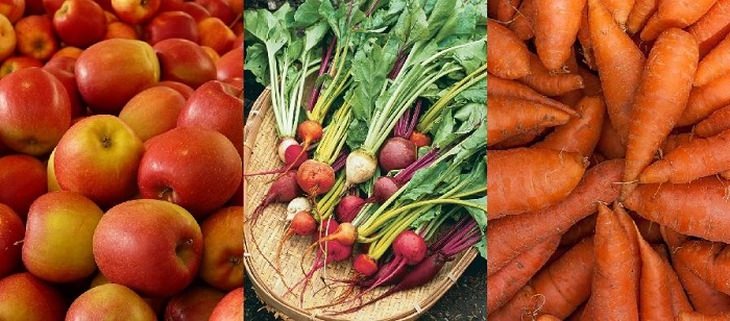
In the field of Chinese medicine, a juice that contains apple, beet, and carrot has, for centuries, been regarded as a "miracle drink", due to the wealth of benefits it provides for both mind and body. The wonderful effects of this drink and the simplicity of these common ingredients have made it a very popular remedy in many countries around the world. 
 
To prepare this drink you just extract the juice from each of the ingredients and mix it together. The vegetables and fruits should be fresh and the juice must be consumed immediately. Generally, the best time for drinking it is in the morning on an empty stomach.
 
 smoothie

The compounds in each of the juice's ingredients make it an extremely nutritious drink:

• Apples - This fruit is packed with beneficial antioxidants for the body as well as vitamins such as A, B1, B2, B6, C, E, and K. Apples also contain plenty of other nutrients, such as folic acid, zinc, magnesium, fiber, calcium, and iron. 
 
 • Carrots - Carrots are known to be an excellent source of vitamin A, B1, B2, B3, C, E, and K. In addition, the carrot has huge amounts of niacin and pantothenic acid in it, which support the buildup of minerals such as calcium, potassium, magnesium, and selenium. 
 
• Beets - Beets contribute to cardiovascular health and provide nutrients such as vitamin A, C, B, iron, copper, magnesium, potassium, and other anti-aging compounds. The combination of these three powerful ingredients provide the nutrients needed to maintain a healthy body throughout the day, promote good health and prevent a variety of diseases.
smoothie

The Benefits 
 
1. It's believed that the antioxidant compounds of this juice can help prevent cancers and restrict the growth of cancer cells, protecting them from the harm of free radicals. By doing this, they are preventing accumulative damage to the cells that may eventually evolve into cancerous formations. 
 
 2. This juice is known to contribute to the health of different body organs such as the liver, kidneys, and pancreas, and prevent the onset of disease. It does this by purifying your body from toxins, thereby making the organs' jobs easier so there's less strain on them to perform. When organs like the liver don't have to work so hard, they stay healthy - and so do you. 
 
3. The beta-carotene and lutein present in carrots, coupled with the powerful properties of beets, help promote cardiovascular health. Furthermore, the properties of the apple help reduce cholesterol and keep blood pressure stable - two conditions that can potentially lead to heart problems. Combined, this juice is one of the best things you can do for your heart.
 
 4. In Chinese medicine, this drink is associated with many skin health benefits. Regular consumption helps remove pimples and blackheads, moisturizes your skin, combats dryness, improves the appearance of wrinkles, and revitalizes old tissues.

5. Many people have testified that this juice provides excellent support to the functioning of the digestive system, especially for people who suffer from ulcers, intestinal problems, and chronic constipation. Drink it several times a day for regular bowel movements. 
 
6. The juice provides all the nutrients needed to maintain good cognitive functions, enhance memory, and promote concentration. In the long run, the ingredients in this juice may even help prevent the onset of some of the neurological diseases that occur with age. 
 
 7. For people who work in front of a computer for long periods of time, drinking this juice regularly will moisten your eyes and help you avoid irritation, fatigue, and dryness. 
 
8. The combination of the vitamins and nutrients in these three foods is an excellent way to strengthen and stimulate the immune system. This is vital when it comes to fighting and preventing diseases, allergies, and infections. 
 
9. The drink acts as a natural detoxifier that promotes blood purification and the elimination of toxins. As a result, the production of red blood cells, that carry oxygen to all of our body parts, increases – making sure our entire body stays healthy and ‘fed’. 
 
10. Women with intense menstrual symptoms can drink this juice to relieve pain, reduce inflammation, and prevent menstrual cramps.

https://gscrochetdesigns.blogspot.com. one can see my crochet creations  

https://cancersupportindia.blogspot.com. feel free to view for easy, simple and health tips  

https://kneereplacement-stickclub.blogspot.com. for info on knee replacement

https://GSiyers home remedies.blogspot.com     is the latest addition to my blogs.

Friday, March 1, 2019

Three-Ingredient Apple, Carrot and Beet Superjuice

In the field of Chinese medicine, a juice that contains apple, beet, and carrot has, for centuries, been regarded as a "miracle drink", due to the wealth of benefits it provides for both mind and body. The wonderful effects of this drink and the simplicity of these common ingredients have made it a very popular remedy in many countries around the world. 
To prepare this drink you just extract the juice from each of the ingredients and mix it together. The vegetables and fruits should be fresh and the juice must be consumed immediately. Generally, the best time for drinking it is in the morning on an empty stomach.
The compounds in each of the juice's ingredients make it an extremely nutritious drink:
• Apples- This fruit is packed with beneficial antioxidants for the body as well as vitamins such as A, B1, B2, B6, C, E, and K. Apples also contain plenty of other nutrients, such as folic acid, zinc, magnesium, fiber, calcium, and iron. 
Carrots- Carrots are known to be an excellent source of vitamin A, B1, B2, B3, C, E, and K. In addition, the carrot has huge amounts of niacin and pantothenic acid in it, which support the buildup of minerals such as calcium, potassium, magnesium, and selenium. 
Beets- Beets contribute to cardiovascular health and provide nutrients such as vitamin A, C, B, iron, copper, magnesium, potassium, and other anti-aging compounds. 
The combination of these three powerful ingredients provide the nutrients needed to maintain a healthy body throughout the day, promote good health and prevent a variety of diseases.

those interested in cancer & health related topics are free to see my blog-
http://cancersupportindia.blogspot.com/

for crochet designs, my blog, those who like a particular design are free to mail me
http://gscrochet designs.blogspot.com

For info. about knee replacement, be free to view my blog-
http://knee replacement-stick club.blogspot.com