Bone broth is an excellent alternative to
vegetable stock in soups, gravies, and sauces. In many ways, it is the
superior choice. Namely, bone broth has numerous proven health benefits,
including improved digestion, sleep, cognition, and joint health. Bone
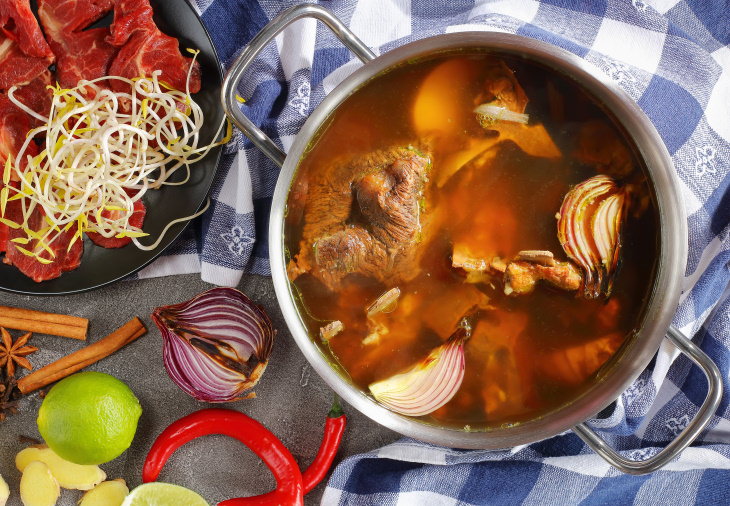
is made of just three simple ingredients - water, bones, and vinegar.
You can use any bones, including leftovers from meals like bone-on
chicken or steak. Raw bones, skin, and cartilage scraps also work.
Instead of discarding all of these leftovers and scraps, store them in
the freezer and reserve for bone broth. The bigger the variety of bones,
the better. To prepare the bone broth, combine 2-4 lbs of animal bones
with 1 gallon of water and 2 tablespoons of vinegar in a large stockpot
and simmer for 12-23 hours on low heat. Strain the broth and refrigerate
for up to 5 days.
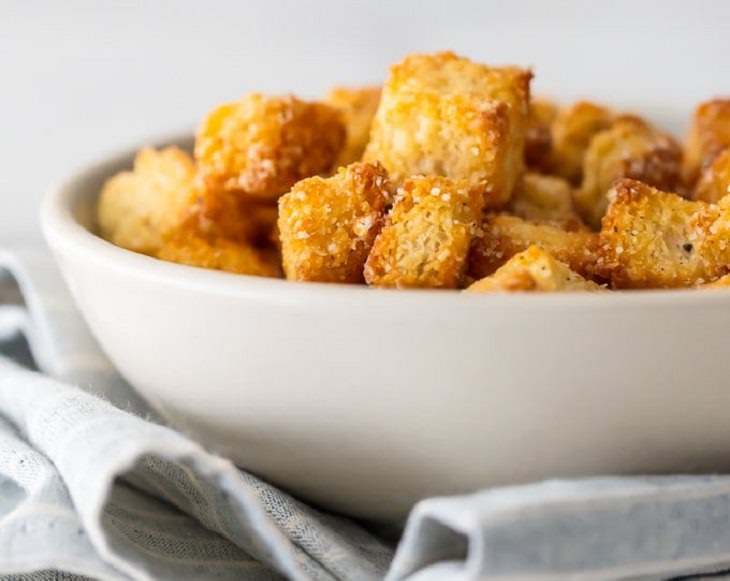
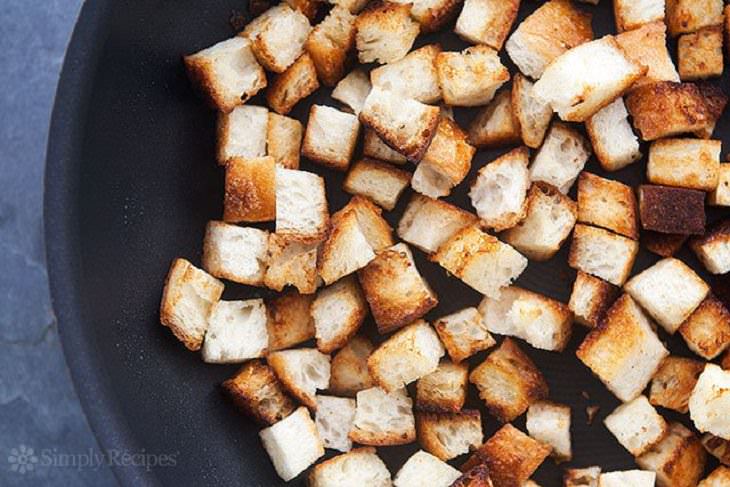
2. Stale bread makes delicious croutons
Why would you ever buy croutons at the store if you can make your own by
reusing stale bread? Truth be told, fresh homemade croutons are much
tastier than store-bought ones, and they’re so simple to make that it a
crime not to make them. This method also works great with bread ends.
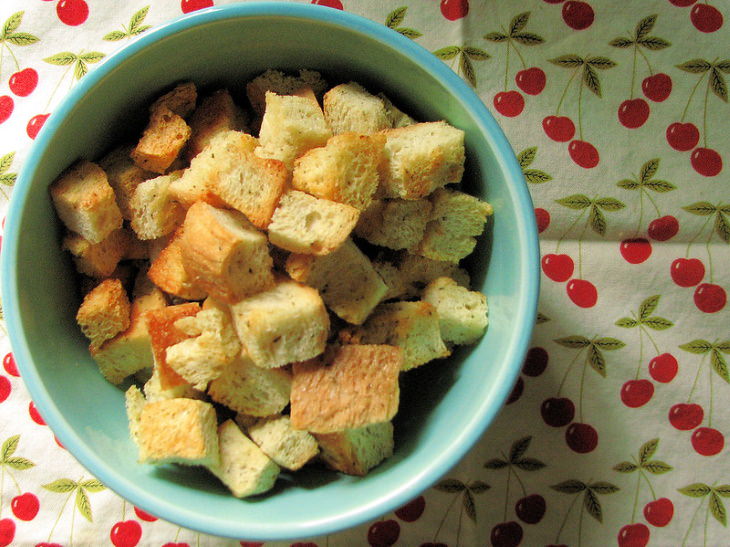
To make croutons, cut the bread into bite-sized cubes and place them
into a bowl. Drizzle with any oil of your choice and season with black
pepper, garlic powder, onion powder, or any seasoning of your choice.
Spread the croutons on a baking sheet pan and crisp them up in the oven
at 200°C (400°F) until golden. Use immediately or store in an airtight
container. These homemade croutons will add crunch and flavor to any
dish, be it a soup, a salad, or any other savory dish.
3. Freeze leftover herbs
For some reason, herbs always come in huge bunches at the store. One
bunch of parsley, dill, or basil is usually more than enough for a whole
month worth of cooking. But even if you store fresh herbs in an
airtight container in the fridge, they will wilt and turn black in about
a week.
For a long time, this discouraged me from buying fresh herbs, as I
always ended up throwing out most of them. Then I started freezing them,
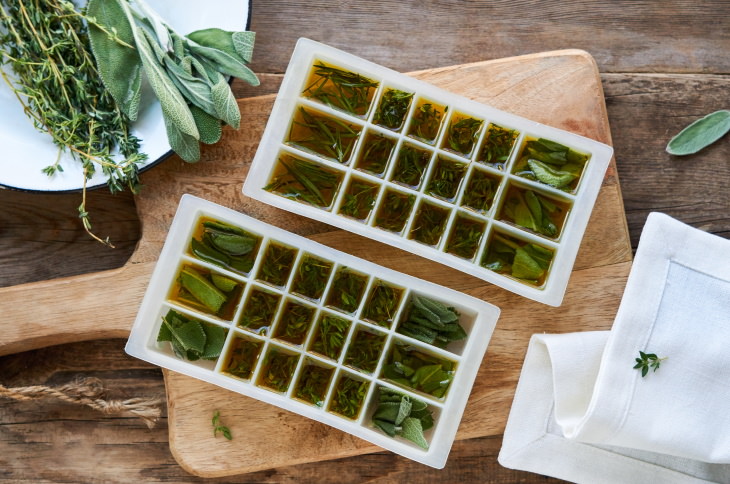
and I never looked back. To freeze fresh herbs, chop them up and
transfer them to an ice cube tray. Depending on how you prefer to cook
with herbs, you can pour either water or oil into the tray. Wait until
the ice cubes are completely frozen, and then pop them out of the ice
cube tray and store them in a zip bag in the freezer. Freezing will wilt
the herbs a little, so these frozen herbs work best in cooked dishes
like soups, roasts, sauces, and stews.
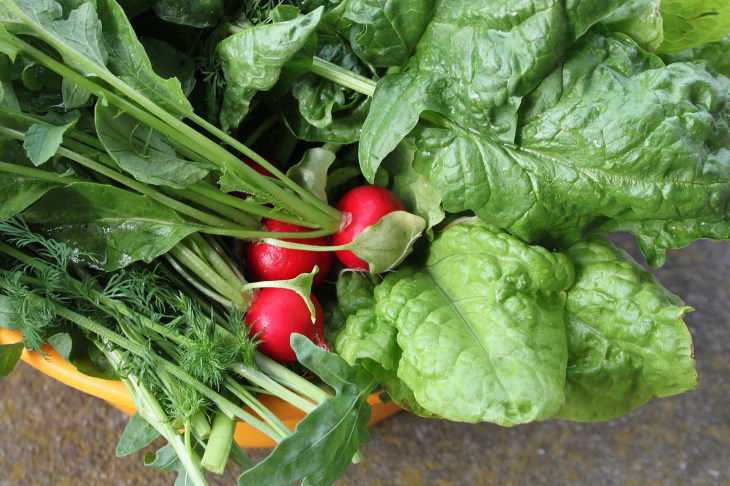
4. Save carrot-tops and radish greens
If you grow your own carrots, beets, and radishes, save the leaves when
harvesting these root vegetables. Most people throw away these healthy
greens, which is a real shame. Instead, de-stem and tear them up into
bite-sized pieces, and confidently add them into any salad or soup in
place of lettuce or spinach. Alternatively, you can sautee these leafy
greens with some seasoning, et voila, you have an extra side dish for
your dinner.
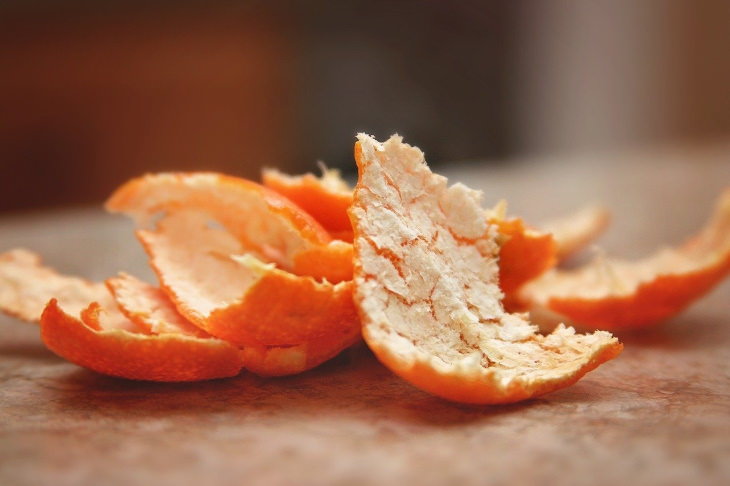
5. Citrus peels are so versatile
There are so many ways to reuse lemon peels that we have an entire
article on the topic - Great Uses for Lemon Peels. But before you check
it out, we’d like to show you one more way to reuse citrus peels that we
didn’t mention in that article. Thanks to its natural deodorizing
properties, any citrus fruit - be it orange, a lemon, or a tangerine -
can be used to make a natural all-purpose cleaner.
Simply pack the leftover citrus peels into a jar and cover them with
vinegar. Let the peels soak for 5-7 days, and then dilute it with water
and use the liquid to clean any suitable surface in your home. Unlike
other vinegar-based cleaners, this one actually smells pleasant and will
deodorize your home.


:max_bytes(150000):strip_icc()/miso-caesar-salad-recipe-1220sta-85533501d4f24a82ad8636d7035085e1.jpg)