Showing posts with label millet. Show all posts

Thursday, September 10, 2026

The 10 Healthiest Whole Grains to Eat

You've probably heard that whole grains are good for you. But which ones pack the most nutritional punch? And what makes them so different from regular refined grains? We looked at what nutrition experts recommend, and the good news is that many of the healthiest grains are probably already in your pantry.

Whole grains contain the bran, endosperm, and germ, which means they're packed with vitamins, minerals, and fiber that get stripped away during refining. Research shows that eating whole grains reduces your risk of heart disease, diabetes, and some cancers. The trick is knowing which ones to choose and how to prepare them. 

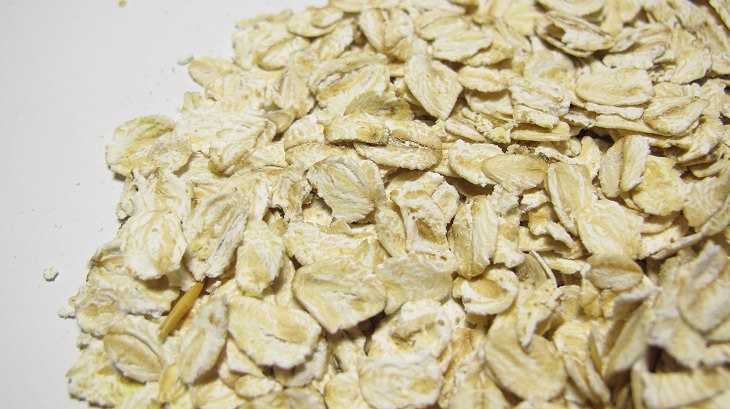
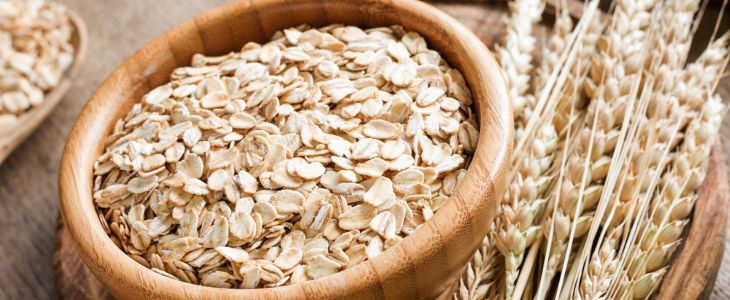
Whole Oats
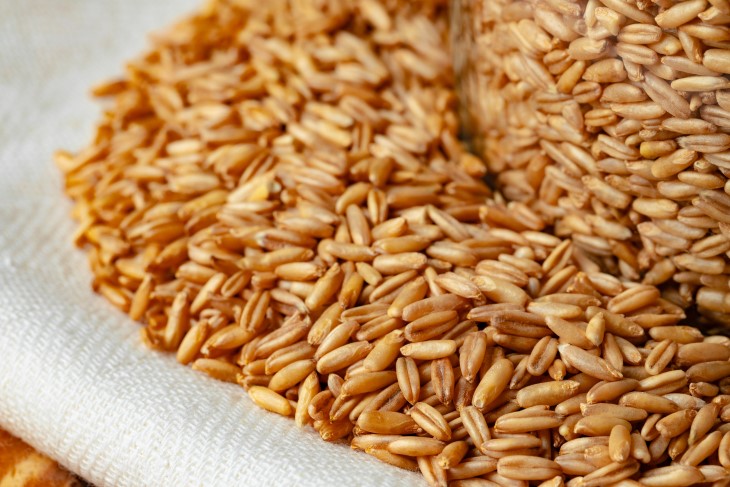
 

Oats are a breakfast staple for good reason. They're loaded with two types of fiber, soluble and insoluble, which work together to support digestion and heart health. 

The soluble fiber in oats is called beta-glucan, a prebiotic that feeds the good bacteria in your gut and helps lower bad cholesterol (LDL). Some recent studies show it may even help reduce blood pressure, though researchers want to do more work in this area. Oats are also rich in avenanthramide, an antioxidant that protects heart tissue.

How to choose: Steel-cut oats and rolled oats have more fiber than instant oats, though they take longer to cook. Skip the flavored packets with added sugar. Instead, make plain oats your base and add cinnamon, fruit, and nuts for sweetness and crunch. 

Nutrition facts (1/2 cup cooked): 83 calories, 14 grams carbohydrates, 2 grams fiber, 3 grams protein 

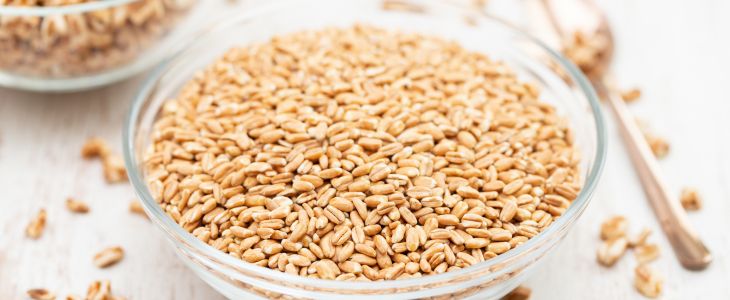
Freekeh
vest whole grains

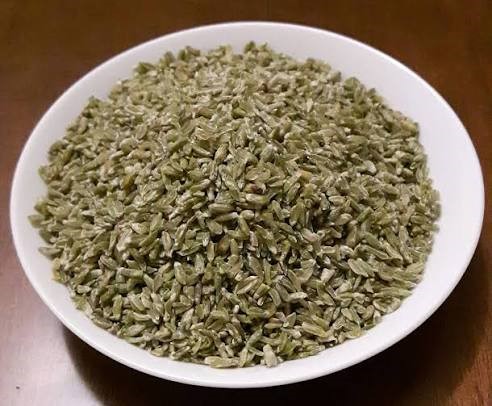
Freekeh is an Arabic grain made from young wheat kernels that are roasted while still green. It's lower in carbohydrates than many other grains and packs more than four times the fiber of brown rice. This grain delivers immune-boosting selenium, plus vitamins and minerals other grains don't have as much of. Freekeh also contains resistant starch, a type of prebiotic fiber that helps your digestive system work better and keeps blood sugar steady. 

Where to find it: Look in Middle Eastern markets, natural food stores, or online through Amazon. 

Nutrition facts (1/2 cup uncooked): 282 calories, 48 grams carbohydrates, 9 grams fiber, 10 grams protein 

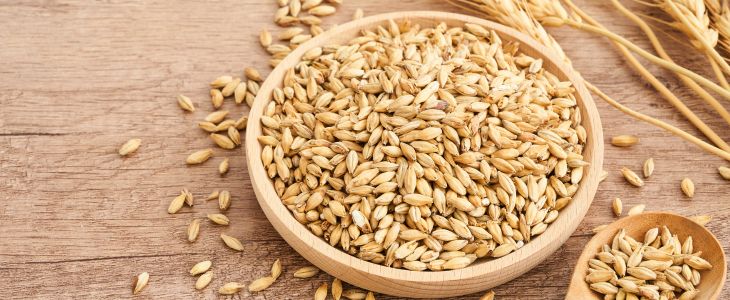
Whole-Grain Barley
vest whole grains

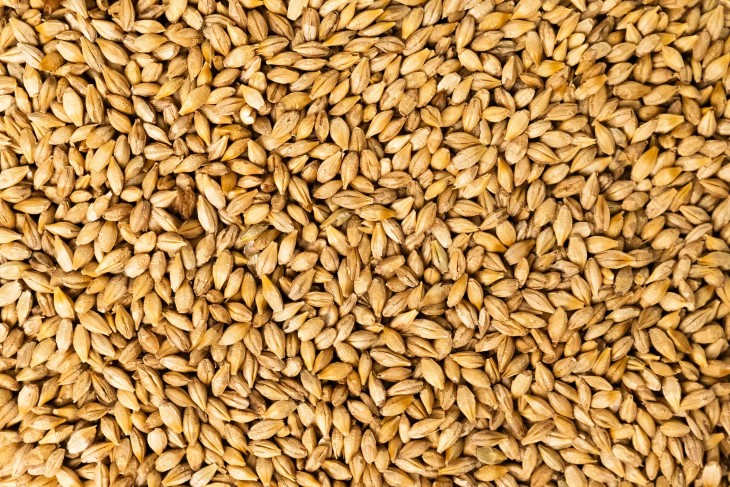
Like oats, barley is an excellent source of soluble fiber and contains beta-glucan, which research shows can lower bad cholesterol and help manage blood sugar levels. Studies have also found that the antioxidants in barley may help reduce your risk for certain diseases. 

Barley cooks relatively quickly and has a pleasant, slightly chewy texture that works well in soups and as a side dish. 

Important: Make sure you choose whole-grain barley, not "pearled" barley, which has had the nutrient-rich bran and germ removed. Try serving it as a warm side with raisins or dried apricots mixed in. 

Nutrition facts (1/4 cup hulled, uncooked): 162 calories, 33 grams carbohydrates, 8 grams fiber, 6 grams protein 

Buckwheat
vest whole grains

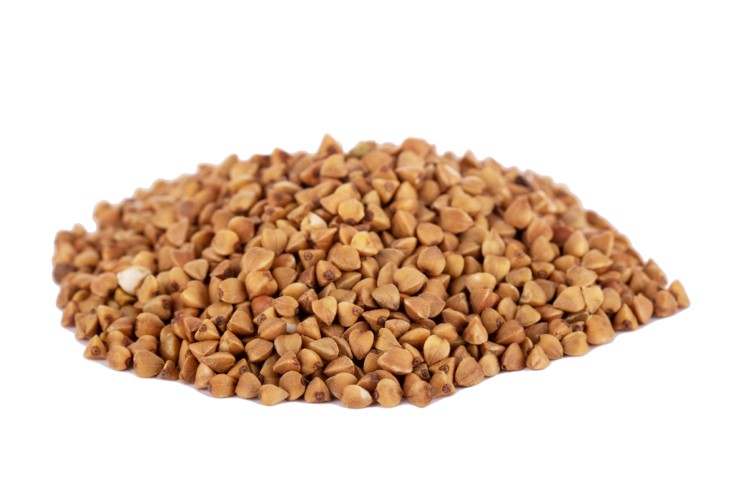
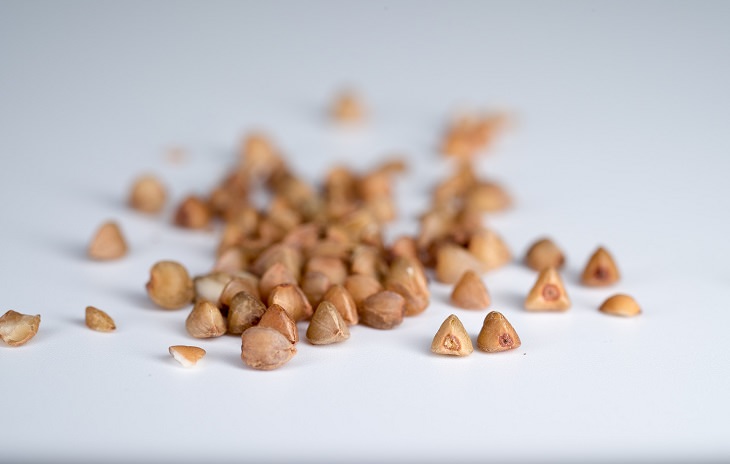
Despite its name, buckwheat is naturally gluten-free, which makes it a great choice for people managing celiac disease. Buckwheat is one of the best grain-based sources of magnesium, a mineral that helps ease PMS symptoms and keeps your nerves functioning properly. It's also high in manganese, which supports brain health. 

How to enjoy it: Buckwheat pancakes are a delicious way to get the benefits. You can also make it into porridge or add it to grain bowls. 

Nutrition facts (1/2 cup roasted groats, uncooked): 283 calories, 61 grams carbohydrates, 8.5 grams fiber, 9.5 grams protein 

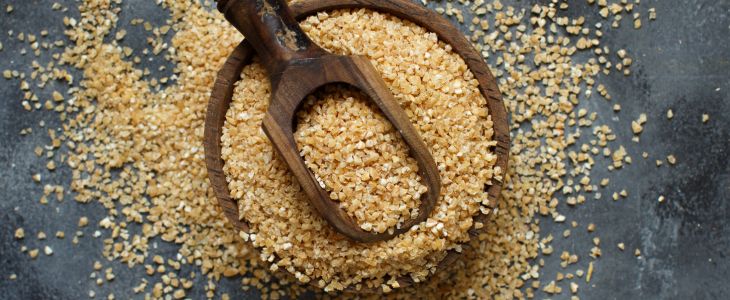
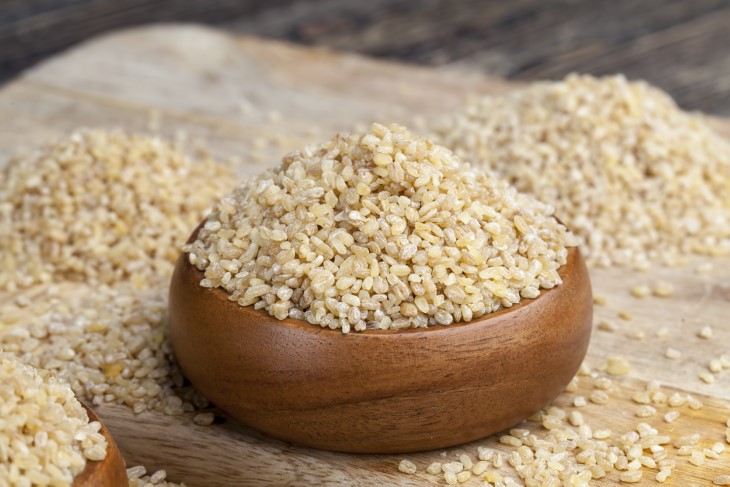
Bulgur
vest whole grains

Bulgur is considered a whole grain for practical purposes, even though up to 5 percent of the outer layer may be removed in processing. It's so nutrient-dense that it belongs on this list. Used to make tabbouleh salad, bulgur is an excellent source of iron and magnesium. 

One cup of bulgur contains nearly 75 percent of the daily fiber you need and about 25 percent of your daily protein requirement. The best part? It cooks in just a few minutes. 

Easy uses: Toss it into salads, add it to soups, or use it as a grain base for Mediterranean bowls. 

Nutrition facts (1/2 cup uncooked): 239 calories, 61 grams carbohydrates, 8.5 grams fiber, 9 grams protein 

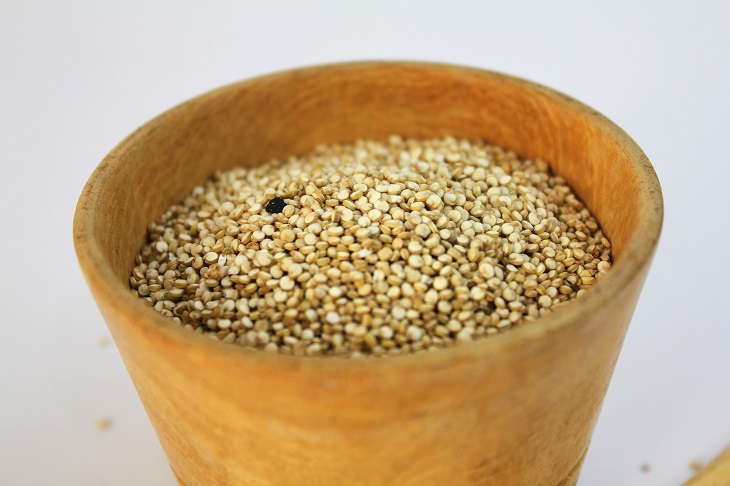
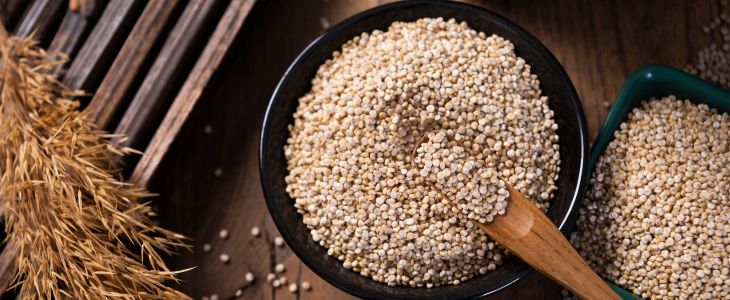
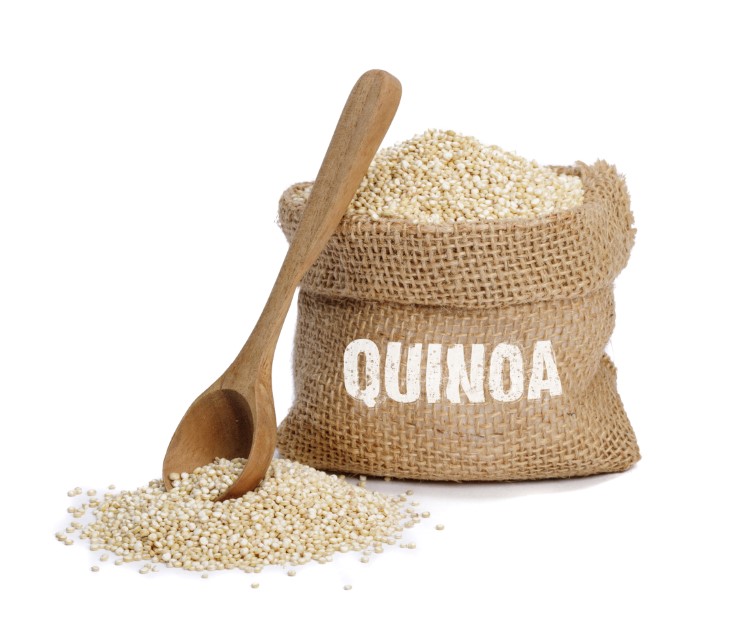
Quinoa
vest whole grains

Although it's technically a seed rather than a grain, quinoa deserves a spot on this list because it's a powerhouse. It contains more protein than any other grain and is one of the few plant-based complete proteins, meaning it has all nine essential amino acids your body needs. 

 A half-cup of cooked quinoa provides 2.5 grams of fiber, and an uncooked cup contains 522 milligrams of omega-3 fatty acids. The flavor is light and slightly nutty, making it a versatile addition to meals. 

Make ahead tip: Cooked quinoa keeps well in the refrigerator for several days, making it ideal for packing as a work or school lunch. 

Nutrition facts (1/2 cup cooked): 111 calories, 20 grams carbohydrates, 2.5 grams fiber, 4 grams protein 

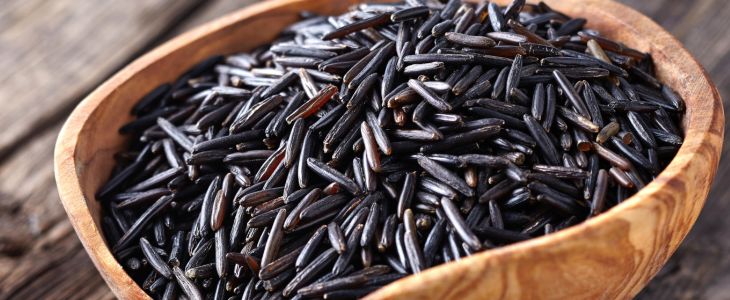
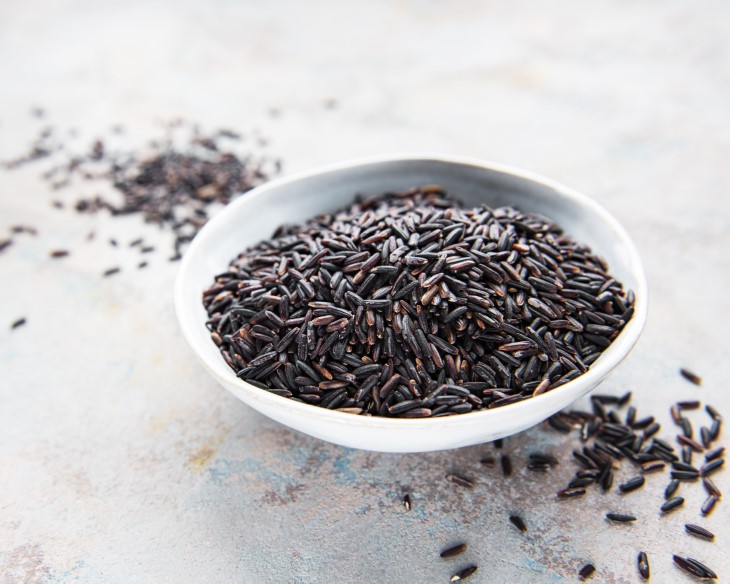
Wild Rice
vest whole grains

Wild rice isn't actually rice at all. It's the seed of a type of aquatic grass, though it looks and cooks similarly to rice. The U.S. Food and Drug Administration only recently officially identified it as a whole grain a few years ago. 

Wild rice is rich in vitamins, minerals, and protein, with a good amount of fiber. It's also a standout source of antioxidants, containing 9 to 13 times more than white rice.

Cooking tip: It takes longer to cook than some grains, but you can mix it with other rice varieties or use it as a replacement for white or brown rice. Serve it with vegetables, chicken, or fish for a heart-healthy meal. 

Nutrition facts (1/2 cup cooked): 83 calories, 17.5 grams carbohydrates, 1.5 grams fiber, 3 grams protein 

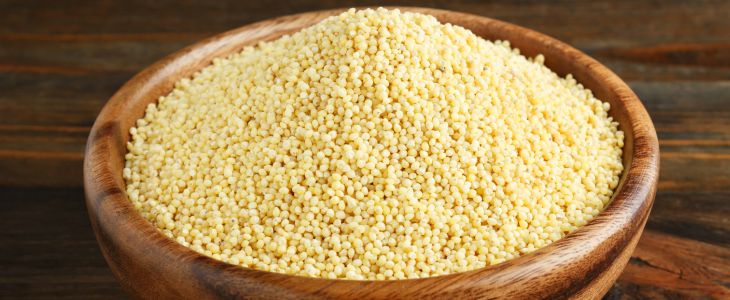
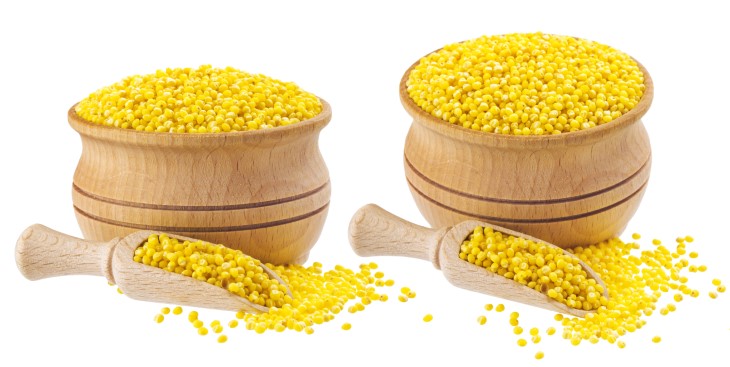
Millet
vest whole grains

Millet is a small, round ancient grain that's gluten-free and belongs to the grass family. Here's something remarkable: millet contains three times more calcium than milk. Studies show it can boost calcium levels and bone mineral density, especially in women before menopause.

Like other whole grains, millet is a good source of fiber and may help lower bad cholesterol and support digestive health. 

How to prepare it: Make it into porridge, use it for bread, add it to stir-fries, or toss it into salads just like quinoa. 

Nutrition facts (1/2 cup cooked): 103 calories, 20 grams carbohydrates, 3 grams fiber, 3 grams protein 

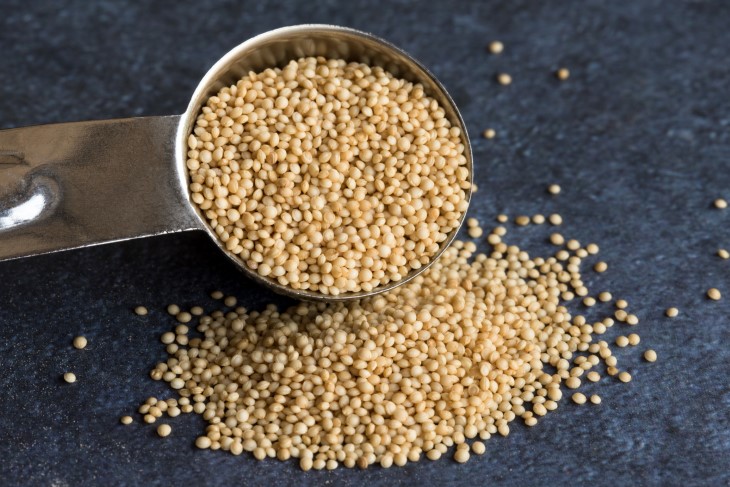
Amaranth
vest whole grains

Amaranth is an excellent source of protein, containing all nine essential amino acids, making it a complete protein. It also provides plenty of magnesium and phosphorus, minerals important for bone and heart health. 

Research suggests amaranth may have anti-inflammatory properties. It's also safe for people with celiac disease, making it a versatile choice for many diets. 

Versatile uses: Add it to soup, cook it into a breakfast porridge, or pop the kernels like popcorn for a crunchy snack. 

Nutrition facts (1/2 cup uncooked): 358 calories, 63 grams carbohydrates, 6.5 grams fiber, 13 grams protein 

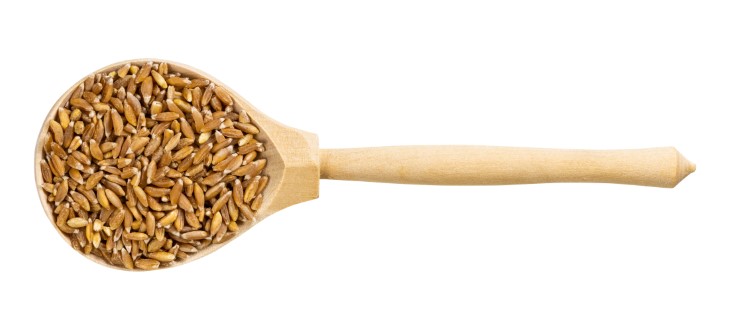
Farro
vest whole grains
Farro is an ancient wheat grain with a nutty, satisfying flavor. It's full of fiber and provides a healthy dose of iron and magnesium. A quarter-cup serving packs 6 grams of protein. This grain works beautifully in salads or as a base for seafood or meat dishes. 

One note: farro is low in gluten but not completely gluten-free, so it's not suitable for people with celiac disease. 

Easy serving: Toss cooked farro into your favorite grain salad or use it as a hearty base for roasted vegetables and protein. 

Nutrition facts (1/3 cup pearled, cooked): 150 calories, 29 grams carbohydrates, 3 grams fiber, 5 grams protein 

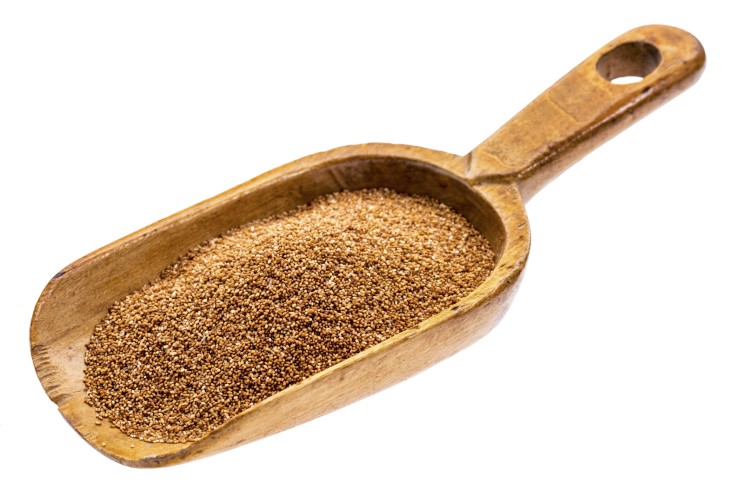
Teff
vest whole grains
Teff is technically a seed but is considered part of the grain family. It's loaded with calcium and high in resistant starch, a type of fiber that helps keep blood sugar stable throughout the day. Teff is gluten-free and appears in many gluten-free products. 

The grain has a subtle, sweet, and nutty flavor that works well in baked goods. 

How to use it: Try baking breads, muffins, or cakes with teff flour for a nutritious twist on your favorite recipes. 

Nutrition facts (1/2 cup uncooked): 380 calories, 84 grams carbohydrates, 6 grams fiber, 12 grams protein 

The Bottom Line: You don't need to eat all of these grains. Pick one or two that appeal to you and make them a regular part of your meals. Each offers its own set of health benefits, so trying a few different ones keeps things interesting while feeding your body what it needs.

https://gscrochetdesigns.blogspot.com. one can see my crochet creations  

https://kneereplacement-stickclub.blogspot.com. for info on knee replacement

https://cancersupportindia.blogspot.com  for info on cancer and health related topics

https://GSiyers home remedies.blogspot.com   is the latest addition to my blogs


Saturday, September 27, 2025

Allergic to Gluten? Here are 10 Top Alternatives to Wheat

Wheat has been a staple part of our diet for thousands of years. It is used in a wide variety of products, the most popular one being flour. Wheat, due to its high gluten content, is best suited for making bread and other baked products. Gluten gives wheat flour its strength and elasticity, making it very suitable for baking. 
 
However, a lot of people are allergic or intolerant to gluten, which can cause allergies or celiac disease. A wheat allergy, caused by an adverse reaction to a protein found in wheat, can cause symptoms such as chronic gastrointestinal disturbances, infections, asthma, acne, eczema, joint pains, migraines, and fatigue. On the other hand, celiac is an autoimmune disease in which the body's immune system mistakes gluten as an allergen and causes symptoms such as decreased appetite, chronic diarrhea or constipation, vomiting, fatigue, and irritability. 
 
Therefore, people who suffer from a wheat allergy or celiac disease must avoid wheat in any form and follow a gluten-free diet. Fortunately, there are many wheat alternatives out there that can be easily included in your diet. These are the top 10 alternatives to wheat and wheat flour: 
 
1. Quinoa 
10 - Alternatives - Wheat - Wheat Flour
Quinoa, a pseudo-cereal, is a seed that is prepared and consumed like a grain. As it is entirely gluten-free, it can be enjoyed by those who are sensitive to gluten or wheat.
 
Quinoa is a complete protein source since it contains all of the essential amino acids. Other important vitamins and minerals that can be found in quinoa include phosphorus, copper, manganese, folate, iron, magnesium and zinc. Its crunchy texture and nutty flavor makes it very popular for both children and adults.
 
Quinoa needs to be boiled before it can be consumed, and then it can be eaten as a side dish or breakfast porridge. It can also be added to salads or soup, or ground up to make quinoa flour.

2. Buckwheat 10 - Alternatives - Wheat - Wheat Flour
 
Buckwheat also has a nutty, earthy taste. As it is neither a grain nor related to wheat, it's gluten-free and can be safely consumed by those who suffer from celiac disease and gluten intolerance. 
 
Buckwheat is high in fiber, protein, iron, zinc, magnesium, copper, and phosphorus. Furthermore, it is a good source of B vitamins such as B6, pantothenic acid, niacin, folate, thiamin, and choline. Since these seeds are packed full of antioxidants like tannins, rutin, and catechins, they are often called superfoods. 
 
It is so easy to include buckwheat in your diet plan and it comes in the form of groats, noodles, seeds, and flour. The groats can be used to make hot or cold cereal. In noodle form, it can be used to make soups and stir-fries. In flour form, it can be used to make muffins, breads, cookies, and other healthy snacks. 
 
 
3. Millet 
10 - Alternatives - Wheat - Wheat Flour
With its sweet, nutty flavor, millet is considered to be one of the most non-allergenic grains around. It is one of the few grains that are alkalizing to the body, making it easier to digest. 
 
These gluten-free, grain-like seeds are full of magnesium, manganese, calcium, tryptophan, phosphorus, fiber, and several B vitamins. They also have antioxidant powers. 
 
You can use cooked millet to make breakfast porridge, or you can add it to salads and soups. Its brown-rice-like appearance and texture, make it a great ingredient to use in pilafs, casseroles, and the majority of Asian dishes. Ground millet can also be used in bread, muffin, and biscuit recipes instead of refined flour.


4. Amaranth 10 - Alternatives - Wheat - Wheat Flour
 
Cultivated by the Aztecs over 8,000 years ago, it became the staple food of the Aztecs and Mayans. 
 
Amaranth is full of protein and fiber, making it filling and very beneficial to your digestive system. It is also a very good source of essential vitamins such as A,C, E, B5, K, B6, folate, niacin and riboflavin. In addition, it contains magnesium, copper, zinc, phosphorus, potassium and calcium. to add to this, it is a powerful antioxidant, anti-inflammatory and immune-boosting agent.
 
Its light, nutty flavor makes it great to use when making healthy snacks. Its flour can be used to thicken soups, stews, sauces and jellies. 
 
5. Oatmeal
10 - Alternatives - Wheat - Wheat Flour
Oats are one of the most popular whole grains in the whole world, and for very good reason. They are safe for those with a gluten allergy and are a very good alternative to wheat. 
 
Oats are full of fiber and other nutrients such as magnesium, iron, potassium, folate, selenium and even plant-based protein. They also contain a small amount of essential fats. Furthermore, they contain powerful phytonutrients and antioxidants that are good for your health.
 
As some oatmeal brands on the market contain traces of wheat, barley and rye, you should check the label thoroughly before buying some. 
 
 Oatmeal is usually eaten for breakfast, but it can be enjoyed at any part of the day. You can add maple syrup, honey, cinnamon, nutmeg, agave nectar or vanilla to it for added flavor and health benefits. 
 
You can also find oat flour on the market, which has a similar nutritional value to oats. When using oat flour, remember that it needs other flours and starches to work in a recipe.


7. Cassava flour 10 - Alternatives - Wheat - Wheat Flour
 
This gluten-free flour, made from cassava root, is a great replacement for wheat flour. It is made by grating and drying the fibrous cassava root. 
 
Cassava flour is rich in protein and fiber and is full of vitamin B6, C and K, potassium, folate, manganese, thiamine, copper, magnesium, riboflavin, phosphorus, zinc and niacin. 
 
It's nice smooth texture and mild taste makes it great to use in many different recipes. Cassava flour works as a thickener for sauces, gravy, soups and so on. 
 
7. Coconut Flour 
10 - Alternatives - Wheat - Wheat Flour
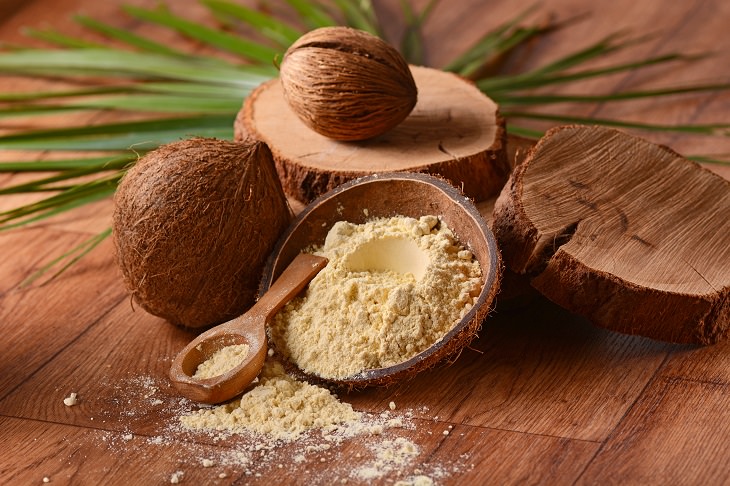
If you are looking for a very healthy substitute for refined flour to use in baking, coconut flour is a great choice. 
 
This flour is excellent for those with celiac disease or gluten sensitivity. The flour is derived from grating the flesh of fresh coconuts, which is then dehydrated and defatted. The result is a fine powder that looks and feels similar to grain or wheat flours. 
 
Coconut flour is rich in fiber, protein, calcium, manganese, selenium, potassium and phosphorus. It also has vitamins, including vitamin B6 and C, folate and niacin. 
 
Furthermore, this flour has anti-inflammatory, antibacterial and antifungal properties. coconut flour can be used in place of wheat flour in many different recipes - from breads to cookies to muffins. It can also be used to make homemade grain-free pizza. 
 
8. Almond Flour
10 - Alternatives - Wheat - Wheat Flour
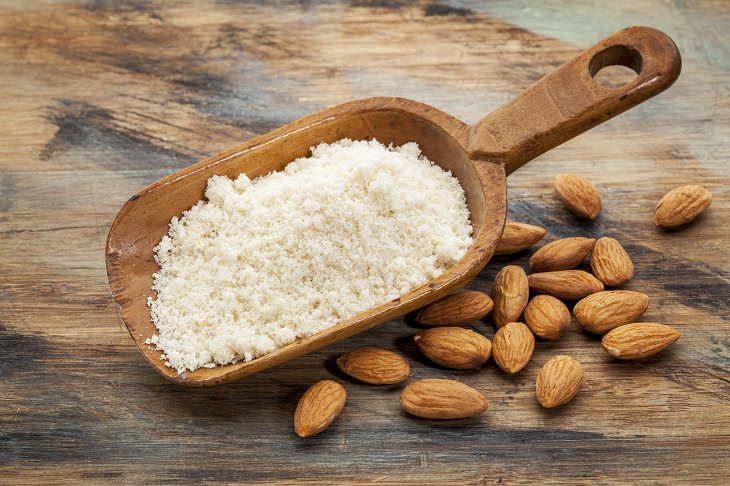
Almond flour is one of the best alternative to wheat flour. This flour, composed of finely ground almonds, can be used when baking cakes, biscuits, muffins, breads and so on. 
 
Almond flour has the same benefits as a handful of almonds. This flour is gluten-free, low in carbohydrates, and high in fiber and protein. It is rich in vitamins and minerals such as iron, riboflavin, magnesium, potassium, vitamin E and calcium. 
 
Due to its fatty acid content, it has a short shelf life. Therefore it is recommended that you grind your own almonds prior to use.


9. Brown rice flour
 10 - Alternatives - Wheat - Wheat Flour
  
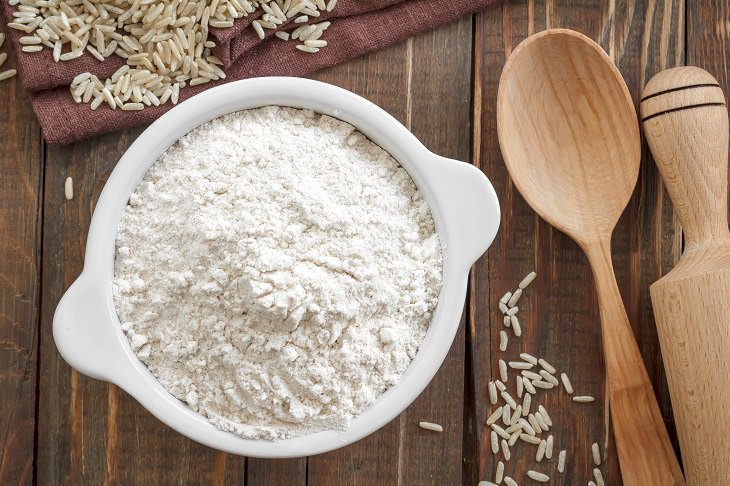
Brown rice flour is great for anyone who suffers from celiac disease. It is milled from unpolished brown rice, so it has a high nutritional value - it is a great source of fiber and healthy carbohydrates. It is also high in iron, vitamin B, protein, manganese, copper, calcium, potassium and phosphorus.
 
It can be used in baking cakes and cookies and works well in bread recipes. You can also use it to thicken sauces or for coating meats and fish. 
 
10. Corn 
10 - Alternatives - Wheat - Wheat Flour
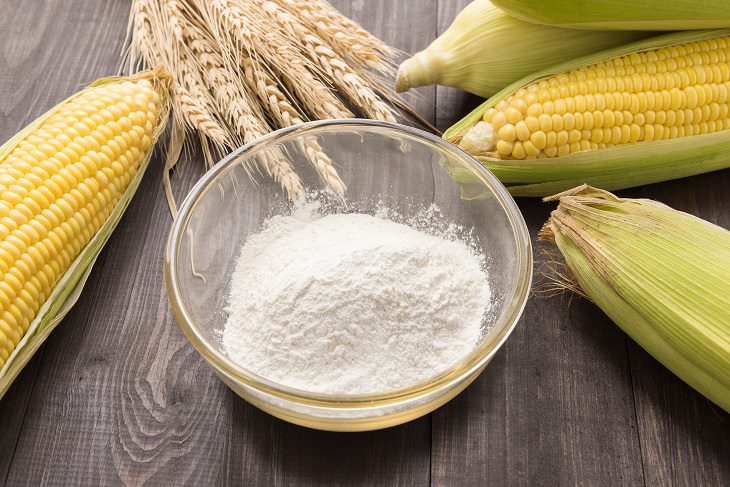
Corn, whether eaten as corn meal or flour, is gluten-free. Both corn meal and corn flour are made using dried corn kernels. 
 
Cornmeal and corn flour are great sources of healthy carbohydrates and fiber. They are rich in antioxidants such as lutein and zeaxanthin that are great for your eyes. 
 
Corn flour can be made into polentas and porridges, and used as breading. You can also use it to thicken liquids and sauces. When purchasing corn meal or corn flour, check the label thoroughly and opt for organic varieties and avoid GMO corn. 
 
There are many different alternatives to wheat and wheat flour and this includes sorghum, sorghum flour, soy flour, chickpea flour, hemp flour, chia flour, potato flour and potato starch flour.


https://gscrochetdesigns.blogspot.com. one can see my crochet creations  

https://kneereplacement-stickclub.blogspot.com. for info on knee replacement

https://cancersupportindia.blogspot.com  for info on cancer and health related topics

https://GSiyers home remedies.blogspot.com   is the latest addition to my blogs


Thursday, September 25, 2025

9 Low-Calorie Cereal Options

Whole grains are very important for our health for many reasons, and there is also conclusive scientific evidence to support this, so why do many people prefer not to consume them? The reason is that they are a type of carbohydrate, and many people on a diet prefer to consume as few carbohydrates as possible, so they avoid grains. 

However, their high fiber content actually allows you to enjoy them in moderation, as they cause fewer carbohydrates to be absorbed by the body, and you can even calculate yourself how many carbohydrates your body will absorb by subtracting the grams of fiber from the total grams of carbohydrates in the grain. You don't actually have to do this, because we've calculated everything for you, and here are the results - these are the 9 most recommended grains for a low-carb diet and for maintaining weight and general health. 
 
1. Oatmeal
Low-carb grains: Oatmeal

One cup of cooked oatmeal contains about 4 grams of fiber, and your body will absorb about 23 grams of net carbohydrates from it. It is rich in beta-glucan, a type of fiber that studies have shown can reduce levels of bad cholesterol (LDL), which itself has been found in studies to be a leading cause of heart disease. Oatmeal is also an excellent source of magnesium, phosphorus, manganese, and vitamin B1, and can be enjoyed as porridge every morning. 
 
 
2. Quinoa
 Low-carb grains: Quinoa
 
Although technically not a grain, we use it like other grains, including in salads, and it is just as healthy as they are; it is rich in antioxidants and polyphenols, and studies have shown that it can reduce inflammation and protect the body from chronic diseases. It is also relatively low in carbohydrates, with about 34 grams of net carbohydrates per cup of cooked quinoa. Another advantage, discovered in a 2021 study, is that it is considered one of the few plant-based sources that provide all 9 essential amino acids that the body needs, and in general, it is also an excellent source of manganese, magnesium, phosphorus, copper, and folic acid. 
 
 
3. Bulgur
Low-carb grains: Bulgur 
Bulgur is actually cooked wheat that has been dried and ground, and it can be incorporated into various recipes, including tabbouleh salad, porridges, or even pilaf dishes. Besides being so versatile, it is also very healthy: bulgur is especially recommended for its manganese, iron, magnesium, and B vitamins content, and one cup of cooked bulgur contains 8 grams of fiber and 26 grams of net carbohydrates. 
 
 
4. Millet
Low-carb grains: Millet
Millet contains phosphorus, iron, calcium, folic acid, magnesium, and vitamins B2 and B3, and like other whole grains, it also has quite a few antioxidants and polyphenols. According to studies, millet helps prevent diabetes, so it is highly recommended to add it to your diet if you want to fend off the disease, and one cup of cooked millet contains 2 grams of fiber and 39 grams of net carbohydrates. You can start with a millet kibe recipe, although bulgur is also not a grain that must be avoided, as you will discover later. 


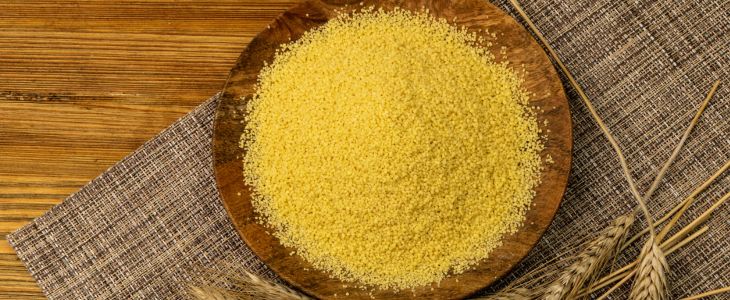
5. Couscous
Low-carb grains: Couscous
Couscous is a processed grain made from semolina, and although it is a processed grain, it is still generally healthy and recommended. One cup of cooked couscous contains 2 grams of fiber and 35 grams of net carbohydrates, and it is rich in selenium, which has been found in studies to play a key role in maintaining the proper functioning of the heart, thyroid gland, immune system, and more. In addition, it also contains manganese, copper, vitamins B1 and B5, and it is very easy to prepare and incorporate into a variety of tasty dishes. 


6. Wild Rice
 Low-carb grains: Wild Rice
 
 The name "wild rice" refers to four species of grains from the genus Zizania, native to North America and China. These grains are not related to the Asian rice we all know, and compared to it, they have much fewer carbohydrates - only 32 grams of net carbohydrates and 3 grams of fiber per cup of cooked wild rice. In addition, it contains important antioxidants for the body, and studies even show that the phenols in it have more antioxidant activity compared to those in regular rice. Moreover, it is also an excellent source of zinc, vitamin B6, and folic acid, and if you want to incorporate it into your diet.


7. Spelt
 Low-carb grains: Spelt
 
Spelt is a type of wheat that was a staple food until the Middle Ages when it was replaced by bread wheat as we know it today. Therefore, you can make almost anything with it that you can make with regular wheat, including even pizza, and studies show that it has a long list of health benefits, including the ability to reduce the risk of cancer and diabetes. Although spelt contains mainly carbohydrates, it also has a lot of fiber, so the amount of carbohydrates that the body absorbs from it is relatively low. One cup of cooked spelt contains about 7.5 grams of fiber and 43.5 grams of net carbohydrates, and it is an excellent source of niacin, magnesium, zinc, and manganese. 
 
 
8. Popcorn
Low-carb grains: Popcorn

Most people think that popcorn is a snack and not really a healthy food, but technically it is based on an ingredient considered a whole grain, and it can definitely be a healthy snack. One cup of natural prepared popcorn contains about 6 grams of net carbohydrates, and in general, it is low in calories and has a high content of B vitamins, iron, magnesium, and phosphorus. However, it must be noted that all of this is true only if you prepare your popcorn yourself, not buy microwave popcorn bags. 
 
 
9. Barley
Low-carb grains: Barley
The nutty flavor and meaty texture of barley make it a perfect ingredient in salads, and it is very high in fiber, with one cup of cooked barley containing 6.5 grams of fiber and 41.5 grams of net carbohydrates. It is also an excellent source of selenium, magnesium, manganese, zinc, and copper, but it is better to prefer it in its original form (pre-sprouted) rather than as pearled barley, as pearled barley contains much fewer nutritional values.

https://gscrochetdesigns.blogspot.com. one can see my crochet creations  

https://kneereplacement-stickclub.blogspot.com. for info on knee replacement

https://cancersupportindia.blogspot.com  for info on cancer and health related topics

https://GSiyers home remedies.blogspot.com   is the latest addition to my blogs


Sunday, August 17, 2025

Barnyard millet kichdi- healthy

Ingredients

to taste

wash millet and grated potato and soak in enough keep aside.

For seasoning heat the ghee and add jeera, cinnamon and cloves.
When the jeera turns slightly brown and leaves an aroma, add the chopped green chilies, grated ginger and crushed groundnuts.
When the groundnuts roast slightly, add it to the millets and start cooking it.
Add curd and keep stirring on a slow flame till the water evaporates.
Your  kichdi is ready to be eaten with the accompaniment of your choice.

https://gscrochetdesigns.blogspot.com. one can see my crochet creations  

https://kneereplacement-stickclub.blogspot.com. for info on knee replacement

https://cancersupportindia.blogspot.com  for info on cancer and health related topics

https://GSiyers home remedies.blogspot.com   is the latest addition to my blogs


Sunday, June 8, 2025

Millet Neer Dosa

 Ingredients

1/2

Wash the rice and millet together in running water and soak overnight or at least 4-6 hours.
The next morning, blend along with coconut adding little water.
Once you blend the rice and millet to smooth batter, transfer it to a large mixing bowl.
Add required water to make pouring consistency. Make sure the consistency is similar to rava dosa batter or buttermilk consistency. Add salt to taste.
Spread some oil over tava and splash the batter over the hot tava. You should be able to see some holes formed while pouring batter over tava. That is the right consistency of batter. If not, you need to add some more water to the batter.
You can smear some oil or ghee over the dosa.
Cover the dosa with a lid. Allow to cook on medium flame.
Fold and serve with spicy chutney and jaggery mixed with coconut combination. 
 

https://gscrochetdesigns.blogspot.com. one can see my crochet creations  

https://kneereplacement-stickclub.blogspot.com. for info on knee replacement

https://cancersupportindia.blogspot.com  for info on cancer and health related topics

https://GSiyers home remedies.blogspot.com   is the latest addition to my blogs