Many of us grew up watching our mothers rinse everything that came into the kitchen. Apples went under the tap, chicken breasts got a good splash before hitting the pan, and some particularly careful cooks even scrubbed their vegetables with a drop of dish soap, just to be sure. It all came from a good place: the wish to keep dirt, germs, and sprays off the family's plates.
It turns out, though, that some of these well-meaning habits don't help at all, and a few can actually make food less safe. At the same time, there are items most of us never think to rinse that really should get a wash before we use them. Here's a simple guide to what belongs under the tap and what's better left alone.
6 Foods and Items You Should Wash
One rule applies to everything on this list: use plain running water only. No soap, no dish detergent, and no special produce washes.
1. Fresh Fruits and Vegetables
Fresh produce passes through many hands on its way to your kitchen, from the farm to the truck to the supermarket shelf, and it can pick up soil, germs, and pesticide residue along the way. A good rinse under running water removes much of it.
If you've been using soap, it's time to stop. Fruits and vegetables have porous skins that can absorb soap and detergent, and these products were never meant to be eaten. Plain water does the job. For firm produce such as potatoes, carrots, cucumbers, and melons, scrub gently with a clean vegetable brush. For lettuce and cabbage, remove the outer leaves first. Afterwards, dry everything with a clean towel or a paper towel, which helps remove even more germs.
What about fruit with a peel you don't eat, like bananas, oranges, avocados, and melons? Wash those too. When you cut into them, the knife can drag germs from the outer skin straight into the part you eat. Cantaloupe rinds, in particular, have been linked to serious outbreaks of food poisoning.
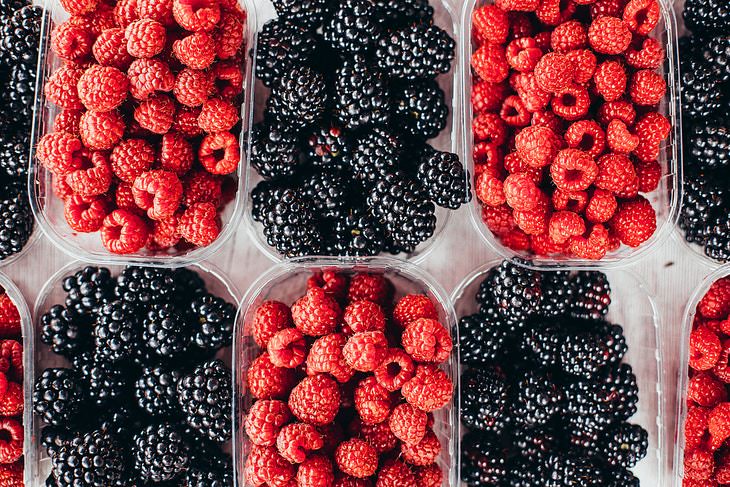
One important tip: wash produce just before you eat or cook it, not when you get home from the store. Moisture makes berries, grapes, and leafy greens spoil much faster in the fridge.
2. The Tops of Cans
How many of us have ever washed a soda can or a can of tomatoes before opening it? Very few, yet it's a smart habit. Cans sit in warehouses, on store shelves, and in shopping carts, collecting dust and germs, and there's no way of knowing how many hands have touched them. When you open a can and pour from it, the contents flow right over that dirty rim.
Rinse the top of the can under running water before opening it, or at least wipe it with a damp paper towel. If you're drinking straight from a can, this is even more important. And don't forget the can opener: its blade touches every lid, so it should go into the wash regularly.
3. Canned Beans
Canned beans are a wonderful shortcut. They're already cooked, full of fiber and protein, and ready in seconds. The catch is the liquid they're packed in, which is often very high in sodium, something many of us are trying to cut back on for the sake of our heart and blood pressure.
The fix is simple. Pour the beans into a colander, let the liquid drain away, then rinse them under cold running water and let them drain again. Draining alone removes about a third of the sodium, and draining plus rinsing removes around 40%. Rinsing may also wash away some of the carbohydrates that cause gas, which is a welcome bonus for many people. If you plan to fry or roast the beans, pat them dry with a paper towel so they crisp up nicely.
4. Rice (Most of the Time)
Rinsing rice washes away the loose starch on the surface of the grains, which is what makes rice sticky and clumpy. Put the rice in a bowl or a fine strainer, cover it with cold water, swirl it around, and pour the water off. Repeat two or three times, until the water runs mostly clear. The result is fluffy rice with separate grains.
There are two exceptions. If you're making risotto or paella, skip the rinse, since that starch is exactly what gives these dishes their creamy texture. And if your package says the rice is "enriched," as most white rice in the US is, keep in mind that rinsing washes off some of the added iron, folic acid, and B vitamins. Brown rice and imported rice such as basmati or jasmine can be rinsed freely.
Many people also wonder about arsenic, a natural contaminant that rice absorbs from soil and water. Rinsing removes only a little. A more effective method is to cook rice the way you cook pasta, in plenty of water (about six parts water to one part rice), and pour off the extra water at the end. This can remove roughly half of the arsenic, though it also removes some of the added vitamins.
Rinsing doesn't kill bacteria, by the way. Cooking does that. The real risk with rice comes afterwards: leftovers should go into the fridge within an hour or two, because bacteria can multiply quickly in cooked rice left sitting at room temperature.
5. Dried Beans, Lentils, and Quinoa
Dried beans and lentils often contain small stones, bits of soil, or shriveled pieces that slipped through processing. Before cooking, spread them out on a plate or a clean countertop and pick out anything that doesn't belong, then rinse them well in a strainer.
Quinoa needs a rinse for a different reason. Its seeds are covered with a natural coating called saponin, which tastes bitter and soapy. Many brands sell quinoa prerinsed, but a quick rinse in a fine strainer is still a good idea if you've ever found your quinoa a little bitter.
6. Fresh Herbs
Whether you bought them at the supermarket, picked them up at a farmers market, or snipped them from a pot on your windowsill, fresh herbs can hide dirt, sand, and even tiny insects between their leaves.
For small bunches, rinse them under cold running water, give them a gentle shake, and pat them dry with a paper towel. For larger or very sandy bunches, such as parsley, cilantro, or dill, swish them around in a bowl of cold water so the dirt sinks to the bottom, then lift them out. Repeat with fresh water if needed.
As with other produce, it's best to wash herbs just before you use them. If you prefer to wash them ahead of time, dry them very thoroughly, ideally in a salad spinner, before putting them in the fridge. Otherwise the leftover moisture will turn them slimy within days.
5 Foods You Shouldn't Wash
These are the foods many of us rinse out of habit, without realizing it does no good, or even some harm.
1. Bagged Salad Greens Marked "Washed"
Bagged salads and precut greens are a real time saver, and yet many people rinse them again at home, just to be safe. If the bag says "washed," "triple washed," or "ready to eat," you can skip this step. These greens were cleaned under controlled conditions before they were packed, and US food safety authorities advise against washing them again.
Rinsing them at home actually raises the risk, because the greens can pick up germs from your sink, colander, or countertop. If the bag doesn't carry one of these labels, though, wash the greens as you would any other produce.
2. Mushrooms (at Least Not Before Storing)
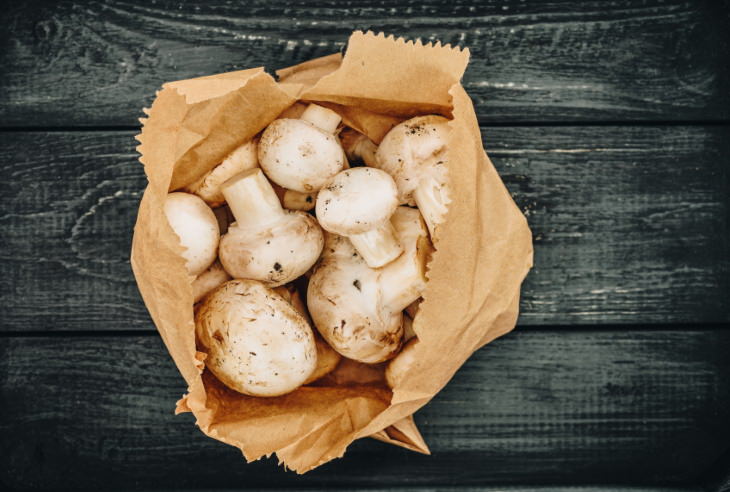
Washing mushrooms as soon as you bring them home is a habit worth dropping. The added moisture makes them turn slimy and spoil much faster, especially if you store them in a sealed container. Keep them unwashed in a paper bag in the fridge instead.
You may have heard that mushrooms soak up water like a sponge and should never touch the tap. That's largely a myth: tests have shown they absorb only a small amount during a quick rinse. So if your mushrooms look dirty, simply brush them off with a soft brush or wipe them with a damp paper towel, or give them a quick rinse right before cooking. Just don't soak them, and pat them dry before they go into the pan so they brown nicely instead of steaming.
3. Frozen Vegetables (But Always Cook Them)
There's no need to rinse frozen vegetables. They were already washed and trimmed before freezing, and rinsing them at home does nothing to make them safer.
There is, however, something important to know. Most frozen vegetables are only briefly heated before freezing to preserve their color and texture, and that isn't enough to reliably kill harmful bacteria. Frozen vegetables and frozen corn have been behind outbreaks of Listeria, a bacterium that is especially dangerous for people over 65. That's why food safety experts recommend always cooking frozen vegetables according to the package instructions, and not adding them straight from the freezer to salads, dips, or smoothies, unless the package specifically says they're ready to eat.
4. Raw Meat, Chicken, and Fish
This is probably the most common washing habit of all, and the one food safety experts most want us to break. Rinsing raw meat, poultry, or fish doesn't remove harmful bacteria such as Salmonella or Campylobacter. Instead, the splashing water sprays them onto your sink, counters, dish towels, and any other food nearby. In one US government study, about a quarter of the people who washed raw chicken ended up with those bacteria in a salad they prepared afterwards.
The only thing that reliably kills these germs is proper cooking. Use a meat thermometer and cook to these safe internal temperatures:
Chicken and turkey: 165°F (74°C)
Ground beef, pork, and lamb: 160°F (71°C)
Steaks, roasts, and pork chops: 145°F (63°C), then let the meat rest for 3 minutes
Fish: 145°F (63°C), or until the flesh is opaque and flakes easily with a fork
If there's liquid or a bit of bone on the meat, simply pat it with a paper towel and throw the towel away. Then wash your hands with soap for 20 seconds, and clean any surface the raw meat touched. Using a separate cutting board for raw meat and for fresh produce is another easy way to keep germs from spreading.
5. Eggs
It might seem sensible to rinse eggs before cracking them, but it's best not to. Eggs sold in US supermarkets have already been washed and sanitized at the processing plant. Washing them again at home, especially in cold water, can actually draw bacteria from the outside of the shell in through its tiny pores. Keep eggs in their carton in the fridge, and if one has a bit of dirt on it, wipe it with a dry paper towel. If an egg is cracked, it's safest to throw it out.
What About Pesticides?
This is one of the most common questions about washing produce. Rinsing and rubbing under running water removes some pesticide residue from the surface, though not all of it. Some research has found that soaking produce such as apples in a solution of about one teaspoon of baking soda to two cups of water for 12 to 15 minutes, then rinsing, removes more surface residue than water alone. It's an easy, inexpensive option if this worries you. Vinegar soaks and store-bought produce washes, on the other hand, aren't necessary.