Showing posts with label calcium. Show all posts

Sunday, September 27, 2026

Bengal’s Rustic Drumstick Leaf Chutney / Sojne Pata Bata

 Ingredients

3 cups drumstick leaves

5 to 6 garlic cloves

1 small onion, chopped

1 to 2 green chillies

2 to 3 dry red chillies

2 tbsp mustard oil, plus 1 tsp

1 tsp nigella seeds/ kalonji

Salt to taste 


Preparations

Separate the drumstick leaves from the thicker stems and wash them well.

Heat 1 tbsp mustard oil in a pan.

Add the leaves and sauté until they soften and most of their moisture cooks away.

Add garlic, onion and green chillies.

Cook until softened.

Add salt and cook the leaves for another 2 to 3 minutes.

Let the mixture cool slightly.

Grind into a coarse or smooth paste, depending on your preference.

Heat the remaining mustard oil.

Add dry red chillies and nigella seeds.

Once fragrant, add the ground mixture.

Cook for a few minutes until thick.

Finish with a small drizzle of mustard oil. 


TIP- Drumstick leaves can be naturally bitter. Remove the tougher stems and cook the leaves properly for a more balanced flavour.

Goes well with rice and dal  


https://gscrochetdesigns.blogspot.com. one can see my crochet creations  

https://kneereplacement-stickclub.blogspot.com. for info on knee replacement

https://cancersupportindia.blogspot.com  for info on cancer and health related topics

https://GSiyers home remedies.blogspot.com   is the latest addition to my blogs


Tuesday, August 11, 2026

The Health Benefits and Uses of Potato Skins

One vegetable that’s available in almost every household across the world is the humble potato. This vegetable is adored all over the world for its versatility and taste. The number of dishes that can be prepared with a potato is endless! However, while preparing anything with potatoes, what is the first thing we do? We peel them and toss the peels into the bin. What good are they, after all... Right? But what if we told you that the skin is the most nutritious part of a potato? Not only that. Potato peels can also be beneficial for your skin and hair in a variety of ways! 

Today, we will show you some surprising and little-known benefits of potato skins. Considering that potato peels are discarded as waste and not effectively utilized, you are likely to be shocked by the information below.

1. They're quite nutritious
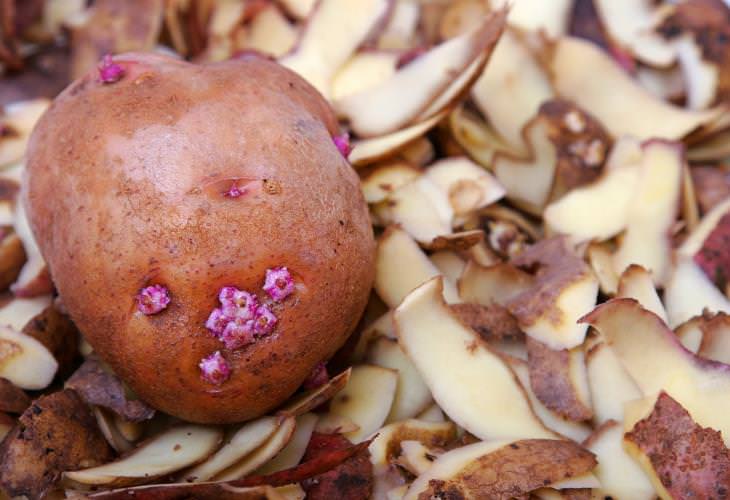
Health & Beauty Benefits of Potato Peels, nutritious 

For starters, the potato peel has a very impressive nutritional profile. By adding it to your diet, you will get a variety of vitamins and minerals. According to the USDA, 100 g of raw potato peels contains 83.3 g of water and gives 243 kJ of energy. Apart from that, the skins also include:

Protein: 2.57 g 

Dietary fiber: 2.5 g 

Calcium: 30 mg 

Iron: 3.24 mg 

Magnesium: 23 mg 

Phosphorus: 38 mg 

Potassium: 413 mg 

Sodium: 10 mg 

Zinc: 0.35 mg 

Copper: 0.42 mg 

Manganese: 0.6 mg 

Selenium: 0.3 mcg 

Vitamin C: 11.4 mg 

Vitamin B3: 1.03 mg 

Folate: 17 mcg.

2. Good for heart health

Since potato peels are rich in potassium, an essential mineral for maintaining and regulating blood pressure, they are considered good for heart health. They are also loaded with magnesium and calcium, which, according to Harvard Medical School, also help control blood pressure.

Furthermore, studies indicate that these peels have powerful radical scavenging, or antioxidant, activity because of chlorogenic and gallic acids – two dominant compounds that help maintain the health of your heart by reducing damage caused by free radicals. Recent research has shown that free radical damage may cause many chronic health problems, such as cardiovascular and inflammatory diseases. Antioxidants can prevent that damage, as they eradicate free radicals by neutralizing them.

3. Can help heal wounds

Potato peels contain terpenes and flavonoid organic compounds, both of which have been proven to prevent bacterial and fungal infections. Moreover, studies show the skins of this amazing vegetable can also be used for healing wounds and preventing bacterial growth. They do so by encouraging skin growth and supplying tensile strength to the wounded skin.

In addition, potato peels can be used as an alternative for wound dressing because they moisturize the skin, not to mention that they are readily available, inexpensive, and easy to apply.

4. They act as a natural  hair colouring agent

 A little-known benefit of potato skins is that they can color grey hair. The peels contain several vital nutrients, such as iron, zinc, copper, calcium, potassium, niacin, and magnesium that help provide a natural look and color to your hair. So, if you're looking for a natural and eco-friendly way to dye your hair, just use potato peels.

5. Help lighten dark spots

Apart from antioxidant and antibacterial compounds, potato skins also contain phenolic compounds. Together, these compounds have a brightening effect on the skin. Meaning, they can help lighten dark spots on the skin or help reduce dark circles that appear under the eyes. 

All you need to do is collect some fresh potato skins and rub them over the dark spots for a few minutes. Alternatively, you can make a fine paste of the peels and rub them on the problem area every day. You should start seeing results in about three weeks!

6. Anti-inflammatory and anti-allergy effects

Potato skins are a natural source of a flavonoid called quercetin. Flavonoids are a group of natural substances found in fruits, vegetables, plants, and trees that are believed to protect against disease. The flavonoid quercetin has been shown to have an anti-inflammatory and antioxidant effect that protects the body against disease and infection.

A 2016 study published in the journal Molecules showed that quercetin can be effective for treating bronchial asthma, allergic rhinitis, and peanut-induced anaphylactic reactions. The authors of the study also stated that quercetin is the main ingredient in several potential anti-allergy drugs.

7. Can reduce glucose levels
 

A study that analyzed the anti-diabetic effects of potato peels found that the dietary fiber and polyphenols in potato peel powder can help lower glucose levels when added to the diet for at least four weeks. Furthermore, the vegetable’s skin also helps limit free radical damage to the liver and kidneys and enhances their functions in people with diabetes.

Ways to use potato skins

 Now that we have established that potato peels are good for your health, how should we add them to our diet? Well, there are numerous recipes out there for making dishes with potato skins. But, you must first make sure that you are eating them in a healthy way. Otherwise, you won’t get their nutritious benefits. 

If you are looking for interesting ways to add potato skins to your diet, here are a few unique suggestions you might like:

* Add them to your salads for a low-calorie healthy lunch. 

* Bake a potato without peeling off its skin and add salt and pepper, and very light simple toppings for a nutritious and delicious snack. For this, first put the potatoes in a 400 °F (204.4 °C) oven for an hour and let them bake until the flesh is very soft. Next, cut the potatoes down the middle and insert your favorite toppings. 

* Bake potato skins with sour cream, chives, and bacon for a yummy snack. 

* Rub the cleaned skins with olive oil and kosher salt and bake them until crispy.

How to choose potato peels

While potato skins are safe to eat, just make sure to wash them well before cooking to get rid of all the dirt. However, experts say that we shouldn’t eat a potato peel that’s turned green. Since potatoes grow underground, they start turning green when exposed to light. This green color appears because of chlorophyll pigmentation. When this happens, it leads to the formation of an alkaloid called solanine, which can be toxic to humans when consumed in large amounts. Therefore, it’s better to discard a potato that’s acquired a green tinge.


https://gscrochetdesigns.blogspot.com. one can see my crochet creations  

https://kneereplacement-stickclub.blogspot.com. for info on knee replacement

https://cancersupportindia.blogspot.com  for info on cancer and health related topics

https://GSiyers home remedies.blogspot.com   is the latest addition to my blogs


Saturday, August 8, 2026

Horse-gram Kheer ( Kollu payasam) Protein and Iron rich simple dessert using just 2 ingredients


 Ingredients

1 small cup horse gram washed and soaked in hot water for 3 hours 

gur 2 tbsp or to taste

water as needed

cardamom pdr 1/4 tsp optional

you may add some chopped nuts to make it healthier or fry the nuts and raisins in little ghee and add


Preparations

after soaking for 3 hours , I pressure cooked the horse gram for 5 whistles

once the pressure was released, opened and saw the grams were well cooked ( though my maid scared me saying you need to cook for more than 10 whistles)

then i ground the grams with gur approximately 2 tbsp  using the cooked water in a mixer jar, then added little more water.

I poured it back in the same vessel, cleaned the jar with little water and added it to the ground paste

I cooked it stirring felt  it was a bit to thick, cooked for 3-4 minutes till it almost boiled.

then I switched off added little cardamom pdr, poured in my mug, added little milk, as I was worried if milk added to the hot payasam may curdle. Luckily it didn't drank this 2 small mugs, for my dinner. 

I first thought of making a soup with the grams with some chopped onion, but as I was feeling tired, just decided to add gur and cook it.

Health benefits of horse gram-s a nutrient-dense legume packed with protein, dietary fiber, and iron. It helps manage blood sugar, supports weight loss, and improves digestion. 


Key Health Benefits
  • Blood Sugar Control: Features a low glycemic index and slow-digesting starches that help prevent post-meal blood sugar spikes.
  • Weight Management: High protein and fiber content promote a feeling of fullness, which helps lower overall calorie intake.
  • Digestive Health: Abundant dietary fiber prevents constipation and supports a healthy gut.
  • Kidney and Urinary Health: Traditional use and diuretic properties assist in increasing urine flow and managing kidney stones. 
Nutritional Profile (Per 100g)
  • Protein: 22–25 grams
  • Dietary Fiber: 5–6 grams
  • Iron: ~7 mg
  • Calcium: ~287 mg
  • Carbohydrates: ~57 grams                                           

    https://gscrochetdesigns.blogspot.com. one can see my crochet creations  

    https://kneereplacement-stickclub.blogspot.com. for info on knee replacement

    https://cancersupportindia.blogspot.com  for info on cancer and health related topics

    https://GSiyers home remedies.blogspot.com   is the latest addition to my blogs

Tuesday, August 4, 2026

9 Health Benefits of Cumin everyone should enjoy.


Cumin is one of the best-known and most widely used spices in Israeli cooking and in many cuisines around the world. It's used to season soups, legumes, vegetables, meat and baked goods, giving dishes a warm, deep and slightly nutty flavor. The spice comes from the dried seeds of the cumin plant, whose scientific name is Cuminum cyminum, and it belongs to the Apiaceae (umbellifer) family, which also includes parsley, coriander and fennel. In addition to its rich flavor, cumin also has a long history of use in traditional medicine, mainly for easing digestive problems. In recent years, studies have examined cumin powder, extracts and essential oil, but it's important to distinguish between traditional use and a medical effect proven in clinical studies. These studies revealed that there is a justified basis for using cumin as a natural remedy to ease various problems, and after you read about its 9 health benefits, it's likely you too will want to eat more foods with this wonderful spice.


Cumin
1. It provides a surprising amount of iron relative to the serving size  

Cumin is considered one of the spices richer in iron. A single teaspoon of cumin seeds contains about 1.4 mg of iron. That's a decent amount for a serving weighing only about two grams. The recommended daily intake for adult men and for women over the age of 50 is usually 8 mg of iron. So a teaspoon of cumin can supply them with about 17% of the recommended daily amount. Women of childbearing age usually need a higher amount, so that same teaspoon will supply them with a lower percentage of the daily requirement. That said, cumin should not be seen as a treatment for iron deficiency or anemia. The iron it contains is non-heme iron, whose absorption in the body is more limited. You can improve its absorption when you eat it as part of a meal that contains vitamin C, for example in a tomato stew, in a salad with peppers or alongside lemon juice. 

2. It contains essential minerals and healthy plant compounds 

Besides iron, a teaspoon of cumin provides small amounts of calcium, magnesium, phosphorus, potassium and manganese. The amounts aren't large enough to make cumin a primary source of these minerals, but they add to its nutritional value as part of a varied diet. Cumin seeds also contain various aromatic and plant compounds, including cuminaldehyde, flavonoids and terpenes. Cuminaldehyde is one of the substances responsible for cumin's characteristic aroma and flavor. In laboratory studies, some of these compounds were found to have antioxidant activity, but results observed in a test tube don't necessarily prove that eating the spice will prevent disease in the human body. In a clinical study conducted among people with metabolic syndrome, participants who received capsules of cumin essential oil for eight weeks showed improvement in several measures related to the body's antioxidant system. Among other things, an increase was found in the activity of the enzyme superoxide dismutase and in total antioxidant capacity.

3. It may help reduce salt use 

Cumin contains very little sodium. A teaspoon of cumin seeds contains only about 3.5 mg of sodium, compared with hundreds of milligrams in a small amount of table salt, in soup powders and in industrial seasoning blends. There's no need to give up salt entirely to enjoy a balanced diet, but many people consume more sodium than recommended, mainly through processed food, sauces, snacks, cheeses and ready-made dishes. Using cumin alongside other spices, such as paprika, garlic, coriander, black pepper or turmeric, can give a dish a more complex flavor and reduce the sense that it's missing salt. It's important to check the ingredient list when buying a ready-made blend that contains cumin, because while the cumin itself is low in sodium, blends for seasoning meat, shawarma, meatballs and the like may contain a large amount of salt.

4. It may ease bloating and digestive discomfort 

The use of cumin to ease digestive problems is well known in the traditional medicine of the Middle East, India and other regions. It was used, among other things, after heavy meals and to relieve gas, a feeling of fullness and mild stomachaches. In a preliminary study conducted among people with irritable bowel syndrome, participants received cumin extract for four weeks. During the period of use they reported a decrease in abdominal pain, bloating, a feeling of incomplete evacuation and urgency in bowel movements. Some participants also showed an improvement in the frequency and texture of their stools. That said, it should be noted that the study had a significant limitation: it had no control group, which means it's impossible to know for certain whether the improvement stemmed from the cumin, from other changes in the participants' behavior, from the expectation that the treatment would help, or from natural fluctuations in irritable bowel symptoms.

5. It may support the weight-loss process 

Eating cumin on its own doesn't burn fat and can't make up for overeating, but several studies have examined whether this spice can help as part of a structured weight-loss program. In a controlled trial conducted among women who were overweight or obese, all the participants received nutritional counseling intended to help them lose weight. Half of them were asked to consume three grams of cumin powder a day in yogurt, while the second group received yogurt without cumin. After three months, the group that consumed cumin showed greater reductions in weight, body mass index, waist circumference, fat mass and body fat percentage. That said, it's important to emphasize that all the participants received a weight-loss nutrition plan.

6. It may help balance blood sugar levels 

Cumin's effect on blood sugar levels has been studied mainly among people with type 2 diabetes, prediabetes, overweight or other metabolic disorders. Some studies pointed to an improvement in fasting blood sugar levels or in measures related to insulin activity, while other studies found no significant effect. But a recent and especially encouraging finding emerged lately from a meta-analysis published in 2026, which found a decrease in fasting blood sugar levels among people who received cumin supplements. The researchers noted that the effect appeared more pronounced in some of the studies conducted among adults over the age of 50 and among people with type 2 diabetes. That said, they emphasized that these are preliminary data analyses, which don't make it possible to determine exactly whom the supplement suits or what dose is worth taking.

7. It may have a positive effect on blood lipid levels 

Several studies have found a possible effect of eating cumin on cholesterol and triglyceride levels. In a trial conducted among overweight women, the group that consumed cumin powder showed a greater reduction in total cholesterol, LDL cholesterol and triglyceride levels, along with an increase in HDL cholesterol levels. The 2026 meta-analysis mentioned in the previous section also found that cumin supplements were associated with a decrease in triglyceride levels and a certain increase in HDL levels. That said, the results varied considerably between studies, especially where HDL was concerned. Such high variability suggests that the effect is not uniform, and it may depend on the participants' age, their health condition, the dose, the length of treatment and the form of the supplement. People with high cholesterol or triglycerides can certainly use cumin in cooking, but they should not stop medications or delay medical treatment on the basis of small studies on cumin supplements.

8. It may contribute to concentration and cognitive function 

Iron plays a central role in producing hemoglobin, the protein in red blood cells that carries oxygen from the lungs to the body's tissues, including the brain. When a significant iron deficiency develops, and especially iron-deficiency anemia, fatigue, weakness, reduced energy, difficulty concentrating and memory problems may appear. Since a teaspoon of cumin provides a nice amount of iron, regularly including the spice in various dishes can contribute to daily iron intake and thus help prevent such effects, especially as part of a diet that also contains legumes, green vegetables, whole grains and additional iron sources.

9. It contains compounds with antioxidant activity 

Cumin seeds contain a variety of plant compounds, including flavonoids, polyphenols, terpenes and cuminaldehyde - one of the main substances responsible for the spice's characteristic smell and flavor. In laboratory studies, some of these compounds were found to be capable of neutralizing free radicals and reducing oxidation processes. Free radicals are formed in the body as part of natural processes, but their excessive accumulation may contribute to oxidative stress and to damage to the fats, proteins and genetic material in cells. That said, it's important to distinguish between antioxidant activity measured in a concentrated extract under laboratory conditions and the effect of an ordinary amount of cumin within a meal. The existing studies show that cumin has an interesting chemical composition and antioxidant potential, but there still isn't enough clinical evidence to determine that consuming it alone prevents diseases or slows the aging process.

How to use cumin in cooking? 

You can buy cumin as whole seeds or as ground powder. Whole seeds usually keep their aroma longer, especially when you toast them briefly in a dry pan and grind them close to cooking time. Avoid prolonged toasting, because the seeds may burn and take on a bitter taste. Ground cumin is more convenient to use and suits soups, legume stews, rice, meatballs, fish and roasted vegetables. You can start with a quarter to half a teaspoon for a small pot and add to taste. Its flavor is dominant, so a large amount isn't needed to notice it.

In summary  

Cumin is not a miracle cure, but it definitely deserves a place in the menu of anyone trying to maintain a healthy diet. It adds plenty of flavor with almost no calories or sodium, provides a decent amount of iron relative to the serving size, and contains additional minerals and plant compounds. It also combines well with vegetables and legumes and can make it easier to prepare nutritious, satisfying home-cooked meals. Human studies point to the possibility that cumin and supplements based on it may help to some extent with weight loss and waist circumference, with improving some blood lipid measures, with balancing blood sugar and with reducing certain digestive symptoms. That said, the evidence is still not strong or consistent enough to present cumin as a perfect treatment. The safest and simplest way to enjoy it is to use it as a spice as part of a varied diet. In that case, even without far-reaching promises, its rich flavor and nutritional contribution give enough reasons to keep it within reach - your body will definitely thank you for it!


https://gscrochetdesigns.blogspot.com. one can see my crochet creations  

https://kneereplacement-stickclub.blogspot.com. for info on knee replacement

https://cancersupportindia.blogspot.com  for info on cancer and health related topics

https://GSiyers home remedies.blogspot.com   is the latest addition to my blogs


Thursday, July 30, 2026

The 7 healthiest leafy greens for your skin and body

 Eat your greens”: it’s a phrase everyone has heard repeated since childhood, first from parents and grandparents and later from doctors and nutritionists. The advice to eat leafy green vegetables is truly a cornerstone of healthy eating across the globe. These plant-based foods are a veritable treasure trove of nutrients—vitamins, minerals, antioxidants and fibre—that not only protect us from many diseases but also support the heart, brain and immune system, promote healthy skin, boost vitality and help us maintain a healthy weight. It’s therefore essential to eat them regularly and rotate your choices to enjoy the benefits of each individual plant. Some of the healthiest leafy greens can also be enjoyed raw, ensuring that the nutrients aren’t compromised by cooking. This time of the year, supermarket aisles and local markets are overflowing with bright, vibrant green vegetables: to help you choose, we’ve selected eight of the healthiest leafy greens that are most beneficial for our health (and beauty). What’s more, when prepared creatively, they’re a delight for our palates as well.

Watercress

It has been repeatedly named the healthiest vegetable in the world. The humble watercress is truly an exceptional source of nutrients: one serving provides 100% of the recommended daily intake of vitamin K (which protects against osteoporosis); vitamin A, which plumps the skin; vitamin C, which contributes to collagen production; lutein and zeaxanthin, which protect the eyes; calcium, essential for healthy bones and antioxidants that defend against various diseases (including chronic ones). Add a handful of leaves from this detoxifying vegetable to your salad, cold soups like gazpacho or your smoothie. You can also use watercress to make a delicious pesto.

Kale

A long-standing obsession among wellness enthusiasts and celebrities, like Gwyneth Paltrow, Miranda Kerr, Beyoncé and Jennifer Aniston, kale is a legendary leafy green that epitomises health. It’s packed with antioxidants like polyphenols, flavonoids, vitamin C and beta-carotene, which not only protect against many diseases but also have anti-ageing effects and make your skin glow. Chop the kale leaves to make them easier to digest and let your creativity run wild in making imaginative salads with cottage chesse and raisins, for example, or with mung beans and cashews—and dress them with tahini sauce and toasted pumpkin seeds.

Spinach

Light, crisp (when consumed raw as baby spinach), low in calories and nutrient-rich, spinach is a winning choice, especially during the summer. These antioxidant and anti-inflammatory vegetables provide a cocktail of nutrients beneficial for skin, eye and heart health: vitamins A, E, C and K, beta-carotene, chlorophyll, lutein, zeaxanthin and minerals such as potassium, calcium, iron and magnesium. Enjoy them raw to preserve all their nutritional properties. And always get creative with new salads, pairing them with avocado, chopped walnuts and strips of tempeh, for example.

Seaweed

Technically marine organisms, seaweed (which also have green leaves) are considered as superfoods with a taste of the sea and an extraordinary source of nutrients. They are wrapped around maki sushi and used in soups and salads. These marine vegetables are rich in vitamins, minerals and antioxidants, as well as collagen (which supports the skin), stress-relieving magnesium and brain-boosting omega-3s. In addition, they stimulate hair growth and support thyroid and intestinal function. Sprinkle nori flakes over your salads, rice, spelt and quinoa or add a piece of wakame or kombu seaweed to your summer soups and pureéd soups (served slightly chilled), such as pea and sweet potato soup.


Arugula

A star ingredient in iconic Mediterranean salads, this pick has a legion of fans who love its distinctive flavour, which makes every dish unique and special. What’s more, it contains powerful anti-ageing antioxidants, vitamins such as vitamin A, vitamin C and vitamin K, minerals like calcium, potassium and iron and B vitamins such as folic acid (essential during pregnancy). It also aids digestion and helps replenish minerals. Don’t just eat it in salads: add it to smoothies, chop it up and sprinkle it over ceviche and carpaccio or toss a handful of raw arugula into dishes made with quinoa, barley, spelt or brown rice.

Swiss chard

Who would have thought? The humble Swiss chard (or beet greens) is a prime candidate for “beauty food,” providing the entire recommended daily intake of vitamin A (which promotes healthy skin) and even double the recommended daily intake of vitamin K, which is vital for strong bones. In addition, it provides vitamin C, which stimulates collagen production; biotin, which strengthens hair; potassium, which promotes diuresis and detoxification; lutein and zeaxanthin, which protect the eyes and magnesium, which helps reduce stress. Choose Swiss chard with thin ribs and tender leaves and enjoy it in salads, seasoned with crumbled feta and buckwheat croutons, for example.

Pak choi (or bok choi)

This vegetable (also known as Chinese cabbage), which originates from Asia and is now increasingly common globally, is an excellent addition to our arsenal of health-promoting vegetables, thanks to its numerous nutritional benefits. This plant with large green leaves provides beta-carotene, which protects the skin from the sun; antioxidant vitamin C; bone-strengthening vitamin K; as well as folate and minerals such as calcium, magnesium and potassium. To eat pak choi raw, choose the most tender bunches, cut them into thin strips and dress them with olive oil, lemon juice and soy sauce, along with pan-seared tofu cubes. Or cut the head in half, quickly sear it on the grill, season it with a few drops of soy sauce and lemon juice and sprinkle it with chopped parsley and slivered almonds.


https://gscrochetdesigns.blogspot.com. one can see my crochet creations  

https://kneereplacement-stickclub.blogspot.com. for info on knee replacement

https://cancersupportindia.blogspot.com  for info on cancer and health related topics

https://GSiyers home remedies.blogspot.com   is the latest addition to my blogs


Monday, July 13, 2026

Dark chocolate, walnut and date bites

Ingredients

8-10 soft dates, pitted

1/2 cup walnuts

1/2 cup dark chocolate, melted

1 tsp cocoa powder (optional)

Pinch of sea salt


How to make it:

Crush the dates and walnuts into a slightly coarse mixture, then stir in the melted dark chocolate, cocoa powder and sea salt. Roll into bite sized balls and chill for sometime before consuming.


https://gscrochetdesigns.blogspot.com. one can see my crochet creations  

https://kneereplacement-stickclub.blogspot.com. for info on knee replacement

https://cancersupportindia.blogspot.com  for info on cancer and health related topics

https://GSiyers home remedies.blogspot.com   is the latest addition to my blogs


Friday, June 19, 2026

Smoothie to strengthen joints and bones

 Ingredients and Preparations

Chia seeds 1 tbsp. they’re real super-foods for the bones. They contain more calcium than milk and also magnesium, phosphorus and protein.

Soak the seeds in 100 ml water and stir. Let the chia seeds soak while you prepare the remaining ingredients.

Chia strengthen bone tissue, prevents osteoporosis, maintains bone density and helps with brittle bones. The omega-3 fatty acids in chia seeds reduce joint inflammation.

Flax seeds 1 tbsp- as they’re good for the joints thanks to their high content of omega-3 fatty acids. They reduce inflammation in connective tissue, decrease stiffness and improves mobility.

Pumpkin seeds 1 tbsp. the zinc in pumpkin seeds is important for protein synthesis and bone formation. Powder together with flax seeds.

Put the ground seeds in a blender jar.

Peel ans slice a small banana. Bananas are good for bones thanks to their high potassium and magnesium content. These nutrients help to store calcium in the body, increase bone density and prevent osteoporosis.

Potassium neutralizes acids that leach calcium, and fructooligosaccharides improve calcium absorption.

Add it to the blender. Peel a small cucumber. Cucumbers are good for the bones thanks to their high vitamin K content ( up to 40 % of the daily requirements in 1 cucumber).

Vitamin K is important for calcium absorption, bone strength and a lower risk of fractures. They also contain silicon, which strengthens cartilage and connective tissue and reduces acidity in the body, thus preventing age-related bone loss.

Add the cucumber to the blender along with 1 -1 1 /2 cm long ginger root peeled.

Ginger is an effective natural remedy for joint health with strong anti-inflammatory and pain-relieving properties. It reduces swelling, improves joint mobility and helps with arthritis and osteoarthritis. Ginger warms, promotes blood circulation and supports cartilage regeneration. Add 1 tsp of grated ginger to the jar.

Squeeze ½ an orange. Orange juice, like the orange itself, is very beneficial for bones and joints, primarily due to its high content of vitamin C and other important nutrients. Vitamin c is essential for collagen ( the main protein in joints and bones). Without sufficient vitamin C, the body cannot properly synthesize collagen. Vitamin C is a powerful antioxidant that protects cartilage cells from damage caused by free radicals. This is particularly important in inflammatory joint diseases such as arthritis. Add the juice to the blender.

Peel and slice 1 kiwi, which is again rich in Vitamin C, which is essential for collagen synthesis and thus ensures the strength and elasticity of the cartilage. Regular kiwi consumption reduces inflammation, helps with osteoarthritis and arthritis, thanks to its antioxidants, and promotes tissue regeneration and joint mobility.

Add the peeled kiwi to the blender.

Slice ½ a green apple. Green apples are good for joints due to their high content of antioxidants ( especially quercetin), vitamin C and minerals. Slice them and add to the blender.

These help to reduce inflammation, protect cartilage, and strengthen bones. Quercetin stimulates collagen production, and vitamin C reduces the risk of rheumatoid arthritis through its anti-inflammatory effect.

Add ½ tsp turmeric pdr to the blender. Thanks to its active ingredient curcumin, turmeric is a powerful, natural anti-inflammatory and antioxidant that effectively relieves pain, swelling and stiffness in joints in cases of arthritis, arthrosis and osteochondrosis.

1 cup of low-fat yogurt to the blender. Blend the ingredients. Natural yogurt is good for the joints due to its high content of calcium, protein and vitamin D, as these substances strengthens bones and prevents osteoporosis/ the probiotics contained in yogurt improves overall health and help reduce inflammation. Blend all the ingredients well.

This recipe combines he best of both worlds for the health of musculoskeletal system: calcium from yogurt and seeds, silicon from cucumbers, vitamin C from orange and kiwi for collagen formation and powerful anti-inflammatory spices.

Put ½ of nicely swollen chia in a glass and pour the prepared smoothie over it. This recipe contains 2 servings. Stir well, the smoothie is creamy, nutritious and has a refreshing taste with a light citric note.

Drink this smoothie daily or every other day for breakfast. After 3-4 weeks you will feel more flexible joints and more energy.


https://gscrochetdesigns.blogspot.com. one can see my crochet creations  

https://kneereplacement-stickclub.blogspot.com. for info on knee replacement

https://cancersupportindia.blogspot.com  for info on cancer and health related topics

https://GSiyers home remedies.blogspot.com   is the latest addition to my blogs