Showing posts with label dishwasher. Show all posts

Friday, August 8, 2025

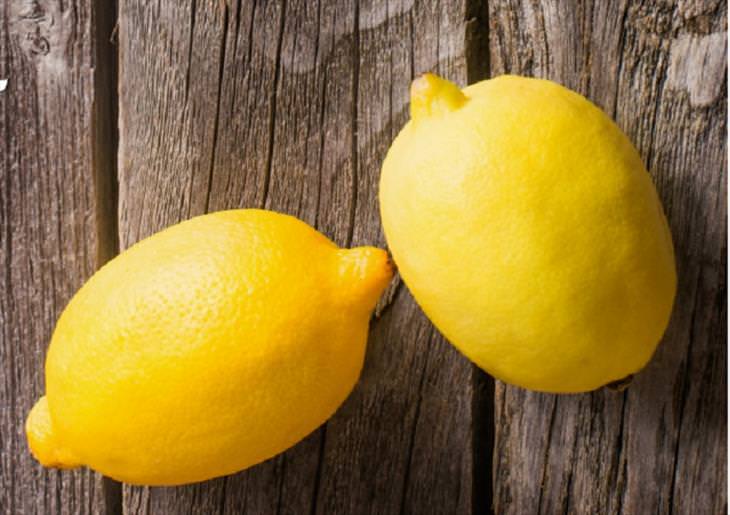
Great Uses for Lemon Peels

Lemons have a lot to offer: they’re delicious, refreshing and have an aroma that can upgrade many dishes. Adding a bit of fresh lemon juice to a cup of water in the morning can do wonders for our level of alertness throughout the rest of the day. But what about those lemon peels?
If you like to add lemon to your diet on a regular basis, you probably throw the peels in the trash. Did you know, however, that the peels are incredibly rich in vitamins, minerals, and fibers that can increase your food’s nutritional value, aid in house cleaning, and even be used to maintain your skin’s health? The following recipes will show you how you can add lemon peel to your day-to-day life with ease.

1. Homemade Lemon and Herbs ( see my next post for the recipe)
 uses for lemon peels
 
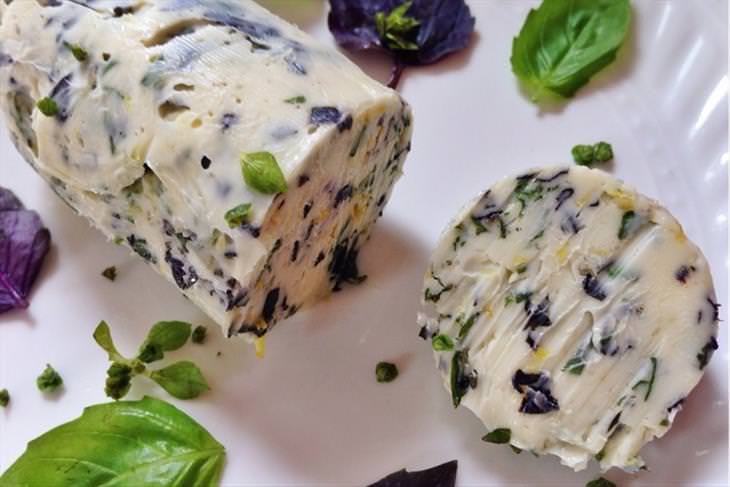
Butter Would you believe that you can enjoy this delicious butter without going to a fancy restaurant? Simply turn the plain butter you’ve got at home into a gorgeous and delicious lemon and herbs butter you can enjoy at every meal.


2. Candied Lemon Skins ( recipe in my post)
 uses for lemon peels
 
This is an unusual treat, and if you want to keep the peel's sour flavor, just use less sugar than called for in the recipe.


3. Add Some Zest to Your Olive Oil  ( view recipe in my blog)
 
Transform your plain olive oil into a delicious and nutritious lemon-oil. This upgrade will have your guests begging for the recipe.


4. Jazz Up Your Drinks with a Lemony Ice-Cube  
 uses for lemon peels
 
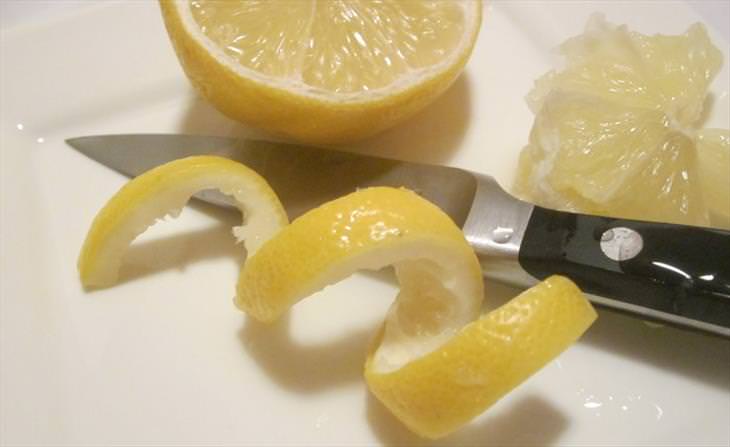
Add some extra flavor to any drink you serve this summer by adding a couple of fancy lemon ice-cubes. Cut the lemon peels into spirals and remove as much of the fruit as you can from them (this will make it less bitter). Cut the spirals to fit in an ice tray, fill the tray to the half-way point and put one spiral in each segment, making sure a small bit stays out of the water. After freezing, you’ll be left with fancy-looking ice cubes.


5. Make a Lemon-Pepper Seasoning Mix ( view recipe in my post)
 uses for lemon peels
 
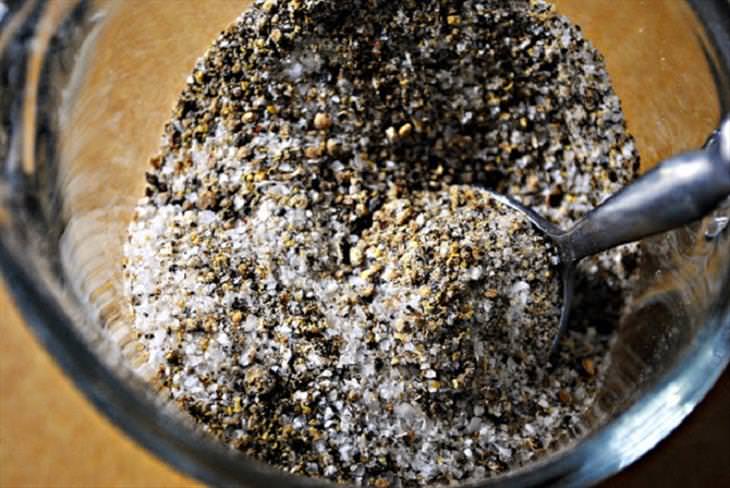
This seasoning mix can work for almost any kind of dish whether it’s a salad, fish, or chicken. Preparation is very simple, and the ingredients are 100% natural.
 
6. All-Natural Ant and Pest Repellent 
Place small pieces of lemon peels along your windowsills, doors, and any other cracks and holes that ants use to sneak into your house. Ants hate the scent of lemon, so they’ll be reluctant to return to that area again. The peels are also particularly effective against fleas, making them an ideal solution for pet owners that want to protect their 4-legged companions from those nasty parasites.


7. Freshen Up Your Home 
 
The scent of fresh lemon can freshen up your home and get rid of unpleasant smells quickly and easily. 
 
Freshen up the fridge: Place a few small pieces of lemon peel in the fridge. The skin will absorb any unpleasant odors while setting off its own citrus scent.
 
Freshen up the trash bin: Put a few pieces of lemon peels at the bottom of the bin to absorb the bad odors. 
 
Freshen up closets: Sun-dry lemon peels and put them in small potpourri bags. Add spices such as cinnamon, cloves, nutmeg, and put it in your closets to keep them smelling fresh. 
 
8. Effectively Clean Surfaces and Utensils 
The lemon’s natural acidity is antibacterial and can help you clean many things in the kitchen. 
 
Clean plaque residue in kettles: Fill the kettle up with water, add a few thin slices of lemon peel, and boil the water. Allow the boiled water to sit for an hour, and then empty and wash the kettle.
 
Remove the smell of coffee: If your coffee maker’s pitcher is starting to smell like old coffee, empty it, put some lemon peels, a few pinches of salt and some ice-cubes. Shake well and wash the pitcher. 
 
Freshen up the dishwasher: If your dishes come out of the dishwasher smelling somewhat funky, add some lemon peel to the next load. This cleans both the machine and removes any foul-smelling residue. 
 
Clean and deodorize cutting boards: After washing your cutting board with water and dish soap, rub the surface with the outside of a lemon peel. Let it sit for 30 minutes and then rinse.

Clean your microwave: 
 uses for lemon peels
 
Fill a bowl halfway with water and add a few pieces of lemon peels. Pop it in the microwave and run it on high for 5 minutes. The heat will boil the water, and the lemon-infused steam will clean the sides and top of the microwave. Once it’s done, remove the bowl (Careful! It’s hot!) and wipe down the surfaces. 
 
Save your utensils: If you have old knives, pots, or any other metallic utensils that have lost their shine or have grime that simply won’t go away, there’s an effective solution you can use - sprinkle some sea salt on the utensils, then rub them with a lemon peel. Rinse and watch how all the dirt, grime, and stains wash away.

9. Foot Spa 
If you want to soften any hard skin on your soles, boil water with lemon peels and let it cool down. Add ¼ cup of milk (bovine or almond), 2 tablespoons of olive oil, and a few drops of essential oil of your choice. Pour the mixture into a tub and soak your feet in it for 20 minutes, then dab your feet dry. 
 
10. Polish and Brighten Your Skin with a Homemade Scrub ( see recipe in my Home remedies blog)
This homemade scrub will help to soften your skin, in addition to brightening any sun damage it may have experienced. Similar to other exfoliating agents, avoid using this scrub on wounds or sensitive and irritated skin, as well as skin riddled with acne. To make this scrub, you’ll need to extract the lemon’s natural oils.


11. Morning Face-Wash  
Many kinds of face washes contain alcohol and are thus not recommended for daily use, as the alcohol dries out and irritates your skin. You can rub the outside of a lemon peel onto your face before rinsing it. Avoid contact with the eyes. 
 
12. Pamper Your Hands 
Lemon peels can help you with most hand and arm-related issues, and can even help your fingernails shine.
 
Fingernail bleach – Clean stains from your fingernails by gently rubbing them with a lemon peel. 
 
Soften elbow skin – Sprinkle some baking soda on the outside of a lemon peel and place it against your elbow. Twist the peel as if you’re juicing it for a few minutes, then rinse your elbow. 
 
Lighten age spots – If you have age spots on your hands and arm, you can use lemon peels to lighten them by rubbing a small piece against the stain and leaving the juice on for an hour. Avoid sunlight until you wash yourself to prevent damage to your skin. 


https://gscrochetdesigns.blogspot.com. one can see my crochet creations  

https://kneereplacement-stickclub.blogspot.com. for info on knee replacement

https://cancersupportindia.blogspot.com  for info on cancer and health related topics

https://GSiyers home remedies.blogspot.com   is the latest addition to my blogs


Friday, April 11, 2025

17 Surprising Ways to Use Your Kitchen Utensils

Stop and ask yourself how many kitchen utensils you have. Odds are you have a lot. Most people have more than a dozen, but they really only use them for one separate use each. They have a toaster for toasting toast, a coffee maker for making coffee, and so on. This fantastic list, though, can show you how you can get the best from your underused kitchen utensils, with 17 surprising ways they can be used for other purposes you had never even dreamed of.

Here are 17 very unexpected uses for your kitchen utensils!  
 
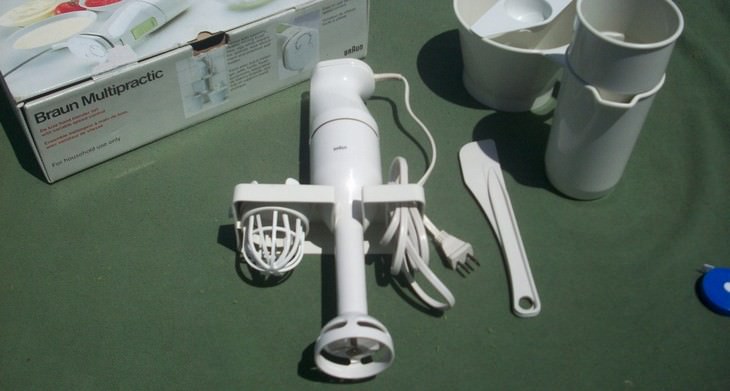
1. Immersion blender

kitchen utensils, tips
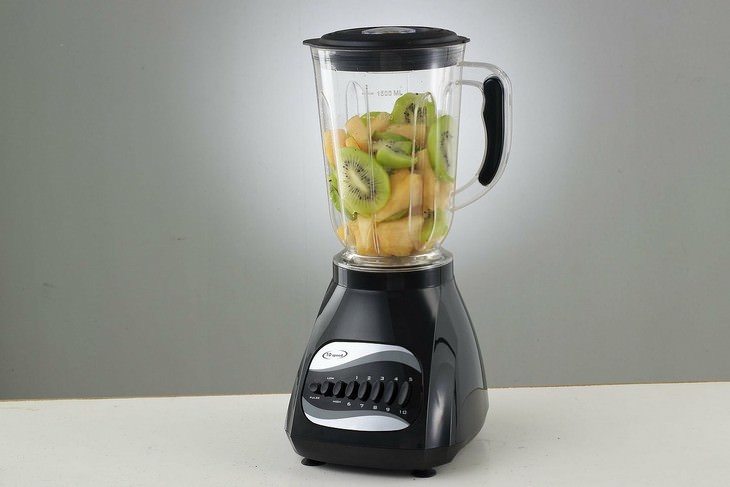
An immersion blender is a high-powered hand blender that we can use to make pureed food, sauces, smoothies, mayonnaise and things of this kind. But did you also know that you can blend up cream to make the thickest and most luxurious of all whipped creams?  
 
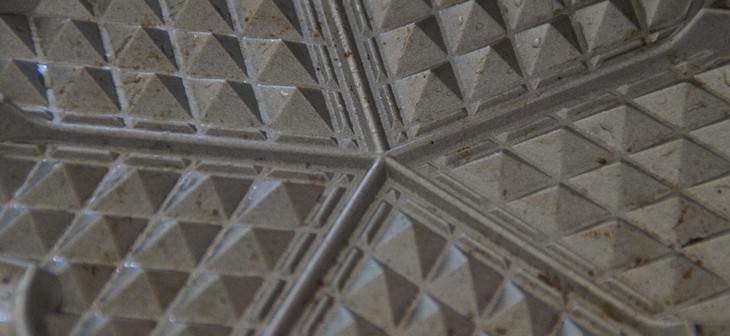
2. Waffle iron
 
kitchen utensils, tips
Though it’s called a waffle iron and primarily bought by people to make morning waffles, the truth is that there are dozens of things you can make with this useful machine. Some of my favorites include brownies, cookies, quesadillas, hash browns, cinnamon rolls and cakes.  
 
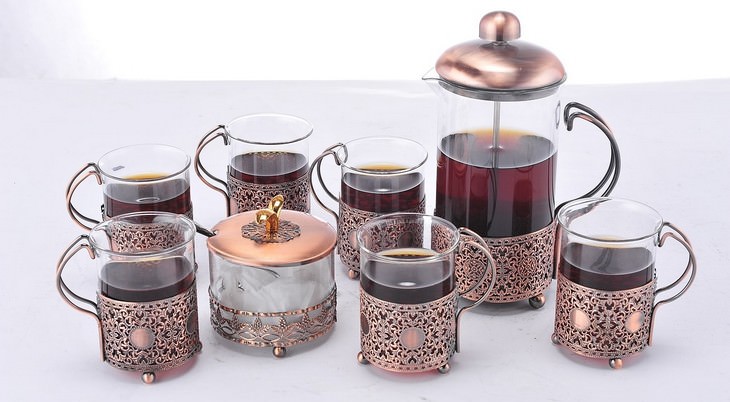
3. French press
kitchen utensils, tips
I’m sure that most people reserve their French press for making a nice cup of coffee, little realizing the utensil is also perfect for brewing (much healthier) cups of loose-leaf tea. The strainer is just as adept at separating tea leaves as it is at separating coffee granules from your desired drink.  
 
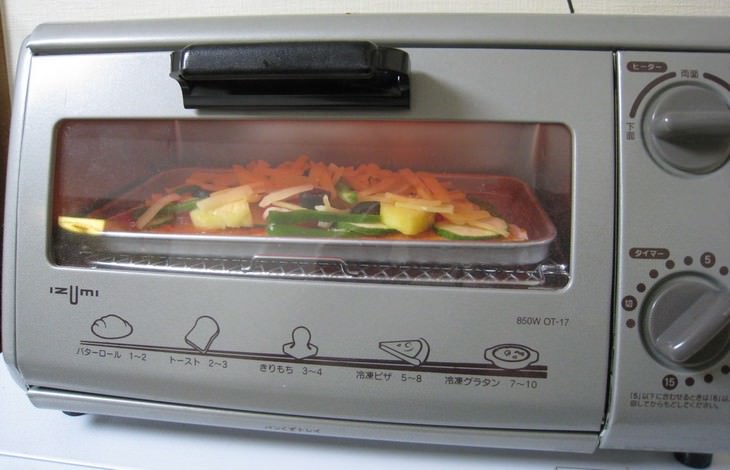
4. Toaster oven
kitchen utensils, tips
This is another machine that has been typecast by its name. Just take a closer look and you’ll see the number of different uses your oven is suited for. This little oven is just as good at baking and broiling as it is at toasting. One neat little tip you could try is roasting nuts. Just think of that delightful smell! 
 
 
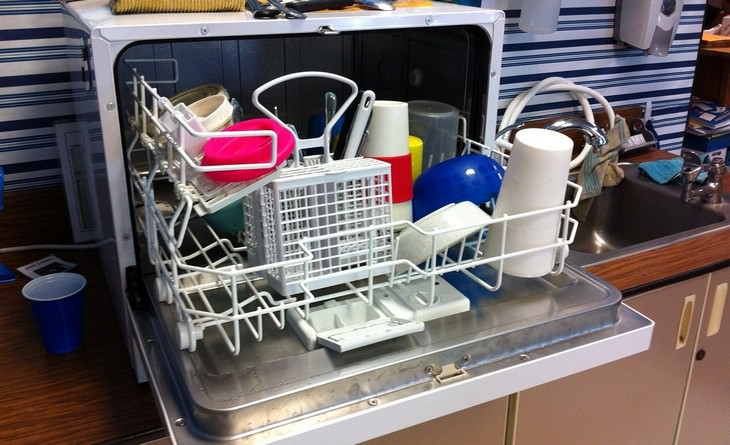
5. Dishwasher
kitchen utensils, tips
If you are like me, you probably get a good deal of use from your dishwasher already. So, before your dishwasher runs through its cycle, pop in some asparagus or pears in a tightly sealed container. Yes, your dishwasher will actually cook them! Is there anything else you can think of that your dishwasher can cook for you at a suitably low temperature? 
 
 
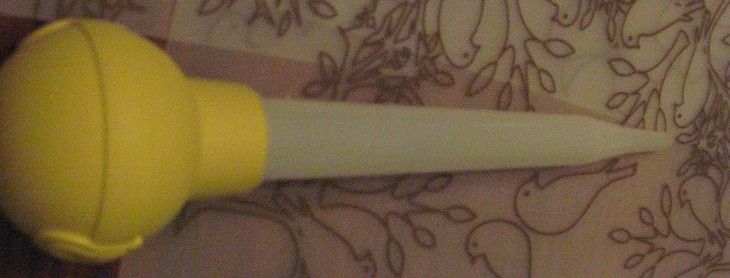
6. Turkey baster
kitchen utensils, tips
If you only use your turkey baster once or twice a year, you’ll rejoice at finding this tip. Why not use a baster when pouring your pancake mix into the pan? That way you’ll save on any annoying spillages, and you’ll be able to make them perfectly round.  
 
 
7. Pizza cutter
kitchen utensils, tips
 Most of us don’t actually get our pizzas from our own oven, preferring the neighboring takeaways and pizzerias. So, you should probably give your pizza cutter some much needed exercise. Did you know it makes a great knife for cutting and slicing up herbs, such as basil and coriander?  
 
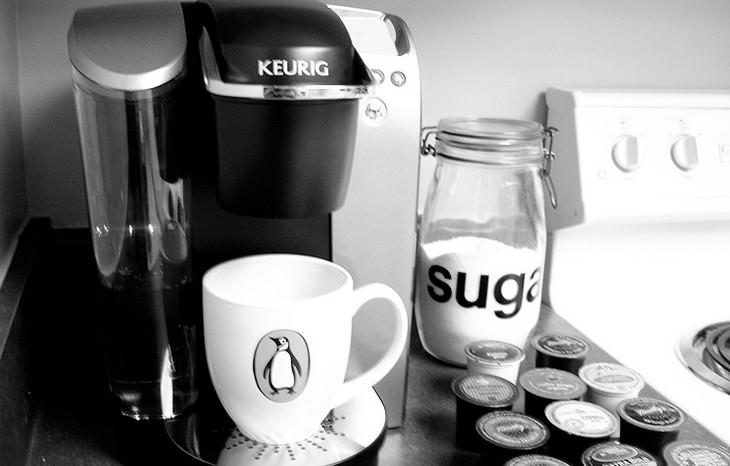
8. Keurigs
kitchen utensils, tips

Your Keurig is designed to help brew your morning coffee, one cup at a time. But did you ever stop think you could use the same machine to help you make a nice pot of noodles? And it doesn’t stop there. Just think of all the things that need hot water added to them. This will make preparing porridge, tea and ramen easier than ever before.


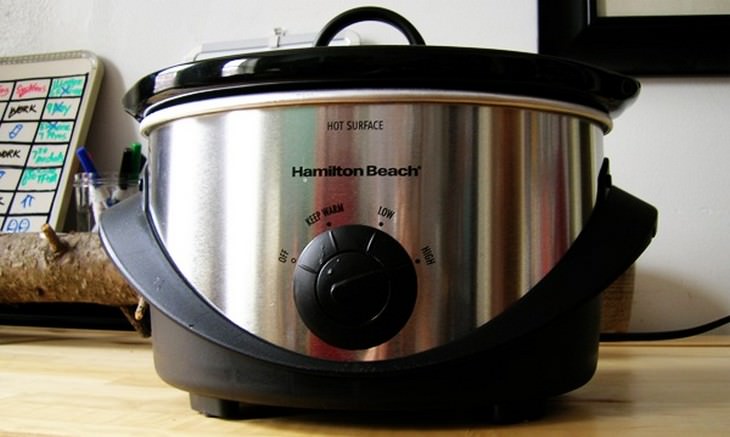
9. Slow cooker
 kitchen utensils, tips
 
 Of course there are innumerable ways to use your slow cooker that you probably already know, such as for making bread, cakes, wings or others. Yet you can also use it to infuse your house with your favorite aromas. Just fill it with warm water and let it simmer the best smelling ingredients you have available, such as lemon peel or cinnamon. Don’t neglect the pleasure your nose deserves to enjoy!  
 
 
10. Muffin tin
kitchen utensils, tips
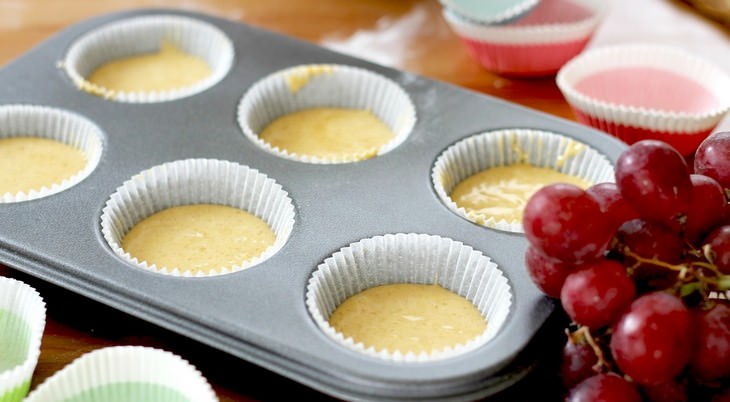
Why do we continue to call it a muffin tin when there are so many varied things you can use this for? Some things I like to put into the tray are ready-to-eat-breakfasts, pizza bites, tacos and corn dogs. But that’s just me - you probably have much better ideas.  
 
 
11. Kitchen aid
kitchen utensils, tips
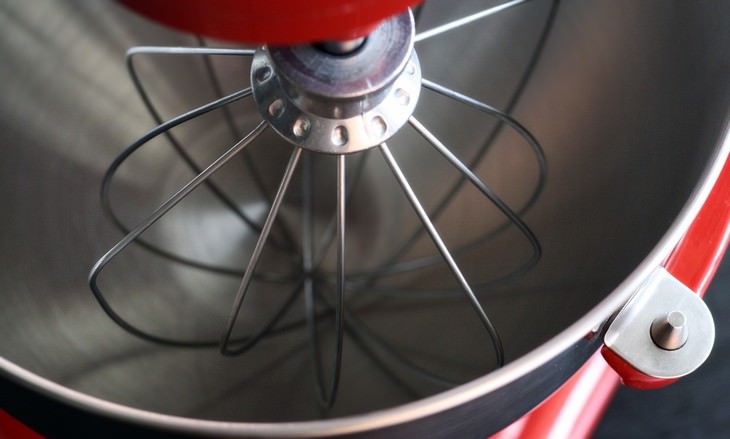
This is a popular brand of mixer, which is frequently used to mix dough for our baking experiments. However, have you ever thought of using it for making your own home-made butter? It's actually the perfect tool for mixing up a batch of the best butter. Amazing!


12. Salad spinner
 kitchen utensils, tips
 
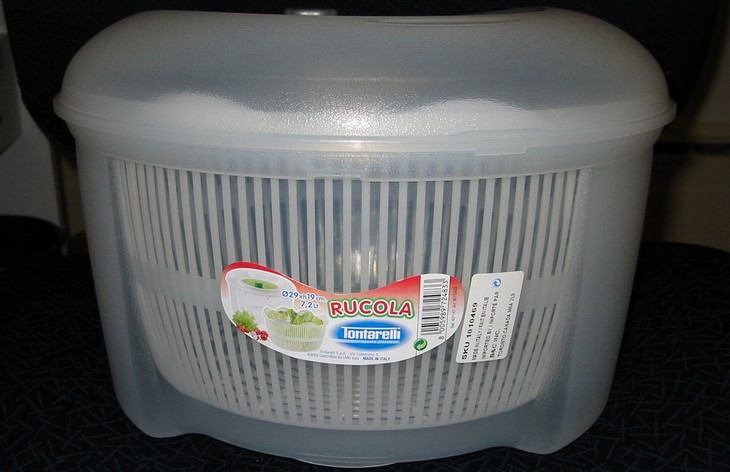
Thinking of the amount of washing-up facing me, I regularly decide not to use the salad spinner to help toss my salad. So, often it sits unused in its drawer. Here, however, is one use you may not have considered before. The spinner is perfectly designed for washing and cleaning our 'delicates'. Start with a brassiere and move on from there. It may sound mad, but so do a lot of the best ideas.  
 
 
13. Egg slicer
kitchen utensils, tips

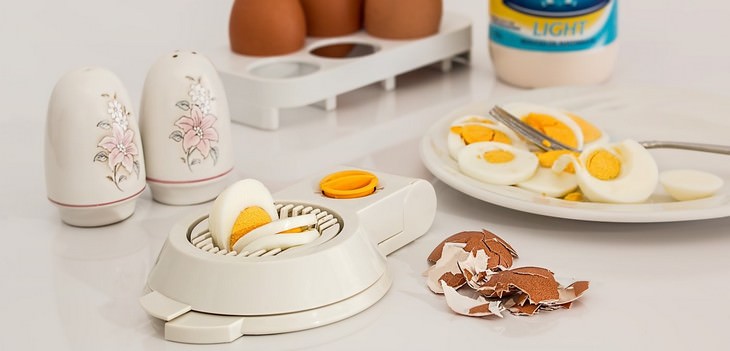
Egg slicers seem like a good idea when you buy them, but because you hardly use them, their presence in your kitchen shames you somewhat. If this all sounds familiar, you’ll really appreciate this tip. Use an egg slicer to chop garlic. That way you’ll take the labor out of a quite difficult job, and give your underused utensil a renewed purpose.


14. Food processor
 kitchen utensils, tips
 
 Food processors are also criminally underused by many of us. But when you think of it there are thousands upon thousands of different things you can make with a good processor. Why, just last month I remember using it to blitz ice cream, homemade peanut butter and pesto.


15. Ice-cube trays
kitchen utensils, tips

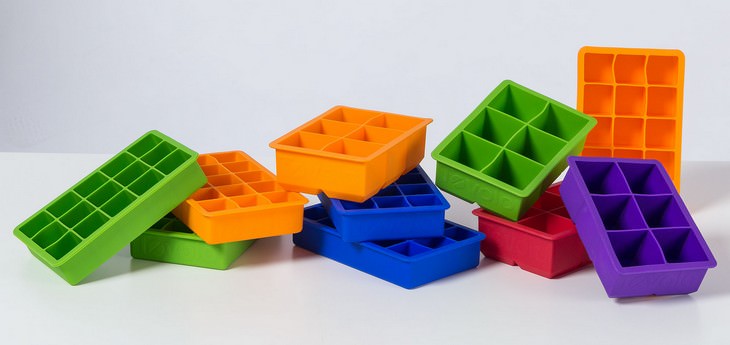
 Why, oh why do we only ever add water to our ice-trays? There are many things that can be frozen for your future pleasure. Some examples include, smoothies, coffee, sauces, and even baby food. 
 
 
16. Rice cooker
kitchen utensils, tips
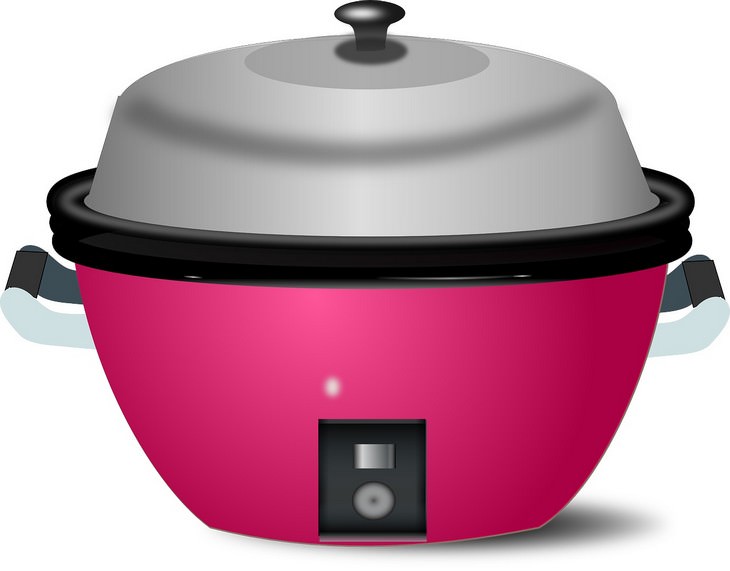
Rice cookers may have been built in order to perform one special function very well, but that doesn’t mean they can’t be put to work on dozens of other top food projects. A rice cooker is almost as skilled when it comes to making omelets, bacon, bread, pancakes and hummus as it is at rice. 
 
 
17. Coffee maker
kitchen utensils, tips

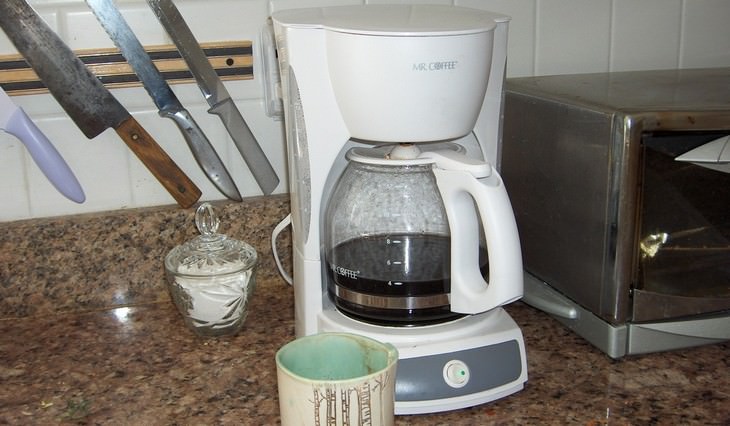
When you think about it, it’s quite silly that we have such a useful tool that we don’t make the most of. Coffee makers can be used to boil and simmer anything from eggs to vegetables. Why let this opportunity go to waste?


https://gscrochetdesigns.blogspot.com. one can see my crochet creations  

https://kneereplacement-stickclub.blogspot.com. for info on knee replacement

https://cancersupportindia.blogspot.com  for info on cancer and health related topics

https://GSiyers home remedies.blogspot.com   is the latest addition to my blogs

Saturday, August 24, 2024

How to Effectively Kill Germs on Your Kitchen Sponge

 Are you ready to hear something extremely gross? According to research, the average kitchen sponge is home to around 350 different types of horrible bacteria that could potentially make your family very ill. Cleaning your sponge is not as simple as merely rinsing it with soap and water, so if you really want to banish bad bacteria from your sponges, then follow these tips and make sure to use one of the following methods:


1. The Bleach Method 
Grab a bucket and add 3/4 of a cup of bleach to an entire gallon of water. Then, throw your sponge in and let it soak up the liquid for at least 5 minutes. Finally, remove the sponge from the bucket and rinse it well. This method has been found to remove around 99.9% of bad germs. 
 
2. The Microwave Method 
 Place a saturated sponge in the microwave and cook it for a full minute. Then let it cool before removing it from the microwave. This method has been found to remove around 99.9% of bad germs.

3. The Dishwasher Method 
Place your sponge in the dishwasher and turn on the regular cycle. Make sure to finish it on the 'heated dry' option. Like the other methods above, this one has also been found to remove around 99.9% of bad germs. 
 
4. The Vinegar Method
To use this method, simply soak your sponge in vinegar for around 5 minutes before taking it out and rinsing with cold water. While not as effective as the other methods, it has still been found to kill 99.6% of harmful germs.


https://gscrochetdesigns.blogspot.com. one can see my crochet creations 
https://kneereplacement-stickclub.blogspot.com. for info on knee replacement
https://cancersupportindia.blogspot.com  for info on cancer and health related topics
https://GSiyers home remedies.blogspot.com   is the latest addition to my blogs. I'm going to add posts there, do give me your valuable feed back on my blogs.

Tuesday, June 8, 2021

Great Uses for Lemon Peels

Lemons have a lot to offer: they’re delicious, refreshing and have an aroma that can upgrade many dishes. Adding a bit of fresh lemon juice to a cup of water in the morning can do wonders for our level of alertness throughout the rest of the day. But what about those lemon peels?  uses for lemon peels
If you like to add lemon to your diet on a regular basis, you probably throw the peels in the trash. Did you know, however, that the peels are incredibly rich in vitamins, minerals, and fibers that can increase your food’s nutritional value, aid in house cleaning, and even be used to maintain your skin’s health? The following recipes will show you how you can add lemon peel to your day-to-day life with ease.

1. Homemade Lemon and Herbs Butter   uses for lemon peels
Would you believe that you can enjoy this delicious butter without going to a fancy restaurant? Simply turn the plain butter you’ve got at home into a gorgeous and delicious lemon and herbs butter you can enjoy at every meal.

Ingredients: 
• ¼ cup chopped mixed herbs (such as chives or parsley) 
• ½ cup butter (softened) 
• 1 teaspoon of lemon zest 
• Pinch of salt 
 
Preparation:  
1. In a bowl, mix the butter, zest, and herbs. Stir and season to taste. 
2. Transfer the content to a baking sheet, roll it into a cylinder and fold the edges. 
3. Wrap the baking sheet with aluminum foil. 
4. Refrigerate until the mixture solidifies. The butter can be kept in the fridge for up to 2 weeks or can be frozen for 3 months.

2. Candied Lemon Skins   uses for lemon peels
This is an unusual treat, and if you want to keep the peel's sour flavor, just use less sugar than called for in the recipe.

Ingredients: 
• 4 large lemons 
• 2 cups of sugar 
• 8 cups of water 
 
Preparation:  
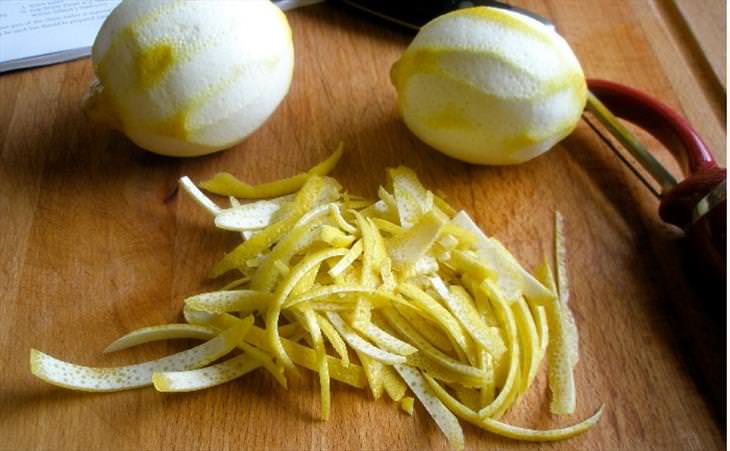
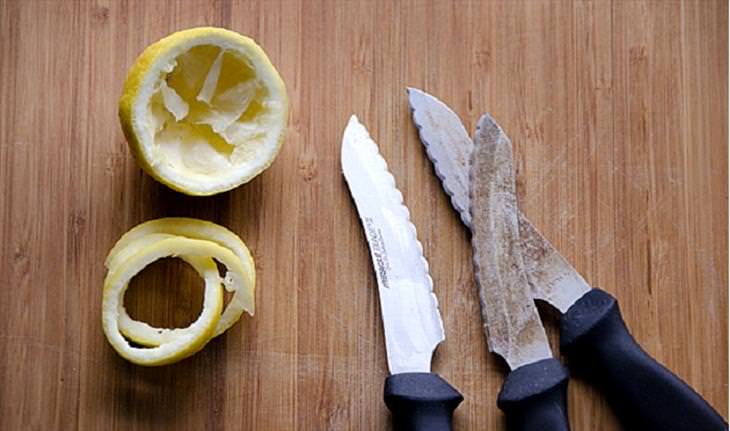
1. Peel the lemons and cut the peel into thin strips. 
2. Place the peel on a cutting board and remove as much of the fruit as you can using a sharp knife. 
3. Boil 2 cups of water in a medium-sized pot. Add the peel strips to the boiling water and cook for 2 minutes. This will remove most of the bitterness in the peel. Remove the peel strips from the water. 
4. Repeat the process 2 more times, using fresh water each time. 
5. Empty the pot, add 2 new cups of water and 2 cups of sugar. Let it simmer to produce a sugary syrup. 6. Lower the heat and add the lemon peel. Cook the strips in the syrup for an hour – they should become soft and translucent. Use a fork or tongs to remove the strips from the syrup and leave them on a drying rack to dry out – this should take a few hours.
uses for lemon peels
7. After removing the strips from the water, you can sprinkle sugar on them. (optional) 
8. Move the dry peel pieces to a sealed container. The dried peel pieces will stay fresh for several days at room temperature, or for several weeks in the fridge. 
 
3. Add Some Zest to Your Olive Oil  
Transform your plain olive oil into a delicious and nutritious lemon-oil. This upgrade will have your guests begging for the recipe.  
 
Ingredients: 
• 1 cup of olive oil 
• 2-3 tablespoons of lemon zest. 
 
Preparation: 
Combine the zest and oil in a sealable jar and leave it for 2 weeks. Give the jar a good shake every few days. Finally, use a sieve to remove the zest from the oil and store in the fridge. 
 
4. Jazz Up Your Drinks with a Lemony Ice-Cube  uses for lemon peels
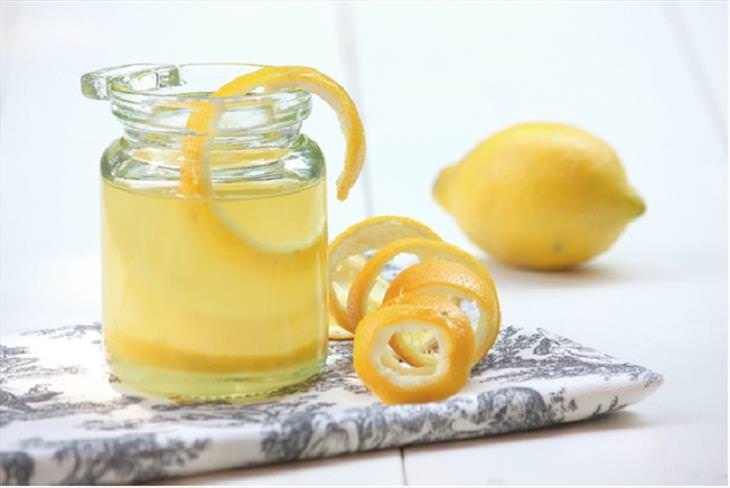
Add some extra flavor to any drink you serve this summer by adding a couple of fancy lemon ice-cubes. Cut the lemon peels into spirals and remove as much of the fruit as you can from them (this will make it less bitter). Cut the spirals to fit in an ice tray, fill the tray to the half-way point and put one spiral in each segment, making sure a small bit stays out of the water. After freezing, you’ll be left with fancy-looking ice cubes.

5. Make a Lemon-Pepper Seasoning Mix
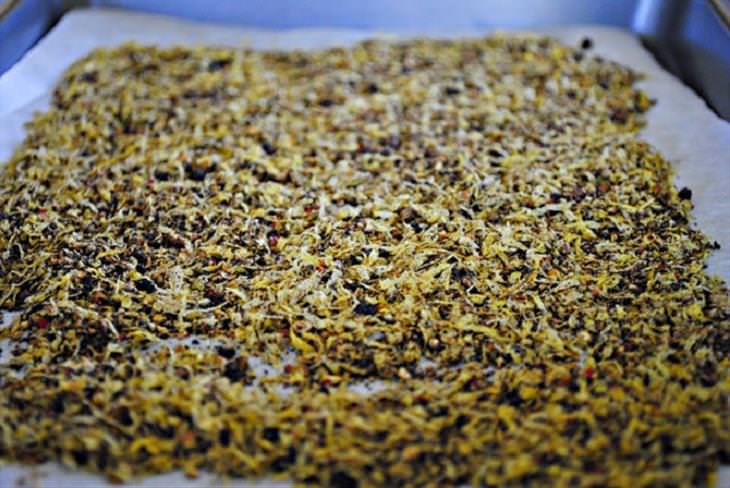
This seasoning mix can work for almost any kind of dish whether it’s a salad, fish, or chicken. Preparation is very simple, and the ingredients are 100% natural. uses for lemon peels
Ingredients: 
• Zest from 5 lemons 
• ⅓ cup black pepper (whole) 
• ¼ cup salt (optional)  
 
Preparation: 
1. In a bowl, mix the zest and black pepper. 
2. Line an oven tray with a baking sheet and spread the mix on top of it. uses for lemon peels 
3. Bake the mixture for about an hour at 150°C (300°F), until the zest is completely dry. To make certain that the whole tray bakes evenly, remove it from the oven after 30 minutes and give it a shake, and then place it back in the oven. 
4. Grind the pepper-zest mix in a food processor or a coffee grinder. uses for lemon peels 
5. Once the mixture is ready, you can add salt if you wish. 
 
 6. All-Natural Ant and Pest Repellent 
Place small pieces of lemon peels along your windowsills, doors, and any other cracks and holes that ants use to sneak into your house. Ants hate the scent of lemon, so they’ll be reluctant to return to that area again. The peels are also particularly effective against fleas, making them an ideal solution for pet owners that want to protect their 4-legged companions from those nasty parasites. 
 
7. Freshen Up Your Home  
 
The scent of fresh lemon can freshen up your home and get rid of unpleasant smells quickly and easily. Freshen up the fridge: Place a few small pieces of lemon peel in the fridge. The skin will absorb any unpleasant odors while setting off its own citrus scent. 
Freshen up the trash bin: Put a few pieces of lemon peels at the bottom of the bin to absorb the bad odors. 
Freshen up closets: Sun-dry lemon peels and put them in small potpourri bags. Add spices such as cinnamon, cloves, nutmeg, and put it in your closets to keep them smelling fresh. 
 
8. Effectively Clean Surfaces and Utensils 
The lemon’s natural acidity is antibacterial and can help you clean many things in the kitchen. 
uses for lemon peels
Clean plaque residue in kettles: Fill the kettle up with water, add a few thin slices of lemon peel, and boil the water. Allow the boiled water to sit for an hour, and then empty and wash the kettle. 
 
Remove the smell of coffee: If your coffee maker’s pitcher is starting to smell like old coffee, empty it, put some lemon peels, a few pinches of salt and some ice-cubes. Shake well and wash the pitcher. 
 
Freshen up the dishwasher: If your dishes come out of the dishwasher smelling somewhat funky, add some lemon peel to the next load. This cleans both the machine and removes any foul-smelling residue. 
 
Clean and deodorize cutting boards: After washing your cutting board with water and dish soap, rub the surface with the outside of a lemon peel. Let it sit for 30 minutes and then rinse. uses for lemon peels 
 
Clean your microwave: Fill a bowl halfway with water and add a few pieces of lemon peels. Pop it in the microwave and run it on high for 5 minutes. The heat will boil the water, and the lemon-infused steam will clean the sides and top of the microwave. Once it’s done, remove the bowl (Careful! It’s hot!) and wipe down surfacesuses for lemon peelsSave your utensils: If you have old knives, pots, or any other metallic utensils that have lost their shine or have grime that simply won’t go away, there’s an effective solution you can use - sprinkle some sea salt on the utensils, then rub them with a lemon peel. Rinse and watch how all the dirt, grime, and stains wash away. uses for lemon peels 
 
 9. Foot Spa If you want to soften any hard skin on your soles, boil water with lemon peels and let it cool down. Add ¼ cup of milk (bovine or almond), 2 tablespoons of olive oil, and a few drops of essential oil of your choice. Pour the mixture into a tub and soak your feet in it for 20 minutes, then dab your feet dry. 
 
10. Polish and Brighten Your Skin with a Homemade Scrub       This homemade scrub will help to soften your skin, in addition to brightening any sun damage it may have experienced. Similar to other exfoliating agents, avoid using this scrub on wounds or sensitive and irritated skin, as well as skin riddled with acne. To make this scrub, you’ll need to extract the lemon’s natural oils.
uses for lemon peels
Ingredients for lemon oil: 
• Lemon peels 
• Coconut oil 
 
Preparation: 
1. Wash and dry the lemon peels. 
2. Cut the peels into long, thin strips. 
3. Put them in a large pot and pour the coconut oil on top. 
4. Let the oil lightly boil for 5 minutes, and then put the mixture on the side to let it absorb all the aroma and flavor. 
5. Sift out the peels and pour the liquid into a jar. (Store in a cool, dry place). 
 
Ingredients for the scrub:  
• Unrefined sea salt 
• ⅓ cup lemon oil 
• A few drops of essential oil of your choice (optional) 
 
Preparation: 
1. If you use crude sea salt, grind it down to prevent damage to the skin. 
2. Mix the ingredients and transfer the mixture to a jar. Store in a cool, dry place. 
 
 Use: Before turning on the water in the shower, put some of the scrub on a washcloth, exfoliating glove, or your bare hands. Rub your skin with the scrub in circular motions, and then proceed to shower regularly. uses for lemon peels 
 
11. Morning Face-Wash  
Many kinds of face washes contain alcohol and are thus not recommended for daily use, as the alcohol dries out and irritates your skin. You can rub the outside of a lemon peel onto your face before rinsing it. Avoid contact with the eyes. 
 
12. Pamper Your Hands 
Lemon peels can help you with most hand and arm-related issues, and can even help your fingernails shine.  
 
Fingernail bleach – Clean stains from your fingernails by gently rubbing them with a lemon peel. 
 
Soften elbow skin – Sprinkle some baking soda on the outside of a lemon peel and place it against your elbow. Twist the peel as if you’re juicing it for a few minutes, then rinse your elbow. 
 
Lighten age spots – If you have age spots on your hands and arm, you can use lemon peels to lighten them by rubbing a small piece against the stain and leaving the juice on for an hour. Avoid sunlight until you wash yourself to prevent damage to your skin.
 
https://gscrochetdesigns.blogspot.com. one can see my crochet creations  

https://cancersupportindia.blogspot.com. feel free to view for easy, simple and health tips  
https://kneereplacement-stickclub.blogspot.com. for info on knee replacement


Friday, March 5, 2021

How to load a dishwasher

Fun Charts, dishwasher 

https://gscrochetdesigns.blogspot.com. one can see my crochet creations  

https://cancersupportindia.blogspot.com. feel free to view for easy, simple and health tips  
https://kneereplacement-stickclub.blogspot.com. for info on knee replacement

Wednesday, May 6, 2020

Small Mistakes That Damage Your Home In the Long Run

Not only can a fire or a flood cause your house damage. It’s the small everyday mistakes that pile up over time – those are the ones you should be looking out for. We all want to avoid costly repairs, so it’s important to know there are measures you can easily take to keep the damage of your home to a minimum. Check out this list of 12 common housekeeping mistakes and what you can do instead. 

1.  Sweeping Instead of Vacuuming
It might seem harmless, but there is one crucial difference between sweeping your floor and vacuuming it. When you sweep, the dirt particles are being dragged around the floor surface. Little bits of sand or gravel can scratch the floor and damage it. It is especially for true hardwood floors. If you want to mop or sweep them, it is best if you vacuum first.


2. Cleaning the Dishwasher with Vinegar
Vinegar is often celebrated as the ultimate all-curing life hack. While that is true in some cases, it does not apply to your dishwasher. The strong acidity of vinegar can break down the rubber gaskets in your dishwasher, resulting in costly damage to the appliance. Furthermore, if it mixes with salt left from bits of food, vinegar can discolor metal pans and bowls.

3. Using Bleach to Clean Kitchen Cabinets
Cleaning the kitchen cabinets are often neglected but don't forget they do absorb some of the grease, coffee drips, and other messy bits. If your cabinets are painted, avoid using bleach-based cleaning materials you might use in other parts of your home. The harsh chemicals can cause a dull look by wearing down the existing finish. Instead, you may use a bit of dish soap, soft cloth, and warm water, and scrub gently.

4.  Using Bleach to Clean Hardwood Floor
Another tome to lay off the bleach is when cleaning your hardwood floor. Instead of removing stains it will only cause a bigger stain or damage the wood. The best way to clean hardwood floor is by using a dry or damp (not wet) mop. If you feel that just water won’t cut it, make sure you use a cleaning product that’s wood-specific. 


5.  Dismissing Flickering Lights
We tend to brush off flickering lights and put the blame on faulty bulbs, but that is not always the case. If the problem persists after you have tried replacing and tightening the bulb, it could be a warning sign of a potentially dangerous wiring malfunction. Loose wiring is a major cause for house fires, so don’t hesitate to call your electrician in case of a flickering light.


6.  Flushing Random Objects Down the Toilet
This one may sound obvious, but a reminder never hurts – only human waste and toilet paper can be flushed down the toilet! Anything else – dental floss, food, sanitary pads, medication, etc. - might clog the pipes and cause the toilet to overflow. No one wants to deal with that mess. 


7. Using too Much Shampoo When Cleaning Carpets
More does not necessarily mean better. When you use an excessive amount of shampoo to clean your carpet, you risk not being able to wash all of it off. That can prompt a mold problem to start growing. When it comes to cleaning a carpet, even the biggest DIY enthusiasts should consider using the help of a professional, as soapy residue on a carpet can be impossible to clean out.


8. Letting Climbing Plants Grow Over Your HomeWhile a vine-covered house might hold an aesthetic value for some people, it might not be the best idea for the house’s structure. Vines tend to trap water, vermin, and insects, all harmful to paint, bricks, and masonry. If you don’t want to give up the stately look of a climbing plant on the façade of your home, consider growing them on a support set about 6-8 inches out from the house siding, rather than the house itself.


9. Neglecting to Clean the Gutter
Cleaning the gutters is quite a hassle as well as a dangerous task, so it’s no wonder many people put it off for as long as they can. But by procrastinating, you might be creating a bigger problem in the future. When the debris is left to accumulate for a long time, the gutters clog and your home becomes vulnerable. When clogged, the gutter’s water flow is impeded and it causes moisture, which in turn leads the wood trim to rot. Experts recommend cleaning the gutter at least three times a year.


10. Not Using an Exhaust Fan After a Shower
Not letting the shower exhaust fan to work for 20 minutes after showering can have dire results. When the humidity is not cleared properly, the moist air combined with darkness is the perfect breeding ground for mold. Turning it on only during the time you shower will keep some of the steam from building up, but it isn’t enough on its own. 


11. Leaving the Shower Before Fully Drying Off
You might assume that the shower mat absorbs the excess water that drips off of you after a shower and that's enough to protect the floor. That assumption is not entirely wrong and not entirely right either. A damp shower rug will allow some moisture to seep into the linoleum flooring, causing it to stain and possibly warp. Other than making sure you’re properly dry before stepping out of the shower, don’t forget to change the shower mat frequently. 


12.  Keeping the Blinds Open All Day
Lighting up your space for some portion of the day is important, but it’s recommended to close your blinds when you head out of the house. Prolonged exposure to strong UV rays can cause fading and discoloration to hardwood floors.


https://gscrochetdesigns.blogspot.com. one can see my crochet creations  

https://cancersupportindia.blogspot.com. feel free to view for easy, simple and health tips  
https://kneereplacement-stickclub.blogspot.com. for info on knee replacement