Showing posts with label brown rice. Show all posts

Sunday, December 14, 2025

You'll Want to Get Up Every Morning for These Combos!

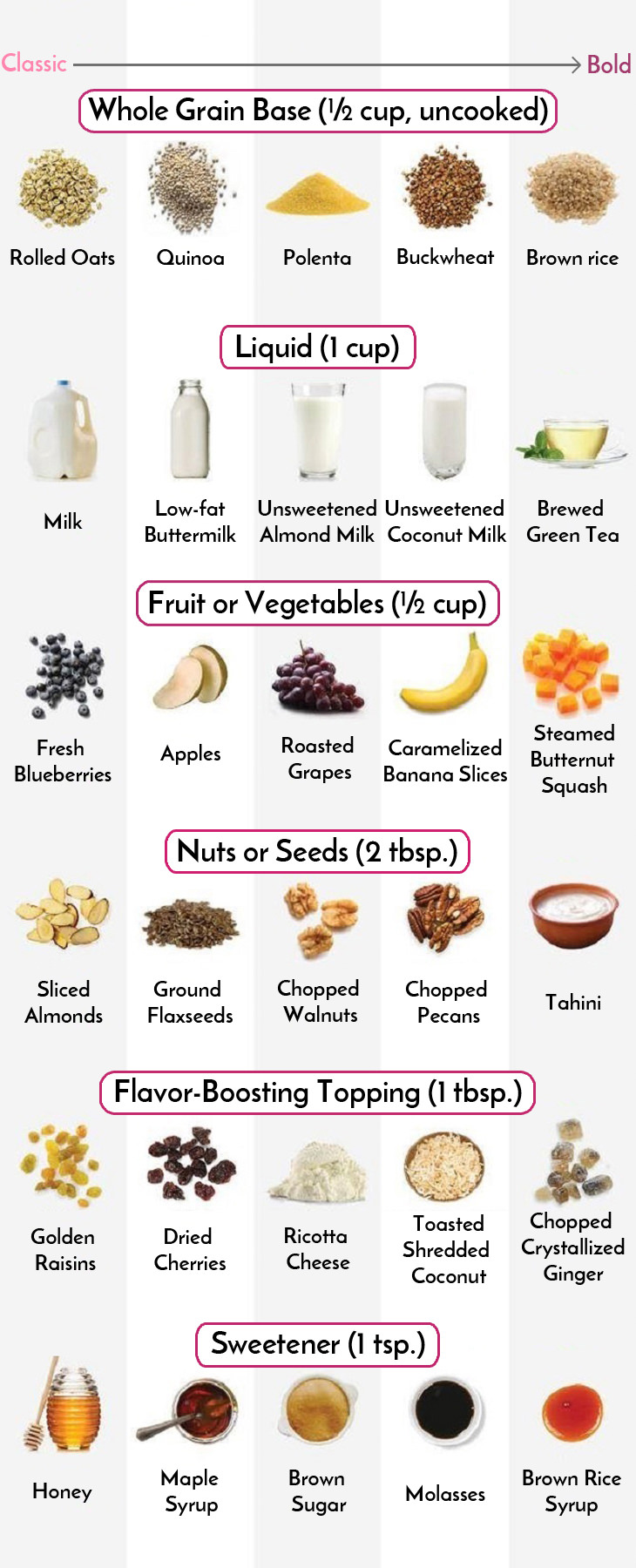
Are you tired of constantly eating the same thing each morning? This amazing mix-and-match chart will make getting out of bed an event that you look forward to. If you fancy a more traditional breakfast, refer to the chart's left-hand-side. If you're feeling a bit more adventurous, refer to its right-hand-side. Whatever your preferences, you'll definitely be able to make a healthy breakfast bowl to whet your appetite.

table of breakfast food combos  

https://gscrochetdesigns.blogspot.com. one can see my crochet creations  

https://kneereplacement-stickclub.blogspot.com. for info on knee replacement

https://cancersupportindia.blogspot.com  for info on cancer and health related topics

https://GSiyers home remedies.blogspot.com   is the latest addition to my blogs


Saturday, September 27, 2025

Allergic to Gluten? Here are 10 Top Alternatives to Wheat

Wheat has been a staple part of our diet for thousands of years. It is used in a wide variety of products, the most popular one being flour. Wheat, due to its high gluten content, is best suited for making bread and other baked products. Gluten gives wheat flour its strength and elasticity, making it very suitable for baking. 
 
However, a lot of people are allergic or intolerant to gluten, which can cause allergies or celiac disease. A wheat allergy, caused by an adverse reaction to a protein found in wheat, can cause symptoms such as chronic gastrointestinal disturbances, infections, asthma, acne, eczema, joint pains, migraines, and fatigue. On the other hand, celiac is an autoimmune disease in which the body's immune system mistakes gluten as an allergen and causes symptoms such as decreased appetite, chronic diarrhea or constipation, vomiting, fatigue, and irritability. 
 
Therefore, people who suffer from a wheat allergy or celiac disease must avoid wheat in any form and follow a gluten-free diet. Fortunately, there are many wheat alternatives out there that can be easily included in your diet. These are the top 10 alternatives to wheat and wheat flour: 
 
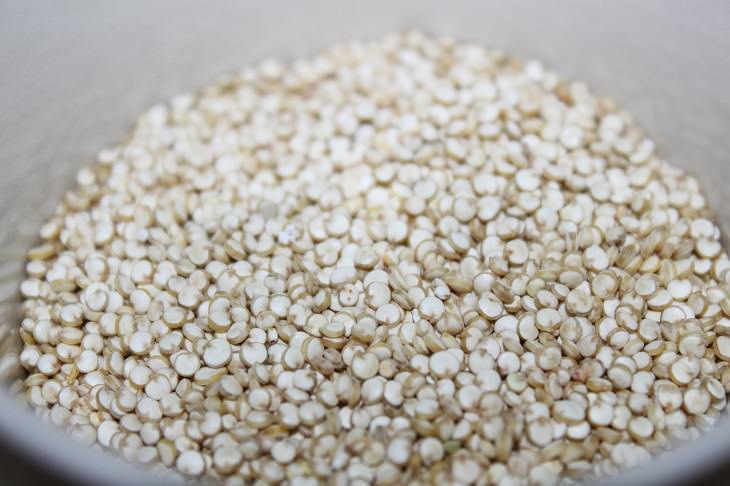
1. Quinoa 
10 - Alternatives - Wheat - Wheat Flour
Quinoa, a pseudo-cereal, is a seed that is prepared and consumed like a grain. As it is entirely gluten-free, it can be enjoyed by those who are sensitive to gluten or wheat.
 
Quinoa is a complete protein source since it contains all of the essential amino acids. Other important vitamins and minerals that can be found in quinoa include phosphorus, copper, manganese, folate, iron, magnesium and zinc. Its crunchy texture and nutty flavor makes it very popular for both children and adults.
 
Quinoa needs to be boiled before it can be consumed, and then it can be eaten as a side dish or breakfast porridge. It can also be added to salads or soup, or ground up to make quinoa flour.

2. Buckwheat 10 - Alternatives - Wheat - Wheat Flour
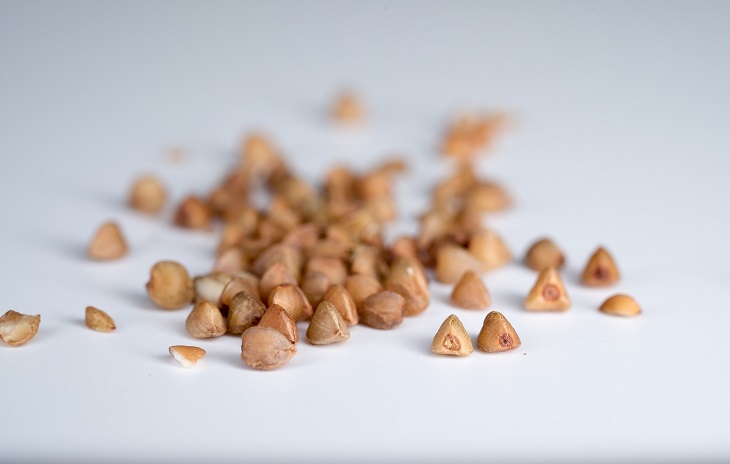
 
Buckwheat also has a nutty, earthy taste. As it is neither a grain nor related to wheat, it's gluten-free and can be safely consumed by those who suffer from celiac disease and gluten intolerance. 
 
Buckwheat is high in fiber, protein, iron, zinc, magnesium, copper, and phosphorus. Furthermore, it is a good source of B vitamins such as B6, pantothenic acid, niacin, folate, thiamin, and choline. Since these seeds are packed full of antioxidants like tannins, rutin, and catechins, they are often called superfoods. 
 
It is so easy to include buckwheat in your diet plan and it comes in the form of groats, noodles, seeds, and flour. The groats can be used to make hot or cold cereal. In noodle form, it can be used to make soups and stir-fries. In flour form, it can be used to make muffins, breads, cookies, and other healthy snacks. 
 
 
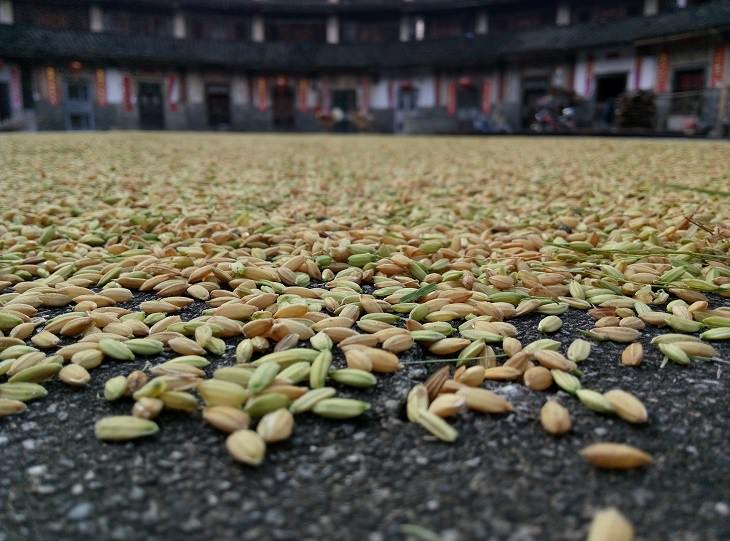
3. Millet 
10 - Alternatives - Wheat - Wheat Flour
With its sweet, nutty flavor, millet is considered to be one of the most non-allergenic grains around. It is one of the few grains that are alkalizing to the body, making it easier to digest. 
 
These gluten-free, grain-like seeds are full of magnesium, manganese, calcium, tryptophan, phosphorus, fiber, and several B vitamins. They also have antioxidant powers. 
 
You can use cooked millet to make breakfast porridge, or you can add it to salads and soups. Its brown-rice-like appearance and texture, make it a great ingredient to use in pilafs, casseroles, and the majority of Asian dishes. Ground millet can also be used in bread, muffin, and biscuit recipes instead of refined flour.


4. Amaranth 10 - Alternatives - Wheat - Wheat Flour
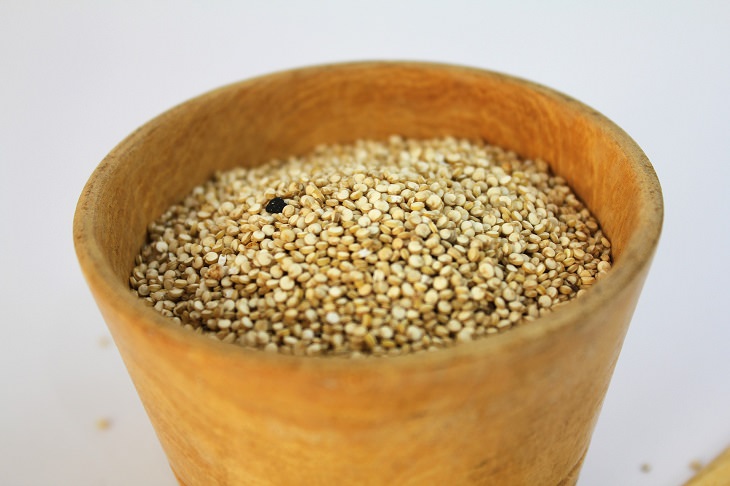
 
Cultivated by the Aztecs over 8,000 years ago, it became the staple food of the Aztecs and Mayans. 
 
Amaranth is full of protein and fiber, making it filling and very beneficial to your digestive system. It is also a very good source of essential vitamins such as A,C, E, B5, K, B6, folate, niacin and riboflavin. In addition, it contains magnesium, copper, zinc, phosphorus, potassium and calcium. to add to this, it is a powerful antioxidant, anti-inflammatory and immune-boosting agent.
 
Its light, nutty flavor makes it great to use when making healthy snacks. Its flour can be used to thicken soups, stews, sauces and jellies. 
 
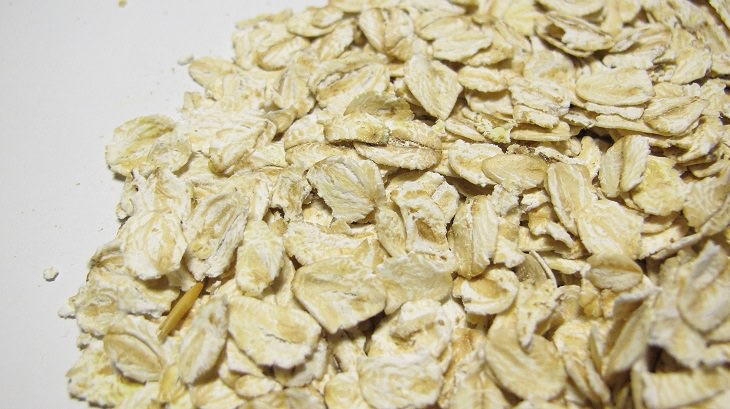
5. Oatmeal
10 - Alternatives - Wheat - Wheat Flour
Oats are one of the most popular whole grains in the whole world, and for very good reason. They are safe for those with a gluten allergy and are a very good alternative to wheat. 
 
Oats are full of fiber and other nutrients such as magnesium, iron, potassium, folate, selenium and even plant-based protein. They also contain a small amount of essential fats. Furthermore, they contain powerful phytonutrients and antioxidants that are good for your health.
 
As some oatmeal brands on the market contain traces of wheat, barley and rye, you should check the label thoroughly before buying some. 
 
 Oatmeal is usually eaten for breakfast, but it can be enjoyed at any part of the day. You can add maple syrup, honey, cinnamon, nutmeg, agave nectar or vanilla to it for added flavor and health benefits. 
 
You can also find oat flour on the market, which has a similar nutritional value to oats. When using oat flour, remember that it needs other flours and starches to work in a recipe.


7. Cassava flour 10 - Alternatives - Wheat - Wheat Flour
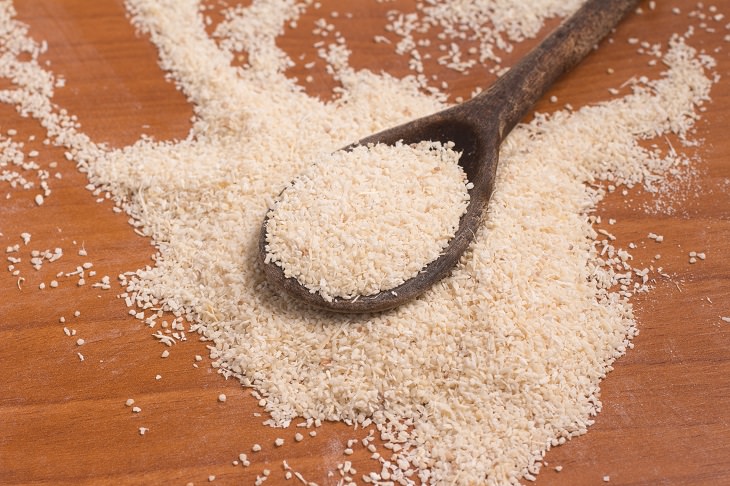
 
This gluten-free flour, made from cassava root, is a great replacement for wheat flour. It is made by grating and drying the fibrous cassava root. 
 
Cassava flour is rich in protein and fiber and is full of vitamin B6, C and K, potassium, folate, manganese, thiamine, copper, magnesium, riboflavin, phosphorus, zinc and niacin. 
 
It's nice smooth texture and mild taste makes it great to use in many different recipes. Cassava flour works as a thickener for sauces, gravy, soups and so on. 
 
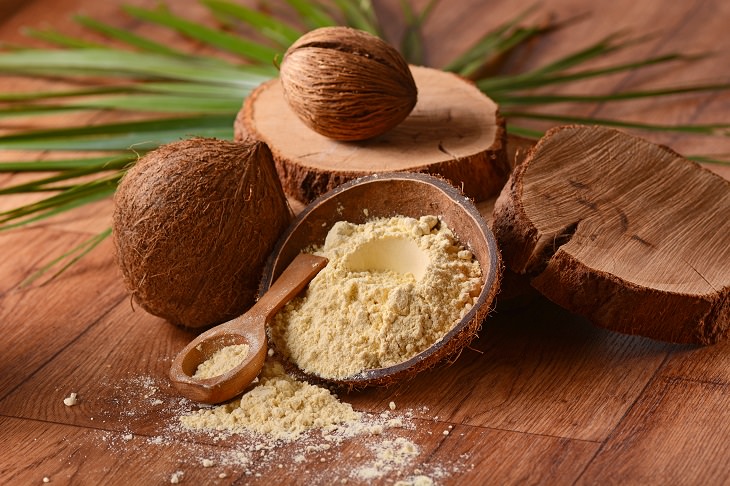
7. Coconut Flour 
10 - Alternatives - Wheat - Wheat Flour
If you are looking for a very healthy substitute for refined flour to use in baking, coconut flour is a great choice. 
 
This flour is excellent for those with celiac disease or gluten sensitivity. The flour is derived from grating the flesh of fresh coconuts, which is then dehydrated and defatted. The result is a fine powder that looks and feels similar to grain or wheat flours. 
 
Coconut flour is rich in fiber, protein, calcium, manganese, selenium, potassium and phosphorus. It also has vitamins, including vitamin B6 and C, folate and niacin. 
 
Furthermore, this flour has anti-inflammatory, antibacterial and antifungal properties. coconut flour can be used in place of wheat flour in many different recipes - from breads to cookies to muffins. It can also be used to make homemade grain-free pizza. 
 
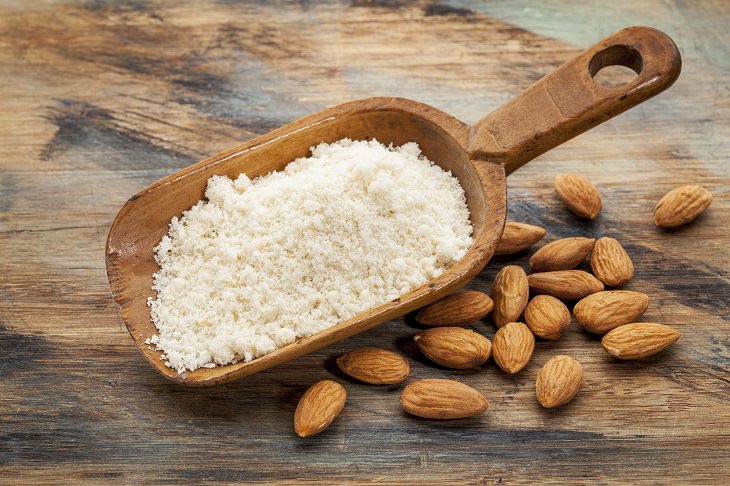
8. Almond Flour
10 - Alternatives - Wheat - Wheat Flour
Almond flour is one of the best alternative to wheat flour. This flour, composed of finely ground almonds, can be used when baking cakes, biscuits, muffins, breads and so on. 
 
Almond flour has the same benefits as a handful of almonds. This flour is gluten-free, low in carbohydrates, and high in fiber and protein. It is rich in vitamins and minerals such as iron, riboflavin, magnesium, potassium, vitamin E and calcium. 
 
Due to its fatty acid content, it has a short shelf life. Therefore it is recommended that you grind your own almonds prior to use.


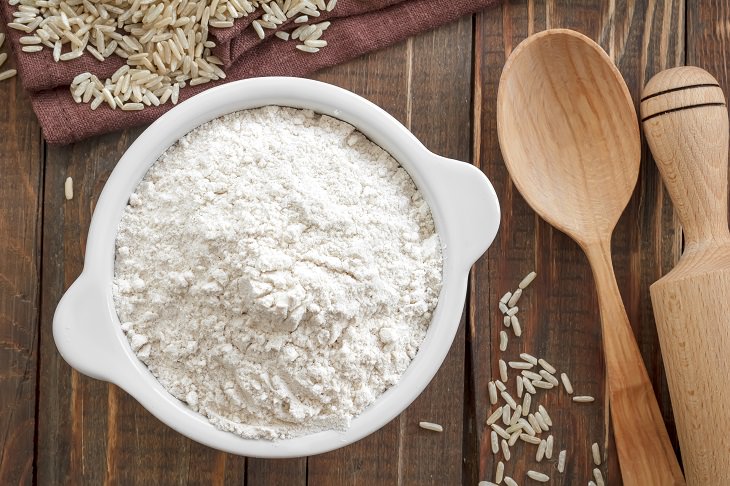
9. Brown rice flour
 10 - Alternatives - Wheat - Wheat Flour
  
Brown rice flour is great for anyone who suffers from celiac disease. It is milled from unpolished brown rice, so it has a high nutritional value - it is a great source of fiber and healthy carbohydrates. It is also high in iron, vitamin B, protein, manganese, copper, calcium, potassium and phosphorus.
 
It can be used in baking cakes and cookies and works well in bread recipes. You can also use it to thicken sauces or for coating meats and fish. 
 
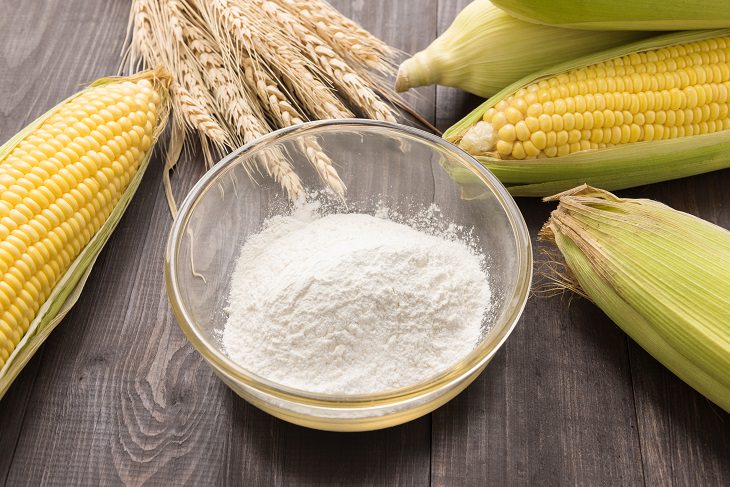
10. Corn 
10 - Alternatives - Wheat - Wheat Flour
Corn, whether eaten as corn meal or flour, is gluten-free. Both corn meal and corn flour are made using dried corn kernels. 
 
Cornmeal and corn flour are great sources of healthy carbohydrates and fiber. They are rich in antioxidants such as lutein and zeaxanthin that are great for your eyes. 
 
Corn flour can be made into polentas and porridges, and used as breading. You can also use it to thicken liquids and sauces. When purchasing corn meal or corn flour, check the label thoroughly and opt for organic varieties and avoid GMO corn. 
 
There are many different alternatives to wheat and wheat flour and this includes sorghum, sorghum flour, soy flour, chickpea flour, hemp flour, chia flour, potato flour and potato starch flour.


https://gscrochetdesigns.blogspot.com. one can see my crochet creations  

https://kneereplacement-stickclub.blogspot.com. for info on knee replacement

https://cancersupportindia.blogspot.com  for info on cancer and health related topics

https://GSiyers home remedies.blogspot.com   is the latest addition to my blogs

Saturday, January 4, 2025

Bibimbap-Inspired Bowls Are the Veggie-Packed Anti-Inflammatory Dinner

From dark green spinach to shredded red cabbage, these plant-based bibimbap bowls offer plenty of powerful anti-inflammatory benefits. This delicious combo delivers plenty of vegetables and a wonderful balance of textures and flavors. They’re topped with a perfectly cooked fried egg and a tangy mayonnaise-based drizzle that adds richness and a satisfying creamy element to the dish. 

 Anti-Inflammatory Bibimbap-Inspired Veggie Bowls image   

These vibrant plant-based Bibimbap-Inspired Veggie Bowls are packed with veggies and whole grains that provide a wealth of anti-inflammatory benefits and are so satisfying, you won’t miss the meat that’s typically in the popular Korean rice dish. We rely on the bold flavor of shiitake mushrooms to provide that deeply savory, umami flavor, plus you still get plenty of protein, with each bowl topped with a perfectly fried egg. Once you see how easy (and delicious!) this bowl can be, you’ll find yourself coming back to it time and time again. Check out our expert tips and tricks below and discover new ways to make this versatile dish your own. 

Tips from the EatingWell Test Kitchen

These are the key tips we learned while developing and testing this recipe in our Test Kitchen to make sure it works, tastes great and is good for you too!

  • To make the pickles, the vegetables need to be fully submerged in the rice vinegar. Combine the veggies and rice vinegar in a nonreactive bowl (like glass or ceramic) and cover the bowl loosely with plastic wrap. Place a smaller bowl or plate over the plastic wrap to rest on top of the mixture to help fully submerge the veggies. You can use kimchi instead of pickled veggies, but keep in mind that it will add sodium to the dish.
  • We love a firm egg white and a soft, runny yolk for this bowl. If you prefer a harder yolk, cover and cook the eggs 1 to 2 minutes longer than directed.
  • We love earthy shiitake mushrooms, but any of your favorite mushrooms will work well here. To save on prep time, you can buy pre-sliced mushrooms.
  • You can make your rice with our Easy Brown Rice recipe, or use any leftover rice you may have on hand. Just reheat it in the microwave right before you’re ready to assemble the bowls so it stays hot. 

Nutrition Notes

Cabbage could be one of the most underrated vegetables around, thanks to its cancer-fighting compounds such as glucosinolates and sulforaphane. Antioxidants in cabbage, like vitamin C and anthocyanins, may also help reduce inflammation.

Carrots get their stunning orange hue from beta carotene, a powerful antioxidant that the body converts to vitamin A. In addition to supporting eye health, beta carotene helps fight inflammation and keeps your immune system strong.

If you’re looking for a dark, leafy green,spinach is an outstanding choice. This tasty green veggie is one of the best sources of vitamin K, which keeps your bones strong and dense.

Mushrooms boast prebiotic fibers that provide food for the beneficial bacteria that live in your gut. That’s not just a win for digestive health. Good gut bacteria have also been linked to better heart health, a stronger immune system and a healthier body weight

Ingredients

1 cup rice vinegar plus 2 tbsp, divided
 
1 medium Persian cucumber, cut into matchsticks (about ¾ cup)
 
¾ cup shredded red cabbage
 
¾ cup matchstick carrots
 
½ cup mayonnaise
 
2 tbsp gochujang
 
1 tsp toasted sesame oil plus 2 tbsp, divided
 
4 cloves garlic, minced, divided
 
3 tbsp canola oil, divided
 
8 ounces shiitake mushrooms, stemmed and thinly sliced (about cups)
 
1 (10-ounce) package baby spinach
 
1 tbsp reduced-sodium soy sauce
 
¼ tsp salt, divided
 
4 large eggs
 
2⅔ cups cooked long-grain brown rice
 
1⅓ cups frozen shelled edamame, cooked according to package directions
 
Thinly sliced scallions for garnish (optional)
 
Sesame seeds for garnish (optional)


Method

Combine 1 cup vinegar, cucumber matchsticks and ¾ cup each cabbage and carrots in a medium bowl, pressing down to fully submerge the vegetables. Cover and refrigerate for at least 30 minutes and up to 1 week; strain and discard the liquid.  

Meanwhile, whisk ½ cup mayonnaise, 2 tablespoons gochujang, 1 tablespoon vinegar, 1 teaspoon sesame oil and 1 minced garlic clove together in a small bowl until evenly combined. Cover and refrigerate until ready to use, up to 4 days. 

Heat 2 tablespoons canola oil in a large nonstick skillet over medium-high heat. Add sliced mushrooms; cook, stirring occasionally, until browned, about 7 minutes. Add the remaining 3 minced garlic cloves; cook, stirring constantly, until fragrant, about 1 minute. Gradually add 10 ounces spinach, stirring constantly; cook, stirring constantly, until wilted, about 3 minutes. Transfer the mushroom mixture to a medium heatproof bowl; stir in 1 tablespoon soy sauce, ⅛ teaspoon salt and the remaining 2 tablespoons sesame oil and 1 tablespoon vinegar until evenly coated. Wipe the skillet clean.  

Anti-Inflammatory Bibimbap-Inspired Veggie Bowls image  

Heat the remaining 1 tablespoon canola oil in the skillet over medium-low heat. Carefully crack 4 eggs into the pan, leaving space between them. Sprinkle the eggs with the remaining ⅛ teaspoon salt. Cover and cook until the whites are beginning to set, about 2 minutes. Uncover and cook until the whites are completely set and the yolks are still runny, about 1 minute, 30 seconds.

Anti-Inflammatory Bibimbap-Inspired Veggie Bowls image

Divide 2⅔ cups rice among 4 bowls. Top with 1⅓ cups edamame, pickled vegetables, mushroom mixture and eggs; drizzle with the mayonnaise mixture. Garnish with scallions and/or sesame seeds, if desired. 


https://gscrochetdesigns.blogspot.com. one can see my crochet creations  

https://kneereplacement-stickclub.blogspot.com. for info on knee replacement

https://cancersupportindia.blogspot.com  for info on cancer and health related topics

https://GSiyers home remedies.blogspot.com   is the latest addition to my blogs.


Tuesday, December 10, 2024

Quinoa Dosa

 ingredients of quinoa dosa  

Ingredients:

1½ Cup Quinoa, 

½ Cup brown Rice, 

½ cup yellow or green moong dal, 

½ Cup Skinless black gram /urad dal, 

1 tablespoon Chana dal, 

1 tablespoon Fenugreek seeds, 

4 tablespoon Cooking Oil or as required, 

½ teaspoon Salt or as required, 

1 teaspoon cumin seeds


Method

Wash and soak Quinoa, rice, dal and methi seeds together for at least 4-6 hours. If possible, soak it overnight. After soaking, discard the water and blend the soaked grains in a high-speed blender with ½ to 1 cup of water. Add salt and blend well. The batter should be of flowing consistency. 

Ferment: the batter overnight.

 Heat griddle or a dosa tawa.

Now use a ladle to pour half a cup of batter and spread evenly by moving the ladle in a circular motion.

Next, drizzle some cooking oil on the dosa. Let the dosa cook till golden brown. 

Serve this dosa hot and with chutney and sambar. 

Notes:

  • If the dosas are not crisp enough, add a tablespoon of rice flour mixed with roasted tapioca flour. This helps to make the dosas crispier.
  • Use sea salt for fermenting batter. Regular salt has iodine and it hinders the fermentation process.


https://gscrochetdesigns.blogspot.com. one can see my crochet creations  

https://kneereplacement-stickclub.blogspot.com. for info on knee replacement

https://cancersupportindia.blogspot.com  for info on cancer and health related topics

https://GSiyers home remedies.blogspot.com   is the latest addition to my blogs.

Saturday, May 11, 2024

Sweet Potato Black Bean Rice Bowl

 Ingredients

  • 2 cups water
  • 1 cup brown rice dry
  • 2 sweet potatoes peeled and diced into 1/4-inch cubes
  • 4 tsp olive oil
  • 1 med poblano (pasilla) pepper thinly sliced into 1.5-inch long strips ( note1)
  • ½ small red onion thinly sliced
  • ½ tsp chipotle powder ( note 2)
  • ½ tsp paprika
  • ¼ tsp ground red cayenne pepper
  • ¼ tsp chili powder
  • ¼ tsp cumin
  • 15 oz canned black beans drained and rinsed
  • 1 lime juice
  • 4 pinches sea salt
  • ½ bunch cilantro chopped
  • 1 medium avocado sliced
  • 2 oz goat cheese crumbled

Note 1- The Poblano pepper is a large, heart-shaped pepper, named for the central Mexican state of Puebla where it originated. In northern Mexico, the United States and Canada, the Poblano is also known as the pasilla.

Note 2-Chipotle powder is made from just one ingredient: dried, smoked jalapeno peppers. Chipotle and ancho chile powders are dried, ground peppers—not to be confused with chili powder, which is a blend of ground chilies and other spices.


Instructions

  • Bring water to a boil in a small saucepan. Then stir in the brown rice, cover and turn heat to low. Steam until the rice has absorbed all of the liquid, about 25 minutes. Set aside.
  • While the rice cooks, heat 1 tbsp olive oil in a large sauté pan over medium-high heat. Add cubed sweet potatoes and season with about 3 pinches of salt. Cook until potatoes are lightly caramelized, stirring infrequently, about 10 to 15 minutes.
  • Cover the sweet potatoes and lower heat to medium. Cook until just tender, about 5 minutes, stirring once or twice if needed to prevent them from sticking to the pan.
  • Remove the lid and lower heat to medium-low. Add the sliced pasilla pepper and onion, then season with chipotle powder, paprika, cayenne, chili powder, and cumin. Add about 1 tsp of olive oil and stir to combine. Cook until peppers and onions are softened, about 3 to 4 minutes.
  • Next, stir in the black beans. Cook for just 2 to 3 more minutes until the beans are warmed through, then remove from heat. Season with juice from half a lime and a pinch of salt, stirring to combine.
  • Season brown rice with juice from half a lime and chopped cilantro, stirring to combine.
  • Serve a scoop of rice topped with the sweet potato, black bean, and veggies. Top with slices of fresh avocado and crumbled goat cheese and enjoy!

https://gscrochetdesigns.blogspot.com. one can see my crochet creations  

https://cancersupportindia.blogspot.com. feel free to view for easy, simple and health tips  

https://kneereplacement-stickclub.blogspot.com. for info on knee replacement

https://GSiyers home remedies.blogspot.com     is the latest addition to my blogs.