Showing posts with label cereals. Show all posts

Sunday, June 7, 2026

18 Pantry Supplies That Expire Faster Than You Think!

When we plan on clearing out expired foods, we usually go straight to the fridge. Rarely do we think to look into the pantry - a common mistake. In reality, many pantry items are just as likely to go bad after a few months as the stuff you keep in the fridge. From fresh produce to packaged goods, several pantry supplies lose their taste or become unusable over time. Therefore, buying such items in bulk is just a waste of your money. Read on for a list of 18 such items.

1. Brown Rice
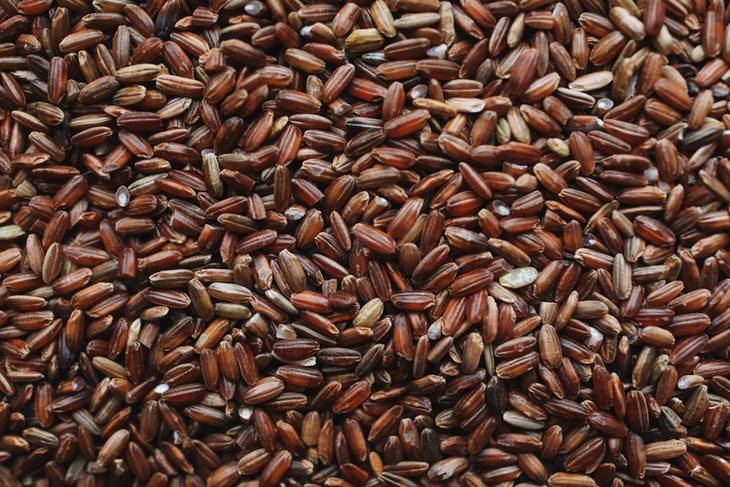
 Pantry Supplies That Expire Faster Than You Think Brown rice

If you recently made the switch to brown rice, you may not know that it expires much faster than white rice. I learned this the hard way. Having bought several packages on a deal, I noticed a faint musty smell once I opened package number two. Little did I know that brown rice expires just 6 months after the packaging date.

The same goes for other whole-grain rice varieties (such as wild rice, red rice, or black rice), all because the natural oils in the rice bran go rancid pretty soon. If you want to extend the shelf life of an unopened package of whole-grain rice, put it in the freezer. It should hold up for around a year. 

What about white rice? Since rice bran is removed during the milling process, white rice can be kept in your pantry pretty much indefinitely according to the USA Rice Federation. Just make sure to keep it sealed away from moisture and pests. \

2. Cereal
Not in the mood for cereal every morning? Then we’d say that it’s best not to purchase it in bulk, as an opened box of cereal is guaranteed to go stale in 3 months maximum, even if you decant it into an airtight container. That said, an unopened batch of cereal will retain its taste and crunch for up to 1 year. This is for simple cereals like corn flakes; the shelf life of cereal varieties that contain nuts and other add-ins will be less than that. 

Note that eating old cereal won’t make you sick, so it’s technically still safe to eat. But who would want to begin their day with a bowl of stale cereal? 

3. Nuts and seeds
Nuts and seeds won’t spoil in your backpack, that’s why they are everyone’s favorite travel snack. But make no mistake, the fact that a bag of almonds or pumpkin seeds can last in your bag for a few days doesn’t mean that they will last in the pantry for years. As a rule of thumb, shelled nuts and seeds retain quality for 4-6 months. Unshelled nuts usually stay fresh for 2-3 extra months. 

After that, the natural oils that are present in abundance in all nuts and seeds will go bad, and you will notice a rancid smell, oily stains, or discoloration on the surface of the nuts. If you’d like to store nuts for a bit longer, pop them in a resealable bag and freeze them for up to a year. 

4. Potatoes
Potatoes don’t have a set expiration date. A fresh bag of potatoes can be safely consumed anywhere from several weeks to 2-3 months, depending on the storage conditions. Ideally, potatoes should be stored in a dark, dry place at 45-55°F (8-13°C). But if your pantry is warmer, you’ll likely need to use up your potatoes in a few weeks. 

You know potatoes have gone bad when they develop soft brown spots or smell terrible. Dry or wrinkled-looking potatoes that feel soft to the touch, green spots, or sprouting are also an indication that a potato is past its prime.

5. Nut butters
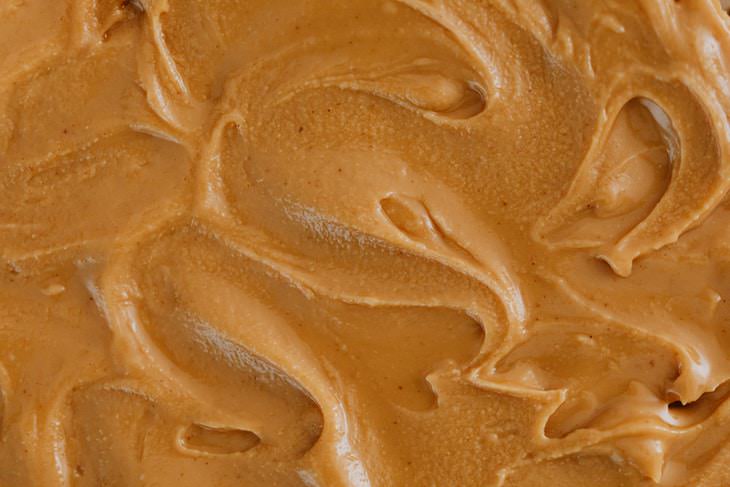
Pantry Supplies That Expire Faster Than You Think peanut butter

Where do you store peanut butter: in the fridge or in the pantry? Like nuts, opened jars of nut butters like peanut butter or almond butter will expire in around 3 months at room temperature. Due to their high oil content, nut butters are prone to rancidity and oil separation. 

Refrigerating opened jars of peanut butter will extend their life and prevent oil separation for another 3-6 months. But even an unopened jar of nut butter will not last for more than a year in your pantry, so buying several jars is probably not a great idea. 

6. Baking powder
Ever wonder why the cake you made didn’t rise, even though it usually turns out fluffy and soft? Expired baking powder could be the culprit. Unlike baking soda, baking powder has a set expiration date. Depending on the humidity in your kitchen, it will lose its leavening powers in just 6-12 months. Here’s a quick test that will help you tell if a packet of baking powder is still fresh. Add 1 teaspoon of baking powder to hot water. If it starts to fizz, it’s still fresh. 

Turns out the baking powder is expired? No worries, here's an article that will show you how to swap out the baking powder in different recipes - Ran Out of Baking Powder? 8 Easy Substitutes.  see my next post

7. Oatmeal
If you usually buy oatmeal in bulk, try not to buy more than you will be able to use up in 4-6 months. Like whole-grain rice, oatmeal can go rancid over time. This is less common in quick oats since those are more highly processed, but steel-cut oats tend to go bad in a matter of months. 

Freezing unopened bags of oatmeal can help you double its shelf life. Just don’t forget to label the date on the package. This way, you’ll know when it’s time to use it up.

8. Brown Sugar

Like some of the other food items on this list, brown sugar won’t necessarily expire over time. An opened bag of brown sugar usually dries up and hardens after around 4 months of storage or less. Luckily, keeping the brown sugar in a resealable bag or container will help you keep it soft for a few more months. If you do have a packet of brown sugar that turned into a rock-hard block, worry not. 

 3 Easy Ways to Soften Hard Brown Sugar. see my next posts

9. Garlic
Under prime storage conditions, an intact head of garlic will stay good for half a year, but an unpeeled garlic clove separated from the bulb will not last beyond 2-3 weeks. Not sure if your garlic is still good to use? Fresh and flavorful garlic clove has a light cream color and a glossy exterior. It is also firm and plump-looking. 

If the garlic clove is soft, matte, and closer to yellow than white, it’s well past its prime. Any discoloration, such as brown or gray spots, is a sign of decay. Such garlic should be discarded immediately. Sprouted garlic, on the other hand, is usually fine to use. All you need to do is cut the clove in half and remove the green sprouted core. Make sure to use up sprouted garlic as quickly as you can because sprouting reduces flavor. 

10. Certain cooking oils
Cooking oils are more delicate than they seem, especially unrefined varieties like virgin olive oil, avocado oil, grapeseed oil, or even sesame oil. After opening, these oils should be stored for no more than a year, and you ought to keep them in a dark, dry, and cool environment. 

Olive oil, in particular, can start tasting and smelling just 6 months after opening. If you don’t use it often, it’s best to buy a small bottle - just enough to use up in 1-2 months. That being said, it’s a myth that refrigerating oil will make it last longer, so don’t crowd the fridge door with extra bottles. 

11. Beer
Beer is best stored in the fridge, period. Otherwise, it will start oxidizing quicker and may develop unpleasant flavors in 3-4 months. “Non-refrigerated storage accelerates aging and development of off-flavors. Refrigerated storage is best for all beers at all times,” states Craftbeer.com. If you don’t have space for beer in your fridge and prefer to keep it in the pantry, buy enough to use up within a month or two. 

12. Graham crackers
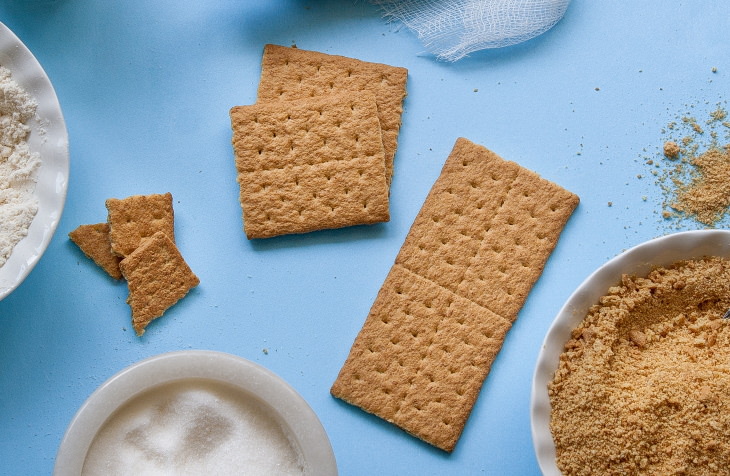
Pantry Supplies That Expire Faster Than You Think Graham crackers

Graham crackers are always great to have on hand. You can use them for a cheesecake crust or make s’mores with the grandkids. However, we’d advise against buying them in bulk unless you use them in baking quite often. Even a sealed batch of graham crackers will only last you 9 months. 

After that, they become stale. An opened package should be used up as quickly as possible. If you have leftover crackers from a recipe, store them in an airtight container. Otherwise, they will get stale in a matter of days. 

13. Tea and coffee
Both coffee and tea will lose flavor after a few weeks, provided that you don’t store them in an airtight container. So it’s best to seal them well and use them up as quickly as you can. In addition, “tea bags can lose valuable antioxidants as they sit on the shelf over time,” stated Desiree Nielsen, a registered dietitian in Vancouver. 

After around a year of storage, tea and coffee will also start tasting stale, so make sure to only buy enough for around a year. 

14. Quinoa
Quinoa is considered to be a healthy whole grain, so many people buy it these days. Like brown rice, quinoa has a higher moisture content than processed grains or pasta, so it tends to expire much faster. If you keep quinoa in a sealed package in a dry and cold environment, it is said to last for 2-3 years from the packing date. 

However, once you open the package, its longevity will go down dramatically, especially if you keep it in a warm or moist environment. How do you know that quinoa has gone bad? It will have a slightly oily or musty scent, which means that the natural oils present in the grain have gone rancid. 

15. Canned goods
Canned foods may last a lifetime, but certain varieties will no longer taste good after just 1-2 years. That’s because acidic foods may start to break down the tin a little, which will give its contents a metallic taste. This taste doesn’t make the canned food unsafe to consume, it just tastes a bit off.

Pickles and canned tomatoes are more likely to do this, so keep a close eye on which tins you bought first and use them up within half a year or so. Low-acid foods, on the other hand, like canned corn or green beans will stay fresh and tasty for as long as 5 years. 

16. Turmeric and some other spices
Much like garlic or baking powder, certain spices will start losing their flavor after the 1-year mark. Turmeric, paprika, cinnamon, and nutmeg are all examples of such spices, so make sure to buy them in small batches. If you notice that turmeric has lost its smell, you’ll need to use more of it in a recipe or buy a new bottle of the spice altogether.

Eating old turmeric and other spices, in general, isn’t bad for your health. If you want to purchase spices in bulk, we recommend buying whole spices, such as whole black pepper and cinnamon, as these last for a longer time than ground spices. 

17. Flour
Exactly like rice, white flour lasts almost three times as long as whole-grain flour. Whole-grain flour retains its freshness for no more than 3 months, whereas white flour will keep fresh for 6-9 months. If you bought flour in bulk and don’t intend to use it up in the next half a year or so, seal it in a freezer bag and put it in the fridge or freezer. Refrigeration will prevent whole-grain flour from becoming rancid for up to 8 months, almost tripling its shelf life. 

18. Breadcrumbs
The last mention on this list is one you likely never thought of as a perishable good. But breadcrumbs too expire in around 6 months. How do you know that the breadcrumbs in your pantry are no longer good to use? Stale or rancid smells are, of course, one red flag. But be careful because old breadcrumbs, especially those stored in humid or overly warm conditions, may even develop mold or show insect activity.


https://gscrochetdesigns.blogspot.com. one can see my crochet creations  

https://kneereplacement-stickclub.blogspot.com. for info on knee replacement

https://cancersupportindia.blogspot.com  for info on cancer and health related topics

https://GSiyers home remedies.blogspot.com   is the latest addition to my blogs


Saturday, August 9, 2025

9 Foods That Contain a Large Amount of Sodium

Although it's commonplace to add salt (or sodium) to meals for seasoning purposes, many of us consume exorbitant amounts of it each day without even realizing it. The recommended amount of sodium intake per day for adults is 2-1.5 grams, equivalent to 6-5 grams of salt, which amounts to only one teaspoon per day, and the recommended amount for children up to the age of 9 is up to 1.2 g of sodium per day. It’s already known that there is a direct connection between high blood pressure, heart attacks and brain aneurysms, and the amount of salt intake per day, which makes the subject even more pressing. Therefore, we must become familiar with the various foods which contain high amounts of sodium. 

1. Bread  foods

Sandwiches are a quick and wonderful solution for alleviating hunger, anywhere any time, and we tend to feed our family quite a few different types of bread. One slice of bread usually contains 150 mg of sodium, and a pita or a decently sized baguette can easily contain twice that amount: If you usually eat grilled cheese for breakfast, a small sandwich at lunch, and a slice of bread with soup in the evening, along with other salty foods, you’re most probably going over the recommended daily intake of sodium. Try to cook dishes with whole grains such as quinoa, season them with herbs and avoid adding salt, which will help you reduce salt intake in general and bread in particular.


2. Sausages 
 
The best way to fill a sandwich is with cold cuts such as salami or turkey, however, these tend to contain high amounts of sodium. In three ounces of turkey lunch meats contain 780 mg sodium, while in just one gram of salami (about 3 slices), there is 450 mg sodium. This is why you should avoid eating processed sausages as much as possible. Doing so will help you significantly cut back on your salt intake.


3. Muffins and other baked goods 
 foods
 It's very tempting to go into a bakery and buy muffins or any other baked good, and enjoy its delicious taste, all without considering the amount of sodium they may contain. The tempting treats contain many calories, saturated fat, sugar, and some 570 mg of sodium, if not more. This is close to half the recommended daily amount, so opt for baking your own pastries.

4. Cereals 
 foods
 
A great way to start the day is with a bowl of cereal, which is especially popular among young children and teens. Many kinds of cereal contain less than 200 mg of sodium per serving, but there are also quite a few that contain 300 mg per serving. You can easily avoid salt in the morning by making healthier whole grain meals, such as oatmeal, which has great taste and uncompromising quality.


5. Sauces  
 
We often season our food with different sauces, whether it's salad, hamburgers or sushi, while we don’t always pay attention to the high salt they contain. Sauces and condiments are actually at the top of the list of high-sodium food items. One tablespoon of barbecue sauce contains 175 mg of sodium, while the same amount of teriyaki sauce contains 690 mg sodium. Therefore, it is important that you choose low sodium options of the same sauces you like or opt for making your own at home.

 
6. Instant meals 
 
Many people that don’t have time slaving over a stove to make soup or stews from scratch often take a shortcut by pouring some hot water into a cup-o-noodles. However, by doing so, you are compromising the quality of the food. These high-speed meals contain high amounts of sodium, which is linked to heart disease and high blood pressure. Therefore, it’s important to critically examine the ingredients of those foods and soups. It should be noted that in a regular serving of chicken flavor cup-o-noodles, there is 1070 mg of sodium. 


7. Pizza 
 
We all love pizza - whether we eat it for lunch, dinner, or breakfast the next day, it's simply delicious. However, it’s important to know that pizza contains various sources of salt, including tomato sauce, breadcrumbs and of course, cheese. It’s no wonder that pizza is a bomb of sodium waiting to explode and threaten our health if we do not know how to consume the right amount. In fact, only one slice of pizza contains 650 mg of sodium, before you add olives or any other added salt, not to mention that most of us eat more than one slice, which means that without even trying you can easily reach half of the recommended daily intake of sodium. Therefore, the next time you order one, be sure to eat as little sodium as possible that day.


8. Canned beans 
 foods
While making soup, rice or a stew, a good way to enrich the dish with protein and fiber is by adding canned beans, because of the convenience it offers. The problem is that the same can of beans contains a large dose of sodium, but this can be fixed. All you have to do is rinse off the beans, reducing the amount of sodium on them, or you can buy a can of sodium-free or salt-free beans. However, it is always better to purchase dry, salt-free beans and cook them on your own.


9. Cottage cheese / Paneer
 
Cottage cheese, whether fat-free or regular, is a great source of protein, but when it comes to sodium, it's something to be wary of. One cup of this cheese contains 920 mg of sodium, which is almost half of the recommended daily intake, so you should look for cottage cheese with no sodium or salt at all, and enrich its flavor by adding fresh or dry herbs.


https://gscrochetdesigns.blogspot.com. one can see my crochet creations  

https://kneereplacement-stickclub.blogspot.com. for info on knee replacement

https://cancersupportindia.blogspot.com  for info on cancer and health related topics

https://GSiyers home remedies.blogspot.com   is the latest addition to my blogs


Sunday, February 2, 2025

The 19 foods you CAN eat past their expiry date

 What's in a date?

Reducing food waste is more important than ever – and one way we can all do so is by NOT throwing perfectly edible food away. But when is a food safe to eat, and when should it be thrown in the bin? And what do the dates on food packaging really mean? Here, we reveal the 19 foods that are perfectly safe – and even good – to eat once the date on the packet has passed.

Understanding food labels

So, what do the dates on food packaging actually mean? It’s important to note that in the UK, Australia and Canada, expiry and use by dates relate to food safety; food shouldn’t be eaten after those dates, as it could make you ill. Product dating is not required by law in the US (with the exception of baby formula) and the dates on packaging do not relate to safety.

Trust your senses

Best by, best before and best before end dates, meanwhile, all act as indicators of how long food will still taste its best. These are chosen by manufacturers and can be viewed as a guide relating to quality, rather than a measure of food safety. The crucial thing to remember here is to trust your senses – if a food has an unusual look, smell, texture or colour, it probably shouldn’t be eaten.


BiscuitsBiscuits

Processed foods like biscuits tend to have a longer shelf-life than the date indicated on the packet. Provided they don’t look or small bad or have a soft, overly crumbly texture, a previously unopened packet of biscuits can be eaten up to six months after that date. Do bear in mind that the taste may have deteriorated, though.

Bread

Providing there’s no mould growing on the surface, bread can be eaten up to a week after the date indicated. As soon as mould appears, though, it’s time to get rid. While you might be tempted to simply cut the mould off, the United States Department of Agriculture (USDA) classifies bread as a porous food, which means it might be contaminated below the surface. Store your bread in sealed containers or bags, and freeze any slightly stale or excess bread for a later date.

Cakes and cake mixesCakes and cake mixes

Good news if you stumble upon a forgotten about cake – commercially made cakes that have remained in their airtight wrapping and aren’t filled with fresh ingredients (think whipped cream or buttercream) can be safely consumed up to a week after the date on the packet. Boxed cake mixes, meanwhile, are still fine to use up to five months after the date indicated, provided they’ve been stored in a cool, dry place. That said, the cooked cake may not rise quite as impressively as it once would have.


Canned foodCanned food

In one famous study, scientists opened a 40-year-old can of corn and found that the vegetable looked and smelled perfectly fresh, with nutrition values little changed. While that makes a good story, as a general rule, you can eat high-acid canned goods (like tomatoes and grapefruit) up to 18 months after purchase, while this stretches to five years for low-acid canned goods (pretty much everything else). Always store canned food in a cool, dry place and never eat from a can that’s bulging, badly dented or leaky.


Cauliflowers, carrots and red peppers

The USDA says that firmer vegetables, such as cauliflower, carrots and peppers, can still be eaten even with a spot or two of mould on – as long as you cut at least 2.5cm (1in) around and below the mould, keeping the knife out of the mould itself to prevent cross-contaminating other parts of the produce. The denser texture of these veggies makes them tricky for the mould to penetrate.

Cereal Cereal

Even once opened, it’s likely that your favourite cereal will still be fine to eat up to six months after the date on the packet – so long as it’s correctly stored in an airtight container, away from direct sunlight. While there’s little risk of you getting ill from eating cereal that’s out of date, the taste and texture may suffer. Take a bite as a quality check before covering with milk.

ChocolateChocolate

If the mere thought of throwing chocolate away causes you distress, worry no more; chocolate experts say that, as long as you’ve taken care to store them in a cool, dry place, solid milk, white and dark chocolate bars can be eaten up to six months past the date suggested, although the taste and texture may not be optimal. Even if the bar has developed a white or grey coating (known as chocolate bloom and caused by the separation of cocoa fats), it’s still safe to eat. But, again, taste and texture may be compromised.


CrispsCrisps

Provided they remain in their airtight packets (complete with special lining that keeps moisture and light at bay), most crisps should be absolutely fine to eat for a good few months after the date suggested. Once they’re exposed to the air, crisps start to lose freshness, become soggy and will eventually turn stale.

Eggs

While they might not be ideal for poaching, experts agree that it’s safe to eat eggs after the date stated on the packet (or on the eggs themselves). The Food Standards Agency in the UK recommends that, after that date, eggs should be cooked until both whites and yolk are solid, or used in dishes where they are fully cooked (think cakes and bakes). Egg industry website egginfo.co.uk advises that if an egg sinks to the bottom of a glass of water, it's safe to eat. However, if it floats, it's likely to have gone off.

Frozen fruit and vegetables Frozen fruit and vegetables 

From garden peas to edamame beans, strawberries to chopped bananas, those bags of frozen fruit and vegetables lurking in the back of your freezer are still safe to eat up to eight months after the date that appears on the packet. If these foods have lost their colour, shrivelled up or are caked in ice crystals, though, they’re best avoided.

Hard cheeseHard cheese

The USDA says that unopened hard cheeses can keep in the fridge for six months and for three to four weeks after unwrapping. Mould spots on hard cheeses like Cheddar can't penetrate far into the cheese – both the USDA and Food Standards Agency say you can cut out a mould spot and safely eat the remaining cheese.

Ice cream

There’s no need to consign shop-bought ice cream to the bin if the date on the tub has passed. Providing ice cream is properly stored, it’s likely to last without spoiling for at least two or three months longer. That said, the taste and texture may suffer – ice cream that’s been hanging around for a long time or kept in an overstocked or underperforming freezer can suffer from freezer burn, giving the ice cream an icy texture and making it taste less creamy. In that case, you might want to use it in a smoothie or whizz into a milkshake.

Jam

Provided the seal hasn’t been broken, jam can be safely slathered on toast up to five years after the date on the jar. If the jar in question shows signs of damage or once opened, has a strange colour or smell, or there’s any sign of mould, consider this a sign that it’s time to treat yourself to a new jar of the sweet stuff. Once opened, jam should be safe to eat for up to a month, if stored in the fridge.

Milk

The process of pasteurisation gets rid of harmful bacteria in milk, but bacteria can still grow, especially if the milk is kept out the fridge for too long. However, research suggests that unopened milk, stored correctly, can still be good up to a week after the listed date, while opened milk should be fine for two to three days past that date. If it starts to look, smell or taste sour, or has a strange appearance, that's when to stop drinking it. A sip or two of sour milk, while pretty unappetising, is unlikely to make you ill.

PastaPasta

Dried pasta doesn’t spoil easily, particularly if it’s kept in a sealed, airtight container. So long as it doesn’t have a strange smell or colour, the likes of dried lasagne sheets, farfalle and penne can be used up to two years after the date indicated, which is good news if you’ve recently discovered a stash hidden away at the back of your pantry. 

Peanuts

You can eat peanuts beyond the date on the packet provided they aren’t soft or rancid. If there’s the slightest hint of mould, or if the peanuts are discoloured, shrivelled, have broken shells, taste or smell bad, throw them away. Should you find yourself with a glut of peanuts, storing them in an airtight container in the fridge will ensure they last for longer.

Pickles

While they may lose a bit of their pep and crunch, pickled vegetables are safe to eat for one to two years past the indicated date, particularly if they’re unopened and stored in the fridge. Given that pickling is an age-old means of preserving foods, this probably comes as little surprise, though it is worth noting that pickled items can still go bad. If the jar has a rounded or dome-shaped lid, it may not have been sealed properly and the ingredient inside won’t be fully preserved. 

Pizza

The USDA says leftover pizza slices are good for three to four days. That is, so long as you put the slices you can't manage in the fridge (covered) within two hours of them coming out the oven. If you’ve ordered takeaway and ended up with extras, the same rule applies – remove from the box, transfer to an airtight container and keep in the fridge.

Yogurt

If there’s an unopened, out-of-date tub of Greek or natural yogurt in your fridge, don’t throw it away without a thorough inspection. Experts tend to agree that, rather than going off, yogurt just continues to ferment, becoming tangier and more acidic – and is therefore fine to eat up to two weeks past the proposed date. That said, if there’s a layer of fruit on the top or bottom of the yogurt, it’s best to take heed of that date, because mould can easily grow.


https://gscrochetdesigns.blogspot.com. one can see my crochet creations  

https://kneereplacement-stickclub.blogspot.com. for info on knee replacement

https://cancersupportindia.blogspot.com  for info on cancer and health related topics

https://GSiyers home remedies.blogspot.com   is the latest addition to my blogs


Thursday, September 2, 2021

How Long Do Different Foods Last in Storage

image.png 


https://gscrochetdesigns.blogspot.com. one can see my crochet creations  

https://cancersupportindia.blogspot.com. feel free to view for easy, simple and health tips  
https://kneereplacement-stickclub.blogspot.com. for info on knee replacement