When we plan on clearing out expired foods, we usually go straight to
the fridge. Rarely do we think to look into the pantry - a common
mistake. In reality, many pantry items are just as likely to go bad
after a few months as the stuff you keep in the fridge. From fresh
produce to packaged goods, several pantry supplies lose their taste or
become unusable over time. Therefore, buying such items in bulk is just a
waste of your money. Read on for a list of 18 such items.
1. Brown Rice 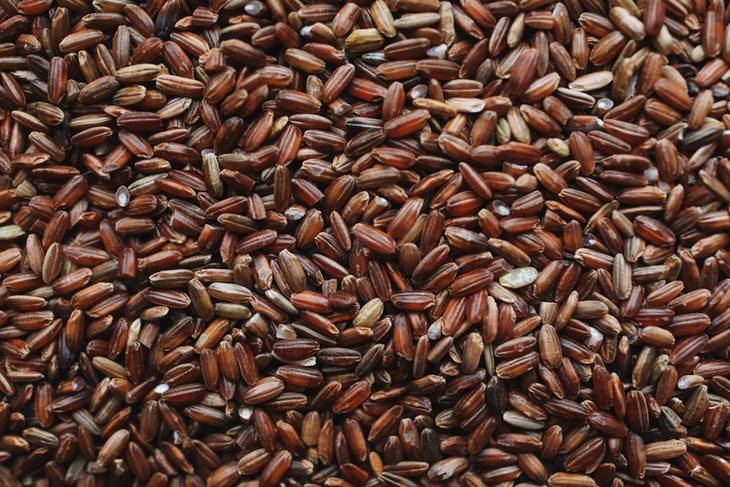
If you recently made the switch to brown rice, you may not know that it
expires much faster than white rice. I learned this the hard way. Having
bought several packages on a deal, I noticed a faint musty smell once I
opened package number two. Little did I know that brown rice expires
just 6 months after the packaging date.
The same goes for other whole-grain rice varieties (such as wild rice,
red rice, or black rice), all because the natural oils in the rice bran
go rancid pretty soon. If you want to extend the shelf life of an
unopened package of whole-grain rice, put it in the freezer. It should
hold up for around a year.
What about white rice? Since rice bran is removed during the milling process, white rice can be kept in your pantry pretty much indefinitely according to the USA Rice Federation. Just make sure to keep it sealed away from moisture and pests. \
2. Cereal
Not in the mood for cereal every morning? Then we’d say that it’s best
not to purchase it in bulk, as an opened box of cereal is guaranteed to
go stale in 3 months maximum, even if you decant it into an airtight
container. That said, an unopened batch of cereal will retain its taste
and crunch for up to 1 year. This is for simple cereals like corn
flakes; the shelf life of cereal varieties that contain nuts and other
add-ins will be less than that.
Note that eating old cereal won’t make you sick, so it’s technically still safe to eat. But who would want to begin their day with a bowl of stale cereal?
3. Nuts and seeds
Nuts and seeds won’t spoil in your backpack, that’s why they are
everyone’s favorite travel snack. But make no mistake, the fact that a
bag of almonds or pumpkin seeds can last in your bag for a few days
doesn’t mean that they will last in the pantry for years. As a rule of
thumb, shelled nuts and seeds retain quality for 4-6 months. Unshelled
nuts usually stay fresh for 2-3 extra months.
After that, the natural oils that are present in abundance in all nuts and seeds will go bad, and you will notice a rancid smell, oily stains, or discoloration on the surface of the nuts. If you’d like to store nuts for a bit longer, pop them in a resealable bag and freeze them for up to a year.
4. Potatoes
Potatoes don’t have a set expiration date. A fresh bag of potatoes can
be safely consumed anywhere from several weeks to 2-3 months, depending
on the storage conditions. Ideally, potatoes should be stored in a dark,
dry place at 45-55°F (8-13°C). But if your pantry is warmer, you’ll
likely need to use up your potatoes in a few weeks.
You know potatoes have gone bad when they develop soft brown spots or smell terrible. Dry or wrinkled-looking potatoes that feel soft to the touch, green spots, or sprouting are also an indication that a potato is past its prime.
5. Nut butters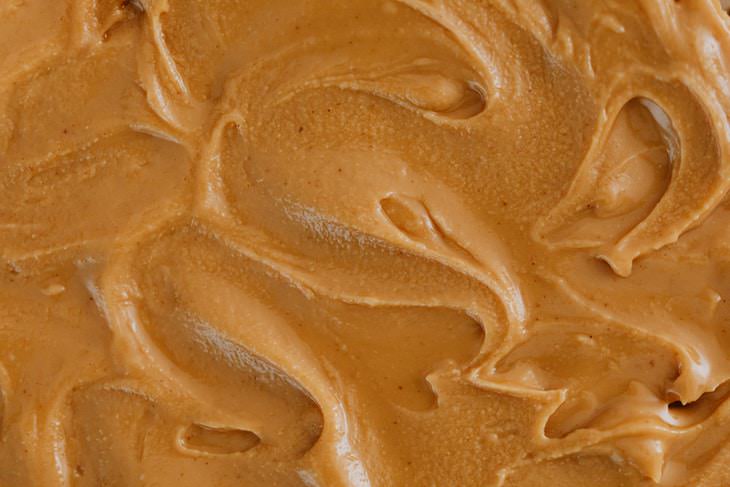
Where do you store peanut butter: in the fridge or in the pantry? Like
nuts, opened jars of nut butters like peanut butter or almond butter
will expire in around 3 months at room temperature. Due to their high
oil content, nut butters are prone to rancidity and oil separation.
Refrigerating opened jars of peanut butter will extend their life and prevent oil separation for another 3-6 months. But even an unopened jar of nut butter will not last for more than a year in your pantry, so buying several jars is probably not a great idea.
6. Baking powder
Ever wonder why the cake you made didn’t rise, even though it usually
turns out fluffy and soft? Expired baking powder could be the culprit.
Unlike baking soda, baking powder has a set expiration date. Depending
on the humidity in your kitchen, it will lose its leavening powers in
just 6-12 months. Here’s a quick test that will help you tell if a
packet of baking powder is still fresh. Add 1 teaspoon of baking powder
to hot water. If it starts to fizz, it’s still fresh.
Turns out the baking powder is expired? No worries, here's an article that will show you how to swap out the baking powder in different recipes - Ran Out of Baking Powder? 8 Easy Substitutes. see my next post
7. Oatmeal
If you usually buy oatmeal in bulk, try not to buy more than you will be
able to use up in 4-6 months. Like whole-grain rice, oatmeal can go
rancid over time. This is less common in quick oats since those are more
highly processed, but steel-cut oats tend to go bad in a matter of
months.
Freezing unopened bags of oatmeal can help you double its shelf life.
Just don’t forget to label the date on the package. This way, you’ll
know when it’s time to use it up.
8. Brown Sugar
Like some of the other food items on this list, brown sugar won’t necessarily expire over time. An opened bag of brown sugar usually dries up and hardens after around 4 months of storage or less. Luckily, keeping the brown sugar in a resealable bag or container will help you keep it soft for a few more months. If you do have a packet of brown sugar that turned into a rock-hard block, worry not.
3 Easy Ways to Soften Hard Brown Sugar. see my next posts
9. Garlic
Under prime storage conditions, an intact head of garlic will stay good
for half a year, but an unpeeled garlic clove separated from the bulb
will not last beyond 2-3 weeks. Not sure if your garlic is still good to
use? Fresh and flavorful garlic clove has a light cream color and a
glossy exterior. It is also firm and plump-looking.
If the garlic clove is soft, matte, and closer to yellow than white, it’s well past its prime. Any discoloration, such as brown or gray spots, is a sign of decay. Such garlic should be discarded immediately. Sprouted garlic, on the other hand, is usually fine to use. All you need to do is cut the clove in half and remove the green sprouted core. Make sure to use up sprouted garlic as quickly as you can because sprouting reduces flavor.
10. Certain cooking oils
Cooking oils are more delicate than they seem, especially unrefined
varieties like virgin olive oil, avocado oil, grapeseed oil, or even
sesame oil. After opening, these oils should be stored for no more than a
year, and you ought to keep them in a dark, dry, and cool environment.
Olive oil, in particular, can start tasting and smelling just 6 months after opening. If you don’t use it often, it’s best to buy a small bottle - just enough to use up in 1-2 months. That being said, it’s a myth that refrigerating oil will make it last longer, so don’t crowd the fridge door with extra bottles.
11. Beer
Beer is best stored in the fridge, period. Otherwise, it will start
oxidizing quicker and may develop unpleasant flavors in 3-4 months.
“Non-refrigerated storage accelerates aging and development of
off-flavors. Refrigerated storage is best for all beers at all times,”
states Craftbeer.com. If you don’t have space for beer in your fridge
and prefer to keep it in the pantry, buy enough to use up within a month
or two.
12. Graham crackers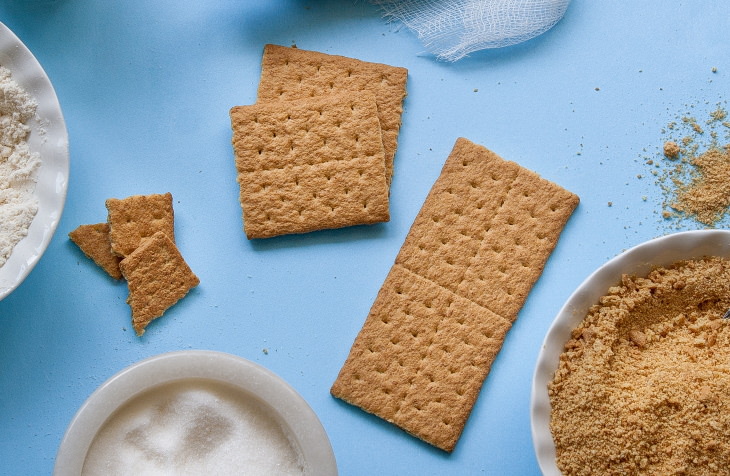
Graham crackers are always great to have on hand. You can use them for a
cheesecake crust or make s’mores with the grandkids. However, we’d
advise against buying them in bulk unless you use them in baking quite
often. Even a sealed batch of graham crackers will only last you 9
months.
After that, they become stale. An opened package should be used up as quickly as possible. If you have leftover crackers from a recipe, store them in an airtight container. Otherwise, they will get stale in a matter of days.
13. Tea and coffee
Both coffee and tea will lose flavor after a few weeks, provided that
you don’t store them in an airtight container. So it’s best to seal them
well and use them up as quickly as you can. In addition, “tea bags can
lose valuable antioxidants as they sit on the shelf over time,” stated
Desiree Nielsen, a registered dietitian in Vancouver.
After around a year of storage, tea and coffee will also start tasting stale, so make sure to only buy enough for around a year.
14. Quinoa
Quinoa is considered to be a healthy whole grain, so many people buy it
these days. Like brown rice, quinoa has a higher moisture content than
processed grains or pasta, so it tends to expire much faster. If you
keep quinoa in a sealed package in a dry and cold environment, it is
said to last for 2-3 years from the packing date.
However, once you open the package, its longevity will go down dramatically, especially if you keep it in a warm or moist environment. How do you know that quinoa has gone bad? It will have a slightly oily or musty scent, which means that the natural oils present in the grain have gone rancid.
15. Canned goods
Canned foods may last a lifetime, but certain varieties will no longer
taste good after just 1-2 years. That’s because acidic foods may start
to break down the tin a little, which will give its contents a metallic
taste. This taste doesn’t make the canned food unsafe to consume, it
just tastes a bit off.
Pickles and canned tomatoes are more likely to do this, so keep a close eye on which tins you bought first and use them up within half a year or so. Low-acid foods, on the other hand, like canned corn or green beans will stay fresh and tasty for as long as 5 years.
16. Turmeric and some other spices
Much like garlic or baking powder, certain spices will start losing
their flavor after the 1-year mark. Turmeric, paprika, cinnamon, and
nutmeg are all examples of such spices, so make sure to buy them in
small batches. If you notice that turmeric has lost its smell, you’ll
need to use more of it in a recipe or buy a new bottle of the spice
altogether.
Eating old turmeric and other spices, in general, isn’t bad for your
health. If you want to purchase spices in bulk, we recommend buying
whole spices, such as whole black pepper and cinnamon, as these last for
a longer time than ground spices.
17. Flour
Exactly like rice, white flour lasts almost three times as long as
whole-grain flour. Whole-grain flour retains its freshness for no more
than 3 months, whereas white flour will keep fresh for 6-9 months. If
you bought flour in bulk and don’t intend to use it up in the next half a
year or so, seal it in a freezer bag and put it in the fridge or
freezer. Refrigeration will prevent whole-grain flour from becoming
rancid for up to 8 months, almost tripling its shelf life.
18. Breadcrumbs
The last mention on this list is one you likely never thought of as a
perishable good. But breadcrumbs too expire in around 6 months. How do
you know that the breadcrumbs in your pantry are no longer good to use?
Stale or rancid smells are, of course, one red flag. But be careful
because old breadcrumbs, especially those stored in humid or overly warm
conditions, may even develop mold or show insect activity.