Showing posts with label pickles. Show all posts

Tuesday, October 14, 2025

Pickled Strawberries

Strawberries are great as is, but if you're looking for extra oomph, not to mention a way to make them stay good for longer, pickled strawberries are the way to go. 
 
For pickling a pound of strawberries, all you need is 
a quarter cup of sugar,  
2 tablespoons of salt, 
1 and a half cups of white Balsamic vinegar. 
 
Add the ingredients to 2/3 cup of water and bring it to a boil. In the meantime, you can cut your strawberries in half, if they're big, and place them in a heatproof jar. Once the sugar and salt in the saucepan have dissolved into liquid, pour it into the jar over the strawberries. Once it cools, get it into the fridge. You can use this quick-pickled recipe for strawberries to get a soft yet crunchy sweet and salty treat, that goes amazing with salads, rolls or pretty much anything that needs a little more texture, and lasts over 2-3 weeks. For best results, prepare the pickled strawberries at least 5 days in advance.


https://gscrochetdesigns.blogspot.com. one can see my crochet creations  

https://kneereplacement-stickclub.blogspot.com. for info on knee replacement

https://cancersupportindia.blogspot.com  for info on cancer and health related topics

https://GSiyers home remedies.blogspot.com   is the latest addition to my blogs


Monday, August 4, 2025

15 Foods you should never eat if you've high BP


A considerable amount of people today are suffering from a condition known as high blood pressure or hypertension. It is the condition where the speed of the blood inside the blood vessels increases to an alarming level. This weakens the walls of the vessels and also causes the heart to pump at a faster pace. This fast pumping of the heart results in the over-exertion of the heart, and that can cause many heart diseases. However, this condition can be lessened by eating a specific food. It can also be aggravated and made worse by the use of certain foodstuff. Here is a list of 15 food items that a person with high blood pressure should keep at arm’s length.

1. Salt

Salt is the prime criminal when it comes to high blood pressure. When the sodium content in our diet is increased, it disturbs the delicate ionic balance of the human body. This results in the kidneys being unable to filter the blood properly as the blood has a high level of sodium content. When the kidneys do not produce proper urine, the water content of blood increases which increases blood pressure. According to nutritionists, the daily intake of sodium for a healthy individual, so that he/she does not suffer from hypertension, should not exceed 1500 milligrams.  

2. Canned soups

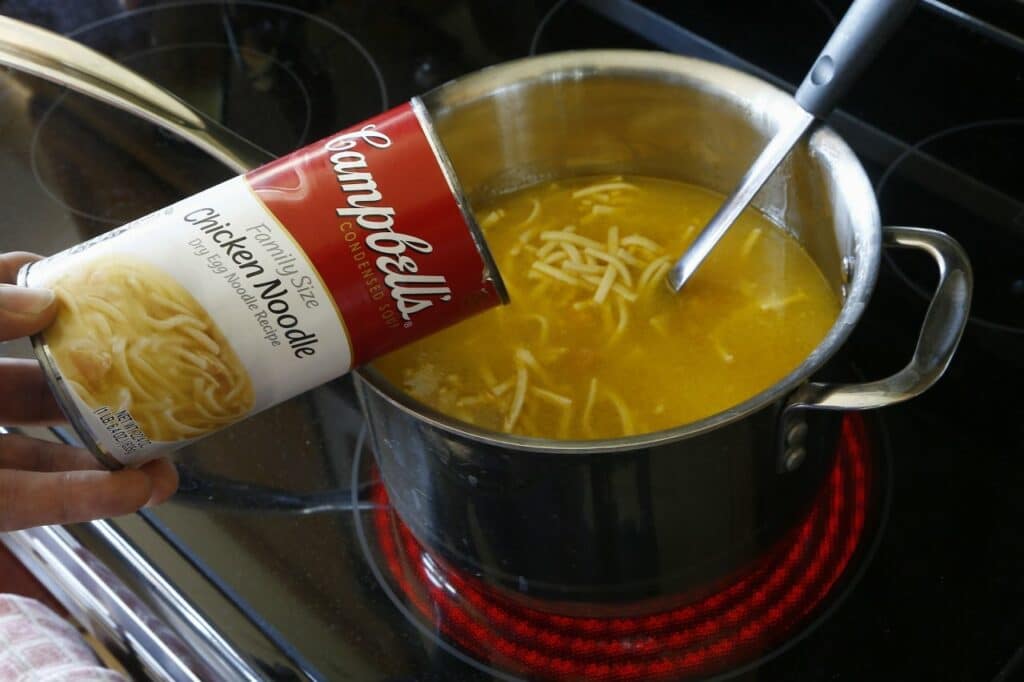
15 Foods You Should Never Eat If You Have High Blood Pressure  Canned soups may look extremely nutritious when you are looking at their advertisements in which they promote the use of healthy veggies that provide nutrition. However, in reality, canned soups are a major aggravator of hypertension. These canned goods are loaded with a sodium content that increases the speed of the flow of blood. Therefore, while selecting a canned soup, a person should make sure he goes for a can with a “low sodium” label on it.

3. Deli-meats

Deli-meats are processed meats. They have been made to last longer and to stay unspoiled. They are used to make quick sandwiches and are considered nutritious. However, these meats contain a large amount of sodium content. Almost a two-ounce serving of the regular deli-meat has about 600 milligrams of sodium content. When this deli meat is paired with other ingredients to make a sandwich, the sodium content reaches alarming levels. 

4. Chinese take-outs

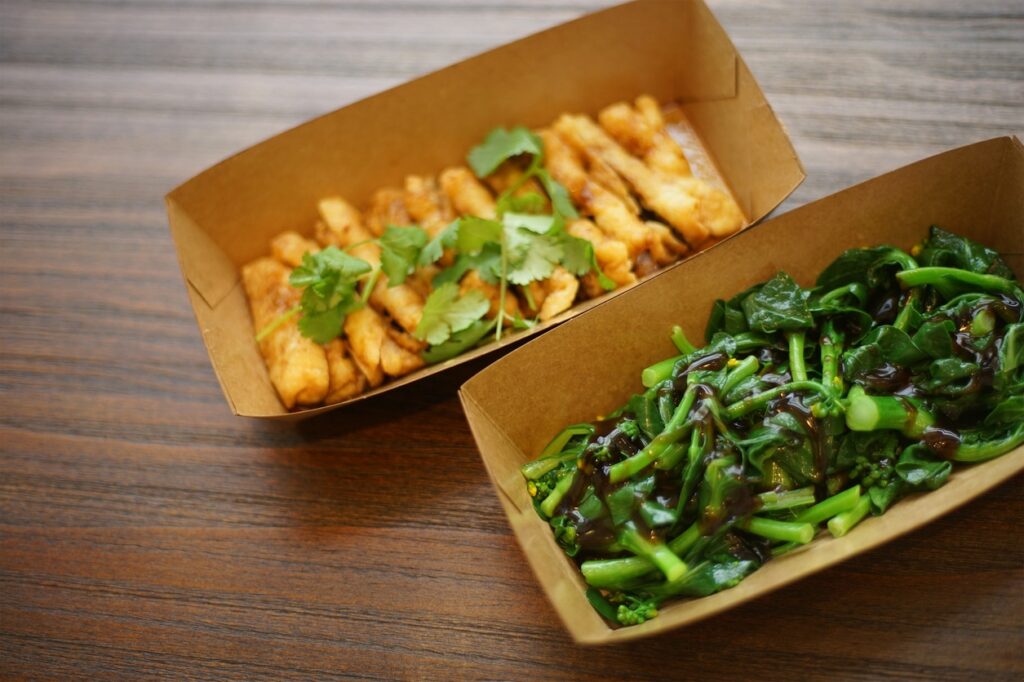
 15 Foods You Should Never Eat If You Have High Blood Pressure Chinese take-outs are a favorite for people these days. When living in a fast-paced society, places that offer these budget-friendly and quick food items are considered saviors. However, this is not the case. Chinese take-out places use oils that are sodium content rich. That is why sautéed veggies in a Chinese place look so shiny. Also, Chinese take-out contains a large quantity of canned sauces as well as other sodium-rich ingredients that cause hypertension.

5. Frozen Pizzas

Frozen pizzas are considered to be a quick fix when lunch isn’t cooked or when you feel too lazy to get something to eat. Pop them in the oven and wait till the cheese starts the melt and the dough turns crispy and golden. However, to conserve the frozen pizzas, a large amount of salt is used. This high sodium concentration aggravates blood pressure and causes various heart diseases.

6. Tomato sauce can

Pre-made sauces are also sodium bombs. Salt is used as a preservative in these sauces, and this salt causes a disturbance in the electrolyte balance of the body. When the electrolyte balance is disturbed, the kidneys get disturbed as well, and the blood pressure increases. Therefore, your favorite pasta dish could be causing your high blood pressure because of the canned tomato sauce used in it. 

7. Pickles

To preserve anything, salt is used. And pickles are salted and preserved vegetables that are dipped in oil or vinegar for fermentation and flavor. These pickles are eaten as a side as well as put in various sandwiches and burgers all around the world. The extremely high sodium content in these aggravates blood pressure and can turn even a simple cucumber into a sodium bomb.   

8. Alcohol

There is not one health benefit of drinking alcohol. Intake of a large amount of alcohol causes a temporary increase in blood pressure, but prolonged abuse of alcohol results in increased levels of blood pressure and this causes hypertension along with other heart diseases. Intake of a large quantity of alcohol also causes obesity, and obese people are more liable to have high blood pressure. Thus, a person should limit their alcohol consumption as much as possible. 

9. Baked goods

Baked goods may look healthy because of the brilliant smells and the amazing taste of it. Plus, the idea of something being freshly baked sounds very healthy and nutritious. However, baked goods are rich in sugar content, and this sugar also causes a spike in blood pressure. Furthermore, in slices of bread, pastries, and croissants – salt is added. This salt increases blood pressure levels due to an increased level of sodium in the bloodstream. 

10. Bacon

Bacon is a calorie bomb. They are sticks of fats that are fried in cholesterol pools. The worst thing is that people eat this for breakfast and breakfast is the most important and vital meal of the day. Therefore, eating something this unhealthy, this early in the morning has even more adverse effects than eating it at another time would. Due to the fat content of bacon, the blood pressure rises, and this results in overexertion of the heart.

11. Coffee

Coffee is an excellent drink in the morning, and it is an amazing substituent of energy drinks. However, unprecedented and uncontrolled use of caffeine-rich drinks can result in a spike in blood pressure, and this causes hypertension of the heart. Coffee also causes a person to lose their libido; thus the use of coffee should be reduced. Furthermore, the spike in blood pressure caused by coffee intake is sudden and therefore can cause more harm.   

12. Candies

Candies, toffees, and chocolate bars also cause an increase in the sodium levels of the body. They also spike up the sugar levels violently, and this results in increased blood pressure as well. The intake of a large amount of sugary foods also causes obesity which is directly relative to the overexertion of the heart and the increase of blood pressure. 

13. Carbonated drinks

Carbonated drinks also supply nothing more than an unhealthy stream of sugary content. Carbonated drinks cause a lot of diseases and aggravate the blood pressure as well. Carbonated beverages also ruin the oral health of a person and cause dehydration. This dehydration further causes electrolyte imbalance in the body and results in hypertension and blood pressure increase. The avoidance of carbonated drinks can create a healthier lifestyle. 

14. Red meat

Every doctor’s first advice to a person suffering from high blood pressure is to avoid or altogether boycott red meat. Red meat is a major source of haem iron to the body. This haem iron is directly related to the blood pressure levels of the human body. The red meat also contains more sodium content than white meat and sea-food; therefore, the use of red meat should be lessened to control blood pressure and avoid hypertension. 

15. Donuts

 15 Foods You Should Never Eat If You Have High Blood Pressure

 Donuts are every age group’s favorite snack. However, these little snacks are incredibly unhealthy. They destroy the oral health of a person by acid deposition inside the mouth. They cause obesity which directly co-relates with hypertension and exertion of the heart. Consumption of donuts also spikes sugar level which causes a further aggravation of the blood pressure levels.


https://gscrochetdesigns.blogspot.com. one can see my crochet creations  

https://kneereplacement-stickclub.blogspot.com. for info on knee replacement

https://cancersupportindia.blogspot.com  for info on cancer and health related topics

https://GSiyers home remedies.blogspot.com   is the latest addition to my blogs


Sunday, February 2, 2025

The 19 foods you CAN eat past their expiry date

 What's in a date?

Reducing food waste is more important than ever – and one way we can all do so is by NOT throwing perfectly edible food away. But when is a food safe to eat, and when should it be thrown in the bin? And what do the dates on food packaging really mean? Here, we reveal the 19 foods that are perfectly safe – and even good – to eat once the date on the packet has passed.

Understanding food labels

So, what do the dates on food packaging actually mean? It’s important to note that in the UK, Australia and Canada, expiry and use by dates relate to food safety; food shouldn’t be eaten after those dates, as it could make you ill. Product dating is not required by law in the US (with the exception of baby formula) and the dates on packaging do not relate to safety.

Trust your senses

Best by, best before and best before end dates, meanwhile, all act as indicators of how long food will still taste its best. These are chosen by manufacturers and can be viewed as a guide relating to quality, rather than a measure of food safety. The crucial thing to remember here is to trust your senses – if a food has an unusual look, smell, texture or colour, it probably shouldn’t be eaten.


BiscuitsBiscuits

Processed foods like biscuits tend to have a longer shelf-life than the date indicated on the packet. Provided they don’t look or small bad or have a soft, overly crumbly texture, a previously unopened packet of biscuits can be eaten up to six months after that date. Do bear in mind that the taste may have deteriorated, though.

Bread

Providing there’s no mould growing on the surface, bread can be eaten up to a week after the date indicated. As soon as mould appears, though, it’s time to get rid. While you might be tempted to simply cut the mould off, the United States Department of Agriculture (USDA) classifies bread as a porous food, which means it might be contaminated below the surface. Store your bread in sealed containers or bags, and freeze any slightly stale or excess bread for a later date.

Cakes and cake mixesCakes and cake mixes

Good news if you stumble upon a forgotten about cake – commercially made cakes that have remained in their airtight wrapping and aren’t filled with fresh ingredients (think whipped cream or buttercream) can be safely consumed up to a week after the date on the packet. Boxed cake mixes, meanwhile, are still fine to use up to five months after the date indicated, provided they’ve been stored in a cool, dry place. That said, the cooked cake may not rise quite as impressively as it once would have.


Canned foodCanned food

In one famous study, scientists opened a 40-year-old can of corn and found that the vegetable looked and smelled perfectly fresh, with nutrition values little changed. While that makes a good story, as a general rule, you can eat high-acid canned goods (like tomatoes and grapefruit) up to 18 months after purchase, while this stretches to five years for low-acid canned goods (pretty much everything else). Always store canned food in a cool, dry place and never eat from a can that’s bulging, badly dented or leaky.


Cauliflowers, carrots and red peppers

The USDA says that firmer vegetables, such as cauliflower, carrots and peppers, can still be eaten even with a spot or two of mould on – as long as you cut at least 2.5cm (1in) around and below the mould, keeping the knife out of the mould itself to prevent cross-contaminating other parts of the produce. The denser texture of these veggies makes them tricky for the mould to penetrate.

Cereal Cereal

Even once opened, it’s likely that your favourite cereal will still be fine to eat up to six months after the date on the packet – so long as it’s correctly stored in an airtight container, away from direct sunlight. While there’s little risk of you getting ill from eating cereal that’s out of date, the taste and texture may suffer. Take a bite as a quality check before covering with milk.

ChocolateChocolate

If the mere thought of throwing chocolate away causes you distress, worry no more; chocolate experts say that, as long as you’ve taken care to store them in a cool, dry place, solid milk, white and dark chocolate bars can be eaten up to six months past the date suggested, although the taste and texture may not be optimal. Even if the bar has developed a white or grey coating (known as chocolate bloom and caused by the separation of cocoa fats), it’s still safe to eat. But, again, taste and texture may be compromised.


CrispsCrisps

Provided they remain in their airtight packets (complete with special lining that keeps moisture and light at bay), most crisps should be absolutely fine to eat for a good few months after the date suggested. Once they’re exposed to the air, crisps start to lose freshness, become soggy and will eventually turn stale.

Eggs

While they might not be ideal for poaching, experts agree that it’s safe to eat eggs after the date stated on the packet (or on the eggs themselves). The Food Standards Agency in the UK recommends that, after that date, eggs should be cooked until both whites and yolk are solid, or used in dishes where they are fully cooked (think cakes and bakes). Egg industry website egginfo.co.uk advises that if an egg sinks to the bottom of a glass of water, it's safe to eat. However, if it floats, it's likely to have gone off.

Frozen fruit and vegetables Frozen fruit and vegetables 

From garden peas to edamame beans, strawberries to chopped bananas, those bags of frozen fruit and vegetables lurking in the back of your freezer are still safe to eat up to eight months after the date that appears on the packet. If these foods have lost their colour, shrivelled up or are caked in ice crystals, though, they’re best avoided.

Hard cheeseHard cheese

The USDA says that unopened hard cheeses can keep in the fridge for six months and for three to four weeks after unwrapping. Mould spots on hard cheeses like Cheddar can't penetrate far into the cheese – both the USDA and Food Standards Agency say you can cut out a mould spot and safely eat the remaining cheese.

Ice cream

There’s no need to consign shop-bought ice cream to the bin if the date on the tub has passed. Providing ice cream is properly stored, it’s likely to last without spoiling for at least two or three months longer. That said, the taste and texture may suffer – ice cream that’s been hanging around for a long time or kept in an overstocked or underperforming freezer can suffer from freezer burn, giving the ice cream an icy texture and making it taste less creamy. In that case, you might want to use it in a smoothie or whizz into a milkshake.

Jam

Provided the seal hasn’t been broken, jam can be safely slathered on toast up to five years after the date on the jar. If the jar in question shows signs of damage or once opened, has a strange colour or smell, or there’s any sign of mould, consider this a sign that it’s time to treat yourself to a new jar of the sweet stuff. Once opened, jam should be safe to eat for up to a month, if stored in the fridge.

Milk

The process of pasteurisation gets rid of harmful bacteria in milk, but bacteria can still grow, especially if the milk is kept out the fridge for too long. However, research suggests that unopened milk, stored correctly, can still be good up to a week after the listed date, while opened milk should be fine for two to three days past that date. If it starts to look, smell or taste sour, or has a strange appearance, that's when to stop drinking it. A sip or two of sour milk, while pretty unappetising, is unlikely to make you ill.

PastaPasta

Dried pasta doesn’t spoil easily, particularly if it’s kept in a sealed, airtight container. So long as it doesn’t have a strange smell or colour, the likes of dried lasagne sheets, farfalle and penne can be used up to two years after the date indicated, which is good news if you’ve recently discovered a stash hidden away at the back of your pantry. 

Peanuts

You can eat peanuts beyond the date on the packet provided they aren’t soft or rancid. If there’s the slightest hint of mould, or if the peanuts are discoloured, shrivelled, have broken shells, taste or smell bad, throw them away. Should you find yourself with a glut of peanuts, storing them in an airtight container in the fridge will ensure they last for longer.

Pickles

While they may lose a bit of their pep and crunch, pickled vegetables are safe to eat for one to two years past the indicated date, particularly if they’re unopened and stored in the fridge. Given that pickling is an age-old means of preserving foods, this probably comes as little surprise, though it is worth noting that pickled items can still go bad. If the jar has a rounded or dome-shaped lid, it may not have been sealed properly and the ingredient inside won’t be fully preserved. 

Pizza

The USDA says leftover pizza slices are good for three to four days. That is, so long as you put the slices you can't manage in the fridge (covered) within two hours of them coming out the oven. If you’ve ordered takeaway and ended up with extras, the same rule applies – remove from the box, transfer to an airtight container and keep in the fridge.

Yogurt

If there’s an unopened, out-of-date tub of Greek or natural yogurt in your fridge, don’t throw it away without a thorough inspection. Experts tend to agree that, rather than going off, yogurt just continues to ferment, becoming tangier and more acidic – and is therefore fine to eat up to two weeks past the proposed date. That said, if there’s a layer of fruit on the top or bottom of the yogurt, it’s best to take heed of that date, because mould can easily grow.


https://gscrochetdesigns.blogspot.com. one can see my crochet creations  

https://kneereplacement-stickclub.blogspot.com. for info on knee replacement

https://cancersupportindia.blogspot.com  for info on cancer and health related topics

https://GSiyers home remedies.blogspot.com   is the latest addition to my blogs


Wednesday, July 1, 2020

Three homemade achaars/ pickles to boost your immunity

Fresh haldi/ turmeric pickle

You will need
Fresh yellow haldi
Fresh orange haldi
Fresh ginger
Lemon
Black peppercorns
How to make
Chop all ingredients into tiny pieces including lemon. Put this mixture in a jar along with the whole peppercorn. Leave this in the sunlight for five to 10 days to ferment.
Curcumin in haldi has anti-inflammatory, antioxidants, anti-viral, anti-bacterial and anti-microbial properties. It works excellent to boost immunity, aids digestion, relieves arthritis pain, improves blood circulation and helps you detox.
The active ingredient in black pepper called piperine also has anti-inflammatory properties and helps boost the body's ability to absorb curcumin.
But do not go overboard and have it only twice a day.

Amla achar

Amla
Water
Salt
Oil
Fennel seeds
Mustard seeds
Fenugreek seeds
Onion seed
How to make
Wash the amla under running water and prick the amlas with a fork. Soak these amlas in water and salt for an hour.
Take a pan and heat some oil on high flame. Once the oil is heated, turn off the gas and add fennel seeds, mustard seeds, onion seeds and fenugreek seeds. After a minute, add turmeric and amlas. Turn on the gas and stir fry the ingredients in medium flame. Add some salt, red chili powder. Turn off the gas and let the achar get cool down. Now keep the achar in an airtight container in the sun for 5-6 days.


Lemon ginger achar

You will need
Green chilies
Lemon
Ginger
Salt
Carom seeds
Turmeric powder
How to make
Chop the green chilies and dice lemon and ginger. Now add some lemon juice, salt, carom seeds, turmeric powder and red chili powder.
Keep this mixture in a clean jar and keep it in the sun for 8-10 days, until the lemon becomes tender. 

https://gscrochetdesigns.blogspot.com. one can see my crochet creations  

https://cancersupportindia.blogspot.com. feel free to view for easy, simple and health tips  
https://kneereplacement-stickclub.blogspot.com. for info on knee replacement