Showing posts with label folic acid. Show all posts

Friday, May 30, 2025

Super Juice- Apple- Carrots, Beets

In the field of Chinese medicine, a juice that contains apple, beet, and carrot has, for centuries, been regarded as a "miracle drink", due to the wealth of benefits it provides for both mind and body. The wonderful effects of this drink and the simplicity of these common ingredients have made it a very popular remedy in many countries around the world. 
 
To prepare this drink you just extract the juice from each of the ingredients and mix it together. The vegetables and fruits should be fresh and the juice must be consumed immediately. Generally, the best time for drinking it is in the morning on an empty stomach.
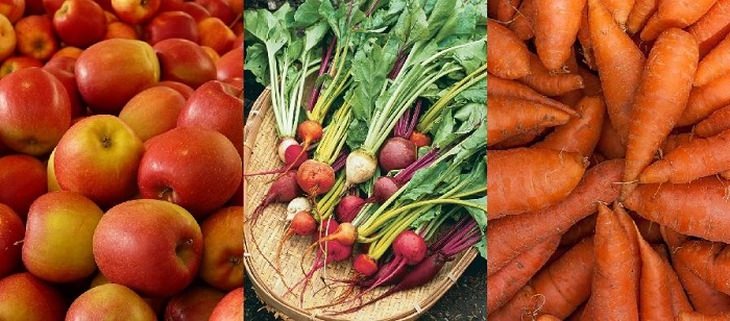
smoothie
The compounds in each of the juice's ingredients make it an extremely nutritious drink: 
 
 • Apples - This fruit is packed with beneficial antioxidants for the body as well as vitamins such as A, B1, B2, B6, C, E, and K. Apples also contain plenty of other nutrients, such as folic acid, zinc, magnesium, fiber, calcium, and iron. 
 
• Carrots - Carrots are known to be an excellent source of vitamin A, B1, B2, B3, C, E, and K. In addition, the carrot has huge amounts of niacin and pantothenic acid in it, which support the buildup of minerals such as calcium, potassium, magnesium, and selenium. 
 
• Beets - Beets contribute to cardiovascular health and provide nutrients such as vitamin A, C, B, iron, copper, magnesium, potassium, and other anti-aging compounds. 
 
The combination of these three powerful ingredients provide the nutrients needed to maintain a healthy body throughout the day, promote good health and prevent a variety of diseases.

The Benefits 
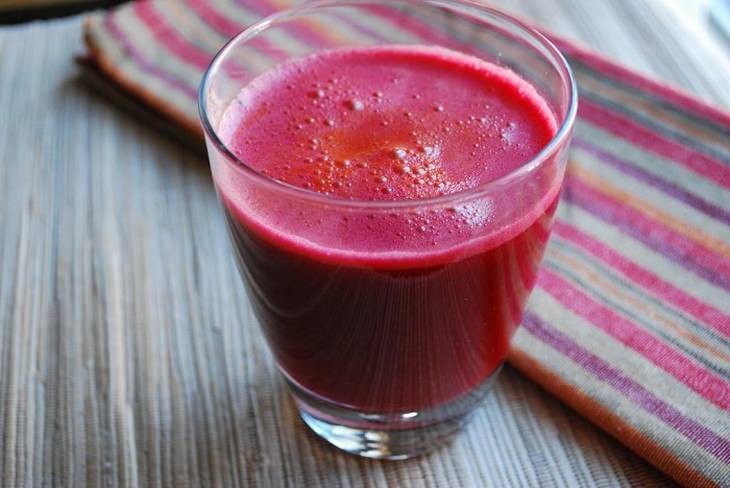
 smoothie
 
1. It's believed that the antioxidant compounds of this juice can help prevent cancers and restrict the growth of cancer cells, protecting them from the harm of free radicals. By doing this, they are preventing accumulative damage to the cells that may eventually evolve into cancerous formations. 
 
2. This juice is known to contribute to the health of different body organs such as the liver, kidneys, and pancreas, and prevent the onset of disease. It does this by purifying your body from toxins, thereby making the organs' jobs easier so there's less strain on them to perform. When organs like the liver don't have to work so hard, they stay healthy - and so do you. 
 
3. The beta-carotene and lutein present in carrots, coupled with the powerful properties of beets, help promote cardiovascular health. Furthermore, the properties of the apple help reduce cholesterol and keep blood pressure stable - two conditions that can potentially lead to heart problems. Combined, this juice is one of the best things you can do for your heart. 
 
 4. In Chinese medicine, this drink is associated with many skin health benefits. Regular consumption helps remove pimples and blackheads, moisturizes your skin, combats dryness, improves the appearance of wrinkles, and revitalizes old tissues.

5. Many people have testified that this juice provides excellent support to the functioning of the digestive system, especially for people who suffer from ulcers, intestinal problems, and chronic constipation. Drink it several times a day for regular bowel movements. 
 
6. The juice provides all the nutrients needed to maintain good cognitive functions, enhance memory, and promote concentration. In the long run, the ingredients in this juice may even help prevent the onset of some of the neurological diseases that occur with age.  
 
7. For people who work in front of a computer for long periods of time, drinking this juice regularly will moisten your eyes and help you avoid irritation, fatigue, and dryness. 
 
8. The combination of the vitamins and nutrients in these three foods is an excellent way to strengthen and stimulate the immune system. This is vital when it comes to fighting and preventing diseases, allergies, and infections. 
 
 9. The drink acts as a natural detoxifier that promotes blood purification and the elimination of toxins. As a result, the production of red blood cells, that carry oxygen to all of our body parts, increases – making sure our entire body stays healthy and ‘fed’. 
 
10. Women with intense menstrual symptoms can drink this juice to relieve pain, reduce inflammation, and prevent menstrual cramps.


https://gscrochetdesigns.blogspot.com. one can see my crochet creations  

https://kneereplacement-stickclub.blogspot.com. for info on knee replacement

https://cancersupportindia.blogspot.com  for info on cancer and health related topics

https://GSiyers home remedies.blogspot.com   is the latest addition to my blogs


Wednesday, May 21, 2025

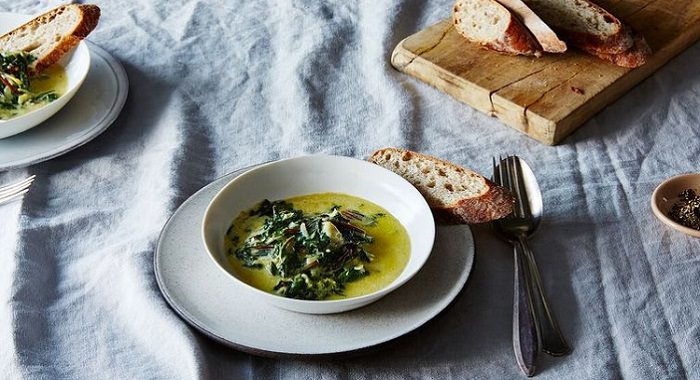
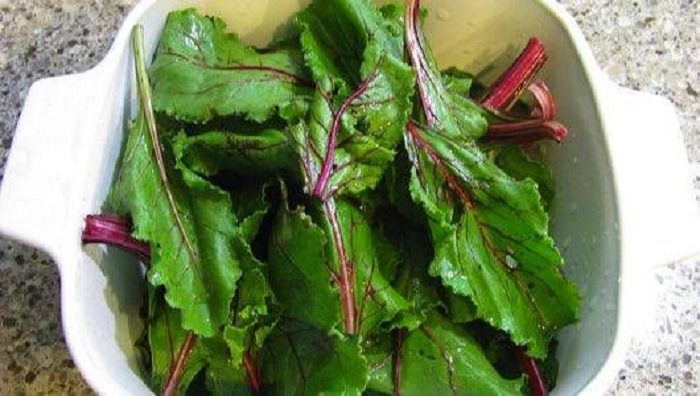
Creamed Beet Greens

 creamed beet greens

By using beet greens, you'll enjoy a dish rich in folic acid, dietary fiber, and vitamins A, B, and C, supporting your digestive and immune systems.

Ingredients 
 
Beet greens – 1 bunch (from one beet only) 
 
Butter – 1 tablespoon (14 g) 
 
Olive oil – 1 teaspoon 
 
Medium onion – 1 (thinly sliced) 
 
Salt and Black pepper – To taste 
 
Milk – 1 cup 
 
Potato – 1 (small) 
 
Nutmeg – A generous pinch (grated)

healthy root vegetables
Instructions
 
Separate the beet greens from the stems. Place the leaves in a colander and wash thoroughly to remove dirt. 
 
Pat dry with a towel, chop finely (about 2 cups), and set aside. 
 
Heat a deep saucepan over medium-high heat. Melt the butter and add the olive oil. 
 
Once heated, add the onion and sauté until lightly golden, about 1–2 minutes. 
 
Add the chopped beet greens, season with salt and black pepper to taste. 
 
Pour the milk into the saucepan. Using a grater, grate the potato directly into the saucepan. 
 
Sprinkle in the nutmeg and mix well.

Cook the mixture until it is close to boiling, then lower the heat to the lowest setting. 
 
Continue cooking just below a simmer for about 15 minutes, stirring occasionally. 
 
Remove the saucepan from the heat and let it cool for 1–2 minutes. Serve the dish warm.


https://gscrochetdesigns.blogspot.com. one can see my crochet creations  

https://kneereplacement-stickclub.blogspot.com. for info on knee replacement

https://cancersupportindia.blogspot.com  for info on cancer and health related topics

https://GSiyers home remedies.blogspot.com   is the latest addition to my blogs


Saturday, October 30, 2021

Complete Guide to Sprouts: Kinds, Growing, Recipes, and Nutritional Profile

Sprouts are the germinated seed of a vegetable. They are baby plants on their first step to becoming full-grown plants: just starting to grow a root. Their nutritional values are much higher now than they were when they were seeds. Growing them at home is easy, cheap, and quick: it can even take as little as two days. And they're a good source of fiber. Who doesn't want some fiber?

Kinds of Sprouts
different kinds sprouts in bowls
As any seed sprouts to become a plant, there are many many kinds. They're usually divided into 4 categories: 
 
Legumes: mung bean, kidney bean, black bean, lentils, and snow pea sprouts. 
 
Vegetables: broccoli, alfalfa, mustard green, and red clover sprouts. 
 
Nuts and seeds: pumpkin seeds, sesame seeds, and sunflower seeds sprouts. 
 
Grains: wheatgrass and quinoa sprouts. 
 
Of course, this is only a partial list, but for starters - it's more than enough. The most common ones that you've probably tried before are alfalfa, mung bean, red clover, and broccoli sprouts. 
 
A little misconception about Brussels sprouts: despite their name, they are not​ sprouted seeds, of course. They're a full-grown veggie, who's close relatives with cabbage, kale, broccoli, and cauliflower.  
 
Nutritional Values
kinds of sprouts
These are nutrition bombs! This comes as no surprise when you think about it: not long ago they were just "newborn" seeds, they are packed with all the nutrients a baby plant will need in order to become a strong mature plant. Let's inspect then. 
 
They contain a plethora of vitamins, minerals, antioxidants, and fiber. Broccoli sprouts, for instance, are a good source of Vitamins A, C, K, folic acid, and the antioxidant sulforaphane. Moreover, they are low on fat, sodium, and calories. 
 
For people who suffer from diabetes type 2, sprouts will help regulate their blood sugar levels. Researchers are still not sure why, as various experiments showed different reasons for this effect. Sprouts also may reduce risk factors for heart disease, such as high blood cholesterol levels. 
 
But here's the catch. They grow in the same conditions bacteria thrive in, warm humid climate. Even if your sprouts are contaminated, the symptoms aren't lethal. That doesn't mean we shouldn't avoid them still. We have some sanitation instructions down below for when you grow your own sprouts. If you'd like to purchase sprouts from the store instead of making your own, make sure you choose a transparent and trusted supplier. In any case, you should always wash the sprouts and your hands thoroughly. 
 
Children, pregnant women, the elderly, and people with generally weaker immune systems are recommended to thoroughly cook sprouts.
 
How to Grow at Home 
Sprouts grown in jars
Sprouts grow easily and quickly and they don’t rely on soil or sun.  
You'll need: 
-Big jars with a wide enough opening. 
-Cheesecloth.
-Rubber band. 
-Your seeds of choice. 
Purchase seeds that are specifically for sprouting; they will be labeled.  
 
Method: 
1. Sanitize your work area. Wash your hands. Keep your pets out of the kitchen. 
2. Sanitize the jars and lids thoroughly with boiling water. 
3. Wash the seeds, place 2 tbs in the jar, and cover with a few inches of water. Make sure the seeds take no more than 1/4 of the jar, as they will expand significantly. 
4. Cover with the cheesecloth and secure with a rubber. Let sit for 8-12 hours at room temperature. 
5. Drain, rinse and drain again. Place the jars upside-down, but at an angle to allow drainage and air-circulation through the mesh. A small bowl is a good solution for that. 
6. Rinse and drain the seeds between two and four times a day, making sure that they never dry out completely. 
7. Harvest after 3 to 7 days. 
 
All sprouts can be eaten raw, and all but the most delicate (like alfalfa) can be gently cooked as well. Once you've got your sprouts, keep them in the fridge.

Some Recipes
sprout salad
Sprouts are a good additive to almost any meal. You can boil them, oven-roast or steam. If you use them raw they are a great additive to salads and sandwiches. You can use them to upgrade your bagged salad mix. 
 
Or enjoy a classic stir-fried dish


https://gscrochetdesigns.blogspot.com. one can see my crochet creations  

https://cancersupportindia.blogspot.com. feel free to view for easy, simple and health tips  
https://kneereplacement-stickclub.blogspot.com. for info on knee replacement

Tuesday, October 16, 2018

Foods You Should Spend or Save On…

When we go shopping, we're always thinking that we should buy healthy foods and also it should not be too expensive. Some oils are said to be better, some to avoid, at times reading so many reports, one can get easily confused. There are so many different brands to confuse us, to add to our woes, there are foods which says it is organic, then we think are they really so?To help you out, we've compiled a list of 10 popular products looking at whether you should invest your money in healthier options, or save on them because of misleading advertising and insignificant differences between them and their organic competitors.

1. Save on olive oil

Olive oil is rich in monounsaturated fatty acids and is beneficial to heart health no matter which brand or country it comes from. For the richest taste, choose extra virgin olive oil, and for nutritional values check the product's packaging date - the fresher it is, the better. Keep olive oil in a cool, dark place to maintain its quality, and don’t feel that you need to buy the most expensive product to achieve the best taste and health benefits. Surprisingly, the cheapest olive oils are the most versatile in terms of the nutritional value they provide.
Note that labels claiming the product is “cholesterol-free", are in most cases meaningless, since all plant-based oils don’t contain cholesterol. One thing that should be addressed is the pH level of the oil, and the lower it is, the higher the quality of the oil. A product that is labeled virgin olive oil should contain a maximum acidity level of 0.8 percent.

2. Spend on canola oil

Canola oil is one of the most popular oils to use because of its natural taste, it's fatty acids and health benefits, and the fact that it can be cooked at different temperatures. Like olive oil, it is rich in monounsaturated fatty acids, but unlike olive oil, genetically modified seeds are usually used to produce it. In addition, a significant part of the preparation process includes the use of solvents, distillates and odor removers, which you would prefer to avoid. The easiest way to do this is simply to buy organic canola oil, the process of which is completely natural and doesn’t include the use of heating or chemical substances and genetic engineering.

3. Save on dry spices

Using spices in cooking is the easiest and best way to add flavor to a dish and upgrade its health benefits. If you want to get the best taste, don’t look for the most expensive products rather the freshest ones. The closer the packaging date, the better the quality of spice. Spices that come in their whole form retain their freshness for longer than spices that come powdered or ground, with a significant difference of several years. This is why it is recommended to buy whole spices and grind them at home.
If you want to check the freshness of the spices in your home, use your sense of smell and vision; If the spice’s smell has faded and its color has dulled, it's time to throw it out. Also, don’t waste your money on too many spices if you don’t plan on using them often, this way you’ll always have fresh spices on hand.

4. Spend on beans

Although food that comes in sealed metal packaging sounds and feels less healthy than its fresh equivalent, canned beans are as rich in proteins and fiber as dry beans, but not all canned beans are packaged the same way. First, a cheap can of beans can contain certain additives, such as calcium disodium, which help preserve the color of the beans, but at the same time may impair the body's ability to absorb its nutrients.
Another thing to pay attention to is the metal in the can itself. Many cans contain a chemical called bisphenol A, which is known to disrupt the endocrine system, which secretes hormones into the bloodstream. The easiest way to avoid such supplements is by purchasing organic beans, which is why it’s best to spend a little more in this case.

5. Save on avocado

Avocado is a fruit rich in health benefits, including those linked to eye and heart health. Although pesticides are usually used in avocado crops, they shouldn’t worry you. In fact, avocado is the number one fruit on the EWG's (Environmental Working Group) "15 Cleanest Crops" list, which means that there are very few pesticides in it, and in any case, you don’t actually eat the peel, thereby reducing your contact with pesticides completely. This is why you don’t have to go for the organic option, and you can feel safe saving your money when picking out avocados.

6. Spend on apples

In contrast to avocados, apples are at the top of the EWG’s “Dirty Dozen" list, which means that apples have the highest amount of pesticides relative to other crops tested. This is definitely not where you want to see one of the most commonly eaten and favorite fruits. Of all the apples carefully examined, 99% contained pesticide residues which can increase your risk of cancer, so you may want to spend a little more buying organic apples or at least wash your apples well before you eat them.

7. Save on pasta

There is almost no difference in the taste of pasta among the various brands, and that is because most of them are prepared using the same recipe. Whole wheat pasta is made from, as its name suggests, whole wheat, and regular pasta is made from wheat flour and various essential supplements such as niacin, iron, thiamin, vitamin B2, and folic acid. These two types are excellent sources of complex carbohydrates, but only from whole wheat pasta will you get the benefits of whole wheat and more natural fiber.
Whether it was made in Italy or elsewhere in the world, there is no need to spend more money on what seems to us to be more "authentic" or organic, since there are no real significant differences. Most of the flavor of your pasta will come from the sauce you make for it, so even its taste shouldn’t be a significant factor when making your choice.

8. Spend on canned tuna

Although canned tuna contains many proteins and omega-3 fatty acids that benefit our hearts, you may also be consuming high levels of mercury if you do not choose your tuna carefully. This contaminant can accumulate over time in the bloodstream and is particularly dangerous for the nervous system of fetus’ and young children.
According to recommendations it is best not to eat more than one can of tuna per week, and the doctor recommends that children consume only 2 cans a month. An ordinary can of light tuna usually has less methyl-mercury than canned tuna with sauces and additives and is, therefore, more recommended than other types.

9. Save on water

Water is the cheapest drink we have, and it isn’t something that we should take for granted just because of its availability. There are so many brands of water that promise great taste and health benefits to their competitors, but in fact, all water has to meet the same strict international standards to be considered safe for drinking.
Instead of buying bottled water, you can invest in a filter that will help you get the same quality at a more cost-effective price. Also, if you don’t recycle your bottles, you should consider starting, since such a change will help our world stay cleaner and healthier.

10. Spend on meat

If you buy meat that comes packaged from the factory, at least make sure it’s antibiotic-free, which may help you reduce your exposure to bacteria that are resistant to antibiotics. Organic meat usually comes from animals that haven’t received additional antibiotics or artificial hormones, and the food they consume is organic.
Remember that anything that cows and chicken eat stays in their body, and if they consume nutrients, you will consume the same nutrients. On the other hand, if they consumed food filled with harmful substances, you too will consume these substances through them. Therefore, it is recommended not to save, but rather spend on the meat you buy.
 For my other blogs, I'm giving the links below, feel free to view and comment too.

https://cancersupportindia.blogspot.com. for all cancer and health related topics
https://gscrochetdesignss.blogspot.com. feel free to view for easy, simple crochet designs
https://kneereplacement-stickclub.blogspot.com. for info on knee replacemen
t 


Tuesday, October 2, 2012

WHY OATS ARE GOOD FOR HEALTH?


The oatmeal & oat bran are rich in dietary fibre, both soluble & Insoluble. These help in lowering  cholesterol levels. Oats help in slowing down the rise in blood glucose levels after a meal & helps in delaying the absorption into the cells.

The soluble fibre forms a gel like structure while passing through the digestive tract. This increases the viscosity of the contents in the stomach & small intestine, which in turn slows down digestion & prolongs the absorption of carbohydrates into the blood stream.

This helps both the diabetics & those who want to loose weight.

Oats also have a good balance of essential fatty acids & are a good source of essential vitamins such as folic acid, thiamin & minerals such as copper, iron, manganese, zinc, magnesium & selenium. Regular consumption of oats also helps in maintaining a healthy blood pressure.