Showing posts with label gluten-free. Show all posts

Tuesday, November 11, 2025

Why Bajra Cheela is a Must-Try: Health Benefits Of Bajra

Bajra is more than just a winter grain-it's a nutritional powerhouse. Here's why incorporating bajra cheela into your diet is a smart and delicious choice:

1. Rich in Dietary Fiber

Bajra is packed with insoluble fibre, which promotes regular bowel movements and prevents constipation. It also keeps you full longer, helping with portion control and weight management.

2. Supports Heart Health

Magnesium in bajra helps regulate blood pressure and supports overall cardiovascular function. It also contains phytonutrients that may help reduce cholesterol levels.

3. Diabetic-Friendly

With its low glycemic index, bajra releases glucose slowly into the bloodstream, preventing sugar spikes. This makes it ideal for people managing diabetes or insulin resistance.

4. Gluten-Free Alternative

Bajra is naturally gluten-free, making it a safe and nutritious option for those with gluten intolerance or celiac disease.

5. Boosts Iron Levels

Iron-rich bajra helps improve hemoglobin levels and combats fatigue and anaemia. It's especially beneficial for women and growing children.

6. Improves Digestion

The fibre in bajra supports gut health by promoting the growth of beneficial bacteria and aiding in nutrient absorption.

7. Strengthens Bones

Bajra contains calcium and phosphorus, which are essential for bone strength and density. Regular consumption can help prevent osteoporosis.

8. Provides Sustained Energy

Unlike refined grains, bajra offers slow-releasing carbohydrates that keep you energised for longer periods-perfect for busy mornings or active days.

Bajra cheela is a humble dish that brings together tradition, taste, and nutrition in one wholesome bite. Whether you're looking to switch up your breakfast routine or add more millet to your diet, this recipe is a great place to start. So, the next time you're craving something warm and nourishing, skip the usual toast and whip up a batch of bajra cheelas instead. 


https://gscrochetdesigns.blogspot.com. one can see my crochet creations  

https://kneereplacement-stickclub.blogspot.com. for info on knee replacement

https://cancersupportindia.blogspot.com  for info on cancer and health related topics

https://GSiyers home remedies.blogspot.com   is the latest addition to my blogs


Sunday, September 21, 2025

Health benefits ,deficits, allergens and risk of Strawberry Jam

 Strawberry Jam 

Nutritional Profile: Strawberry jam is a sweet fruit spread made from strawberries, sugar, and pectin. A typical serving size of 1 tablespoon (20g) contains about 50 calories, 0g fat, 13g carbohydrates (primarily sugar), and 0g protein. It offers minimal fiber (~0.2g) and negligible micronutrients unless fortified. Most strawberry jams are high in added sugars, which help preserve the fruit and enhance flavor.

Potential Allergens: Traditional strawberry jam does not contain common allergens like nuts, dairy, or gluten, making it broadly suitable for those with food sensitivities. However, cross-contamination in processing facilities is possible, so individuals with severe allergies should check product labels. It is typically vegan and gluten-free.

Health Benefits: Strawberry jam provides a small amount of antioxidants naturally found in strawberries, such as vitamin C and flavonoids, though much of this nutritional value is diminished during cooking. The main benefit is its palatability, which may encourage consumption of nutrient-rich whole grain breads or other healthy pairings. It can serve as a quick source of energy due to its sugar content. 
 
Health Deficits & Risks: The primary health concern is its high sugar content. A tablespoon may contain 10–12 grams of sugar, which can contribute significantly to daily added sugar intake if consumed in large quantities. Diets high in added sugars are linked to obesity, insulin resistance, type 2 diabetes, and dental caries. Some jams also contain high-fructose corn syrup or artificial preservatives, which may pose additional health risks if consumed frequently.
Daily Use and Long-Term: In small amounts, strawberry jam can be part of a balanced diet. It is best enjoyed in moderation, ideally on whole grain or high-fiber foods to mitigate its glycemic impact. Over the long term, habitual over-consumption may lead to excess calorie and sugar intake, increasing the risk for metabolic health issues. Choosing low-sugar or fruit-only spreads may provide a healthier alternative with similar taste.


https://gscrochetdesigns.blogspot.com. one can see my crochet creations  

https://kneereplacement-stickclub.blogspot.com. for info on knee replacement

https://cancersupportindia.blogspot.com  for info on cancer and health related topics

https://GSiyers home remedies.blogspot.com   is the latest addition to my blogs


Thursday, August 7, 2025

Egg-less, Healthy Finger millet/ Ragi Cake- Gluten free


Ingredients 

  • 1 cup jaggery, powdered
  • ½ cup curd
  • ¼ cup oil
  • 1½ cup milk
  • 2 cup ragi flour
  • 2 tbsp cocoa powder
  • 1 tsp vanilla extract
  • pinch salt
  • ¼ tsp baking soda
  • 1 tsp baking powder
  •  

    Preparations

    In a large bowl add  jaggery, curd, and ½ cup milk, whisk and mix well making sure everything and jaggery melts completely.

    Add  ragi flour and cocoa powder, along with vanillat, pinch salt, baking soda, and baking powder.

    Mix well making sure everything is well combined.

    Now add milk as required and mix until the batter turns into a smooth consistency.

    Transfer the cake batter to a greased cake mold.

    Tap well to level up uniformly and remove any air bubbles if present.

    Place the cake pan into a preheated cooker. To prepare the cake in a pressure cooker add 2 cups of salt and close the lid of the cooker without keeping the gasket and whistle. heat for 5 to 10 minutes. This makes the cooker like a preheated oven.

    Cover and cook on a medium flame for 45 minutes. You can alternatively, preheat and bake at 180-degree Celsius for 45 minutes.

    Insert a toothpick and check if the cake has baked completely.

    Cool the cake and then unmold the Ragi chocolate cake.

    Serve Ragi Cake with some chocolate icing or a scoop of ice-cream or along with seasonal fruits chopped.

    You can bake the cake in the microwave for 8-10 minutes till done. 

    Note- You can add some chopped nuts and raisins as desired while mixing the batter and few cuts sprinkled on top before baking.


    https://gscrochetdesigns.blogspot.com. one can see my crochet creations  

     https://kneereplacement-stickclub.blogspot.com. for info on knee replacement

    https://cancersupportindia.blogspot.com  for info on cancer and health related topics

    https://GSiyers home remedies.blogspot.com   is the latest addition to my blogs


    Friday, August 1, 2025

    Jackfruit: A nutrient-dense food with immense potential

     Jackfruit: A nutrient-dense food with immense potential 

    Jackfruit, a tropical fruit native to south India and belonging to the Moraceae family, is renowned for its unique flavour and exceptional nutritional value. While its fleshy bulbs are widely consumed, the seeds, often overlooked, hold tremendous nutritional and functional promise. As the global demand for plant-based and functional foods rises, jackfruit seed flour emerges as a valuable ingredient with diverse applications in food processing and human nutrition.

    Jackfruit seeds are rich in essential nutrients such as carbohydrates, proteins, fibre, and vital micronutrients, making them an excellent candidate for flour production. They also contain significant levels of phytochemicals, particularly phenolic compounds, that contribute to their antioxidant capacity. Phytonutrients such as lignans, isoflavones, and saponins are present in jackfruit seeds and have been associated with numerous health benefits, including anticancer, antihypertensive, anti-inflammatory, and antiulcer properties.

    One of the most notable bioactive compounds in jackfruit seeds is jacalin, a protein with immunomodulatory properties. This makes the seed not just a source of basic nutrition, but a potential nutraceutical. Furthermore, jackfruit seeds are abundant in carotenoids like all-trans-carotene, potent antioxidants that support eye health and help prevent chronic degenerative diseases such as cardiovascular disease, cancer, cataracts, and age-related macular degeneration.

    Culinary and functional applications

    Despite their nutrient richness, jackfruit seeds remain underutilised, often discarded due to high moisture content and limited awareness of their uses. However, they are versatile and can be consumed in various traditional forms, boiled, roasted, or included in curries and cutlets. To enhance shelf life and usability, the seeds can be processed into jackfruit seed flour, which serves as a sustainable, functional food ingredient.

    Flour made from dried and roasted jackfruit seeds offers several culinary benefits. It can be used alone or blended with wheat or other grain flours to prepare chapatis, dosas, pancakes, biscuits, bread, cakes, and even noodles. When incorporated into these products, jackfruit seed flour not only maintains but often enhances texture, flavour, and nutritional value. Studies have shown that food items made with jackfruit seed flour score highly in organoleptic tests, including parameters such as taste, appearance, and overall acceptability.

    Health benefits and functional uses

    Jackfruit seed flour is high in complex carbohydrates and dietary fiber, promoting digestive health and sustained energy release, making it particularly useful for athletes and individuals recovering from fatigue or stress. It is also a source of plant protein, contributing to muscle repair and overall health in vegetarian and vegan diets.

    In terms of medicinal properties, jackfruit seed flour exhibits antioxidant, antimicrobial, anti-inflammatory, antidiabetic, and antihypertensive activities. These attributes make it suitable for inclusion in therapeutic diets and health-oriented food products. Importantly, the flour has also shown potential as a gluten-free alternative, offering a safe and nutritious option for individuals with gluten intolerance or celiac disease.

    Beyond its nutritional benefits, jackfruit seed flour offers a sustainable solution to agricultural waste. Given that jackfruit is abundantly grown in many tropical regions, processing its seeds into flour reduces post-harvest waste and adds economic value. It promotes full utilisation of the fruit, aligning with global goals for sustainable food systems and circular agriculture.

    Jackfruit seed flour is a promising, underexploited functional food ingredient with a compelling nutritional profile and wide-ranging health benefits. Its versatility in food processing, combined with its therapeutic potential, makes it an ideal candidate for inclusion in health-conscious and speciality diets.

    With increased awareness, innovation, and research, jackfruit seed flour could transform from a neglected by-product to a staple in modern, sustainable nutrition.

    https://gscrochetdesigns.blogspot.com. one can see my crochet creations  

    https://kneereplacement-stickclub.blogspot.com. for info on knee replacement

    https://cancersupportindia.blogspot.com  for info on cancer and health related topics

    https://GSiyers home remedies.blogspot.com   is the latest addition to my blogs


    Monday, July 28, 2025

    Gluten-Free Chickpea Flatbread With Spinach

    Ingredients:

    1 cup (120g) chickpea flour

    3/4 cup (180ml) water

    1/2 cup (50g) chopped spinach

    1/2 tsp salt

    1/2 tsp black pepper

    1/2 tsp garlic powder

    1/2 tsp cumin

    1 tbsp olive oil


    Ingredient Metric (UK/EU) Imperial (US)
    Chickpea Flour 120g 1 cup
    Water 180ml 3/4 cup
    Chopped Spinach 50g 1/2 cup
    Salt 2.5g 1/2 tsp
    Black Pepper 1g 1/2 tsp
    Garlic Powder 1g 1/2 tsp
    Cumin 1g 1/2 tsp
    Olive Oil 15ml 1 tbsp


     Instructions

    Begin by preheating your oven to 400°F (200°C). While the oven heats up, lightly grease a baking dish with a small amount of olive oil or cooking spray. This will prevent the flat-bread from sticking and ensure it bakes evenly. 

    In a medium-sized mixing bowl, combine chickpea flour, water,  salt, black pepper,garlic powder, and cumin. Whisk the mixture thoroughly until it forms a smooth, lump-free batter. This step is crucial because a well-mixed batter ensures the flatbread will have a consistent texture. 

    Once the batter is smooth, stir in  chopped spinach. The spinach not only adds vibrant color but also infuses the flatbread with extra nutrients. Make sure the spinach is evenly distributed throughout the batter to avoid clumps. 

    Pour the prepared batter into the greased baking dish, spreading it out evenly with the back of a spoon or spatula. Drizzle olive oil over the top for added moisture and flavor. Place the dish in the preheated oven and bake for 20–25 minutes, or until the flatbread turns golden brown around the edges and feels firm to the touch. 

    After baking, remove the flatbread from the oven and let it cool for a few minutes. This resting period allows the flatbread to set, making it easier to slice. Once cooled, cut it into squares or wedges, depending on your preference, and serve warm. 

    Thursday, May 22, 2025

    Gluten- free Waffles

    Gluten-free Waffles
     
    Here's a scrumptious do-it-yourself version of what you've been looking for, using tapioca flour.

    Ingredients for Gluten-Free Waffles: 
     
    Brown rice - 1 cup (or 1 cup rice flour) 
     
    Potato starch - 1/2 cup 
     
    Tapioca flour - 1/4 cup 
     
    Salt - 1 tsp. 
     
    Oil - 1/4 cup 
     
    Eggs - 2 (optional) 
     
    Buttermilk - 1 1/2 cups 
     
    Sugar - 1 tsp. 
     
    Baking powder - 2 tsp.


    Method of preparing the Waffles: 
     
    Mix all the ingredients in a bowl, using a whisk. 
     
    Pour the mixture into the waffle iron, in batches 
     
    If the mixture is too thick, add more milk, and if it is too runny, add some rice flour. 
     
    If not using eggs, you will need to add a little more liquid. 
     
    Serve warm and pour some syrup, honey, melted chocolate, or cream over them. 
     
    You can also add chopped fruit on the side.


    https://gscrochetdesigns.blogspot.com. one can see my crochet creations  

    https://kneereplacement-stickclub.blogspot.com. for info on knee replacement

    https://cancersupportindia.blogspot.com  for info on cancer and health related topics

    https://GSiyers home remedies.blogspot.com   is the latest addition to my blogs

    Monday, May 19, 2025

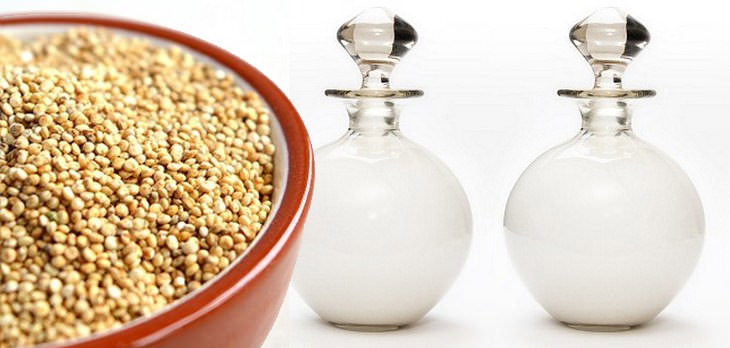
    How to Make Quinoa Milk and Why It's Good For You

    Quinoa has entered our lives more and more in recent years, and it seems that today there is no home that has not heard about this special food and its many health benefits. In addition, thanks to its delicate and unique taste, quinoa can be added to a variety of dishes, salads and even various healthy energy drinks. 

    While we’re used to seeing it as a part of various dishes, not many know that it is possible to make healthy, nutritious milk from quinoa that will provide your body with a variety of nutrients, and will help you in ways that regular or plant-based milk can't. In order to learn more about quinoa, its advantages and how to turn it into delicious and nutritious milk, continue reading the article below.

    quinoa
     
    The Benefits of Quinoa:  
    Quinoa is considered a super-food thanks to the essential nutrients it contains which nourish the body and contribute to its overall health. The unique grain has a number of characteristics that make it a real health bomb, and the milk produced from it will provide your body with a concentrated dose in one gulp! 
     
    1. Gluten free 
    After years of gastrointestinal problems, many are discovering that they are sensitive to gluten, which requires them to maintain a unique diet without the component that harms them. Quinoa is naturally gluten-free, as opposed to other foods that do not contain it because of the chemical processes they undergo to make them so. This means that people who are sensitive to gluten can enjoy quinoa without fear of introducing harmful ingredient supplements, in addition to reaping the many other benefits of the unique grain. 
     
    2. Improves metabolism at the cellular level  
    We are used to thinking about metabolic rate at the general level, that is, in the context of processing the food we eat, producing energy from it and its effect on the body. But along with these processes, there are also internal processes at the cellular level in the digestive system, which allow it to work properly in terms of maintaining normal levels of sugar and fats in the blood. Quinoa helps to improve digestive activity at the cellular and physical levels, which contributes to overall health, prevents sedimentation of fats in the blood vessels, and helps maintain normal energy levels.


    3. Strengthens muscles 
    Protein is an essential commodity for the body in all its forms, especially for people who exercise regularly. Besides building the muscle itself, proteins are also needed for other processes such as absorption of various minerals and other components essential for the health of the body, especially iron. In a study published in 2001, researchers found that insufficient absorption of iron leads to a poor physical condition even after consuming the required amount, so it is recommended to incorporate iron-rich foods such as quinoa in your daily diet if you wish to develop and maintain muscle mass over time.

    4. Helps lower blood pressure 
    Quinoa is rich in dietary fibers that contribute to digestion and removal of wastes from the body, as well as lowering blood pressure. Many people who have high blood pressure do not consume enough fiber in their diet, which perpetuates the situation. Fortunately though, quinoa can help. The natural and healthy fibers of quinoa grains help lower blood pressure and thus reduce the risk of various illnesses caused by this condition, especially if it is chronic.


    https://gscrochetdesigns.blogspot.com. one can see my crochet creations  

    https://kneereplacement-stickclub.blogspot.com. for info on knee replacement

    https://cancersupportindia.blogspot.com  for info on cancer and health related topics

    https://GSiyers home remedies.blogspot.com   is the latest addition to my blogs
    5. A good source of B vitamins 
    There are several types of vitamin B, eight to be specific, each with its own main role, such as preventing blood shortages, maintaining proper neural activity, strengthening memory, and more. Quinoa is an excellent source of vitamins from this group, and eating it or drinking milk made of it will help you maintain good overall health and improve your body's functioning in ways you won’t even be aware of. 
     
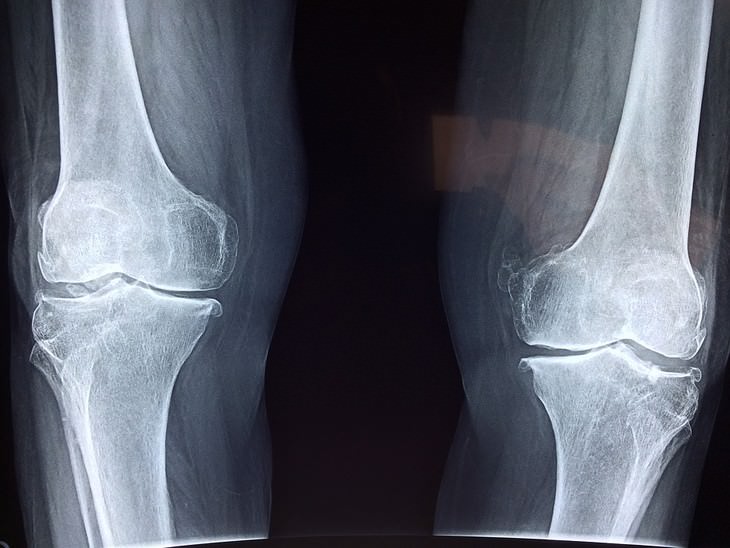
    6. Prevents osteoporosis (bone depletion) 
     quinoa
     As time goes by, the bones in our body lose their density due to osteoporosis and other factors that sometimes lead to the development of osteoporosis. In this condition, the bones become very delicate and fragile, which can turn any fall or bump into a risk of fracture in the body. In order to prevent this condition, it is important to consume foods that are rich not only in calcium but also in magnesium, such as quinoa. This essential mineral affects the metabolism of calcium and is therefore essential for its absorption, and happily, one cup of quinoa contains about a third of its recommended daily intake. In order to optimize the absorption of magnesium in your body, it is recommended to soak the quinoa in water before cooking and then eating it normally.


    7. Rich in zinc 
    Zinc is a mineral that is needed in the body in quite small amounts, but without it, life cannot exist. Lack of zinc interferes with insulin function, lowers sperm count in men and increases the risk of contracting infectious diseases such as colds and the flu. One cup of quinoa contains 13% of the recommended daily amount of zinc, therefore, it is considered one of the best sources of this essential mineral. In a study published in 2013, researchers found that zinc plays a vital role in maintaining the health of the skin and liver, so it is recommended to consume enough of it on a daily basis to reduce the chance of diseases that attack these and other areas.

    A recipe for quinoa milk:  
    Now that you know a little more about quinoa and its many virtues, you can go to the pantry, take out a package of quinoa and prepare a nutritious milk with this simple recipe: 
     
    Ingredients: 
    1 cup quinoa 
    10 cups of water 
    1 teaspoon vanilla extract 
    1 teaspoon cinnamon powder 
    1 teaspoon honey (optional)


    Preparation: 
    1. Place the quinoa in a large plastic container, pour 6 cups of water over it, cover it with a lid and put it in the refrigerator overnight for about 8 hours (this step should not be skipped because quinoa has a phytic acid that inhibits mineral absorption, and the soaking neutralizes its activity).
     
    2. Drain the quinoa from the liquid, place it in a pot with 2 cups of water and simmer over medium heat until it softens.

    3. Place the cooked quinoa in a food processor along with the remaining 2 cups of water and blend until you get a smooth drink. 
     
    4. Add vanilla extract and cinnamon to the resulting drink, mix and set aside for a few minutes. 
     
    5. Strain the quinoa milk with a cheesecloth or a fine sieve and, if necessary, add more water. Keep the milk in a storage container in the refrigerator and drink hot/cold. You can sweeten the quinoa with honey and drink it whenever you like.

    Tuesday, May 14, 2024

    Classic Peanut Butter Cookies - Gluten-free cookies

     cookie recipes

    A simple traditional recipe for chewy peanut butter cookies. This recipe does not require flour and is perfect for people with a gluten sensitivity.
     
     Ingredients: 
    1 egg 
     
    1 cup sugar 
     
    1 cup peanut butter 
     
    Preparation: 
    Preheat the oven to 180°C (355°F). 
     
     In a bowl, mix all the ingredients until the mixture is consistent. 
     
    Roll 1-inch balls from the mixture, put them on a greased pan and gently press them. 
     
    Bake for 12 minutes.


    https://gscrochetdesigns.blogspot.com. one can see my crochet creations  

    https://cancersupportindia.blogspot.com. feel free to view for easy, simple and health tips  

    https://kneereplacement-stickclub.blogspot.com. for info on knee replacement

    https://GSiyers home remedies.blogspot.com     is the latest addition to my blogs.

    Tuesday, October 25, 2022

    Gluten Free Sweet Oat Crepes

    This recipe is both dairy-free and gluten-free. Some may read this and think- "healthy!" while others may read this and think- "bland..." But we're here to tell you that this is exactly what makes these crepes so special. You can enjoy them with any spread or filling to your heart's desire! A sweet chocolate spread? A savory cheese and mushroom filling? Anything goes!
    Gluten Free Sweet Oat Crepes
    Ingredients for oat crepes:  
     
    Rolled Oats - 3/4 cup 
     
    Milk - 1 1/2 cups (any of your choice) 
     
    Maple syrup - 2 tsp.
     
    Salt - a pinch 
     
    Chickpea flour/ besan - 1/2 cup 
     
    Method of preparing the oat crepes: 
     
    Process all ingredients in a blender until smooth. 
     
    Oil and heat a pan over medium heat. 
     
    Pour 2 tbsp portions of the batter at a time. 
     
    Tilt and move the batter around immediately to flatten it and create an even layer for the crepe. 
     
    Once the top seems set, flip it and cook for another minute or two, and stack the crepes on a plate. 
     
     
    Source: powerhungry.com

    https://gscrochetdesigns.blogspot.com. one can see my crochet creations 
    https://cancersupportindia.blogspot.com. feel free to view for easy, simple and health tips  
    https://kneereplacement-stickclub.blogspot.com. for info on knee replacement
    https://GSiyers home remedies.blogspot.com     is the latest addition to my blogs. I'm adding posts there, do give me your valuable feed back on my blogs. Thanks a lot, take care, be healthy and be happy.  

    Thursday, April 8, 2021

    How To Choose the Healthiest Type of Bread

    Bread may not be the healthiest food out there, but that doesn’t mean it’s not good. In fact, this guilty pleasure is so delicious, alluring and just so convenient to eat that, let’s face it, all of us crave a slice or two from time to time. And while we have written many a time how white bread is not the best choice for a health-minded nutrition junkie like ourselves, we have hardly explained which types of bread are a more nutritious and healthier choice, which is exactly what we intend to do in this article. In addition, we’ll give you a few tips on how to tell apart a healthy and high-quality loaf of bread from a less nutritious alternative.

    1. Sprouted Grain Bread
    bread guide Sprouted Grain Bread
    One of the healthiest bread varieties available is sprouted grain bread. This variety is produced from whole grains that have been soaked in water and sprouted before milling it into flour. There is scientific evidence that sprouting is beneficial for nutrition, as it makes the antioxidants and other nutrients, such as folate, for example, more abundant and more easily available to absorb by your body. 
     
    Even more importantly, sprouting decreases the carb and starch content of the grains, which makes it lower on the glycemic index and thus better for those who have diabetes or are looking for decreasing their carb intake. 
     
    2. Gluten-Free Bread
    bread guide Gluten Free Bread 
    Now, this is a tricky category, as by far not all gluten-free breads are healthier than those that contain gluten, but because there are many people with gluten sensitivity or celiac disease who cannot tolerate gluten, we felt it’s necessary to add this category. 
     
    Technically, any bread that’s made of gluten-free flour can be called gluten-free, but many of these commercially-sold breads are highly processed, very high in sugar and contain many unnecessary additives, making them just as bad for you as white bread. For those of you who stay away from gluten, search for bread varieties that have no added sugar and are high in fiber, such as gluten-free bread made of almond or coconut flour. 
     
    3. Sprouted Rye Bread  
    bread guide Sprouted Rye Bread
    Rye bread is a kind of bread made fully or in part with rye, a close, more nutritious, relative of wheat. Compared to wheat, rye has less carbohydrates and more fiber, which makes for a slower a steadier digestion and less insulin spikes. In fact, studies found that people who consumed 100% whole grain rye bread as opposed to wheat bread were producing much less insulin. 
     
    And since sprouting can further increase the levels of fiber and other nutrients, sprouted rye bread is an excellent choice for those who suffer from diabetes. 
     
    4. Whole Wheat Bread 
    Yet another ambiguous contestant, whole wheat bread isn’t actually always 100% whole wheat, as companies try to make their products cheaper by diluting the whole wheat flour with refined flour, so check the ingredients to ensure you’re not being fooled and the product doesn’t contain any extra starches and flours other than whole wheat flour. 
     
    If you do find a 100% whole wheat product, though, you can buy it with confidence, as whole grains, or those grains that haven’t been processed to strip it from the bran and the germ, have been found to be higher in vitamins, protein, healthy far and other beneficial plant compounds and nutrients, as well as fiber. This is why you should always opt for whole-grain flour-based bread, as it is more nutritious and ultimately, better for your health. 

    5. Oat Bread
    bread guide Oat Bread
    The truth is that oat bread is hardly ever made of oats alone, otherwise, it would look more like a cookie than bread. But since oats have a lot of health benefits and a pleasant texture, they are often added into wheat flour to make oat bread. Oats are very nutritious, containing magnesium, vitamin B1, iron, zinc, many other beneficial nutrients, and fiber. 
     
    Apart from that, oats contain a compound that has been shown to reduce bad cholesterol levels and decrease blood pressure called beta-glucan, so oat bread may be the best bread choice for those who suffer from high cholesterol and hypertension. 
     
    6. Flaxseed Bread
    bread guide Flaxseed Bread
    Flaxseeds are kind of amazing, as we discuss in-depth here, mainly because they were found to have marked positive effects on lowering one’s risk of developing both heart disease and certain cancers, but also because they can aid digestion like very few other foods. 
     
    This is thanks to the antioxidants and alpha-linolenic acid that these seeds contain in bulk. That’s why it is always an excellent idea to add flaxseeds to your diet, and one of the easiest ways to do it without having to remember to sprinkle some on a meal is with flax bread. 
     
    7. Sourdough Bread
    bread guide  Sourdough Bread
    This last type of bread is made by naturally fermenting the bread dough, be it white-flour based or whole-grain flour based. In both cases, the fermentation process infuses the dough with probiotics and prebiotics, which make it easier to digest and promotes gut health. Apart from that, fermentation lowers the glycemic index and the amount of phytic acid in the dough. 
     
    Phytic acid is a so-called anti-nutrient that prevents beneficial nutrients from being absorbed by the body, and studies have shown that fermentation decreases the amount of phytic acid in bread by more than 50%. Of course, we urge you to choose sourdough breads made of whole grain flours because they are more nutritious than white flour. 
     
    How To Buy a Healthier Type of Bread in Store 
    When it comes to bread, selecting a healthier alternative can be somewhat tricky because of a huge selection of products and marketing gimmicks that are meant to confuse you. Of course, the best way to eat truly superior bread is to make it yourself, as you will control all the ingredients that went into making it, but we understand that making bread isn’t easy and, honestly speaking, most of us just don’t have the time.

    To find a superior kind of bread in-store, follow these simple tips: 
    1. We know this is kind of obvious, but try to avoid white bread, as it has the highest glycemic index and often contains a lot of added sugar. 
     
    2. Do the texture test: squeeze a loaf of bread with your hands and then release it. A bread made of highly-processed flour will be too soft and may not even spring back when you release it. A good loaf of bread should be firm, dense or spongy. Even if you can squeeze it, it should return to its original form or even be impossible to compress. 
     
    Similarly, when slicing into it, a good bread shouldn’t stick together or to the knife and should retain its texture.
    bread guide different kinds of bread choosing
    3. Watch out for confusing terms, such as: 
    Multigrain. This is not synonymous with who grain. For a brand to label a bread multi grain it’s enough for it to have more than 2 types of grains, and often, the base of such bread varieties is white flour, which we’re trying to avoid.
     
    Enriched. This bread variety contains added vitamins and minerals (like iron or B vitamins) but can be made of any type of flour, and so it can still be very high on the glycemic list, contain added sugar and have too little protein and fiber. 
     
    Stone ground. While it may imply to you that stone-ground grains are less processed, they are still not whole grain and are not rich enough in fiber.

    4. Look at the ingredients list:  
    A more nutritious bread will contain 100% whole grains or sprouted flours, which will appear at the beginning of the ingredients list. 
     
    The ingredient list should be rather short and shouldn’t contain any added sugar. Don’t know how to spot sugar on the ingredients list? See my next post for spotting sugar in bread.
     
    And finally, look for bread varieties that have 3–5 grams of fiber and 3–6 grams of protein per slice. Apart from being healthier, bread rich in fiber will also keep you fuller for a longer time. ​
     
    Thanks for reading until the very end, we hope you found this article helpful. Feel free to share it with your friends and family, or simply go and use your newly-found bread assessment skills in the wild.

    https://gscrochetdesigns.blogspot.com. one can see my crochet creations  

    https://cancersupportindia.blogspot.com. feel free to view for easy, simple and health tips  
    https://kneereplacement-stickclub.blogspot.com. for info on knee replacement