Showing posts with label eczema. Show all posts

Tuesday, September 23, 2025

Is Cow’s Milk Bad for You? Here's What Science Has to Say

Humans have been drinking cow's milk for millennia, but is it really good for everyone? While it used to be an evolutionary advantage back in the day when food shortage was common for most people, at present, milk consumption is optional due to a wide range of milk alternatives. Could this food staple be dangerous to some people? In this article, we present to you the health benefits and dangers of drinking cow's milk, and it's up to you to decide if drinking cow's milk is right for you. 

Before we start, however, let us mention that milk contains several essential nutrients. For a more concrete picture, let us sum up the nutrients in 1 glass of whole milk (250 ml): 

28% (276 mcg) of your daily dose of calcium 

 24% (205 mcg) of phosphorus 

15% (112 mcg) of vitamin A 

10% (322 mcg) of potassium 

18% (1,10 mcg) of vitamin B-12 

11% (0,9 mcg) of zinc 

14% (6-7 g) protein 

3% (2,4 g) of fats 

26% (13 g) of sugar 

Milk has several other micronutrients and vitamins but in much lesser amounts. Without further ado, let’s see who can benefit from milk, and who’d better replace it with a plant alternative.
Who Needs Milk in Their Diet? 
The Health Benefits of Drinking Milk 
 
1. People Who Are Trying to Lose Weight 
Milk can help with weight management and appetite control. 
 
A 2013 study showed that drinking dairy helped participants feel fuller and reduced the amount of foods rich in fat they consumed overall.

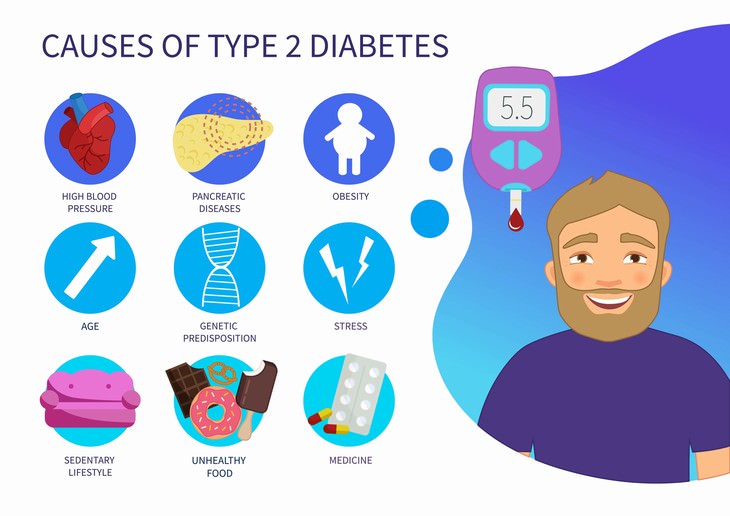
2. People at Risk of Type 2 Diabetes  
Drinking milk may be a good preventative measure against type 2 diabetes. 
 
In numerous studies, the whey protein contained in milk was shown to be an effective preventative method of type 2 diabetes in adults. Scientists believe that this may be because these proteins help balance out blood sugar levels.

cow's milk health facts type 2 diabetes
3. Infants and Children Children need milk for healthy bone development. 
 
Drinking milk increases children's bone density and weight. This lowers their risk of getting fractures. 
 
In a 2009 study, pregnant women who ate a lot of dairy and foods rich in calcium in their 1st and 2nd trimester gave birth to babies with more bone mass and faster bone growth. 
 
More dairy in preteen girls’ diet was more effective than calcium supplements in a large study measuring bone health.
cow's milk health facts heart disease

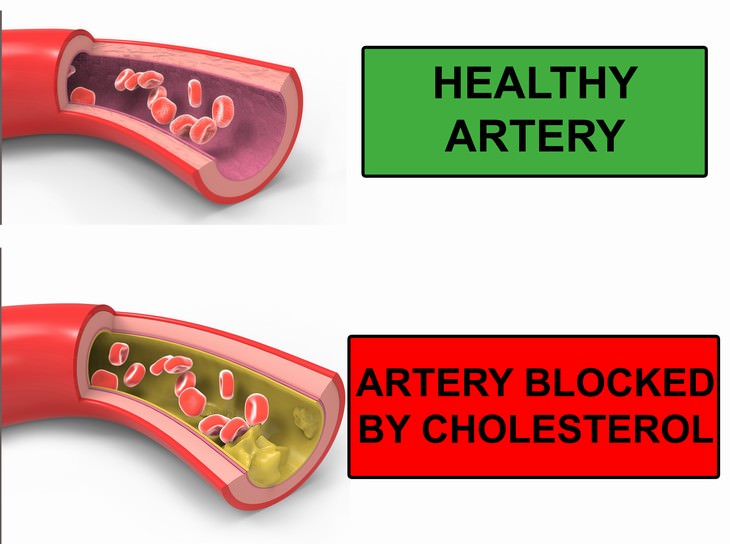
4. Those at Risk of Heart Disease 
Milk consumption may protect your heart and blood vessels. 
 
This is how: It helps prevent heart disease and stroke. The fats contained in milk may increase the levels of high-density lipoprotein (HDL), often referred to as the “good” cholesterol. 
 
It can balance blood pressure because milk is an abundant source of potassium.

Grass-fed pastured cow's milk promotes blood vessel health. This type of milk is rich in omega-3 fatty acids and conjugated linoleic acid, both of which prevent blood clots and lower the risk of stroke.


5. Depression Sufferers
The cocktail of calcium and vitamin D contained in milk may prevent and help manage depression.

Vitamin D deficiency is associated with depression in adults. A balanced amount of vitamin D in your body promotes the production of serotonin. This hormone is associated with positive mood, good appetite, and healthy sleep.


6. Adults prone to tooth decay

Drinking milk may prevent cavities in adults.

A Danish study showed that increasing the amount of dairy and vitamin D supplementation in older adults’ diets reduced the amount of dental plaque they developed.

Dental plaque, in turn, often causes inflammation in the gums and can cause cavities if not treated.


Who should avoid milk? The dangers of drinking cow’s milk

1. The elderly and adult women.

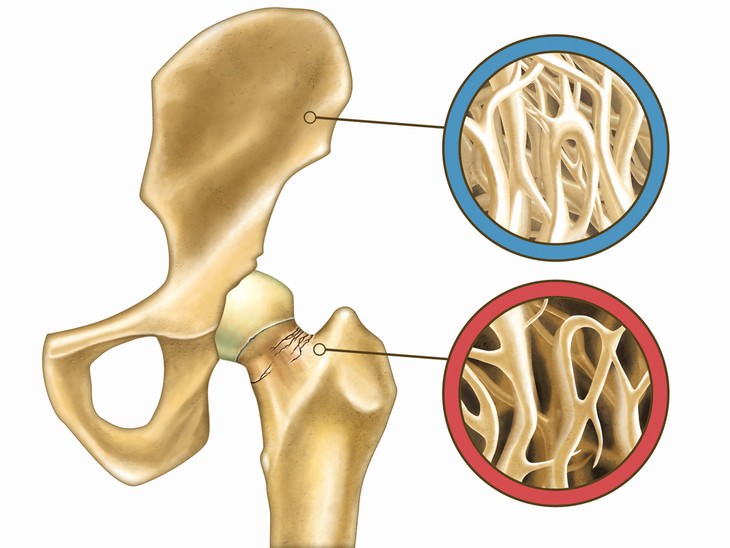
In specific cases, drinking a lot of milk may actually decrease bone density and cause osteoporosis.

Research has found that adult women who drank a lot of milk were more prone to bone fractures, maybe due to lactose and galactose contained in milk.

A different study concluded that osteoporosis anad a higher incidence of bone fractures in elderly adults may be because they consumed a lot of dairy, animal protein and calcium.

The picture below illustrates a healthy bone  ( in the blue circle) and a porous one, affected by osteoporosis ( in the red circle)/
 cow's milk health facts osteoporosis

2. Teens and adults with acne

Milk may trigger or worsen acne symptoms.

A study found that teenagers with acne drank a lot of low-fat or skim milk. Dairy may cause adult acne as well. Although the reason is unknown, scientists believe it may be due to the carbohydrates and whey proteins contained in milk.


3. Kids and adults suffering from allergies.

 Milk maybe the most common food allergen in the world. Over 5% of children are allergic to cow’s milk, though some children may grow out of the allergy.

 Sadly, it is possible for adults to develop a milk allergy as well.

 The symptoms of  a milk allergy are the following

Skin reactions

Wheezing

Difficulty breathing

Constipation

Diarrhea

Blood in stool..


4. Eczema and Rosacea sufferers

Eczema can be worsened or triggered by milk and dairy.

 Dairy products and milk, in particular, may also cause rosacea in adults. If you find that you experience a flare-up of your skin condition when you drink milk, better exclude it from your diet.


5. Lactose intolerance and sensitivity

It is estimated that about 75% of the world’s population is lactose intolerant to some degree, as estimated in a 2015 review article. Although most people with lactose intolerance can eat diary in small amounts with no ill effect, bigger amounts of milk and diary may cause digestive issues, such as-

Bloating

Vomiting

Diarrhea

Constipation

A sensitivity to casein, one of the proteins found in milk, is another story. It is different from an allergy or lactose intolerance. It triggers inflammation in any part of the body, which exhibits itself in the form of the following symptoms.

Migraines

Sinus congestion

Acne flares or any other rash on the skin.


6. People suffering from cold symptoms

Australian researchers suggested that consuming milk may worsen cold symptoms. In particular, it can make you phlegm thicker, which can cause further discomfort and irritation to an already0sensitive throat and nose.

It is a myth, however, that milk makes you produce more phlegm when you’re sick, it feels that way because it is thicker.


7. People at risk of specific cancers

Research suggests that milk consumption can be linked to prostate, breast and ovarian cancers.

The risk of prostate cancer ay increase with excess calcium consumption.

The sugars contained in milk may heighten the risk of ovarian cancer.

Cows given growth hormones that produced milk may increase the incidence of cancers of the reproductive organs and breast cancer among the consumers.


https://gscrochetdesigns.blogspot.com. one can see my crochet creations  

https://kneereplacement-stickclub.blogspot.com. for info on knee replacement

https://cancersupportindia.blogspot.com  for info on cancer and health related topics

https://GSiyers home remedies.blogspot.com   is the latest addition to my blogs


Sunday, October 22, 2023

Black Cumin Oil - 5 Remarkable Health Benefits and Uses

The tiny seeds of the Nigella sativa plant have been used as a natural healing ingredient for thousands of years. The black seeds of the plant are ground up and processed into black seed oil, a traditional ingredient used to treat a wide range of diseases. While not all of these traditional medicinal uses were confirmed by medical studies, black seed oil has several health benefits that are backed by science - from relieving asthma to promoting weight loss. 
 
This guide explores 5 of these health benefits and explains how to use black seed oil at home.


What is black seed oil? Black Cumin Oil Black Seed Oil

Black seed oil is produced from black seeds, which are also known as black cumin, nigella, kalonji, Roman coriander, and black caraway. The seeds come from the Nigella sativa plant - a small shrub with white or pale blue flowers that grows all across Western Asia, Eastern Europe, and the Middle East.

Black seed oil can be used in cooking, applied directly on the skin, or taken in the form of capsules. The active ingredient in black seed oil is called thymoquinone, and it’s a strong anti-inflammatory and antioxidant compound. We review five science-backed health benefits of black seed oil below


1. Aids weight loss
When it comes to weight loss, there’s no magic pill capable of making a person lose weight while they are sitting on the couch and overeating on a daily basis. Black seed oil will not make you magically lose weight, but it can improve the effectiveness of the things you’re already doing to shed those extra pounds.

Medical studies show that taking black seed oil with every meal along with a low-calorie diet can lower the body mass index (BMI) and waist circumference more than a low-calorie diet alone can. A review study from the Journal of Diabetes & Metabolic Disorders confirmed that black cumin seed oil helps weight loss efforts in individuals who suffer from type 2 diabetes, metabolic syndrome, and obesity.
One 8-week study in 90 obese women aged 25-50 found that taking 1 gram of the oil with a meal 3 times a day made them lose more than their counterparts who took a placebo. A 2018 review study pointed out that the average weight loss with black seed oil was around 4.4 pounds (2.1 kilograms).


2.Benefits Cardiovascular health and reduces Blood Pressure
Another noteworthy benefit of black cumin seed oil is its ability to promote cardiovascular health. More specifically, it’s capable of reducing blood pressure and reducing the levels of bad LDL-cholesterol levels. Research from 2013 observed improvements in blood pressure in adults who took ½ teaspoon of black seed oil two times a day after 8 weeks.
The study in obese women discussed earlier also found that the levels of LDL cholesterol in the participants who took black seed oil were lower compared to the placebo group. The same findings were observed in patients with type 2 diabetes in a 2015 study. Remember that both high levels of LDL cholesterol and high blood pressure lead to the development of heart disease and increase one’s risk of stroke and heart attack.


3. Fights acne and improves skin and hair health
Black Cumin Oil woman with acne

Applying black seed oil directly on the skin and hair is beneficial for people suffering from several skin and hair issues - from dry hair and skin to psoriasis, eczema, and acne. The anti-inflammatory and antimicrobial effects of the oil treat inflammation, calm, and nourish the skin and hair. A 2010 study found that a lotion with 20% black seed oil was superior to benzoyl peroxide at treating acne and had fewer side effects. 
 
A 2013 study suggests that applying black seed oil on hand eczema 2 times a day over the course of 4 weeks was just as effective as the topical steroid Betamethasone and hand moisturizers. Speaking of which, black seed oil is an excellent moisturizing agent for skin, nails, and hair. You can either apply pure black seed oil on your skin and hair or mix the oil into your skincare and hair-care products.


4. May help lower blood sugar 
Several human and animal model studies of type 2 diabetes suggest that taking 2 grams of crushed black seeds reduces fasting blood sugar levels and other blood markers of diabetes after 2-3 months of supplementation. Note that most of these studies included black seed powder in capsules, but more recent research suggests that black seed oil has identical effects. 
 
One research paper suggests that taking as little ⅓ teaspoon of black cumin seed oil for 20 days reduced HbA1c levels (a blood test that measures average blood sugar over 3 months) in patients with type 2 diabetes. Keeping blood sugar within a normal range helps diabetics reduce their risk of serious health complications. 


5. Improves asthma and breathing difficulties
Black Cumin Oil woman with breathing difficulties
Asthma is a chronic lung condition characterized by difficultly breathing, wheezing, coughing, and reduced lung function. Studies suggest that combining black seed oil with asthma medication can help the symptoms of the disease. Thymoquinone reduces inflammation and relaxes the muscles in the airways, which makes it easier for the patient to breathe. 
 
A study that included 80 adult asthma patients found that taking 500 mg of black seed oil capsules twice daily over one month improved the patients’ ability to control their condition. Black seed oil may also be beneficial for improving lung function in patients suffering from chronic obstructive pulmonary disease (COPD), a different chronic lung condition that makes it hard for patients to breathe.


How to Use Black Cumin Seed Oil 
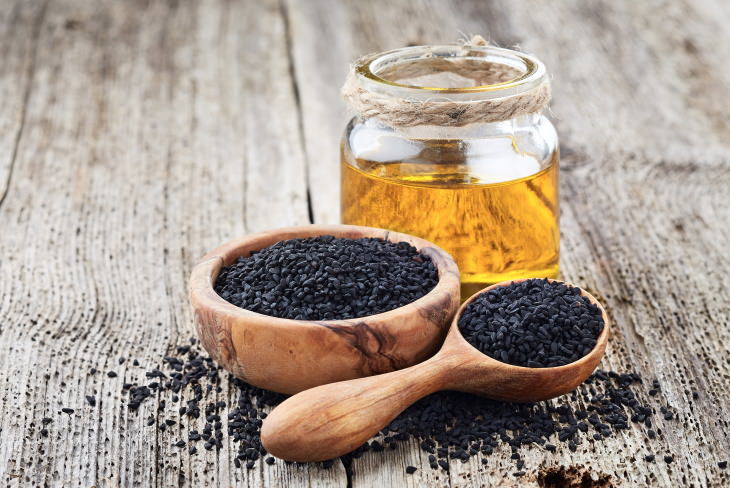
 Black Cumin Oil Black Cumin Seeds
 There are many ways you could use black seed oil. If you intend to take it internally, you can purchase it in capsule form. Black seed oil is also available in liquid form at health food stores and drugstores, which allows you to use it as a supplement, a cooking ingredient, or a skincare and haircare product.


It’s important to buy the highest quality black seed oil you can get - ideally, it should be cold-pressed 100% Nigella sativa oil. Black cumin seed oil has a spicy and bitter taste reminiscent of oregano or cumin. So, if you will be taking it as a liquid, it may be useful to mix it with honey or lemon juice to balance out the flavor and make it easier to consume. Begin by taking no more than ½ teaspoon of the oil and slowly build up to 1-2 teaspoons daily.
 
Note that black seed oil will not be able to replace any medication. Moreover, people who take any medication should discuss using black seed oil with their doctor or dietitian because it can interact with medications like beta-blockers. People suffering from kidney issues should also consult their doctors prior to taking black seed oil. 
 
Most people experience little to no side effects while taking black seed oil, but there are some reports of constipation, nausea, vomiting, and bloating. When you’re applying black seed oil directly on the skin, patch-test the oil first on a small area to make sure you’re not allergic to it. All in all, black seed oil is easy to use and try. We hope that you found this information helpful.


https://gscrochetdesigns.blogspot.com. one can see my crochet creations  

https://cancersupportindia.blogspot.com. feel free to view for easy, simple and health tips  

https://kneereplacement-stickclub.blogspot.com. for info on knee replacement

https://GSiyers home remedies.blogspot.com     is the latest addition to my blogs.