Showing posts with label absorbs. Show all posts

Thursday, November 19, 2020

11 Traditional Cleaning Tricks That Stood the Test of Time

Too often, we tend to opt for the new and shiny things, forgetting about the old school, tried and tested methods. This is also true when it comes to cleaning. With an entire aisle full of cleaning supplies available at every supermarket, we tend to forget all about the traditional and often no less effective cleaning products used by our grandparents and great-grandparents, which is a real shame.

Truth be told, the cleaning methods used by the wiser generations are often cheaper, contain fewer chemicals, and are also way easier to find. In fact, most of them we’ll be able to locate in our own kitchen pantry already. In this article, we wanted to remind you of 11 tried and true cleaning methods that truly outperform newer cleaning supplies. 
 
1. Make your own window cleaning spray 
 Traditional Cleaning Tricks window cleaning
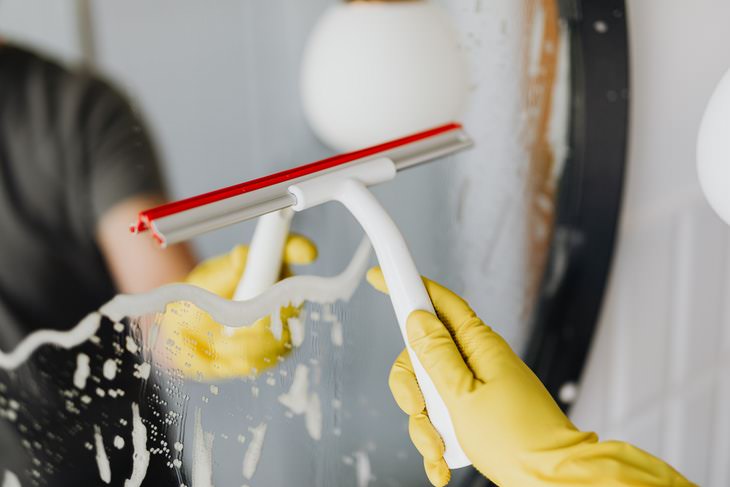
It may be tricky to find a replacement for store-bought glass cleaners, as most home cleaning products tend to leave streaks and stains behind. But don't worry, grandma's got you covered: simply mix 2 tablespoons of ammonia with half a gallon of warm water (about 2 liters), and you're done. This mixture works just as well as a storebought glass cleaner and get smudges and stain off of mirrors, windows, and glass furniture, all streak-free. By the way, you can also replace paper towels with newspapers when cleaning windows - they work just as well.
 
2. Prevent mildew from collecting on the shower curtain 

 
  Traditional Cleaning Tricks  shower curtain
 
It's super annoying when a relatively new shower curtain suddenly starts developing mildew. Fortunately, it's super easy to prevent - simply trim off the bottom seam on the shower curtain. This will ensure that water doesn’t collect at the bottom of the curtain and it dries off before mildew could form. Once the curtain does get a bit grimy, though, you can always throw it in the washing machine together with a towel and it will be as good as new again. 
 
3. Get rid of persistent stains with baking soda 
  Traditional Cleaning Tricks  baking soda

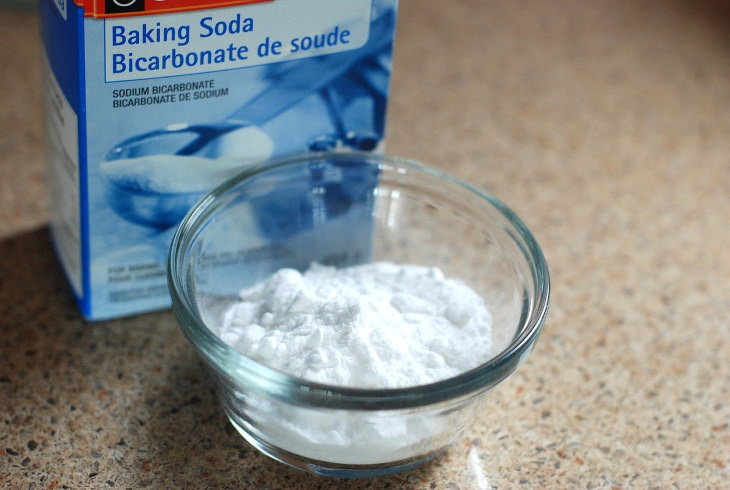
Persistent burnt stains on the bottom of pots and pans can linger on for weeks or months, and no soaking can help get rid of them. Who knew a simple kitchen staple like baking soda could help? But it's true, simply mix baking soda with a little bit of water until it forms a thick paste, and then coat the stain in question with a thick layer of the paste. Let the baking soda dissolve the stain for about 4-5 hours or overnight, occasionally spritzing it with water. Afterward, simply wipe off the baking soda, and the stain should be gone. Repeat several times if needed. 
 
Bonus: the same method works wonders at cleaning the oven without the need to use any chemicals.
 
4. Use coffee to get rid of odors around the house  

 Traditional Cleaning Tricks coffee beans
 
Coffee has remarkable odor-absorbing and smell-canceling properties - this is exactly why fragrance sellers provide customers with coffee beans as a "nasal palate cleanser". Households have been using these properties for decades to get rid of odors around the house and replace it with a cozy coffee aroma. You can put a small cup of coffee beans next to the garbage, in the fridge, or anywhere else. Over time, it will absorb any unpleasant smells. Needless to say, you won't be able to reuse the beans to make coffee, so this trick works best with cheap beans or old coffee. 
 
5. Make your silverware sparkling clean with toothpaste 
 Traditional Cleaning Tricks toothpaste and toothbrush
 
Although toothpaste is the most common way to clean one's teeth today, in the past, tooth powder was used for the same purposes. Over time, people also realized that this tooth powder also works great at removing tarnish from silverware without damaging the fragile surface of the utensils. Polishing the silverware with the powder also gave it a nice shine. When the first toothpaste was invented, it too was used to clean silverware, a trick that many of us have now forgotten. 
 
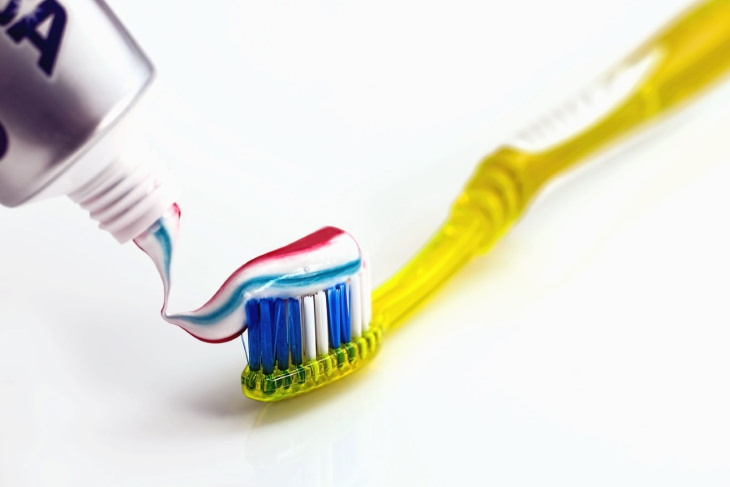
So, if your forks and knives are in need of a good clean, try polishing them with some toothpaste. The trick is to use a plain white toothpaste instead of the gel stuff, though, as it's closer to that original tooth powder formula and is much better at polishing silverware.

6. Use cloth diapers to dust the house 
Did you know that microfiber cloths are made of plastic? It's true, the now ubiquitous cleaning cloths may do a great job at cleaning various surfaces around the house, but all of them are produced from either 100% polyester or a blend of polyester and polyamide. Therefore, using them only causes more plastic pollution, and is by no means environmentally friendly.
 
Luckily, the previous generations have a more eco-friendly solution in mind. It turns out that using cloth diapers isn't just as effective as microfiber cloths, it's also kinder to the environment. This is because cloth diapers are nearly always made of natural fibers, such as linen, cotton, and hemp. An extra advantage to using cloth nappies as a dusting rag is also that they can be cleaned in the washing machine at high temperatures without losing their cleaning properties, unlike a microfiber cloth.

7. An easy solution for wall crayon stains 

  Traditional Cleaning Tricks crayon stains
 
Left your kids or grandkids alone in the room for just a second, and now you suddenly have a crayon masterpiece in the middle of the wall? It's a known issue, and we're hardly the first generation to deal with it. Yet again, our grandparents have a solution for us, so let's not reinvent the wheel and listen, as we should. Get some dry cleaning solvent, soak a cloth in it, and proceed to erase the masterpiece from the wall. 
 
This method is extremely effective, but be careful and patch-test in an inconspicuous area of the wall first to make sure that it doesn't leave any stains. This trick shuld also probably be best avoided on antique wallpaper or very old walls. 
 
8. Fight soap stains with more soap!  
 Traditional Cleaning Tricks dish soap
 
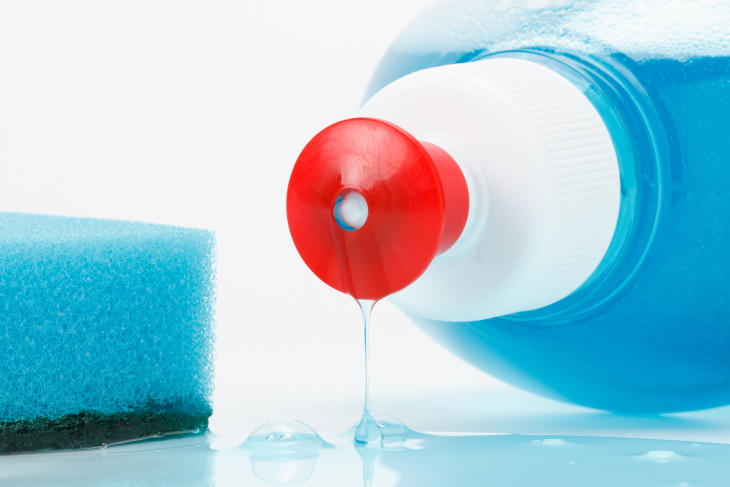
Soap scum can be quite difficult to clean up, unfortunately, but once you realize that most soap scum is just build up soap mixed with body oils, the job becomes much easier. If you've seen your parents and grandparents clean the bathroom with dish soap or even laundry detergent, you might have been puzzled, but it's actually the smart thing to do, and they knew it well. This is because both of these detergents are formulated specifically to remove oil and grease stains from surfaces, and now that you know what soap scum is made of, it becomes only logical to use them to scrub away the soap scum from the shower. We urge you to try it.
 
9. Render your carpets dust free with tea  

 Traditional Cleaning Tricks carpet
To say that a dusty and smelly carpet is the source of all evil is hardly an exaggeration because the majority of dust and debris in the room comes precisely from the carpet. When we're walking or sitting on the carpet, or when our pets are rolling around on it, all of the dust and dirt goes up into the air, and it then settles on the furniture, making it look as if you've never dusted your house in the first place. Not to mention that all this dust is also the perfect place for germs to stick around. 
 
Therefore, having a quick solution for this issue is really important, and at times when you don't feel like it's time to wash the carpet just yet, but need a quick fix to get rid of dust and bad smells, reach into your kitchen pantry for some loose leaf tea. Simply sprinkle plenty of tea evenly over the carpet, wait for 15 minutes, and then vacuum the carpet as usual. This method is sure to help you get rid of stale odors and dust from the carpet. 
 
10. Leftover beer can be easily reused to clean your home 

  Traditional Cleaning Tricks beer
 
Yes, people in the past did utilize beer in a variety of ways, too, and it turns out that the alcoholic beverage is not only beneficial when it's inside you. They used old or leftover beer to refresh wooden furniture, for example, by simply soaking a cloth with beer and varnishing the surface of the furniture with the beverage. The beer may make the furniture a bit sticky, but you can get rid of the stickiness by simply washing the beer residue away with a damp cloth. The result is pretty amazing - the beer will tint the wood into a nice golden-brown color. 
 
11. Absorb spills with salt 
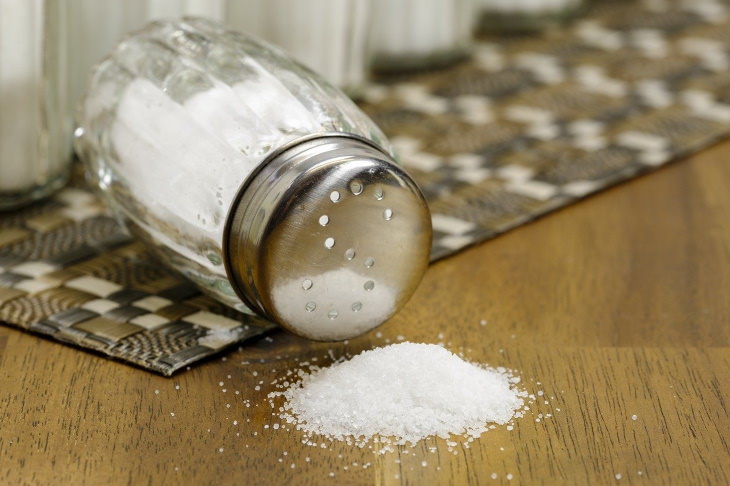
  Traditional Cleaning Tricks salt shaker
 
Just a sprinkling of salt can do wonders at absorbing fresh liquid stains and making them look less apparent. This trick works on any surface, too, be it wood, carpet, or even clothing. Simply sprinkle some salt on the fresh stain, let it sit and absorb the stain for a few hours, and then dust off and wash the item in question with soap and water. This clever method works on all kinds of stains, even persistent ones like those left by ketchup or red wine.

https://gscrochetdesigns.blogspot.com. one can see my crochet creations  

https://cancersupportindia.blogspot.com. feel free to view for easy, simple and health tips  
https://kneereplacement-stickclub.blogspot.com. for info on knee replacement


Monday, March 23, 2020

From Grime to Tarnish, these Natural Cleaning Solutions Actually Work

Common household items like salt and baking soda could be used to tackle countless chores around the home, in fact, you wouldn't believe just how much you could get done around the house with these cheap and widely available items.

Lemons

A fantastic cleaning agent that can be used to remove dirt and rust stains (due to its acidic nature). Cleaning with lemons becomes especially effective when mixed with salt, making an excellent paste.

Countertops: Cut a lemon in half and dip it in baking soda, using it to clean over a countertop, then wipe with a wet sponge and dry. Lemons should not be used on delicate stone, like marble or on stainless steel as it may cause discoloring.

Dishes
: This fantastic alternative may be used alongside your dishwashing detergent, increasing its grease-cutting power. Simply add a teaspoon of lemon juice.


Liquid Castile Soap

This plant-based soap is effective at loosening grime and dirt from surfaces. It is gentler too, so it won't leave the surfaces looking dull or damaged.

Sinks, showers, tubs and ceramic tiles: This soap may be used to create a homemade soft scrubber by combining 1 tablespoon with 1/3 cup baking soda.

Stovetop and vent hood: A few squirts of liquid Castile soap mixed with 2 cups hot water can be used to clean the stovetop, burners and vent hood, cutting through accumulated grease.


Table salt

If anything in your house needs a little polish, salt's granular texture makes for a beneficial cleaning agent. Any type of salt may be used, including sea or kosher salt, but table salt will be your cheapest option.


Spills in the oven: Don't you just hate it when that casserole bubbles over when you take it out of the oven? A great way to clean the mess up without having to scrub your oven tray is to pour salt on the spill to soak it up. Once the oven has cooled down, wipe with a damp sponge.


Vinegar

The benefits of cleaning with vinegar are plentiful, as it has the ability to wipe out tarnish, soap scum, mineral deposits and other grimy substances. Its acidic nature also creates an environment that inhibits the growth of mold, mildew and some bacteria such as E. coli and salmonella.

Drains:
Use vinegar to clean drains and the pipes they are attached to by pouring the liquid down the drain. After about 30 minutes, flush with cold water.

Floors: 1/4 cup vinegar, added to a bucket of warm water may be used to clean almost any type of floor, except marble, as it can scratch it, or wood, as it can strip it. 

Essential oils

Consisting of the extraction of plants, some essential oils can kill bacteria and mold. As they tend to be very strong, you need not go overboard either. In fact, some oils like peppermint are so potent, that one drop of oil is equivalent to 30 cups of peppermint tea.

Combs and brushes: Soak combs and brushes in an essential oil blend for about 20 minutes, by filling a container with 1 1/2 cups water, 1/2 cup distilled white vinegar and 20 drops tea-tree, lavender or eucalyptus oil.

Scuffed floors: Just apply two to four drops of tea-tree oil to the spots, wiping any excess oil with a cloth and rubbing it in distilled white vinegar.
 

Toothpaste

Standard toothpaste (paste not gel, free from tartar control and whitening), combined with a mild detergent and an antibacterial agent make a potent stain-fighter.

Tarnished silverware: Add a dab of toothpaste on a soft cloth and rub it onto the tarnish, then rinse with water and dry with a clean cloth.


Cooking oils

Vegetable and plant based oils are great cleaning alternatives, particularly olive and sunflower oil which may be used to dislodge dirt, diminish scratches and imperfections as well as hydrate wood that has aged or dried out from exposure to the sun.

Cast iron pans: Use vegetable oils to make a scrubbing paste by combing them with a teaspoon of coarse salt. This easy blend may be used to combat cooked-on debris, which can then be rinsed off with hot water.

Leather shoes: First, wipe away any dirt with a damp cloth, then add a drop of vegetable oil to a soft cloth, rubbing the surface to remove scuff marks. Make your shoes shine by buffing them with a chamois cloth.


Borax

Borax can be used alongside your detergents, making your load cleaner. As it is rather alkaline, borax may also be used to kill mold and fungus.

Pots and pans: Borax may be rubbed into cookware with a damp sponge, then rinsed well.

Toilet: Just pour borax in the bowl, letting it sit overnight. In the morning, swish the bowl a few times with a toilet brush and flush.


Baking and washing soda

Also known as sodium bicarbonate and sodium carbonate, absorbs odors. Word of caution: when handling washing soda, wear rubber gloves.


Garage floors (and other concrete surfaces): Pour washing soda on top of oily and greasy spots, sprinkling with water until a paste forms. Let it stand overnight, then the next day scrub with a damp brush, hose it down and wipe clean.

Grills and barbecue utensils: Tough grease stains may be removed by dipping a moist stiff-bristled brush in washing soda, and scrubbing away. 


https://gscrochetdesigns.blogspot.com. one can see my crochet creations  

https://cancersupportindia.blogspot.com. feel free to view for easy, simple and health tips  
https://kneereplacement-stickclub.blogspot.com. for info on knee replacement

Sunday, July 21, 2019

How to Cook Rice to BURN More Fat and Absorb HALF the Calories

Coconut oil has such a wide usage, right from cooking to baking to making your deodorant ! Now, there is even another reason to love it. When used in a certain way, coconut oil can make a bowl of white rice into a much healthier meal. In fact, this unique cooking method means that your body will be able to absorb half of the calories in rice with the added benefit of decreasing body fat accumulation.


It’s true that white rice is a highly processed grain and has a high glycemic index. But, the effect food has on your blood sugar can be altered depending on what you eat it with.

Researchers from Sri Lanka might have uncovered a Holy Grail of rice cooking that could shake the way we view and prepare rice. They presented their preliminary findings at the National Meeting and Exposition of the American Chemical Society.

Research on Coconut Oil and White Rice

Authors of the research, tested 8 different recipes on 38 varieties of rice. The cooking method that proved to be the best at increasing the rice’s healthiness included adding coconut oil to boiling water, before stirring in raw rice. The rice was then cooled down in the refrigerator and consumed after 12 hours.
When the least healthy of all rice types was prepared in such way, its calories were reduced by 10 to 12 percent. The two scientists, conducting their research at the College of Chemical Sciences in Colombo, claim that further caloric reduction is possible. They predict that if the right variety of rice is prepared with coconut oil, the calories could be cut by about 50 to 60 percent.

Why does this Cooking Method Cut the Calories?

Intuitively, many cultures prepare food in a way to make it healthier. Some schools of nutrition, too, have believed all along that mixing certain fats with food rich in carbohydrates (such as rice) could lower the meal’s blood sugar raising effect.

The method of cooking rice with coconut oil and then chilling the rice cuts the calories by changing the rice’s chemical composition. Digestible starch turns into indigestible starch (or resistant starch), so the rice doesn’t get readily metabolized into glucose – if not used, glucose eventually converts into body fat and contributes to weight gain. So this cooking method could help to prevent body fat accumulation. In that respect, it’s worth noting that the researchers found that consumption of resistant starch “could decrease fat accumulation in the long-term.”

One cup of medium grain white rice usually contains about 246 calories. With this method, the calorie count goes down to as little as 147.

What’s more, resistant starch is considered a prebiotic and compliments the function of probiotic foods. It feeds the good bacteria in your gut and aids your immunity and digestive processes.

Recipe for Cooked Rice that Cuts the Calories in Half

  1. Boil 2 cups of water and add a tablespoon of coconut oil (always opt for organic virgin coconut oil)
  2. Stir in 1 cup of rice.
  3. Cook for about 20 minutes, until the rice is cooked.
  4. Put in the fridge for 12 hours.
  5. Use cold or re-heat it – according to the Sri Lankan research, the rice maintains its newly acquired benefits even after heating it again.
The white rice might become healthier when the above method is applied. Still, you shouldn’t now eat it in unlimited amounts. Also, consider using brown rice instead. Brown rice doesn’t have the germ and bran removed, so it’s a better option as it retains the bulk of its vitamins, minerals, essential fats and fiber. You can also try consuming purple rice which has many health benefits and is cooked the same as brown rice.


Sunday, December 16, 2018

Alternatives Uses Of Potatoes

It is difficult to come across someone who doesn't like potatoes. It can be used to make so many different dishes, dry, gravies, in combo with any vegetable it goes well. It can be used in puddings, kheer and so on and on.

Now other uses of potatoes-
1. Remove Stains 
Foods like turmeric, berries, and beets are fabulous additions to any meal, but they have a habit of leaving their traces all over your hands. It can take a lot of scrubbing with normal soap to remove these stains, and it's really hard to reach underneath your nails. Don't fear though, just keep half a potato back when preparing the dish and rub it over the affected area to magically remove the blemish! Make sure you get right under your nails too. This will work well on grass and ink stains as well.
2. Shine Your Silverware
If your cutlery is cloudy and your trinkets are tarnished, why not use a potato to restore their sparkle? You can rub a raw potato over the items if you like, but I find it best to soak them in potato water. This also means you don't have to use extra potatoes to perform the task, simply use the water from the batch you have boiled for your dinner. Add any peeled skins into the water for great results.
3. Feed Your Geraniums
The nutrients in potatoes will help your pot plants grown. You can either carve a small hole in the potato and plant the stem of the flower inside it, before putting the whole thing into the soil; or you can sprinkle some potato shavings into the soil around your already growing flowers to give them a fantastic, natural boost.
4. Relieve a Burn
If you burnt your fingers on a hot pan or clipped your arm against the stove while it was still on, reach for a potato. Just 1 slice of raw potato should do the trick - apply it to the burn and fix in place using whatever you have handy.
5. Absorbs Excess Salt from a Soup or Cooking Pot
If you have over-salted your pot of soup or pasta by mistake, then throw in some potato slices or cubes to restore the balance. Leave the potatoes in while the mixture simmers for ten minutes or so, and then scoop them back out.
6. Banish Rust from Metal 
Are your old tools or kitchen utensils starting to look like antiques? Restore them to their former glories by chopping a potato in half, adding a liberal amount of soap or salt to the cut end and rubbing it over the affected surface. Rinse and dry the object thoroughly afterward. This works great along the edge of large carving knives!
7. Make Some Great Personalized Art
We all remember making potato stamps and dipping them in paint in art class at school. But don't for a second think that this practice is just the preserve of children. Just draw the shape you want on to the cut potato, carve out the shape and dip it in fabric paint before dabbing it over your canvas. Personalize bags, cushions, walls - whatever you like! It's a really fun and easy way to personalize your home and it's great for kids too.
 
Note- for other health benefits of potatoes, see my cancer supportindia.blogspot.com, the site mentioned first.
 For my other blogs, I'm giving the links below, feel free to view and comment too.

https://cancersupportindia.blogspot.com. for all cancer and health related topics
https://gseasyrecipes.blogspot.com. feel free to view for easy, simple and healthy recipes
https://kneereplacement-stickclub.blogspot.com. for info on knee replacemen
t


Sunday, June 12, 2016

Coffee helps to keep garlic and onion smell far away

Use coffee grounds to wash your hands after you've been dicing up onions or chopping garlic cloves. The grounds absorb all the strong odors in no time at all. 


those interested in cancer and health related topics are free to see my blog-
http://cancersupportindia.blogspot.com/
 for crochet designs, my blog, those who like a particular design are free to mail me

http://My Crochet  Creations.blogspot.com

For info. about knee replacement, be free to view my blog-

http://knee replacement-stickclub.blogspot.com