Plant milks, such as almond milk, oat milk,
the now-classic soy milk, and others have experienced a rapid rise in
popularity worldwide. People switch to plant milk for health reasons,
moral reasons and just for the heck of it, and who are we not to
encourage experimentation? So, if you’re trying out plant-based milks,
either as an experiment, or because you decided to give up dairy
altogether, one thing you’ll notice pretty soon is that one plant-based
milk cannot replace cow's milk completely. Not to say that plant milks
are a one-trick pony, but different plant milk varieties do work best
for different tasks, and in this article, we’d like to explain which
plant milks are best cut out for which task.
What are plant milks? 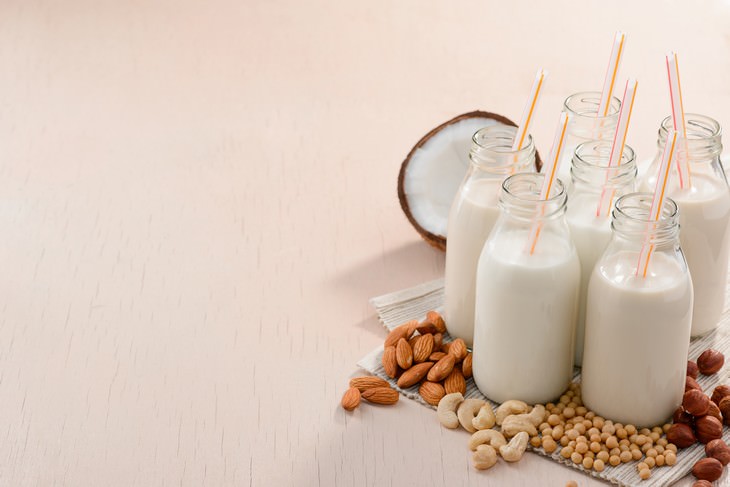
Plant milks are essentially plant-based drinks and not milk per se, but they’re referred to as milk because they are marketed as alternatives to dairy. These can be made of a variety of plants:
Grains (e.g. rice, oats, quinoa)
Nuts (e.g. almonds, hazelnuts, coconuts, cashews, macadamia)
Seeds (e.g. chia seeds, hemp seeds)
Beans (e.g. soybeans, peas).
Mixes of two or more kinds of milk are also popular. Different plant
milks will have different nutritional content and can be sold sweetened
or unsweetened, all of which will be specified on the packaging of a
given product. Because of this variability in nutrients, it’s difficult
to assess how healthy plant milks are overall compared to cow’s milk,
but we did compare and contrast popular milk varieties in this article:
Pros and Cons – Which Milk is Best for You?
Also, keep in mind that not all plant milks will be suitable for
everyone, and if you’re allergic to nuts or gluten, some kinds of milk
will not be the best for you, so make sure you check the ingredients of
each product before consuming or even purchasing it. Finally, in this
article, we focused on more affordable and widely available plant milk
options because they’re more accessible to consumers.
The Best Plant Milks to Pair With Coffee (and Other Warm Drinks)

Replacing milk or creamer with an equally
creamy and frothy plant-based alternative is one of the biggest
challenges. In the end, it all boils down to your personal taste, but we
do want to give you tips and options, and here are our top picks:
1. Oat Milk is an excellent one to use with coffee because it has a
neutral taste and can be whipped up in a nice latte or cappuccino. Also,
it’s one of the most sustainable and widespread milk varieties, so it’s
double, no - even a triple win.
2. Coconut Milk makes some of the best dairy-free cappuccinos, as it is
creamy and can be easily whipped up with no extra effort. It also
obviously tastes like coconut, which can be both a good and a bad thing,
as those of you who enjoy specialty coffee varieties may find coconut
milk a bit overpowering, but those who love coconut will love the taste.
When choosing coconut milk, it’s best to go for the bottled variety, and
not the ones that come in cans, as the last one can be a bit too fatty
and tends to separate when combined with steaming hot coffee.
3. Soy Milk is also an excellent choice for
coffee drinkers, as it has a relatively neutral taste and can be
whipped up. It’s also widely available and inexpensive compared to other
plant milks. Soy milk is the most nutritionally similar to all plant
milks to cow’s milk and is a good source of protein.
4. Almond Milk is another suggestion for coffee lovers. You won’t be
able to fluff it up as you would the other plant milks listed here, but
it’s benefit is that it has a neutral taste and silky texture, so it
will complement many coffee varieties.
Highly acidic coffee varieties can emphasize the natural bitter
aftertaste of almonds, but this is easily salvageable with a dash of
sweetener and it doesn’t happen with all almond milk varieties available
on the market or homemade almond milk.
5. Cashew Milk is our final suggestion. It's very similar to almond
milk, but is a bit more full-bodied and has a less nutty taste, which
makes it perfect for lattes.
Plant Milks That Go With Cereals and Oatmeal
https://gscrochetdesigns.blogspot.com. one can see my crochet creations
Plant Milks That Go With Cereals and Oatmeal
Plant Milks Suitable for Every Task granola with soy milk
Like
If you’re concerned that you won’t be able to have your usual morning
cereal, granola or oatmeal when you go dairy-free, don’t be, as all
three pair perfectly well with a wide range of plant-based milks.
In
fact, we’d venture out to say that plant milks are superior to cow’s
milk, as they can add a twist to your ordinary breakfast and make it
more variable and interesting.
In our opinion, these are the best plant milk options to pair with
cereal and oatmeal:
1. Coconut Almond Milk is my personal favorite to add to granola or
cereal simply because it spices up an otherwise bland breakfast without
being too overpowering. It also pairs ridiculously well with fruit,
especially bananas or mangoes.
2. Almond Milk, (or Oat Almond Milk) is the best to prepare cereal, as
it’s fatty enough to make your cereal creamy, but simple enough not to
overpower the taste of oats.
3. Hazelnut Milk is an interesting one as
well, as it tastes just like Nutella if combined with a bit of dark
chocolate, but healthier, and who doesn’t want to have Nutella for
breakfast? Hazelnut milk pairs so well with cereal, granola, and oatmeal
because it imparts a nutty, simply delicious flavor to any breakfast.
It’s also used in baking, but it’s a bit pricey.
We wouldn't recommend milks that are too rich or too watery to pair with
cereal, granola or oatmeal, so it's best to reserve rice milk, coconut
milk, cashew milk and soy milk for other tasks.
The Best Plant Milks for Cooking and Baking
The options of using plant-based milks in cooking and baking are
limitless. You can add them into smoothies, soups, and curries, or use
them to make the fluffiest pancakes and bake the most delicious
desserts. For a few delicious examples, check out this dairy-free recipe
of Healthy Carrot and Nut Muffins or this finger-lickin' good Thai
Coconut Soup.
When choosing plant milk for cooking or baking, look for the more
inexpensive and neutral milk varieties that will be the closest to cow’s
milk so that you can simply substitute it in any recipe, with the
obvious example of coconut milk that’s traditionally used in many Asian
recipes.
Here are our plant milk recommendations:
1. Soy Milk is suitable for cooking and baking because it’s so thin and
similar to cow’s milk. Apart from that, it’s the only plant milk we know
of that can be turned into buttermilk, just like cow’s milk, which
makes it invaluable for baking. Finally, soy milk is relatively
affordable, which is an important consideration, since you typically use
a lot of it when baking or cooking.
2. Rice Milk is thin and has a very neutral taste, which makes it a
suitable option for baking and cooking as well. Another reason to choose
rice milk is that it’s the least likely of all milks to cause food
allergies, since both it’s nut-free and gluten-free.
3. Oat Milk is affordable and has a thin consistency that’s very similar
to skim milk. Compared to cow’s milk and most plant milks, it has more
protein and fiber, slightly more calories and less fat. Since oat milk
has a slightly sweet, yet very bland taste that’s similar to cow’s milk,
it works very well for both cooking and baking.
4. Hemp Milk is an interesting, yet somewhat more difficult to get and
pricey choice. Still, some people swear by it in pastries and baking in
general, plus it’s among the healthiest options out there, since it’s
rich in essential omega-3 fatty acids that support good brain and heart
health.