Showing posts with label mango. Show all posts

Monday, August 3, 2026

20 Foods That Should Be Kept Out of the Refrigerator

Today we take it for granted, however, refrigerators are an ingenious product that changed everything when they were invented. With these special electrical devices, people could finally keep food for longer without worrying about spoiling, thus saving money and enjoying fresh food at all times. Despite the necessity of the refrigerator when it comes to keeping food fresh, you don’t actually need to store every food item you bring home from the grocery store in it. There are certain foods, both natural and processed, which are altered both in taste, texture and even nutritional value when refrigerated. The list of the following 20 foods, which are not recommended to be kept in the refrigerator, will allow you to save space and make the most of the taste and nutritional value of your favorite foods.

 1. Bananas  

This favorite summer fruit ripens quickly when it’s outside, but that doesn’t mean that it needs to be kept in the refrigerator to prolong its life. This is because the nutrients, that is, the vitamins and minerals in the bananas, are stored better outside of the refrigerator than inside it. 

2. Whole watermelon 

Cold watermelon is a summer favorite, but it isn’t recommended to put the whole fruit into the refrigerator if you want to store it at home. Storage of a whole watermelon in the refrigerator damages the essential antioxidant content of beta-carotene, which is found in the fruit. Therefore, whole watermelons are best kept outside the refrigerator, and if you want some chilled pieces, cut them beforehand, put them in a sealed box and kept them in the refrigerator until you want a healthy snack.

3. Coffee  foods
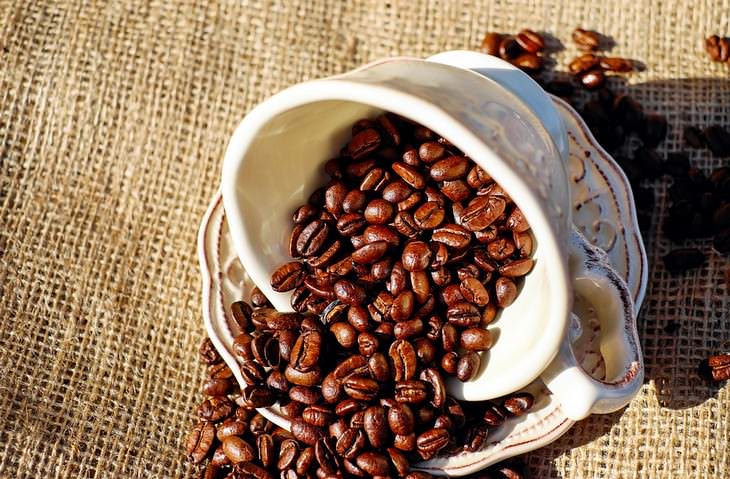
Humidity conditions in the refrigerator are the enemies of coffee of all kinds, therefore, it is recommended to avoid storing whole and ground coffee beans of in the refrigerator. The moisture in the refrigerator "sticks" to coffee, changes its flavor and destroys its wonderful aroma.

4. Peaches  

When peaches are placed in the refrigerator, their ripening process stops, and consequently, they don’t reach the stage where their taste becomes as it should be. Moreover, cooling causes damage to the nutritional components of these wonderful fruits, which is why it’s not recommended to keep them in the refrigerator. 

5. Mango 

This exotic fruit is not used to cool temperatures, so it is not advisable to put it in the refrigerator. The essential components of the mango break down when they come into contact with cold, and so, they may lose the nutritional values that make them so healthy for us. 

6. Plums 

Many times, cold causes plums to shrink and lose their form and beloved juicy texture. The components in the purple fruit, like dietary fibers that help regulate digestive activity, are damaged by the cold and therefore should not be stored in the fruit drawer.

7. Oils  

Storage of oil in a place exposed to sunlight causes it to oxidize which is harmful to its composition, but on the other hand, storing it in the refrigerator also harms it. When storing different oils in the refrigerator - especially olive and avocado oil - they crystallize into a buttery texture which damages their taste. 

8. Pumpkin 

When storing pumpkin in the refrigerator, moisture causes it to develop mold, and even when that is not the case – its taste can still be damaged. The wetness in the refrigerator may seep into the pumpkin and change its taste, which is why it’s better to opt for cool and shaded places, such as the pantry, over keeping pumpkin in the refrigerator. 

9. Basil  foods
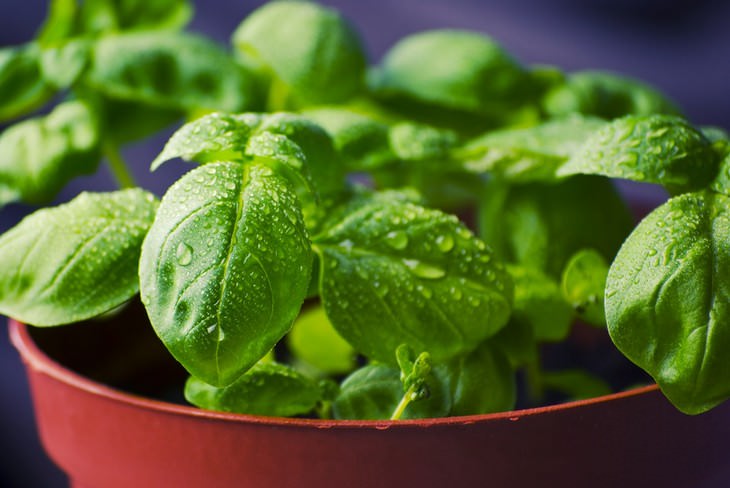
Basil is a delicate herb that quickly wilts in the cold, and it also absorbs odors that change its taste from the various items in the refrigerator. Therefore, it is recommended to place basil stalks into a vessel with water, cover its leaves with a bag and put it in a shaded place, so that they hold longer and don’t become damaged.

10. Kiwi
 

Despite its rough appearance, kiwi is sensitive to external influences such as cold. When this fuzzy, sour fruit is placed in the refrigerator, its nutritional value is also impaired as well as its appearance, taste, and texture, which is why the fridge is not the place for it. 

11. Onions (especially cut) 

Onions have a great amount of liquid, and when put into the refrigerator they are fertile ground for the development of mold that requires moisture to survive. Furthermore, chopped onion absorbs bacteria and odors from the refrigerator, so it is recommended to use it all if cut, or alternatively chop and freeze it. 

12. Garlic 

 When garlic is placed in the refrigerator, the cold causes it to sprout, and it also develops mold and has a texture reminiscent of rubber. To prevent this, do not store it in the refrigerator, and choose a cool, dry place where it can be kept naturally for a long time.

13. Eggplant 

Eggplants are especially sensitive to cold, and when placed in the fridge they quickly spoil and tend to shrink and develop a rubber-like texture as well as mold in their stem. In addition, the natural ethylene gas released from fruits and vegetables further damages the eggplant and causes them to spoil and lose their flavor. 

14. Sweet potatoes 

When sweet potatoes are brought into the refrigerator, the structure of their cell walls changes and becomes stiff and hard to cut. The cooling also damages their texture, so it takes longer to prepare them, unlike sweet potatoes kept outside the refrigerator. Refrigerator moisture also causes the development of mold and a stale taste, so this is definitely not the place for them. 

15. Hot and sweet peppers 
foods 

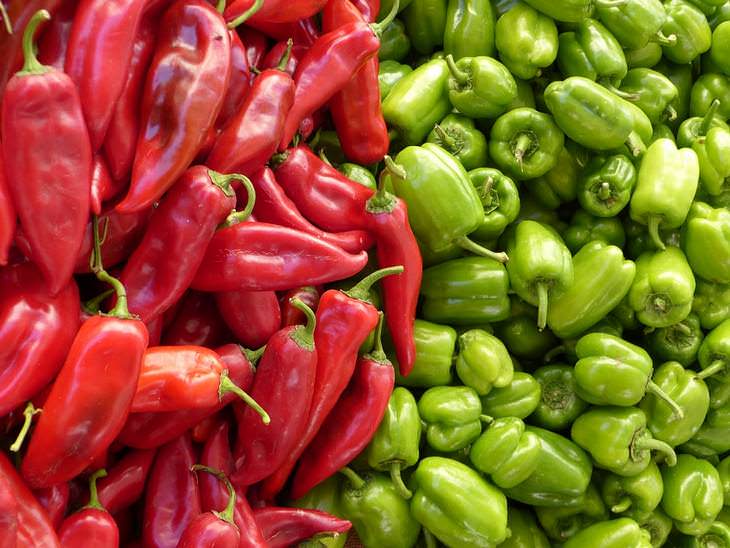
 When sweet peppers are put into the refrigerator, their natural color fades with time and humidity causes them to develop mold that harms their taste and also makes them inedible. They also tend to shrink when refrigerated, just like their little brothers - hot peppers, therefore, it is not recommended to put both types of peppers in there.

16. Peanut butter 

Fine peanut butter spreads wonderfully on bread and can be used as a snack in itself or even as an ingredient in cookies. When you put the salty-sweet spread to cool in the fridge, its texture becomes damaged and it becomes difficult and almost impossible to spread, so the refrigerator is definitely not the place for it. 

17. Nectarines  

This wonderful fruit is eaten in its fresh form and also used to make a variety of pastries, but refrigeration can damage its unique taste. The moisture created in the refrigerator causes the nectarines to soften, even if they are not yet ripe so that their delicate skins absorb unpleasant flavors. When nectarines are refrigerated, they tend to spoil quickly, so it is recommended to take them out of the fridge and store them on the counter. 

18. Cereal 

Sometimes cereal is kept in the refrigerator to prevent ant infestations, but instead, it is recommended to place them in a well-sealed container. When you put cereal in the refrigerator, it can become sponge-like and absorb the smells and flavors around it, as well as soften and lose its flavor and texture. If there is extra sugar in the grains, they crystallize into soft, inedible lumps that stick together and lose their well-known crispness and flavor.

19. Salad dressings 

Salad dressing based on vinegar and oil - like vinaigrettes - are found in almost every refrigerator, but it is certainly not their place. The vinegar and the oil preserve the wonderful taste of the sauces, and when stored in the refrigerator, this taste becomes damaged because they absorb odors around them, even when their container is closed. 

20. Chocolate 

Some chocolates soften at room temperature and can be refrigerated, but most of these sweet treats remain solid even when they are outside the refrigerator. If you put chocolate in the fridge, its crystalline structure changes, it develops white spots and its flavor changes dramatically.


https://gscrochetdesigns.blogspot.com. one can see my crochet creations  

https://kneereplacement-stickclub.blogspot.com. for info on knee replacement

https://cancersupportindia.blogspot.com  for info on cancer and health related topics

https://GSiyers home remedies.blogspot.com   is the latest addition to my blogs


Friday, July 24, 2026

Mango Relish

 Ingredients

1/2

1/2

 
Preparations
 
Grate or cut the mangoes into bite sized pieces and keep aside.
Start by melting the jaggery along with the water in a heavy bottomed vessel, once all the jaggery has melted add in the grated mangoes along with all the whole spices and pearl onions.
Allow the mangoes to cook through and soften, stirring occasionally over a low flame.
Once the mixture gets sticky and coagulates (forming a jam like consistency) , taste for salt and sugar and add in accordingly.
Turn off the flame and allow to cool completely before transferring into an airtight container.
Refrigerate and consume withing two weeks. It goes well with toast, roti, dosai, idli, adai and with whatever else you like.


https://gscrochetdesigns.blogspot.com. one can see my crochet creations  

https://kneereplacement-stickclub.blogspot.com. for info on knee replacement

https://cancersupportindia.blogspot.com  for info on cancer and health related topics

https://GSiyers home remedies.blogspot.com   is the latest addition to my blogs


Friday, July 17, 2026

Egg-less Mango Cake


 I made this egg-less Mango cake in microwave in 3 minutes 30 seconds. I had about 1/4 cup mashed banana, I chopped 1 mango in small pieces, added both to milk about 200 ml, along with 2-3 tbsp of sugar, 1 tsp of baking pdr, 1/2 tsp of baking soda, a pinch of salt, maida as needed, soaked raisins in warm water with 1/4 tsp of baking soda to remove toxins, washed it well twice, drained and added it to the batter, along with 1 tbsp of sunflower seeds. I add 2 tbsp of coconut oil. The batter was of pouring consistency, greased 2 microwave safe plates, spread them, baked each for 3 1/2 minutes. It was super soft and yummy. I added almond essence little. 


https://gscrochetdesigns.blogspot.com. one can see my crochet creations  

https://kneereplacement-stickclub.blogspot.com. for info on knee replacement

https://cancersupportindia.blogspot.com  for info on cancer and health related topics

https://GSiyers home remedies.blogspot.com   is the latest addition to my blogs


Tuesday, June 2, 2026

The Simple Mango Storage Trick That Keeps Them Fresh For Longer

Most people know mangoes need warmth to ripen, but what happens after they turn sweet and juicy is just as important. Moving ripe mangoes to the refrigerator at the right time can help preserve their flavour, texture and freshness, allowing you to enjoy the king of fruits for longer.

Let Mangoes Ripen Naturally Before Chilling: Mangoes develop their sweetness, aroma and soft texture best at room temperature. Refrigerating them too early can interrupt the ripening process. Once the fruit reaches the desired ripeness, however, cooler temperatures help slow further maturation and keep it in peak condition for longer.

Refrigeration Helps Extend Shelf Life: Ripe mangoes can deteriorate quickly, particularly during hot and humid weather. Storing them in the refrigerator slows down the ripening process and reduces microbial growth. This simple step can keep mangoes fresh for several extra days compared to leaving them out on the counter.

The Sweet Taste Stays Better Preserved: When mangoes become overripe, they may start losing their balanced flavour and develop an unpleasant fermented taste. Chilling ripe fruit helps retain its natural sweetness and prevents rapid quality decline, ensuring each bite tastes as fresh and flavourful as possible. 

It Prevents Mangoes From Turning Mushy: Heat can quickly soften ripe mangoes beyond their ideal texture. Refrigeration helps maintain the fruit's firm yet juicy consistency by slowing down the breakdown of its flesh. This means mangoes remain enjoyable to slice, serve and eat without becoming excessively soft.

Chilled Mangoes Feel Extra Refreshing In Summer: A cool mango can be especially satisfying on a hot day. Refrigerated fruit offers a refreshing eating experience and works wonderfully in smoothies, fruit salads, desserts or simply as chilled slices, making it a favourite summer treat for many mango lovers.

Cut Mangoes Need Even More Care: Once peeled or sliced, mangoes should always be stored in an airtight container inside the refrigerator. Proper storage helps preserve freshness, reduces spoilage and maintains quality. Whole ripe mangoes generally last five to seven days when chilled, while cut pieces are best eaten within two to three days.


https://gscrochetdesigns.blogspot.com. one can see my crochet creations  

https://kneereplacement-stickclub.blogspot.com. for info on knee replacement

https://cancersupportindia.blogspot.com  for info on cancer and health related topics

https://GSiyers home remedies.blogspot.com   is the latest addition to my blogs

Sunday, May 31, 2026

Mango almond pudding

 Ingredients

For almond milk (500ml)

  • Almonds - ¾ cup/ 110 grams
  • Water - 2½ cups

Other ingredients

  • Cornflour - 35 gm / 4½ tbsp
  • Cinnamon stick - 1
  • Vanilla essence - few drops
  • Sugar - 100 grams / ½ cup

For mango sauce

  • Mango, large - 1
  • Sugar - 50 grams / ¼ cup
  • Water - 1½ cups
  • Lemon, small - 1 no
  • Mint sprigs - for garnish

Method of preparation

  1. First, prepare the almond milk. Boil the almonds for two to three minutes to soften them well. Drain the water using a strainer, and then run tap water over the boiled almonds to bring down their temperature. Now, place the almonds in a grinder. Add water to it and them grind well. When the mixture has been well ground, strain the mixture through a fine mesh bag (or a muslin cloth). Squeeze out the almond milk completely. Keep the ground almond bits aside to use in other recipes.
  2. Set aside some of the almond milk (one large ladleful). To it, mix some cornflour. Mix them well. (Custard powder can also be used instead of cornflour.)
  3. Pour the remaining almond milk into a saucepan and bring it to a boil. As the milk is warming up, add cinnamon, vanilla essence and sugar. Mix them well. Once the sugar is dissolved and the milk starts to boil, lower the heat.
  4. Then, slowly add the almond milk and cornflour mixture into the saucepan. Take it off the flame as it starts to thicken and keep stirring continuously. Bring the saucepan back on the low flame if required, stirring all the time. Cook this blend until it reaches a very thick and gooey consistency.
  5. Remove the cinnamon stick, and transfer the mixture into the molds. When the mixture cools down completely, transfer it to a refrigerator and keep it for around two hours.
  6. Next, prepare the mango sauce. Peel one large ripe mango and put it in a blender with sugar. Then, heat up a pan and pour in the blended mango. Add a dash of water, stir and mix well. Take it off the heat and then pass the sauce through a strainer. Squeeze in a small lemon and stir it in. The mango sauce is ready. Keep it in the freezer to cool it down.
  7. To serve, bring the pudding out of the freezer and take it out of the mold. Plate it with the mango sauce on top, garnished with mint sprig. Enjoy chilled.                                                                 

    https://gscrochetdesigns.blogspot.com. one can see my crochet creations  

    https://kneereplacement-stickclub.blogspot.com. for info on knee replacement

    https://cancersupportindia.blogspot.com  for info on cancer and health related topics

    https://GSiyers home remedies.blogspot.com   is the latest addition to my blogs

Friday, May 15, 2026

Mango & Avocado Toast

Ingredients:

1 Alphonso mango (ripe but firm)

1/2 ripe avocado

1/2 small red or white onion, very finely diced

1/2 small tomato, seeded and finely diced

4–5 jalapeño slices, seeded and finely chopped (adjust to taste)

1/2 lemon (juice)

1 tbsp red chilli flakes or finely chopped fresh green chillies (choose one)

Salt to taste (about 1/4–1/2 tsp)

Fresh coriander chopped, for garnish

1–2 slices good-quality bread (sourdough, multigrain, or rye)

1 tsp olive oil or butter for toasting (optional)


Instructions

Toast or grill your bread slices until golden and crisp at the edges. For extra flavour, brush lightly with olive oil or butter before toasting. Set aside on a plate.

Peel the Alphonso mango and cut the flesh off the stone. Finely dice about three-quarters of the mango; reserve a few small cubes for garnish.

Halve the avocado, remove the pit, and scoop the flesh into a bowl. Mash lightly with a fork—leave some small chunks for texture.

To the mashed avocado, add the finely diced mango, onion, tomato, and chopped jalapeño.

Sprinkle in the chilli flakes (or chopped green chillies), add salt, and squeeze in the juice of half a lemon. Mix gently but thoroughly so flavours combine without turning into a puree. Taste and adjust salt, lemon, or heat as needed.

Pile the mango‑avocado mixture generously onto the toasted bread. Press lightly so it adheres but keep it rustic.

Finish with the reserved mango cubes, a sprinkle of chilli flakes if you like more heat, and a generous scattering of chopped coriander.

Serve immediately while the toast is still crisp. Pair with a chilled herbal tea, coffee, or a citrus sparkling water. For a heartier meal, add a fried or poached egg on top.

To eat with chips: spoon the mixture into a shallow bowl and serve with sturdy tortilla or papad chips for scooping. 


https://gscrochetdesigns.blogspot.com. one can see my crochet creations  

https://kneereplacement-stickclub.blogspot.com. for info on knee replacement

https://cancersupportindia.blogspot.com  for info on cancer and health related topics

https://GSiyers home remedies.blogspot.com   is the latest addition to my blogs


Tuesday, April 21, 2026

Avocado Fruit Bowl

 Easy Avocado Recipes This Summer 

For something sweet and refreshing, combine avocado cubes with seasonal fruits like mango, watermelon, and berries. Drizzle a bit of honey and squeeze some lime juice on top. This bowl is hydrating, naturally sweet, and perfect for beating the heat. 


https://gscrochetdesigns.blogspot.com. one can see my crochet creations  

https://kneereplacement-stickclub.blogspot.com. for info on knee replacement

https://cancersupportindia.blogspot.com  for info on cancer and health related topics

https://GSiyers home remedies.blogspot.com   is the latest addition to my blogs


Tuesday, January 13, 2026

20 Foods That Should Be Kept Out of the Refrigerator

Today we take it for granted, however, refrigerators are an ingenious product that changed everything when they were invented. With these special electrical devices, people could finally keep food for longer without worrying about spoiling, thus saving money and enjoying fresh food at all times. Despite the necessity of the refrigerator when it comes to keeping food fresh, you don’t actually need to store every food item you bring home from the grocery store in it. There are certain foods, both natural and processed, which are altered both in taste, texture and even nutritional value when refrigerated. The list of the following 20 foods, which are not recommended to be kept in the refrigerator, will allow you to save space and make the most of the taste and nutritional value of your favorite foods.
1. Bananas 
This favorite summer fruit ripens quickly when it’s outside, but that doesn’t mean that it needs to be kept in the refrigerator to prolong its life. This is because the nutrients, that is, the vitamins and minerals in the bananas, are stored better outside of the refrigerator than inside it. 
 
2. Whole watermelon 
Cold watermelon is a summer favorite, but it isn’t recommended to put the whole fruit into the refrigerator if you want to store it at home. Storage of a whole watermelon in the refrigerator damages the essential antioxidant content of beta-carotene, which is found in the fruit. Therefore, whole watermelons are best kept outside the refrigerator, and if you want some chilled pieces, cut them beforehand, put them in a sealed box and kept them in the refrigerator until you want a healthy snack.

3. Coffee 
Humidity conditions in the refrigerator are the enemies of coffee of all kinds, therefore, it is recommended to avoid storing whole and ground coffee beans of in the refrigerator. The moisture in the refrigerator "sticks" to coffee, changes its flavor and destroys its wonderful aroma.
4. Peaches 
 When peaches are placed in the refrigerator, their ripening process stops, and consequently, they don’t reach the stage where their taste becomes as it should be. Moreover, cooling causes damage to the nutritional components of these wonderful fruits, which is why it’s not recommended to keep them in the refrigerator. 
 
5. Mango 
 This exotic fruit is not used to cool temperatures, so it is not advisable to put it in the refrigerator. The essential components of the mango break down when they come into contact with cold, and so, they may lose the nutritional values that make them so healthy for us. 
 
6. Plums 
Many times, cold causes plums to shrink and lose their form and beloved juicy texture. The components in the purple fruit, like dietary fibers that help regulate digestive activity, are damaged by the cold and therefore should not be stored in the fruit drawer.
7. Oils 
Storage of oil in a place exposed to sunlight causes it to oxidize which is harmful to its composition, but on the other hand, storing it in the refrigerator also harms it. When storing different oils in the refrigerator - especially olive and avocado oil - they crystallize into a buttery texture which damages their taste. 
 
8. Pumpkin 
When storing pumpkin in the refrigerator, moisture causes it to develop mold, and even when that is not the case – its taste can still be damaged. The wetness in the refrigerator may seep into the pumpkin and change its taste, which is why it’s better to opt for cool and shaded places, such as the pantry, over keeping pumpkin in the refrigerator. 
 
9. Basil 
 foods
Basil is a delicate herb that quickly wilts in the cold, and it also absorbs odors that change its taste from the various items in the refrigerator. Therefore, it is recommended to place basil stalks into a vessel with water, cover its leaves with a bag and put it in a shaded place, so that they hold longer and don’t become damaged. 

10. Kiwi  
Despite its rough appearance, kiwi is sensitive to external influences such as cold. When this fuzzy, sour fruit is placed in the refrigerator, its nutritional value is also impaired as well as its appearance, taste, and texture, which is why the fridge is not the place for it. 
 
11. Onions (especially cut)  
Onions have a great amount of liquid, and when put into the refrigerator they are fertile ground for the development of mold that requires moisture to survive. Furthermore, chopped onion absorbs bacteria and odors from the refrigerator, so it is recommended to use it all if cut, or alternatively chop and freeze it. 
 
12. Garlic 
When garlic is placed in the refrigerator, the cold causes it to sprout, and it also develops mold and has a texture reminiscent of rubber. To prevent this, do not store it in the refrigerator, and choose a cool, dry place where it can be kept naturally for a long time.

13. Eggplant / Brinjal
Eggplants are especially sensitive to cold, and when placed in the fridge they quickly spoil and tend to shrink and develop a rubber-like texture as well as mold in their stem. In addition, the natural ethylene gas released from fruits and vegetables further damages the eggplant and causes them to spoil and lose their flavor. 
 
14. Sweet potatoes 
When sweet potatoes are brought into the refrigerator, the structure of their cell walls changes and becomes stiff and hard to cut. The cooling also damages their texture, so it takes longer to prepare them, unlike sweet potatoes kept outside the refrigerator. Refrigerator moisture also causes the development of mold and a stale taste, so this is definitely not the place for them.

15. Hot and sweet peppers 
 foods
 
When sweet peppers are put into the refrigerator, their natural color fades with time and humidity causes them to develop mold that harms their taste and also makes them inedible. They also tend to shrink when refrigerated, just like their little brothers - hot peppers, therefore, it is not recommended to put both types of peppers in there.

16. Peanut butter 
Fine peanut butter spreads wonderfully on bread and can be used as a snack in itself or even as an ingredient in cookies. When you put the salty-sweet spread to cool in the fridge, its texture becomes damaged and it becomes difficult and almost impossible to spread, so the refrigerator is definitely not the place for it. 
 
17. Nectarines  
This wonderful fruit is eaten in its fresh form and also used to make a variety of pastries, but refrigeration can damage its unique taste. The moisture created in the refrigerator causes the nectarines to soften, even if they are not yet ripe so that their delicate skins absorb unpleasant flavors. When nectarines are refrigerated, they tend to spoil quickly, so it is recommended to take them out of the fridge and store them on the counter. 
 
18. Cereal  
Sometimes cereal is kept in the refrigerator to prevent ant infestations, but instead, it is recommended to place them in a well-sealed container. When you put cereal in the refrigerator, it can become sponge-like and absorb the smells and flavors around it, as well as soften and lose its flavor and texture. If there is extra sugar in the grains, they crystallize into soft, inedible lumps that stick together and lose their well-known crispness and flavor.

19. Salad dressings  
Salad dressing based on vinegar and oil - like vinaigrettes - are found in almost every refrigerator, but it is certainly not their place. The vinegar and the oil preserve the wonderful taste of the sauces, and when stored in the refrigerator, this taste becomes damaged because they absorb odors around them, even when their container is closed. 
 
20. Chocolate 
Some chocolates soften at room temperature and can be refrigerated, but most of these sweet treats remain solid even when they are outside the refrigerator. If you put chocolate in the fridge, its crystalline structure changes, it develops white spots and its flavor changes dramatically.


https://gscrochetdesigns.blogspot.com. one can see my crochet creations  

https://kneereplacement-stickclub.blogspot.com. for info on knee replacement

https://cancersupportindia.blogspot.com  for info on cancer and health related topics

https://GSiyers home remedies.blogspot.com   is the latest addition to my blogs


Sunday, November 2, 2025

Mango and Tart Cherry

 Ingredients and Prep

Vanilla protein pdr  1 scoop

mango chopped 1 cup

tart cherries 1/4 cup

100% tart cherry juice  1/2 cup

coconut water 1 cup

ice cubes  4


Blend all well to get a thirst quenching drink


https://gscrochetdesigns.blogspot.com. one can see my crochet creations  

https://kneereplacement-stickclub.blogspot.com. for info on knee replacement

https://cancersupportindia.blogspot.com  for info on cancer and health related topics

https://GSiyers home remedies.blogspot.com   is the latest addition to my blogs

Wednesday, October 29, 2025

Mango Drink

 Ingredients

  1. 1 big mango pulp
  2.  2 sachets jaljeera
  3. 2 sachets any sweetener
  4. 1lime juice
  5. 8-10 mint leaves
  6. 1 bottle soda water or cold water
  7. ice cubes 
  8. 1/2 tsp salt
  9. 1/2 lemon

Preparations

In a mug take ice cubes and crush them keep it aside. Take a mango wash it peel it dice it and grind it in a mixer grinder to a fine paste. Add that paste to the crushed ice followed by lemon juice, mint leaves, jaljeera powder and sweetener. Mix them all very well with a muddler or with the back of the rolling pin. Make sure it combines very well. 

A muddler is a bartender's tool, used like a pestle to mash—or muddle—fruits, herbs and spices in the bottom of a glass to release their flavor. 


Use homemade jaljeera powder or store bought totally your choice. You can use any sweetener of your choice or you can grind sugar to a powder and add it. The amount of sugar will depend on the sweetness of the fruit. Now our concoction is ready so the easiest way to make it is to add 4 tbsp of prepared concoction in the serving glass to that add soda water and mix it well and serve it. By the way in place of soda water you can use any white cold drink also. Now let's make it restaurant style.

For that take short glasses rub the back of the glass with lemon and rub that part of the glass in salt. Now prepare all the short glasses like so. Then add the prepared concoction in it till the brim. Now take your serving glasses fill it full with soda water or cold drink/ water. Drop the small glasses fill with concoction in the serving glass slightly mix it add a little more soda water or cold drink to it and Immediately serve it. 


https://gscrochetdesigns.blogspot.com. one can see my crochet creations  

https://kneereplacement-stickclub.blogspot.com. for info on knee replacement

https://cancersupportindia.blogspot.com  for info on cancer and health related topics

https://GSiyers home remedies.blogspot.com   is the latest addition to my blogs