Showing posts with label cleans. Show all posts

Tuesday, June 8, 2021

Great Uses for Lemon Peels

Lemons have a lot to offer: they’re delicious, refreshing and have an aroma that can upgrade many dishes. Adding a bit of fresh lemon juice to a cup of water in the morning can do wonders for our level of alertness throughout the rest of the day. But what about those lemon peels?  uses for lemon peels

If you like to add lemon to your diet on a regular basis, you probably throw the peels in the trash. Did you know, however, that the peels are incredibly rich in vitamins, minerals, and fibers that can increase your food’s nutritional value, aid in house cleaning, and even be used to maintain your skin’s health? The following recipes will show you how you can add lemon peel to your day-to-day life with ease.

1. Homemade Lemon and Herbs Butter   uses for lemon peels
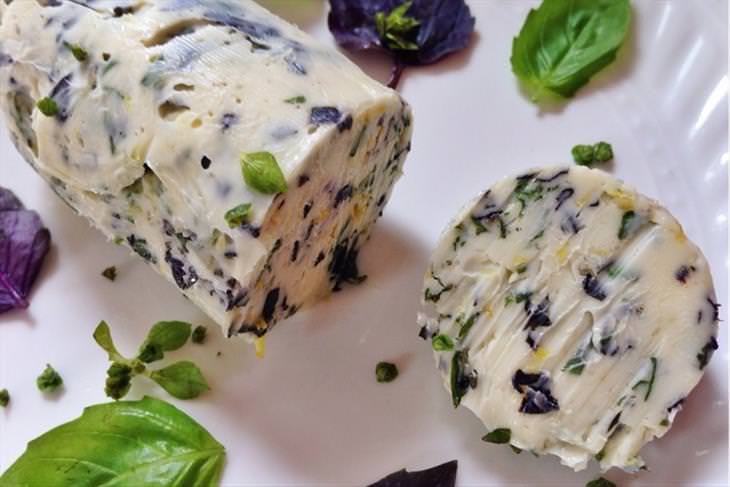
Would you believe that you can enjoy this delicious butter without going to a fancy restaurant? Simply turn the plain butter you’ve got at home into a gorgeous and delicious lemon and herbs butter you can enjoy at every meal.

Ingredients: 
• ¼ cup chopped mixed herbs (such as chives or parsley) 
• ½ cup butter (softened) 
• 1 teaspoon of lemon zest 
• Pinch of salt 
 
Preparation:  
1. In a bowl, mix the butter, zest, and herbs. Stir and season to taste. 
2. Transfer the content to a baking sheet, roll it into a cylinder and fold the edges. 
3. Wrap the baking sheet with aluminum foil. 
4. Refrigerate until the mixture solidifies. The butter can be kept in the fridge for up to 2 weeks or can be frozen for 3 months.

2. Candied Lemon Skins   uses for lemon peels
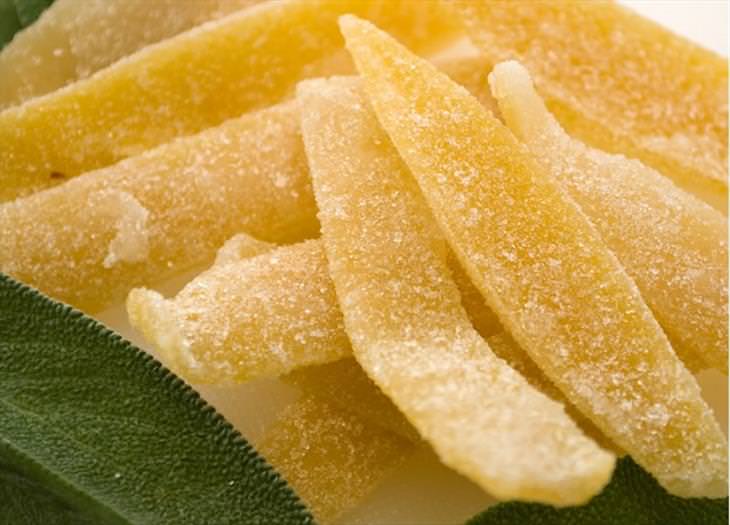
This is an unusual treat, and if you want to keep the peel's sour flavor, just use less sugar than called for in the recipe.

Ingredients: 
• 4 large lemons 
• 2 cups of sugar 
• 8 cups of water 
 
Preparation:  
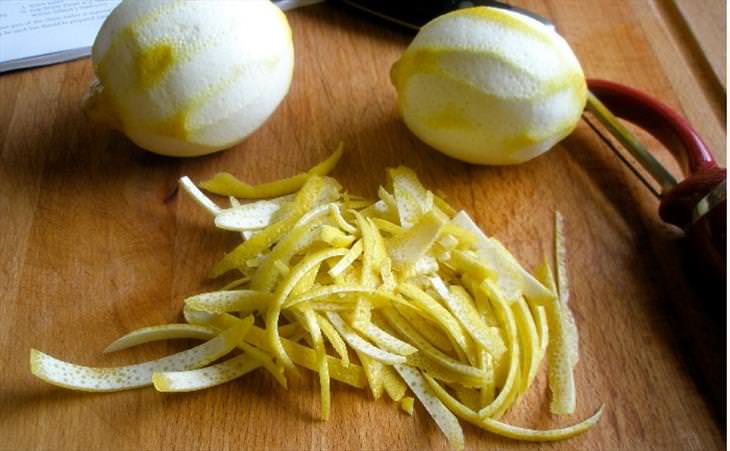
1. Peel the lemons and cut the peel into thin strips. 
2. Place the peel on a cutting board and remove as much of the fruit as you can using a sharp knife. 
3. Boil 2 cups of water in a medium-sized pot. Add the peel strips to the boiling water and cook for 2 minutes. This will remove most of the bitterness in the peel. Remove the peel strips from the water. 
4. Repeat the process 2 more times, using fresh water each time. 
5. Empty the pot, add 2 new cups of water and 2 cups of sugar. Let it simmer to produce a sugary syrup. 6. Lower the heat and add the lemon peel. Cook the strips in the syrup for an hour – they should become soft and translucent. Use a fork or tongs to remove the strips from the syrup and leave them on a drying rack to dry out – this should take a few hours.
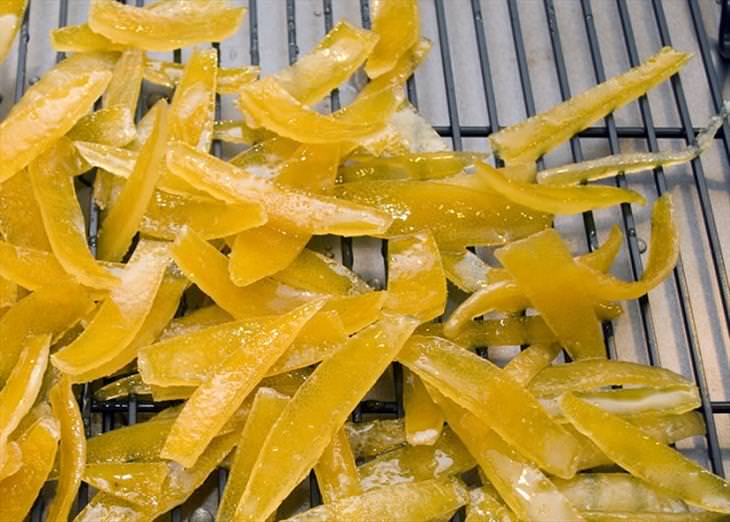
uses for lemon peels
7. After removing the strips from the water, you can sprinkle sugar on them. (optional) 
8. Move the dry peel pieces to a sealed container. The dried peel pieces will stay fresh for several days at room temperature, or for several weeks in the fridge. 
 
3. Add Some Zest to Your Olive Oil  
Transform your plain olive oil into a delicious and nutritious lemon-oil. This upgrade will have your guests begging for the recipe.  
 
Ingredients: 
• 1 cup of olive oil 
• 2-3 tablespoons of lemon zest. 
 
Preparation: 
Combine the zest and oil in a sealable jar and leave it for 2 weeks. Give the jar a good shake every few days. Finally, use a sieve to remove the zest from the oil and store in the fridge. 
 
4. Jazz Up Your Drinks with a Lemony Ice-Cube  uses for lemon peels
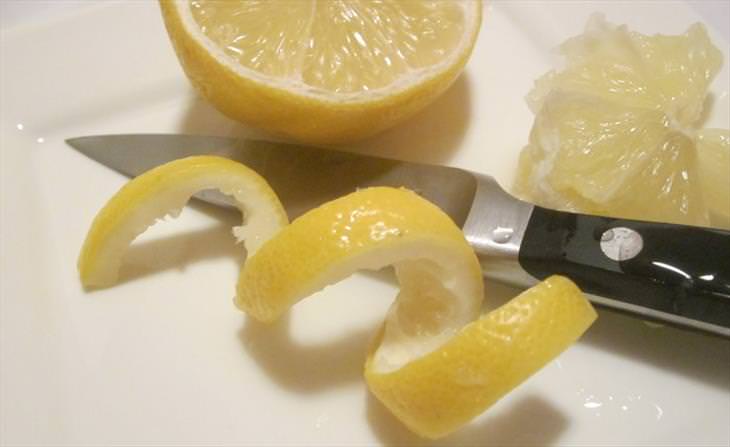
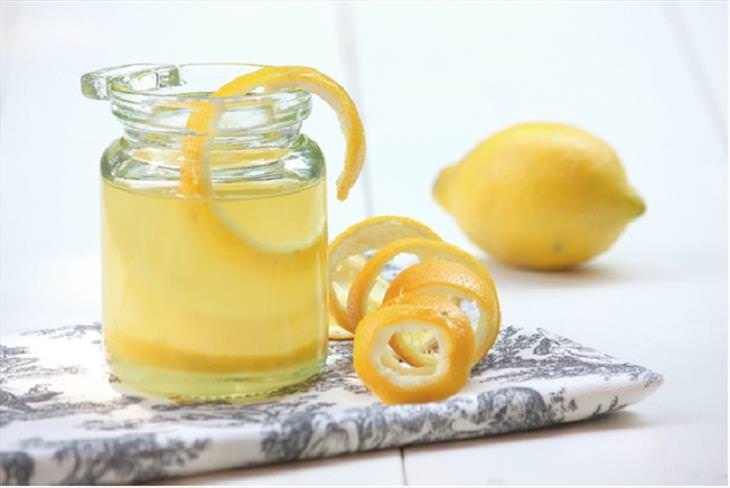
Add some extra flavor to any drink you serve this summer by adding a couple of fancy lemon ice-cubes. Cut the lemon peels into spirals and remove as much of the fruit as you can from them (this will make it less bitter). Cut the spirals to fit in an ice tray, fill the tray to the half-way point and put one spiral in each segment, making sure a small bit stays out of the water. After freezing, you’ll be left with fancy-looking ice cubes.

5. Make a Lemon-Pepper Seasoning Mix
This seasoning mix can work for almost any kind of dish whether it’s a salad, fish, or chicken. Preparation is very simple, and the ingredients are 100% natural. uses for lemon peels
Ingredients: 
• Zest from 5 lemons 
• ⅓ cup black pepper (whole) 
• ¼ cup salt (optional)  
 
Preparation: 
1. In a bowl, mix the zest and black pepper. 
2. Line an oven tray with a baking sheet and spread the mix on top of it. uses for lemon peels 
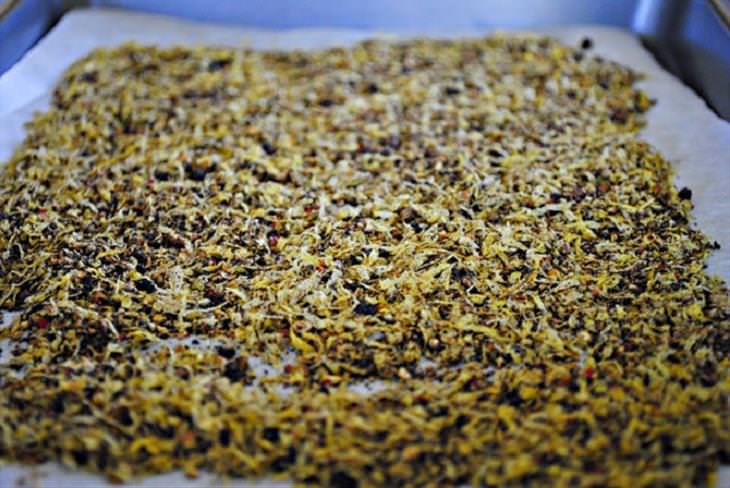
3. Bake the mixture for about an hour at 150°C (300°F), until the zest is completely dry. To make certain that the whole tray bakes evenly, remove it from the oven after 30 minutes and give it a shake, and then place it back in the oven. 
4. Grind the pepper-zest mix in a food processor or a coffee grinder. uses for lemon peels 
5. Once the mixture is ready, you can add salt if you wish. 
 
 6. All-Natural Ant and Pest Repellent 
Place small pieces of lemon peels along your windowsills, doors, and any other cracks and holes that ants use to sneak into your house. Ants hate the scent of lemon, so they’ll be reluctant to return to that area again. The peels are also particularly effective against fleas, making them an ideal solution for pet owners that want to protect their 4-legged companions from those nasty parasites. 
 
7. Freshen Up Your Home  
 
The scent of fresh lemon can freshen up your home and get rid of unpleasant smells quickly and easily. Freshen up the fridge: Place a few small pieces of lemon peel in the fridge. The skin will absorb any unpleasant odors while setting off its own citrus scent. 
Freshen up the trash bin: Put a few pieces of lemon peels at the bottom of the bin to absorb the bad odors. 
Freshen up closets: Sun-dry lemon peels and put them in small potpourri bags. Add spices such as cinnamon, cloves, nutmeg, and put it in your closets to keep them smelling fresh. 
 
8. Effectively Clean Surfaces and Utensils 
The lemon’s natural acidity is antibacterial and can help you clean many things in the kitchen. 
uses for lemon peels
Clean plaque residue in kettles: Fill the kettle up with water, add a few thin slices of lemon peel, and boil the water. Allow the boiled water to sit for an hour, and then empty and wash the kettle. 
 
Remove the smell of coffee: If your coffee maker’s pitcher is starting to smell like old coffee, empty it, put some lemon peels, a few pinches of salt and some ice-cubes. Shake well and wash the pitcher. 
 
Freshen up the dishwasher: If your dishes come out of the dishwasher smelling somewhat funky, add some lemon peel to the next load. This cleans both the machine and removes any foul-smelling residue. 
 
Clean and deodorize cutting boards: After washing your cutting board with water and dish soap, rub the surface with the outside of a lemon peel. Let it sit for 30 minutes and then rinse. uses for lemon peels 
 
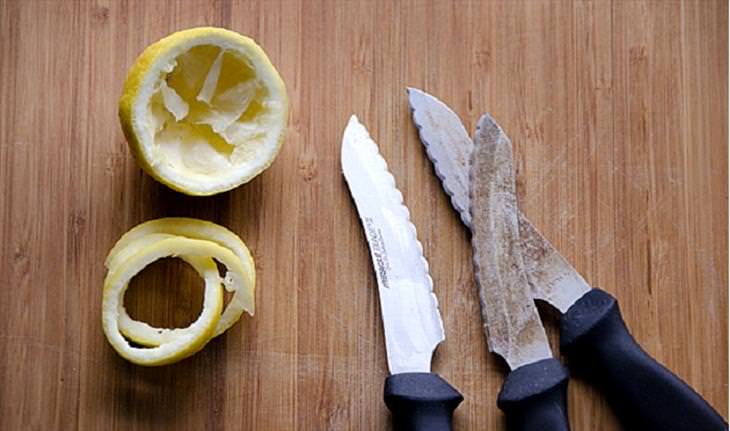
Clean your microwave: Fill a bowl halfway with water and add a few pieces of lemon peels. Pop it in the microwave and run it on high for 5 minutes. The heat will boil the water, and the lemon-infused steam will clean the sides and top of the microwave. Once it’s done, remove the bowl (Careful! It’s hot!) and wipe down surfacesuses for lemon peelsSave your utensils: If you have old knives, pots, or any other metallic utensils that have lost their shine or have grime that simply won’t go away, there’s an effective solution you can use - sprinkle some sea salt on the utensils, then rub them with a lemon peel. Rinse and watch how all the dirt, grime, and stains wash away. uses for lemon peels 
 
 9. Foot Spa If you want to soften any hard skin on your soles, boil water with lemon peels and let it cool down. Add ¼ cup of milk (bovine or almond), 2 tablespoons of olive oil, and a few drops of essential oil of your choice. Pour the mixture into a tub and soak your feet in it for 20 minutes, then dab your feet dry. 
 
10. Polish and Brighten Your Skin with a Homemade Scrub       This homemade scrub will help to soften your skin, in addition to brightening any sun damage it may have experienced. Similar to other exfoliating agents, avoid using this scrub on wounds or sensitive and irritated skin, as well as skin riddled with acne. To make this scrub, you’ll need to extract the lemon’s natural oils.
uses for lemon peels
Ingredients for lemon oil: 
• Lemon peels 
• Coconut oil 
 
Preparation: 
1. Wash and dry the lemon peels. 
2. Cut the peels into long, thin strips. 
3. Put them in a large pot and pour the coconut oil on top. 
4. Let the oil lightly boil for 5 minutes, and then put the mixture on the side to let it absorb all the aroma and flavor. 
5. Sift out the peels and pour the liquid into a jar. (Store in a cool, dry place). 
 
Ingredients for the scrub:  
• Unrefined sea salt 
• ⅓ cup lemon oil 
• A few drops of essential oil of your choice (optional) 
 
Preparation: 
1. If you use crude sea salt, grind it down to prevent damage to the skin. 
2. Mix the ingredients and transfer the mixture to a jar. Store in a cool, dry place. 
 
 Use: Before turning on the water in the shower, put some of the scrub on a washcloth, exfoliating glove, or your bare hands. Rub your skin with the scrub in circular motions, and then proceed to shower regularly. uses for lemon peels 
 
11. Morning Face-Wash  
Many kinds of face washes contain alcohol and are thus not recommended for daily use, as the alcohol dries out and irritates your skin. You can rub the outside of a lemon peel onto your face before rinsing it. Avoid contact with the eyes. 
 
12. Pamper Your Hands 
Lemon peels can help you with most hand and arm-related issues, and can even help your fingernails shine.  
 
Fingernail bleach – Clean stains from your fingernails by gently rubbing them with a lemon peel. 
 
Soften elbow skin – Sprinkle some baking soda on the outside of a lemon peel and place it against your elbow. Twist the peel as if you’re juicing it for a few minutes, then rinse your elbow. 
 
Lighten age spots – If you have age spots on your hands and arm, you can use lemon peels to lighten them by rubbing a small piece against the stain and leaving the juice on for an hour. Avoid sunlight until you wash yourself to prevent damage to your skin.
 
https://gscrochetdesigns.blogspot.com. one can see my crochet creations  

https://cancersupportindia.blogspot.com. feel free to view for easy, simple and health tips  
https://kneereplacement-stickclub.blogspot.com. for info on knee replacement


Thursday, December 19, 2019

Amazing uses of baking soda in your kitchen

 I'm sure that most would have thought that baking soda can be only used for baking cakes, cookies, pies, fries. Well, you'll be surprised to read its other uses. I also use it to make my deodorant !

1) Get Rid of Smells in Your Sink
Put baking soda in your sink drain and then pour vinegar in and quickly put the stopper in. It will bubble and foam and eat away at grease and food deposits. It works a like a charm and no waste!


2) Keep Steamed Veggies Green

When cooking green veggies, add a dash or two of baking soda to the water and then bring to a boil as usual. It helps them stay green.


3) Clean Corning-Ware

How to remove burned-on food from corning ware. Let the dish soak in sudsy water with a bit of baking soda. Scrub with a non-abrasive rag and rinse.


4) Clean Burnt Pots and Pans

To remove burned on food from a pan, simmer water and baking soda in it. Most of the food will become soft and then can be removed easily. 


5) Make a Sun Tea

Here’s one I’ve never tried….but it sounds like a GREAT idea! Use 1/4 teaspoon of baking soda per gallon of water to make sun tea. Tea never comes out bitter and always clear.

7) Make a Simple Tile Grout Cleaner

For a great tile grout cleaner, mix baking soda and hydrogen peroxide into a paste, and scrub the grout with the paste and a toothbrush.


8) Clean and Deodorize Tupperware
Deodorize plastic food containers in between uses with baking soda sprinkled on a clean damp sponge. For even tougher odors, soak items in a solution of 4 tablespoons baking soda and 1 quart warm water.


9) Make Extra Fluffy Omelets
Add 1/2 teaspoon of baking soda to every 3 eggs for super fluffy omelets!


10) Clean and Restore Stained Mugs
Remove stubborn tea and coffee stains on your mugs easily. Simply sprinkle a bit of baking soda inside a wet mug and scrub!


11)Clean and Wash Fresh Produce
Wash your produce by filling a large bowl or your sink with cold water, and adding 2-3 tablespoons of baking soda. Soak your veggies in the water for 10 minutes, then rinse and dry.


12) Make a Natural Insect Killer
You can kill unwanted insects by making a mixture of sugar and baking soda. Sprinkle the mixture in corners or cupboards where insects are present.


13) Supercharge Dish-washing Detergent
Strengthen your powdered dishwashing detergent by adding 2 teaspoons of baking soda to each wash.

 links for my other 3 blogs-

https://gscrochetdesigns.blogspot.com. one can see my crochet creations  
https://cancersupportindia.blogspot.com. feel free to view for easy, simple and health tips  
https://kneereplacement-stickclub.blogspot.com. for info on knee replacement


Wednesday, November 20, 2019

15 Useful Things You Can Do With Aluminum Foil

1. Soften Brown Sugar

If your brown sugar has turned into a rock-solid lump, just grab a piece of tin foil! Wrap the brown sugar clump in tin foil, put it in your oven, and bake it at 300°F for 5 minutes. The heat will soften up the brown sugar, and it will come out ready to use!
uses for foil

2. Pipe Frosting

There’s nothing like piped frosting to make your cake or cupcakes extra special, but you don’t need a special piping bag to do it! Use a sheet of tin foil to form your own disposable piping bag.
uses for foil

3. Shine Silverware

Use aluminum foil to restore the shine to your silverware! Place a sheet of tin foil at the bottom of a baking dish, then set your silverware on the foil. Sprinkle 2 teaspoons of salt and 2 teaspoons of baking soda over the silverware, then pour several cups of hot water into the dish. Let the silverware soak for 5 minutes, then remove, rinse, and admire the shine! :-)
uses for foil

4. Clean Cast Iron

Use a balled-up piece of tin foil to scrub away crusty baked-on messes in your cast iron pans.
uses for foil

5. Sharpen Scissors

If your scissors are starting to feel a bit dull, you can sharpen them with tin foil. Take a piece of tin foil and fold it in half at least 3 times. Use the scissors to make several cuts on the foil, and your scissors will be noticeably sharper afterward!
uses for foil

6. Protect Pie Crust

You can use tin foil to protect the edges of your pie crust and prevent them from burning in the oven. One way to do it is to use it preventatively. Just wrap the edges of your pie with tin foil at the beginning of the baking process, then remove the foil halfway through.
Alternatively, you could put the tin foil on near the end of the baking process. This can be helpful if the edges of the crust seem to be browning faster than the rest of the crust.
uses for foil

7. Foil Funnel

Funnels are one of those kitchen tools that you’re pretty sure you can live without… until the moment that you wish you had one! If you ever find yourself in this situation, you can improvise by fashioning a funnel out of a piece of tin foil. Just form a cone shape with the foil, and fold the edges over to help keep the shape.
uses for foil

8. Foil Packet Dinners

Making foil packet recipes is one of the best ways to use foil in the kitchen. One of my favorite foil packet recipes is salmon filets cooked with honey and lemon, which turn out perfectly moist and flaky thanks to those foil pouches! (And don’t worry, cooking with tin foil is perfectly safe!)
uses for foil

9. Keep Food Warm

Tin foil is especially handy for keeping things warm, thanks to its reflective surface. If one part of your meal is ready before the rest of it, just wrap it up in tin foil to help keep it warm while you finish off the rest of the food.
uses for foil

10. Prevent Messes

Tin foil is a great tool for preventing baked-on messes. If you’re baking something the may splatter or drip, just line a baking sheet with tin foil and place on the rack below whatever you’re baking. If your dish bubbles over, it will land on the foil-lined sheet and make cleanup quick and easy!

uses for foil

11. Take It Camping

Tin foil makes a useful addition to your regular camping supplies. Many foods can be cooked or heated through simply by wrapping them in tin foil and tossing them in a campfire! You can also use tin foil as a reflective signaling material if you happen to get lost.
uses for foil

12. Light It Up

If you’re starting seeds indoors, they can usually use all the extra light they can get! One way to amplify the natural light is to line a shoebox with tin foil, and place your seedlings into the box. The foil will reflect the light (and heat!) onto the seedlings and help them get started.
uses for foil

13. Painting Helper

Taping off doorknobs when painting can be a total pain. Save yourself some time and effort by wrapping the knobs in tin foil! It’s easy to mold the foil onto a door knob, and you can even reuse it if you don’t end up getting any paint on it.
uses for foil

14. Freeze It

Heavy-duty tin foil makes a great material for freezer storage because it doesn’t allow air to pass through. It will keep the flavors in, and the smells from other foods out! Wrap and freeze breads, casseroles, and more.
uses for foil

15. Easy Cleanup

One of the best ways to use tin foil is to protect large, hard-to-wash pans from greasy messes. Line the bottom of your roasting pan before roasting a turkey or pot roast, then toss out the foil when you’re done. Your roasting pan can go right back into the cupboard, rather than taking up your entire sink for hours while it soaks!

Wednesday, November 6, 2019

5 Clever Ways to Use Aluminum Foil to Clean Your Kitchen

Foil is good for so much more than covering pie crusts.

Getting in the kitchen and whipping up tasty eats for your friends and family is the fun part, but having to clean up the resulting mess afterward can be such a buzzkill. From scrubbing baked-on gunk off your pots and pans to keeping your stove-top looking pristine, if only you could snap your fingers and have all traces of your latest recipe disappear in a poof!

While we haven’t figured out the secret to a 1-second clean-up just yet, it’s easy to keep your kitchen looking cleaner with minimal amounts of effort thanks a little help from your new secret weapon: aluminum foil.

Beyond using it for food storage, this kitchen staple can help you keep your kitchen clean in a multitude of unexpected ways. These clever kitchen cleaning tips and hacks using foil will make maintaining your kitchen a breeze.

1. Keep the bottom of your oven clean.
Cleaning out your oven can be such a chore! So to avoid having to do it but once a year during your deep-clean, line the lower rack of your oven with a layer of aluminum foil to catch any drips and spills that can occur when cooking—and switch it out for a new sheet, as needed. Just be sure to never place the foil directly on the floor of your oven where the heating element is, because doing so is a fire hazard.

2. Scrub tough, cooked-on messes off of grill grates, pots and pans.

Arie Hazan, founder and head chef of Arie’s Catering in Columbus, OH, says, "Aluminum foil is great at scrubbing food build-up off of your grill grates safely," since traditional grill brushes tend to shed bristles that could end up in someone’s food the next time you cook out.
To clean your grill with foil, "Wad up a ball of aluminum foil, lightly douse your grill grates with water and start scrubbing," Hazan says. "We cater grilled dinners for 100 guests or more at a time, and this cleaning hack helps cut our post-grilling clean-up time down drastically."
You can also modify this cleaning tip to work on pots and pans (as long as they’re not non-stick!) by sprinkling a layer of salt or baking soda onto your grimy surface and using a damp ball of foil, rather than a sponge, for extra scrubbing power.

3. Remove rust and stains from your chrome faucet and other chrome appliances.

Thanks to a cool chemical reaction between aluminum foil, water, and chrome, you can use a strip of foil to keep your chrome kitchen sink faucet as shiny as new. First clean the rusted area with soap and water. Then, fold a piece of foil into a small square with about 3 to 4 layers to prevent rips.
Next, dip your foil square in plain water (no soap!) and scrub the area gently to avoid potentially scratching the finish. You’ll see little bits of rust start to flake off with just minimal amounts of elbow grease. Re-dip your foil in water and repeat until your chrome faucet — or other chrome kitchen appliance — is sparkling!


4. Make stove-top cleaning easier.

If it’s obvious which burner on your stovetop is your favorite, then this kitchen cleaning tips is for you. As long as you don’t have a flat-top stove, you can line the burners with aluminum foil to keep drips from becoming hardened and caked onto the base of your burners themselves, an area that can feel impossible to clean once a mess does occur! Just be sure to switch out your foil liners regularly and keep a close eye on them while cooking to avoid any potential fire hazards.

5. Clean tarnished silverware quickly.

Say goodbye to traditional silver polishing. This DIY ionizing cleaning method using aluminum foil works to clean tarnished real silver flatware in just minutes!
To try this time-saving cleaning hack at home, start by completely lining a heat-safe container with aluminum foil and filling it just a couple of inches with hot water, or enough to submerge a piece of silverware completely. Next, stir in two tablespoons of salt and two tablespoons of baking soda until dissolved. Then, add a few pieces of silverware, making sure that each piece is in direct contact with the foil.
In a few minutes, the ion exchange chemical reaction should take place and your silver will be instantly clean. Repeat as needed, or increase the size of your container and double the amounts of baking soda and salt to do a bigger batch at once.

for crochet designs, my blog, those who like a particular design are free to mail me

those interested in cancer & health related topics are free to see my blog- 


https://cancersupportindia.blogspot.com/ 


https://gscrochet designs.blogspot.com  


For info. about knee replacement, be free to view my blog- 

https://knee replacement-stick club.blogspot.com 


source- dish.allrecipes.com

Sunday, November 3, 2019

Various uses of lemon


lemon infographic

     image.png                                          

for crochet designs, my blog, those who like a particular design are free to mail me

those interested in cancer & health related topics are free to see my blog- 

https://cancersupportindia.blogspot.com/ 

https://gscrochet designs.blogspot.com  

For info. about knee replacement, be free to view my blog- 

https://knee replacement-stick club.blogspot.com