Showing posts with label anti-cancer. Show all posts

Friday, November 14, 2025

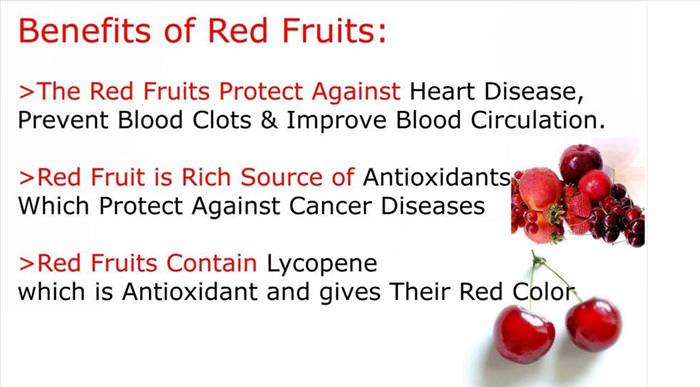
Benefits of Red Fruits


https://gscrochetdesigns.blogspot.com. one can see my crochet creations  

https://kneereplacement-stickclub.blogspot.com. for info on knee replacement

https://cancersupportindia.blogspot.com  for info on cancer and health related topics

https://GSiyers home remedies.blogspot.com   is the latest addition to my blogs

https://fbcdn-sphotos-c-a.akamaihd.net/hphotos-ak-ash4/411566_305406292892099_1749000306_o.jpg

Saturday, October 25, 2025

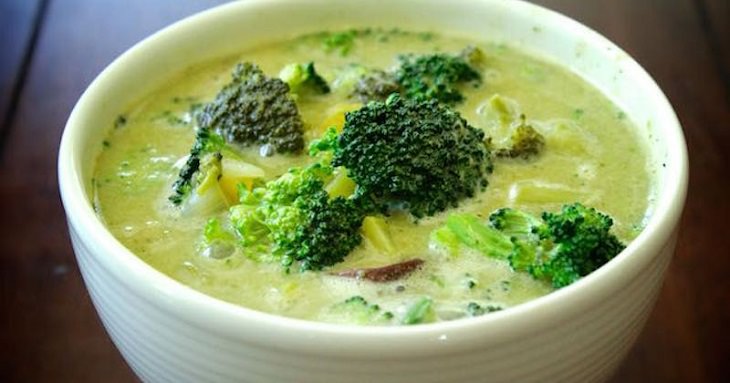
Broccoli Soup

Broccoli contains a high concentration of sulforaphane, a compound which is found in cruciferous vegetables (kale, cabbage, cauliflower, Brussel sprouts, radish) and has strong anti-cancer properties. Sulforaphane is produced when the enzyme myrosinase reacts with glucoraphanin - this reaction usually occurs when the two compounds mix, which occurs when the plant is being chewed. 

Therefore, due to its known cancer-preventing properties, individuals who have a high risk of cancer, especially prostate or colon cancer, should increase their consumption of broccoli. However, it's not as simple as this - it's not only about what you eat, but also how you eat i


Broccoli - Soup - Cancer Prevention 

 The way you cook your broccoli can drastically decrease the health benefits that it yields. For example, boiling or microwaving broccoli will destroy the myrosinase enzymes, which in turn will inhibit the production of sulforaphane. Therefore, the goal is to cook broccoli in such a way that it is able to retain all of its health benefits. 

Usually, when making creamy broccoli soup, the majority of the myrosinase enzymes are lost during the simmering process. Therefore, this time, to counter that, after the broccoli has been lightly steamed for 3-5 minutes, set aside the leafy floret, and save it for the last step - most of the myrosinase enzymes are found in the leafy buds. The following creamy broccoli soup recipe will leave your mouth watering while giving you a huge nutrient boost!

Ingredients:  
2 tbsp extra virgin olive oil (I use coconut oil or avocado oil) 
1 medium onion, finely chopped 
2 medium stalks celery, finely chopped 
2 medium potatoes, peeled and cubed 
4 cups fresh broccoli, including stems, set aside florets after steaming
2½ cups chicken (or vegetable) broth 
1 cup unsweetened almond (or coconut) milk—optional, if not used then increase broth to 3½ cups 
Salt and freshly ground black pepper 
¼ cup feta cheese (optional)


Instructions:  
1. Place the oil in a large pot and heat over a medium heat. Sauté the celery and onion for 4 minutes, until softened. 
2. Add the potatoes and broccoli stems and sauté for 2 more minutes. 
3. Add the chicken broth and almond milk, bring to the boil. 
4. Add salt and pepper to taste. 
5. Reduce heat, cover, and simmer for 20 minutes. 
6. When simmered and the vegetables are tender, pour the mixture into a blender and puree until smooth. 7. Serve and garnish with an abundance of feta cheese and broccoli florets - enabling the sulforaphane producing reaction.


https://gscrochetdesigns.blogspot.com. one can see my crochet creations  

https://kneereplacement-stickclub.blogspot.com. for info on knee replacement

https://cancersupportindia.blogspot.com  for info on cancer and health related topics

https://GSiyers home remedies.blogspot.com   is the latest addition to my blogs


Saturday, September 6, 2025

Eat the Peels of These 10 Fruit and Vegetables

In all probability, the first thing you do when eating an orange is tear off the peel and chuck it straight in the trash. Well, guess what? By doing this, you’re missing out on a load of nutrients. For example, an orange peel has nearly twice the amount of vitamins as the flesh inside, and though it might sound a bit gross at first, there are plenty of ways you can incorporate orange peels into your diet.

The same can be said for a lot of fruits and vegetables. Below are 10 foods with nutritious peels that you should be eating, alongside some suggestions on how you can add them to your diet. 
 
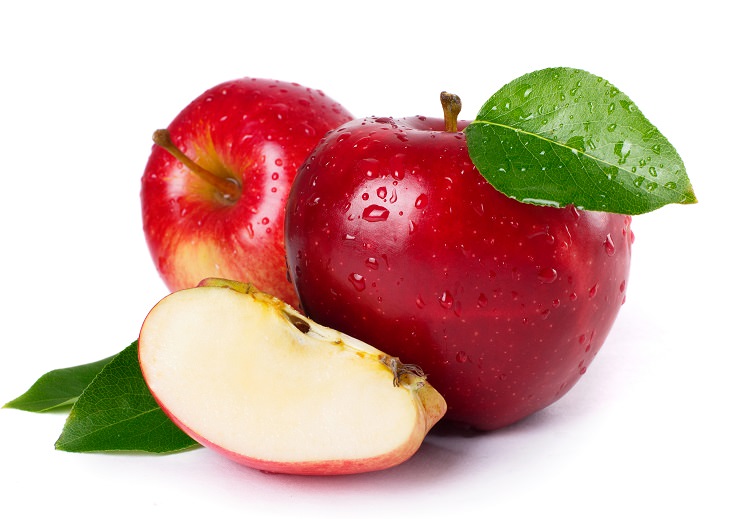
Apples
10 Fruit and Vegetables Healthy Peels

An apple’s skin contains around half of the apple’s overall dietary fiber content. A medium-sized apple delivers 9 milligrams of vitamin C, 100 IUs of vitamin A, and 200 grams of potassium. By taking off the peel, you lose a third of those nutrients. To add to this, the peel has 4 times more vitamin K than its flesh, about 5% of your daily value. Vitamin K helps to form blood clots when you have a bad cut, and also helps to activate the proteins your body needs for cell growth and healthy bone maintenance. 
 
An apple’s skin also contains the antioxidant quercetin, which can help lung function, ease breathing problems, and protect your lungs from irritants. Furthermore, it’s also believed to be able to fight off brain tissue damage and protect your memory. 

Potato
A potato’s skin packs more iron, magnesium, calcium, potassium, vitamin B6, and vitamin C than the rest of the potato. For example, 100 grams of potato peel packs seven times more calcium and 17 times more iron than the same amount of potato flesh. Throw away the skin, and you’ll lose up to 90% of a potato’s iron content and half of its fiber. 
 
 
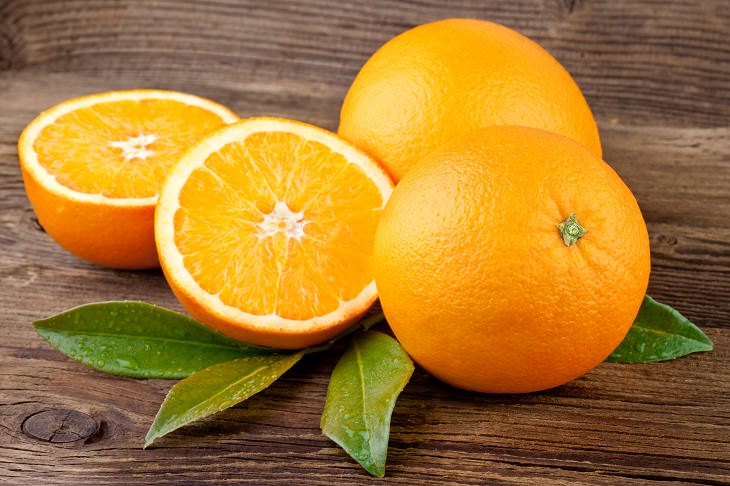
Oranges
10 Fruit and Vegetables Healthy Peels

The peel of an orange packs twice as much vitamin C than the fruit inside. It also has higher concentrations of vitamin B6, magnesium, calcium, potassium, and riboflavin. The peel’s flavonoids have anti-cancer and anti-inflammatory properties. 
 
As nutritious as orange peels are, you’re probably not going to want to start eating oranges whole as the peel is bitter and hard to digest. Instead, grate the peel and sprinkle it on to of a salad or in a vinaigrette dressing. 
 
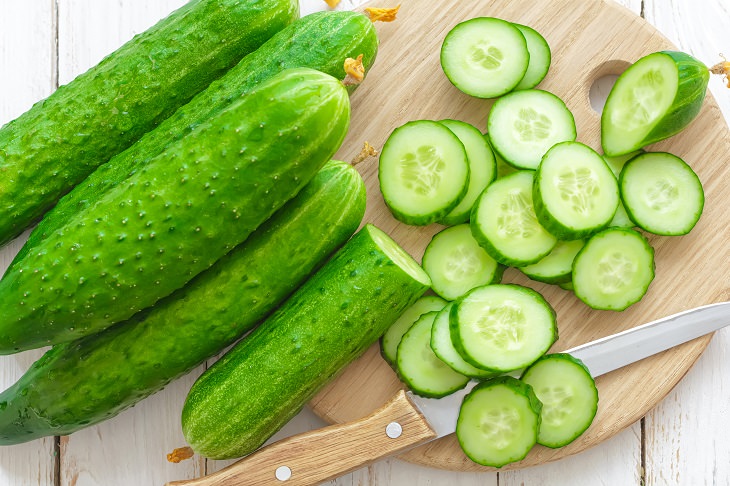
Cucumbers

10 Fruit and Vegetables Healthy Peels

The skin contains most of the cucumber’s antioxidants, insoluble fiber and potassium. It also contains most of the vitamin K. The next time you have a salad, make it a point not to peel your cucumbers. 
 
 
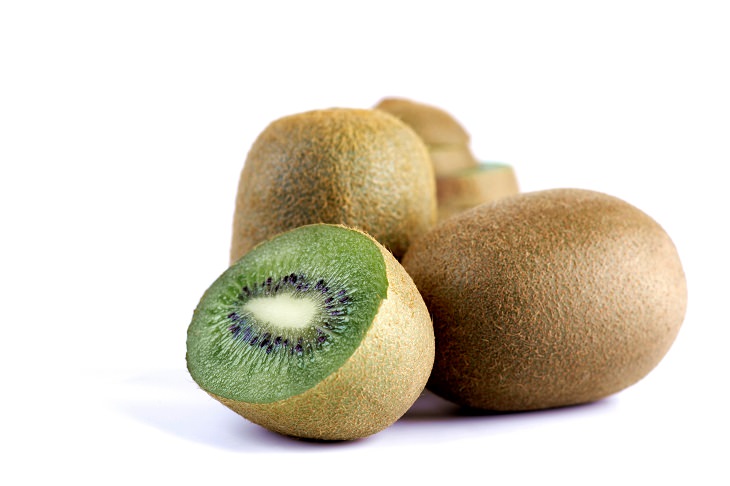
Kiwis

10 Fruit and Vegetables Healthy Peels
You’ve probably been spooning out the green flesh from inside your kiwis for years, but this fruit’s fuzzy exterior is also edible. In fact, the skin contains more flavonoids, vitamin C, and antioxidants than the fruit – and double the fiber. So, ditch the spoon, wash the kiwi, and eat it like a peach. 
 
 
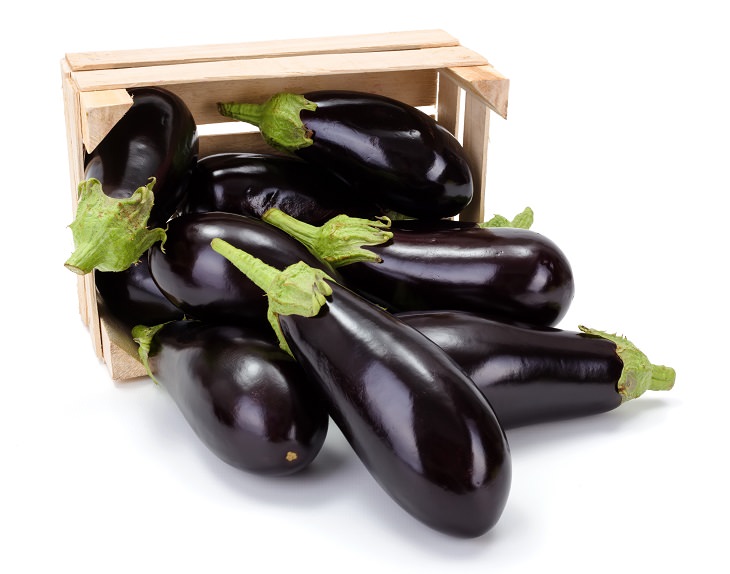
Eggplant 
 10 Fruit and Vegetables Healthy Peels
 
 An eggplant’s purple color comes from a powerful antioxidant known as nasunin, which helps to protect against cancer, especially in the brain and other parts of the nervous system. It’s also believed to have anti-aging properties. 
 
Eggplant skin is also rich in chlorogenic acid, a phytochemical that boasts antioxidant and anti-inflammatory properties, and promotes glucose tolerance. 
 
 
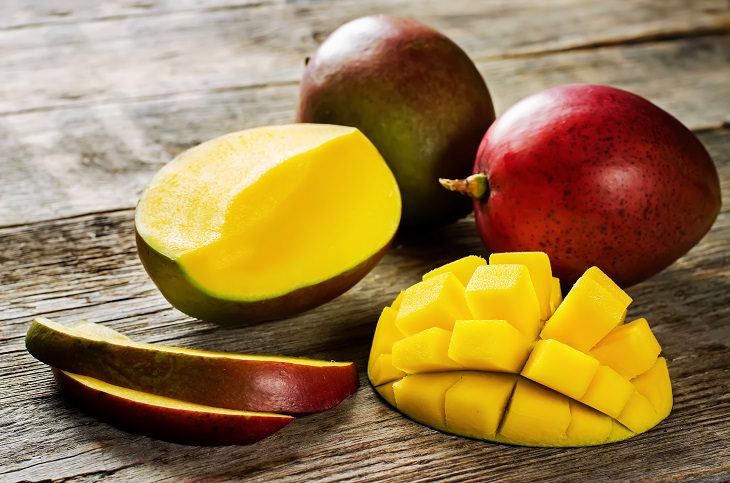
Mango 
 10 Fruit and Vegetables Healthy Peels
 
  
Researchers have found that mango skin contains properties that are similar to Resveratrol, which helps to burn fat and inhibits the production of mature fat cells. Mango flesh was also tested, but this did not produce the same results, which suggests that you need to eat the skin in order to get this beneficial property. 
 
Mango peel also contains larger quantities of polyphenols, omega-3, and polyunsaturated fatty acids than its flesh. Mango skin also contains compounds that fight off cancer, diabetes, and heart disease. 
 
Mango skin can be eaten raw, or cooked along with the insides. Another way to eat both the flesh and the skin is to pickle the entire mango.
 
Carrots
Since the skin of a carrot is the same color as what’s beneath it, the peel and its flesh have similar nutritional value. However, the highest concentration of phytonutrients is found in a carrot’s skin or immediately underneath. Just wash the carrot rather than peeling it. 


Onions 
Like apple and mango skin, an onion’s skin contains quercetin. Although the skin is not directly edible, you can draw out some of its nutrients by adding it to a stock. 
 
 
Banana
Banana peel contains a lot more fiber than banana flesh, and is just as rich in potassium. The peel also contains lutein, a powerful antioxidant that plays a key role in maintaining healthy eye function. The amino acid, known as tryptophan, is also more concentrated in the peel than in the flesh. This amino acid helps to ease depression by increasing the body’s levels of serotonin, a neurotransmitter in the brain that affects mood. 
 
Although the peel has a bitter taste and a tough, ropey consistency, an overripe banana becomes thinner, sweeter, and easier to chew. You can also put the peel through a juicer with the rest of the banana. Or, you can boil the peel for several minutes to make it softer, or throw it in the frying pan.


https://gscrochetdesigns.blogspot.com. one can see my crochet creations  

https://kneereplacement-stickclub.blogspot.com. for info on knee replacement

https://cancersupportindia.blogspot.com  for info on cancer and health related topics

https://GSiyers home remedies.blogspot.com   is the latest addition to my blogs


Friday, August 1, 2025

Jackfruit: A nutrient-dense food with immense potential

 Jackfruit: A nutrient-dense food with immense potential 

Jackfruit, a tropical fruit native to south India and belonging to the Moraceae family, is renowned for its unique flavour and exceptional nutritional value. While its fleshy bulbs are widely consumed, the seeds, often overlooked, hold tremendous nutritional and functional promise. As the global demand for plant-based and functional foods rises, jackfruit seed flour emerges as a valuable ingredient with diverse applications in food processing and human nutrition.

Jackfruit seeds are rich in essential nutrients such as carbohydrates, proteins, fibre, and vital micronutrients, making them an excellent candidate for flour production. They also contain significant levels of phytochemicals, particularly phenolic compounds, that contribute to their antioxidant capacity. Phytonutrients such as lignans, isoflavones, and saponins are present in jackfruit seeds and have been associated with numerous health benefits, including anticancer, antihypertensive, anti-inflammatory, and antiulcer properties.

One of the most notable bioactive compounds in jackfruit seeds is jacalin, a protein with immunomodulatory properties. This makes the seed not just a source of basic nutrition, but a potential nutraceutical. Furthermore, jackfruit seeds are abundant in carotenoids like all-trans-carotene, potent antioxidants that support eye health and help prevent chronic degenerative diseases such as cardiovascular disease, cancer, cataracts, and age-related macular degeneration.

Culinary and functional applications

Despite their nutrient richness, jackfruit seeds remain underutilised, often discarded due to high moisture content and limited awareness of their uses. However, they are versatile and can be consumed in various traditional forms, boiled, roasted, or included in curries and cutlets. To enhance shelf life and usability, the seeds can be processed into jackfruit seed flour, which serves as a sustainable, functional food ingredient.

Flour made from dried and roasted jackfruit seeds offers several culinary benefits. It can be used alone or blended with wheat or other grain flours to prepare chapatis, dosas, pancakes, biscuits, bread, cakes, and even noodles. When incorporated into these products, jackfruit seed flour not only maintains but often enhances texture, flavour, and nutritional value. Studies have shown that food items made with jackfruit seed flour score highly in organoleptic tests, including parameters such as taste, appearance, and overall acceptability.

Health benefits and functional uses

Jackfruit seed flour is high in complex carbohydrates and dietary fiber, promoting digestive health and sustained energy release, making it particularly useful for athletes and individuals recovering from fatigue or stress. It is also a source of plant protein, contributing to muscle repair and overall health in vegetarian and vegan diets.

In terms of medicinal properties, jackfruit seed flour exhibits antioxidant, antimicrobial, anti-inflammatory, antidiabetic, and antihypertensive activities. These attributes make it suitable for inclusion in therapeutic diets and health-oriented food products. Importantly, the flour has also shown potential as a gluten-free alternative, offering a safe and nutritious option for individuals with gluten intolerance or celiac disease.

Beyond its nutritional benefits, jackfruit seed flour offers a sustainable solution to agricultural waste. Given that jackfruit is abundantly grown in many tropical regions, processing its seeds into flour reduces post-harvest waste and adds economic value. It promotes full utilisation of the fruit, aligning with global goals for sustainable food systems and circular agriculture.

Jackfruit seed flour is a promising, underexploited functional food ingredient with a compelling nutritional profile and wide-ranging health benefits. Its versatility in food processing, combined with its therapeutic potential, makes it an ideal candidate for inclusion in health-conscious and speciality diets.

With increased awareness, innovation, and research, jackfruit seed flour could transform from a neglected by-product to a staple in modern, sustainable nutrition.

https://gscrochetdesigns.blogspot.com. one can see my crochet creations  

https://kneereplacement-stickclub.blogspot.com. for info on knee replacement

https://cancersupportindia.blogspot.com  for info on cancer and health related topics

https://GSiyers home remedies.blogspot.com   is the latest addition to my blogs


Sunday, July 20, 2025

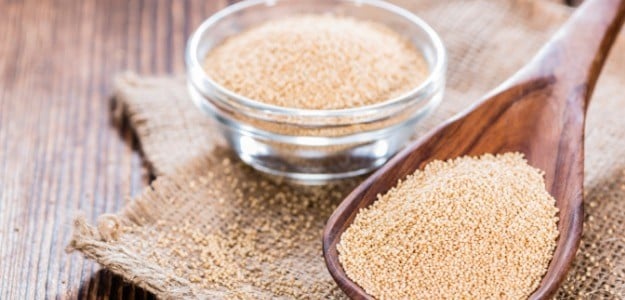
Amaranth (Rajgira/ Ramdana/ Chaulai) is an often overlooked superfood

 7 Lesser-Known Health Benefits Of Amaranth (Rajgira) You Should Know 

Looking to add a unique and healthy ingredient to your daily diet? Then you must consider Amaranth. Also known as rajgira or ramdana, amaranth is actually a pseudo-cereal and thus, is gluten-free. Although some may call it a grain, it would be more accurate to call it a seed. Amaranth has been consumed in many regions of the world since ancient times. In India, those observing a Navratri vrat (fast) often eat rajgira in some form. But there are many reasons why it should be part of your meals throughout the year. Celebrity nutritionist Lovneet Batra also recently posted about the many advantages of doing so. 

Here Are 7 Important Health Benefits Of Amaranth (Rajgira):

1. Rich in protein

Lovneet states, "100 grams of Amaranth contains 13.27 gm of protein. Due to an outstanding balance of essential amino acids, it is a high-quality protein with 87-89% bioavailability." It is considered to be one of the best sources of plant based protein.

2. Promotes gut health

According to the nutritionist, "Amaranth is also known to have prebiotic effects on the gut and increase the synthesis of helpful "short chain fatty acids" which promote gut health." She also explains that it does not require any soaking as its saponin content is very low. Being high in fibre, rajgira can help relieve constipation too.

3. May aid in weight loss

Being rich in protein as well as fibre, amaranth can greatly help those wanting to shed a few extra kilos. These gluten-free seeds are said to curb appetite and keep you feeling full for longer.

4. Good for your heart:

"Due to the presence of phytosterols, Amaranth has been found to have cholesterol-lowering properties," says the nutritionist.

5. Promotes bone health:

Amaranth can improve bone density as it is rich in iron, calcium, phosphorus and fibre.

6. Boosts immunity:

The vitamin C and antioxidants present in Amaranth seeds can improve your immunity and protect your body from free radical damage as well as inflammation.

7. Has anticancer properties

According to Lovneet, "Studies show that peptides released during digestion of amaranth have anti-inflammatory effects on the body. The presence of bioactive peptide Lunasin imparts to the grain its anti-carcinogenic properties.


https://gscrochetdesigns.blogspot.com. one can see my crochet creations  

https://kneereplacement-stickclub.blogspot.com. for info on knee replacement

https://cancersupportindia.blogspot.com  for info on cancer and health related topics

https://GSiyers home remedies.blogspot.com   is the latest addition to my blogs


Sunday, April 20, 2025

6 reasons why onions are consumed with every meal in India

Beyond butter chicken, onions reign supreme in Indian cuisine, celebrated for their flavour and surprising health benefits. This humble vegetable is packed with nutrients, antioxidants and fiber, promoting heart health, digestion, and blood sugar regulation. Studies suggest onions may even play a role in cancer prevention, making them a valuable addition to any diet.

Indian good is incredibly diverse; it’s certainly more than Butter chicken and pani puris. But there is one vegetable that has created monopoly of sorts. It’s present in almost every other Indian dish, and is indeed famous for its flavour profile. We are talking about onions. Every layer of this vegetable has a story to tell. Apart from adding onions to a variety of dishes, it is also eaten raw and pickled. A splash of lemon juice over a thinly sliced raw onion, along with a pinch of salt, has its own distinct flavour that can elevate any dish.

So, what’s really the deal with onions? Why are Indians obsessed with onions, and why are they eaten with every meal? Well, the taste certainly is a factor. But, there is more. This humble vegetable is a powerhouse of nutrients and has surprising health benefits.

Nutrient dense

Onion is packed with nutrients. There is more to those humble layers than what meets the eye. Low in calories, onions are rich in vitamins, fiber and minerals.

One medium onion 110 gm has

Calories  44

Protein 1.3 g

Carbs  10.3g

Sugar 4.7 g

Finer 1.9 g

Fat 0.1 g

Potassium 3.4 % of daily value (DV)

Vitamin C 9 % of the DV

Rich in antioxidants

Onion are one of the best natural sources of antioxidants. These antioxidants inhibit oxidation, and hence lower the risk of diseases such as cancer, diabetes, and heart diseases.

Red onions have anthocyanins, which protect against diabetes and some types of cancers. It also has antioxidants like quercetin, which fight free radicals and reduce inflammation. This can help prevent chronic diseases and slow down ageing.

Good for heart health

An onion a day, perhaps =, could keep many heart diseases at bay ! the antioxidants in the onion may reduce the risk of heart diseases by preventing inflammation and also reducing bad cholesterol, and lowering blood pressure.

A study from 2015 found that taking 162 mg of onion extract rich in quercetin every day helped lower the top number of blood pressure ( systolic) by 3.6 mmHg in people who were overweight and had high blood pressure. Balancing blood pressure is linked with improved heart health.

Anti-cancer properties

Onions may play a role in cancer prevention, thanks to their organosulfur compounds and antioxidants. These compounds have been shown to inhibit the growth of cancer cells, particularly in the stomach and colorectal cancers.

A review of 16 studies in 2014, with 13,333 people, suggested that people who are more onions had a 15 % lower risk of colorectal cancer than those with the lowest intake.

Promotes digestion

Onions are a good source of dietary fiber, which is essential for a healthy digestive system. The fiber add bulk to stool, preventing constipation, and promoting regular bowel movements.

This vegetable is also a rich source of prebiotics, which nourish beneficial gut bacteria. Maintaining a healthy gut microbiome is linked to improved digestion, better nutrient absorption and even enhanced mood.

A 2025 study looked into the various impacts of onion extracts on the gut microbiome. They found that onion extracts could serve as promising prebiotics by altering gut microbial structure and promoting the production of beneficial metabolites, including SCFAs and indole derivatives and enhancing the growth of probiotics.

Supports blood sugar regulation

For those managing diabetes or who want to maintain stable blood sugar levels, onions are your best friends. They contain chromium, a trace mineral that enhances insulin sensitivity and allows the body to better regulate blood glucose.

A 2010 study found that eating 100 gm of raw onion reduced fasting blood sugar levels after 4 hours in people with type 1 and type 2 diabetes.


https://gscrochetdesigns.blogspot.com. one can see my crochet creations  

https://kneereplacement-stickclub.blogspot.com. for info on knee replacement

https://cancersupportindia.blogspot.com  for info on cancer and health related topics

https://GSiyers home remedies.blogspot.com   is the latest addition to my blogs