Showing posts with label polish silver. Show all posts

Wednesday, January 19, 2022

10 Handy Uses For Olive Oil Around the House

Olive oil is one of those indispensable kitchen ingredients you always have at home. Apart from being probably the healthiest cooking oil you could eat and an excellent beauty and self-care product, olive oil can be put to use as a conditioning agent for wood, a plant fertilizer, and silverware polish. Realize the full potential of this wonderful household ingredient with these 10 excellent tips!  
 
1. Condition leather items with olive oil
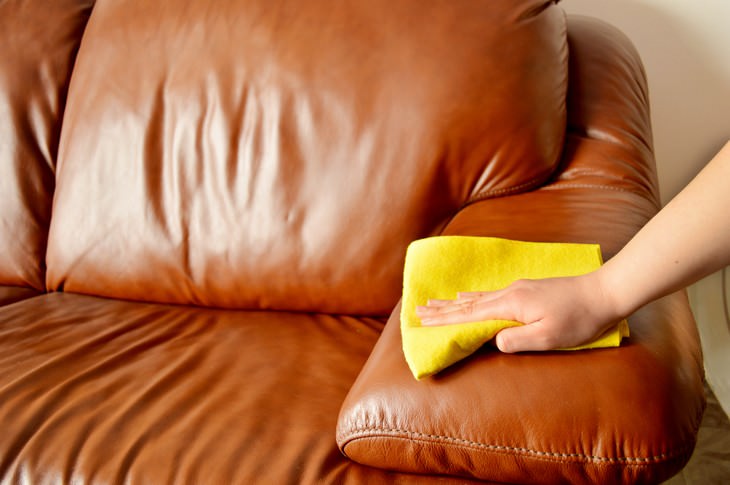
Olive Oil Household Uses leather couch
If your leather bag or furniture looks a bit worn, and you don’t have a dedicated leather conditioner on hand, no worries. Just dap a few drops of olive oil on a clean cloth and buff it into the leather, focusing on the areas with the most wear and tear. Olive oil is a great conditioning agent, and it will turn leather soft and supple again. 
 
2. Season stainless steel cookware  
Seasoning metal kitchenware is the best way to protect it from scratches, water damage, tarnish, and rust. You should season your baking sheets, pots, and pans a few times a year by heating up a little bit of oil in a clean pan and letting it cool off 2-3 times. This creates a protective coating over the kitchenware. To maintain the results, take few drops of olive oil and rub the oil onto the surface of a clean and dry stainless steel item with a soft cloth. Repeat once a month or so.

3. Remove a tight ring 
If a ring you just tried on is too small and tight, so much so that you can’t remove it, coating the finger in a smidge of olive oil can lubricate the ring and free it up right away. Using a cloth will help you hold onto the ring and slowly slide it off of your finger.  
 
4. Loosen up a stuck zipper
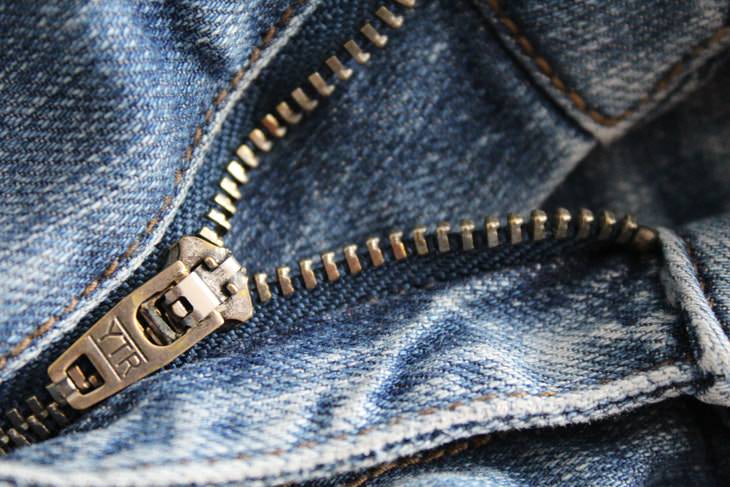
Olive Oil Household Uses zipper
Soak a cotton swab in a tiny bit of olive oil and then rub the oil on the teeth of the zipper on both sides. This should loosen up a stuck zipper, and you’ll be able to slowly move it and ultimately pull it down completely.
 
5. Remove a sticker or label  
This trick works for solid surfaces, but we wouldn’t try it on paper or fabrics because it causes staining. Dab a few drops of olive oil on the sticker you want to remove and let it sit on the label for 15 minutes or so. Then, just remove the sticker by hand or using a cloth, and remove any oil residue from the surface with a cloth.

6. Repair worn cutting boards
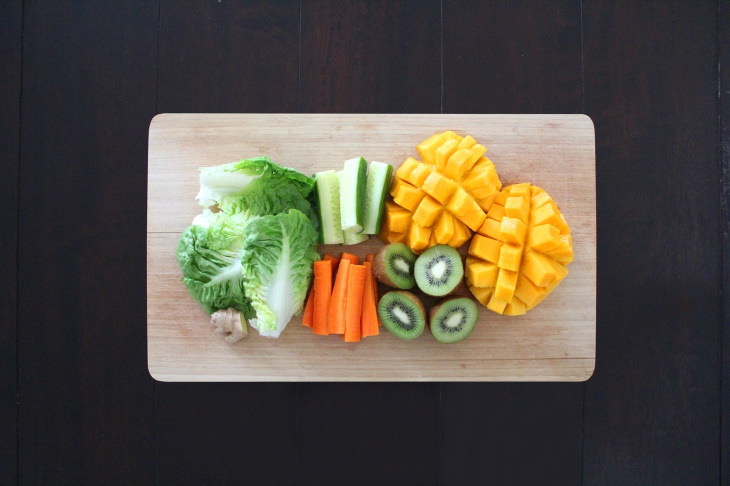
Olive Oil Household Uses cutting board
Wooden salad bowls, spoons, and cutting boards are more susceptible to water damage, scratches, and even mold growth than any other material. For this reason, you should clean and protect them regularly to extend the life of wooden kitchen utensils. Coating wooden kitchenware with a little olive oil by carefully rubbing it into the wood with a paper towel will nourish and protect the wood. It also prevents cracking and will make the wood look shinier and brighter in color. 
 
7. Polish silverware  
Olive oil may not be able to take off any tarnish from silverware, but it can enhance the look of freshly-cleaned silverware and slow down the oxidative processes that cause tarnish, to begin with. Just rub a little oil into the silverware with a soft cloth, and your eating utensils will stay nice and shiny for much longer. 
 
8. Remove drink rings and minor scratches from furniture  
Wooden furniture is especially prone to those pesky drink rings. If you’re not careful and forget to use a coaster, these unsightly rings can ruin the look of your table or wooden counter. If you don’t have wood polish at home and need to remove minor scratches or drink rings immediately, you can make your own: in a spray bottle, mix together ¼ cup of olive oil, 2 teaspoons of lemon juice, and 4 tablespoons of vinegar. Shake before use and store in the fridge for up to 2 weeks.

9. Olive oil makes a great fertilizer  
If you notice that your olive oil is getting rancid or is just old, don’t throw it away. Certain plants, such as palms and ferns, love olive oil as a fertilizer. Just add 2 tablespoons of olive oil into your watering can once a month and water the plants as usual. 
 
10. Get paint off your hands and nails 
Any DIY or home repair project that involves paint can leave stains on your hands and nails. Rubbing a little oil into your skin can loosen up any stuck bits of paint and makes washing your hands clean with soap much easier.

https://gscrochetdesigns.blogspot.com. one can see my crochet creations  

https://cancersupportindia.blogspot.com. feel free to view for easy, simple and health tips  
https://kneereplacement-stickclub.blogspot.com. for info on knee replacement

Saturday, January 7, 2017

SOME USES OF BAKING SODA AT HOME

Keep Ants Away 
Ants are terrible pests, and they can invade your home in the blink of an eye! Baking soda stops the tiny pests in their tracks. You can make your own home-made pest solution with a little baking soda and a trail of regular sugar. The sugar is what attracts them, while the baking soda kills them. Pest problem solved! 


Easy Microwave Cleanup

Baking soda can help clean out all the spilled sauces inside the microwave. Mix two tablespoons of baking soda into a bowl with a cup of water, and let the concoction settle for three minutes. Your microwave will be as good as new!

 Deodorize Garbage Disposals 
There is no smell quite as unpleasant as a clogged garbage disposal, especially during the summertime. Pour a cup of baking soda down the drain, while allowing warm water to run. The soda neutralizes the foul odor, giving your garbage disposal a fresh clean smell.  


Homemade Air Freshener 

The vast majority of air fresheners contain harmful chemicals and toxins that are unsafe to breathe in. Baking soda acts as a natural ingredient to help sanitize any disinfected areas. Mix a tablespoon of baking soda with water into an empty spray bottle, and voila!

Carpet Deodorizer 
Sprinkle a dash of baking soda over your carpeting to remove harsh stains. Baking soda absorbs the odors naturally. Allow the soda to settle into the carpeting for a few hours before vacuuming it up. 

Remove Odors from Your Hands
Baking soda can clean your hands from heavy-smelling odors. Sprinkle a little baking soda onto your hands, and rub them together. You can even add some toothpaste or mouthwash to one hand and rub. Don't forget to rinse your hands with water after.

  Polish Silver Flatware
Are you having a hard time removing the grease from  your beautiful silverware? Not to worry - baking soda will have it sparkling in no time! You'll need some aluminum foil, a glass dish, a tablespoon of baking soda, a tablespoon of sea salt, half a cup of white vinegar and a cup of boiling hot water. Dip the silverware into the mix, and use a pair of tongs to remove them from the boiling water.  


Simple Floor Cleaner

Baking soda can act as a natural floor cleaner to remove unwanted stains. Add a half cup of baking soda into a bucket of warm water, and use the mixture to mop up the mess. Some people even add a little dash of lemon extract for a fresh and pleasant smell. The baking soda also acts as a disinfectant.

 Remove Oil and Grease
Another excellent use for baking soda is that it can be used to remove oil and grease stains from upholstery. Place a little dab of the baking soda onto a clean white cloth, and allow between 10-15 minutes for the substance to go to work. The oil and grease stains should magically dissolve by that point. 


Deodorize the Refrigerator 

Baking soda can eliminate horrible smells from the fridge and keep it deodorized. Sprinkle a little baking soda with water onto a damp sponge, and clean the refrigerator thoroughly. Make sure you remove all the food before cleaning the shelves out.  


Washing Produce in the Sink

Produce might appear clean on the surface, but you'll be stunned at the amount of chemicals and dirt that come off when they are washed properly. Add a 1/4 cup of baking soda into a sink full of water, and dunk the produce inside for a few minutes. Let the solution absorb all the chemicals before rinsing and eating. 

Unclog Drains
Baking soda can help unclog blocked drainpipes when combined together with vinegar. Pour a pot of boiling hot water down the drain with half a cup of baking soda. Let the natural drain cleaner go to work for a few minutes. Add a cup of vinegar mixed with hot water on top of the baking soda, then cover the drain with a plug. Your drains should be super clean in less than 10 minutes.

those interested in cancer and health related topics are free to see my blog-
http://cancersupportindia.blogspot.com/
 for crochet designs, my blog, those who like a particular design are free to mail me

http://My Crochet  Creations.blogspot.com

For info. about knee replacement, be free to view my blog-

http://knee replacement-stickclub.blogspot.com

Monday, March 21, 2016

Many Uses of Cornstarch

those interested in cancer and health related topics are free to see my blog-
http://cancersupportindia.blogspot.com/
 for crochet designs, my blog, those who like a particular design are free to mail me

http://My Crochet  Creations.blogspot.com

For info. about knee replacement, be free to view my blog-

http://knee replacement-stickclub.blogspot.com


 1. Thicken sauces: A touch of cornstarch can help thicken sauces, soups and stews. It's a healthy gluten-free option for deliciously thick food. Add half a tablespoon per cup of liquid, and whisk in a tablespoon of cold water to create a slurry, which can be added to hot liquid. 
2. Fluff eggs: Add a sprinkle of cornstarch to eggs before you whip them. This helps the eggs become fluffier.

3. Remove leather stains: Get rid of any spilled oil or grease on your favorite leather jacket by sprinkling cornstarch over the stained section. Let it set in overnight and rub it off gently with a damp paper towel in the morning.

4. Homemade spray starch: Save money by making your own spray starch for wrinkle-free shirts. Make the starch from household items. Start by heating 2 cups of water in a small saucepan. Add 1 tablespoon of cornstarch and whisk, then bring to a boil. Add 1 teaspoon of vinegar as a disinfectant and 10 drops of essential oil for a fresh scent. When it cools, store in a spray bottle and shake well before use. 

5. Clean windows without leaving streaks: Since cornstarch is a natural abrasive, it can help clean windows and mirrors without leaving any messy streaks. I recommend adding a tablespoon of cornstarch to this homemade window cleaner:
In a spouted measuring cup, mix together 1 cup of white vinegar and 1 cup of water. Add 1/4 cup of lemon juice and a few drops of essential oil. Pour this mixture in a spray bottle. After you use the solution to clean the windows and mirrors, wipe with a paper towel. Your windows will become completely transparent. 
6. Grease-free carpets: If you have stains on your carpet, pour cornstarch over the greased areas. Let it set in for 20 minutes and then vacuum. The fine powder will absorb the grease.
7. Polish silver: Instead of buying expensive and strong-smelling silver cleaners, use a mix of cornstarch and water to make your silverware shine like new.
8. No more squeaky floors: Cornstarch can stop the awful noises caused by cracked floors. Sprinkle the floor with cornstarch and then sweep. The powder will work itself into the nooks and cracks, ridding you of any squeaks or creaks. 
9. Clean wooden furniture: Regular household cleaners can leave a residue that builds up over time. You can buff away any grease marks from your beloved wooden furniture or household items with cornstarch. Remove these stains by mixing equal parts water and cornstarch, and then rubbing them strongly on the wood.
 10. No more stinky shoes: Cornstarch is very absorbent. It can soak up those awful smelling sneaker or pump odors. Sprinkle a bit inside the soles and let it set in overnight. Shake and pass a damp cloth inside before wearing them.
11. Give your old books a fresh whiff: Sprinkle cornstarch over musty smelling books and soon you’ll notice how fresh those old volumes smell.
12. Chafing: Prevent the burn of chafing by rubbing a pinch of cornstarch on the problem area before you get dressed. It will prevent the sweating and lubrication that usually cause this condition.
13. Body powder: Save some money by making your own body powder. You can do so by mixing cornstarch with essential oils. Mix one cup of cornstarch with a few drops of your favorite essential oil, and then shake to produce a body powder you'll love.
14. Dry shampoo: This can be a real time-saver if you don’t have a minute to spare for a shower. Apply cornstarch to your hair by dusting it along the crown of your hair and the base of your neck, then rubbing it in gently. After applying, brush it out, or else it will leave your hair with a grey tinge.
15. Natural deodorant: First wipe your underarms with rubbing alcohol or soap to get rid of any unpleasant smells. You can then apply cornstarch. This absorbs moisture and keeps the area dry.
16. Soothe sunburns, bug bites and bees stings: Applying a paste of water and cornstarch over the sensitive area can offer a natural relief for burns and bites. The paste will need to dry before the effect takes place.