Showing posts with label lentils. Show all posts

Saturday, October 24, 2026

10 Foods That You Really Should Avoid Washing

Many of us grew up watching our mothers rinse everything that came into the kitchen. Apples went under the tap, chicken breasts got a good splash before hitting the pan, and some particularly careful cooks even scrubbed their vegetables with a drop of dish soap, just to be sure. It all came from a good place: the wish to keep dirt, germs, and sprays off the family's plates.

It turns out, though, that some of these well-meaning habits don't help at all, and a few can actually make food less safe. At the same time, there are items most of us never think to rinse that really should get a wash before we use them. Here's a simple guide to what belongs under the tap and what's better left alone. 6 Foods and Items You Should Wash One rule applies to everything on this list: use plain running water only. No soap, no dish detergent, and no special produce washes. 

1. Fresh Fruits and Vegetables 

Fresh produce passes through many hands on its way to your kitchen, from the farm to the truck to the supermarket shelf, and it can pick up soil, germs, and pesticide residue along the way. A good rinse under running water removes much of it. 

 If you've been using soap, it's time to stop. Fruits and vegetables have porous skins that can absorb soap and detergent, and these products were never meant to be eaten. Plain water does the job. For firm produce such as potatoes, carrots, cucumbers, and melons, scrub gently with a clean vegetable brush. For lettuce and cabbage, remove the outer leaves first. Afterwards, dry everything with a clean towel or a paper towel, which helps remove even more germs. 

What about fruit with a peel you don't eat, like bananas, oranges, avocados, and melons? Wash those too. When you cut into them, the knife can drag germs from the outer skin straight into the part you eat. Cantaloupe rinds, in particular, have been linked to serious outbreaks of food poisoning. 

One important tip: wash produce just before you eat or cook it, not when you get home from the store. Moisture makes berries, grapes, and leafy greens spoil much faster in the fridge. 

2. The Tops of Cans 

How many of us have ever washed a soda can or a can of tomatoes before opening it? Very few, yet it's a smart habit. Cans sit in warehouses, on store shelves, and in shopping carts, collecting dust and germs, and there's no way of knowing how many hands have touched them. When you open a can and pour from it, the contents flow right over that dirty rim. 

Rinse the top of the can under running water before opening it, or at least wipe it with a damp paper towel. If you're drinking straight from a can, this is even more important. And don't forget the can opener: its blade touches every lid, so it should go into the wash regularly. 

3. Canned Beans 

Canned beans are a wonderful shortcut. They're already cooked, full of fiber and protein, and ready in seconds. The catch is the liquid they're packed in, which is often very high in sodium, something many of us are trying to cut back on for the sake of our heart and blood pressure. 

The fix is simple. Pour the beans into a colander, let the liquid drain away, then rinse them under cold running water and let them drain again. Draining alone removes about a third of the sodium, and draining plus rinsing removes around 40%. Rinsing may also wash away some of the carbohydrates that cause gas, which is a welcome bonus for many people. If you plan to fry or roast the beans, pat them dry with a paper towel so they crisp up nicely. 

4. Rice (Most of the Time) 

Rinsing rice washes away the loose starch on the surface of the grains, which is what makes rice sticky and clumpy. Put the rice in a bowl or a fine strainer, cover it with cold water, swirl it around, and pour the water off. Repeat two or three times, until the water runs mostly clear. The result is fluffy rice with separate grains. 

There are two exceptions. If you're making risotto or paella, skip the rinse, since that starch is exactly what gives these dishes their creamy texture. And if your package says the rice is "enriched," as most white rice in the US is, keep in mind that rinsing washes off some of the added iron, folic acid, and B vitamins. Brown rice and imported rice such as basmati or jasmine can be rinsed freely. 

Many people also wonder about arsenic, a natural contaminant that rice absorbs from soil and water. Rinsing removes only a little. A more effective method is to cook rice the way you cook pasta, in plenty of water (about six parts water to one part rice), and pour off the extra water at the end. This can remove roughly half of the arsenic, though it also removes some of the added vitamins. 

Rinsing doesn't kill bacteria, by the way. Cooking does that. The real risk with rice comes afterwards: leftovers should go into the fridge within an hour or two, because bacteria can multiply quickly in cooked rice left sitting at room temperature. 

5. Dried Beans, Lentils, and Quinoa  

Dried beans and lentils often contain small stones, bits of soil, or shriveled pieces that slipped through processing. Before cooking, spread them out on a plate or a clean countertop and pick out anything that doesn't belong, then rinse them well in a strainer. 

Quinoa needs a rinse for a different reason. Its seeds are covered with a natural coating called saponin, which tastes bitter and soapy. Many brands sell quinoa prerinsed, but a quick rinse in a fine strainer is still a good idea if you've ever found your quinoa a little bitter.

6. Fresh Herbs 

Whether you bought them at the supermarket, picked them up at a farmers market, or snipped them from a pot on your windowsill, fresh herbs can hide dirt, sand, and even tiny insects between their leaves. 

 For small bunches, rinse them under cold running water, give them a gentle shake, and pat them dry with a paper towel. For larger or very sandy bunches, such as parsley, cilantro, or dill, swish them around in a bowl of cold water so the dirt sinks to the bottom, then lift them out. Repeat with fresh water if needed. 

As with other produce, it's best to wash herbs just before you use them. If you prefer to wash them ahead of time, dry them very thoroughly, ideally in a salad spinner, before putting them in the fridge. Otherwise the leftover moisture will turn them slimy within days. 

5 Foods You Shouldn't Wash 

These are the foods many of us rinse out of habit, without realizing it does no good, or even some harm. 

1. Bagged Salad Greens Marked "Washed" 

Bagged salads and precut greens are a real time saver, and yet many people rinse them again at home, just to be safe. If the bag says "washed," "triple washed," or "ready to eat," you can skip this step. These greens were cleaned under controlled conditions before they were packed, and US food safety authorities advise against washing them again. 

Rinsing them at home actually raises the risk, because the greens can pick up germs from your sink, colander, or countertop. If the bag doesn't carry one of these labels, though, wash the greens as you would any other produce. 

2. Mushrooms (at Least Not Before Storing) 

Washing mushrooms as soon as you bring them home is a habit worth dropping. The added moisture makes them turn slimy and spoil much faster, especially if you store them in a sealed container. Keep them unwashed in a paper bag in the fridge instead. 

You may have heard that mushrooms soak up water like a sponge and should never touch the tap. That's largely a myth: tests have shown they absorb only a small amount during a quick rinse. So if your mushrooms look dirty, simply brush them off with a soft brush or wipe them with a damp paper towel, or give them a quick rinse right before cooking. Just don't soak them, and pat them dry before they go into the pan so they brown nicely instead of steaming. 

3. Frozen Vegetables (But Always Cook Them) 

There's no need to rinse frozen vegetables. They were already washed and trimmed before freezing, and rinsing them at home does nothing to make them safer. 

There is, however, something important to know. Most frozen vegetables are only briefly heated before freezing to preserve their color and texture, and that isn't enough to reliably kill harmful bacteria. Frozen vegetables and frozen corn have been behind outbreaks of Listeria, a bacterium that is especially dangerous for people over 65. That's why food safety experts recommend always cooking frozen vegetables according to the package instructions, and not adding them straight from the freezer to salads, dips, or smoothies, unless the package specifically says they're ready to eat.

4. Raw Meat, Chicken, and Fish 

This is probably the most common washing habit of all, and the one food safety experts most want us to break. Rinsing raw meat, poultry, or fish doesn't remove harmful bacteria such as Salmonella or Campylobacter. Instead, the splashing water sprays them onto your sink, counters, dish towels, and any other food nearby. In one US government study, about a quarter of the people who washed raw chicken ended up with those bacteria in a salad they prepared afterwards. 

The only thing that reliably kills these germs is proper cooking. Use a meat thermometer and cook to these safe internal temperatures: 

Chicken and turkey: 165°F (74°C) 

 Ground beef, pork, and lamb: 160°F (71°C) 

Steaks, roasts, and pork chops: 145°F (63°C), then let the meat rest for 3 minutes 

Fish: 145°F (63°C), or until the flesh is opaque and flakes easily with a fork 

If there's liquid or a bit of bone on the meat, simply pat it with a paper towel and throw the towel away. Then wash your hands with soap for 20 seconds, and clean any surface the raw meat touched. Using a separate cutting board for raw meat and for fresh produce is another easy way to keep germs from spreading. 

5. Eggs

It might seem sensible to rinse eggs before cracking them, but it's best not to. Eggs sold in US supermarkets have already been washed and sanitized at the processing plant. Washing them again at home, especially in cold water, can actually draw bacteria from the outside of the shell in through its tiny pores. Keep eggs in their carton in the fridge, and if one has a bit of dirt on it, wipe it with a dry paper towel. If an egg is cracked, it's safest to throw it out. 

What About Pesticides? 

This is one of the most common questions about washing produce. Rinsing and rubbing under running water removes some pesticide residue from the surface, though not all of it. Some research has found that soaking produce such as apples in a solution of about one teaspoon of baking soda to two cups of water for 12 to 15 minutes, then rinsing, removes more surface residue than water alone. It's an easy, inexpensive option if this worries you. Vinegar soaks and store-bought produce washes, on the other hand, aren't necessary.

https://gscrochetdesigns.blogspot.com. one can see my crochet creations  

https://kneereplacement-stickclub.blogspot.com. for info on knee replacement

https://cancersupportindia.blogspot.com  for info on cancer and health related topics

https://GSiyers home remedies.blogspot.com   is the latest addition to my blogs


Tuesday, April 7, 2026

From Seeds To Popcorn: Surprising Fiber Sources You’ll Love

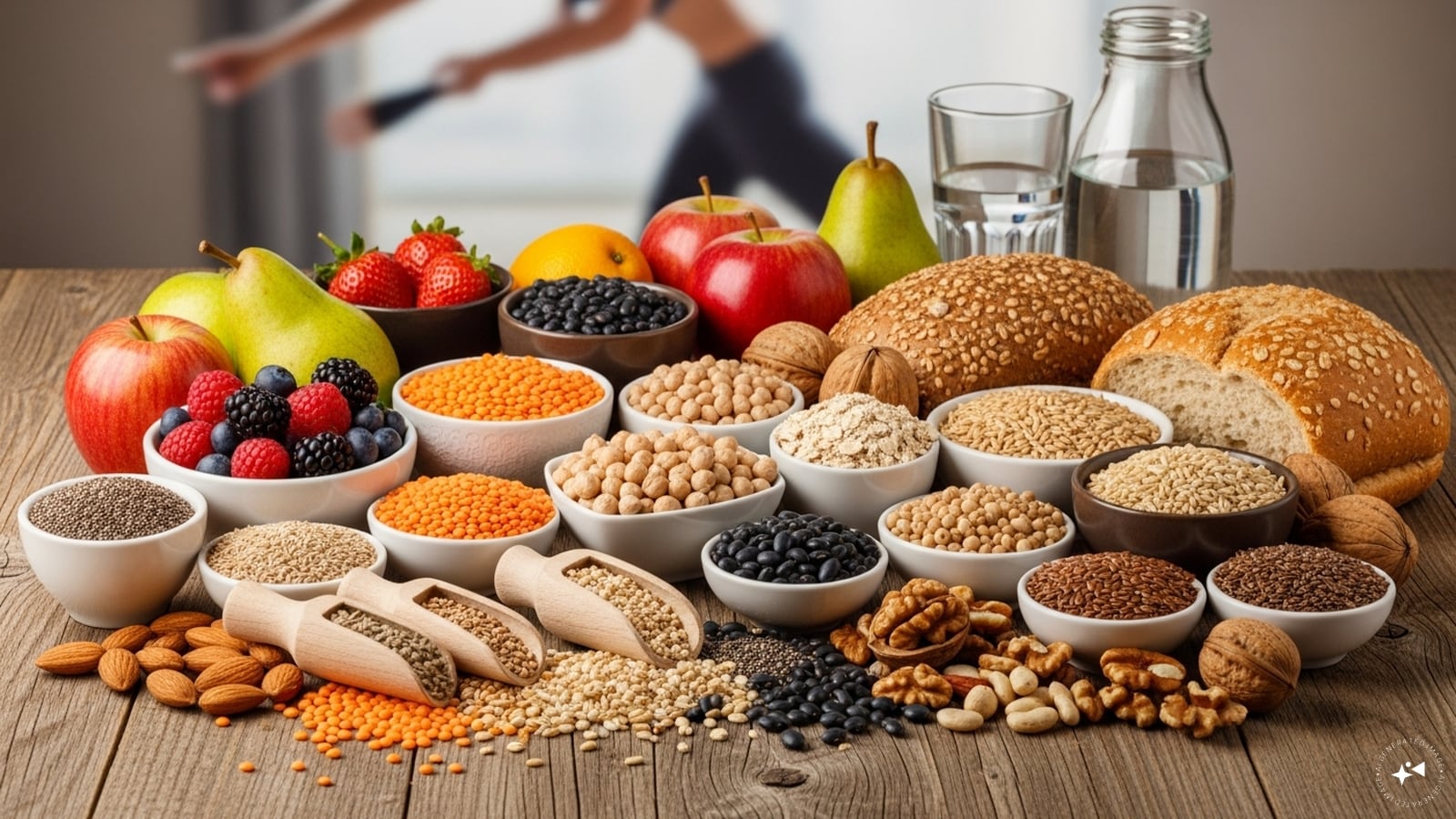
 Fiber is an essential nutrient that plays a critical role in digestion, cholesterol management, and blood sugar regulation. While vegetables are often the go-to source, many other foods are equally rich in fibre and can easily be incorporated into your daily diet.

 From Seeds To Popcorn: Surprising Fibre Sources You’ll Love 

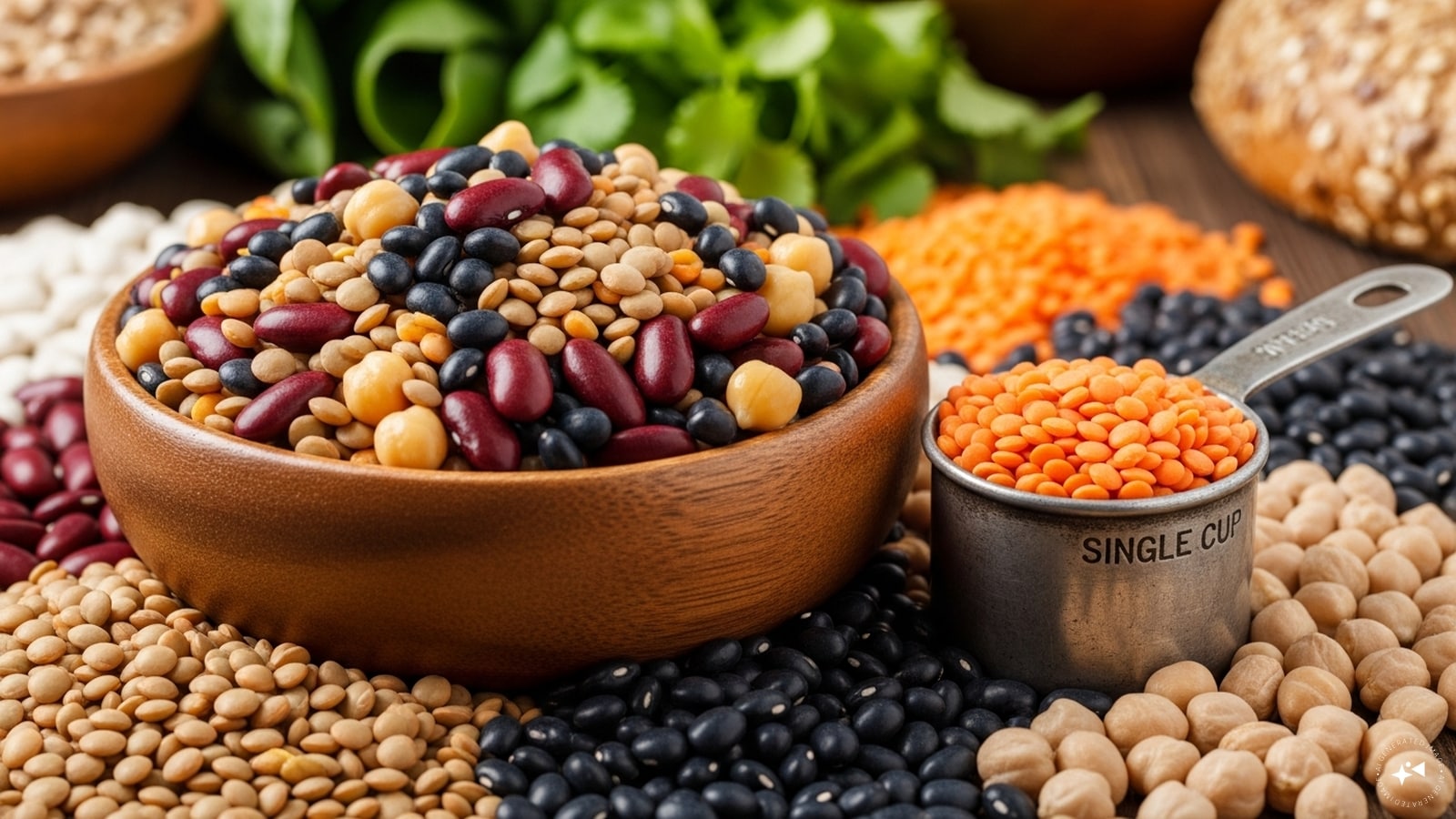
Lentils and Beans: Lentils, black beans, kidney beans, and chickpeas are among the richest sources of dietary fibre. A single cup of cooked lentils provides around 15 grams of fibre, making them a powerhouse for digestive health. They also deliver protein, iron, and folate, making them ideal for vegetarians and vegans.

 From Seeds To Popcorn: Surprising Fibre Sources You’ll Love 

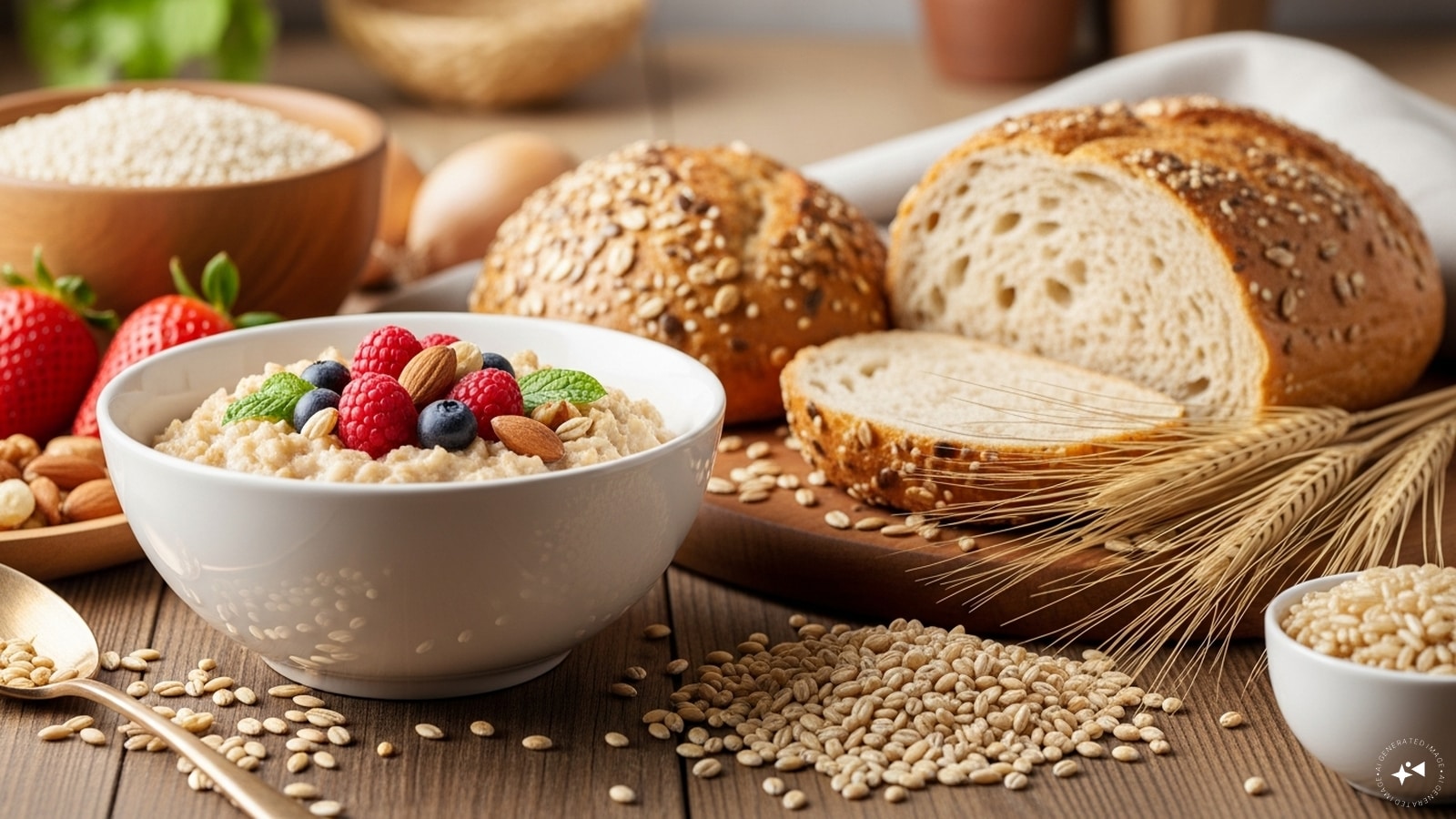
 Oats and Barley: Whole grains are excellent non-vegetable sources of fibre. Oats contain soluble fibre called beta-glucan, which helps lower cholesterol. Barley, on the other hand, supports blood sugar regulation and gut health. Choosing whole-grain bread, brown rice, or quinoa can significantly increase daily fibre intake.

From Seeds To Popcorn: Surprising Fibre Sources You’ll Love  

Chia and Flax Seeds: Tiny but mighty, chia seeds and flaxseeds are loaded with fibre. Just two tablespoons of chia seeds provide about 10 grams of fibre. They also contain omega-3 fatty acids, which support heart health. Flaxseeds, when ground, are easy to add to smoothies, cereals, or baked goods.

From Seeds To Popcorn: Surprising Fibre Sources You’ll Love  

 Almonds and Pistachios: Nuts are not only a great snack but also a fibre-rich food group. Almonds provide about 3.5 grams of fibre per ounce, along with vitamin E and healthy fats. Pistachios are another excellent choice, offering fibre plus antioxidants that support overall wellness.

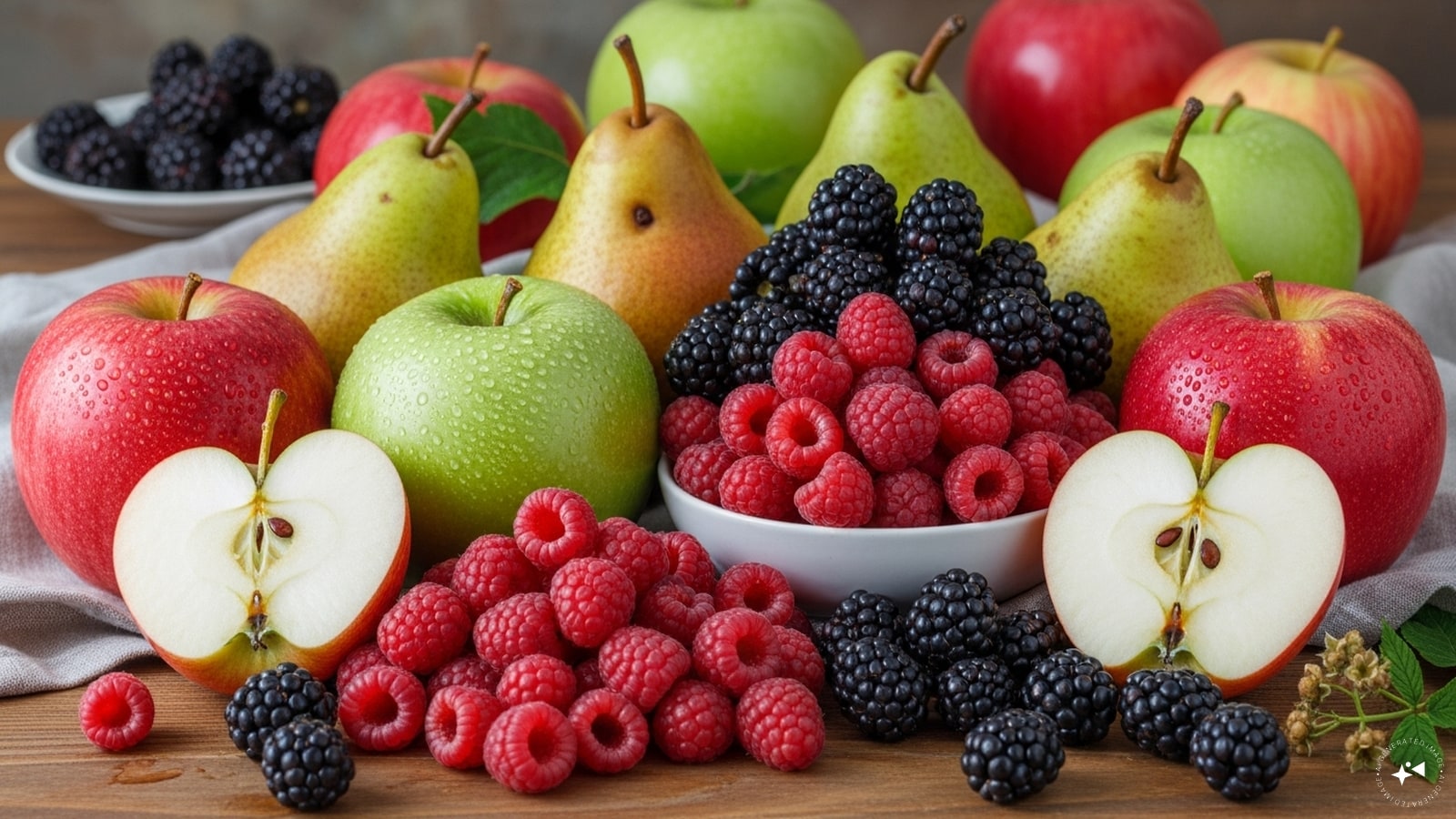
Apples, Pears, and Berries: Fruits are technically plant-based but not classified as vegetables, making them a perfect addition here. Apples and pears are rich in soluble fibre, especially when eaten with the skin. Berries like raspberries and blackberries are fibre-dense, with a cup of raspberries offering about 8 grams of fibre.

From Seeds To Popcorn: Surprising Fibre Sources You’ll Love  

Popcorn: Surprisingly, air-popped popcorn is a whole grain and a fun way to add fibre to your diet. A three-cup serving contains about 3.5 grams of fibre, making it a guilt-free snack when prepared without excess butter or oil. 


https://gscrochetdesigns.blogspot.com. one can see my crochet creations  

https://kneereplacement-stickclub.blogspot.com. for info on knee replacement

https://cancersupportindia.blogspot.com  for info on cancer and health related topics

https://GSiyers home remedies.blogspot.com   is the latest addition to my blogs


Saturday, January 24, 2026

Vegan Meatballs

Ingredients

1 cup cooked lentils (green or brown)

1/2 cup cooked quinoa

1/2 cup breadcrumbs (preferably whole grain)

1/4 cup finely diced onion

2 cloves garlic (minced)

1/4 cup nutritional yeast

1/4 cup fresh parsley (chopped)

2 tbsp soy sauce or tamari

1 tbsp ground flaxseed (mixed with 3 tablespoons water)

1 tsp smoked paprika

1 tsp Italian seasoning

Salt and pepper to taste

oil (for frying)

Tahini or your favorite vegan sauce (for drizzling)


Preparations

First, let’s prepare the flax egg! In a small bowl, mix the ground flaxseed with 3 tablespoons of water. Set it aside for about 5 minutes to thicken.

In a large mixing bowl, combine the cooked lentils, quinoa, breadcrumbs, diced onion, minced garlic, nutritional yeast, chopped parsley, soy sauce, smoked paprika, Italian seasoning, salt, and pepper. Don’t be shy—get in there with your hands to mix!

Pour the thickened flax egg into the mixture and combine everything well until fully incorporated.

Preheat a non-stick skillet over medium heat and add a drizzle of olive oil.

While the skillet heats up, shape the mixture into small balls, around 1-2 inches in diameter.

Gently place the meatballs in the skillet without overcrowding. Cook for about 5-7 minutes, turning them occasionally until they’re golden brown all around.

Once done, remove them from the skillet and place them on a plate lined with paper towels to absorb any excess oil. Drizzle with tahini or your favorite vegan sauce just before serving. Garnish with extra parsley if you fancy. 

Enjoy these lovely vegan meatballs warm on their own, as a side, or stuffed in a sandwich with some fresh veggies!


Tips

To store leftovers, place them in an airtight container in the fridge. They’ll stay fresh for about 3-4 days!

If you want to freeze them, allow them to cool completely, then place in a single layer on a baking sheet until frozen. Once frozen, transfer them to a freezer bag for up to 3 months!

For a fun serving idea, skewer them with toothpicks and serve as an appetizer with dipping sauce!

If your mixture feels too dry, add a splash of vegetable broth or a bit more soy sauce to help it stick together!


https://gscrochetdesigns.blogspot.com. one can see my crochet creations  

https://kneereplacement-stickclub.blogspot.com. for info on knee replacement

https://cancersupportindia.blogspot.com  for info on cancer and health related topics

https://GSiyers home remedies.blogspot.com   is the latest addition to my blogs

Saturday, December 6, 2025

Crunchy Vegetable Dal Sattu Bondas / croquettes

 Ingredients and Prep

1.Boil lentils in pressure cooker for just about 1 pressure. Open lid after sometime and strain extra liquid.

2.Mash dal and set aside. Boil 1 potato and grate it. Grate 1 carrot and add finely chopped French green beans.

3.Heat 2 tablespoon of oil in a wok and add the minced garlic and ginger. Lightly fry and add chopped onion. Then add grated potato and carrot.

4.Add slightly wet and mashed bread, chickpea flour, salt, sugar to taste, green chilies, red chili powder, and lastly add the mashed dal. Toss till the mixture is fully dry.

5.Sprinkle chat masala, garam masala and chopped coriander.

6.Make balls out of the dal mixture and dip in corn flour and besan.

7.Crispy fry and serve with any kind of dip.

8.Alternately these croquettes/ bondas can be made round like balls and shallow fried with 2 tablespoons of oil. 

Note- if  you don't want to deep fry, fry in Air fryer/ put these balls in appam vessel/ with few drops of oil, cover and cook on both sides till crisp. 


https://gscrochetdesigns.blogspot.com. one can see my crochet creations  

https://kneereplacement-stickclub.blogspot.com. for info on knee replacement

https://cancersupportindia.blogspot.com  for info on cancer and health related topics

https://GSiyers home remedies.blogspot.com   is the latest addition to my blogs


Tuesday, December 2, 2025

Crunchy Nacho Bake

 nacho-crunch-bites 

 *Popular vegetarian substitutes for lean ground beef include lentils, mushrooms, and firm tofu, which can be used in dishes like tacos, chili, and pasta sauce.


Ingredients

  • 2 Tbsp extra-virgin olive oil

  • 1 lb 85% lean ground beef *

  • 2 15-oz cans no-salt-added black beans, drained and rinsed

  • 1 14 1/2-oz can diced tomatoes

  • 4 oz cream cheese

  • 1 1-oz. envelope taco seasoning mix (about 1/4 cup)

  • 1/2 tsp kosher salt

  • 6 oz Colby Jack or cheddar cheese, shredded (about 1 1/2 cups), divided

  • 1 1/2 cups tortilla chips, plus more for dipping (optional)

  • Chopped fresh cilantro and/or thinly sliced jalapeño peppers, for topping (optional)

Directions

 Preheat oven to 375°F. Heat oil in a large nonstick skillet over medium-high. Add beef and break into small pieces with a wooden spoon. Cook, undisturbed, until bottom side is browned, about 3 minutes. Stir and cook until beef is cooked through, about 2 minutes. Transfer to a small bowl, reserving 1 tablespoon drippings in skillet. (Discard remaining drippings.)

Reduce heat to medium. Add beans and tomatoes; bring to a simmer. Add cream cheese, taco seasoning mix, and salt; cook, stirring constantly, until cream cheese is melted, about 1 minute. Remove from heat. Stir in beef and half of cheese.

Scrape beef mixture into an 8-inch square or 2-quart round or oval baking dish. Top with chips and sprinkle with remaining cheese. Bake until beef mixture is bubbling and cheese is browned, about 15 minutes. Top with cilantro and/or jalapeños and serve with chips, if desired.


https://gscrochetdesigns.blogspot.com. one can see my crochet creations  

https://kneereplacement-stickclub.blogspot.com. for info on knee replacement

https://cancersupportindia.blogspot.com  for info on cancer and health related topics

https://GSiyers home remedies.blogspot.com   is the latest addition to my blogs

Saturday, October 25, 2025

Healthy Lentil Soup

 Recipe: Lentil Soup Ingredients

1 tablespoon olive oil  
1 medium celery stalk, small dice  
1 medium carrot, peeled and small dice  
1/2 medium yellow onion, small dice
3 medium garlic cloves, minced 
Salt 
Freshly ground black pepper 
1 quart low-sodium vegetable broth 
1 (15-ounce) can diced tomatoes with their juices 
1 1/4 cups lentils (any color except red), rinsed
1 bay leaf 
1/4 tsp finely chopped fresh thyme leaves 
1 tsp red wine vinegar or sherry vinegar
2 ounces spinach leaves (about 1/2 a bunch)

Method  
 
1. Heat the oil in a large saucepan over a medium heat until shimmering, about 3 minutes. Add the carrot, celery, and onion, and cook, stirring occasionally, until the veggies have softened, roughly 10 minutes. Stir in the garlic and cook until fragrant, about 1 minute. Season with some general pinches of salt and pepper. 
 
2. Add the broth, tomatoes (with their juices), lentils, bay leaf, and thyme and mix to combine. Cover the pot and bring to the simmer, roughly 15 minutes. Once simmering, reduce to a low heat and continue to simmer, covered, until the lentils and vegetables have become soft, about 15 minutes. 
 
3. Taste and season with some more salt and pepper, then stir in the vinegar. Add the spinach and stir until wilted. If you prefer a creamier texture, purée half the soup in a blender and add it back to the pot.


https://gscrochetdesigns.blogspot.com. one can see my crochet creations  

https://kneereplacement-stickclub.blogspot.com. for info on knee replacement

https://cancersupportindia.blogspot.com  for info on cancer and health related topics

https://GSiyers home remedies.blogspot.com   is the latest addition to my blogs

Sunday, October 12, 2025

4 important nutrients and common foods rich in them

 Importance of nutrients and how to consume them right

Nutrients are essential substances that the human body needs to function, grow, and maintain overall health. They include macronutrients like carbohydrates, proteins, and fats, which provide energy, and micronutrients like vitamins and minerals, which support vital processes such as immunity, bone strength, hormone production, and brain function. Each nutrient plays a unique role — for instance, calcium strengthens bones, iron aids in oxygen transport, and vitamin C boosts immunity. A balanced intake of these nutrients through a varied and wholesome diet is crucial for the overall functioning of the body. This piece of information explores 4 important nutrients and common foods rich in them.


Magnesium: Pumpkin Seeds

Magnesium: Pumpkin Seeds 

Per 28-30 gm of roasted pumpkin seeds offer 150 mg of magnesium. It is said  that they are an excellent natural source of magnesium, containing significantly high levels compared to pumpkin fruit and peel. The study also says that magnesium plays a crucial role in bone formation and is associated with higher bone density and also helps control blood pressure, reduce heart disease risk, and maintain healthy blood vessels by increasing nitric oxide production.
 

How to consume it: Roasted pumpkin can be topped on salads or soups, or one can blend them into powder and use in dough or as a filling.


Cashews

Cashews
 

On a per 100-gram basis, cashews contain around 290-292 mg of magnesium, making them a significant contributor to magnesium intake. And it is said that regular consumption of cashews in controlled manner helps improve cholesterol levels, reduces inflammation, and better blood sugar control.


How to consume it: One can simply consume roasted cashews or one can top it on salads or soups, or saute in fillings of wrap, roll, or can be added in smoothies and shakes.


Avocados

 Avocados

1 medium avocado offers about 58 mg of magnesium. According to a study, higher intake of magnesium along with other key nutrients like potassium, fiber, and vitamins K and E, collectively supports cardiovascular and metabolic health. It is also said that magnesium in avocados, combined with their high monounsaturated fat content, may help reduce inflammation, improve cholesterol profiles.
 

How to consume it: One can consume it raw or can be used as topping of toast, or one can blend it into smoothie for maximum benefits.

Iron: Lentils

 Iron: Lentils

Per 100 gm of cooked lentils offer 3.3 mg of iron and dry lentils offer around 7-8 mg of iron per 100 gms. According to studies, lentils are an excellent plant-based source of iron, making them particularly valuable in vegetarian and vegan diets. According to studies, iron from lentils supports hemoglobin formation and oxygen transport in the blood, helping prevent iron-deficiency anemia. Lentils’ high fiber and nutrient content also promote heart health and gut function.


How to consume:
They are best consumed as a side dish in the form of curry. One can also add them to cutlets and kebabs to change the texture and enjoy the maximum benefits.


Spinach

 Spinach

It is a popular plant-based source of iron and raw spinach offers 2.7 mg of iron per 100 gms and cooked one offers 3.6 mg iron per 100 gms. It is suggested to consume spinach with vitamin C-rich foods for better absorption of iron. Spinach remains a nutrient-dense vegetable offering multiple vitamins, minerals, and antioxidants beneficial to health
 

How to consume it: It can be consumed as a smoothie, shake, or can be used in dough or blanched and added to salads or soups.


Chickpeas

Chickpeas
Cooked chickpeas offer around 2.9 mg of iron per 100 gms and dry chickpeas offer around 6.2 mg of iron per 100 gms. They are also rich in protein, fiber, folate, and manganese and other micronutrients that support general health.
 

How to consume it: It can be consumed as hummus, curry, or one can enjoy them boiled in salad.


Folate: Asparagus

Folate: Asparagus
It is an excellent source of folate also known as vitamin B9, which is important for cell growth and DNA formation. Cooked 100 gm of asparagus offers 149 mcg of folate and raw ones offer 52 mcg per 100 gms. According to a study, folate helps maintain healthy homocysteine levels, reducing the risk of atherosclerosis and stroke. Asparagus also contains vitamins B6, B12 (traces), C, K, and antioxidants, which complement folate's health effects.


How to consume it:
It can be simply sauteed and consumed as a side dish. One can also use it for soup and smoothie for taste and nutrition.


Oranges

One medium orange offers around 40-50 mcg of folate and helps with red blood cell formation. Oranges are also rich in vitamin C, which enhances the absorption and utilization of folate in the body.
 

How to consume it: One can consume it raw, add to salad or juice it and make dressing for salads as well.


Beetroot

Beetroot
100 gm of raw beetroot offers 109 mcg of folate and 100 gm of cooked beetroot offer 80 mcg of folate. Folate from beetroot supports DNA synthesis, cell division, and hemoglobin formation. It is crucial for pregnant and lactating women to prevent neural tube defects (NTDs) in infants.
 

How to consume it: It can be consumed as puree, hummus, salad, or one can use them for soup as well.


Calcium: Broccoli

Calcium: Broccoli 

It is a good plant-based source of calcium and offers 47 mg of calcium in raw form per 100 gms. 100 gms cooked broccoli offers around 40-50 mg of calcium. Broccoli also contains vitamin K1, which supports bone health by aiding calcium metabolism. The calcium in broccoli is relatively well absorbed compared to some other plant sources, as it contains lower levels of oxalates that inhibit calcium absorption.
 

How to consume it: It can be used in soup, salads, or one can also make paratha or a curry with it.


Milk

100 ml of milk offers 120 mg of calcium and calcium in milk is highly bioavailable, meaning it is efficiently absorbed and utilized by the body, partly due to the presence of lactose and certain proteins that enhance calcium absorption.
 

How to consume it: It can be used to make desserts or one can consume it hot or cold with a topping of turmeric and pepper to gain maximum benefits.


Cheese

Cheese is also a rich source of calcium. For instance, Parmesan offers around 1100-1200 mcg per 100 gms or Cheddar offers around 700-750 mg calcium per 100 gms.
 

How to consume it: It can be consumed as a topping for salads, soups, or one can use them on top of pizza, quesadilla, and can be used as base for rolls too.


https://gscrochetdesigns.blogspot.com. one can see my crochet creations  

https://kneereplacement-stickclub.blogspot.com. for info on knee replacement

https://cancersupportindia.blogspot.com  for info on cancer and health related topics

https://GSiyers home remedies.blogspot.com   is the latest addition to my blogs


Thursday, August 14, 2025

Lentils cutlets

Ingredients

1 1/2 cups cooked lentils (brown or green):

1 flax egg (or 1 large egg):  To make one, simply mix one tablespoon of ground flaxseed with three tablespoons of water and let it sit for 5-10 minutes until it becomes gelatinous. This gel mimics the binding properties of a regular egg. If you are not vegan or don’t have flaxseed, one large regular egg works perfectly as well.

1/2 cup breadcrumbs 

1/2 medium  onion, diced

3 cloves garlic, minced

3 tbsp nutritional yeast

1 1/2 tbsp coriander and mint leaves finely chopped.

1 1/2 tbsp tomato paste

sea salt and pepper to taste


Preparations

Mix all the ingredients, except breadcrumbs well, you may add breadcrumbs with it, flatten it, brush with oil and bake in a pre-heated oven for 10-15 minutes, in between flipping it over. 

After mixing the ingredients, flatten them, roll in breadcrumbs to coat them well, shallow fry on medium flame, frying till brown.

Serve hot with green chutney, any dip or ketchup as desired.

This is a very healthy snack, as it has plant proteins from lentils, flax seeds have Omega 3 fats,onions are good for many things including anti-cancer, tomato paste are rich in lycopene which is good for skin, eyes, garlic has anti-cancer properties, aids digestion by preventing gas formation.


https://gscrochetdesigns.blogspot.com. one can see my crochet creations  

https://kneereplacement-stickclub.blogspot.com. for info on knee replacement

https://cancersupportindia.blogspot.com  for info on cancer and health related topics

https://GSiyers home remedies.blogspot.com   is the latest addition to my blogs


Tuesday, August 12, 2025

How To Sneak Essential Fruit and Vegs Into Your Diet Easy

It is a well-known fact that eating a variety of fruit and vegetables is essential for everyone’s health and wellbeing. Still, it remains unclear to many people as what counts as a healthy vegetable or fruit and how much of it should we eat every day. 
 
On top of that, sneaking fruit and vegetables into your diet may prove to be a challenging task. We know that answering all of these questions on your own may seem like a challenging task, so we tried to clear up the confusion and provide some recommendations to increasing your daily intake of fruit and vegetables right here, right now.

How many fruits and vegetables should we eat?
The World Health Organization, the U.S. National Health Service (NHS), as well as other health organizations worldwide recommend eating 400 g (14 oz) of fruit and vegetables a day, which equals to 5 portions.

The health organizations assure that this so called 5-a-day approach to nutrition can lower your risk of many serious health issues, such as stroke, heart disease, and certain types of cancer. 
 
But this is only half of the story, as guideline was further questioned by researchers at the Imperial College in London, who determined that we should actually double that amount and eat up to 10 portions of fruit and vegetables a day!10-a-day diet with lots of fruit and vegetables How Many Fruit and Vegetables Should We Eat?Their analysis suggests that eating so many plant-based foods reduced the risks for the following diseases:

24% risk reduction of heart disease

33 % reduced risk of a stroke
 
28% reduced risk o cardiovascular diseases
 
13% reduced risk of cancer
 
31% reduced risk of premature death
 
And while these numbers look very optimistic, meeting the daily requirement of 10 portions seems impossible. Luckily, according to the 10-a-day philosophy, the fruit and veg doesn’t have to be consumed raw and whole, which gives a little more flexibility to those who want to enjoy the benefits of the diet without turning it into a tiresome chore.

In the end, we want to enjoy our food, don’t we? So here are some delicious and unexpected foods that can count in your 10-a-day (or 5-a-day) diet and are really easy to sneak into your daily meals. 

1. Guacamole
Avocados are packed full of so many essential nutrients, that it’s almost a sin (in a nutritionist’s eyes, at least) not to eat them. No only do they contain healthy fats, but they can also protect you from cardiovascular disease. 
 10-a-day diet with lots of fruit and vegetables  Guacamole
 
To incorporate avocados into your diet, you can prepare guacamole and use it as a sauce to accompany your salads, as a spread on sandwiches, tortillas and burritos, or a dip.

A small to medium avocado equals 1 serving of your daily norm of fruit and veggies.
 
2. Lentils 10-a-day diet with lots of fruit and vegetables  Lentils
 
One cannot go wrong with lentils either. There are several kinds of them, but all are an amazing source of plant protein and have so many health benefits, from anticancer properties to weight loss.

The best thing is that only 3 tablespoons of lentils make an entire portion, so you can easily sneak them into a salad, a soup or simply serve it as a side dish.

3. Chickpeas
 10-a-day diet with lots of fruit and vegetables  Chickpeas
 
Chickpeas and lentils are from the same family of plants, so, like lentils, chickpeas are an excellent source of protein and fiber in your diet. Apart from that, they can be prepared in a variety of ways. 
 
The same as lentils, 3 tablespoons will count as one serving, but if you eat more, it still counts as one portion, as it is quite high in starches and so one shouldn’t eat too much. 
 
The variety of foods that can be made with chickpeas is mind-boggling, too: make hummus, falafel, or add chickpeas to any salad or soup of your liking.
 
 
4. Olives
 10-a-day diet with lots of fruit and vegetables  Olives
 
A great source of vitamin E, olives are an essential in a healthy diet. Eating olives is associated with a healthy heart and bones, too.
 
Unfortunately, you’ll need about 30 of them to count as 1 entire portion of fruit and vegetable, but even half of that amount will let you enjoy the health benefits of olives, so it’s essential to incorporate them in your diet anyway.

5. Tomato puree 10-a-day diet with lots of fruit and vegetables  Tomato Puree
 
 
Tomatoes are an excellent addition to your diet in any shape or form, but if you’re short on your daily intake of vegetables and fruit, only 1 tablespoon of tomato puree will do the trick of adding an entire portion, fast and easy. 
 
In fact, tomato puree contains all the goodness that tomatoes have: the folic acid, iron and potassium.
 
 
6. Sweet potatoes
 10-a-day diet with lots of fruit and vegetables Sweet Potatoes
 
 
Although potatoes don’t count as a portion of vegetables because it mainly contains starches, sweet potatoes do, since they’re so rich in vitamin A. Also, sweet potatoes can aid digestion and are known to have stress-reducing properties. 
 
1 medium potato, be it mashed, baked or even fried, will count as 1 daily portion of vegetables, but more will not count as another portion, the same as the chickpeas.

7. Lemon juice
One of the easiest ways of adding a portion of fruit to your daily meal plan is freshly squeezed lemon juice. Combine the lemon juice in a glass or two of lemon water, about the benefits of which we have written here, or that in your salad dressing, and they will surely pile up to 4 tablespoons (¼ cup, or 60 ml), equaling 1 daily portion of fruit.


8. Popsicles
 10-a-day diet with lots of fruit and vegetables Popsicles
  
We know that it may sound a little surprising, but 1 popsicle can count as 1 portion of fruit, if it’s made of 100% fruit juice, that is. The same goes for the juice, by the way: 1 cup of juice counts as one portion of fruit. 
 
Both of these are so easy to add to your diet, just make sure to buy the 100% variety. Popsicles are so easy to make, too: just freeze some juice in a special container, or a regular cup of juice, sticking an ice cream stick into the cup halfway the process, and enjoy. 
 
These were all the tips we had in store for you today, stay healthy and try to add as much fruit and vegetables into your diet, as you can. We hope this article was informative and useful to you.


https://gscrochetdesigns.blogspot.com. one can see my crochet creations  

https://kneereplacement-stickclub.blogspot.com. for info on knee replacement

https://cancersupportindia.blogspot.com  for info on cancer and health related topics

https://GSiyers home remedies.blogspot.com   is the latest addition to my blogs