Showing posts with label foods. Show all posts

Wednesday, June 9, 2021

14 Foods That Are Safe to Eat Past Their Expiration Date

The expiration date label is there for a reason, but that reason might not always be what you think. While some expiration dates are printed for the consumer to know when a certain food should be disposed of, in other cases, the ‘sell by’ label on a product is a marker of freshness and not its actual expiry. After all, we often purchase foods with the intention of using them up over a course of weeks, or sometimes months, and food producers and sellers incorporate these dates to make sure your food gets to you as fresh as possible.

This article explains what you need to know about expiration dates and how, with certain foods, you can extend their shelf life significantly and save a good amount of money. All 14 of these foods shouldn’t be tossed when they reach their expiration date, and you’re about to find out why. 
 
1. Meat and Fish 
The "sell by" date that typically appears on fresh fish and meat you buy in-store is printed on each package for retailers or sellers to know when they should start pulling the product from the shelves, but when it comes to the consumer, you don't have to get rid of the expensive meat or fish once it reaches the date if you make sure to freeze or refrigerate it. 
 
Raw fish, chicken, and meat will last for only 1-2 days after you purchased it if you keep it in the refrigerator. But if you put it in the freezer, the shelf life can be extended for months according to FoodSafety.gov, namely: 
 
Poultry can be kept in the freezer up to 9 months if it's cut up into pieces, and up to 12 months if whole. 
 
Fish can be frozen for 6-9 months if bought fresh, but it can be kept frozen up to 12 months if you purchased it frozen, sealed and it didn't thaw while being transported. 
 
Red meat can be stored upwards to 12 months in steaks, chops, and roasts, and up to 4 months if it's ground up. ​
 
Similarly to raw meat and fish, the shelf life of smoked, cured, and cooked products can be extended by 1-2 months if you freeze them, all because freezing significantly slows down the process of oxidation and the multiplication of harmful bacteria in foods.
 
2. Eggs
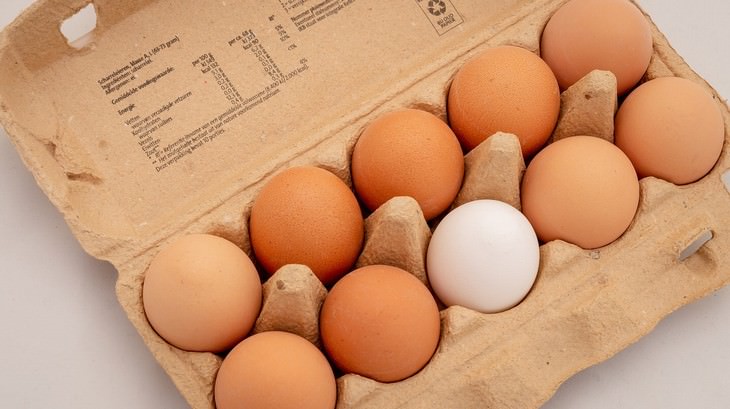
foods safe to eat past expiration date carton of eggs
Eggs are another one of those foods that are fine to eat after they have passed the expiration date printed on the carton or egg. Irrespective of this date, you are usually fine to use raw eggs for 3-5 weeks after you've purchased them. If you're doubting the freshness of an egg, simply crack it into a separate bowl before cooking or using in a recipe - an egg that has gone off will have a strong sulfur smell that's difficult to mistake for anything else. 
 
Be mindful of the way you store eggs. If you bought eggs un-refrigerated, storing them in the fridge is optional, but refrigerated eggs should always be stored in the fridge.
 
3. Hard Cheeses

foods safe to eat past expiration date woman smelling cheese
Unlike soft cheeses, such as cottage cheese, soft mozzarella or ricotta, which should be tossed in accordance with the expiration label, most hard cheeses are safe to eat for weeks past their expiration date. The harder the cheese, the more fermented and the more resistant to bacteria it is, which is exactly why aged cheeses, such as parmesan, can remain unspoiled for months. 
 
When it comes to determining whether or not a chunk of cheese is still edible, your nose and eyes are your best tools. If the cheese smells different than it used to, or if it starts growing mold from the middle, it's best to part with it, but if it smells fine, and there is a little mold growing on the side, simply cutting the faulty part off will still leave you with perfectly fine cheese, since mold is naturally involved in the production of hard cheeses anyway.  
 
4. Cereal
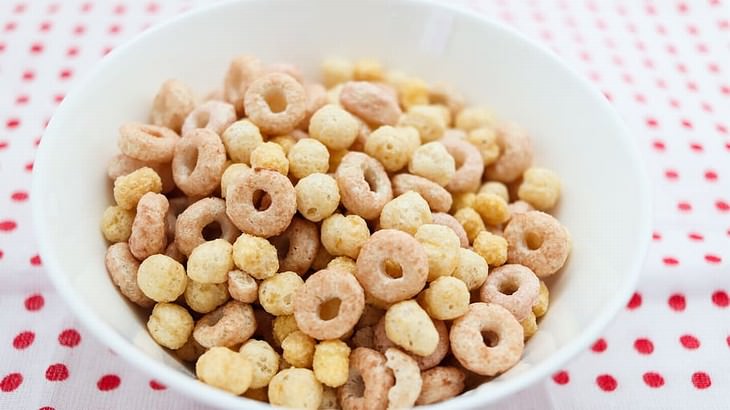
foods safe to eat past expiration date cereal in a bowl
If there is one food that doesn't really have an expiry date, it's dry breakfast cereals. The only catch is to keep the box sealed and unopened, and you will be able to store a bag of cereal in the pantry for 6-8 months. After that, the cereal can taste a bit off and become stale, but even then, you won't get sick if you eat it. 
 
This is because cereals are dry and processed foods, which makes them among the easiest to store at room temperature. Needless to say, adding milk or cooking it, e.g. preparing oatmeal, will require you to eat it immediately, although oatmeal specifically can be stored for a few days in the fridge. 
 
5. Yogurt 
Don't throw away an unopened jar or plastic container of yogurt just because it reached its expiry date, these will still remain just as tasty and healthy as they used to be for another 2-3 weeks. If you'd like to extend its shelf life even further, you can also freeze it, which will give you up to 2 months to use it up. 
 
Once thawed, though, you'll have to use it up immediately. Needless to say, any odd smell or presence of mold is a sign that you should part with the yogurt, after all. 
 
6. Nut Butters  foods safe to eat past expiration date family breakfast woman spreading peanut butter onto bread

 Nut butters are another one of those foods that can be kept for months even after you've opened them, irrespective of the expiration date. Surely, it's best to purchase the freshest option in the store, as, with time, the taste of nut butter will start to decline, but even these are still safe to eat. 
 
Both preservative-free nut butters and those that contain preservatives have a long shelf life, but understandably, those that contain preservatives will stay fresh for longer. It's best to store nut butters in the fridge: natural nut butters can be stored up to 6 months past the expiration date printed on the jar as long as they're unopened, whereas an unopened jar of nut butter that contains preservatives will be good for up to 12 months past the date. 
 
Spreads that contain other ingredients, such as Nutella, for example, have a shorter shelf life -these will last 1-2 months past the date on the label. 
 
7. Frozen Fruit and Vegetables
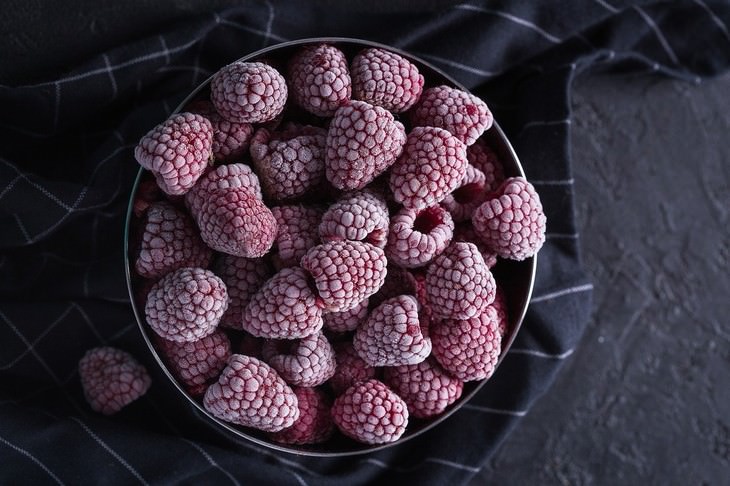
foods safe to eat past expiration date a bowl of frozen raspberries
As mentioned previously, freezing prevents foods from spoiling, and this is also true when it comes to frozen fruit and vegetables, which remain safe to eat up to 10 months after the expiration date if the package hasn't been opened. If you have opened the bag, however, try to use it up as soon as you can, as the freezing can render parts of the fruit and vegetables dry and hard, a phenomenon known as "freezer burn". 
 
It has to be noted that foods affected by freezer burn are still safe to eat, they're just not too tasty. 
 
8. Chocolate 
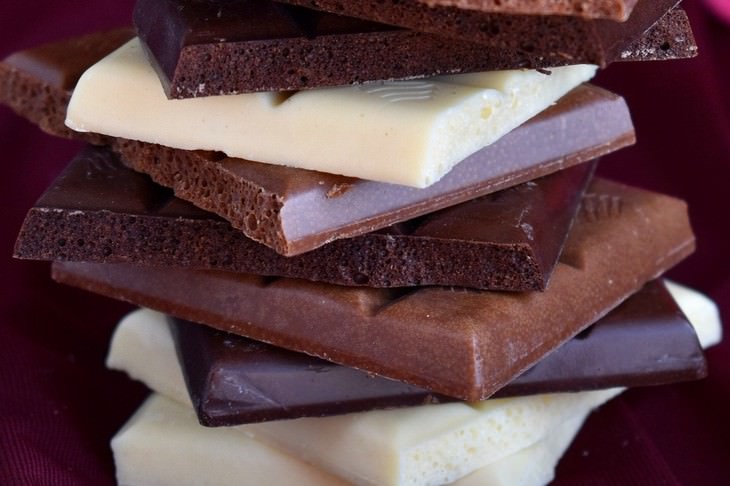
foods safe to eat past expiration date different kinds of chocolate stacked
Chocolate is likewise very resilient, staying in tip-top shape for months past it's printed expiration date. You should ideally keep the chocolate at steady room temperature, though, as sudden changes in temperature may cause some of the cocoa butter to liquefy and come to the surface of the chocolate - a phenomenon known as "blooming" among chocolate experts, which shouldn't be confused for mold. This type of chocolate covered in a white film is still safe for you to eat, but the bloom might sadly render the texture of the treat a bit less pleasurable. 
 
9. Some Condiments

foods safe to eat past expiration date boy waiting for his dad to make him a hot dog
You'd be absolutely in the right if you're keeping that bottle of ketchup or mustard until you finish it or it starts smelling funny, as these two, as well as relish and certain salad dressings, can remain fresh and tasty for up to 6 months past their expiration date as long as you keep them refrigerated. 
 
The most resilient of the bunch is yellow mustard, which can remain unspoiled for up to 2 years past its expiration label in the pantry if left unopened, or up to a year in the fridge after opening.  
 
10. Pasta foods safe to eat past expiration date pasta
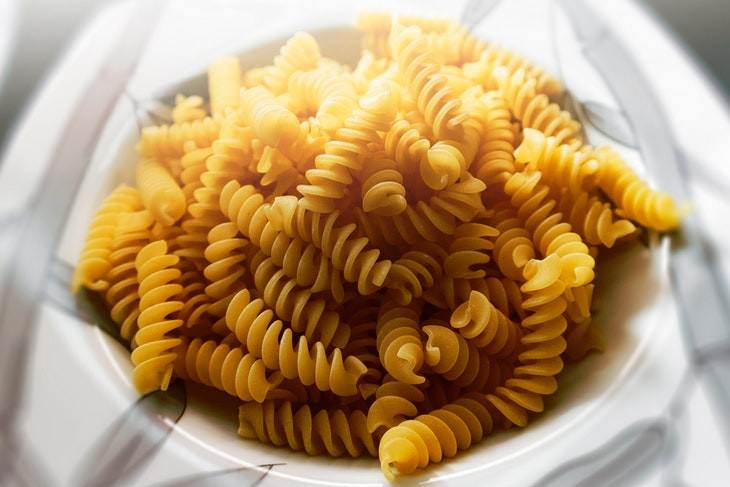
Let's be clear, we're not talking about cooked pasta, or the fresh pasta, ravioli or gnocchi that are sold in the refrigerated section of the supermarket, as all of those are intended for immediate use and wouldn't last for 5 days past their expiration date. But when it comes to dry pastas, their longevity is quite impressive, as these can be used up even if their expiration date was a year or two ago as long as the packaging seal hasn't been broken.  
 
11. Chips and Crackers
Like pasta, unopened bags of crackers, dry biscuits, even packaged cookies, and potato chips will last for months past their expiration date, so don't be afraid to munch on a long-forgotten bag of chips you suddenly discover in the depths of your pantry. 
 
Keep in mind that these will likely have a stale taste, which is fine as long as you can tolerate the taste and they don't smell off. If we're talking about an opened bag of treats, however, try to eat them within a few weeks, as dry foods will pull humidity from the air and lose their crunch quite fast.  
 
12. Bread
Despite the popular misconception, eating bread that's past its sell-by date is absolutely fine as long as it doesn't grow any mold. This is because the date seen on the packaging relates to room-temperature storage, and it is possible to significantly extend the shelf life or bread by simply putting it into the fridge. After all, the best french toast is made precisely from second or third-day bread...
 
 13. Canned Foods
There is a reason why all those post-apocalyptic movies feature underground shelters with tons of canned foods, and that reason is that canning foods is among the best way of preserving it, be it soup, vegetables, fruit, fish or meat. Most canned fruit and vegetables, with the exception of highly acidic tomatoes and pineapples, will stay tasty for up to a year past their expiration date. 
 
But canned fish and meat are the true champions, as foods like spam and canned tuna can be kept for an impressive 2-5 years past the date printed on the can.  
 
14. Milk
Like many other items on this list, milk comes in many varieties, and the level of pasteurization and fat content both determine the shelf life of the product. Skim milk will typically last for a week or so past its expiration date, but whole milk and half and half will spoil more quickly, in about five days past the printed date. Ultra-pasteurized milk will remain drinkable for twice as long as pasteurized milk. 
 
Checking whether the milk has turned is quite easy - it will bunch up in small white curds and start smelling sour, so simply pour the milk into an empty glass and check if you're afraid it might have gone off. Also, make sure to keep milk refrigerated at all times, even go as far as to move it to the back of the refrigerator instead of the fridge door if you want to extend its shelf life.


https://gscrochetdesigns.blogspot.com. one can see my crochet creations  

https://cancersupportindia.blogspot.com. feel free to view for easy, simple and health tips  
https://kneereplacement-stickclub.blogspot.com. for info on knee replacement


Wednesday, January 13, 2021

10 Foods to Keep Out of the Fridge

Refrigerators are great - they keep our drinks cool and our food fresh. However, despite our tendency to just toss whatever food we have into the fridge, there are certain foods that will fare much better outside of the cold environment than in it. Here are 10 of the most common foods people keep in the fridge, but shouldn’t

1. Tomatoes 
fruit-vegetables
The fridge does keep tomatoes fresh, but it does so by stopping the process of ripeness. Consequently they lose their flavor. In addition the refrigerator also changes the texture of the tomato, making it powdery or floury. Tomatoes are best kept out of cold environments. 
 
2. Basil
fruit-vegetables
When one keeps fresh basil in refrigeration, it withers very quickly, but before it withers all the way and becomes unusable, it absorbs the taste of the foods kept closest to it. Basil is best kept outside the fridge and in a glass of fresh water, just like flowers. 
 
3. Potatoes fruit-vegetables
The cold temperatures in the fridge turns the starch in the potato into sugar at a faster pace than normal, and we're left with a sweet yet grainy potato. Keep your potatoes in a sealed sack and in a cool and dry place. They should be covered, because being exposed to sunlight makes them grow sprouts. 
 
4. Onions
fruit-vegetables
The dampness in the fridge makes onions soft and moldy. The best place to keep onions is in a cool and dry place, outside the fridge. Green onions can be kept in the fridge because of their high percentage of water content. Do not keep onions next to the potatoes, because it will make them rot quicker. 
 
5. Avocado
fruit-vegetables
If you're waiting for an avocado to ripen, you should never put it in the fridge. However, if the avocado has already ripened, placing it in the fridge will prevent it from going bad.

6. Garlic
fruit-vegetables
When we keep garlic in the refrigerator, it grows green stalks. Also, it'll get a moldy, sticky texture. It is best to keep garlic in a dry, cool place. 
 
7. Bread fruit-vegetables
When it comes to bread, there are a number of options. If you are going to use sliced bread within a few days, it can be kept in the fridge. If you intend on storing the bread for a longer period of time, keep in the freezer. 
 
8. Olive Oil
fruit-vegetables
Olive oil should be kept somewhere dark and cool - when placed in the refrigerator, it freezes and its texture becomes similar to butter. That said, you can thaw it again to its original state. 
 
9. Coffee
fruit-vegetables
Storing coffee in the fridge makes it lose its flavor quickly and absorb the flavor of foods stored near it. Coffee should be kept somewhere dark and cool. However, if you want to keep a large amount of coffee at home, you can keep it in the depths of the freezer - not near the door. 
 
10. Honey
fruit-vegetables
One of the most fascinating facts about honey is that it never goes bad. There is no reason to keep it in the fridge, in fact it should be avoided as the cold temperatures will solidify it. Honey is best kept at room temperature. 

https://gscrochetdesigns.blogspot.com. one can see my crochet creations  

https://cancersupportindia.blogspot.com. feel free to view for easy, simple and health tips  
https://kneereplacement-stickclub.blogspot.com. for info on knee replacement


14 Simple Rules to Always Have an Organized Fridge

A messy fridge is a common household issue we usually tend to underestimate. Keeping your fridge in order is essential if you’re trying to stock up at a grocery store only once a week and need to extend the shelf life of fresh produce. Apart from keeping the food fresh, a well-organized fridge also makes foods you use often easily accessible and ensures the risks of food contamination are brought don’t to a minimum, so yes, spending a few minutes to place foods strategically instead of just unloading all the food into the fridge as is pretty useful and important.
 
Here are 14 expert tips that can help you get your fridge in order. 
 
1. Separate the dairy products
Organized Fridge fridge open
What is the best place in the fridge to store dairy products?’ is a trick question, as in reality, different dairy products require different conditions to stay fresh as long as possible. Contrary to popular belief, for example, you shouldn’t keep milk on the shelves of the fridge door because it will make it spoil faster since the fridge door is the warmest place in the fridge. 
 
Instead, store it deep in the main middle shelf. This way, it will still be easily accessible, but the lower and steadier temperatures on the middle shelf of the fridge will preserve it better. Butter and hard cheeses like gouda and parmesan, on the other hand, don’t spoil as fast as milk and so they can safely be stored on the top door shelves. 
 
Lastly, soft cheeses like cottage and cream cheese, as well as yogurt, sour cream, and other dairy drinks, do need to be properly chilled, so either keep them next to the milk on the middle drawer, or in the deli meats section.

2. Transfer opened canned foods into food containers
Organized Fridge veggies in food containers
Very few people are aware of the fact that opened cans start to rust when they’re placed in the fridge, which can make the foods in those cans have a slight metallic aftertaste. So, if you’re wondering why the olives or corn you’ve opened just yesterday and kept in the fridge overnight changed in taste, now you know why it happens. 
 
Luckily, this can be easily prevented by simply transferring the contents of the open can into a plastic or glass container.
 
3. Keep herbs and salads away from the back of the fridge
Organized Fridge herbs
The gentle leaves of salads, herbs, and even some vegetables, particularly tomatoes and cucumbers can develop freezer burn or start to wilt if they touch the walls of the fridge, especially the back since it’s much colder there than in any other area of the refrigerator. Instead, store these delicate foods in the middle or towards the front of the shelf or in the high humidity drawers next to the vegetables. 
 
4. Be careful with cooked rice
Some foods are more likely to cause food poisoning than others. A significant percentage of uncooked rice contains Bacillus cereus, a pathogen that commonly causes food poisoning and can lead to complications in some individuals. So be vigilant and avoid eating rice that’s been in the fridge for more than 2 days. Also, try to keep the cooked rice in an area in your fridge with a steady cold temperature, such as the middle or back of the top shelf. 
 
5. Store and defrost meat and fish away from other foods
No matter how sanitary and clean the place where you purchased meat and fish is, you should always treat it as if it has contaminants and never store it next to foods you’re not planning to cook, such as fresh vegetables, dairy, cooked foods, or deli meat. This is because some microorganisms are naturally present in meat, poultry, and fish, but they’re typically eradicated during the cooking process.

However, if cross-contamination occurs and these germs do get on the foods we eat as is, this can lead to food poisoning. To avoid any drips or splatter, it’s recommended to store raw meat and fish on the bottom shelf of the refrigerator. It is also the coolest part of the fridge, so it will prevent raw meat and fish from spoiling. 
 
No need to unpack meat that comes in sealed packages before placing it in the fridge, but if the meat you purchase comes unpacked, place it on a plate and wrap it thoroughly using cling film. 
 
6. Fish needs special treatment
It’s always preferable to eat fresh fish the day you buy it, but if this isn’t possible, you have to make sure it’s sealed tight, dry, and properly chilled. As we’ve mentioned above, the best place to store fresh fish is the bottom shelf of the refrigerator, and you should make sure that the fish gets into the fridge as soon as you arrive home to prevent spoilage. 
 
To prepare the fish for the fridge, remove its packaging, blot it with a paper towel or a clean damp cloth, and put it on a large plate, subsequently wrapping it thoroughly with cling film. Place the fish in the back of the bottom shelf and ideally use it up within 24 hours.
 
7. The nuances of fruit storage
Organized Fridge fruit 
The general rule of thumb is - store fruit in its original packaging in the low humidity drawer, also marked as “crisper” in some refrigerators. Certain fruits, such as apples and citrus fruit need no packaging, so you can just unpack them and place them in the fruit drawer as is. 
 
The majority of fruit, however, especially delicate berries, do benefit from being double-packed in a plastic container or a bag in addition to the original basket in which they are sold. 
 
Lastly, also note that some fruit should not be stored with others, as they exude gases that will make other fruits go bad faster. Bananas, pears, nectarines, plums, peaches, avocados, and tomatoes are just some of these so-called ‘gas releasers’. It’s best to store these foods outside of the fridge altogether; in fact, most of them don’t require refrigeration anyway.

8. Deli meats need a dedicated drawer, too
Deli meats, sausage, sliced cheese, and cured fish should never be stored together with other foods, as they will make other foods smell bad. In addition, they do go bad after a few days, even if you don’t notice any funny smell or taste, so you must place them in separate containers once you opened the package to avoid cross-contamination. 
 
The best place for these foods is the top shelf, but these days most refrigerators have a dedicated top drawer for these foods. The only exclusion from this rule is raw bacon - experts say it should be stored together with raw meat and fish, and it’s recommended to use it up within a few days. 
 
9. Store vegetables in high humidity drawers
Organized Fridge vegetables in the fridge
While fruits require low-humidity conditions, vegetables are best preserved in a high-humidity environment. Most fridges have a dedicated salad drawer to store veggies and fresh herbs; roots like fresh ginger or turmeric will also benefit from the humid conditions of the salad drawer. 
 
Remember, however, that not all vegetables should be stored in the fridge in the first place. In fact, such veggies as potatoes, avocados, onions, and tomatoes are best stored outside of the fridge. R
 
10. Juices, jams, and condiments are not fussy when it comes to temperature changes
Organized Fridge Juice in the fridge
Which foods other than butter can be safely stored on the shelves of the fridge door? Condiments, jams, juices, soft drinks, and other preserved foods are all good candidates, as these foods usually contain preservatives that prevent them from going bad fast. Therefore, all these foods can handle fluctuating temperatures and can be easily stored in the warmest area of the fridge - the door. 
 
11. The first foods in should also be the first ones out
One of the main causes of food waste in residential homes is the lack of mindfulness about expiration dates. It’s true, many people just pile the same kinds of foods on top of each other, and as a result, there’s always a shriveled apple at the bottom of the fruit drawer or a few slices of spoiled cheese in the back of the deli section. 
 
Save yourself some money and learn to organize produce by date - the first foods to be in the fridge should also be the first ones to be used up. That means the milk carton you bought on Friday should not be placed in front of the one you bought on Monday. Intuitively, we just grab for the closest suitable thing, so we should always keep that in mind when we organize our fridge, too. 
 
Therefore, place that half-empty milk carton from Monday in front of the fresher one and avoid burying old fruit and veggies with new ones, for example. This is the system most grocery stores and pro kitchens use, and we say we can all take advantage of it, too! 
 
12. Avoid putting hot food into the fridge
Organized Fridge plate of hot green beans
It may be obvious to you, but we still see people make this mistake. Don’t put hot food into the refrigerator, as the extra warmth will increase the overall temperature in the fridge and may lead to unnecessary spoilage. In addition, it’s not good for the fridge either. 
 
13. Store eggs on the shelf, not the fridge door
Organized Fridge eggs

Contrary to popular belief, the refrigerator door is the last place where you want to store eggs. The shelf on the inside of your refrigerator door sees a constant flux of temperature, as you open and close the fridge to get your food. The shelf door is also the warmest place in the fridge, meaning that storing your eggs there will only make them rot faster. 

Instead, we recommend storing eggs on the middle shelf of the refrigerator together with other perishable foods like milk. 
 
14. Know the foods you don’t need to refrigerate
The best way to ensure that your fridge is always clean looking and organized is to avoid overloading it with foods that don’t need to be there. This includes things like bread, root vegetables, bananas, and other fruits, hot sauce, and many others. Save yourself some precious fridge storage space and keep them out of the fridge.


https://gscrochetdesigns.blogspot.com. one can see my crochet creations  

https://cancersupportindia.blogspot.com. feel free to view for easy, simple and health tips  
https://kneereplacement-stickclub.blogspot.com. for info on knee replacement


Tuesday, January 12, 2021

14 Foods That Are Safe to Eat Past Their Expiration Date

The expiration date label is there for a reason, but that reason might not always be what you think. While some expiration dates are printed for the consumer to know when a certain food should be disposed of, in other cases, the ‘sell by’ label on a product is a marker of freshness and not its actual expiry. After all, we often purchase foods with the intention of using them up over a course of weeks, or sometimes months, and food producers and sellers incorporate these dates to make sure your food gets to you as fresh as possible.

This article explains what you need to know about expiration dates and how, with certain foods, you can extend their shelf life significantly and save a good amount of money. All 14 of these foods shouldn’t be tossed when they reach their expiration date, and you’re about to find out why. 
 
1. Meat and Fish
The "sell by" date that typically appears on fresh fish and meat you buy in-store is printed on each package for retailers or sellers to know when they should start pulling the product from the shelves, but when it comes to the consumer, you don't have to get rid of the expensive meat or fish once it reaches the date if you make sure to freeze or refrigerate it.

Raw fish, chicken, and meat will last for only 1-2 days after you purchased it if you keep it in the refrigerator. But if you put it in the freezer, the shelf life can be extended for months according to FoodSafety.gov, namely: 
 
Poultry can be kept in the freezer up to 9 months if it's cut up into pieces, and up to 12 months if whole. 
 
Fish can be frozen for 6-9 months if bought fresh, but it can be kept frozen up to 12 months if you purchased it frozen, sealed and it didn't thaw while being transported. 
 
Red meat can be stored upwards to 12 months in steaks, chops, and roasts, and up to 4 months if it's ground up. ​
 
Similarly to raw meat and fish, the shelf life of smoked, cured, and cooked products can be extended by 1-2 months if you freeze them, all because freezing significantly slows down the process of oxidation and the multiplication of harmful bacteria in foods.
 
2. Eggs  foods safe to eat past expiration date carton of eggs
Eggs are another one of those foods that are fine to eat after they have passed the expiration date printed on the carton or egg. Irrespective of this date, you are usually fine to use raw eggs for 3-5 weeks after you've purchased them. If you're doubting the freshness of an egg, simply crack it into a separate bowl before cooking or using in a recipe - an egg that has gone off will have a strong sulfur smell that's difficult to mistake for anything else. 
 
Be mindful of the way you store eggs. If you bought eggs un-refrigerated, storing them in the fridge is optional, but refrigerated eggs should always be stored in the fridge.
 
3. Hard Cheeses
foods safe to eat past expiration date woman smelling cheese
Unlike soft cheeses, such as cottage cheese, soft mozzarella or ricotta, which should be tossed in accordance with the expiration label, most hard cheeses are safe to eat for weeks past their expiration date. The harder the cheese, the more fermented and the more resistant to bacteria it is, which is exactly why aged cheeses, such as parmesan, can remain unspoiled for months. 
 
When it comes to determining whether or not a chunk of cheese is still edible, your nose and eyes are your best tools. If the cheese smells different than it used to, or if it starts growing mold from the middle, it's best to part with it, but if it smells fine, and there is a little mold growing on the side, simply cutting the faulty part off will still leave you with perfectly fine cheese, since mold is naturally involved in the production of hard cheeses anyway. 
 
4. Cereal foods safe to eat past expiration date cereal in a bowl
If there is one food that doesn't really have an expiry date, it's dry breakfast cereals. The only catch is to keep the box sealed and unopened, and you will be able to store a bag of cereal in the pantry for 6-8 months. After that, the cereal can taste a bit off and become stale, but even then, you won't get sick if you eat it. 
 
This is because cereals are dry and processed foods, which makes them among the easiest to store at room temperature. Needless to say, adding milk or cooking it, e.g. preparing oatmeal, will require you to eat it immediately, although oatmeal specifically can be stored for a few days in the fridge. 
 
5. Yogurt 
Don't throw away an unopened jar or plastic container of yogurt just because it reached its expiry date, these will still remain just as tasty and healthy as they used to be for another 2-3 weeks. If you'd like to extend its shelf life even further, you can also freeze it, which will give you up to 2 months to use it up. 
 
Once thawed, though, you'll have to use it up immediately. Needless to say, any odd smell or presence of mold is a sign that you should part with the yogurt, after all. 
 
6. Nut Butters 
foods safe to eat past expiration date family breakfast woman spreading peanut butter onto bread
Nut butters are another one of those foods that can be kept for months even after you've opened them, irrespective of the expiration date. Surely, it's best to purchase the freshest option in the store, as, with time, the taste of nut butter will start to decline, but even these are still safe to eat. 
 
Both preservative-free nut butters and those that contain preservatives have a long shelf life, but understandably, those that contain preservatives will stay fresh for longer. It's best to store nut butters in the fridge: natural nut butters can be stored up to 6 months past the expiration date printed on the jar as long as they're unopened, whereas an unopened jar of nut butter that contains preservatives will be good for up to 12 months past the date. 
 
Spreads that contain other ingredients, such as Nutella, for example, have a shorter shelf life -these will last 1-2 months past the date on the label. 
 
7. Frozen Fruit and Vegetables
foods safe to eat past expiration date a bowl of frozen raspberries 
As mentioned previously, freezing prevents foods from spoiling, and this is also true when it comes to frozen fruit and vegetables, which remain safe to eat up to 10 months after the expiration date if the package hasn't been opened. If you have opened the bag, however, try to use it up as soon as you can, as the freezing can render parts of the fruit and vegetables dry and hard, a phenomenon known as "freezer burn". It has to be noted that foods affected by freezer burn are still safe to eat, they're just not too tasty.

8. Chocolate
foods safe to eat past expiration date different kinds of chocolate stacked
Chocolate is likewise very resilient, staying in tip-top shape for months past it's printed expiration date. You should ideally keep the chocolate at steady room temperature, though, as sudden changes in temperature may cause some of the cocoa butter to liquefy and come to the surface of the chocolate - a phenomenon known as "blooming" among chocolate experts, which shouldn't be confused for mold. This type of chocolate covered in a white film is still safe for you to eat, but the bloom might sadly render the texture of the treat a bit less pleasurable. 
 
9. Some Condiments 
foods safe to eat past expiration date boy waiting for his dad to make him a hot dog
You'd be absolutely in the right if you're keeping that bottle of ketchup or mustard until you finish it or it starts smelling funny, as these two, as well as relish and certain salad dressings, can remain fresh and tasty for up to 6 months past their expiration date as long as you keep them refrigerated. The most resilient of the bunch is yellow mustard, which can remain unspoiled for up to 2 years past its expiration label in the pantry if left unopened, or up to a year in the fridge after opening. 
 
10. Pasta 
foods safe to eat past expiration date pasta
Let's be clear, we're not talking about cooked pasta, or the fresh pasta, ravioli or gnocchi that are sold in the refrigerated section of the supermarket, as all of those are intended for immediate use and wouldn't last for 5 days past their expiration date. But when it comes to dry pastas, their longevity is quite impressive, as these can be used up even if their expiration date was a year or two ago as long as the packaging seal hasn't been broken. 
 
11. Chips and Crackers foods safe to eat past expiration date potato chips
Like pasta, unopened bags of crackers, dry biscuits, even packaged cookies, and potato chips will last for months past their expiration date, so don't be afraid to munch on a long-forgotten bag of chips you suddenly discover in the depths of your pantry. 
 
Keep in mind that these will likely have a stale taste, which is fine as long as you can tolerate the taste and they don't smell off. If we're talking about an opened bag of treats, however, try to eat them within a few weeks, as dry foods will pull humidity from the air and lose their crunch quite fast. 
 
12. Bread  foods safe to eat past expiration date sliced white bread
Despite the popular misconception, eating bread that's past its sell-by date is absolutely fine as long as it doesn't grow any mold. This is because the date seen on the packaging relates to room-temperature storage, and it is possible to significantly extend the shelf life or bread by simply putting it into the fridge. After all, the best french toast is made precisely from second or third-day bread...

13. Canned Foods  foods safe to eat past expiration date canned foods in a pantry
There is a reason why all those post-apocalyptic movies feature underground shelters with tons of canned foods, and that reason is that canning foods is among the best way of preserving it, be it soup, vegetables, fruit, fish or meat. Most canned fruit and vegetables, with the exception of highly acidic tomatoes and pineapples, will stay tasty for up to a year past their expiration date. But canned fish and meat are the true champions, as foods like spam and canned tuna can be kept for an impressive 2-5 years past the date printed on the can. 
 
14. Milk
Like many other items on this list, milk comes in many varieties, and the level of pasteurization and fat content both determine the shelf life of the product. Skim milk will typically last for a week or so past its expiration date, but whole milk and half and half will spoil more quickly, in about five days past the printed date. Ultra-pasteurized milk will remain drinkable for twice as long as pasteurized milk.

Checking whether the milk has turned is quite easy - it will bunch up in small white curds and start smelling sour, so simply pour the milk into an empty glass and check if you're afraid it might have gone off. Also, make sure to keep milk refrigerated at all times, even go as far as to move it to the back of the refrigerator instead of the fridge door if you want to extend its shelf life.

https://gscrochetdesigns.blogspot.com. one can see my crochet creations  

https://cancersupportindia.blogspot.com. feel free to view for easy, simple and health tips  
https://kneereplacement-stickclub.blogspot.com. for info on knee replacement