Showing posts with label nectarines. Show all posts

Monday, August 3, 2026

20 Foods That Should Be Kept Out of the Refrigerator

Today we take it for granted, however, refrigerators are an ingenious product that changed everything when they were invented. With these special electrical devices, people could finally keep food for longer without worrying about spoiling, thus saving money and enjoying fresh food at all times. Despite the necessity of the refrigerator when it comes to keeping food fresh, you don’t actually need to store every food item you bring home from the grocery store in it. There are certain foods, both natural and processed, which are altered both in taste, texture and even nutritional value when refrigerated. The list of the following 20 foods, which are not recommended to be kept in the refrigerator, will allow you to save space and make the most of the taste and nutritional value of your favorite foods.

 1. Bananas  

This favorite summer fruit ripens quickly when it’s outside, but that doesn’t mean that it needs to be kept in the refrigerator to prolong its life. This is because the nutrients, that is, the vitamins and minerals in the bananas, are stored better outside of the refrigerator than inside it. 

2. Whole watermelon 

Cold watermelon is a summer favorite, but it isn’t recommended to put the whole fruit into the refrigerator if you want to store it at home. Storage of a whole watermelon in the refrigerator damages the essential antioxidant content of beta-carotene, which is found in the fruit. Therefore, whole watermelons are best kept outside the refrigerator, and if you want some chilled pieces, cut them beforehand, put them in a sealed box and kept them in the refrigerator until you want a healthy snack.

3. Coffee  foods
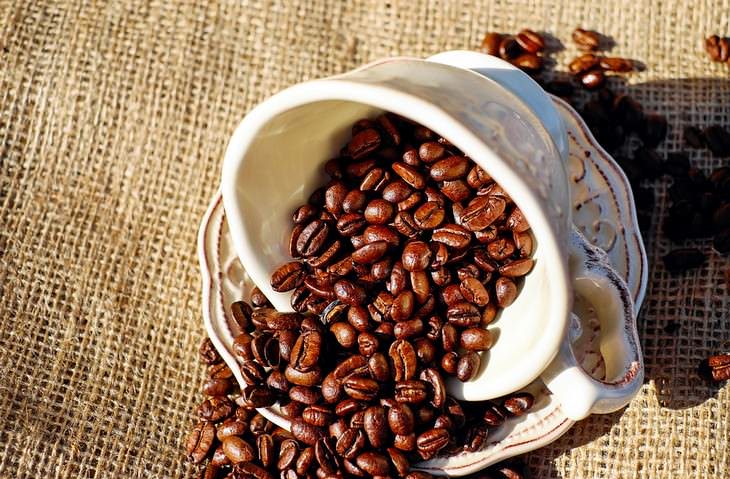
Humidity conditions in the refrigerator are the enemies of coffee of all kinds, therefore, it is recommended to avoid storing whole and ground coffee beans of in the refrigerator. The moisture in the refrigerator "sticks" to coffee, changes its flavor and destroys its wonderful aroma.

4. Peaches  

When peaches are placed in the refrigerator, their ripening process stops, and consequently, they don’t reach the stage where their taste becomes as it should be. Moreover, cooling causes damage to the nutritional components of these wonderful fruits, which is why it’s not recommended to keep them in the refrigerator. 

5. Mango 

This exotic fruit is not used to cool temperatures, so it is not advisable to put it in the refrigerator. The essential components of the mango break down when they come into contact with cold, and so, they may lose the nutritional values that make them so healthy for us. 

6. Plums 

Many times, cold causes plums to shrink and lose their form and beloved juicy texture. The components in the purple fruit, like dietary fibers that help regulate digestive activity, are damaged by the cold and therefore should not be stored in the fruit drawer.

7. Oils  

Storage of oil in a place exposed to sunlight causes it to oxidize which is harmful to its composition, but on the other hand, storing it in the refrigerator also harms it. When storing different oils in the refrigerator - especially olive and avocado oil - they crystallize into a buttery texture which damages their taste. 

8. Pumpkin 

When storing pumpkin in the refrigerator, moisture causes it to develop mold, and even when that is not the case – its taste can still be damaged. The wetness in the refrigerator may seep into the pumpkin and change its taste, which is why it’s better to opt for cool and shaded places, such as the pantry, over keeping pumpkin in the refrigerator. 

9. Basil  foods
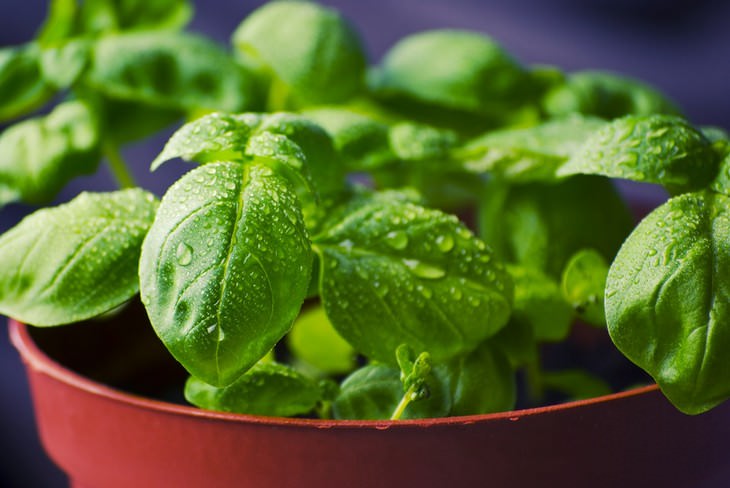
Basil is a delicate herb that quickly wilts in the cold, and it also absorbs odors that change its taste from the various items in the refrigerator. Therefore, it is recommended to place basil stalks into a vessel with water, cover its leaves with a bag and put it in a shaded place, so that they hold longer and don’t become damaged.

10. Kiwi
 

Despite its rough appearance, kiwi is sensitive to external influences such as cold. When this fuzzy, sour fruit is placed in the refrigerator, its nutritional value is also impaired as well as its appearance, taste, and texture, which is why the fridge is not the place for it. 

11. Onions (especially cut) 

Onions have a great amount of liquid, and when put into the refrigerator they are fertile ground for the development of mold that requires moisture to survive. Furthermore, chopped onion absorbs bacteria and odors from the refrigerator, so it is recommended to use it all if cut, or alternatively chop and freeze it. 

12. Garlic 

 When garlic is placed in the refrigerator, the cold causes it to sprout, and it also develops mold and has a texture reminiscent of rubber. To prevent this, do not store it in the refrigerator, and choose a cool, dry place where it can be kept naturally for a long time.

13. Eggplant 

Eggplants are especially sensitive to cold, and when placed in the fridge they quickly spoil and tend to shrink and develop a rubber-like texture as well as mold in their stem. In addition, the natural ethylene gas released from fruits and vegetables further damages the eggplant and causes them to spoil and lose their flavor. 

14. Sweet potatoes 

When sweet potatoes are brought into the refrigerator, the structure of their cell walls changes and becomes stiff and hard to cut. The cooling also damages their texture, so it takes longer to prepare them, unlike sweet potatoes kept outside the refrigerator. Refrigerator moisture also causes the development of mold and a stale taste, so this is definitely not the place for them. 

15. Hot and sweet peppers 
foods 

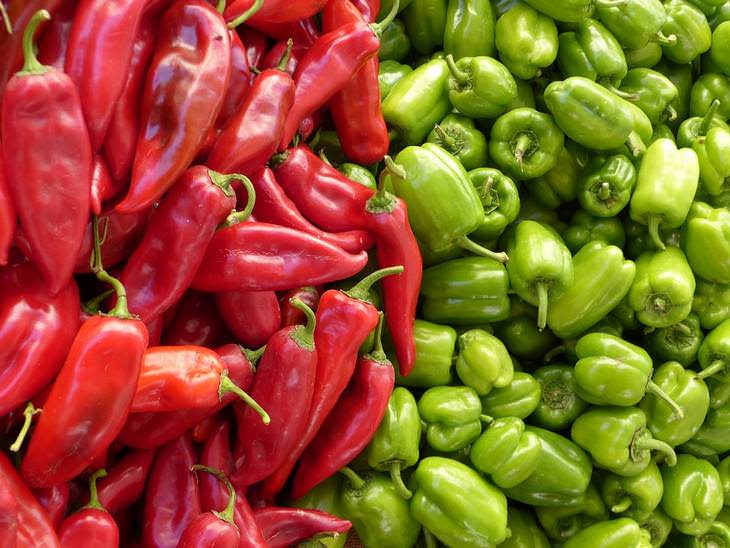
 When sweet peppers are put into the refrigerator, their natural color fades with time and humidity causes them to develop mold that harms their taste and also makes them inedible. They also tend to shrink when refrigerated, just like their little brothers - hot peppers, therefore, it is not recommended to put both types of peppers in there.

16. Peanut butter 

Fine peanut butter spreads wonderfully on bread and can be used as a snack in itself or even as an ingredient in cookies. When you put the salty-sweet spread to cool in the fridge, its texture becomes damaged and it becomes difficult and almost impossible to spread, so the refrigerator is definitely not the place for it. 

17. Nectarines  

This wonderful fruit is eaten in its fresh form and also used to make a variety of pastries, but refrigeration can damage its unique taste. The moisture created in the refrigerator causes the nectarines to soften, even if they are not yet ripe so that their delicate skins absorb unpleasant flavors. When nectarines are refrigerated, they tend to spoil quickly, so it is recommended to take them out of the fridge and store them on the counter. 

18. Cereal 

Sometimes cereal is kept in the refrigerator to prevent ant infestations, but instead, it is recommended to place them in a well-sealed container. When you put cereal in the refrigerator, it can become sponge-like and absorb the smells and flavors around it, as well as soften and lose its flavor and texture. If there is extra sugar in the grains, they crystallize into soft, inedible lumps that stick together and lose their well-known crispness and flavor.

19. Salad dressings 

Salad dressing based on vinegar and oil - like vinaigrettes - are found in almost every refrigerator, but it is certainly not their place. The vinegar and the oil preserve the wonderful taste of the sauces, and when stored in the refrigerator, this taste becomes damaged because they absorb odors around them, even when their container is closed. 

20. Chocolate 

Some chocolates soften at room temperature and can be refrigerated, but most of these sweet treats remain solid even when they are outside the refrigerator. If you put chocolate in the fridge, its crystalline structure changes, it develops white spots and its flavor changes dramatically.


https://gscrochetdesigns.blogspot.com. one can see my crochet creations  

https://kneereplacement-stickclub.blogspot.com. for info on knee replacement

https://cancersupportindia.blogspot.com  for info on cancer and health related topics

https://GSiyers home remedies.blogspot.com   is the latest addition to my blogs


Tuesday, January 13, 2026

20 Foods That Should Be Kept Out of the Refrigerator

Today we take it for granted, however, refrigerators are an ingenious product that changed everything when they were invented. With these special electrical devices, people could finally keep food for longer without worrying about spoiling, thus saving money and enjoying fresh food at all times. Despite the necessity of the refrigerator when it comes to keeping food fresh, you don’t actually need to store every food item you bring home from the grocery store in it. There are certain foods, both natural and processed, which are altered both in taste, texture and even nutritional value when refrigerated. The list of the following 20 foods, which are not recommended to be kept in the refrigerator, will allow you to save space and make the most of the taste and nutritional value of your favorite foods.
1. Bananas 
This favorite summer fruit ripens quickly when it’s outside, but that doesn’t mean that it needs to be kept in the refrigerator to prolong its life. This is because the nutrients, that is, the vitamins and minerals in the bananas, are stored better outside of the refrigerator than inside it. 
 
2. Whole watermelon 
Cold watermelon is a summer favorite, but it isn’t recommended to put the whole fruit into the refrigerator if you want to store it at home. Storage of a whole watermelon in the refrigerator damages the essential antioxidant content of beta-carotene, which is found in the fruit. Therefore, whole watermelons are best kept outside the refrigerator, and if you want some chilled pieces, cut them beforehand, put them in a sealed box and kept them in the refrigerator until you want a healthy snack.

3. Coffee 
Humidity conditions in the refrigerator are the enemies of coffee of all kinds, therefore, it is recommended to avoid storing whole and ground coffee beans of in the refrigerator. The moisture in the refrigerator "sticks" to coffee, changes its flavor and destroys its wonderful aroma.
4. Peaches 
 When peaches are placed in the refrigerator, their ripening process stops, and consequently, they don’t reach the stage where their taste becomes as it should be. Moreover, cooling causes damage to the nutritional components of these wonderful fruits, which is why it’s not recommended to keep them in the refrigerator. 
 
5. Mango 
 This exotic fruit is not used to cool temperatures, so it is not advisable to put it in the refrigerator. The essential components of the mango break down when they come into contact with cold, and so, they may lose the nutritional values that make them so healthy for us. 
 
6. Plums 
Many times, cold causes plums to shrink and lose their form and beloved juicy texture. The components in the purple fruit, like dietary fibers that help regulate digestive activity, are damaged by the cold and therefore should not be stored in the fruit drawer.
7. Oils 
Storage of oil in a place exposed to sunlight causes it to oxidize which is harmful to its composition, but on the other hand, storing it in the refrigerator also harms it. When storing different oils in the refrigerator - especially olive and avocado oil - they crystallize into a buttery texture which damages their taste. 
 
8. Pumpkin 
When storing pumpkin in the refrigerator, moisture causes it to develop mold, and even when that is not the case – its taste can still be damaged. The wetness in the refrigerator may seep into the pumpkin and change its taste, which is why it’s better to opt for cool and shaded places, such as the pantry, over keeping pumpkin in the refrigerator. 
 
9. Basil 
 foods
Basil is a delicate herb that quickly wilts in the cold, and it also absorbs odors that change its taste from the various items in the refrigerator. Therefore, it is recommended to place basil stalks into a vessel with water, cover its leaves with a bag and put it in a shaded place, so that they hold longer and don’t become damaged. 

10. Kiwi  
Despite its rough appearance, kiwi is sensitive to external influences such as cold. When this fuzzy, sour fruit is placed in the refrigerator, its nutritional value is also impaired as well as its appearance, taste, and texture, which is why the fridge is not the place for it. 
 
11. Onions (especially cut)  
Onions have a great amount of liquid, and when put into the refrigerator they are fertile ground for the development of mold that requires moisture to survive. Furthermore, chopped onion absorbs bacteria and odors from the refrigerator, so it is recommended to use it all if cut, or alternatively chop and freeze it. 
 
12. Garlic 
When garlic is placed in the refrigerator, the cold causes it to sprout, and it also develops mold and has a texture reminiscent of rubber. To prevent this, do not store it in the refrigerator, and choose a cool, dry place where it can be kept naturally for a long time.

13. Eggplant / Brinjal
Eggplants are especially sensitive to cold, and when placed in the fridge they quickly spoil and tend to shrink and develop a rubber-like texture as well as mold in their stem. In addition, the natural ethylene gas released from fruits and vegetables further damages the eggplant and causes them to spoil and lose their flavor. 
 
14. Sweet potatoes 
When sweet potatoes are brought into the refrigerator, the structure of their cell walls changes and becomes stiff and hard to cut. The cooling also damages their texture, so it takes longer to prepare them, unlike sweet potatoes kept outside the refrigerator. Refrigerator moisture also causes the development of mold and a stale taste, so this is definitely not the place for them.

15. Hot and sweet peppers 
 foods
 
When sweet peppers are put into the refrigerator, their natural color fades with time and humidity causes them to develop mold that harms their taste and also makes them inedible. They also tend to shrink when refrigerated, just like their little brothers - hot peppers, therefore, it is not recommended to put both types of peppers in there.

16. Peanut butter 
Fine peanut butter spreads wonderfully on bread and can be used as a snack in itself or even as an ingredient in cookies. When you put the salty-sweet spread to cool in the fridge, its texture becomes damaged and it becomes difficult and almost impossible to spread, so the refrigerator is definitely not the place for it. 
 
17. Nectarines  
This wonderful fruit is eaten in its fresh form and also used to make a variety of pastries, but refrigeration can damage its unique taste. The moisture created in the refrigerator causes the nectarines to soften, even if they are not yet ripe so that their delicate skins absorb unpleasant flavors. When nectarines are refrigerated, they tend to spoil quickly, so it is recommended to take them out of the fridge and store them on the counter. 
 
18. Cereal  
Sometimes cereal is kept in the refrigerator to prevent ant infestations, but instead, it is recommended to place them in a well-sealed container. When you put cereal in the refrigerator, it can become sponge-like and absorb the smells and flavors around it, as well as soften and lose its flavor and texture. If there is extra sugar in the grains, they crystallize into soft, inedible lumps that stick together and lose their well-known crispness and flavor.

19. Salad dressings  
Salad dressing based on vinegar and oil - like vinaigrettes - are found in almost every refrigerator, but it is certainly not their place. The vinegar and the oil preserve the wonderful taste of the sauces, and when stored in the refrigerator, this taste becomes damaged because they absorb odors around them, even when their container is closed. 
 
20. Chocolate 
Some chocolates soften at room temperature and can be refrigerated, but most of these sweet treats remain solid even when they are outside the refrigerator. If you put chocolate in the fridge, its crystalline structure changes, it develops white spots and its flavor changes dramatically.


https://gscrochetdesigns.blogspot.com. one can see my crochet creations  

https://kneereplacement-stickclub.blogspot.com. for info on knee replacement

https://cancersupportindia.blogspot.com  for info on cancer and health related topics

https://GSiyers home remedies.blogspot.com   is the latest addition to my blogs


Wednesday, July 30, 2025

Nectarine Clafoutis


 Ingredients

3 ripe nectarines, pitted and sliced

3 large eggs

1/2 cup granulated sugar

1 cup all-purpose flour

1 cup whole milk

1 tsp vanilla extract

4 tbsp unsalted butter, melted


Preparations

 Preheat your oven to 350°F (175°C) and grease an 8-inch round baking dish with butter.

Slice the nectarines into wedges and arrange them evenly in the prepared dish.

In a mixing bowl, whisk together the eggs, sugar, flour, milk, melted butter, and vanilla extract until smooth.

Pour the batter over the arranged nectarines, ensuring they are well covered.

Bake for 35-40 minutes or until puffed and golden brown. Let cool slightly before serving.


Clafoutis has the texture of an oven-baked pancaked. It is sweet, but not terribly so, and the chunks of fresh fruit are enjoyable to the palate.

It is a French dish of fruit, unpitted black cherries or otherr fruits, arranged in a buttered dish, covered with a thick but pourable batter, then baked to create a crustless tart. 


https://gscrochetdesigns.blogspot.com. one can see my crochet creations  

https://kneereplacement-stickclub.blogspot.com. for info on knee replacement

https://cancersupportindia.blogspot.com  for info on cancer and health related topics

https://GSiyers home remedies.blogspot.com   is the latest addition to my blogs


Thursday, September 30, 2021

Turn Disappointing Peaches Into Tangy, Gingery Pickles

It is now fall, and it’s time to shift gears, produce-wise. Every tomato, every ear of corn, every stone fruit that you buy is now a gamble. Sure, you might get one of the last sweet peaches or nectarines ( which are also peaches), but the likelihood of that happening dwindles with each passing day.

This does not mean that you should stop trying, especially when those peaches and nectarines are on sale. Even if you find yourself saddled with a few lackluster stone fruits, it’s no great loss—you can use those babies to make zippy, gingery pickles.

Pickled peaches are a Southern classic, but they usually involve cloves and cinnamon, which are not my favorite pickle flavoring agents (in this regard, I am deeply un-Southern). I like my pickled peaches to be acidic, gingery, and just a bit salty; and I like to eat them with buttery, rich cheeses, stewed meats, and hearty grain bowls. (I also like to splash any and all leftover brine into cocktails, as it is beautiful and delicious.)

Image for article titled Turn Disappointing Peaches Into Tangy, Gingery PicklesImage for article titled Turn Disappointing Peaches Into Tangy, Gingery PicklesImage for article titled Turn Disappointing Peaches Into Tangy, Gingery Pickles

You can, of course, add cinnamon and cloves, if you so desire. I will not stop you. All I can do is provide my basic peach pickle recipe, and encourage you to try it. To make these peachy pickles, you will need:

  • 3 peaches or nectarines, each cut into 16 slices
  • 1 1/2 cups white vinegar
  • 1 cup water
  • 1 cup sugar
  • 2 tablespoons salt
  • 1 2-inch piece of ginger, sliced thin
  • 3 bay leaves

Place the sliced peaches in three pint jars. (If you only have one peach, halve the recipe; you will have a little extra brine, but that’s okay.) Add the remaining ingredients to a sauce pan and bring to a boil. Let simmer for 30 seconds, then pour the brine over the peaches and distribute the ginger and bay leaves amongst the jars. Loosely close the jars, and let them come to room temperature, then tighten the lids and place them in the fridge. Once cold, enjoy with cheese, meats, grains, or anything else you usually eat with pickles.

https://gscrochetdesigns.blogspot.com. one can see my crochet creations  

https://cancersupportindia.blogspot.com. feel free to view for easy, simple and health tips  
https://kneereplacement-stickclub.blogspot.com. for info on knee replacement

Image for article titled Turn Disappointing Peaches Into Tangy, Gingery Pickles


Thursday, July 22, 2021

12 Fruit and Vegetables That Are Not Safe to Eat And those that are safe to eat

Every year, the Environmental Working Group releases a “Shopper’s Guide to Pesticides in Produce.” Their findings are based on laboratory tests carried out by the USDA Pesticide Testing Program and the Food and Drug Administration. This group determines the average concentration of pesticides found on fruit and vegetables, and creates a list to ensure that all consumers are better informed before they buy:

The produce is listed in order, beginning with those which are most contaminated. Most of us know about the dangers of pesticides, but just to reiterate, they have been linked to memory disorders, respiratory problems, depression, skin conditions, birth defects, higher rates of miscarriage, neurological conditions such as Parkinson’s and Alzheimer’s, and even cancer.  

Astonishingly, a study carried out by researchers at the Public Health Institute, the California Department of Health Services, and the UC Berkeley School of Public Health found that it was six times more likely that a child exposed to toxic pesticides while in the womb would have autism. 
 
The EWG’s “Shopper’s Guide to Pesticides in Produce” may be especially useful to parents who are trying to incorporate more fruit and vegetables into their child’s diet. Evidence has shown that the human brain is not fully formed until around the age of 12, and childhood exposure to some common pesticides may have a negative impact on the development of the central nervous system.

Not all of us have the opportunity or the means to buy 100% organic fruit and veg. This is why the EWG creates their guide every year – to inform us of the fruit and vegetables that should be bought as organic. When picking up the 12 following produce items, you definitely shouldn’t buy them unless they’re organic. 
1. Strawberries 
 2. Apples 
3. Nectarines 
4. Peaches 
5. Celery 
 6. Grapes 
7. Cherries 
8. Spinach 
9. Tomatoes 
10. Sweet bell peppers 
11. Cherry tomatoes 
12. Cucumbers

Luckily there’s some good news as the EWG also have a guide for those fruit and vegetables that have very little pesticide contamination at all. These are known as the “Clean Fifteen” and can be seen below: 1. Avocados 
2. Sweet corn 
3. Pineapples 
4. Cabbage 
5. Frozen sweet peas 
 6. Onions 
7. Asparagus 
8. Mangoes 
9. Papayas 
10. Kiwi 
11. Eggplant 
12. Honeydew 
13. Grapefruit 
14. Cantaloupe 
15. Cauliflower
https://gscrochetdesigns.blogspot.com. one can see my crochet creations  

https://cancersupportindia.blogspot.com. feel free to view for easy, simple and health tips  
https://kneereplacement-stickclub.blogspot.com. for info on knee replacement


Saturday, November 14, 2020

These Similar-Looking Foods Are So Difficult To Tell Apart

Have you ever been confused between a jam and a jelly? Or maybe a prawn and a shrimp? You are not alone. There are many food items that appear so identical they are often mistaken for one another despite being different. Some of them, like a cucumber and a zucchini, are so similar in appearance that it often becomes hard to differentiate between them. That small confusion can lead to embarrassing mistakes and also surprise our taste buds.

Today, we will look at a few such food pairs that have commonly confused all of us. We will help you differentiate between these identical foods so that you can easily tell them apart the next time. 
 
1. Jam vs. jelly  
 Food Pairs That Commonly Confuse Us, Jam vs. jelly
Both jam and jelly have fruits as their main ingredients but the main difference between the two is the shape they eventually take. Jam has a chunkier texture and a spreadable consistency while jelly has a much smoother consistency. Moreover, jam is prepared with crushed fruit or pulp, and jelly is primarily made with fruit juice.

For making jam, fruit is chopped, crushed, and cooked with sugar. To make jelly, fruit juice is boiled with sugar, rather than crushed fruit pieces that give it a firm, gel-like texture. 
 
2. Nectarines vs. peaches
Food Pairs That Commonly Confuse Us, Nectarines vs. peaches
Nectarines and peaches are extremely similar summer fruits, but they do have some slight differences in size, texture, and taste. Both fruits are almost genetically identical and are often used interchangeably in cooking. However, peaches have a dominant form of a gene that gives them a fuzzy skin and a softer texture. Nectarines are smooth and have a slightly firmer texture than peaches. They also tend to be a little smaller. Since peaches have thicker coats, they need to be peeled while the firmer texture of nectarines makes an excellent fruit for the grill. 
 
3. Cupcake vs. muffin 
 Food Pairs That Commonly Confuse Us, Cupcake vs. muffin
There are many out there who believe that cupcakes and muffins are the same. It can be hard to pinpoint the difference between the two as they usually have the same ingredients - flour, eggs, butter, sugar, and milk. However, it is the mixing process and the consistency of the batter that separates cupcakes and muffins. 
 
Cupcakes are made by creaming the butter and sugar together to make a smooth and fluffy batter. Moreover, cupcake batter is beaten much longer than muffin batter which helps produce a consistency of air bubbles throughout the cupcake. The muffin batter, meanwhile, remains quite lumpy as it is beaten only briefly. Muffins also have less sugar, more whole grains, and more fruit which is why it is considered a healthier option and often taken during breakfast.  
 
4. Yam vs. sweet potato  
 Food Pairs That Commonly Confuse Us, Yam vs. sweet potato
In many supermarkets, sweet potatoes are labeled as yams since they look so similar. However, they have certain differences. True yams have bumpy, rough, and scaly skin that is black or brown in color. They are also cylindrical in shape and have a white, purple, or reddish flesh. Yams are produced mainly in Africa and Asia and are not found easily in supermarkets. Meanwhile, sweet potatoes have tapered ends and elongated shapes and are found in a variety of colors. Also, sweet potatoes are sweeter, less dry, and starchy. 
 
Both yams and sweet potatoes are root vegetables but belong to different families. Yams are members of the genus Dioscorea and belong to their own special family, Dioscoreaceae. On the other hand, sweet potatoes come from the species Ipomoea batatas, in the morning glory family, Convolvulaceae. 
 
5. Banana vs. plantain  
 Food Pairs That Commonly Confuse Us, Plantain vs. banana
We’re all, of course, well aware of bananas. It is the most common and widely consumed fruit in the world. However, this delicious yellow fruit is often confused with its apparent twin, the plantain. While they may look quite similar, their taste is vastly different. Plantains, like bananas, are originally from Southeast Asia but are now grown all over the world. They are usually larger and tougher than bananas and not very sweet. Furthermore, plantains are high on starch while bananas are high on sugar. Plantains are, in fact, better for cooking and are often used as vegetables in different regions of Asia rather than a go-to fruit like a banana. 
 
6. Cucumber vs. zucchini  
Food Pairs That Commonly Confuse Us, Cucumber vs. zucchini
Given how remarkably similar they look, it’s not surprising that cucumber and zucchini are often confused for each other. While both of them are alike in shape and color, there are a few notable differences between them. For instance, cucumbers are generally hard, waxy, and cool to touch while zucchinis are warmer, yielding, and slightly gritty. Also, zucchini have woody stems at one end, and sometimes a flower on the other. Cucumbers also have a rough, bumpy exterior while zucchini always have smoother skin. Their tastes also vary – zucchini has a mild and slightly bitter flavor while cucumbers are crunchier and cooler. Lastly, cucumbers are usually favored raw or pickled while zucchini is cooked in a dish. 
 
7. Prawn vs. shrimp
 
Food Pairs That Commonly Confuse Us, Prawn vs. shrimp 
Prawns and shrimp are often confused. Many even feel that prawns and shrimp are one and the same. However, while they are closely related, the two crustaceans are different in their anatomy. Prawns are bigger in size and don’t have the distinct curve of shrimps. Prawns also have three sets of claws and branching gills. It’s because of their big size that prawns are considered more of a delicacy. Shrimp, since they are smaller, are cooked faster and commonly served in restaurants. 
 
The two are also scientifically distinct. Shrimp belong to the pleocyemata suborder, which includes crayfish, lobsters, and crabs. Prawns, meanwhile, belong to the dendrobranchiata suborder.
 
8. Ice cream vs. gelato
fFood Pairs That Commonly Confuse Us, ice cream, gelato
From a distance, both ice cream and gelato might appear the same to many of us. However, while both the desserts contain cream, milk, and sugar, they have some clear differences. Gelato is an Italian dessert that requires less cream, more milk, and mostly no egg yolks. Also, gelato is churned slower and with less air, which makes it denser and creamier than ice cream. Another big difference between the two is that gelato is served at a slightly warmer temperature than ice cream which gives it a silkier texture.


https://gscrochetdesigns.blogspot.com. one can see my crochet creations  

https://cancersupportindia.blogspot.com. feel free to view for easy, simple and health tips  
https://kneereplacement-stickclub.blogspot.com. for info on knee replacement