Showing posts with label fruits. Show all posts

Friday, October 2, 2026

The 8 Best Foods to Eat With Cottage Cheese for More Fiber, According to Dietitians

The popularity of cottage cheese is still going strong, as food influencers and home cooks alike praise its versatility in the kitchen—and its high protein count. While the focus is often on protein, protein, and more protein, eating adequate amounts of fiber poses a bigger challenge. The recommended daily intake of fiber is 25 to 28 grams for women and 28 to 34 grams for men, or about 14 grams per 1,000 calories. But most people don’t eat enough.

“Nearly 95% of American adults aren’t meeting daily fiber recommendations, which is concerning because fiber intake influences every system in the body,” says a registered dietitian at My Crohn’s and Colitis Team. Fiber is crucial for healthy digestion as well as blood-sugar and cholesterol levels. It also supports the gut microbiome and is associated with a lower risk of certain cancers, cardiovascular disease, and other chronic illnesses.

Plus, fiber can help keep you full for longer—especially when it's paired with protein. “Fiber and protein both independently stimulate satiety signals, which contribute to normal appetite regulation,” Zenker says. “Pairing fiber and protein together can be even more effective for satiety than either alone.”

To get started, try these expert-recommended cottage cheese and fiber duos.

 1. Bean chili

 Chili

Shredded cheese or sour cream are common chili toppers, but Zenker recommends using cottage cheese instead, which has more protein and is lower in saturated fat. Beans are full of fiber (about 15 grams per cup), so try a chili made with a melange of several varieties, like black beans, kidney beans, lentils, and chickpeas. One serving could contain more than 10 to 20 grams of fiber, Zenker says.

2. Avocado

 mashed avocado in a bowl

Need a healthy appetizer for your next gathering or an afternoon snack? Whip up this dip and eat with sweet-potato chips, suggests a professor and department director of nutrition and dietetics at Johnson & Wales University. Blend or mash 1 cup of 2% cottage cheese, one medium avocado, and one to two garlic cloves until creamy, and season with salt and black pepper. One avocado contains about 9 grams of fiber, plus healthy fats.

3. Baked potato

bake potato with cottage cheese 

Both experts love adding dollops of cottage cheese to baked russet or sweet potatoes. The trick is to keep the skin on (and eat it!) for the most fiber, Zenker says. A medium potato contains about 2 grams of fiber and a medium sweet potato has about 4 grams of fiber, primarily in the skin.

Soares makes a twice-baked version with sweet potatoes by baking the potato, topping with a mixture of cottage cheese, pumpkin seeds, cinnamon, and honey or maple syrup, then baking it again until everything is warm. The pumpkin seeds add even more fiber, with about 5 grams per ounce.

4 . Oat flour

Homemade pancakes with berries and banana 

If you’ve never made oat flour pancakes, now is the time. The fiber in oat flour (and the berries you put on top!) plus the protein in cottage cheese make these pancakes way more satisfying than your typical diner breakfast. There are about 7 grams of fiber and 30 grams of protein per serving, Soares says.

Mix 1 cup of 2% cottage cheese, four large eggs, 1 cup of oat flour, 2 teaspoons of baking powder, a pinch of salt and cinnamon, and stir it into a smooth batter. Let the batter sit for about five minutes, then cook the pancakes in a nonstick skillet on medium heat until golden-brown. Top with mixed berries, and drizzle with honey or maple syrup.

5. Chickpeas

Chickpeas salad with onion and dried tomatoes. 

For a light lunch, Soares suggests filling a bowl with a ½ cup of cottage cheese. Mix together chickpeas , chopped cucumber, chopped tomato, a drizzle of balsamic vinegar and extra-virgin olive oil, and a garnish of fresh chopped parsley or cilantro, then spoon on top of the cottage cheese. You’ll get about 8 grams of fiber.

6. Fruit

 Bowl of cottage cheese with fruit and almonds

This is a classic combo for good reason. Fruit is loaded with fiber, and virtually any one will pair well with the tangy, salty taste of cottage cheese. For a fruit bowl for two, Soares recommends mixing one sliced peach and 1 cup each of blueberries and strawberries to 1 cup of 2% cottage cheese. Mix in 1 teaspoon each of chia seeds and cinnamon, plus 2 teaspoons of honey or maple syrup, and a tablespoon of fresh lemon or lime juice. Each serving will provide 7 grams of fiber.


7. Protein pasta

 Pasta with zucchini

Parmesan is the go-to cheese for pasta, but cottage cheese is a tasty, creamy alternative, Soares says. Adding zucchini, spinach and tomatoes bumps up the fiber count.

Cook 4 ounces of protein pasta, reserving some pasta water. Gently sauté two cloves of minced garlic in olive oil until fragrant. Add one thinly sliced zucchini, 2 cups of fresh spinach, and 1 cup of cherry tomatoes to the garlic. Blend cottage cheese until smooth, then pour it into the garlic and veggies with a bit of pasta water to make a creamy sauce. Toss with the cooked pasta, and season with salt and pepper.

8. Chia seed jam

Square glass jar with homemade chia seed jam 

You can buy chia jam at a store, but making your own is easy, Zenker says. Heat a saucepan with mashed fruit (like raspberries, which are high in fiber) and add 1 to 2 tablespoons of chia seeds. Brighten the flavor with a squeeze of lemon juice, or sweeten it with a dash of vanilla extract or your sweetener of choice.

“Depending on how you make it, chia jam can provide 4 to 8 grams of fiber per 2 tablespoons,” Zenker says. “A tablespoon of store-bought chia jam contains about 4 grams of fiber.”


The bottom line

Yes, cottage cheese serves up much-needed protein for your body, but you might benefit even more if you pair it with fiber-rich foods. Just don’t overdo it too quickly if your diet doesn’t already contain a lot of fiber. “When eating fiber, it is important to start slow and stay hydrated, as increasing fiber intake too rapidly can cause bloating, constipation, or abdominal discomfort in some people,” says Soares. So, help yourself to that cottage cheese and fruit, but don’t forget to have a glass of water with it.



https://gscrochetdesigns.blogspot.com. one can see my crochet creations  

https://kneereplacement-stickclub.blogspot.com. for info on knee replacement

https://cancersupportindia.blogspot.com  for info on cancer and health related topics

https://GSiyers home remedies.blogspot.com   is the latest addition to my blogs

Tuesday, August 11, 2026

What Is ‘Biblical Eating’?

There always seems to be a new eating trend making the rounds, and the latest to gain a following on social media is something called "Biblical eating." Also known as the "Bible diet," it encourages people to build their meals around foods mentioned in scripture, favoring simple, whole ingredients over the processed foods that fill so many modern shelves. Its supporters say it can strengthen both body and spirit. But does it live up to the claims? Here is a calm, balanced look at what the trend actually involves, what it gets right, and where a little caution is wise.

What Does "Biblical Eating" Involve?


The idea is straightforward: choose foods that appear in the Bible, and steer clear of heavily processed ones. There is no single agreed-upon version of the diet. Some followers stick closely to foods named in scripture, while others take a looser approach, simply favoring whole, minimally processed foods they feel are in keeping with biblical principles. As a result, what counts as a "biblical" food can vary quite a bit from one person to the next. 

The foods most commonly emphasized include:
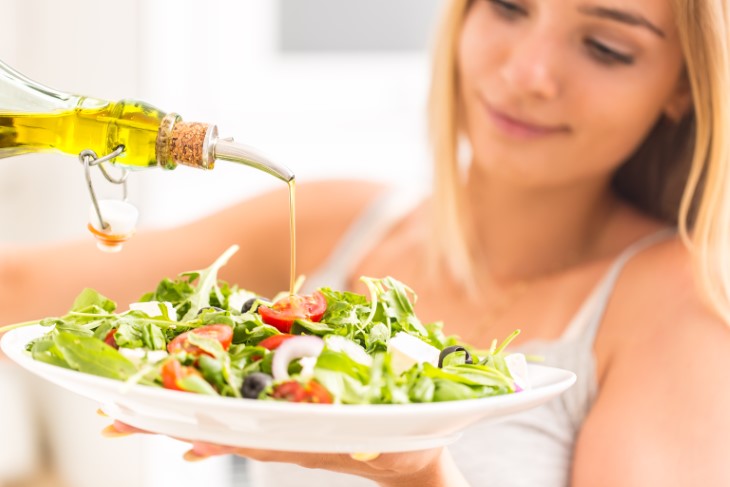
Olive oil 

Fish 

Lamb, beef, and goat 

Fruits such as figs and pomegranates 

Bread, often sourdough 

Honey Butter and dairy 

Vegetables, grains, and legumes 

In many ways, this resembles the well-known Mediterranean diet, which also centers on whole foods like olive oil, fish, fruits, and vegetables while limiting processed ones. The key difference is the foundation. The Mediterranean pattern grew out of decades of nutrition research, while Biblical eating is rooted in scripture rather than science. 

What the Trend Gets Right

Here is the reassuring part: many of the foods this trend promotes are genuinely good for you, and nutrition experts largely agree on that point. A diet built around olive oil, fish, fruits, vegetables, whole grains, and legumes, with fewer ultra-processed foods, is a sound and healthy way to eat at any age. These are the same wholesome foods that the thoroughly studied Mediterranean diet is famous for.

There may be a second, gentler benefit as well. For people of faith, connecting the simple act of eating to their beliefs can add a sense of meaning and mindfulness to meals. Experts note that when a way of eating encourages you to slow down, eat with intention, and build lasting habits, that thoughtfulness itself can be helpful, quite apart from the particular foods on the plate. 

Where the Claims Outrun the Evidence 

That said, it is worth keeping a clear head about the bolder promises. Biblical eating is not a formally defined or scientifically studied diet, and there is no good evidence that it delivers the specific health benefits some of its online champions claim. Whatever good it does comes from the general pattern of eating more whole foods and fewer processed ones, the very same advice nutritionists have offered for years, and not from anything uniquely biblical about the foods themselves. In other words, you do not need scripture, or any trend at all, to enjoy the benefits of eating this way. The wholesome foods are wholesome no matter what you call them. 

An Important Word of Caution About Raw Milk 

One food deserves special attention, because some versions of this trend actively encourage it: raw, unpasteurized milk. Here the advice from health authorities could not be clearer, and it runs directly against the trend. Raw milk is strongly discouraged.

Unpasteurized milk, along with cheese, yogurt, and ice cream made from it, can carry dangerous bacteria such as Salmonella, E. coli, and Listeria, which cause serious food poisoning. Pasteurization, the gentle heating process used for over a century, exists precisely to kill these germs, and it does so without meaningfully changing the milk's nutrition. Crucially for our readers, older adults are among those at the very highest risk of severe illness from these bacteria, along with young children, pregnant women, and anyone with a weakened immune system. Over a recent twenty-year span, raw milk was linked to thousands of illnesses and hundreds of hospitalizations in the United States. 

The simple, safe choice is to stick with pasteurized milk and dairy. You lose nothing nutritionally, and you avoid a genuine and serious risk.

When Any Food Trend Becomes a Problem 

Beyond the raw milk issue, there are a couple of broader cautions worth bearing in mind, and they apply to almost any diet trend that spreads online. 

The first is the source of the advice. Many of the influencers promoting eating trends have no formal training in nutrition, yet they offer confident health guidance to enormous audiences. It is always worth asking who is actually behind a claim, and leaning on qualified professionals, your doctor or a registered dietitian, rather than a persuasive voice on a screen.


The second is rigidity. Any way of eating can tip into something unhealthy when it becomes too strict, needlessly cuts out nourishing foods, or sorts food into "clean" and "unclean," "good" and "bad." That kind of thinking can breed guilt and an unhealthy relationship with food, and it is particularly unhelpful for anyone prone to rigid eating patterns. A healthy diet should never make you feel ashamed of what is on your plate. 

The experts are consistent on what genuinely works: the best way of eating is one that is flexible and sustainable, that provides all the nutrients your body needs, that fits your own culture and lifestyle, and that lets you enjoy food without guilt. Rigid rules tend to fade; balanced habits last.


https://gscrochetdesigns.blogspot.com. one can see my crochet creations  

https://kneereplacement-stickclub.blogspot.com. for info on knee replacement

https://cancersupportindia.blogspot.com  for info on cancer and health related topics

https://GSiyers home remedies.blogspot.com   is the latest addition to my blogs


Wednesday, June 3, 2026

'Don't eat idli, dosa or poha in breakfast if...': Doctor explains who should avoid them and what modern lifestyles require

Traditional Indian breakfast dishes such as idli, dosa, poha, puri and chapati have long been considered healthy and comforting morning meals. However, according to homeopathy physician Dr. Sayajirao Gaikwad, whether these foods are ideal depends largely on a person's lifestyle and activity levels.

In a recent post on X, Dr. Gaikwad argued that people who spend most of their day sitting—especially those working desk jobs for eight to ten hours daily—may need to rethink their breakfast choices.

"Breakfast of idli, dosa, poha, puri or chapati is not a better option for you if you sit 10 hours a day. Eat according to your lifestyle, not just tradition," he wrote.

What is the ideal breakfast?

According to the doctor, the ideal breakfast for modern humans should be:
  • High in protein
  • Moderate in healthy fats
  • Rich in fibre
  • Low in carbohydrates
He explained that such a combination can help improve blood sugar control, support fat loss, reduce insulin resistance and even aid in reversing non-alcoholic fatty liver disease (NAFLD), a condition that is becoming increasingly common due to sedentary lifestyles and poor dietary habits.

Protein-rich breakfasts are known to keep people full for longer periods, reducing unnecessary snacking and helping maintain stable energy levels throughout the day. Fibre, meanwhile, slows digestion and promotes better blood sugar regulation.

Can fruits be eaten with milk or meals?

The post also addressed a common dietary question about combining fruits with other foods, particularly milk.

Responding to a query from a follower, Dr. Gaikwad said there is no issue with consuming fruits alongside meals or milk. In fact, he noted that the fibre present in fruits can be beneficial.

"One can eat fruits with other meals and milk. Fibre in fruits actually helps in slow gastric emptying and hence less sugar spike," he explained.

Doctors weigh in

The discussion attracted comments from other medical professionals as well. One doctor suggested a simple yet nutrient-dense breakfast combination: eggs and guava.

"Egg + Guava is a complete diet, isn't it? The super combination I consider it," the doctor commented.

Eggs are a rich source of high-quality protein, while guava provides fibre, vitamin C and antioxidants, making the pairing a balanced option for many people.

The conversation highlights a growing shift in nutrition advice—from following one-size-fits-all traditions to tailoring food choices based on individual lifestyles, activity levels and health goals. Experts increasingly emphasise that what works for a physically active person may not be the best choice for someone who spends most of the day sitting at a desk.

https://gscrochetdesigns.blogspot.com. one can see my crochet creations  

https://kneereplacement-stickclub.blogspot.com. for info on knee replacement

https://cancersupportindia.blogspot.com  for info on cancer and health related topics

https://GSiyers home remedies.blogspot.com   is the latest addition to my blogs


Sunday, December 14, 2025

You'll Want to Get Up Every Morning for These Combos!

Are you tired of constantly eating the same thing each morning? This amazing mix-and-match chart will make getting out of bed an event that you look forward to. If you fancy a more traditional breakfast, refer to the chart's left-hand-side. If you're feeling a bit more adventurous, refer to its right-hand-side. Whatever your preferences, you'll definitely be able to make a healthy breakfast bowl to whet your appetite.

table of breakfast food combos  

https://gscrochetdesigns.blogspot.com. one can see my crochet creations  

https://kneereplacement-stickclub.blogspot.com. for info on knee replacement

https://cancersupportindia.blogspot.com  for info on cancer and health related topics

https://GSiyers home remedies.blogspot.com   is the latest addition to my blogs


Saturday, October 25, 2025

Honeyed Yogurt

Fill half a cup with non-fat Greek yogurt, sprinkle a dash of cinnamon and add 1 teaspoon of honey - an unusual yogurt treat with a twist.

Tip to make it healthier add some finely chopped nuts and seasonal fruit to make you feel fuller and healthier.


https://gscrochetdesigns.blogspot.com. one can see my crochet creations  

https://kneereplacement-stickclub.blogspot.com. for info on knee replacement

https://cancersupportindia.blogspot.com  for info on cancer and health related topics

https://GSiyers home remedies.blogspot.com   is the latest addition to my blogs

Friday, October 3, 2025

How to Upgrade a Bagged Salad Kit into a Full Meal

Store-bought bagged salad kits are the pinnacle of modern supermarket convenience. They have many advantages: they are carefully curated, super-efficient time-savers, they come complete with dressings, they eliminate the need to plan a meal, prepare a dressing and wash, dry, or chop veggies. They also represent a great opportunity to discover new ingredients. On the other hand, if you've ever tried one you know that, on their own, they are not enough to keep you full for more than an hour. The ingredients are limited by their shelf-life constraints and fragility. I like to fondly call these packed kits 'bags of potential'. So how do we unlock that potential? 

Arm up the volume
 leafy mix
 
If you pour the contents of the bag into your big salad bowl and the size of your salad disappoints you, there are a few solutions to that problem. As we eat with our eyes first, it is important that the meal will be appealing. What's more, usually there's more dressing than needed, so let's make the most out of it instead of throwing half the bag away. Here's a list of ingredients you can add to your bowl to enlarge the salad: 
 
Broccoli 
Cabbage 
Shredded carrots 
Kale 
Baby spinach 
 
Congratulations! You can check fibers off the list. You can also check fats off the list if you like the dressing (it contains fats), or you can add some nuts for an extra boost. Now let's move on to protein. 
 
Add a Dose of Protein
 
proteins

Protein is what will keep you full for more than an hour. Here are some ideas for a protein dose: 
 
Baked\fried tofu rolled in cornstarch (for extra crispiness) 
Teriyaki chicken 
Satay marinated chicken 
Pork in lemongrass 
Black beans 
Red beans 
Rice 
Shrimps 
Turkey 
Beef crumbles 
 
You can cut your protein of choice into strips or little cubes, whichever butters your toast. Don't forget to add seasoning for extra flavor! Opt for fresh herbs for best results.


Don't be afraid of Carbs
 carbohydrates
  
Carbohydrates do belong in salads, let's start with that. A salad can be healthy, tasty, and nutritious all at the same time, while keeping you full, happy and satisfied for a few good hours. You should always enjoy eating, and in the long run, trying to avoid carbs will only make you hungrier and hungrier. You need them just like you need protein. So what are the healthy choices? 
 
Pita crunches (homemade is always the best choice) 
Croutons 
Tortilla strips 
Bagel chips 
Garlic bread 
 Pasta 
Some fruits: blueberries, green apples, and pears are a good match for a salad. 
 
Control the Taste 
 
3 wooden salad bowls full of salad

You can alter the taste of the salad in so many ways! Spices, seasoning mixes, and dressings are a few ways, but the ingredients themselves play a big role in determining the taste as well. For example, if the following ingredients are in your bagged mix, it will probably taste somewhat sweet: 
 
Poppy seeds 
Tangerine 
Maple bourbon 
Honey pecan 
Fruity vinaigrettes 
Dried cranberries 
 Fresh fruits like apples and pears. 
 
If you'd like to balance out the sweet with some savory, you can add some salted bacon, cheese, fresh bell peppers, or fresh onions. 
 
On the astringent or bitter side of the taste scale, look out for these ingredients:
Broccoli 
Brussels sprouts 
Endives 
Kale 
Kohlrabi 
 
If you'd like to balance those out, you can add shrimps, cherry tomatoes, grilled salmon or steak, mozzarella cheese, prosciutto, dried tomatoes, rotisserie chicken, and lentils, or any other sweet ingredient from the previous list. 
 
Finally, let's revisit the reason we bought a bagged salad mix in the first place. We did it to save us the time and trouble of all that cooking, didn't we? This doesn't have to change. While homemade, homegrown, and fresh produce is the best choice, we know that it's a privilege only a few can afford. Don't hesitate to use canned beans, bought chicken rotisserie or any dried, bought herbs. We mentioned how you should always enjoy eating your meal, and that is also true to the process of preparing it. 


https://gscrochetdesigns.blogspot.com. one can see my crochet creations  

https://kneereplacement-stickclub.blogspot.com. for info on knee replacement

https://cancersupportindia.blogspot.com  for info on cancer and health related topics

https://GSiyers home remedies.blogspot.com   is the latest addition to my blogs


Sunday, August 3, 2025

Yogurt Parfait Cups for kids


Yogurt parfaits are healthy, sweet, and look nice in clear cups. Layer yogurt with fruits and granola for a tasty treat. They are easy to eat and loved by kids and teens. Parfaits can be made in advance, saving time on party day.

  • Use plain or flavored yogurt.
  • Add fresh fruits like berries or banana slices.
  • Sprinkle granola or crushed nuts on top.
  • Serve in small clear cups for a pretty look.
  • Let kids add their own toppings for fun.                  


    https://gscrochetdesigns.blogspot.com. one can see my crochet creations  

    https://kneereplacement-stickclub.blogspot.com. for info on knee replacement

    https://cancersupportindia.blogspot.com  for info on cancer and health related topics

    https://GSiyers home remedies.blogspot.com   is the latest addition to my blogs

Tuesday, July 15, 2025

The 7 Best and 7 Worst Foods to Buy Canned

Not all canned foods are made equal - some are delicious, healthy and will save you plenty of time and money, whereas others lack taste, texture, and will only harm your health. In our opinion, those are not worth the price, no matter how cheap they may be. In this article, we’ll explain what things to look out for when choosing canned foods, and we will also go through several common canned food varieties, examining their nutrition and culinary quality. Here is our list of the 7 healthiest and tastiest canned foods you can buy, as well as 7 of those you should definitely avoid.

                                                         The Best Canned Foods 
 
1. Legumes
Best and Worst Foods to Buy Canned canned chickpeas
Legumes, namely beans, chickpeas, peas, and lentils are some of the best foods to buy canned. Canned legumes don't have a lower nutritional value than cooked ones, and using them from the can will actually save you a lot of time in the kitchen. These protein-packed foods are also incredibly versatile - you can easily add them to soups, chilies, stews, or you can even mash some chickpeas up to make homemade hummus. 
 
The only important point to look out in all savory canned goods is their sodium content, as it can be ridiculously high. Aim for less than 300 mg of sodium per serving. But all in all, canned legumes are a handy pantry staple. 
 
2. Fish
Canned fish is also an excellent choice, and you have a large variety to choose from - tuna, salmon, sardines, anchovies, or sprats are just some of the most obvious options. All of these fish varieties are high in protein and B vitamins, so they are guaranteed to become a positive addition to your salad or sandwich. After all, nothing beats a good tuna sandwich, and canned tuna is the easiest way to prepare one. 
 
Note: As with legumes, watch out for the sodium content of canned fish. 
 
3. Pureed or Crushed Tomatoes
Pureed or crushed tomatoes are a no-brainer, and you'll be able to make a vast number of quick meals using them - a soup, a pasta sauce, a stew, a breakfast shakshouka, you name it. No dicing, peeling and pureeing needed, neither. You can also purchase tomato sauce or puree in jars or bottles, there is little difference in the product itself, but make sure to watch the sodium and sugar content in these products.

 
4. Corn
Best and Worst Foods to Buy Canned corn 
Canned corn is another one of those canned foods that will diversify your meals, be it a salad, a soup, or a one-pot of sorts. The preservation process is also not altering the texture and taste of corn, and it's not reducing the excellent nutrient profile of this vegetable.
 
5. Pureed Pumpkin 
Prepping pumpkin is always my least favorite part of cooking, and it doesn't matter if I'm baking a pumpkin pie or making pumpkin soup. Luckily, pureed pumpkin is available pretty much at any store, and it can cut down the cooking time by at least an hour. Do make sure there are no added flavors or sweeteners before purchasing a can of pumpkin puree, though, since pure pumpkin puree is the most antioxidant-rich and healthy option. 
 
6. Condiments
Best and Worst Foods to Buy Canned olives
If you're looking for an instant taste infusion to your meal, don't shy away from canned condiments, such as pickles, artichokes, olives, capers, or water chestnuts. These will work great as a topping to salads, a snack to serve on the side, an addition to sandwiches or a topping for the main dish. Capers, for example, make a deliciously savory topping for fish. Don't be afraid to experiment with these condiments, but make sure not to eat too much of them either, as most of these will be quite high in salt. 
 
7. Coconut Cream
Best and Worst Foods to Buy Canned coconut cream
Trust us, a can or two of coconut cream goes a long way in the kitchen. In addition to being an excellent dairy alternative with an insanely long shelf life and a reasonable price tag, it's indispensable for making the creamiest, most delicious curries and sauces to go with rice. You can even whip it up and make delicious coconut whip cream that works extremely well with practically any dessert and even in coffee. 
 
If you're watching your fat intake, you might also find it useful to know that full-fat coconut cream is comparable to light cream in terms of its fat content, and light coconut cream is the same as skim milk.
 
  
                                   The Worst Canned Foods 
8. Soup
Canned soups may save you some time, but it will be at the expense of your own health in the vast majority of cases. These highly-processed soups are typically full of preservatives, sweeteners, and many contain one's entire daily allowance of sodium and more saturated fats than you should have a day, all just in one can of soup! 
 
Honestly, it's much healthier, not to mention tastier, to add veggies, canned legumes, and fresh herbs into some chicken or vegetable stock and prepare your own soup it just 15-20 minutes.


9. Fruits
We all know that canned fruit are not the tastiest treat one can have, but did you know that these are more often than not loaded with added sugar as well? The package may state that the pineapple or peach slices are preserved in their own juices, but the truth is that most of these contain a lot of sugar. 
 
What's a good alternative? Both frozen, dried and fresh fruit are an excellent choice to consider, but if you're looking for something to store long term, frozen or dried (with no sugar added) fruit are obviously a better choice for you. 
 
10. Some Vegetables
When it comes to certain canned vegetables, things can get a bit tricky. After the canning process, their taste and texture may become altered, which can make the meal a bit less flavorful and nutritious than one would expect. This is especially true when it comes to asparagus, green beans, and baby carrots. 
 
Although everything boils down to personal preference, we say it's always nice to know that you have an alternative, namely frozen veggies, that have a similarly long shelf life, but a better taste and no added salt. 
 
11. Ready-made Meals
Canned meals, such as canned chili, sloppy Joe, corned beef and the like, are another dangerous choice. First of all, let's face it, none of these choices use the freshest and highest quality meat, but that's not even the biggest problem. These foods are also sky-high in salt and preservatives, which is exactly why they can have such a long shelf life. 
 
In addition to that, many of these ready-made meals will also be packed with saturated fats, which are known to contribute to cardiovascular issues. Generally speaking, it's just best to leave the canned foods that contain more than 3 g of saturated fat per serving on the shelf. 
 
12. Processed Meats
Processed meats are bad enough for you on their own, with things like liquid smoke, high animal fat content, and countless additives all making them not the best choice health-wise. Processed meat, such as sausages, ham, and bacon, has even been linked with several types of cancer, as well as cardiovascular issues. 
 
When these highly-processed animal-derived ingredients are further mixed with salty brine and preservatives, you can imagine that it doesn't make them any healthier. Virtually all of these foods contain saturated fats and salt in excess. 
 
13. Pasta
Apart from being significantly inferior to any pasta you can cook up yourself with just some dried pasta, herbs and a can of crushed tomatoes in terms of its taste, canned pasta is also horrible for your health. Salt and sugar are in large quantities in these foods. 
 
While you can control how much salt or sugar you add to a homemade pasta sauce, you can't do that with these ready-made options, and producers of these canned pastas add way too much of it in order to compensate for the lack of taste and texture in these products. 
 
14. Baked Beans
Best and Worst Foods to Buy Canned Baked Beans
While canned beans in a low-sodium brine are an excellent high-protein choice, baked beans are less so. This is because tons of saturated fats, sugar, salt, and other additives, like the hormone disruptor BPA, are a common find in baked beans. 
 
Generally speaking, baked beans encompass all that is bad about canned foods in one package, transforming a healthy choice into a long-term health hazard. Instead of buying baked beans, make your own from canned beans, tomato sauce and the spices of your choice.


https://gscrochetdesigns.blogspot.com. one can see my crochet creations  

https://kneereplacement-stickclub.blogspot.com. for info on knee replacement

https://cancersupportindia.blogspot.com  for info on cancer and health related topics

https://GSiyers home remedies.blogspot.com   is the latest addition to my blogs


Friday, June 27, 2025

Gluten Free Sweet Oat Crepes

This recipe is both dairy-free and gluten-free. Some may read this and think- "healthy!" while others may read this and think- "bland..." But we're here to tell you that this is exactly what makes these crepes so special. You can enjoy them with any spread or filling to your heart's desire! A sweet chocolate spread? A savory cheese and mushroom filling? Anything goes!

Gluten Free Sweet Oat Crepes


Ingredients
Rolled Oats - 3/4 cup 
Milk - 1 1/2 cups (any of your choice) 
Maple syrup / honey - 2 tsp. 
Salt - a pinch 
Chickpea flour - 1/2 cup

Preparations

 Process all ingredients in a blender until smooth. 

Oil and heat a pan over medium heat. Pour 2 tbsp portions of the batter at a time. 

Tilt and move the batter around immediately to flatten it and create an even layer for the crepe. 

Once the top seems set, flip it and cook for another minute or two, and stack the crepes on a plate.

Serve with the filling of your choice-
fruits, nuts and raisins mixed with honey  OR
fruits mixed with melted chocolate and chopped nuts 
 
Savoury filling
fried onions with sliced mushrooms with seasoned to taste, add some grated cheese, stuff when hot, roll on press on the hot pan for the cheese to melt on low flame for a minute on each side, serve hot sliced.
 
carrots, beans, corns with cheese and seasoned to taste.
 
Try what you and your family loves, each time a different filling ! 
 

https://gscrochetdesigns.blogspot.com. one can see my crochet creations  

https://kneereplacement-stickclub.blogspot.com. for info on knee replacement

https://cancersupportindia.blogspot.com  for info on cancer and health related topics

https://GSiyers home remedies.blogspot.com   is the latest addition to my blogs


Thursday, April 3, 2025

Cheesecake in a Mug


Ingredients:

  • 2 tbsp graham cracker crumbs
  • 1 tbsp butter (melted)
  • 4 oz cream cheese (softened)
  • 2 tbsp sugar
  • 1/4 tsp vanilla extract
  • 1 egg yolk
  • 1-2 tbsp sour cream
  • Fruits
  • Whipped cream
  • Chocolate sauce

Method:

  1. Prepare the crust: In a small bowl, mix the graham cracker crumbs and melted butter. Press the mixture into the bottom of your mug to form the crust layer.
  2. Make the cheesecake filling: In another bowl, beat the softened cream cheese, sugar, vanilla extract and egg yolk together until smooth. You can use a fork or small whisk for this, mix in the sour cream for a creamier, tangier filling.
  3. Assemble: Pour the cheesecake filling over the crust in the mug. Make sure the filling is spread evenly.
  4. Microwave: Microwave the mug on high for 40-60 seconds. Start with 40 seconds and check to see if the cheesecake has been set (it should be firm but slightly jiggly). If needed, microwave for another 10-20 seconds, but be careful not to overcook it.
  5. Cool and Enjoy: Let the cheesecake cool for a few minutes before serving. If you like, top it with fruit, whipped cream, or a drizzle of chocolate sauce.                                                               

    https://gscrochetdesigns.blogspot.com. one can see my crochet creations  

    https://kneereplacement-stickclub.blogspot.com. for info on knee replacement

    https://cancersupportindia.blogspot.com  for info on cancer and health related topics

    https://GSiyers home remedies.blogspot.com   is the latest addition to my blogs