Showing posts with label kidneys. Show all posts

Saturday, August 9, 2025

Easy Ways to Reduce Salt Intake Without Losing Flavor - Important for Diabetics and those with High Blood Pressure.

The average person consumes approximately 3,400 milligrams of sodium daily, which exceeds health recommendations by a considerable margin. Salt appears in countless foods we enjoy, including pretzels, sandwiches, and many prepared meals. 

The American Heart Association recommends keeping sodium intake to under 1,500 milligrams a day for most adults. That’s not a lot, especially considering how much sodium is hidden in processed foods. People with certain medical conditions should consume even less. 

Understanding how to reduce salt in everyday meals is a helpful step toward better long-term health. Let’s look at how you can keep your food tasty without loading up on sodium. 


Health Benefits of Reducing Sodium

 
Low-Sodium Cooking Tricks

Cutting back on salt delivers numerous health advantages that extend beyond simply lowering blood pressure.


Better Heart Health: 
Reducing sodium helps maintain healthy blood pressure levels, decreasing heart attack and stroke risks. The connection between sodium intake and hypertension remains one of the strongest links in nutritional science. 
 
Kidney Health Protection: Your kidneys filter excess sodium through your bloodstream. Consistently high sodium levels force these organs to work harder, potentially causing long-term damage or contributing to kidney stones. 
 
Reduced Fluid Retention: Excess sodium causes your body to retain water, resulting in bloating and uncomfortable swelling in areas like ankles and hands. Limiting salt intake helps maintain proper fluid balance. 
 
Enhanced Taste Perception: Many people discover that after reducing salt consumption for several weeks, their taste buds become increasingly sensitive to subtle flavors previously masked by excessive saltiness. 
 
Improved Digestive Comfort: Excessive salt can irritate the digestive tract and trigger uncomfortable symptoms for many individuals, especially those with pre-existing digestive sensitivities. 
 
Research consistently shows that reducing sodium intake helps lower blood pressure, which directly impacts cardiovascular health and reduces complications associated with hypertension. 
 
How to Reduce Sodium Without Losing Flavor 
 
Use Citrus for a Fresh Kick

 
Low-Sodium Cooking Tricks

Fresh citrus juices add brightness and depth to dishes while providing a salt-free flavor enhancement. Consider incorporating:
 
Lemon zest in pasta dishes or sprinkled over vegetables 
 
Lime juice in marinades for fish or chicken 
 
Orange segments in salads for unexpected sweetness 
 
Grapefruit juice in dressings for a tangy kick 
 
Lesser-known citrus varieties like kumquats, tangelos, or yuzu can introduce exciting flavor dimensions to your cooking repertoire. Try squeezing fresh lemon over fish immediately before serving or adding orange zest to your morning oatmeal for a flavor explosion without adding sodium.

The acids in citrus fruits actually trigger the same taste receptors that respond to salt, making them excellent substitutes in many recipes.

Swap Salt for Vinegar
Experiment with different vinegar types to discover unique flavor profiles that complement specific dishes:
 
Balsamic vinegar drizzled over roasted vegetables 
 
Apple cider vinegar in homemade salad dressings 
 
Rice vinegar for Asian-inspired dishes 
 
Red wine vinegar for Mediterranean flavors 
 
Sherry vinegar for depth in soups and stews 
 
Vinegar contains various antioxidants and compounds that may support digestive health and blood sugar regulation. Aged balsamic varieties develop complex, slightly sweet characteristics that add remarkable depth to dishes without sodium. 
 
Try reducing balsamic vinegar into a thick glaze by simmering until it reaches a syrup-like consistency—this creates a concentrated flavor booster for countless dishes. 
 
Build Flavor with Veggies


Vegetables contribute natural flavors while adding nutritional value: 
 
Caramelized onions create sweet, rich undertones in dishes 
 
Roasted garlic cloves develop mellow, nutty flavors 
 
Sautéed mushrooms add umami depth to sauces
 
Roasted red peppers bring smoky sweetness
 
Celery adds natural savory notes to soups and stews
 
Consider making vegetable purées to add body and flavor to sauces without relying on salt. A simple purée of roasted carrots or squash can transform the flavor profile of a dish while adding nutrients. 
 
Remember that while fresh and frozen vegetables naturally contain minimal sodium, canned varieties often include added salt unless labeled "no salt added" or "low sodium."


Herbs and Spices are your friends

 Low-Sodium Cooking Tricks
 
 
The world of herbs and spices offers endless possibilities for salt-free flavor enhancement: 
 
Fresh basil brings aromatic sweetness to Italian dishes 
 
Smoked paprika adds depth to roasted potatoes 
 
Cumin provides earthy warmth to bean dishes 
 
Cinnamon enhances both sweet and savory meals 
 
Oregano complements Mediterranean flavors perfectly 
 
Turmeric contributes color and mild flavor with anti-inflammatory benefits 
 
Creating custom spice blends allows you to develop signature flavors tailored to your preferences. Try mixing dried herbs with complementary spices in small batches to keep on hand for quick flavor additions. 
 
A study published in The American Journal of Clinical Nutrition found that adults who used herb and spice blends in place of salt rated food equally enjoyable while consuming approximately 50% less sodium. 
 
Reduce Salt in Canned Goods
 
Low-Sodium Cooking Tricks

Take control of sodium levels in packaged foods with these techniques: 
 
Rinse canned beans thoroughly—this can reduce sodium content by up to 40% 
 
Choose frozen vegetables without sauce or seasonings 
 
Look for labels stating "no salt added" or "low sodium" 
 
Drain liquid from canned tuna or other packaged proteins 
 
Make homemade versions of typically high-sodium condiments 
 
A simple colander rinse under cold water removes a significant portion of added sodium from canned products without affecting their convenience factor or nutritional benefits. 
 
Change How You Cook 
Some cooking techniques naturally intensify flavors without additional salt: Grilling creates distinctive char flavors 
 
Roasting concentrates natural sugars in vegetables 
 
Braising develops deep flavors in tougher cuts of meat 
 
Searing locks in juices and creates flavorful crusts 
 
Slow cooking allows flavors to develop and meld naturally 
 
Try dry-roasting spices before adding them to dishes—this simple step releases aromatic oils and enhances their flavor contribution significantly.

Reducing salt intake while dining out
 
Eating out doesn’t mean giving up on low-sodium goals. Here's what you can do: 
 
Ask Questions: Restaurant staff typically know which menu items contain less sodium or can request modifications from the kitchen. 
 
Watch Terminology: Dishes described as "pickled," "brined," "smoked," or "cured" typically contain elevated sodium levels. 
 
Asian Cuisine Awareness: Soy sauce, teriyaki, and miso-based dishes rank among the highest sodium options in restaurants. 
 
Control Portions: Sharing entrées or taking half home immediately reduces sodium consumption. 
 
Custom Orders: Request dressings and sauces on the side so you can control amounts. 
 
Some progressive restaurants now offer designated low-sodium menu sections or indicate sodium content directly on menus. Apps like MenuStat provide nutrition information for many chain restaurants, allowing for informed choices before dining out.
 
Salt Alternatives: Myth vs. Reality 
 
Many consumers wonder about alternative salt varieties. Here's what nutrition science tells us: 
 
Sea salt, kosher salt, Himalayan pink salt, and table salt all contain approximately the same amount of sodium by weight. While alternative salts may contain trace minerals absent in regular table salt, these differences remain nutritionally insignificant regarding sodium content. 
 
The primary difference between salt varieties lies in texture, crystal size, processing methods, and subtle flavor variations rather than health benefits. 
 
Sneaky Sodium Sources to Watch Out For


Many unsuspecting foods contribute significant sodium to American diets: 
 
Bread products (up to 230mg per slice) 
 
Pizza (approximately 760mg per slice) 
 
Processed meats (nearly 600mg in just 3 ounces) 
 
Canned soups (some varieties exceed 900mg per cup) 
 
Prepared sandwiches (easily surpassing 1,500mg each) 
 
Breakfast cereals (200-300 mg per serving) 
 
Salad dressings (particularly creamy varieties) 
 
Cheese (particularly processed types) 
 
Over 70% of dietary sodium comes from processed and packaged foods rather than salt added during cooking or at the table. This makes label reading essential for sodium management. 
 
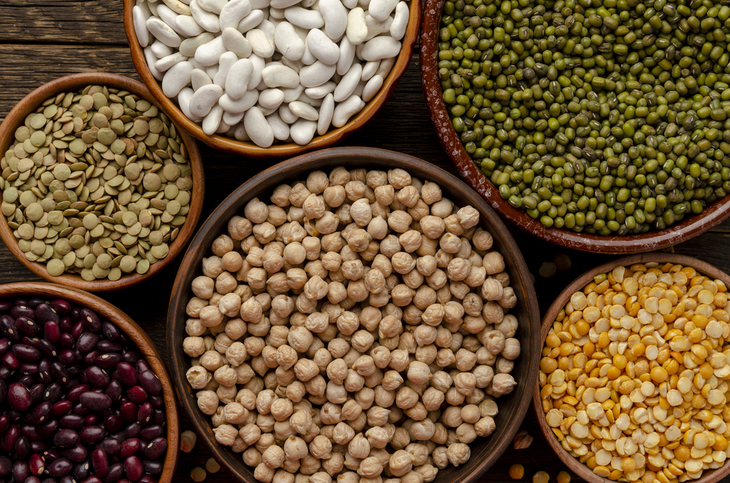
Naturally Low-Sodium Foods to Add to Your Diet 
 Low-Sodium Cooking Tricks
 
Incorporate these naturally low-sodium food groups into your diet: 
 
Fresh fruits (virtually sodium-free) 
 
Fresh vegetables (minimal natural sodium) 
 
Whole grains like brown rice and quinoa 
 
Dried beans and legumes (when prepared from scratch) 
 
Unsalted nuts and seeds Plain yogurt and milk 
 
Fresh poultry, fish, and lean meats (unprocessed) 
 
Eggs 
 
Unsalted nut butters 
 
Building meals around these whole food options automatically reduces sodium intake while maximizing nutritional value. Fresh herbs grown in a small kitchen garden or windowsill provide ready access to sodium-free flavor enhancers. 
 
Your Flavor Transition Plan

Adjusting to lower-sodium eating typically requires about 2-3 weeks as taste buds adapt. During this transition:
 
Gradually reduce added salt rather than eliminating it entirely 
 
Experiment with new flavor combinations weekly 
 
Keep a flavor journal, noting successful combinations 
 
Involve family members in taste-testing alternatives 
 
Remember that preference adjustment takes time 
 
The culinary world offers countless exciting flavors waiting to be discovered beyond salt. Trying these alternatives will likely lead you to new favorite dishes and support your long-term health goals at the same time.


https://gscrochetdesigns.blogspot.com. one can see my crochet creations  

https://kneereplacement-stickclub.blogspot.com. for info on knee replacement

https://cancersupportindia.blogspot.com  for info on cancer and health related topics

https://GSiyers home remedies.blogspot.com   is the latest addition to my blogs


Sunday, December 16, 2018

Amazing Benefits And Uses of Cucumbers

Cucumbers can be eaten plain.
It can be added to salads.
It can be used in a sandwich.
It can be added in a smoothie.
It can be used as a dip.
It can be added to a pancake.
Well, surely there are lot more uses of cucumber other than eating.

 Benefits Of Cucumber


1. Revitalizes Skin

The greatest and most important skin benefit of cucumber is that it helps in revitalizing the skin.

  • 2 ¼-inch slices of cucumber
  • 1 tablespoon + 1 teaspoon Greek yogurt
  • 1 teaspoon aloe vera gel
  • 1teaspoon honey
  • 1/2 teaspoon lemon juice
  1. Puree the cucumber in a blender and then add the other ingredients to it.
  2. Then, apply one layer of the mask on damp skin and leave it on for five minutes.
  3. Follow it up with the remaining mask another one or two times for a total of 15-20 minutes.
  4. Once dry, rinse it off with lukewarm water. Follow it up by splashing your face with cold water to close your skin pores.
Why Does It Work
Facial masks containing cucumber juice are beneficial for skin tightening.

2. Reverses Skin Tanning

Cucumber is a mild astringent that helps get rid of skin tan.

Juice of a grated cucumber

  1. After grating the cucumber, take a clean washcloth and use it to squeeze the juice out.
  2. Then, apply the juice on your face.

It has a mild bleaching property that can help even skin tone and give you a youthful and glowing skin .

3. Controls Puffiness Of The Eyes

If you are worried about eye puffiness, then cucumbers can provide you with instant relief.

  • Serious damage to hair health
  • Multiple hair issues
  • Decreased hair growth
A sliced cucumber

Put two slices of cucumber on your eyes and let it stay for as long as you want.

The ascorbic acid and caffeic acid in cucumber brings down the water retention rate which, in turn, diminishes the swelling and puffiness around the eyes .Cucumber can easily reduce the puffiness in your eyes. Simply cut slices of cucumber, refrigerate it for a while and place it on your closed eyelids every day. This will not only bring down the puffiness, but also help you relax. It actually hydrates your eyes and lessens puffiness.

4. Helps Soothe Sunburn

Cucumber also heals sunburnt skin and brings instant relief.

Sliced or pureed cucumber

Carefully apply pureed cucumber or slices carefully and generously on the affected area and allow it to sit for as long as you want.

Cucumber is a natural and gentle way to treat sunburn since it helps draw the latent heat out of your body .

5. Rejuvenates Skin

The most common use of cucumber is to improve and rejuvenate your skin.

  • Cucumber juice
  • Lemon Juice
Mix cucumber juice with a few drop of lemon juice. Apply the mixture as a facial mask.
Application of this mask will improve the complexion and will add a glow to the skin since cucumber is both a mild astringent and contains a lot of water.

6. Treats Open Pores

You can also use cucumber to treat open pores and heat bumps on legs.

  • Cucumber juice
  • Apple cider vinegar (optional)
  • Tomato pulp (optional)
  • Aloe vera gel (optional)

1. Blend the cucumber to get the juice and use it as a toner.
2. You can also mix it with apple cider vinegar, tomato pulp, and aloe vera gel to make it more effective


Cucumber juice can absorb the heat, rendering coolness and closing open pores.

7. Fights Cellulite

Cucumber can also help banish cellulite from the thighs.

  • Cucumber juice
  • Ground coffee
  • 1 tablespoon raw honey

  1. Mix some ground coffee with cucumber juice and raw honey to make a thick paste.
  2. Apply this on the affected areas, wrap it in a muslin cloth and exfoliate gently after 30 minutes.

  • Serious damage to hair health
  • Multiple hair issues
  • Decreased hair growth
Cucumber juice contains phytochemicals that help in the production of collagen, the fiber-like protein responsible for skin elasticity and remove cellulite .

8. Reduces Dark Circles

Using cucumber slices around the eyes also reduces the appearance of dark circles quickly.

  • Sliced cucumber
    Or
  • Cotton balls soaked in cucumber juice

  1. Place two slices of cucumbers on the eyes and leave them for 20 minutes.
  2. Alternatively, you can also soak two cotton balls in cucumber juice and place them on your eyes.

The abundance of antioxidants and silica in cucumber can help in slowly fading dark circles.Though cucumber cannot permanently cure your dark circles, it sure can make the skin around your eyes appear lighter on a temporary basis. The skin around our eyes is often found discolored, and these dark circles spoil the prettiest of faces. Cucumber comforts vessels around your eyes; hence helps bring back its normal tinge.

9. Treats Blemishes

You can use grated cucumber to treat freckles and blemishes.

  • Cucumber juice or pulp
  • 1 teaspoon of oats

  1. Mix the oatmeal in the cucumber pulp and let it sit for half an hour.
  2. Apply it over the face and leave it on for 20 minutes.
  3. Then, wash your face with lukewarm water and follow it up by splashing cold water.

Cucumber contains anti-inflammatory properties that help soothe your skin .

10. Reduces Eye Wrinkles

Cucumber is a natural moisturizer. The skin around our eyes is the thinnest in our body. Placing cold cucumber slices on your eyes can hydrate your eyes and the skin around. This, in turn, can help reduce lines and wrinkles around eyes. Hydrated skin means smoother skin. You can actually call cucumber an eye moisturizer.

11. Removing Excess Water

Cold cucumber slices on eyes helps remove excess water. This is a great way of drawing excess moisture out of the skin cells around eyes. This is believed to reduce swelling of the eyes.

12. Under Eye Bags

Cucumber also helps toning down of under eye bags. Take a small inch of a cold cucumber and make a fine paste by grinding it. Now add either lavender oil or chamomile oil to it along with some honey. Blend it well and make it into a fine paste. Now apply this under your eyes using your fingers lightly. Leave this on for around 10-15 minutes and wipe using a damp cloth. This will help a lot in reducing the under eye bags.

13. Reduces Hair Fall

Drink cucumber juice daily to control hair fall.
Cucumber juice
Apply cucumber juice to your hair and scalp. Leave it on for an hour and then shampoo.
The most important benefit of cucumber for hair is primarily due to its content of silicon, sulfur, sodium, phosphorus, and calcium that are some of the most needed nutrients required for hair growth.

14. Gives Shiny Hair

Cucumber juice can also be used as a hair rinse to get silky and shiny hair.
It conditions the hair owing to the presence of silica and makes it more beautiful .

15. Relieves Constipation

Daily consumption of cucumbers can be regarded as an effective laxative.
  • Serious damage to hair health
  • Multiple hair issues
  • Decreased hair growth
The amount of calories in cucumber is very low, but its fiber content adds to your bowel bulk and relieves problems like constipation .

16. Keeps Your Renal System Healthy

Cucumbers help treat problems arising in your urinary system.
Cucumber juice
Drink cucumber juice twice, daily.
Cucumber juice is a potent diuretic food that helps flush out toxins from your body. It also eases the pressure on your kidneys and keeps them healthy .

17. Aids Digestion

Digestive problems like heartburn, acidity, gastritis, and ulcers can be cured by consuming cucumber.
Sliced cucumber or cucumber juice
Include cucumber in your daily diet.
Cucumber contains a high amount of fiber that helps in digestion.

18. Fights Intestinal Worms

Cucumber is considered as a natural remedy to eliminate tapeworm from the intestinal tracts.
Cucumber contains the enzyme erepsin that is known to kill tapeworms .

19. Maintains Electrolyte Balance

Cucumbers regulate the blood pressure level in your body at the optimum.
Cucumbers are one of the best sources of potassium and contain 136 milligrams of potassium per 100 grams . Potassium in blood neutralizes the effects of sodium and helps maintain electrolyte balance .

20. Reduces Inflammation

Fresh cucumber extracts are also known to reduce unwanted inflammation.
It accomplishes the task by inhibiting the production of prostaglandin, the inflammatory compound . Cucumber has a substance called beta-carotene. This acts as an anti-oxidant. It helps fight free radicals and controls damage. It also promotes healing. Cucumbers are also rich in flavonoids which are great for reducing inflammation.

21. Beneficial For Diabetics

Cucumbers are also an effective treatment for diabetes.
Cucumber juice contains hormones that are needed by the pancreas for producing insulin .

22. Is A Cancer Preventive

A recent study has found cucumber to be an effective remedy to fight different kinds of cancer.
Cucumbers are known to contain lignans that are found to reduce the risks of developing breast cancer, uterine cancer, and prostate cancer. It has some of the most important ingredients such as lariciresinol, pinoresinol, secoisolariciresinol that help in reducing the risk of all types of cancer. It has got photo-nutrients known as lignans that help in preventing cancer. Vitamin C found in cucumber seeds acts as an antioxidant and also improves the immunity system.

23. Good For Dental Health

Cucumber also combats bad breath. 
Cucumber slice
Take a slice of cucumber and press it to the roof of the mouth with your tongue for 30 seconds.
The fruit releases phytochemicals that kill the bad breath causing bacteria . Cucumber juice can effectively treat gum diseases like pyorrhoea and weak gums . Cucumber keeps gums and teeth healthy as it removes bad odor from the mouth. The photochemical present in it kills the bacteria in the mouth. Regular consumption of cucumber with the seeds neutralizes acids in the mouth and promotes salivation.

25. Good For Treating Blood Pressure Issues

Cucumber can also help lower blood pressure.
Cucumber has mild diuretic properties owing to its high potassium and water content that regulate the blood pressure and treat both high and low blood pressure .

26. Detoxifies Your Body

One of the most common benefits of cucumber is that it is a great detox.
Cucumber contains 95 percent water that hydrates and replenishes the body by eliminating the toxins. The high water content in cucumber acts as a system cleanser and sweeps the waste products out of the system .

27. Strengthens Bones

Cucumber is also known as a great remedy to strengthen your bones.
Vitamin K in cucumbers plays a very important role in strengthening bones by promoting orthotropic activity . Also, the high amount of silica in it promotes joint health by strengthening the connective tissue .

28. Treats Alzheimer’s

Another benefit of cucumber is its ability to treat cognitive disabilities like Alzheimer’s disease.
Cucumbers contain a flavonoid called fisetin that is neuroprotective and enhances cognitive abilities, thereby delaying the onset of Alzheimer’s .

29. Aids In Weight Loss

Cucumber seeds also help to lose weight and prevent indigestion, as the seeds and pulp have a low calorie count, high water content and replete with vitamins and fiber.

30. Benefits To The Nervous System

Cucumber has copper minerals that help in creating neurotransmitters that are essential for proper communication in the brain.

31. Acts As A Stain Remover

Cucumber can also be used to remove stubborn stains and tarnish from stainless steel tools, countertops, and walls in the house as well as restore the lost shine.
Slices of cucumber
Polish your vessels with slices of cucumber.
The chemicals found in cucumber prove to be very useful in making your pots and pans shine.

32.Cucumber can polish your shoes !- 
When one is traveling, one tends to forget or don't want to carry your shoe polish. But, you've an important appointment and don't want to be seen with scruffy shoes, then take a few slices of cucumber and rub it all over your shoes ! A bonus of using cucumber is, it will make your shoes water-repellent as well ! Isn't that wonderful !
 
33) Fights condensation in the bathroom- 
Who doesn't like a nice steamy bath in the cold weather and still you don't like to remove the condensation from all over your bathroom fixtures, mirror. Rub cucumber over all the places that will be affected well before you get into the shower. It will not only stop them from fogging up, but will also release some relaxing aromas to help you relax while you bathe.

34) It fights headaches -
If the routine of your day has left your head pounding, or you drank too much red wine, cucumber will come to your aid for the nasty headache. Cucumber is high in vitamin B, sugar and electrolytes, it will replenish the nutrients your body needs to fight off a hangover, or defeat the headache that has been throbbing all day. All you need to do is half a cucumber before bed and go to sleep as usual.

35) It can fight off urge to snack- 
If you're in between meals and feeling peckish, you normally go to the cookie box ot some other snack , to satisfy the urges.  Most of us feel bad soon afterwards and feel bad spoiling our dinner. It is a lesson from our ancestors- bit a cucumber to fight off compulsions to snack. For centuries it has been used by trappers, explorers and traders, as a quick fix to stave off hunger. Just a few sticks of cucumber will suffice.

36) It can drive away garden pests- 
simply place a few slices in an aluminum container( an empty can is good enough), and place it around flower beds. Cucumber and aluminum react together and make a handy repellent.

Side Effects Of Cucumber

Sometimes, cucumbers have side effects that manifest differently in different people. Some of these reactions are discussed along with the precautions that should be practiced:
  1. Allergies, especially around the oral cavity, itchiness, and swelling may also develop. This can be avoided by cooking the fruit rather than eating it in its raw form.
  1. Cucumber can also lead to gastritis problems in some people that are mainly caused due to a compound known as cucurbitacin. This can be avoided by eating cucumbers that have undergone breeding or whose compound has been removed.
  1. Cucumber can also cause toxicity and baldness caused by the chemicals found in them. This usually happens when one consumes excess cucumber.

Selection

When buying cucumbers, make sure that they are fresh. The color of the cucumbers should be light to dark green, and they should be firm in texture. Avoid buying cucumbers that have spots or cuts and are yellow in color. Also, wash them thoroughly before eating to remove pesticides and other harmful chemicals.

Storage

Cucumbers can be stored in the refrigerator for almost a week. If you have peeled the cucumber, then you can store it in an airtight container to prevent moisture from escaping. For optimum nutrition, a cucumber should be eaten within two to three days of purchasing. Also, they should not be left at room temperature for a long time as this can make them limp and wilt.
This wonderful low-calorie vegetable has more nutrients to offer than just water and electrolytes. It contains almost all the nutrients required for a balanced diet that not only help to maintain a healthy body, but also boost many other processes. So enjoy its many benefits and live a healthy life.


For my other blogs, I'm giving the links below, feel free to view and comment too.

https://cancersupportindia.blogspot.com. for all cancer and health related topics
https://gseasyrecipes.blogspot.com. feel free to view for easy, simple and healthy recipes
https://kneereplacement-stickclub.blogspot.com. for info on knee replacemen
t