Showing posts with label buckwheat. Show all posts

Thursday, May 21, 2026

Kitchen Tips: How Long You Can Keep Leftovers

Food storage is one of the most important kitchen-related subjects because improperly stored food can quickly turn bad and become the source of dangerous diseases. Keep in mind that this doesn’t mean that leftover foods are bad and you should throw away food. It’s actually quite the opposite - eating leftovers is an excellent way to save your precious time and money while also reducing food waste, a serious problem in many developed countries, especially the US.

That said, it’s crucial to know how long different leftover foods can last in your fridge, and when it’s time to part ways with this or that food for your own safety. Learn about exactly that, as well as several useful food storage tips in this article. 

Which Foods Spoil Faster and Which Last Longer?

The period of time a specific type of food can safely be kept in the fridge and eaten will depend on a variety of factors. While some foods can be safely stored for days, others are more prone to harboring germs and have to be eaten within a day. Preparation also makes a big difference. 

Meals that feature a mixture of different foods, like stews, will only last as long as the ingredient with the shortest shelf life. Restaurant leftovers should be typically eaten within 3-4 days, as it's difficult to access the freshness of the ingredients used, with the exception of dishes that contain raw fish that should be eaten within 24 hours. 

It’s important to note that some foods will still taste good after the specified time we mention, but this doesn’t mean the food isn’t spoiled, as the process of decay and the spread of bacteria may not show immediately. In terms of their lasting potential, all foods can be divided into 3 main groups:

1. Low-risk foods.
 Things like bread, vegetables, and fruit can be stored in the refrigerator up to 7 days before they go bad. More specifically, bread and foods that are dough-based, like a simple cheese pizza, will stay fresh for 5-7 days, but you must make sure to wrap it thoroughly in plastic or put it in a resealable container to prevent it from drying out. 

Fresh fruit and vegetables that have been cut up previously also have a long shelf life - 3-5 days, but things like cucumber, watermelon, tomatoes, and other high-water-content fruit and veggies will typically spoil a bit faster. Store these foods in a sealable bag or container to keep them fresher for longer. Cooked canned or fresh veggies and fruit will likewise stay fresh from 3 to 5 days. 

2. Medium-risk foods include most, but not all, cooked grains, like pasta, quinoa, and buckwheat. These will typically stay fresh for about 3 days, and you can also freeze them to extend their shelf life by up to 3 months. Desserts and sweets, like cake and pie, will also typically last for about 3-4 days when refrigerated properly. 

3. High-risk foods are those that require special care when refrigerated, and will typically not last for more than 3 days. There are several categories of foods on this list, here are the main ones:

Cooked rice is probably one of the most surprising high-risk food. Rice should be stored very carefully because it commonly harbors Bacillus cereus, a dangerous foodborne pathogen. This is why you should refrigerate rice no more than 1 hour after cooking and eat it within 3 days. 

Meat and poultry are also prone to harboring various pathogens, so be careful when storing cooked meat or poultry. Steaks, roasts, whole birds, and chops should be eaten within 3 days. Foods made of ground beef or poultry like cutlets, lasagna, and pasta sauce spoil even quicker - after just 1-2 days. Though it may take longer, nutritionists also suggest to always thaw ground and whole meats in the fridge, and never on the kitchen counter to prevent the spread of pathogens. 

Eggs and seafood are also high-risk foods, as both can harbor Salmonella and other pathogens. Cooked eggs and egg salad should be eaten within a day, with the exception of unpeeled boiled eggs, which can stay fresh up to a week. Cooked seafood and fish dishes should be eaten within 3 days, but raw fish and seafood meals, like sushi, should be eaten immediately or kept in the fridge for up to 24 hours. 

Soups, stir-frys, and stews that contain meat or fish will usually stay fresh for 3-4 days, but they should be put in the fridge as soon as possible, ideally no longer than 2-3 hours after cooking. If you find it difficult to cool them fast, simply put the pot containing the dish into an ice bath - a sink or large bowl full of cold water and ice - and stir continuously until the food reaches room temperature and can be put in the fridge.

How Do I Know My Food Has Gone Bad?
Your nose is one of the best tools you can use to access your food’s freshness. If the food smells sour or just off, don’t take any chances and just throw it away. Other pointers to look out for are a change of color, as it is the case with guacamole that tends to turn brown and will no longer be enjoyable to eat. Vegetables, fruit, and greens, may also start browning on the edges, whereas meat and seafood can become slimy and sticky to the touch when it goes bad. 

Mold of any kind is also a surefire sign that it’s time to toss the food in the trashcan. Lastly, if you happen to reheat the food and take a bite only to realize the taste is stale, rancid, or sour, avoid eating it as well.

To prevent food from spoiling and extend their shelf life, follow these useful tips: 

1. Refrigerate leftovers within 1-2 hours maximum. Keeping foods at room temperature for a long time is a very bad idea, as bacteria and other pathogens thrive at temperatures between 40°F (4°C) and 140°F (60°C). If you're outdoors and the temperature is above 90°F (32°C), you need to put things in the fridge even quicker - no more than 1 hour. 

2. Store in shallow containers. Food in shallow containers will cool off quicker and more evenly than in tall ones, so opt for shallow ones. US food storage guidelines also recommend avoiding stacking more than 2 containers on top of one another because this may slow down the registration speed of the middle containers. Lastly, opt for sealable clear containers, jars, or bag, so that you can see which foods you have in the fridge clearly. 

Sealing is important to extend freshness and prevent germs from getting in or out of the container. Note that this also means you'll have to transfer improperly packaged foods you got from a takeaway menu or brought from a restaurant.

3. Take advantage of the freezer. Refrigerating foods isn't the best method of preserving food for a long time, as the temperature in the fridge isn't low enough. To extend the shelf life of ready-made foods, soup, bread, and cooked meat included, you can put them in the freezer. Most leftover foods will be safe to eat even after 3 months of being in the freezer! One thing to consider when freezing foods, however, is properly sealed packaging (see the point above) to prevent freezer burn. 

4. Whenever possible, store different foods separately. For example, keep rice, a side dish, in a separate container from stewed vegetables or seafood. This way, if one of the foods goes bad, you’ll be still able to utilize the rest. 

5. When reheating food, bring them to more than 165°F (74°C) to kill any germs that may have survived in the refrigeration. It is known that some foodborne pathogens, such as Listeria monocytogene can survive cold temperatures. If possible, you can even bring some foods to a boil, especially liquids, e.g. soups, sauces, and gravies, before eating.


https://gscrochetdesigns.blogspot.com. one can see my crochet creations  

https://kneereplacement-stickclub.blogspot.com. for info on knee replacement

https://cancersupportindia.blogspot.com  for info on cancer and health related topics

https://GSiyers home remedies.blogspot.com   is the latest addition to my blogs


Sunday, December 14, 2025

You'll Want to Get Up Every Morning for These Combos!

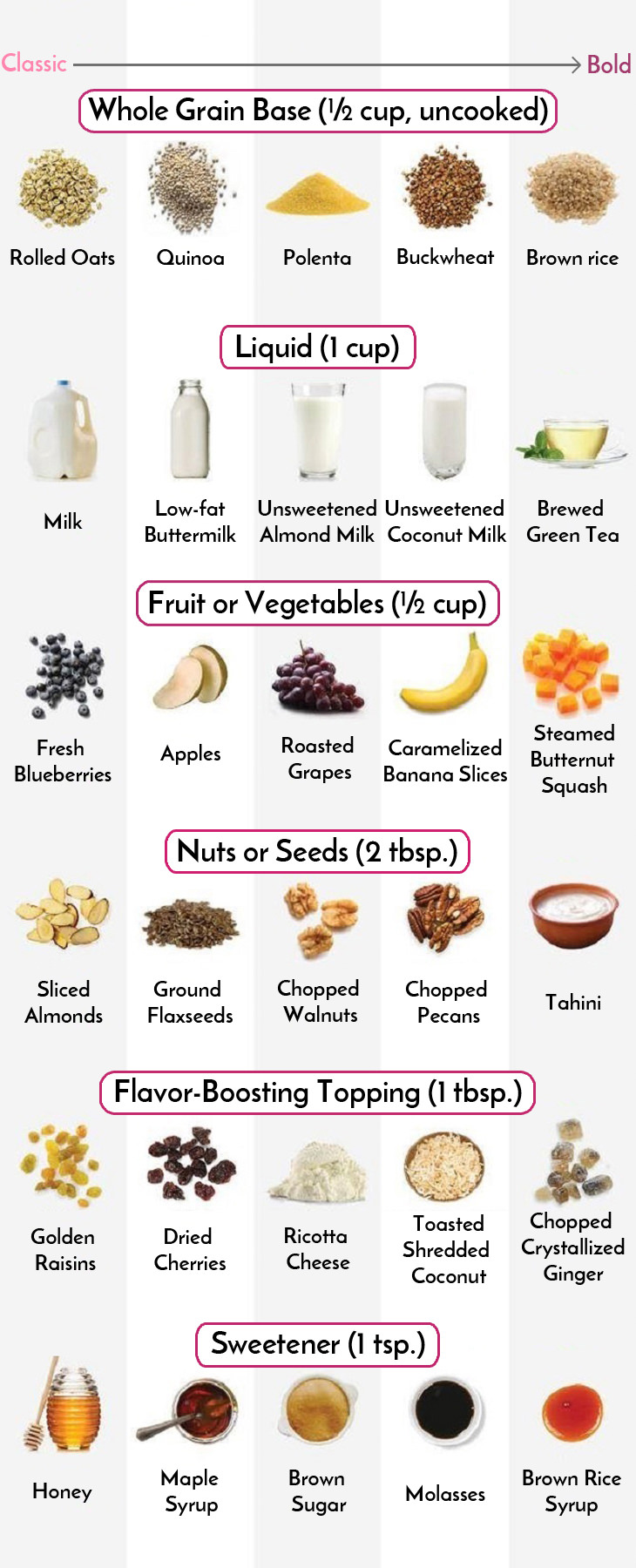
Are you tired of constantly eating the same thing each morning? This amazing mix-and-match chart will make getting out of bed an event that you look forward to. If you fancy a more traditional breakfast, refer to the chart's left-hand-side. If you're feeling a bit more adventurous, refer to its right-hand-side. Whatever your preferences, you'll definitely be able to make a healthy breakfast bowl to whet your appetite.

table of breakfast food combos  

https://gscrochetdesigns.blogspot.com. one can see my crochet creations  

https://kneereplacement-stickclub.blogspot.com. for info on knee replacement

https://cancersupportindia.blogspot.com  for info on cancer and health related topics

https://GSiyers home remedies.blogspot.com   is the latest addition to my blogs


Saturday, September 27, 2025

Allergic to Gluten? Here are 10 Top Alternatives to Wheat

Wheat has been a staple part of our diet for thousands of years. It is used in a wide variety of products, the most popular one being flour. Wheat, due to its high gluten content, is best suited for making bread and other baked products. Gluten gives wheat flour its strength and elasticity, making it very suitable for baking. 
 
However, a lot of people are allergic or intolerant to gluten, which can cause allergies or celiac disease. A wheat allergy, caused by an adverse reaction to a protein found in wheat, can cause symptoms such as chronic gastrointestinal disturbances, infections, asthma, acne, eczema, joint pains, migraines, and fatigue. On the other hand, celiac is an autoimmune disease in which the body's immune system mistakes gluten as an allergen and causes symptoms such as decreased appetite, chronic diarrhea or constipation, vomiting, fatigue, and irritability. 
 
Therefore, people who suffer from a wheat allergy or celiac disease must avoid wheat in any form and follow a gluten-free diet. Fortunately, there are many wheat alternatives out there that can be easily included in your diet. These are the top 10 alternatives to wheat and wheat flour: 
 
1. Quinoa 
10 - Alternatives - Wheat - Wheat Flour
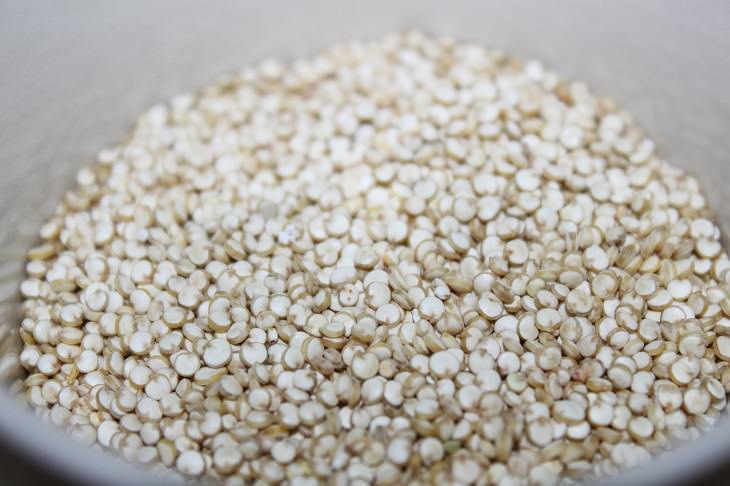
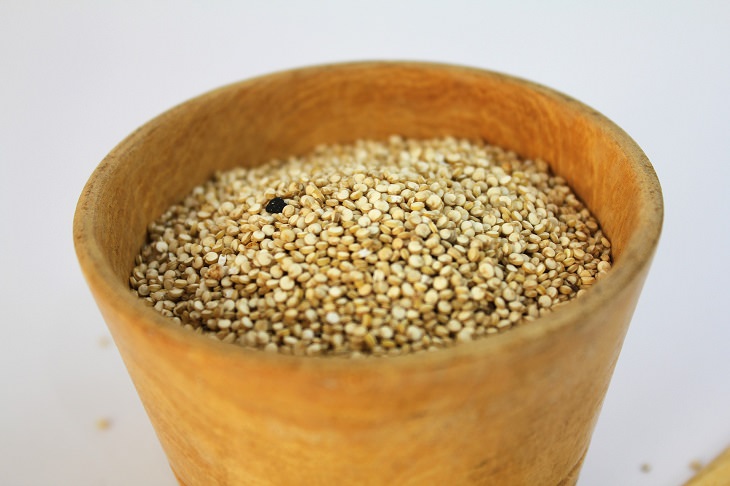
Quinoa, a pseudo-cereal, is a seed that is prepared and consumed like a grain. As it is entirely gluten-free, it can be enjoyed by those who are sensitive to gluten or wheat.
 
Quinoa is a complete protein source since it contains all of the essential amino acids. Other important vitamins and minerals that can be found in quinoa include phosphorus, copper, manganese, folate, iron, magnesium and zinc. Its crunchy texture and nutty flavor makes it very popular for both children and adults.
 
Quinoa needs to be boiled before it can be consumed, and then it can be eaten as a side dish or breakfast porridge. It can also be added to salads or soup, or ground up to make quinoa flour.

2. Buckwheat 10 - Alternatives - Wheat - Wheat Flour
 
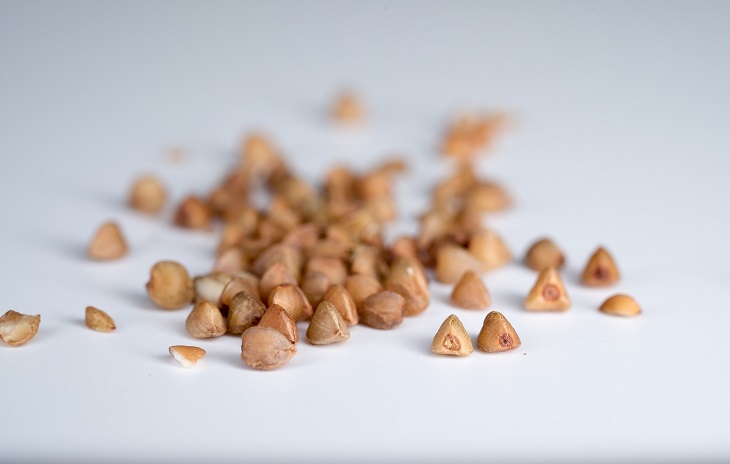
Buckwheat also has a nutty, earthy taste. As it is neither a grain nor related to wheat, it's gluten-free and can be safely consumed by those who suffer from celiac disease and gluten intolerance. 
 
Buckwheat is high in fiber, protein, iron, zinc, magnesium, copper, and phosphorus. Furthermore, it is a good source of B vitamins such as B6, pantothenic acid, niacin, folate, thiamin, and choline. Since these seeds are packed full of antioxidants like tannins, rutin, and catechins, they are often called superfoods. 
 
It is so easy to include buckwheat in your diet plan and it comes in the form of groats, noodles, seeds, and flour. The groats can be used to make hot or cold cereal. In noodle form, it can be used to make soups and stir-fries. In flour form, it can be used to make muffins, breads, cookies, and other healthy snacks. 
 
 
3. Millet 
10 - Alternatives - Wheat - Wheat Flour
With its sweet, nutty flavor, millet is considered to be one of the most non-allergenic grains around. It is one of the few grains that are alkalizing to the body, making it easier to digest. 
 
These gluten-free, grain-like seeds are full of magnesium, manganese, calcium, tryptophan, phosphorus, fiber, and several B vitamins. They also have antioxidant powers. 
 
You can use cooked millet to make breakfast porridge, or you can add it to salads and soups. Its brown-rice-like appearance and texture, make it a great ingredient to use in pilafs, casseroles, and the majority of Asian dishes. Ground millet can also be used in bread, muffin, and biscuit recipes instead of refined flour.


4. Amaranth 10 - Alternatives - Wheat - Wheat Flour
 
Cultivated by the Aztecs over 8,000 years ago, it became the staple food of the Aztecs and Mayans. 
 
Amaranth is full of protein and fiber, making it filling and very beneficial to your digestive system. It is also a very good source of essential vitamins such as A,C, E, B5, K, B6, folate, niacin and riboflavin. In addition, it contains magnesium, copper, zinc, phosphorus, potassium and calcium. to add to this, it is a powerful antioxidant, anti-inflammatory and immune-boosting agent.
 
Its light, nutty flavor makes it great to use when making healthy snacks. Its flour can be used to thicken soups, stews, sauces and jellies. 
 
5. Oatmeal
10 - Alternatives - Wheat - Wheat Flour
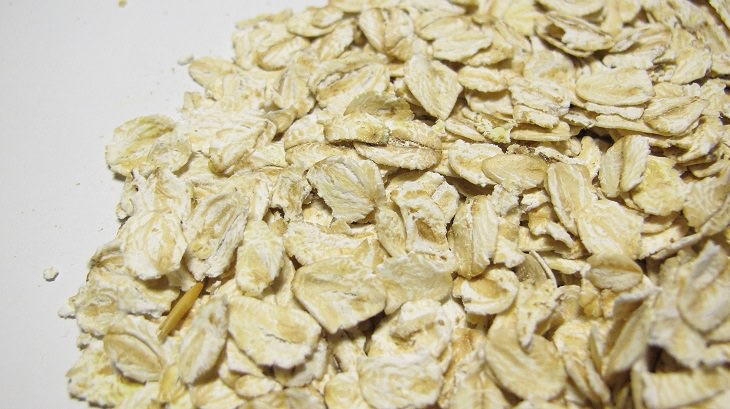
Oats are one of the most popular whole grains in the whole world, and for very good reason. They are safe for those with a gluten allergy and are a very good alternative to wheat. 
 
Oats are full of fiber and other nutrients such as magnesium, iron, potassium, folate, selenium and even plant-based protein. They also contain a small amount of essential fats. Furthermore, they contain powerful phytonutrients and antioxidants that are good for your health.
 
As some oatmeal brands on the market contain traces of wheat, barley and rye, you should check the label thoroughly before buying some. 
 
 Oatmeal is usually eaten for breakfast, but it can be enjoyed at any part of the day. You can add maple syrup, honey, cinnamon, nutmeg, agave nectar or vanilla to it for added flavor and health benefits. 
 
You can also find oat flour on the market, which has a similar nutritional value to oats. When using oat flour, remember that it needs other flours and starches to work in a recipe.


7. Cassava flour 10 - Alternatives - Wheat - Wheat Flour
 
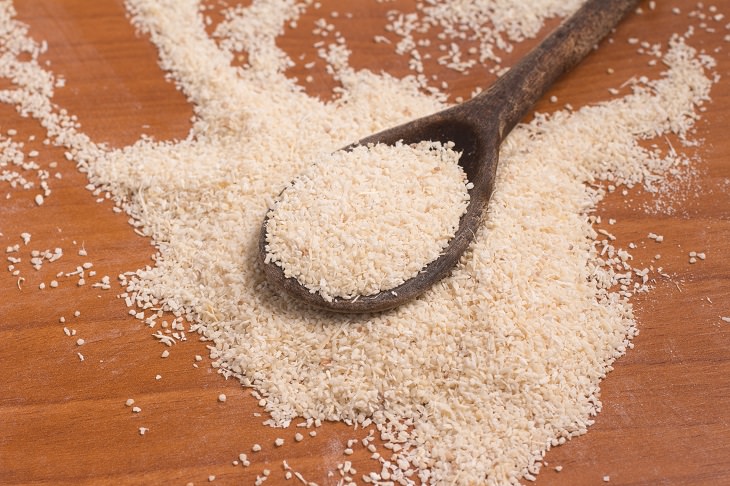
This gluten-free flour, made from cassava root, is a great replacement for wheat flour. It is made by grating and drying the fibrous cassava root. 
 
Cassava flour is rich in protein and fiber and is full of vitamin B6, C and K, potassium, folate, manganese, thiamine, copper, magnesium, riboflavin, phosphorus, zinc and niacin. 
 
It's nice smooth texture and mild taste makes it great to use in many different recipes. Cassava flour works as a thickener for sauces, gravy, soups and so on. 
 
7. Coconut Flour 
10 - Alternatives - Wheat - Wheat Flour
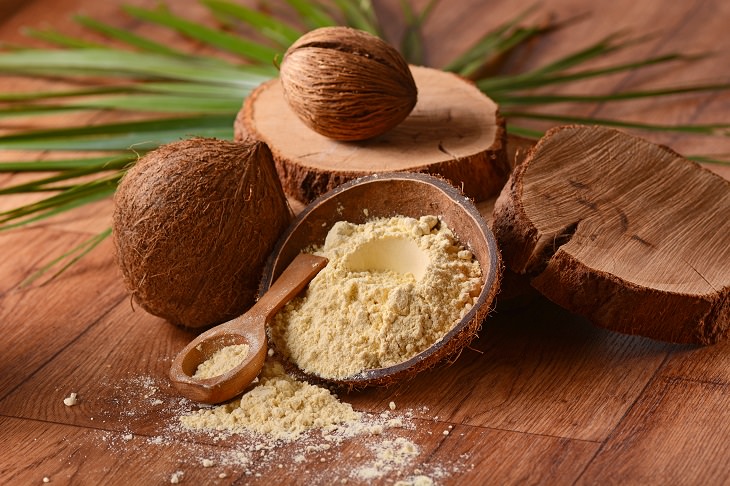
If you are looking for a very healthy substitute for refined flour to use in baking, coconut flour is a great choice. 
 
This flour is excellent for those with celiac disease or gluten sensitivity. The flour is derived from grating the flesh of fresh coconuts, which is then dehydrated and defatted. The result is a fine powder that looks and feels similar to grain or wheat flours. 
 
Coconut flour is rich in fiber, protein, calcium, manganese, selenium, potassium and phosphorus. It also has vitamins, including vitamin B6 and C, folate and niacin. 
 
Furthermore, this flour has anti-inflammatory, antibacterial and antifungal properties. coconut flour can be used in place of wheat flour in many different recipes - from breads to cookies to muffins. It can also be used to make homemade grain-free pizza. 
 
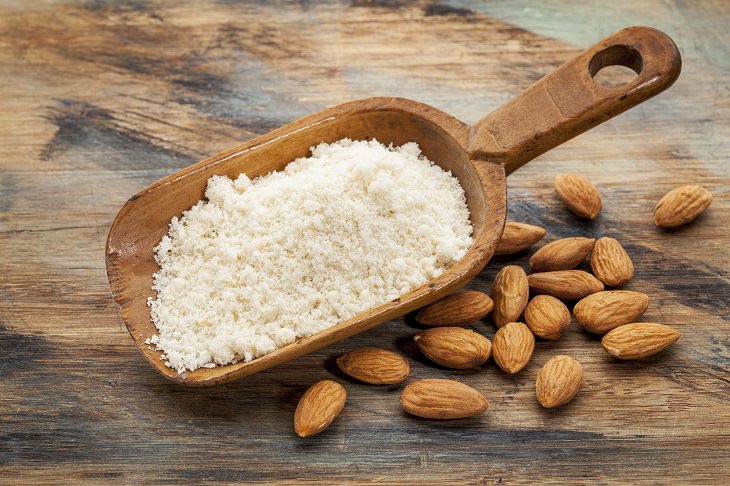
8. Almond Flour
10 - Alternatives - Wheat - Wheat Flour
Almond flour is one of the best alternative to wheat flour. This flour, composed of finely ground almonds, can be used when baking cakes, biscuits, muffins, breads and so on. 
 
Almond flour has the same benefits as a handful of almonds. This flour is gluten-free, low in carbohydrates, and high in fiber and protein. It is rich in vitamins and minerals such as iron, riboflavin, magnesium, potassium, vitamin E and calcium. 
 
Due to its fatty acid content, it has a short shelf life. Therefore it is recommended that you grind your own almonds prior to use.


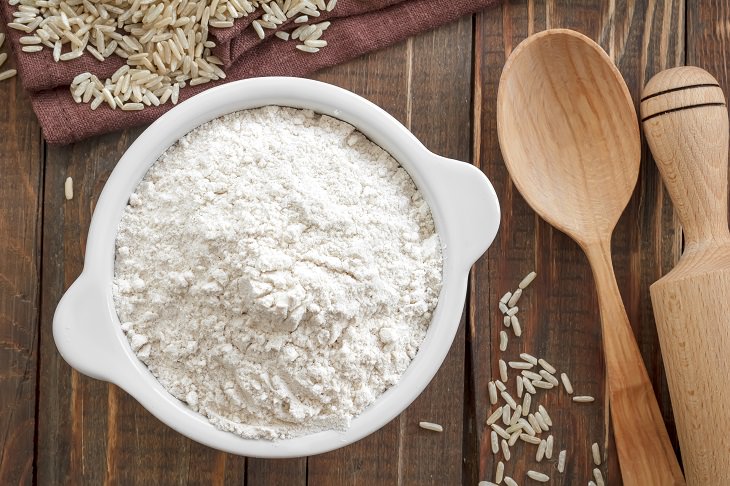
9. Brown rice flour
 10 - Alternatives - Wheat - Wheat Flour
  
Brown rice flour is great for anyone who suffers from celiac disease. It is milled from unpolished brown rice, so it has a high nutritional value - it is a great source of fiber and healthy carbohydrates. It is also high in iron, vitamin B, protein, manganese, copper, calcium, potassium and phosphorus.
 
It can be used in baking cakes and cookies and works well in bread recipes. You can also use it to thicken sauces or for coating meats and fish. 
 
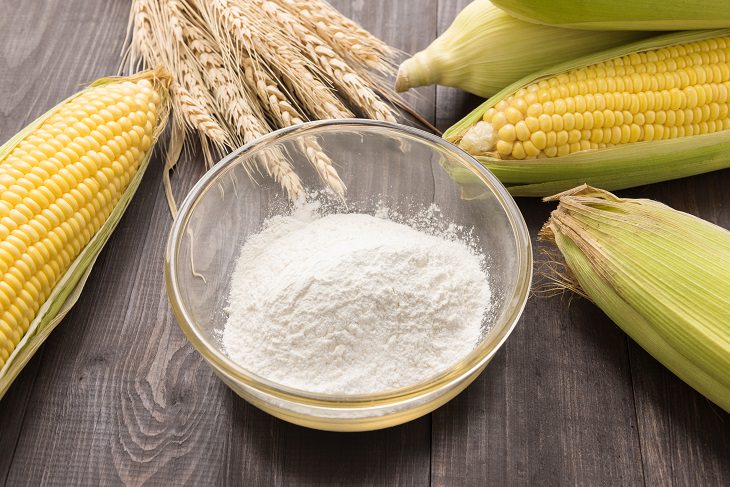
10. Corn 
10 - Alternatives - Wheat - Wheat Flour
Corn, whether eaten as corn meal or flour, is gluten-free. Both corn meal and corn flour are made using dried corn kernels. 
 
Cornmeal and corn flour are great sources of healthy carbohydrates and fiber. They are rich in antioxidants such as lutein and zeaxanthin that are great for your eyes. 
 
Corn flour can be made into polentas and porridges, and used as breading. You can also use it to thicken liquids and sauces. When purchasing corn meal or corn flour, check the label thoroughly and opt for organic varieties and avoid GMO corn. 
 
There are many different alternatives to wheat and wheat flour and this includes sorghum, sorghum flour, soy flour, chickpea flour, hemp flour, chia flour, potato flour and potato starch flour.


https://gscrochetdesigns.blogspot.com. one can see my crochet creations  

https://kneereplacement-stickclub.blogspot.com. for info on knee replacement

https://cancersupportindia.blogspot.com  for info on cancer and health related topics

https://GSiyers home remedies.blogspot.com   is the latest addition to my blogs


Sunday, September 7, 2025

Buckwheat Risotto With Creamy Mushroom


Tips to Remember:

Being a natural and unprocessed ingredient, buckwheat needs enough water (or stock) to cook. Make sure you add enough fluid for it to cook well and become soft.

Ingredients: 

3 tbsp olive oil 

1 tbsp butter 

1 medium onion chopped

5-6 cloves of garlic, minced 

1 cup  thinly sliced mushrooms 

1 tbsp fresh thyme (or use ½ tbsp dried thyme) 

Salt to taste 

Black Pepper to taste 

1 cup  uncooked buckwheat

¼ cup fresh cream

½ cup grated cheese (preferably Parmesan) 


Preparations

Add the olive oil and butter to a saucepan and heat it on medium heat. Now add the garlic and stir till it is lightly fragrant, next add the chopped onions and cook them until they are translucent. 

Next add the thyme, mushrooms, salt and pepper and cook everything together for 1-2 minutes, as sliced mushrooms do not take long to cook. 

Once the mushrooms have cooked and the excess water has evaporated, add the buckwheat and cook for about a minute. 

After 1 minute, add about 2 cups of water, but add only ½ a cup at a time. You can even use vegetable broth if you have one, in place of water. 

Lower the heat and let the buckwheat cook on a simmer for at least 10-12 minutes. 

The buckwheat should not be too tough to eat, nor too soft.

Now add the fresh cream and mix everything well. Finally, top it with cheese, and cover for a minute for the cheese to melt. 

Transfer the dish to a serving plate and garnish with some fresh thyme and cheese. 


https://gscrochetdesigns.blogspot.com. one can see my crochet creations  

https://kneereplacement-stickclub.blogspot.com. for info on knee replacement

https://cancersupportindia.blogspot.com  for info on cancer and health related topics

https://GSiyers home remedies.blogspot.com   is the latest addition to my blogs


Thursday, May 15, 2025

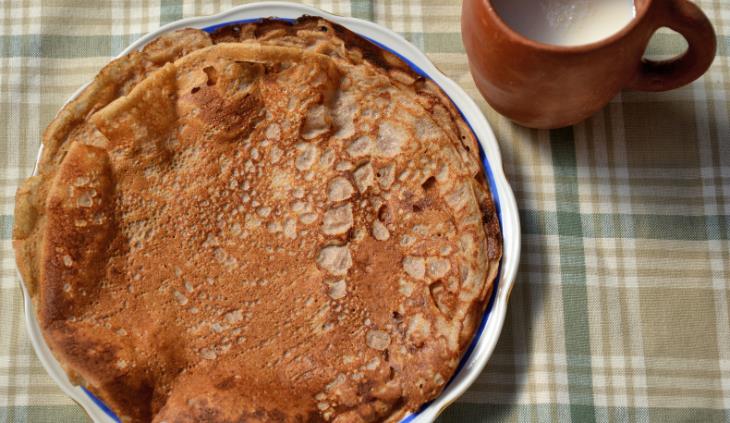
Buckwheat( kuttu /papparai in Tamil )Crepes

 à¤•ूटू के फायदे और नुकसान - Kuttu ke fayde ... 2-Ingredient Effortless Buckwheat Crepes

Ingredients : 
Raw buckwheat - 2 1/2 cups 
Cold water - 3 cups 

Method of preparing the crepes: 
Rinse the buckwheat in a sieve under cold water. 
Add to the blender with water and salt if desired. 
Blend on high speed for 30 seconds. The consistency should be smooth and runny. 
Let rest in a bowl at room temperature for 30 minutes. 
 Heat oil in a pan over medium heat and pour a 1/3-cup portion of the batter per crepe, cooking one at a time. 
Tilt the pan to spread the batter evenly. Once the top sets, flip and cook for another minute or two. 
Stack the crepes and serve them with a sweet or savory topping of your choice. 
 
Tip: Make sure you use raw buckwheat. Usually, stores sell toasted seeds. If the color is tan and deep, it's toasted. Raw ones are pale. 

This is only for your information, kindly take the advice of your doctor for medicines, exercises and so on.