Wheat has been a staple part of our diet
for thousands of years. It is used in a wide variety of products, the
most popular one being flour. Wheat, due to its high gluten content, is
best suited for making bread and other baked products. Gluten gives
wheat flour its strength and elasticity, making it very suitable for
baking.
However, a lot of people are allergic or intolerant to gluten, which can
cause allergies or celiac disease. A wheat allergy, caused by an
adverse reaction to a protein found in wheat, can cause symptoms such as
chronic gastrointestinal disturbances, infections, asthma, acne,
eczema, joint pains, migraines, and fatigue. On the other hand, celiac
is an autoimmune disease in which the body's immune system mistakes
gluten as an allergen and causes symptoms such as decreased appetite,
chronic diarrhea or constipation, vomiting, fatigue, and irritability.
Therefore, people who suffer from a wheat allergy or celiac disease must
avoid wheat in any form and follow a gluten-free diet. Fortunately,
there are many wheat alternatives out there that can be easily included
in your diet. These are the top 10 alternatives to wheat and wheat
flour:
1. Quinoa
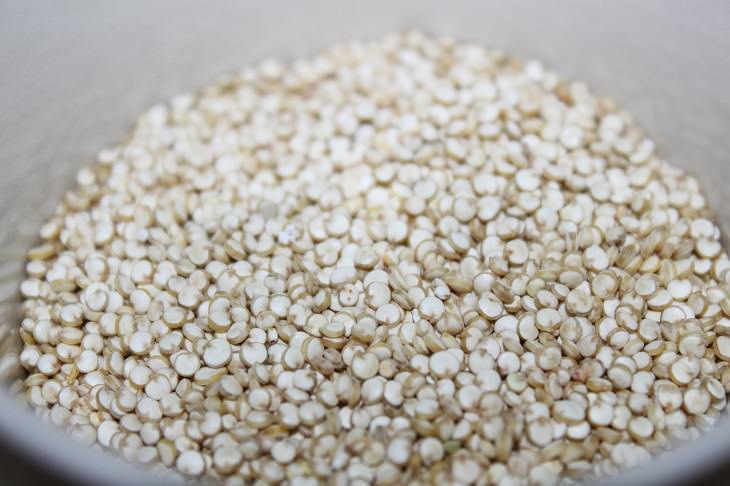
Quinoa, a pseudo-cereal, is a seed that is
prepared and consumed like a grain. As it is entirely gluten-free, it
can be enjoyed by those who are sensitive to gluten or wheat.
Quinoa is a complete protein source since it contains all of the
essential amino acids. Other important vitamins and minerals that can be
found in quinoa include phosphorus, copper, manganese, folate, iron,
magnesium and zinc. Its crunchy texture and nutty flavor makes it very
popular for both children and adults.
Quinoa needs to be boiled before it can be consumed, and then it can be
eaten as a side dish or breakfast porridge. It can also be added to
salads or soup, or ground up to make quinoa flour.
2. Buckwheat 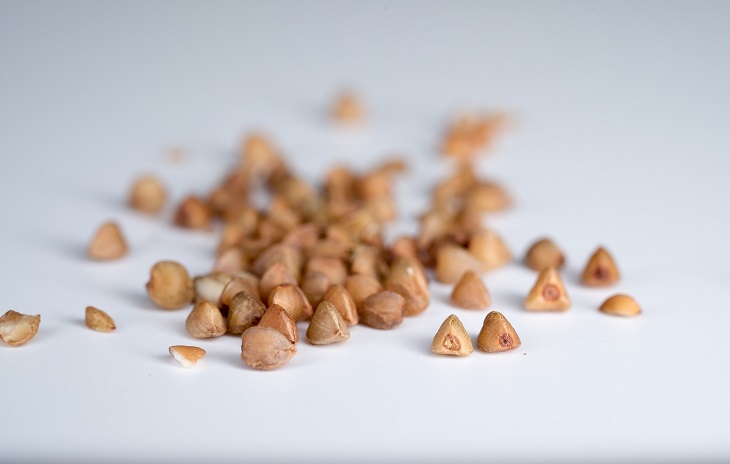
Buckwheat also has a nutty, earthy taste.
As it is neither a grain nor related to wheat, it's gluten-free and can
be safely consumed by those who suffer from celiac disease and gluten
intolerance.
Buckwheat is high in fiber, protein, iron, zinc, magnesium, copper, and
phosphorus. Furthermore, it is a good source of B vitamins such as B6,
pantothenic acid, niacin, folate, thiamin, and choline. Since these
seeds are packed full of antioxidants like tannins, rutin, and
catechins, they are often called superfoods.
It is so easy to include buckwheat in your diet plan and it comes in the
form of groats, noodles, seeds, and flour. The groats can be used to
make hot or cold cereal. In noodle form, it can be used to make soups
and stir-fries. In flour form, it can be used to make muffins, breads,
cookies, and other healthy snacks.
3. Millet
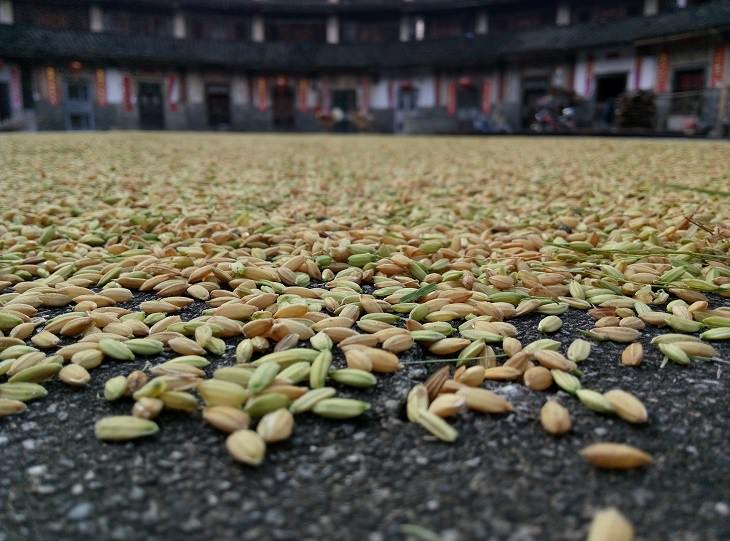
With its sweet, nutty flavor, millet is
considered to be one of the most non-allergenic grains around. It is one
of the few grains that are alkalizing to the body, making it easier to
digest.
These gluten-free, grain-like seeds are full of magnesium, manganese,
calcium, tryptophan, phosphorus, fiber, and several B vitamins. They
also have antioxidant powers.
You can use cooked millet to make breakfast porridge, or you can add it
to salads and soups. Its brown-rice-like appearance and texture, make it
a great ingredient to use in pilafs, casseroles, and the majority of
Asian dishes. Ground millet can also be used in bread, muffin, and
biscuit recipes instead of refined flour.
4. Amaranth 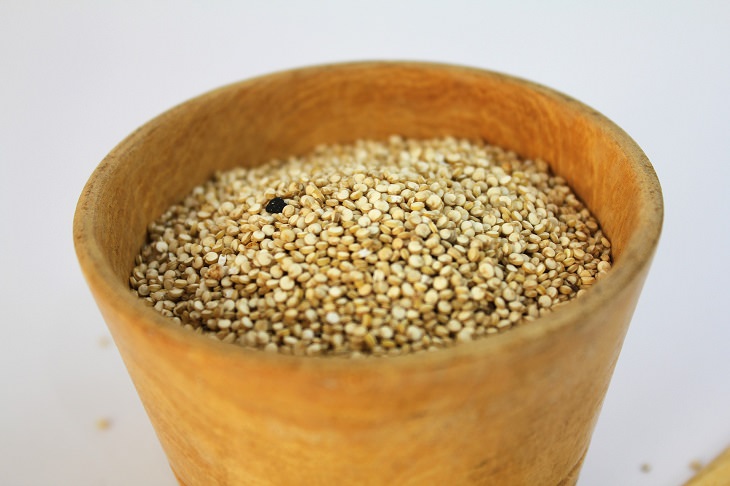
Cultivated by the Aztecs over 8,000 years
ago, it became the staple food of the Aztecs and Mayans.
Amaranth is full of protein and fiber, making it filling and very
beneficial to your digestive system. It is also a very good source of
essential vitamins such as A,C, E, B5, K, B6, folate, niacin and
riboflavin. In addition, it contains magnesium, copper, zinc,
phosphorus, potassium and calcium. to add to this, it is a powerful
antioxidant, anti-inflammatory and immune-boosting agent.
Its light, nutty flavor makes it great to use when making healthy
snacks. Its flour can be used to thicken soups, stews, sauces and
jellies.
5. Oatmeal
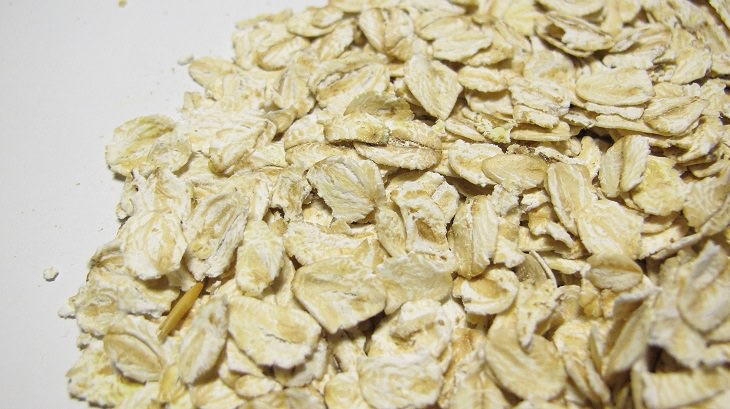
Oats are one of the most popular whole
grains in the whole world, and for very good reason. They are safe for
those with a gluten allergy and are a very good alternative to wheat.
Oats are full of fiber and other nutrients such as magnesium, iron,
potassium, folate, selenium and even plant-based protein. They also
contain a small amount of essential fats. Furthermore, they contain
powerful phytonutrients and antioxidants that are good for your health.
As some oatmeal brands on the market contain traces of wheat, barley and
rye, you should check the label thoroughly before buying some.
Oatmeal is usually eaten for breakfast, but it can be enjoyed at any
part of the day. You can add maple syrup, honey, cinnamon, nutmeg, agave
nectar or vanilla to it for added flavor and health benefits.
You can also find oat flour on the market, which has a similar
nutritional value to oats. When using oat flour, remember that it needs
other flours and starches to work in a recipe.
7. Cassava flour 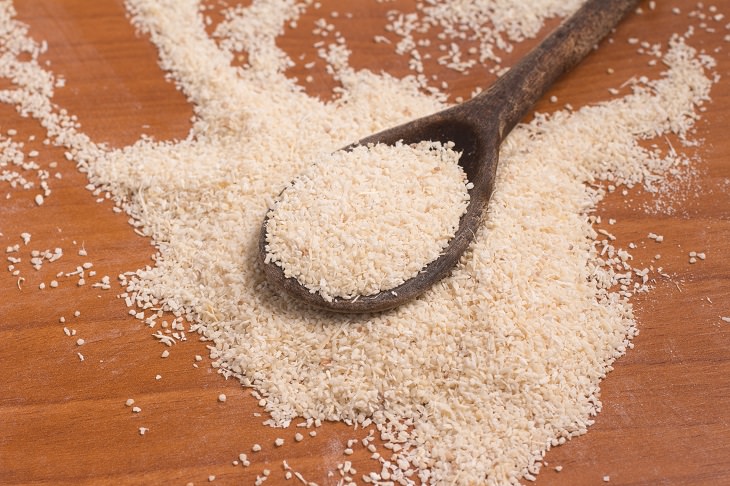
This gluten-free flour, made from cassava
root, is a great replacement for wheat flour. It is made by grating and
drying the fibrous cassava root.
Cassava flour is rich in protein and fiber and is full of vitamin B6, C
and K, potassium, folate, manganese, thiamine, copper, magnesium,
riboflavin, phosphorus, zinc and niacin.
It's nice smooth texture and mild taste makes it great to use in many
different recipes. Cassava flour works as a thickener for sauces, gravy,
soups and so on.
7. Coconut Flour
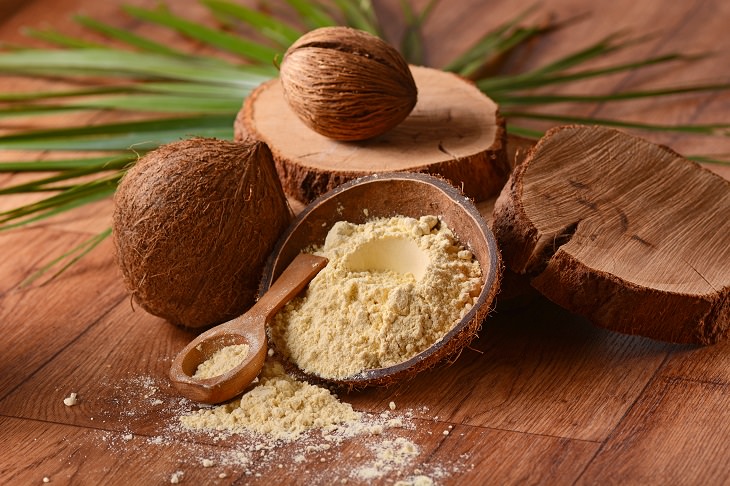
If you are looking for a very healthy
substitute for refined flour to use in baking, coconut flour is a great
choice.
This flour is excellent for those with celiac disease or gluten
sensitivity. The flour is derived from grating the flesh of fresh
coconuts, which is then dehydrated and defatted. The result is a fine
powder that looks and feels similar to grain or wheat flours.
Coconut flour is rich in fiber, protein, calcium, manganese, selenium,
potassium and phosphorus. It also has vitamins, including vitamin B6
and C, folate and niacin.
Furthermore, this flour has anti-inflammatory, antibacterial and
antifungal properties.
coconut flour can be used in place of wheat flour in many different
recipes - from breads to cookies to muffins. It can also be used to make
homemade grain-free pizza.
8. Almond Flour
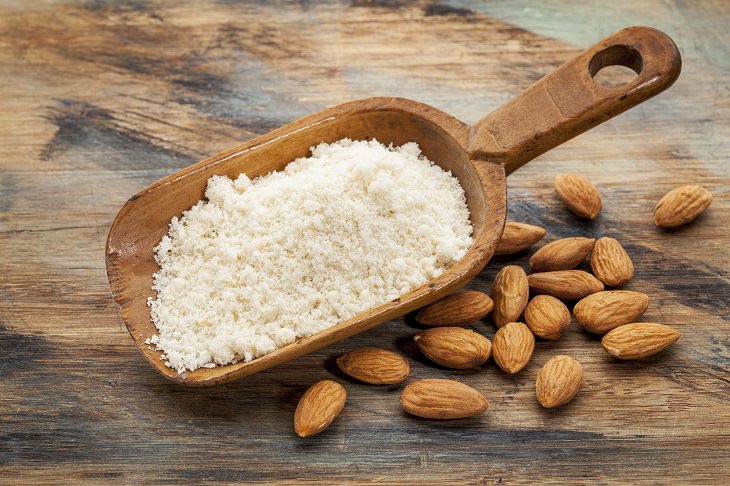
Almond flour is one of the best alternative
to wheat flour. This flour, composed of finely ground almonds, can be
used when baking cakes, biscuits, muffins, breads and so on.
Almond flour has the same benefits as a handful of almonds. This flour
is gluten-free, low in carbohydrates, and high in fiber and protein. It
is rich in vitamins and minerals such as iron, riboflavin, magnesium,
potassium, vitamin E and calcium.
Due to its fatty acid content, it has a short shelf life. Therefore it
is recommended that you grind your own almonds prior to use.
9. Brown rice flour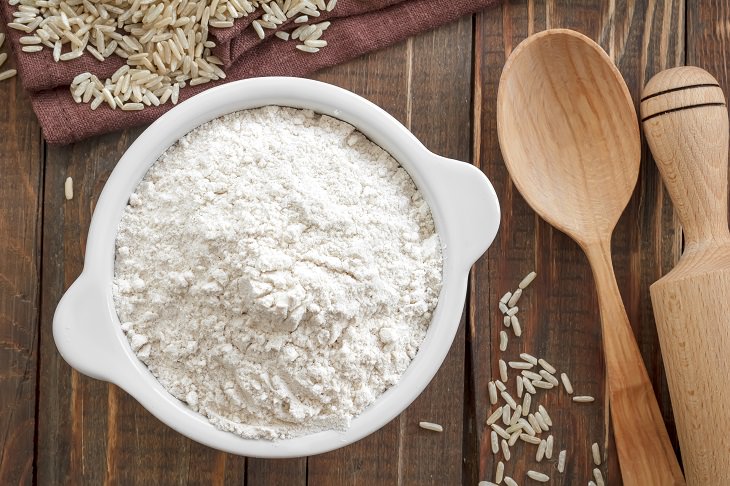
Brown rice flour is great for anyone who
suffers from celiac disease. It is milled from unpolished brown rice, so
it has a high nutritional value - it is a great source of fiber and
healthy carbohydrates. It is also high in iron, vitamin B, protein,
manganese, copper, calcium, potassium and phosphorus.
It can be used in baking cakes and cookies and works well in bread
recipes. You can also use it to thicken sauces or for coating meats and
fish.
10. Corn
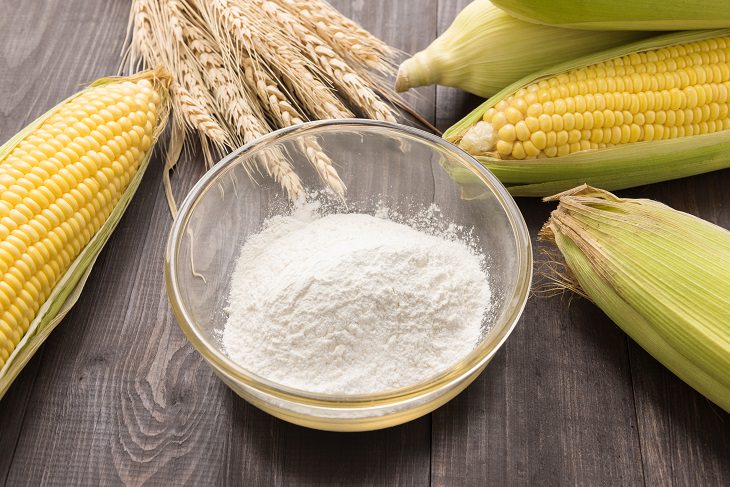
Corn, whether eaten as corn meal or flour,
is gluten-free. Both corn meal and corn flour are made using dried corn
kernels.
Cornmeal and corn flour are great sources of healthy carbohydrates and
fiber. They are rich in antioxidants such as lutein and zeaxanthin that
are great for your eyes.
Corn flour can be made into polentas and porridges, and used as
breading. You can also use it to thicken liquids and sauces. When
purchasing corn meal or corn flour, check the label thoroughly and opt
for organic varieties and avoid GMO corn.
There are many different alternatives to wheat and wheat flour and this
includes sorghum, sorghum flour, soy flour, chickpea flour, hemp flour,
chia flour, potato flour and potato starch flour.

No comments:
Post a Comment