Leftovers are an essential part of life for
quite a number of reasons, including both budget and practicality.
However, more often than not, leftovers end up tasting far worse than
the way they tasted the day before. Yet, it need not be this way ever
again, since below, we've gathered a massive list of the most common
meals, along with exactly how they should be reheated to ensure maximum
quality:
Meats
Meats
Pork chops (thick): Allow them to sit on
top of your stove until they become room temperature.
Pork chops (thin): Reheat them in your microwave.
Pulled pork: Reheat it in your microwave.
Ribs: Wrap them up in aluminum foil and reheat them in your oven between
300°F (150°C) and 350°F (175°C).
Braised meats: Cover with foil and reheat in a 350°F (175°C) oven.
Browned ground meat: Reheat it in the microwave, but stop it every 30
seconds to give it a good stir.
Chicken wings: Bring them up to room temperature on top of your oven
while the broiler heats up. Afterward, you'll need to blast them with
the broiler for a few minutes to revive their crispy skins.
Grilled chicken: Reheat it in the microwave.
Lamb chops: Allow them to sit on top of your stove until the lamb
becomes room temperature.
Meatloaf (slice): Reheat the whole slice in the microwave, or sear on
both sides using a hot skillet and some oil.
Meatloaf (large piece): Cover the entire piece with foil and reheat it
in a 350°F (175°C) oven.
Roast chicken: Wrap them up in aluminum foil and reheat it at 300°F
(150°C).
Sausage: Reheat it in your microwave.
Steak: Allow it to sit on top of your stove until it becomes room
temperature.
A word of caution- though in the site it mentioned to wrap in aluminum foil, now the experts say the aluminum leaches into our food and causes cancer and other major health issues, you can wrap in kitchen towel and re-heat.
Pizza, Pasta, and Similar Items
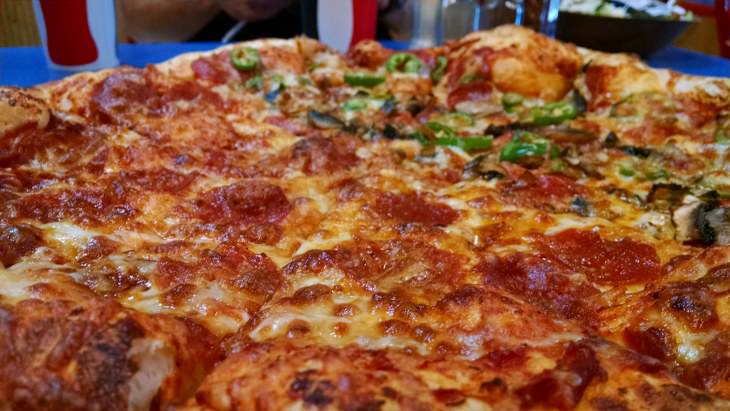
Pizza: Immediately freeze it in a plastic
bag immediately after you're done eating. Then, reheat in a 425°F
(220°C) oven from frozen.
Pasta: Simply reheat it in the microwave or eat it cold.
Baked pasta: Wrap it up in aluminum foil and reheat at 375°F (190°C).
Chicken Parmesan: Wrap it up in aluminum foil and reheat at 375°F
(190°C).
Eggplant Parmesan: The best way is to eat it cold.
Lasagna: Wrap it up in aluminum foil and reheat at 375°F (190°C).
Mac and cheese: Reheat it in the way it was originally cooked: Either in
a 375°F (190°C) oven or on a stove-top with a splash of milk.
Meatballs (1 or 2): Reheat in your microwave.
Meatballs in sauce: Reheat them in a saucepan on your stove.
Sandwiches and Other Bread-Based Items
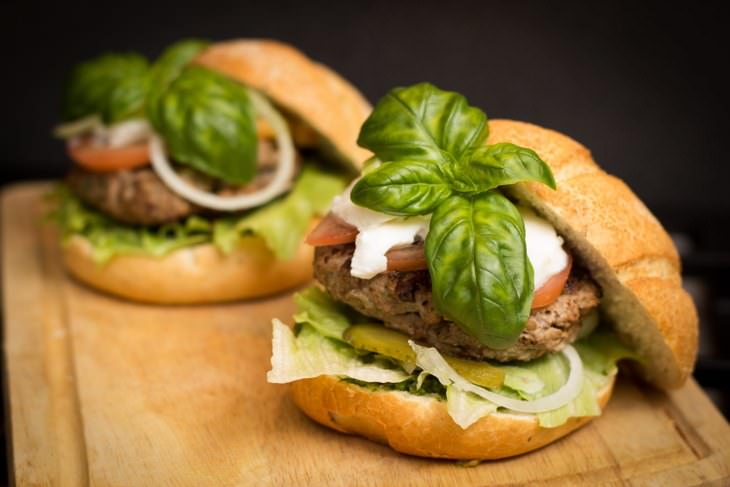
Burger: Reheat the bun and patty in your
oven at 350°F (175°C). When done, add the add the other toppings and
enjoy!
Hot dogs: Reheat both the bun and sausage in a skillet.
Corned beef or pastrami sandwich: Reheat the meat in the oven at 350°F
(175°C), then add the other toppings and reassemble when ready.
Cheese-steak: Wrap it up in aluminum foil and reheat at 350°F (175°C).
Falafel sandwich: Remove the falafels from the sandwich and reheat them
in the microwave.
Fried chicken sandwich: Remove the chicken and allow it to sit on top of
the oven until it becomes room temperature, while the bun toasts in the
375°F (190°C) oven below.
Grains
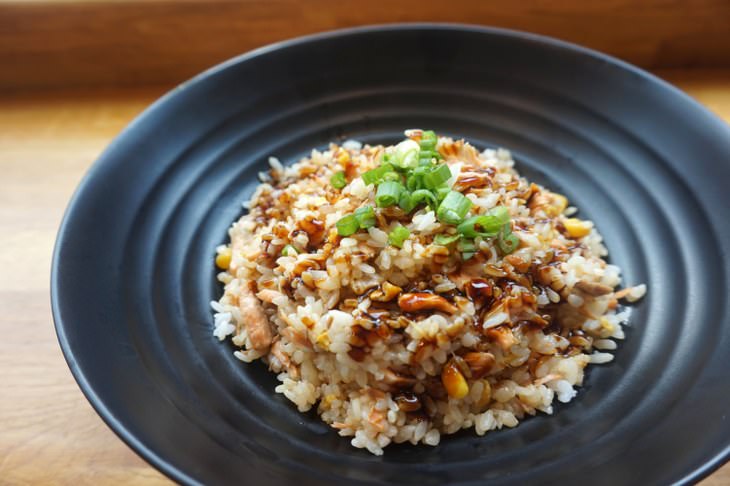
Brown rice: Add a few drops of water to the rice and reheat it all in the microwave.
White rice: Add a few drops of water to the rice and reheat it all in the microwave.
Creamy polenta: Add a little water to break it up and then heat it on the stove.
Quinoa: Add a few drops of water and reheat it in the microwave.
Fried Food
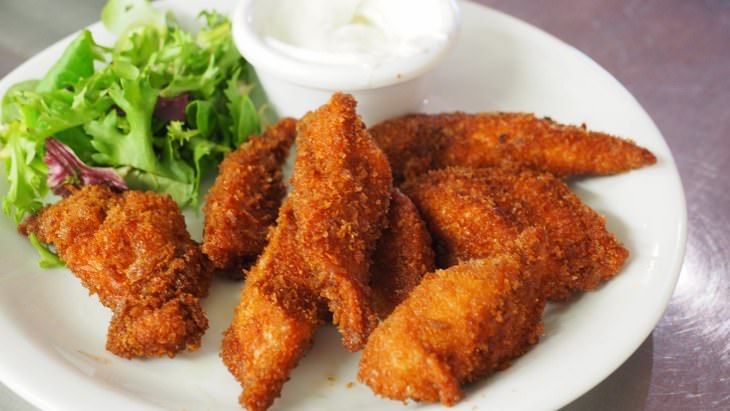
Fried chicken: Allow it to sit on top of
the stove until it gets to room temperature. Don’t ever reheat leftover
fried chicken, since it will immediately go dry.
Fried fish: Allow it to sit on top of the stove until it gets to room
temperature.
Falafel: Simply reheat them in the microwave.
French fries: Heat them for a couple of minutes under the broiler, until
they become crispy again.
Soup and Beans
Beans: Reheat beans in your microwave,
stopping to stir every 30 seconds, or in a saucepan (with a little bit
of water) over low heat.
Refried beans: Reheat refried beans in your microwave, stopping to stir
every 30 seconds, or in a saucepan (with a little bit of water) over low
heat.
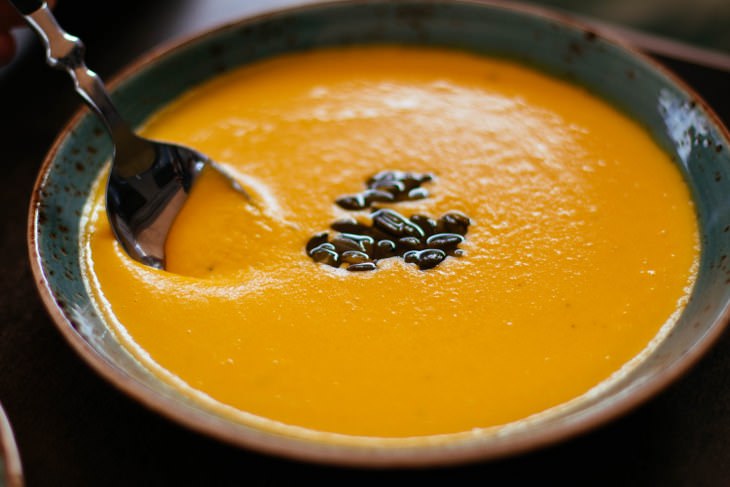
Cream-based soups: Reheat the soup in a saucepan, on the stove, over low
heat.
Stock-based soups: Reheat such soups in your microwave, stopping to stir
once, or in a saucepan over low heat.
Sea food
Fish: Allow the fish to sit on top of your
stove until it becomes room temperature.
Shellfish: Allow the shellfish to sit on top of your stove until they
becomes room temperature. If the shellfish is mixed into pasta or rice,
remove them, reheat the pasta or rice, then add the shellfish again to
warm it up.
Vegetables and Potatoes
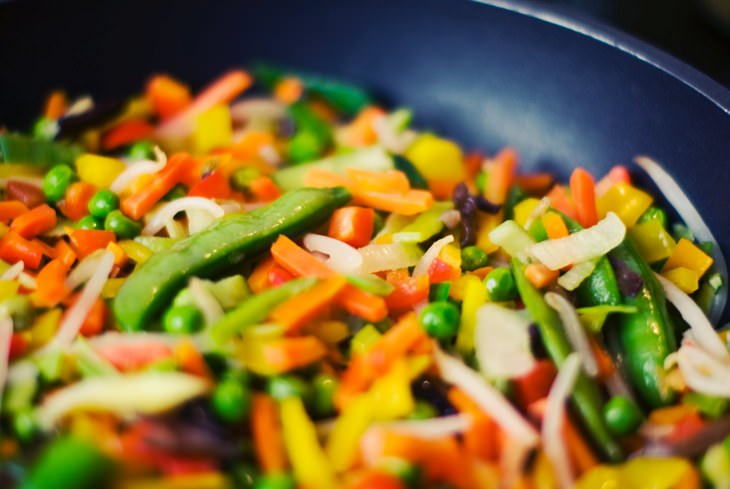
Roast vegetables: Simply reheat them in your microwave.
Steamed vegetables: Reheat them in your microwave with a little bit of water, covered.
Baked potato: Simply reheat it in your microwave.
Mashed potatoes: Reheat them in your microwave, stopping to stir every 30 seconds.
Roasted potatoes: Simply reheat them in your microwave.
Sautéed greens: Simply reheat them in your microwave.
Popular Takeaway Foods
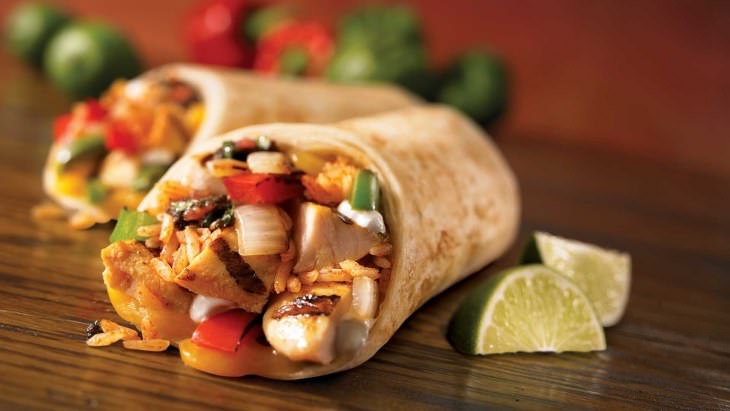
Burrito: Wrap it up in aluminum foil and reheat at 350°F (175°C).
Samosas: Reheat in a 350°F (175°C) oven.
Stir-fry: Heat over high heat in a frying pan or wok, stirring constantly.
Curry: Reheat curries in a saucepan (with a splash of water) over low heat or in your microwave.
Dumplings: Reheat in a covered hot skillet with a small amount of water or steam them in a steamer basket.
Fried rice: Reheat in your microwave on medium power, stopping to stir in 20-second intervals.
General Tso's: Simply reheat it in your microwave.
Noodles: Reheat noodles in your microwave, stopping to stir at 30-second intervals.
Other Types of Food
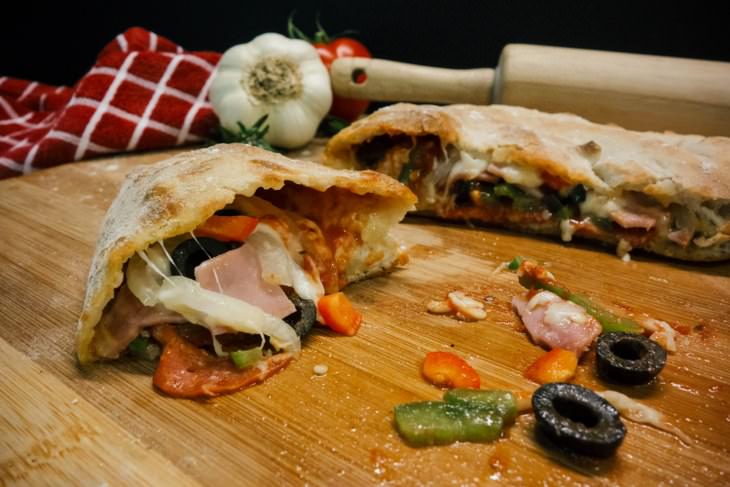
Chicken pot pie: Cover with foil and reheat
in a 375°F (190°C) oven. Uncover for the last few minutes to make the
crust crisp up again.
Gravy: Reheat gravy in a saucepan with a few drops of water, making sure
to stir often.
Frittata: Simply eat it cold or you risk upsetting your stomach.
Pastries (spinach puffs, etc.): Reheat in a 375°F (190°C) oven,
uncovered.