Showing posts with label edamame. Show all posts

Monday, May 18, 2026

These Yummy Snacks Will Help Your Weight Loss Journey!

Weight loss is tricky because it requires us to develop several new skills all at once: the ability to watch everything we eat, count calories, learn new weightloss-friendly recipes, as well as exercise and move around more in general. That’s quite a lot on your plate for anyone (pardon the pun)! During this transitional time, many people start severely limiting their meals, staying hungry in-between them, and continue snacking on the same old cookies, granola bars, and chips they used to eat in the past. 

As a result, they often cannot lose weight or even gain more weight. We all need to understand that snacking is just as detrimental to our health and weight loss as the main meals are, as these tiny bites of food are often filled with sugar, processed grains, and fats even more than meal are, so instead of eating those, we must learn to snack in a new way, too. 

The obvious healthy snack foods are nuts, fruit, celery sticks, plain popcorn, and boiled eggs, but cycling through the same few foods can make you bored really fast, which can make you crave the unhealthy snacks once again and hinder your progress. So, here are 10 more yummy and easy-to-make snack ideas that will help you lose weight and stay happy and healthy while doing so. 

 1. Greek Yogurt and Mixed Berries
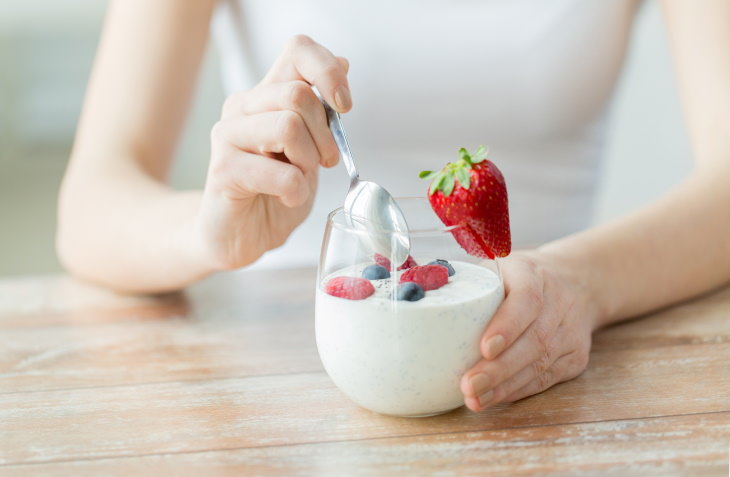
Weight Loss Snacks Greek Yogurt with Mixed BerriesApart from being super easy and quick to make, plain Greek yogurt with berries is also a nutrient-dense, antioxidant-rich snack. Greek yogurt, in particular, has many health benefits and is rich in protein and minerals, and unlike flavored yogurts, it doesn't contain added sugar. Berries, on the other hand, are an antioxidant and vitamin powerhouse. Avoid adding any sugar or sweetener on top, though, to keep calories low.
1 serving (3.5 oz or 100 g) of Greek yogurt with a serving of mixed berries (½ cup or 50 g) has about 150 calories and 10g of protein.

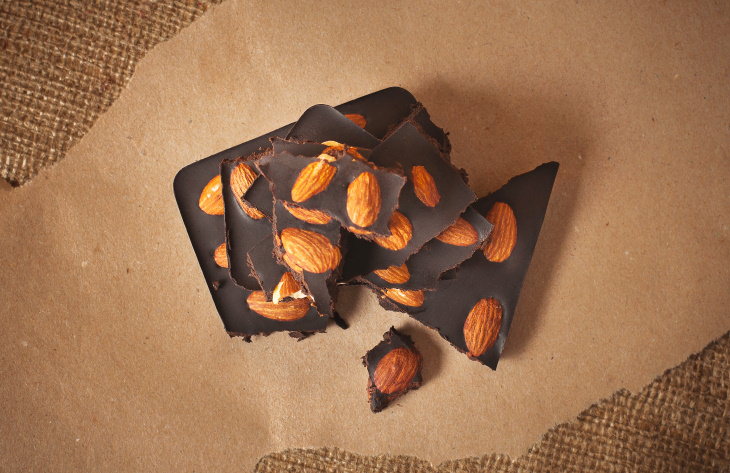
2. Dark Chocolate and Almonds

Weight Loss Snacks Dark Chocolate and Almonds
Yes, you read right, chocolate is not the enemy as long as you stick to chocolate with at least 60% cocoa and don't eat too much of it. In fact, 70% dark chocolate is quite antioxidant-rich and was shown to aid heart health in previous studies. Almonds, on the other hand, have both health and weight loss benefits and are full of healthy plant fats.

Dark chocolate and almonds are a surprisingly nutritious and filling snack, and 1 oz (30 g) of both separately contain around 300 calories depending on the chocolate.


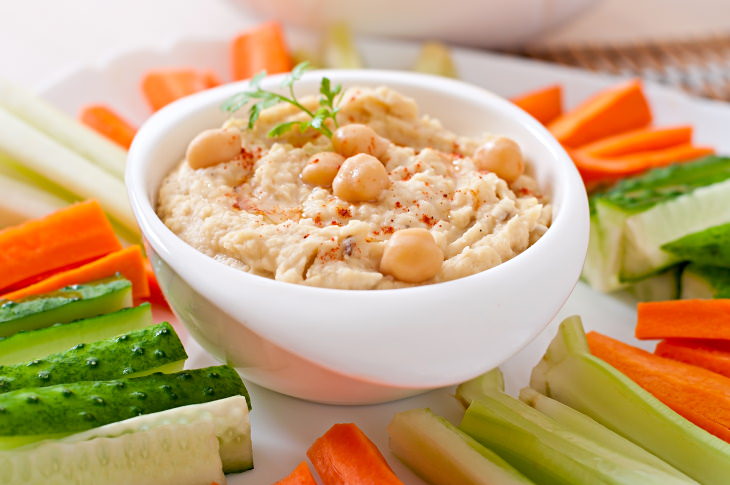
3. Hummus and Sliced Cucumbers

 
Weight Loss Snacks Hummus and Sliced Cucumbers

Although many other veggies like baby carrots, celery, and bell peppers taste great dipped in hummus, cucumbers are extremely low in calories and are very hydrating, both of which are excellent features for weight loss. The hummus will fill you up and lower the level of inflammation in the body, not to mention that this chickpea, olive oil, and tahini-based spread tastes great!

1 serving (1 cup or 52 g) of cucumbers and 100 g (3.5 oz) of hummus will provide around 180 calories.

4. Guacamole and Bell Peppers


Weight Loss Snacks Guacamole and Bell Peppers

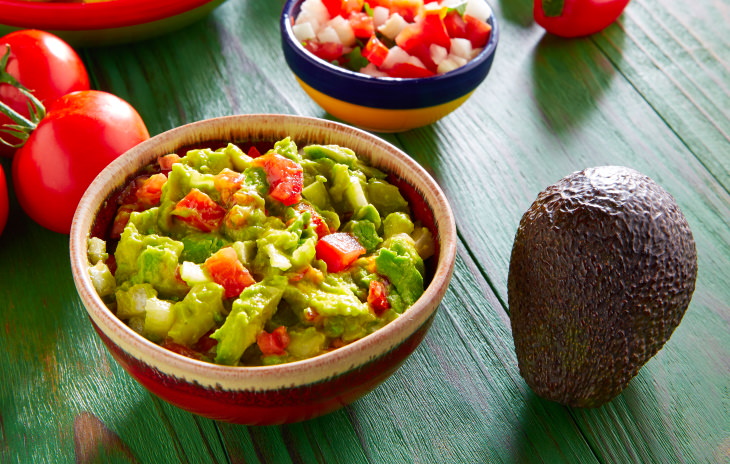
Another delicious and healthy snack you should consider if you're craving something savory is guacamole with bell peppers. You can go around this recipe two ways - either make guacamole separately and dip the bell peppers in the spread or simply cut the peppers into bite-sized pieces, mix them into the guac, and enjoy as is. 

No matter what you choose, you'll be gaining a lot from this tasty dish - the antioxidants and vitamin C from the peppers (choose red ones for the highest dose of both), a healthy dosage of fiber, tons of healthy fats from the avocado, all with a relatively low calorie-count: just 200 from 1 large bell pepper and 1 serving (3 oz or 85 g) of guacamole.

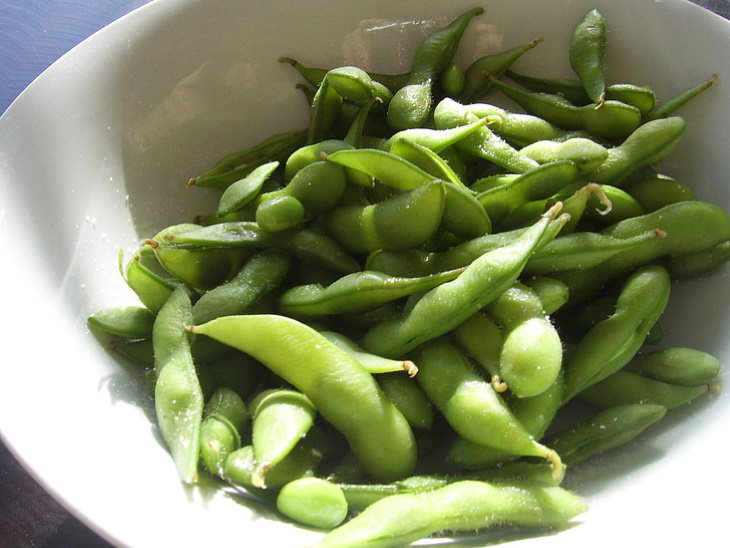
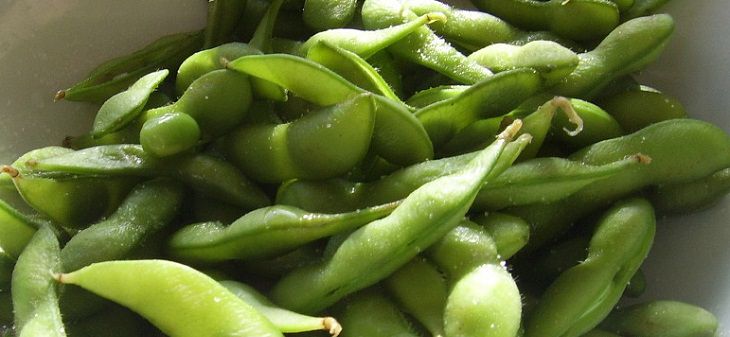
5. Edamame Weight Loss Snacks Edamame

Steamed edamame is a real protein powerhouse, with just 1 cup of the beans containing a whopping 17 grams of protein, so if you want to gain muscle, this is the perfect quick snack for you. In case you didn't know, edamame beans are essentially young soybeans, and so like all soy products, edamame is rich in folate, antioxidants, and is a lean protein source that helps people lose weight. 1 cup (about 155 g) of edamame will provide you with 180 calories.

6. Apples or Pears with Peanut Butter

Weight Loss Snacks Pears with Peanut Butter
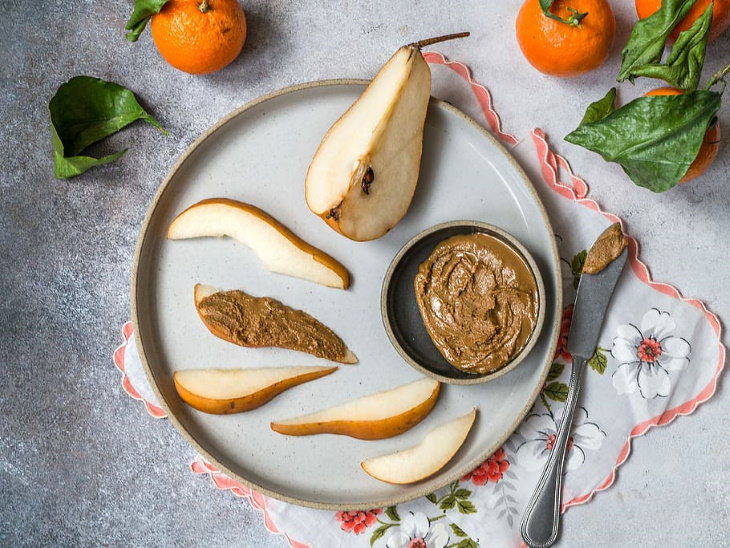
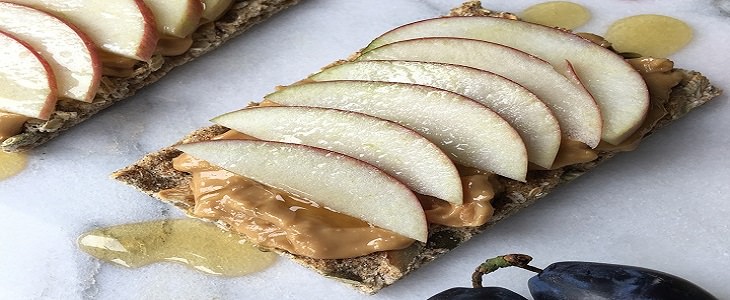
Another sweet delicious snack you can confidently enjoy without the fear of gaining weight are apple or pear slices with any kind of nut butter, be it peanut, almond, or hazelnut, as long as they are unsweetened. Most store-bought nut butter varieties do contain a lot of added sugar, though, so seek out those that don't by carefully checking the packaging and ingredients list.

Best of all, this super healthy snack and takes just a minute to prepare! Apples and pears are full of fiber, vitamins, and antioxidants, and they have been even found to improve digestive health and heart health in the long run. Peanut butter, too, is a great source of healthy fats that will help lower cholesterol levels, but it can be quite dense in calories, so make sure to use it sparingly. 

One apple with 1 tbsp (around 15 g) of unsweetened peanut butter contains about 200 calories.

7. Canned Sardine OR Salmon

To get a break from plant-based snacks, consider adding more canned fish, such as salmon or sardines, to your diet. Not only are these foods long-lasting, so you can keep them in the pantry for months as an emergency snack, they are also quite tasty and contain those omega-3 fatty acids we all need more of in our diet. 

Canned fish is also a pretty good source of lean protein, so it will help you build muscle. Keep in mind, however, that fish preserved in oil will cost you a lot more calories than fish in its own brine, so we recommend the latter. A 100g (3.5 oz) serving of canned fish will contain about 130-180 calories.

 8. Pears with Ricotta cheese

As you likely already know, not all dairy is bad for those who want to lose weight. It is the high-fat varieties like parmesan, gouda, cheddar, and others you should definitely limit or avoid, but when it comes to white cheeses like ricotta, cottage cheese, or mozzarella balls, you can still have them as long as you're not eating too much. 

This is because these cheeses typically contain quite a lot of protein and relatively little fat, so they can actually benefit your weight loss plan. Take ricotta, add in a fiber and vitamin-rich pear, and a sprinkling of nuts on top, and you have yourself a delectable yet healthy treat. Ricotta is also quite high in Calcium, whereas pears contain polyphenol antioxidants that are known for their cancer-fighting properties. 

1 serving of ricotta with 1 pear will give you 250 calories.

9. Kale chips 
Weight Loss Snacks Kale Chips

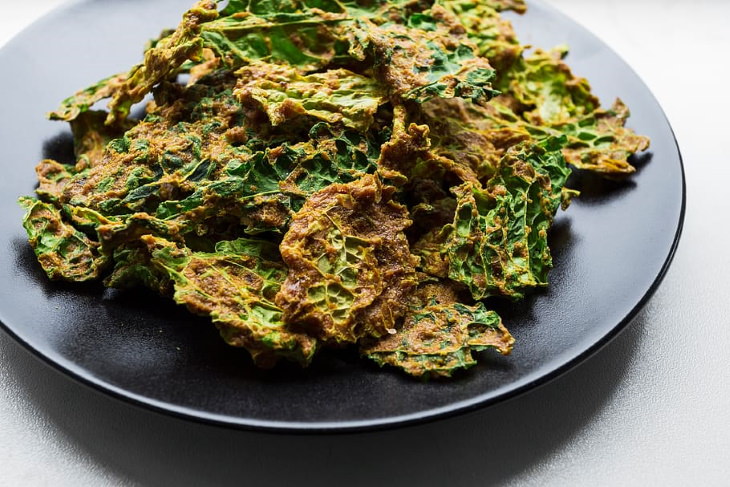
Often defined as a superfood, kale is one of those leafy greens we should all eat more of. But many people don't like the tough texture of kale in salads and other fresh meals, which can discourage them from eating more kale. Enter kale chips, a food that will be able to satiate your craving for potato chips and takes just a few minutes to prepare. 

1 cup of kale chips contains just 150 calories, and it will provide you with an entire daily dose of vitamin C, vitamin A and, K. To make kale chips at home  see my next post

10. Chia PuddingWeight Loss Snacks Chia Pudding
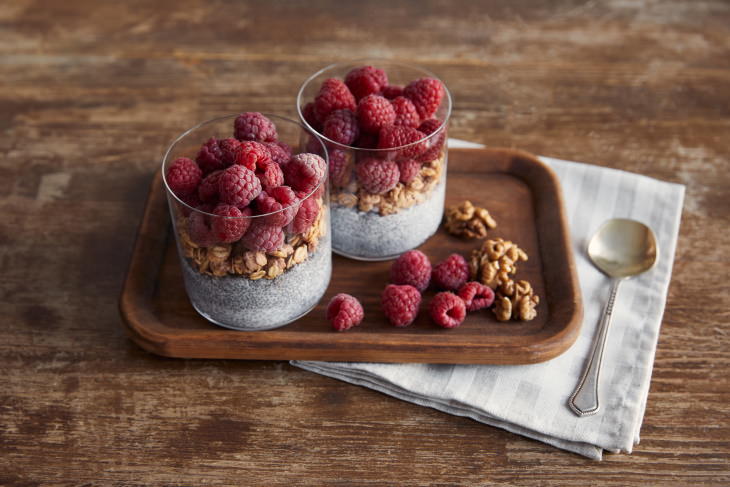
Like the previous snack, this chia pudding takes a bit more time, but most of it will be passive, as you'll have to wait overnight or for a few hours for the chia seeds to absorb the milk. You can make this snack with any plant milk of your choosing, or even water, but here we use cow's milk to make it a bit richer in protein content. As you may know, chia seeds are quite high in fiber and antioxidants, and they have even been found to reduce the level of inflammation in the body and can benefit digestive health. 

The interesting feature of chia seeds is that they expand and gain a jelly-like coating when exposed to liquids, so they are great to make desserts that are very reminiscent of pudding but healthier. You can also add cocoa powder in the pudding, and top the dessert-snack with fruits, granola, nuts, or any topping of your choosing.  For recipe, see in m post.


https://gscrochetdesigns.blogspot.com. one can see my crochet creations  

https://kneereplacement-stickclub.blogspot.com. for info on knee replacement

https://cancersupportindia.blogspot.com  for info on cancer and health related topics

https://GSiyers home remedies.blogspot.com   is the latest addition to my blogs


Sunday, July 13, 2025

Cabbage & Edamame Salad with Peanut Dressing

 Ingredients

3 tbsp natural peanut butter
 
2 tbsp lime juice
 
 2 tbsp unseasoned rice vinegar
 
tbsp low sodium soy sauce
 
tsp sesame oil
 
½ tsp sugar
 
½ tsp crushed red pepper
 
3 cups shredded green cabbage
 
3 cups shredded red cabbage
 
¾ cup diagonally sliced sugar snap peas
 
¾ cup frozen shelled edamame, thawed
 
½ cup sliced radishes
 
3 scallions, sliced
 
cup chopped soft herbs, such as mint, basil and/or cilantro
 
 Cabbage & Edamame Salad with Peanut Dressing tossed in a bowl with utensils
 
Preparations
 
Whisk 3 tablespoons peanut butter, 2 tablespoons each lime juice and vinegar, 1 tablespoon soy sauce, 1 teaspoon oil and ½ teaspoon each sugar and crushed red pepper together in a large bowl until smooth. Add 3 cups each green cabbage and red cabbage, ¾ cup each snap peas and edamame, ½ cup radishes, 3 scallions and ⅓ cup herbs; toss until the vegetables are coated in the dressing.  
 

https://gscrochetdesigns.blogspot.com. one can see my crochet creations  

https://kneereplacement-stickclub.blogspot.com. for info on knee replacement

https://cancersupportindia.blogspot.com  for info on cancer and health related topics

https://GSiyers home remedies.blogspot.com   is the latest addition to my blogs


Edamame Hummus Wrap

Ingredients

12 ounces frozen shelled edamame (about 2 1/4 cups), thawed

4 tbsp lemon juice, divided

3 tbsp extra-virgin olive oil, divided

2 tbsp tahini

1 large clove garlic, chopped

½ tsp cumin pdr

¾ tsp pepper pdr, divided

½ tsp salt

2 cups very thinly sliced green cabbage

½ cup sliced yellow bell pepper

1 scallion, thinly sliced

¼ cup chopped fresh parsley

4 8- to 9-inch spinach or whole-wheat tortillas

Edamame Hummus Wrap 

Preparations

Combine edamame, 3 tablespoons lemon juice, 2 tablespoons oil, tahini, garlic, cumin, 1/2 teaspoon pepper and salt in a food processor. Pulse until fairly smooth.

Whisk the remaining 1 tablespoon each lemon juice and oil with the remaining 1/4 teaspoon pepper in a medium bowl. Add cabbage, bell pepper, scallion and parsley; toss to coat. Spread about 1/2 cup of the edamame hummus across the lower third of each tortilla and top with about 1/2 cup of the cabbage mixture. Roll closed. Cut in half to serve, if desired. 

Wrap it in a foil/ napkin to prevent the filling coming out.


https://gscrochetdesigns.blogspot.com. one can see my crochet creations  

https://kneereplacement-stickclub.blogspot.com. for info on knee replacement

https://cancersupportindia.blogspot.com  for info on cancer and health related topics

https://GSiyers home remedies.blogspot.com   is the latest addition to my blogs


The Best Snack is Edamame

When looking for a high-protein snack that supports gut health, there are some snacks that check both of those boxes. When we asked Bulsiewicz for his top pick, he was happy to share that edamame is the best high-protein snack for better gut health. 

Why edamame? The young, tender soybeans are “inexpensive, delicious and snacking on a cup delivers 18 grams of protein and 8 grams of fiber tightly squeezed into just 188 calories,” Bulsiewicz says. He also points out that this snack may help keep you full to support weight-management goals because of its protein and fiber content.

His go-to way for preparing edamame is to purchase frozen edamame pods, pour them into a microwave-safe bowl with 2 tablespoons of water at the bottom, seal it and microwave for 3 to 4 minutes. “Add a sprinkle of salt for flavor. You can go with sea salt, but next level would be flaky Maldon salt,” he recommends. Dusting them with Aleppo pepper  is a nice option, too. 

Preliminary evidence suggests that soy protein may have noteworthy effects on gut health. For example, research on animals showed positive effects on the gut microbiota when soy protein was consumed. Data on postmenopausal women also found that intake of soy isoflavones (compounds found in soybeans that have estrogen-like properties) may be linked to beneficial changes in gut bacteria.4

Edamame can also be enjoyed as a hummus or as an ingredient in falafel. An alternative option is dry-roasted edamame, which can be found in a variety of flavors prepackaged in the snack aisle in many stores. 

Other Snack Ideas

Try these other high-protein, gut-friendly snacks:

  • Almonds: “A half-cup of almonds packs in 15 grams of protein and 8 grams of fiber, not to mention the healthy fats and minerals,” says Bulsiewicz. Research shows that, when digesting almonds, the body produces butyrate, a short-chain fatty acid that serves as the primary energy source for colon cells, promoting a healthy colon lining.5
  • Greek Yogurt: Packed with probiotics, Greek yogurt is not only high in protein but also excellent for gut health.
  • Hummus: Made from chickpeas, hummus provides both protein and fiber, promoting a healthy gut.
  • Kefir: Similar to yogurt, kefir is a probiotic-rich drink that also contains protein.
  • Chia seed pudding: Made from chia seeds, this pudding is full of protein, fiber and omega-3 fatty acids, which all contribute to gut health.                                                                                     

    https://gscrochetdesigns.blogspot.com. one can see my crochet creations  

    https://kneereplacement-stickclub.blogspot.com. for info on knee replacement

    https://cancersupportindia.blogspot.com  for info on cancer and health related topics

    https://GSiyers home remedies.blogspot.com   is the latest addition to my blogs


Monday, July 7, 2025

Curb A Salt Craving With One of These 12 Healthy Snacks!

There are many health problems caused by excess sodium in the blood, such as high blood pressure, jaundice disease and other illnesses with far-reaching effects on the body. People who suffer from high levels of sodium should reduce the intake of foods containing large amounts of salt, which often causes them to have to fight off "salty cravings”. Fortunately, these cravings can be beat with the following 12 healthy snacks and foods that will help calm the desire for something salty without being harmful to our bodies.

1. Peanut butter with apples
 healthy snacks
 
There are wonderful peanut butters on the market made from unsalted nuts, and when you combine them with apple you get a very tasty and crunchy snack that helps curb the craving for salty foods. Peanut butter has only 3 mg of sodium and a medium apple contains 2 mg of the mineral making it a healthy snack with only 5 mg of sodium. The apple contains dietary fiber that helps digestion and water that helps quench thirst, and peanut butter contains proteins that contribute to a sense of satiety, so that both together bring a sense of fullness in addition to a decrease in desire for salt. 
 
2. Natural nuts
healthy snacks
Nuts have a natural salinity that helps curb the craving for over-salted foods, so the next time you want a salty snack, try going for all natural nuts without the artificial addition of sodium. In a cup of natural roasted almonds, there is only 1 mg of sodium and aside from their favorite flavor, these nuts and other types contain healthy fats that help strengthen the heart and contribute to the overall health of the body. 
 
3. Edamame

healthy snacks

Edamame, or Soybeans, have become a favorite snack, especially in recent years after we discovered their unique flavor and the fact that they are especially healthy for the body. One cup of Edamame contains only 9 mg of sodium and if you want to add some salt to these beans, opt for Celtic or Himalayan salt, which surprisingly helps reduce the levels of sodium in the blood, so you will get a delicious snack containing essential proteins for the body, iron which is essential in creating red blood cells and for oxygen transfer in the body, as well as vitamin C which strengthens the immune system and helps fight various infections.


4. Popcorn

 healthy snacks

In addition to the fact that corn grains are used as raw materials in the preparation of many healthy foods, they can also be used as a snack to curb your salt cravings. Home-popped popcorn is a particularly tasty snack that contributes to a sense of satiety and helps overcome the craving for more salty snacks, such as chips. In addition, it is an excellent diet snack with a cup of popped-popcorn containing only 31 calories and 1 mg of sodium. Popcorn is also an excellent source of protein which is needed to build and maintain muscle mass and maintain a healthy immune system. You can add nutritional yeast, which can be bought in health food stores, to your popcorn giving it a salty taste with a small amount of sodium, or alternatively coating your popcorn in dried herbs will give it a special taste.  
 
 
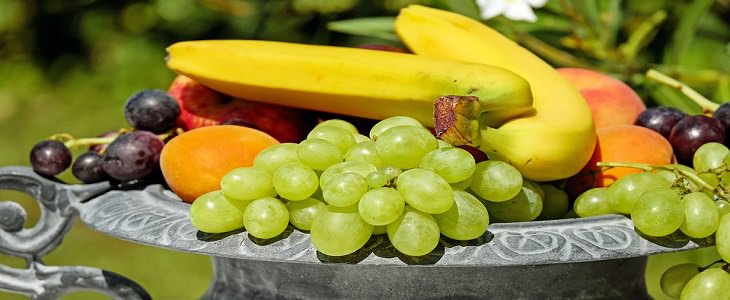
5. Fresh fruits
healthy snacks

There are few things that can compete with the rich taste of fresh fruit, such as banana or strawberries containing only 1 mg of sodium. Eating these fruits and many others will contribute to the feeling of satiety and also curb the desire for salty foods that can harm you. Furthermore, they help to fight high blood pressure, which is a symptom of those whose diets are rich in sodium. 
 
 
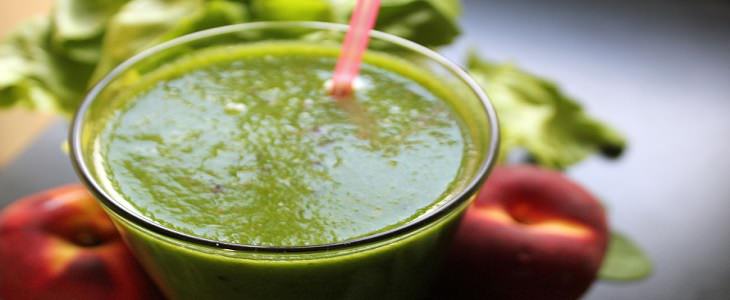
6. Fruit and Veggie Shakes
 healthy snacks
 
Fruit alone is wonderful for curbing cravings for salty foods, but when you add vegetables, you have a double weapon in your hands. Drinking fruit and vegetable shakes is a great way to fill the stomach, to feel full, to curb the urge for salts because of their natural salt content, and to fill the body with the vitamins and minerals it needs. To prepare the perfect shake, mix vegetables with green leaves, natural peanut butter, strawberries, bananas and avocados and get a super healthy drink with less than 20 mg of sodium per glass.


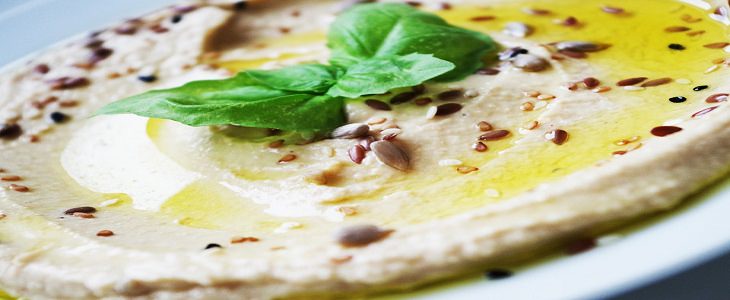
7. Hummus spread
 healthy snacks
 
 The chickpeas used to make hummus are filled with essential proteins for the body, and thanks to their delicate natural salinity they help create a food that fights salt cravings. Make a hummus spread sandwich or eat it as a dip and enjoy a tasty snack that isn’t costing you health wise. If you buy readymade hummus, check the labels to make sure the sodium levels aren’t too high. 
 
 
8. Roasted chickpeas


Apart from eating them as a spread, chickpeas can serve as a delicious snack in their own right. Instead of buying roasted and seasoned chickpeas filled with salt, prepare them easily at home as follows: roast canned chickpeas with no added salt in the oven, and add avocado or coconut oil with spices such as paprika, curry, and cumin that add a particularly rich flavor. Half a cup of chickpeas contains only 24 mg of sodium and will provide you with dietary fiber that helps digestion. Additionally, you’ll get a dose of antioxidants that repair cellular damage and maintain a strong immune system.  
 
 
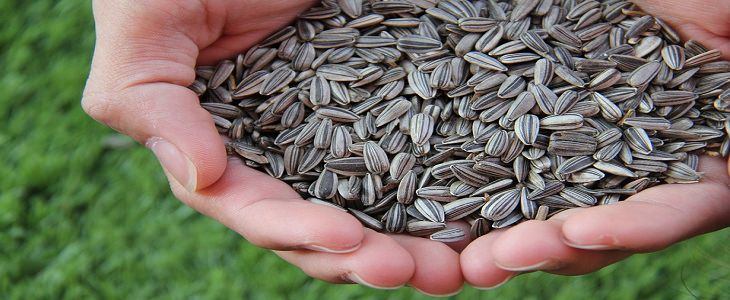
9. Sunflower seeds
healthy snacks

Sunflower seeds definitely don’t need to be advertised! In order for you to enjoy particularly healthy sunflower seeds, buy those that are peeled and not roasted with salt, add them to salads or roast them in the oven with spices, like chickpeas. These seeds are rich in amino acids that build up cells in the body and also contain a high vitamin E content that helps maintain liver health. A handful of sunflower seeds will calm your craving for salty foods, but it is recommended that you don’t overdo them because they contain fat which should also only be consumed in moderation.  
 
 
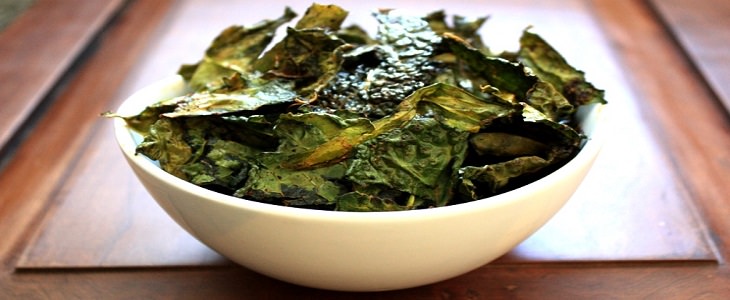
10. Kale Chips
healthy snacks
Kale has captured the vegetable market in recent years, and many people have put it into their daily diet because of its many benefits. Kale contains large amounts of vitamin K that improves the absorption of calcium in the bones and strengthens them, preventing diseases such as osteoporosis and physical injuries. A cup of Kale contains 25 mg of sodium, and in order to enjoy the vegetable in a unique way, you can turn them into chips like so: line a baking sheet, place kale leaves on top in one layer, drizzle with oil and season with the spices you like. Bake at 250 degrees for 10-12 minutes, take out, let them cool and start snacking. Dying the leaves out in the oven helps to emphasize their naturally salty taste and with the addition of spices, you get a crispy and delicious snack that’s perfect for curbing cravings.


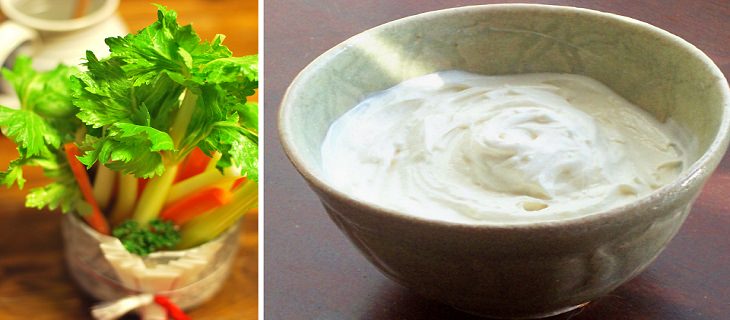
11. Celery sticks and carrots with a Greek yogurt dip
 
healthy snacks
When you are in the midst of a sodium-free diet, eating vegetables alone can be a little boring and make us reach for saltier snacks. To deal with the cravings successfully, try a natural Greek yogurt with a little paprika and crushed garlic as a dip for carrots and celery sticks, or any vegetable you’d like. You‘ll get a tingling of saltiness that will reduce your desire for salt considerably and will also allow you to benefit from all the ingredients in the snack you made. Carrots are filled with beta-carotene which contributes to your vision and celery quenches thirst and will provide you with dietary fiber for normal bowel movements. The protein-rich yogurt will contribute to your overall health and the garlic that acts as a natural antibiotic will greatly complement this small health punch. 
 
 
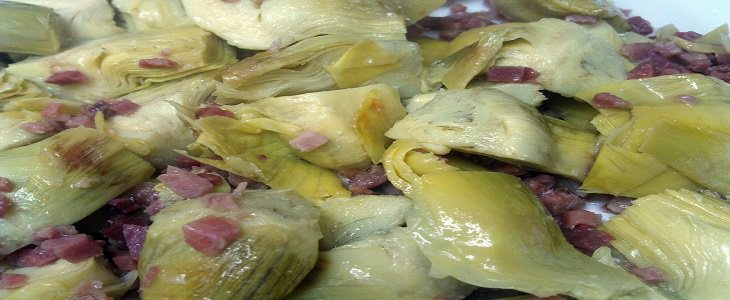
12. Artichoke hearts with lemon juice
 
healthy snacks
Artichoke is a popular ingredient in many dishes, but it can also be eaten without prior preparation by just adding lemon juice. You can purchase canned artichoke hearts with no added salt in the various supermarkets. Cut them and add a little lemon juice to upgrade this unusual snack. Artichoke helps lower blood pressure, what is important for people who consume too much sodium, helps with constipation and also balances the body's sugar levels. In addition to these benefits, you will also get a delicious snack which is naturally salty.


https://gscrochetdesigns.blogspot.com. one can see my crochet creations  

https://kneereplacement-stickclub.blogspot.com. for info on knee replacement

https://cancersupportindia.blogspot.com  for info on cancer and health related topics

https://GSiyers home remedies.blogspot.com   is the latest addition to my blogs


Friday, June 20, 2025

5 Snacks That Can Actually Make You Happier, According to Nutrition Experts

You know the feeling: you’re a little irritable. Distracted. Sleepy. Anxious. You can’t quite focus, but it’s not quite mealtime. What can help? A snack—but not just any snack. While snacking sometimes gets a bad rap, certain foods are packed with nutrients that help regulate mood, support brain health , and give you the steady energy you need to feel better fast. Bonus: The right snack can also help you avoid hanger, a real researched-back phenomenon linked to greater irritability, stress, and lower pleasure. Here are five mood-boosting snacks to keep on hand for when you need a quick pick-me-up.   

1. Dark Chocolate

 dark chocolate

Yes—you officially have permission to keep the chocolate stocked. According to a study in 2022, eating dark chocolate daily improved mood, specifically lowering stress and anxiety in healthy adults ages 20 to 30. The key? Aiming for 85% cocoa or higher—it contains more polyphenols, or powerful plant compounds that act as antioxidants.

“Dark chocolate is rich in flavonoids, which are antioxidants that help reduce inflammation,” says a registered dietitian. “It’s also a source of magnesium, iron, and fiber, and contains stimulants like theobromine and caffeine." Translation: It’s delicious and scientifically proven to support your mood.


2. Fruits and Vegetables

 A rainbow of fruits and vegetables

 We know fruits and vegetables support digestion and immunity, but they can also boost your mood. A large systematic review found that higher consumption of fruits and vegetables is associated with greater happiness, life satisfaction, and lower risk of depression and anxiety. More specifically, berries are a standout.

“One study found that after consuming blueberries, both children and adults experienced improved mood shortly afterwards,” Zenker says. Blueberries contain anthocyanins, which have anti-inflammatory benefits for the brain and body. Similarly, bananas are another easy option. Top with peanut butter or pair with toast for extra protein, fats, and fiber. “Bananas are a good source of vitamin B6”, which helps the body make “serotonin, dopamine, [and] GABA,” essential mood-regulating neurotransmitters, Zenker adds. 


3. Popcorn with nutritional yeast 

 Popcorn

 When you’re craving something crunchy, popcorn hits the spot. But instead of butter, try sprinkling nutritional yeast. This deactivated yeast adds a cheesy, nutty flavor, and packs serious nutritional benefits.

“Nutritional yeast is usually fortified with vitamin B12,” Zenker says. “Low B12 status is associated with depressive symptoms, brain fog, mental fatigue, and cognitive decline.” Meanwhile, popcorn itself offers B vitamins, fiber, and complex carbs to help stabilize blood sugar and support steady energy.


4. Edamame with salt 

 Edamame

Edamame is one of my personal favorites, and popping the beans out of the shell feels surprisingly satisfying on its own. “The protein and fiber in the edamame helps support satiety and stable energy levels, which helps prevent fatigue,” Zenker says. Edamame also offers tryptophan, iron, magnesium, and folate. You don’t even have to skip the salt: “Sodium supports healthy hydration and fluid balance,” Zenker says, both of which are important for mental clarity. 


5. Greek Yogurt with Toppings 

 A small glass jar of greek yogurt and berries set atop a table. There's also a spoon on the table holding berries.

Greek yogurt is rich in protein, a vegetarian-friendly snack that pairs well with a variety of toppings: granola, berries, sliced almonds or walnuts, chia or flax seeds, and even pumpkin seeds for an extra crunch. “Pumpkin seeds are a source of tryptophan, a precursor to serotonin, and also a source of magnesium, zinc, protein, iron, and fiber, which all play a role in mood regulation,” Zenker says.

The Bottom Line

Whether you’re in between meals, on the go, or just need a quick mood boost, these nutrient-dense snacks can make a real difference—both physically and emotionally. “These snacks are high in fiber and contain protein and healthy fats,” Zenker says. “They’re low in added sugar, refined carbohydrates, and ultra-processed foods, all of which have been linked to lower depressive mood outcomes.” The best part? You can mix, match, and rotate your favorites to suit your taste buds—and your mood.


https://gscrochetdesigns.blogspot.com. one can see my crochet creations  

https://kneereplacement-stickclub.blogspot.com. for info on knee replacement

https://cancersupportindia.blogspot.com  for info on cancer and health related topics

https://GSiyers home remedies.blogspot.com   is the latest addition to my blogs
  

Friday, August 11, 2023

These Plant-Based Foods Have the Best Protein Content

A new study has confirmed that replacing red meat with plant-based protein can help keep your heart healthy. The study, based on 30 years of observation, says that by replacing red meat with high-quality plant foods filled with protein such as beans, nuts, or soy, one can reduce the risk of coronary heart disease by 17%. 
 
We all know that protein is essential for the growth and repair of the body and it helps in maintaining good health. It also helps keep us fit, strong, and full all day. According to health experts, males should ideally consume 63 grams of protein daily while females should ensure having at least 52 grams of protein every day. 
 
With so many nutritious plant-based foods available, more and more people these days are choosing to shift away from meat products to fulfill their protein requirements. Now, plant-based diets aren’t exactly new. But can we really get all the protein our body needs from plant sources alone? Yes, we can. The right plant-based foods are great sources of protein and several other nutrients. Here, we have listed some of the best sources of plant-based proteins that you should add to your diet. 
 
1. Tofu, tempeh, and edamame

Plant-Based Protein Sources, Soy products
Soy products such as tofu, tempeh, and edamame are considered the richest sources of protein. Tofu, for instance, has about 15 grams of protein per 4 oz serving (cooked). While tofu doesn’t have any taste, it takes on the flavor of the dish it’s prepared, making it a versatile addition to your diet. You can even try tofu as a meat substitute in a soup or a sandwich.

Edamame beans are immature soybeans and contain 8.5 grams of protein per half-cup cup while tempeh contains about 15 grams of protein per half a cup. Tempeh has a nutty flavor and can be used in soups, chilies, and burgers. As for edamame, it can be used in a variety of ways ranging from salads to appetizers.

All of these soy products also contain healthy levels of calcium and iron and can hence be used as substitutes for dairy products.

2.Chia seeds
Plant-Based Protein Sources, Chia seeds

Chia seeds are obtained from the Salvia hispanica plant and contain about 3.5 grams of protein per two tablespoons. These wonderful seeds are low-calorie foods rich in fiber and heart-healthy omega-3 fatty acids. Furthermore, they also contain iron, calcium, selenium, and magnesium.

If soaked overnight, chia seeds turn into a gel-like substance as they absorb water. So, while they have a bland taste, they can be added to a smoothie or on baked goods to make for a healthy recipe.


3. Lentils
 chia seeds,tofu,tempeh,Plant-Based Protein Sources, Lentils
 
Lentils aren’t just a good source of protein, they have great fiber content, too. This legume provides 9 grams of protein per half-cup and also offers 7.9 grams of dietary fiber in the same amount. Lentils are also rich in folate, manganese, and iron.

One of the best things about lentils is that they can be added to salads, soups, curries, and stews to enhance their flavor. These nutritional powerhouses are the perfect plant-based source of protein to add to your daily meals.


4. Chickpeas
Plant-Based Protein Sources, Chickpeas

Cooked chickpeas are an excellent addition to any plant-based diet as they contain around 7.25 grams of protein per half-cup. Also known as garbanzo beans, these legumes can be eaten hot or cold and can be easily added to soups, stews, and curries. You can even roast them in the oven and sprinkle some spices on top to prepare a nice healthy evening roasted chickpeas snack


5. Hemp seeds

Plant-Based Protein Sources, Hempseed
Hemp seeds are a complete protein and offer 5 grams of protein per tablespoon. They also contain generous amounts of magnesium, iron, calcium, zinc, and selenium. Moreover, hemp seeds are a solid source of omega-3 and omega-6 fatty acids. Much like chia seeds, hemp seeds can be added to your diet by sprinkling them on a smoothie or morning muesli. They will also be great dressings for homemade salads.


6. Green peas

Plant-Based Protein Sources, Green Peas
Green peas are one of the best plant-based sources of protein and they also contain many crucial vitamins and minerals. These healthy little peas have 9 grams of protein per cooked cup (about 240 ml). The best part about them is that one serving of green peas will essentially cover almost 25% of your daily vitamin A, C, K, manganese, folate, and daily fiber needs. They are also a great source of several B vitamins.

Green peas can be added to your daily diet as a side dish, or in the form of pea soup. You can even add them to mashed potatoes to enhance the taste while also making them healthier.


7. Quinoa
 Plant-Based Protein Sources, Quinoa
 
Similar to hemp seeds, quinoa is considered a complete protein. This high-protein grain contains 8 grams of protein per cup when cooked. It is also rich in nutrients like magnesium, iron, fiber, and manganese. Quinoa is highly versatile and a really great plant-based protein option. You can have it as a meal by combining it with various vegetables or simply cook it in vegetable broth. Add quinoa to soups or salads to have a delicious and protein-rich meal.


8. Soy Milk
 Plant-Based Protein Sources, Soy Milk
 
As we mentioned earlier, soy products are rich in protein. If you want to find a good alternative to cow's milk for your diet, you can easily choose soy milk as it has as much protein as cow’s milk and is lower in calories than whole milk. It contains very little saturated fat and is also a terrific source of potassium, calcium, vitamin D, and vitamin B12. 
 
A 240 ml cup of soy milk contains 7 grams of protein which can help support healthy muscles and organs. Soy milk can easily be found in most supermarkets. You can consume it every day as a glass of milk or even use it in some baking recipes like soy milk cake, vegan apple cake, or vegan corn muffins.


9. Wild rice
 Plant-Based Protein Sources, Wild Rice
 
Wild rice is higher in protein than regular rice. One cooked cup (about 240 ml) of this rice offers 7 grams of protein apart from also providing fiber, magnesium, copper, manganese, phosphorus, and B vitamins. It has a nutty and chewy texture and eating it regularly will help improve your heart’s health while lowering your risk of type 2 diabetes. You can eat wild rice alone or add it to salads, soups, casseroles, and even desserts.


Bear in mind, however, that wild rice may also contain arsenic, and to reduce its content you should wash it thoroughly before cooking. 
 
 
10. Nuts and Seeds
 Plant-Based Protein Sources, Nuts and Seeds
 
 
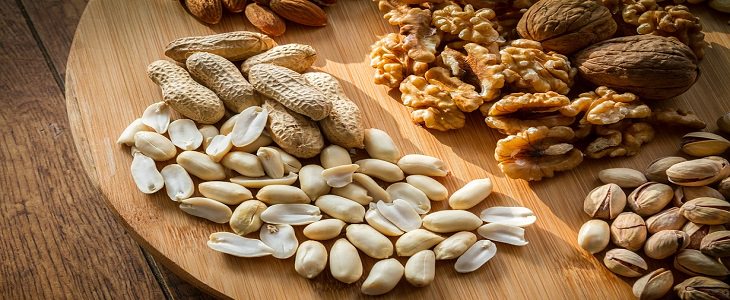
One of the easiest ways to increase the amount of protein in your diet is to eat different nuts and seeds. We have already mentioned a few seeds that you can try above. Other than that, you can start having a variety of nuts as they are portable and don’t require refrigeration. Nuts like almonds, walnuts, cashews, and pine nuts make for a delicious, protein-rich snack or an excellent addition to meals. You can even carry them around in a little box to your workplace or have them in the morning with breakfast. Ideally, you should have them raw, with no other additives to maximize their nutrient benefits. 
 
Nut butters can also be made into a vital part of your everyday snack plate. Two tablespoons of the average nut butter have 6 grams of protein. However, do opt for natural nut butters rather than the household brand varieties as the latter generally contain oil, sugar, and excess salt.


11. Beans
Plant-Based Protein Sources,  Beans

Much like legumes, beans are considered to be one of the richest plant-based sources of protein. A half-cup of black beans, for instance, offers 7 grams of protein. Kidney beans are also super healthy and a major source of protein everywhere in the world and for good reason: 3.5 ounces (100 grams) of boiled kidney beans consists of almost 9 grams of protein. They can be eaten in many delicious ways, too. Like you can make bean soups during the winter months or even use them to make a veggie burger.

https://gscrochetdesigns.blogspot.com. one can see my crochet creations  

https://cancersupportindia.blogspot.com. feel free to view for easy, simple and health tips  

https://kneereplacement-stickclub.blogspot.com. for info on knee replacement

https://GSiyers home remedies.blogspot.com     is the latest addition to my blogs.

Saturday, March 6, 2021

These Plant-Based Foods Have the Best Protein Content

A new study has confirmed that replacing red meat with plant-based protein can help keep your heart healthy. The study, based on 30 years of observation, says that by replacing red meat with high-quality plant foods filled with protein such as beans, nuts, or soy, one can reduce the risk of coronary heart disease by 17%.

We all know that protein is essential for the growth and repair of the body and it helps in maintaining good health. It also helps keep us fit, strong, and full all day. According to health experts, males should ideally consume 63 grams of protein daily while females should ensure having at least 52 grams of protein every day. 
 
With so many nutritious plant-based foods available, more and more people these days are choosing to shift away from meat products to fulfill their protein requirements. Now, plant-based diets aren’t exactly new. But can we really get all the protein our body needs from plant sources alone? Yes, we can. The right plant-based foods are great sources of protein and several other nutrients. Here, we have listed some of the best sources of plant-based proteins that you should add to your diet. 
 
1. Tofu, tempeh, and edamame
Plant-Based Protein Sources, Soy products
Soy products such as tofu, tempeh, and edamame are considered the richest sources of protein. Tofu, for instance, has about 15 grams of protein per 4 oz serving (cooked). While tofu doesn’t have any taste, it takes on the flavor of the dish it’s prepared, making it a versatile addition to your diet. You can even try tofu as a meat substitute in a soup or a sandwich. 
 
Edamame beans are immature soybeans and contain 8.5 grams of protein per half-cup cup while tempeh contains about 15 grams of protein per half a cup. Tempeh has a nutty flavor and can be used in soups, chilies, and burgers. As for edamame, it can be used in a variety of ways ranging from salads to appetizers. 
 
All of these soy products also contain healthy levels of calcium and iron and can hence be used as substitutes for dairy products.
 
2. Chia seeds
Plant-Based Protein Sources, Chia seeds
Chia seeds are obtained from the Salvia hispanica plant and contain about 3.5 grams of protein per two tablespoons. These wonderful seeds are low-calorie foods rich in fiber and heart-healthy omega-3 fatty acids. Furthermore, they also contain iron, calcium, selenium, and magnesium. 
 
If soaked overnight, chia seeds turn into a gel-like substance as they absorb water. So, while they have a bland taste, they can be added to a smoothie or on baked goods to make for a healthy recipe.
 
3. Lentils
Plant-Based Protein Sources, Lentils

Lentils aren’t just a good source of protein, they have great fiber content, too. This legume provides 9 grams of protein per half-cup and also offers 7.9 grams of dietary fiber in the same amount. Lentils are also rich in folate, manganese, and iron. 
 
One of the best things about lentils is that they can be added to salads, soups, curries, and stews to enhance their flavor. These nutritional powerhouses are the perfect plant-based source of protein to add to your daily meals. 
  
4. Chickpeas
Plant-Based Protein Sources, Chickpeas
Cooked chickpeas are an excellent addition to any plant-based diet as they contain around 7.25 grams of protein per half-cup. Also known as garbanzo beans, these legumes can be eaten hot or cold and can be easily added to soups, stews, and curries. You can even roast them in the oven and sprinkle some spices on top to prepare a nice healthy evening roasted chickpeas snack. 
 
5. Hemp seeds
Plant-Based Protein Sources, Hempseed
Hemp seeds are a complete protein and offer 5 grams of protein per tablespoon. They also contain generous amounts of magnesium, iron, calcium, zinc, and selenium. Moreover, hemp seeds are a solid source of omega-3 and omega-6 fatty acids. Much like chia seeds, hemp seeds can be added to your diet by sprinkling them on a smoothie or morning muesli. They will also be great dressings for homemade salads. 
 
6. Green Peas
Plant-Based Protein Sources, Green Peas
Green peas are one of the best plant-based sources of protein and they also contain many crucial vitamins and minerals. These healthy little peas have 9 grams of protein per cooked cup (about 240 ml). The best part about them is that one serving of green peas will essentially cover almost 25% of your daily vitamin A, C, K, manganese, folate, and daily fiber needs. They are also a great source of several B vitamins. 
 
Green peas can be added to your daily diet as a side dish, or in the form of pea soup. You can even add them to mashed potatoes to enhance the taste while also making them healthier.

7. Quinoa
Plant-Based Protein Sources, Quinoa
Similar to hemp seeds, quinoa is considered a complete protein. This high-protein grain contains 8 grams of protein per cup when cooked. It is also rich in nutrients like magnesium, iron, fiber, and manganese. Quinoa is highly versatile and a really great plant-based protein option. You can have it as a meal by combining it with various vegetables or simply cook it in vegetable broth. Add quinoa to soups or salads to have a delicious and protein-rich meal.
 
8. Soy Milk
Plant-Based Protein Sources, Soy Milk
As we mentioned earlier, soy products are rich in protein. If you want to find a good alternative to cow's milk for your diet, you can easily choose soy milk as it has as much protein as cow’s milk and is lower in calories than whole milk. It contains very little saturated fat and is also a terrific source of potassium, calcium, vitamin D, and vitamin B12. 
 
A 240 ml cup of soy milk contains 7 grams of protein which can help support healthy muscles and organs. Soy milk can easily be found in most supermarkets. You can consume it every day as a glass of milk or even use it in some baking recipes like soy milk cake, vegan apple cake, or vegan corn muffins. 
 
9. Wild Rice
 Plant-Based Protein Sources, Wild Rice
Wild rice is higher in protein than regular rice. One cooked cup (about 240 ml) of this rice offers 7 grams of protein apart from also providing fiber, magnesium, copper, manganese, phosphorus, and B vitamins. It has a nutty and chewy texture and eating it regularly will help improve your heart’s health while lowering your risk of type 2 diabetes. You can eat wild rice alone or add it to salads, soups, casseroles, and even desserts. 
 
Bear in mind, however, that wild rice may also contain arsenic, and to reduce its content you should wash it thoroughly before cooking. 
 
10. Nuts and Seeds
Plant-Based Protein Sources, Nuts and Seeds
One of the easiest ways to increase the amount of protein in your diet is to eat different nuts and seeds. We have already mentioned a few seeds that you can try above. Other than that, you can start having a variety of nuts as they are portable and don’t require refrigeration. Nuts like almonds, walnuts, cashews, and pine nuts make for a delicious, protein-rich snack or an excellent addition to meals. You can even carry them around in a little box to your workplace or have them in the morning with breakfast. Ideally, you should have them raw, with no other additives to maximize their nutrient benefits. 
 
Nut butters can also be made into a vital part of your everyday snack plate. Two tablespoons of the average nut butter have 6 grams of protein. However, do opt for natural nut butters rather than the household brand varieties as the latter generally contain oil, sugar, and excess salt. 
 
11. Beans
Plant-Based Protein Sources,  Beans
Much like legumes, beans are considered to be one of the richest plant-based sources of protein. A half-cup of black beans, for instance, offers 7 grams of protein. Kidney beans are also super healthy and a major source of protein everywhere in the world and for good reason: 3.5 ounces (100 grams) of boiled kidney beans consists of almost 9 grams of protein. They can be eaten in many delicious ways, too. Like you can make bean soups during the winter months or even use them to make a veggie burger.
https://gscrochetdesigns.blogspot.com. one can see my crochet creations  

https://cancersupportindia.blogspot.com. feel free to view for easy, simple and health tips  
https://kneereplacement-stickclub.blogspot.com. for info on knee replacement