Showing posts with label dairy products. Show all posts

Friday, November 13, 2026

10 Foods We Often Keep In the Freezer, But Shouldn't

Freezing certain foods is a great way of extending their life. However, not all the food products in your home are freezer-friendly. In fact, freezing some foods will lead to counterproductive results and may result in a drastic change in their taste and texture. Sometimes, the result of freezing some food items is not just messy, it can also be dangerous if they are consumed.

Generally, foods with higher water content shouldn’t be kept in the freezer. Many other food products too don’t turn out well inside that freezing chamber. Take note of this list of foods that should be kept far away from the freezer. 

1. Eggs
A perfectly good hard-boiled egg can be ruined if you put it in a freezer. The freezing temperature inside could expand and crack the shells of the whole eggs and thus allow bacteria to make their way in. Even if the shells somehow remain safe, the yolk will almost certainly become mushy and won’t mix well with the egg whites. Furthermore, the whites too tend to become rubbery when inside a freezer. Icings or sauces made with eggs should also be kept out of the freezer if you want them to maintain their texture.

You can, of course, store your eggs in the refrigerator to ensure that they keep a consistent and cool temperature. However, eggs should not be kept in the refrigerator door. R

2. Dairy Products
Foods You Should Never Freeze, Dairy Products
Almost all dairy products should be kept away from the freezer. Milk, cream cheese, cottage cheese, sour cream, and many other dairy products will suffer a texture change if put there. These products are likely to become crumbly if they were hard or become crystallized if they were soft. Generally, sour cream separates and becomes watery inside a freezer while milk, yogurt, cream, and the likes might thicken and also give off a foul smell. 

3. Fried Foods

You had a whole plate of chicken cutlets left from dinner and your refrigerator is completely crammed. Well, why not just put them in the freezer, right? You can always microwave them the next morning. That would be a mistake, though. Fried foods taste delicious when they are fresh and crispy. Putting them inside a freezer will take away their crispiness. This happens because thawing makes previously crunchy foods soggy and watery and really difficult to reheat. 

Homemade French fries, however, are an exception. You can cook and freeze them and then recook them without thawing them first. However, how well they freeze is going to depend on how long they were left out at room temperature. Ideally, freezing your French fries within 2 hours of being cooked should work well. 

4. Soft Herbs
Foods You Should Never Freeze, Soft Herbs
A leafy green herb can become a blackish-brown ball of mush if kept in the freezer for too long. The texture of soft herbs like basil, cilantro, parsley, mint, and tarragon, is bound to transform with such a dramatic temperature change like this. These fresh herbs become soggy and limp inside a freezer and won’t be useful as a garnish. 

However, if you have absolutely no option other than the freezer to keep your soft herbs temporarily, there is a way that does work. Just chop the herbs, cover them with oil, and freeze them in an ice cube tray. That should keep them safe for a while. 

5. Some water-rich fruits and vegetables

Fruits and vegetables with high water content should be a strict no-no for the freezer. You are almost certain to end up making them into a limp and mucky mess. That's because when the ice inside them melts upon defrosting, these fruits and vegetables become quite unsavory. Their taste and smell are also likely to become worse after thawing and freezing will also bring down their nutritional value.

6. Raw potatoes

Potatoes don’t hold up well in the freezer. Freezing potatoes separate the starch and the potatoes' water, leading them to become watery, squashy, and inedible. Also, thawed raw potatoes tend to become discolored and, in some cases, even turn black. 

If you have a bunch of potatoes you have to store for a long time, then the first thing you should do is partially cook them as they will require less oven time later. Freeze them in airtight bags for quicker freezing and defrosting. However, we must repeat here that raw potatoes don't freeze well and can even turn grainy once thawed. 

7. Seasonings

Foods You Should Never Freeze, SPICES
 Spices and seasonings like garlic, pepper, and imitation vanilla will not fare well in the freezer. Unlike what many believe, freezing does not extend the shelf life of spices and instead causes their taste and flavor to change. Also, storing small amounts of spices in the freezer will trap humidity once it’s opened. In fact, leading food experts say that spices like curry develop a musty off-flavor when frozen. Now, that doesn’t sound appetizing at all, does it?

8. Cooked pasta

While fresh pasta can be kept in the freezer before cooking, freezing fully cooked pasta will lead them to become mushy and limp. They are more likely to resemble a sloppy bowl of noodles with an odd warmed-over taste. 

That being said, with pasta that has been cooked up to al dente, meaning when it's still firm when bitten, you will get better results with freezing. Since the texture is still hard, it will hold up well inside the freezer. Cooked pasta that is already soft will almost certainly disintegrate the moment you reheat it after freezing.

9. Carbonated Drinks

Cooling a carbonated can in the freezer might sound like a cool experiment but it would be a big mistake. When you leave a bottle of soda in the freezer for a long time, it can explode and leave a sticky mess inside. The thing is, that when the water in the soda freezes, it attempts to push the carbon dioxide out. Carbonated water expands at the rate of about nine percent when it freezes. However, sealed, pressurized containers do not allow for their expansion and hence they explode. Thus, it is better if you keep those drinks in your refrigerator instead. 

10. Jelly

Foods You Should Never Freeze, Jelly

Freezing a jar of jelly won’t help you extend its life at all. The jelly’s texture will not be the same once it’s been frozen and its consistency is likely to be softer and more watery than before. The National Center for Home Food Preservation at the University of Georgia explains that jelly may become so watery on being frozen that it "may soak bread" when it's defrosted. Now, that won’t really be useful, would it?

https://gscrochetdesigns.blogspot.com. one can see my crochet creations  

https://kneereplacement-stickclub.blogspot.com. for info on knee replacement

https://cancersupportindia.blogspot.com  for info on cancer and health related topics

https://GSiyers home remedies.blogspot.com   is the latest addition to my blogs


Thursday, June 12, 2025

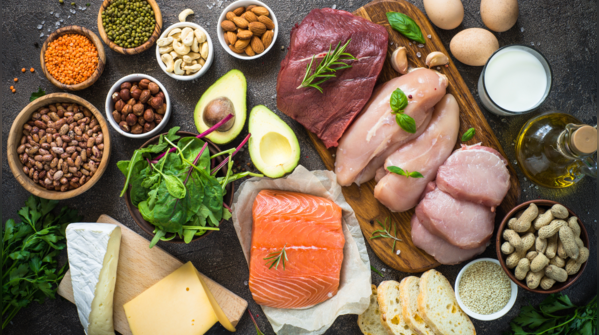
5 things everyone should know about protein before changing their diet, and how much is actually required

Protein: The most talked-about nutrient, but is it understood?


Protein is everywhere, in ads, on food packets, and across every fitness or health conversation. Many believe that eating more protein will automatically lead to stronger muscles or better health. But before adding protein powders to every meal or switching to high-protein diets for the family, it’s essential to pause and understand what protein actually does, who truly needs it the most, and how much is enough.
 

The truth is, protein isn't just for athletes or bodybuilders. It plays a silent but powerful role in growing children, busy parents, and even grandparents. It builds, heals, and supports the body in many quiet ways. Here are 5 critical and mostly misunderstood facts about protein that every household should know before making any dietary shift.

Protein isn’t just about muscles

Protein is a part of every single cell in the body. It repairs skin, supports immunity, balances hormones, and even builds enzymes and neurotransmitters (the ones that help the brain work properly).

For children, protein supports physical growth and brain development. For pregnant women, it helps build tissues for the baby. Even for elderly people, it preserves strength and helps fight fatigue. It is, quite literally, the construction worker of the human body—always building, fixing, or maintaining something.

 More protein doesn’t always mean better health

More protein doesn’t always mean better health

Like all nutrients, protein also has a limit. Extra protein doesn’t get stored in a magical “muscle bank.” Instead, the body either excretes the excess or, if over-consumed for long, it can put strain on the kidneys and even affect bone health.

According to the Indian Council of Medical Research (ICMR), the average adult needs around 0.8 to 1 gram of protein per kilogram of body weight daily. For a 60 kg adult, that's about 48 to 60 grams of protein a day. Children and pregnant or breastfeeding women may need more, but even then, moderation is key. What matters more than quantity is quality and consistency.


Plant-based proteins are powerful, but need a mix

 Plant-based proteins are powerful, but need a mix

While animal proteins contain all nine essential amino acids, many plant-based sources can also offer complete nutrition, if combined wisely. For example, dal and rice together form a complete protein. So do rajma and roti. It’s not about one super-food, but the right pairings across the day.

Families that follow vegetarian or vegan diets don’t need to worry about deficiency if meals are diverse. Mixing grains, pulses, nuts, and seeds in everyday food can offer just as much strength and nourishment.


Kids and teens need protein the most, but it’s often missed

Ironically, the age group that needs protein the most—growing children and teenagers—often don’t get enough of it. School tiffins are often filled with carbs (like noodles, biscuits, or chips) and very little protein.

Skipping this vital nutrient during growth years can affect height, concentration, energy levels, and even mood. Including simple items like boiled eggs, milk, sprouts, paneer, or roasted chana can bridge this gap without making meals complicated.


Protein powders are not magic dust

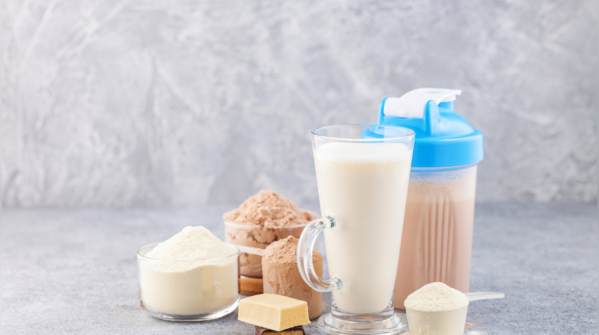
Not all protein powders are bad, but they’re not a one-size-fits-all solution. Many contain hidden sugars, additives, or synthetic nutrients. And without a genuine need (like a diagnosed deficiency or a doctor’s advice), powders may do more harm than good.

Natural foods like lentils, curd, tofu, almonds, seeds, fish, or even leftover dals from dinner carry not just protein, but also vitamins, minerals, and fiber. They nourish beyond just numbers. A well-cooked homemade khichdi, for example, can sometimes be more powerful than an expensive supplement.


https://gscrochetdesigns.blogspot.com. one can see my crochet creations  

https://kneereplacement-stickclub.blogspot.com. for info on knee replacement

https://cancersupportindia.blogspot.com  for info on cancer and health related topics

https://GSiyers home remedies.blogspot.com   is the latest addition to my blogs 


Saturday, March 16, 2024

11 ways to increase bone density naturally

Low bone density can increase the risk of fracture. People can increase their bone density through strength training, dietary choices, weight management, and other strategies.

Bone density changes over time. Throughout childhood, adolescence, and early adulthood, the bones absorb nutrients and minerals, gaining strength.

However, as a person enters their late 20s, they reach their peak bone mass, meaning they will no longer gain bone density.

The bones may lose density as a person continues to age. After menopause, in particular, a person becomes susceptible to osteoporosis. Osteoporosis can weaken the bones so much that they can break easily.


1. Weightlifting and strength training

Studies show that weightlifting and strength training can help promote new bone growth and maintain existing bone structure.

A review of exercise and bone density in people with osteoporosis suggests that weight bearing aerobic exercise alone can limit bone mass loss, while strength and resistance exercises can increase muscle and bone mass density.

Review authors highlight that strength and resistance exercises are site-specific. They only increase muscle and bone mass density in areas the exercises stimulate.

Benefits of weight and strength training include

  • increased bone mineral density
  • increased bone size
  • protection against bone loss
  • improved balance and coordination
  • increased muscle mass

Vegetables provide important vitamins, minerals, and fiber. A review highlights the importance of an overall balanced diet low in processed foods for bone health. However, the review authors suggest further research is necessary.

Research in a review highlights a positive association between bone mass density and fruit and vegetable consumption, which may be due to vitamin intake.

The authors also highlight research suggesting vitamin C intake may improve bone health and protect against osteoporosis. They list the following vegetables as good sources of vitamin C:

  • potatoes
  • green or red peppers
  • broccoli
  • Brussels sprouts

Another source suggests that consuming fewer than five servings of fruit or vegetables per day increases the risk of hip fractures.


Thursday, September 2, 2021

How to Store Your Fruits & Veggies

 image.png

https://gscrochetdesigns.blogspot.com. one can see my crochet creations  

https://cancersupportindia.blogspot.com. feel free to view for easy, simple and health tips  
https://kneereplacement-stickclub.blogspot.com. for info on knee replacement


Wednesday, January 13, 2021

14 Simple Rules to Always Have an Organized Fridge

A messy fridge is a common household issue we usually tend to underestimate. Keeping your fridge in order is essential if you’re trying to stock up at a grocery store only once a week and need to extend the shelf life of fresh produce. Apart from keeping the food fresh, a well-organized fridge also makes foods you use often easily accessible and ensures the risks of food contamination are brought don’t to a minimum, so yes, spending a few minutes to place foods strategically instead of just unloading all the food into the fridge as is pretty useful and important.
 
Here are 14 expert tips that can help you get your fridge in order. 
 
1. Separate the dairy products
Organized Fridge fridge open
What is the best place in the fridge to store dairy products?’ is a trick question, as in reality, different dairy products require different conditions to stay fresh as long as possible. Contrary to popular belief, for example, you shouldn’t keep milk on the shelves of the fridge door because it will make it spoil faster since the fridge door is the warmest place in the fridge. 
 
Instead, store it deep in the main middle shelf. This way, it will still be easily accessible, but the lower and steadier temperatures on the middle shelf of the fridge will preserve it better. Butter and hard cheeses like gouda and parmesan, on the other hand, don’t spoil as fast as milk and so they can safely be stored on the top door shelves. 
 
Lastly, soft cheeses like cottage and cream cheese, as well as yogurt, sour cream, and other dairy drinks, do need to be properly chilled, so either keep them next to the milk on the middle drawer, or in the deli meats section.

2. Transfer opened canned foods into food containers
Organized Fridge veggies in food containers
Very few people are aware of the fact that opened cans start to rust when they’re placed in the fridge, which can make the foods in those cans have a slight metallic aftertaste. So, if you’re wondering why the olives or corn you’ve opened just yesterday and kept in the fridge overnight changed in taste, now you know why it happens. 
 
Luckily, this can be easily prevented by simply transferring the contents of the open can into a plastic or glass container.
 
3. Keep herbs and salads away from the back of the fridge
Organized Fridge herbs
The gentle leaves of salads, herbs, and even some vegetables, particularly tomatoes and cucumbers can develop freezer burn or start to wilt if they touch the walls of the fridge, especially the back since it’s much colder there than in any other area of the refrigerator. Instead, store these delicate foods in the middle or towards the front of the shelf or in the high humidity drawers next to the vegetables. 
 
4. Be careful with cooked rice
Some foods are more likely to cause food poisoning than others. A significant percentage of uncooked rice contains Bacillus cereus, a pathogen that commonly causes food poisoning and can lead to complications in some individuals. So be vigilant and avoid eating rice that’s been in the fridge for more than 2 days. Also, try to keep the cooked rice in an area in your fridge with a steady cold temperature, such as the middle or back of the top shelf. 
 
5. Store and defrost meat and fish away from other foods
No matter how sanitary and clean the place where you purchased meat and fish is, you should always treat it as if it has contaminants and never store it next to foods you’re not planning to cook, such as fresh vegetables, dairy, cooked foods, or deli meat. This is because some microorganisms are naturally present in meat, poultry, and fish, but they’re typically eradicated during the cooking process.

However, if cross-contamination occurs and these germs do get on the foods we eat as is, this can lead to food poisoning. To avoid any drips or splatter, it’s recommended to store raw meat and fish on the bottom shelf of the refrigerator. It is also the coolest part of the fridge, so it will prevent raw meat and fish from spoiling. 
 
No need to unpack meat that comes in sealed packages before placing it in the fridge, but if the meat you purchase comes unpacked, place it on a plate and wrap it thoroughly using cling film. 
 
6. Fish needs special treatment
It’s always preferable to eat fresh fish the day you buy it, but if this isn’t possible, you have to make sure it’s sealed tight, dry, and properly chilled. As we’ve mentioned above, the best place to store fresh fish is the bottom shelf of the refrigerator, and you should make sure that the fish gets into the fridge as soon as you arrive home to prevent spoilage. 
 
To prepare the fish for the fridge, remove its packaging, blot it with a paper towel or a clean damp cloth, and put it on a large plate, subsequently wrapping it thoroughly with cling film. Place the fish in the back of the bottom shelf and ideally use it up within 24 hours.
 
7. The nuances of fruit storage
Organized Fridge fruit 
The general rule of thumb is - store fruit in its original packaging in the low humidity drawer, also marked as “crisper” in some refrigerators. Certain fruits, such as apples and citrus fruit need no packaging, so you can just unpack them and place them in the fruit drawer as is. 
 
The majority of fruit, however, especially delicate berries, do benefit from being double-packed in a plastic container or a bag in addition to the original basket in which they are sold. 
 
Lastly, also note that some fruit should not be stored with others, as they exude gases that will make other fruits go bad faster. Bananas, pears, nectarines, plums, peaches, avocados, and tomatoes are just some of these so-called ‘gas releasers’. It’s best to store these foods outside of the fridge altogether; in fact, most of them don’t require refrigeration anyway.

8. Deli meats need a dedicated drawer, too
Deli meats, sausage, sliced cheese, and cured fish should never be stored together with other foods, as they will make other foods smell bad. In addition, they do go bad after a few days, even if you don’t notice any funny smell or taste, so you must place them in separate containers once you opened the package to avoid cross-contamination. 
 
The best place for these foods is the top shelf, but these days most refrigerators have a dedicated top drawer for these foods. The only exclusion from this rule is raw bacon - experts say it should be stored together with raw meat and fish, and it’s recommended to use it up within a few days. 
 
9. Store vegetables in high humidity drawers
Organized Fridge vegetables in the fridge
While fruits require low-humidity conditions, vegetables are best preserved in a high-humidity environment. Most fridges have a dedicated salad drawer to store veggies and fresh herbs; roots like fresh ginger or turmeric will also benefit from the humid conditions of the salad drawer. 
 
Remember, however, that not all vegetables should be stored in the fridge in the first place. In fact, such veggies as potatoes, avocados, onions, and tomatoes are best stored outside of the fridge. R
 
10. Juices, jams, and condiments are not fussy when it comes to temperature changes
Organized Fridge Juice in the fridge
Which foods other than butter can be safely stored on the shelves of the fridge door? Condiments, jams, juices, soft drinks, and other preserved foods are all good candidates, as these foods usually contain preservatives that prevent them from going bad fast. Therefore, all these foods can handle fluctuating temperatures and can be easily stored in the warmest area of the fridge - the door. 
 
11. The first foods in should also be the first ones out
One of the main causes of food waste in residential homes is the lack of mindfulness about expiration dates. It’s true, many people just pile the same kinds of foods on top of each other, and as a result, there’s always a shriveled apple at the bottom of the fruit drawer or a few slices of spoiled cheese in the back of the deli section. 
 
Save yourself some money and learn to organize produce by date - the first foods to be in the fridge should also be the first ones to be used up. That means the milk carton you bought on Friday should not be placed in front of the one you bought on Monday. Intuitively, we just grab for the closest suitable thing, so we should always keep that in mind when we organize our fridge, too. 
 
Therefore, place that half-empty milk carton from Monday in front of the fresher one and avoid burying old fruit and veggies with new ones, for example. This is the system most grocery stores and pro kitchens use, and we say we can all take advantage of it, too! 
 
12. Avoid putting hot food into the fridge
Organized Fridge plate of hot green beans
It may be obvious to you, but we still see people make this mistake. Don’t put hot food into the refrigerator, as the extra warmth will increase the overall temperature in the fridge and may lead to unnecessary spoilage. In addition, it’s not good for the fridge either. 
 
13. Store eggs on the shelf, not the fridge door
Organized Fridge eggs

Contrary to popular belief, the refrigerator door is the last place where you want to store eggs. The shelf on the inside of your refrigerator door sees a constant flux of temperature, as you open and close the fridge to get your food. The shelf door is also the warmest place in the fridge, meaning that storing your eggs there will only make them rot faster. 

Instead, we recommend storing eggs on the middle shelf of the refrigerator together with other perishable foods like milk. 
 
14. Know the foods you don’t need to refrigerate
The best way to ensure that your fridge is always clean looking and organized is to avoid overloading it with foods that don’t need to be there. This includes things like bread, root vegetables, bananas, and other fruits, hot sauce, and many others. Save yourself some precious fridge storage space and keep them out of the fridge.


https://gscrochetdesigns.blogspot.com. one can see my crochet creations  

https://cancersupportindia.blogspot.com. feel free to view for easy, simple and health tips  
https://kneereplacement-stickclub.blogspot.com. for info on knee replacement


Saturday, November 14, 2020

10 Foods We Often Keep In the Freezer, But Shouldn't

Freezing certain foods is a great way of extending their life. However, not all the food products in your home are freezer-friendly. In fact, freezing some foods will lead to counterproductive results and may result in a drastic change in their taste and texture. Sometimes, the result of freezing some food items is not just messy, it can also be dangerous if they are consumed.

Generally, foods with higher water content shouldn’t be kept in the freezer. Many other food products too don’t turn out well inside that freezing chamber. Take note of this list of foods that should be kept far away from the freezer.  
 
1. Eggs
Foods You Should Never Freeze, Eggs
A perfectly good hard-boiled egg can be ruined if you put it in a freezer. The freezing temperature inside could expand and crack the shells of the whole eggs and thus allow bacteria to make their way in. Even if the shells somehow remain safe, the yolk will almost certainly become mushy and won’t mix well with the egg whites. Furthermore, the whites too tend to become rubbery when inside a freezer. Icings or sauces made with eggs should also be kept out of the freezer if you want them to maintain their texture.

You can, of course, store your eggs in the refrigerator to ensure that they keep a consistent and cool temperature. However, eggs should not be kept in the refrigerator door. 
 
2. Dairy Products
 Foods You Should Never Freeze, Dairy Products 
Almost all dairy products should be kept away from the freezer. Milk, cream cheese, cottage cheese, sour cream, and many other dairy products will suffer a texture change if put there. These products are likely to become crumbly if they were hard or become crystallized if they were soft. Generally, sour cream separates and becomes watery inside a freezer while milk, yogurt, cream, and the likes might thicken and also give off a foul smell. 
 
3. Fried Foods
Foods You Should Never Freeze, Fried Foods 
You had a whole plate of chicken cutlets left from dinner and your refrigerator is completely crammed. Well, why not just put them in the freezer, right? You can always microwave them the next morning. That would be a mistake, though. Fried foods taste delicious when they are fresh and crispy. Putting them inside a freezer will take away their crispiness. This happens because thawing makes previously crunchy foods soggy and watery and really difficult to reheat.

Homemade French fries, however, are an exception. You can cook and freeze them and then recook them without thawing them first. However, how well they freeze is going to depend on how long they were left out at room temperature. Ideally, freezing your French fries within 2 hours of being cooked should work well. 
 
4. Soft Herbs Foods  
 Foods You Should Never Freeze, Soft Herbs
A leafy green herb can become a blackish-brown ball of mush if kept in the freezer for too long. The texture of soft herbs like basil, cilantro, parsley, mint, and tarragon, is bound to transform with such a dramatic temperature change like this. These fresh herbs become soggy and limp inside a freezer and won’t be useful as a garnish. 
 
However, if you have absolutely no option other than the freezer to keep your soft herbs temporarily, there is a way that does work. Just chop the herbs, cover them with oil, and freeze them in an ice cube tray. That should keep them safe for a while. 
 
5. Some water-rich fruits and vegetables 
 Foods You Should Never Freeze, water-rich fruits and vegetables
Fruits and vegetables with high water content should be a strict no-no for the freezer. You are almost certain to end up making them into a limp and mucky mess. That's because when the ice inside them melts upon defrosting, these fruits and vegetables become quite unsavory. Their taste and smell are also likely to become worse after thawing and freezing will also bring down their nutritional value. 
 
Fruits and veggies such as cucumbers, cabbage, lettuce, watermelon, potatoes, grapes, and apples, have high water content and should be kept far away from the freezer. 
 
6. Raw Potatoes
Foods You Should Never Freeze, Raw Potatoes
Potatoes don’t hold up well in the freezer. Freezing potatoes separate the starch and the potatoes' water, leading them to become watery, squashy, and inedible. Also, thawed raw potatoes tend to become discolored and, in some cases, even turn black. 
 
If you have a bunch of potatoes you have to store for a long time, then the first thing you should do is partially cook them as they will require less oven time later. Freeze them in airtight bags for quicker freezing and defrosting. However, we must repeat here that raw potatoes don't freeze well and can even turn grainy once thawed.

7. Seasonings
 Foods You Should Never Freeze, SPICES 
Spices and seasonings like garlic, pepper, and imitation vanilla will not fare well in the freezer. Unlike what many believe, freezing does not extend the shelf life of spices and instead causes their taste and flavor to change. Also, storing small amounts of spices in the freezer will trap humidity once it’s opened. In fact, leading food experts say that spices like curry develop a musty off-flavor when frozen. Now, that doesn’t sound appetizing at all, does it?
 
8. Cooked Pasta
While fresh pasta can be kept in the freezer before cooking, freezing fully cooked pasta will lead them to become mushy and limp. They are more likely to resemble a sloppy bowl of noodles with an odd warmed-over taste. 
 
That being said, with pasta that has been cooked up to al dente, meaning when it's still firm when bitten, you will get better results with freezing. Since the texture is still hard, it will hold up well inside the freezer. Cooked pasta that is already soft will almost certainly disintegrate the moment you reheat it after freezing.

9. Carbonated Drinks
Foods You Should Never Freeze, Carbonated Drinks
Cooling a carbonated can in the freezer might sound like a cool experiment but it would be a big mistake. When you leave a bottle of soda in the freezer for a long time, it can explode and leave a sticky mess inside. The thing is, that when the water in the soda freezes, it attempts to push the carbon dioxide out. Carbonated water expands at the rate of about nine percent when it freezes. However, sealed, pressurized containers do not allow for their expansion and hence they explode. Thus, it is better if you keep those drinks in your refrigerator instead. 
 
10. Jelly
 Foods You Should Never Freeze, Jelly
Freezing a jar of jelly won’t help you extend its life at all. The jelly’s texture will not be the same once it’s been frozen and its consistency is likely to be softer and more watery than before. The National Center for Home Food Preservation at the University of Georgia explains that jelly may become so watery on being frozen that it "may soak bread" when it's defrosted. Now, that won’t really be useful, would it?

https://gscrochetdesigns.blogspot.com. one can see my crochet creations  

https://cancersupportindia.blogspot.com. feel free to view for easy, simple and health tips  
https://kneereplacement-stickclub.blogspot.com. for info on knee replacement