Protein: The most talked-about nutrient, but is it understood?
Protein
is everywhere, in ads, on food packets, and across every fitness or
health conversation. Many believe that eating more protein will
automatically lead to stronger muscles or better health. But before
adding protein powders to every meal or switching to high-protein diets
for the family, it’s essential to pause and understand what protein
actually does, who truly needs it the most, and how much is enough.
The truth is, protein isn't just for athletes or bodybuilders. It plays a silent but powerful role in growing children, busy parents, and even grandparents. It builds, heals, and supports the body in many quiet ways. Here are 5 critical and mostly misunderstood facts about protein that every household should know before making any dietary shift.
Protein isn’t just about muscles
Protein
is a part of every single cell in the body. It repairs skin, supports
immunity, balances hormones, and even builds enzymes and
neurotransmitters (the ones that help the brain work properly).
For
children, protein supports physical growth and brain development. For
pregnant women, it helps build tissues for the baby. Even for elderly
people, it preserves strength and helps fight fatigue. It is, quite
literally, the construction worker of the human body—always building,
fixing, or maintaining something.
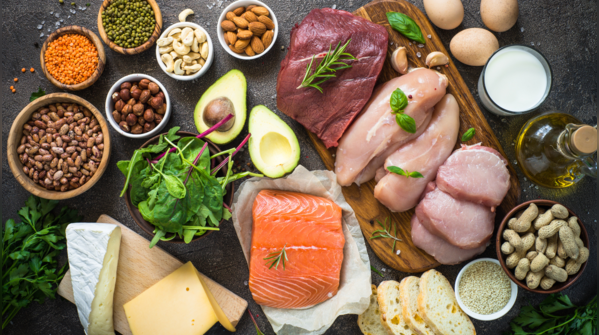
More protein doesn’t always mean better health
Like
all nutrients, protein also has a limit. Extra protein doesn’t get
stored in a magical “muscle bank.” Instead, the body either excretes the
excess or, if over-consumed for long, it can put strain on the kidneys
and even affect bone health.
According to the Indian Council of
Medical Research (ICMR), the average adult needs around 0.8 to 1 gram of
protein per kilogram of body weight daily. For a 60 kg adult, that's
about 48 to 60 grams of protein a day. Children and pregnant or
breastfeeding women may need more, but even then, moderation is key.
What matters more than quantity is quality and consistency.
Plant-based proteins are powerful, but need a mix
While
animal proteins contain all nine essential amino acids, many
plant-based sources can also offer complete nutrition, if combined
wisely. For example, dal and rice together form a complete protein. So
do rajma and roti. It’s not about one super-food, but the right pairings
across the day.
Families that follow vegetarian or vegan diets
don’t need to worry about deficiency if meals are diverse. Mixing
grains, pulses, nuts, and seeds in everyday food can offer just as much
strength and nourishment.
Kids and teens need protein the most, but it’s often missed
Ironically,
the age group that needs protein the most—growing children and
teenagers—often don’t get enough of it. School tiffins are often filled
with carbs (like noodles, biscuits, or chips) and very little protein.
Skipping
this vital nutrient during growth years can affect height,
concentration, energy levels, and even mood. Including simple items like
boiled eggs, milk, sprouts, paneer, or roasted chana can bridge this
gap without making meals complicated.
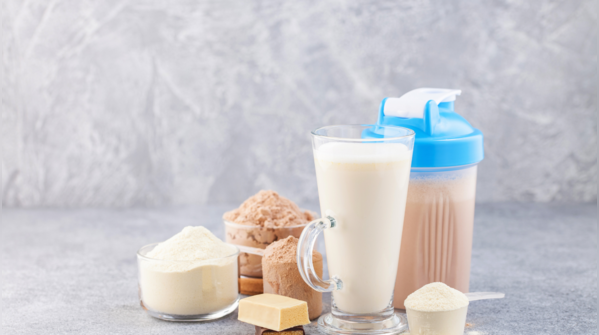
Protein powders are not magic dust
Not all protein powders are bad, but they’re not a one-size-fits-all
solution. Many contain hidden sugars, additives, or synthetic nutrients.
And without a genuine need (like a diagnosed deficiency or a doctor’s
advice), powders may do more harm than good.
Natural foods like
lentils, curd, tofu, almonds, seeds, fish, or even leftover dals from
dinner carry not just protein, but also vitamins, minerals, and fiber.
They nourish beyond just numbers. A well-cooked homemade khichdi, for
example, can sometimes be more powerful than an expensive supplement.
https://gscrochetdesigns.blogspot.com. one can see my crochet creations
https://kneereplacement-stickclub.blogspot.com. for info on knee replacement
https://cancersupportindia.blogspot.com for info on cancer and health related topics
https://GSiyers home remedies.blogspot.com is the latest addition to my blogs

No comments:
Post a Comment