Cleaning fruits and vegetables is something
most of us do without much thought. After all, a quick rinse under the
faucet seems like enough. But did you know that how you wash your
produce could impact not only its cleanliness but also its quality and
shelf life? Common oversights, such as skipping important steps or
over-complicating the process, can lead to contamination or spoilage. In
this article, we’ll look at some of the most frequent mistakes people
make while washing their produce and how you can avoid them to ensure
your food stays fresh and safe.
1. Using soap or detergent to wash produce
1. Using soap or detergent to wash produce
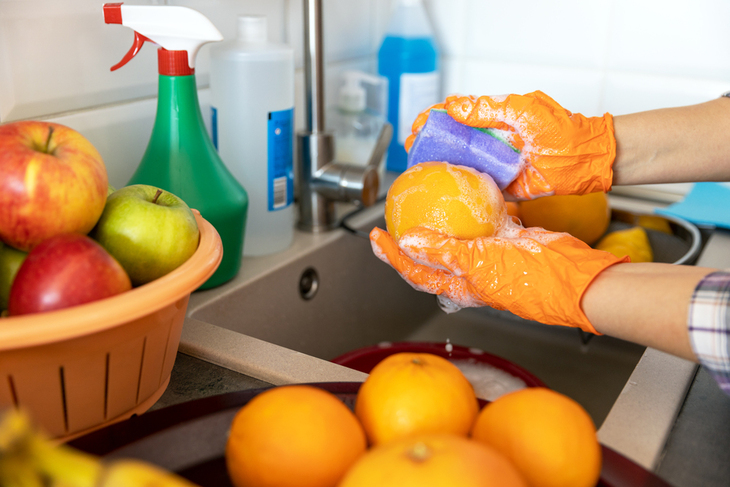
While it might seem logical to use dish
soap or detergent to clean fruits and vegetables, this is a mistake.
These cleaning agents are not designed for consumption, and their
residue can linger on the surface of produce. Even a small amount of
soap left behind can pose health risks, especially since fruits and
vegetables often have porous skins that can absorb chemicals. Instead,
use cold running water to clean your produce effectively. For tougher
items like carrots or potatoes, use a clean produce brush to scrub away
dirt and bacteria without introducing harmful substances.
2. Washing everything as soon as you buy it
Washing produce right after bringing it
home might seem the smart thing to do, but it can lead to faster
spoilage. Water left on fruits and vegetables can create a moist
environment where bacteria thrive, causing certain items to rot sooner
than expected. For instance, leafy greens and berries are particularly
prone to mold if washed too early. The best practice is to wash the
produce right before eating or cooking it. For greens, use a salad
spinner to remove excess water and keep them crisp. Store unwashed items
in dry, breathable bags to preserve their freshness.
3. Not washing produce before peeling
If you’re peeling fruits like oranges or vegetables like potatoes, you
might assume there’s no need to wash them first. However, this is a
common mistake. Dirt, bacteria, and pesticides from the outer skin can
transfer to the flesh through your hands or utensils during the peeling
process. To avoid this, always rinse produce under running water before
peeling or cutting, even if you don’t plan to eat the skin. This small
step can significantly reduce the risk of contamination and make your
food safer to consume.
4. Skipping the cleaning of organic produce
Many people assume that organic fruits and
vegetables don’t need washing since they are grown without synthetic
pesticides. However, organic produce can still carry dirt, bacteria, and
even natural pesticides or fertilizers. Washing organic fruits and
veggies under running water is just as important as cleaning
conventionally grown items. For root vegetables like carrots, a scrub
brush can help remove soil effectively. Even with organic labels,
thorough cleaning is key to ensuring your food is truly safe to eat.
5. Ignoring stems and stalks
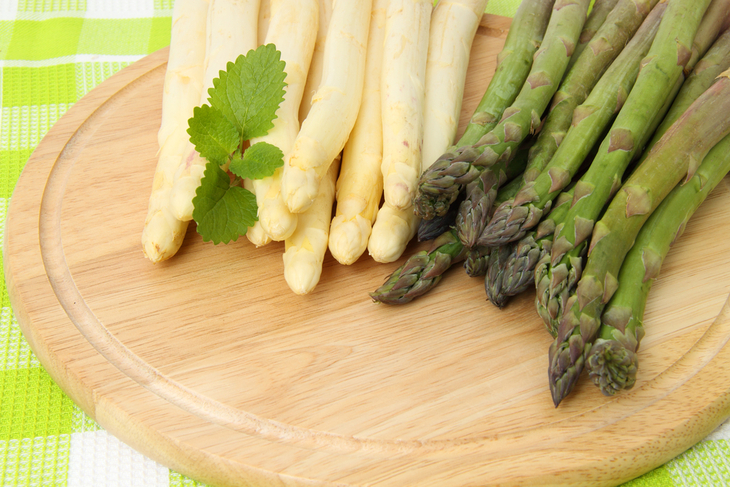
When washing produce, the focus often
remains on the main body, neglecting stems and stalks. These parts can
be just as contaminated, if not more, due to their direct contact with
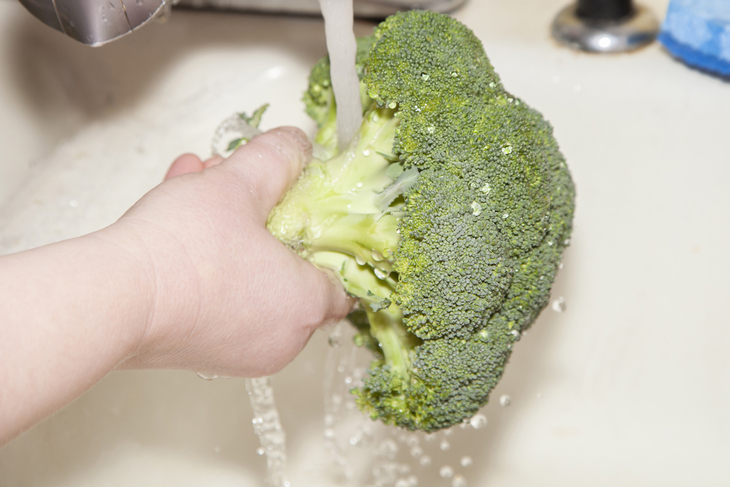
soil. For items like broccoli, asparagus, or celery, it's essential to
ensure water reaches these areas. Use your fingers or a soft brush to
clean these often overlooked parts, ensuring all dirt and residues are
removed, which is vital for both taste and safety.
6. Using hot water to wash produce
https://gscrochetdesigns.blogspot.com. one can see my crochet creations
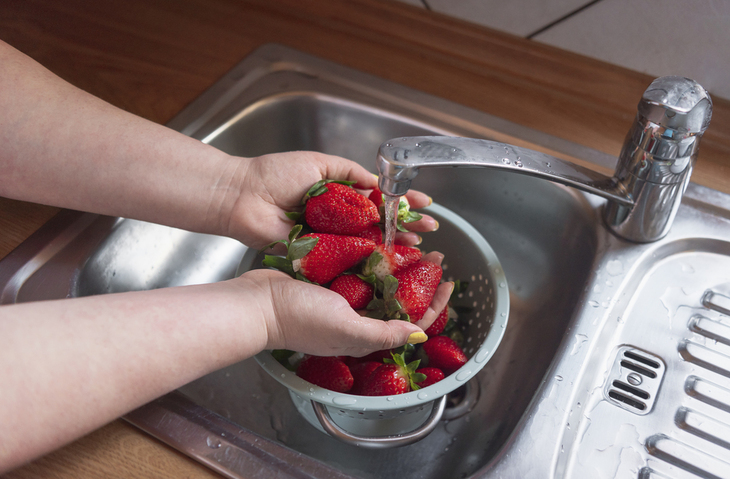
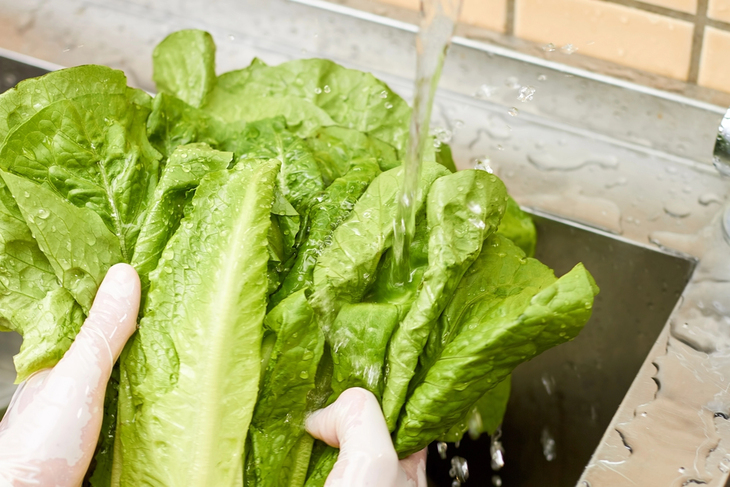
While hot water is effective at killing
bacteria in some cases, it’s not ideal for washing fruits and
vegetables. High temperatures can damage delicate produce like berries
or lettuce, affecting their texture and flavor. Stick to cold or
lukewarm water for cleaning, which is just as effective at removing dirt
and bacteria without compromising the freshness of your food. For
sturdy items like root vegetables, a gentle scrub under cool water works
best.
7. Washing berries before storing
Berries are delicate and absorb water
easily, which can lead to mold and spoilage if washed before storing.
Instead, rinse them just before consumption. If you must wash them in
advance, dry them thoroughly with paper towels or a salad spinner to
remove excess moisture. This practice not only keeps your berries fresh
longer but also prevents the growth of mold, ensuring they're safe and
delicious when you're ready to eat them.
8. Overlooking leafy greens
Leafy greens like spinach, kale, and
lettuce often come with hidden dirt, sand, or bacteria trapped between
their folds. Rinsing them under running water isn’t always enough to
remove all contaminants. Instead, soak the greens in a large bowl of
cold water for a few minutes, allowing the dirt to settle at the bottom.
Afterward, rinse each leaf individually and pat them dry with a clean
towel or use a salad spinner. Proper cleaning not only makes the greens
safer to eat but also helps preserve their crispness.
9. Forgetting to dry produce after washing
Leaving your produce wet after washing can create the perfect
environment for mold growth, especially if you’re storing it for later
use. Moisture left on fruits and vegetables encourages bacterial growth
and shortens their shelf life. After washing, always dry your produce
thoroughly with a clean kitchen towel or paper towel. For leafy greens,
use a salad spinner to remove excess water quickly. This step not only
keeps your produce fresh but also prevents unwanted bacteria from
thriving.
10. Ignoring to wash the nooks and crannies
Certain produce, like broccoli,
cauliflower, and berries, have natural crevices where dirt and bacteria
can hide. Rinsing under running water often isn’t enough to reach these
areas. Swirling such items in a bowl of water can help dislodge hidden
contaminants. For broccoli and cauliflower, you can even soak them in a
mixture of water and vinegar for added cleaning power before rinsing
them thoroughly. Ensuring these hard-to-reach spots are clean will make
your meals safer and more enjoyable.
11. Neglecting to clean produce with edible skins
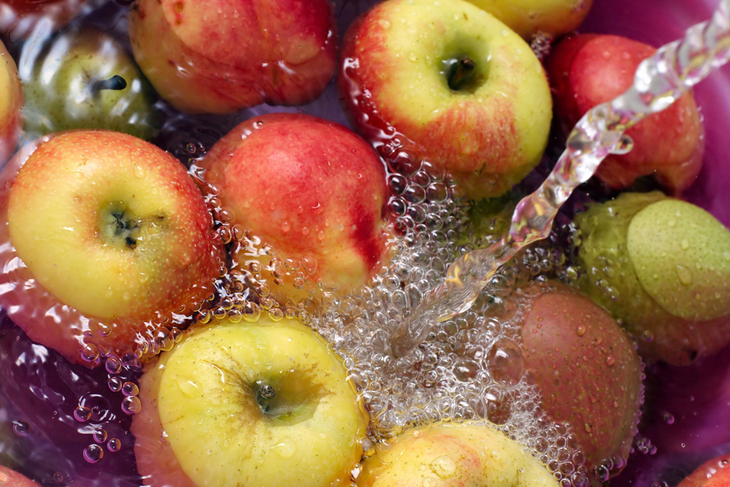
Items like apples, cucumbers, and bell
peppers often look clean at first glance, leading people to skip washing
them altogether. However, these fruits and vegetables are frequently
treated with waxes or pesticides that aren’t visible to the naked eye.
Washing them under running water and scrubbing them with a clean brush
ensures you’re not consuming harmful residues. Taking this simple
precaution makes your meals both healthier and tastier.
12. Overlooking the importance of tools
The cleanliness of the tools used in washing and preparing produce is as
important as the washing process itself. Cutting boards, brushes, the
sink, and even your hands can harbor bacteria. Regularly sanitize these
items and wash your hands thoroughly before handling produce. This step
prevents cross-contamination and ensures that the effort put into
washing your fruits and vegetables isn't undermined by dirty tools or
surfaces.

No comments:
Post a Comment